



We were lucky to catch up with Robert Kay recently and have shared our conversation below.
Alright, Robert thanks for taking the time to share your stories and insights with us today. It’s always helpful to hear about times when someone’s had to take a risk – how did they think through the decision, why did they take the risk, and what ended up happening. We’d love to hear about a risk you’ve taken.
A while back on one of the economic cycle downturns our company shrunk down to myself and one other person. As an engineer I had as yet failed to understand why marketing should have been my #1 priority ahead of thinking about technology.
At that time we had very little cash but had already signed up to have a booth at a local trade show. The two of us went and damn if the show wasn’t dead. The economy was bad all over. We skipped out of the booth on the last day to have lunch and try to de-stress. When we returned the folks in the booth next to us said a fellow had come by looking for us.
Turns out it was a real lead which ended up in an invite to fly up to San Jose to make a pitch to their VP for a novel 3D camera. Already well in the red we decided to work up a concept and pitch and somehow scraped together enough money for the plane ticket, car and hotel.
I had come up with 3 different ways we could crack the technology side of things but the real challenge was how to pitch it to win. It was going to be a win or lose event. No expert at marketing nor people, I took the leap. Picked an approach and style and leaned on my best guess for technical solution.
It was go home broke or go home with a Purchase Order.
Amongst all the risks I took, I risked just laying it all out on the table, honestly and with conviction.
They wanted a working prototype in 3 months for their trade show. I did not know if we could turn it in that time. But I told the VP that we would do so hell or high water. I also told him that the insides of the camera would look like spaghetti. But it would work.
He looked at me and asked my why my idea was better than my competitor. Again, I gave an honest engineering answer without glitz or glamour thinking that I would surely lose this opportunity.
That VP gave me the PO before I got on the plane home.
Now we had to figure out how to make good on that promise. We took a risk on making that promise and now we had to deliver. The key was to look at the problem upside down and backwards. In this case, as with others in my career, the best solution to a faster more accurate camera was to refine what a camera is and then open up what things constitute a solution given the actual requirements.
In the end, there were many risks and different types of risks (financial, technical, etc). But we ended up building cameras for that company, got a patent on our novel approach and ultimately re-framed that technology for the robotics 3D vision systems we make today.
Thank goodness we came back from lunch instead of just going home from that trade show.
As always, we appreciate you sharing your insights and we’ve got a few more questions for you, but before we get to all of that can you take a minute to introduce yourself and give our readers some of your back background and context?
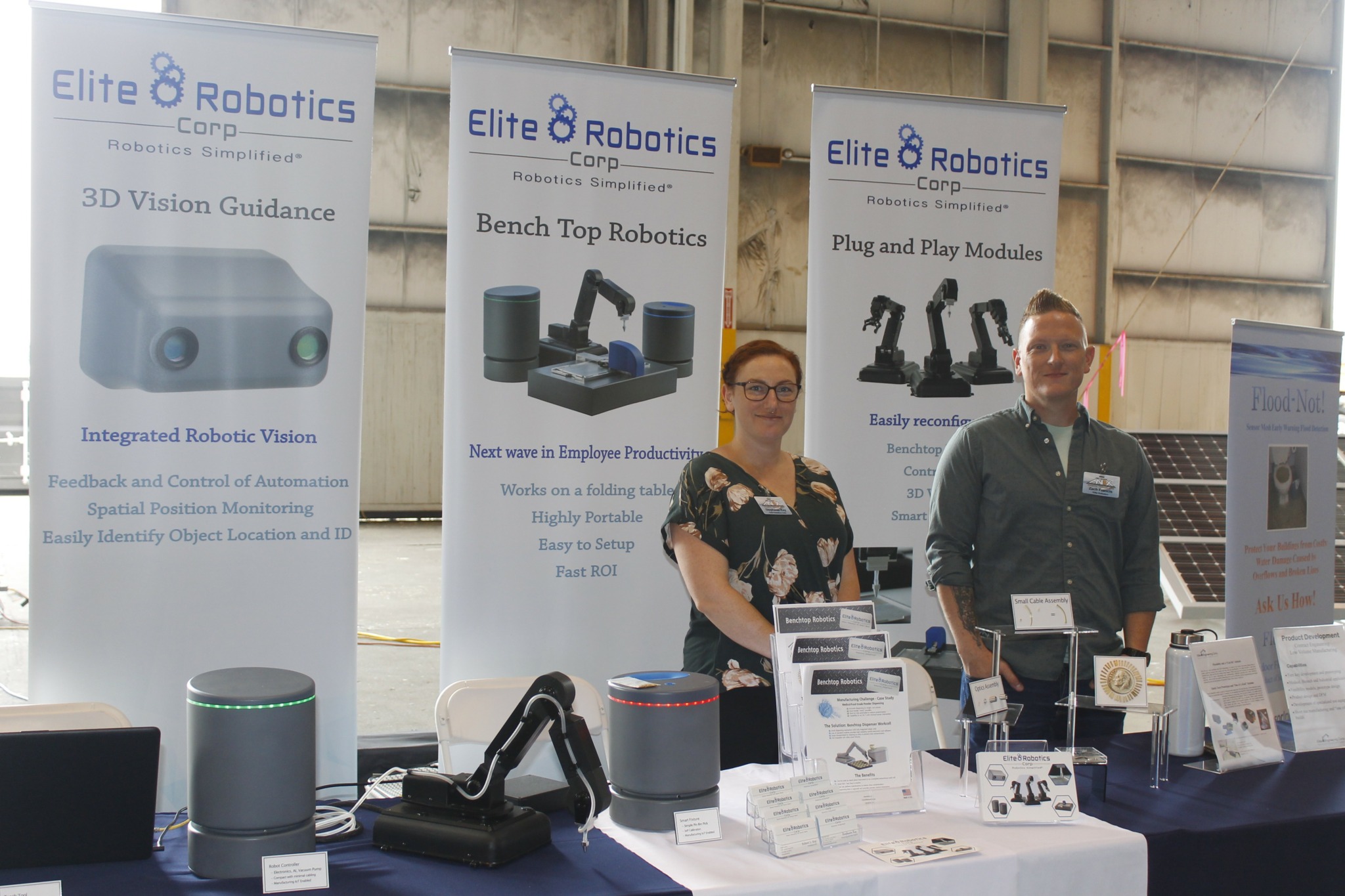
I started my career as an engineer who loved math and physics. My wife had the marketing degree and business experience so in 1988 we founded Elite Engineering, a product development firm. As of today, I am President/CEO of two companies: Elite Engineering and Elite Robotics and a managing partner in an LLC that holds fifteen patents.
In the time we have run Elite Engineering, the development company, we have worked on things such as aircraft ejection seats, cancer detection machines, hand held blood analyzers, many type of robots, lots of custom cameras, surgical laser systems, solar generators/trackers, test equipment for HP & Kodak…..and a musical tooth brush.
Throughout this part of my career we’ve faced many challenges. Each time I have found that the combination of always being willing to learn outside your wheel house, willingness to risk, courage to see things through, these traits have been key to still being in business today.
The only thing I believe more important is building a Team based on old school values: honesty, performance oriented, being a mentor, leaving your ego at home, trusting but also verifying. Today the name on our building means something because of the Team. I could that as one of my real accomplishments.
Do you have any insights you can share related to maintaining high team morale?
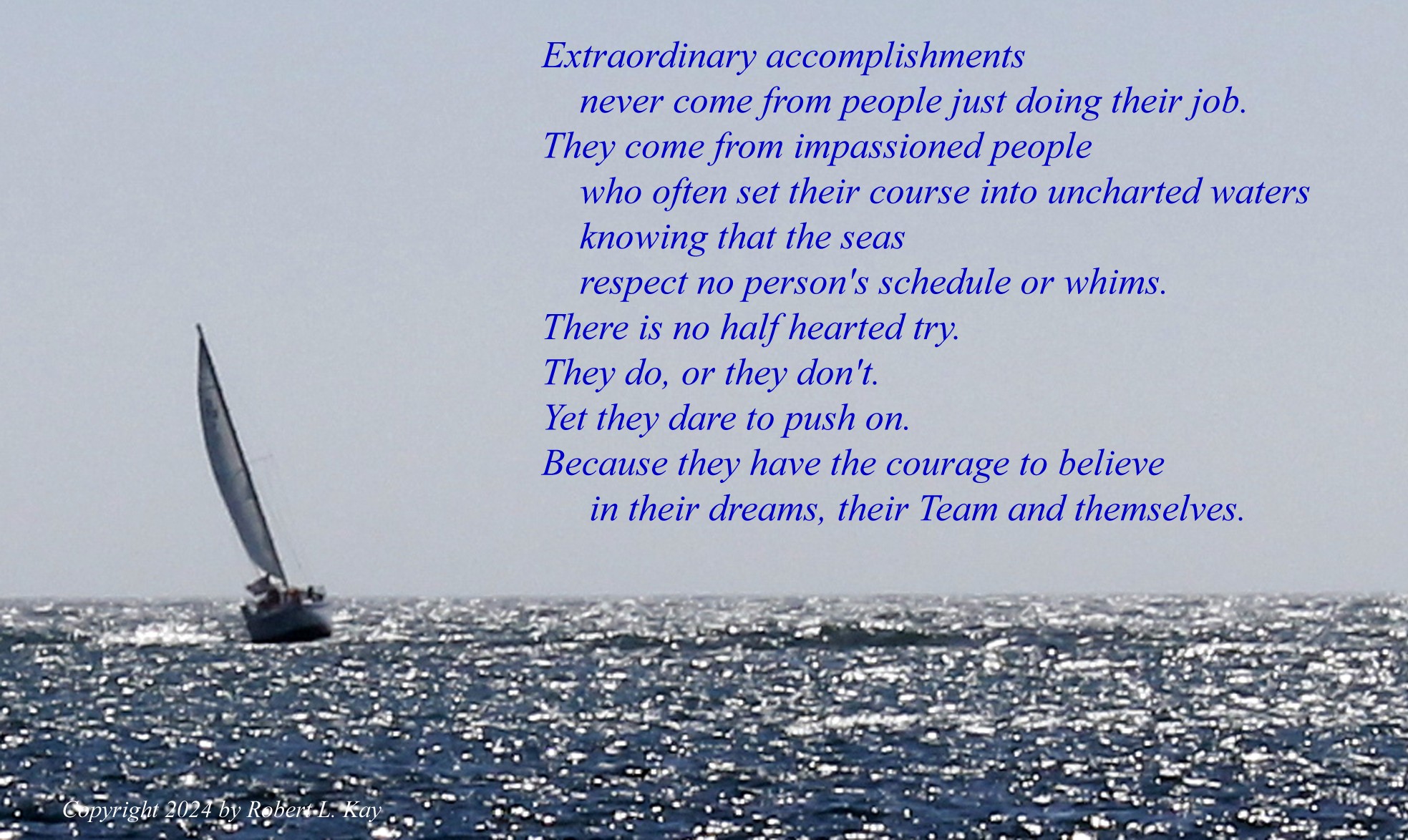
The Team will be the mirror image of its management. If you lie, cheat steal or the like, your Team will be the same way. Want them to trust you? Do you want the Team to be there for those times you need to make a “no look pass”? The you need to understand that the Team will watch where you put the high bar.
Do you handle stress well? Do you focus on the problem instead of sinking into the blame game? Do you stand up for the Team, correct them when needed, mentor them, show them the path and then let them blaze the rest of the way?
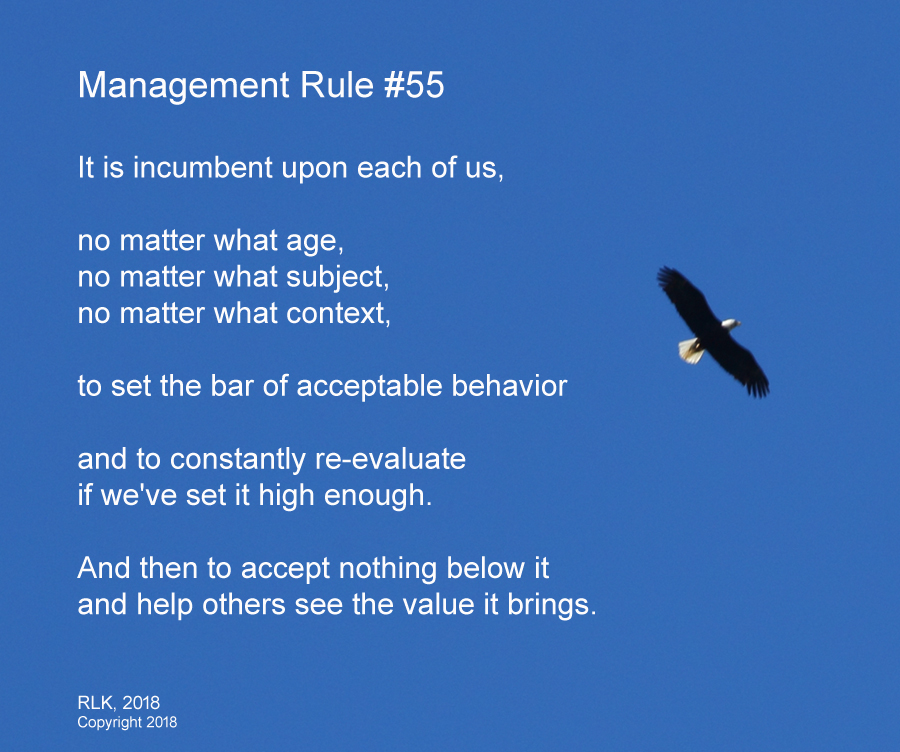
Good leadership leads to a good Team with good morale. Of course there will be highs and lows. But when you get to the other side, the Team will have seen the real you, under pressure, under stress. Lead from the front and they will see who you really are. The good people will follow you through thick and thin.
This is why good leadership is hard to do. It never lets up. It’s a thing in dynamic balance and any idea that you have it under control is clearly a fleeting concept.
Find the people with whom your leadership style fits, get rid of your “problem” children as quickly as you can. They will only poison your Team, especially if the Team sees you tolerate bad behavior.
Hired mercenaries will tolerate and work with A-hole leaders only when the money is good. Want a Team that will actually help you and skip the politics to take your venture all the way to exit? Be a good leader.
We often hear about learning lessons – but just as important is unlearning lessons. Have you ever had to unlearn a lesson?
If you haven’t focused on the “why” of what you’re doing and the marketing…you can only win randomly. Your business may be focused on hitech or digging ditches. But it should always be marketing and building your Team that guides and drives your venture. In this regard, it took me many years before I “unlearned” being “techno-centric” and learn how to make a good balance in this. I had to thoroughly learn and understand my market, Customers and Team in order to properly leverage my technical skills.
You can’t manage what you don’t understand. That happens by luck. I learned the hard way you can’t build and maintain a business on hope and luck. The cavalry isn’t coming regardless of how much you hope they will. It’s your job to find all the land mines before you or your Team steps on one.
Contact Info:
- Website: https://www.eliteeng.com
- Linkedin: https://linkedin.com/in/robert-l-kay-a141ba10
Image Credits
Robert L. Kay