

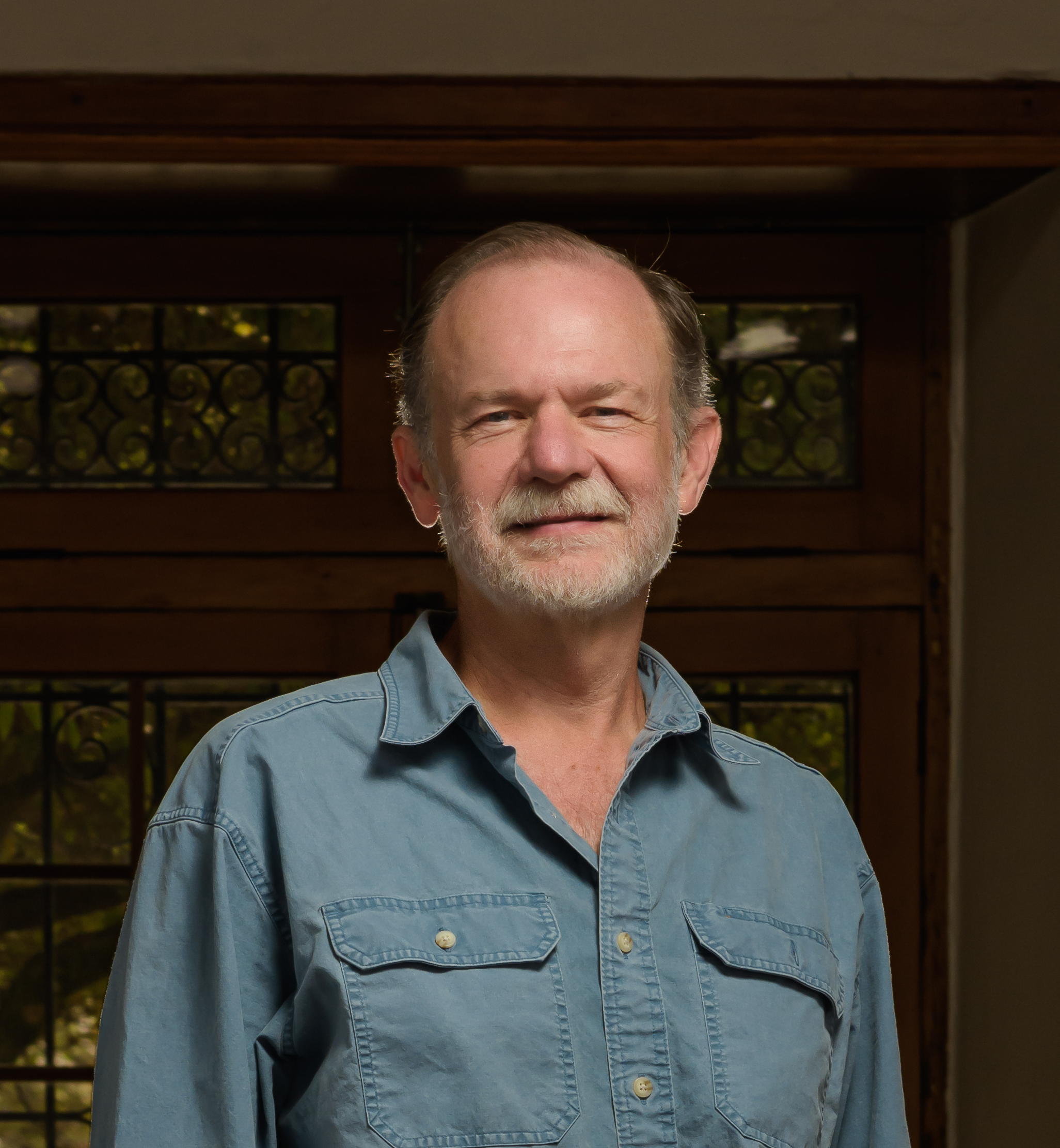

We’re excited to introduce you to the always interesting and insightful Robert J. Lang. We hope you’ll enjoy our conversation with Robert J. below.
Robert J., thanks for taking the time to share your stories with us today Are you able to earn a full-time living from your creative work? If so, can you walk us through your journey and how you made it happen?
While I have been a passionate practitioner of origami for nearly sixty years—since age six—for most of that time I never considered trying to make it my full-time career. Instead, my full-time career was laser physics—first at NASA’s Jet Propulsion Laboratory, then at Spectra Diode Laboratories, a company in Silicon Valley. My pursuit of origami was a “nights and weekends” thing, which, nevertheless, included the creation of quite a bit of art and writing several books of my origami designs.
During much of that time, though, I had an idea for a book that went beyond the usual “recipe book” of folding instructions for specific designs; I wanted to write a book that would teach people how to create their own original designs, teaching them all of the geometric design concepts and techniques I had developed over the decades of creating my own designs. After many years of little progress, though, I came to the conclusion that I wouldn’t be able to write that book as a “nights and weekends” project; it need full-time attention. And thus, I came to a crossroads: do I continue on my current path as a manager in a commercial company, or do I write that book? I decided that whatever I might accomplish in a laser career, there were other laser physicists who could accomplish something similar; but I felt that I was the only person who could write the book I envisioned, and it was a book that needed to be written. So I quit my job, and began to write.
At the same time, it was an opportunity to start following up on all the leads for origami design that I’d had to turn down during the years I had a full-time laser job. So I built a website, hung out my shingle (so to speak), and began to take on origami jobs while I wrote. That, and word-of-mouth led to a steady stream of origami opportunities, and by the time I finished writing the book, I found myself with a full-time job as an origami artist and consultant. And that’s what I’ve been doing now, for nearly 25 years. The job opportunities evolved and changed over time, including creating art for advertising, for private commissions, writing articles and books, and consulting on applications of origami for companies and universities (including back at my original employer, JPL). It’s been a full and satisfying career. Perhaps I could have started down that path sooner, but there were things I learned during my laser days about business, contracts, and even some of the relevant technologies that have served me well in the business of origami.
Robert J., love having you share your insights with us. Before we ask you more questions, maybe you can take a moment to introduce yourself to our readers who might have missed our earlier conversations?
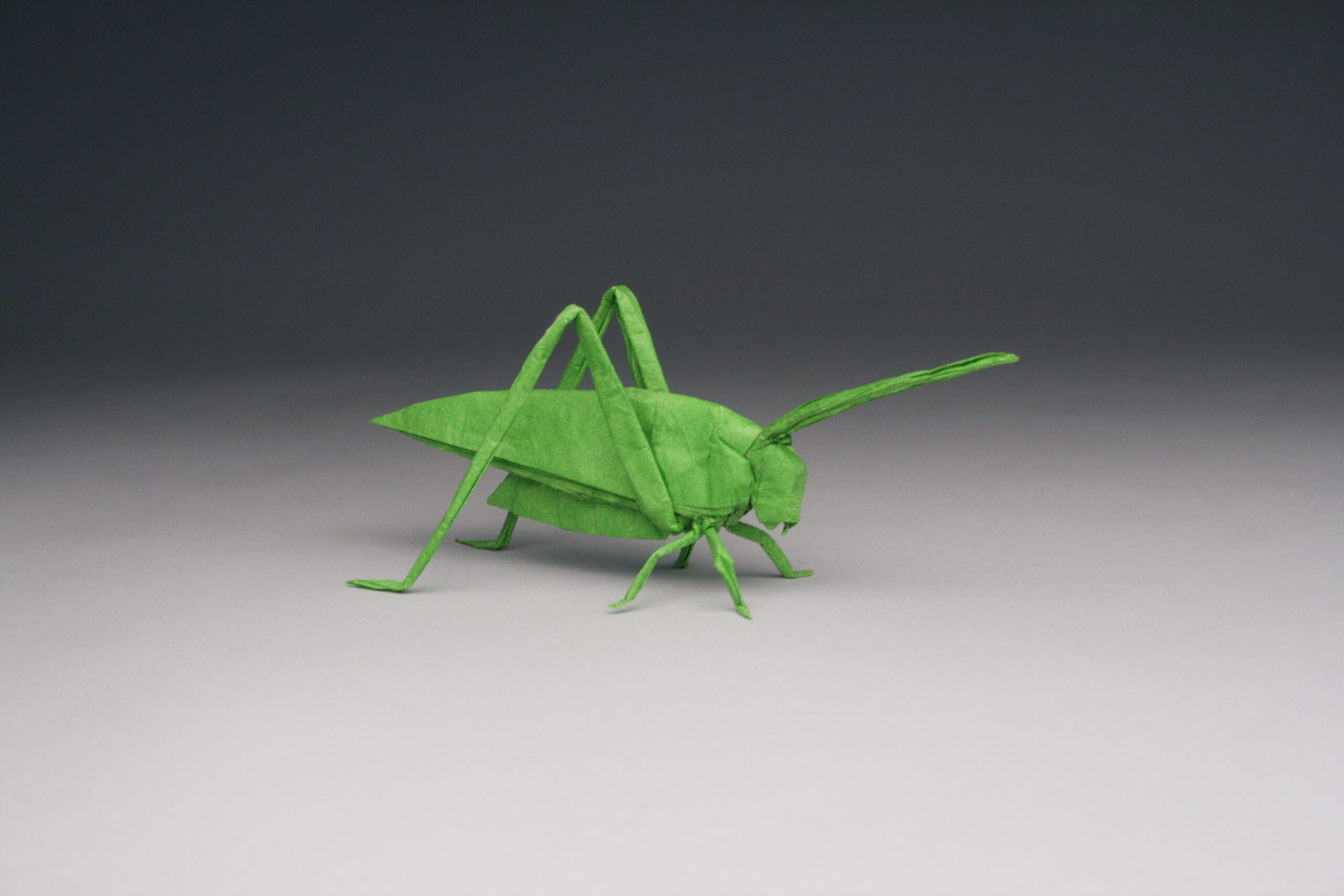
I took up origami at age 6, when I found some instructions for some of the traditional designs in a craft book. I was immediately hooked, and have never stopped pursuing it. Initially, I learned how to fold patterns from books of design, but before long, I begain creating my own designs and found that I had something of a knack for it. I wrote several books of my designs, but the big change came when I quit my laser job (described in my answer to the previous question) to devote myself full-time to origami.
My specialty is origami design, and my commercial origami work has usually included creating bespoke designs for clients, whether artistic (for advertising or fine art sales) or technological (developing structures and mechanisms for functional devices, such as telescopes, antennas, and medical devices, to name a few). My background as a physicist gave me mathematical and computational tools that I have developed to solve origami design problems. I use them to solve my own clients’ problems; I also teach those techniques to other origami artists, who can and do use them (along with their own experiences and skills) for their own design ends.
Every project I work on is a mixture of art and science; there is science in all my art, and art in all my science—only the relative amounts change. In science, collaboration is a given; most of my scientific developments in origami math and technology have been done in collaboration with others. One project I am particularly fond of is the Eyeglass, a telescope component created by NASA/JPL, a deployable “occulter” about 10 meters across, for which I developed the initial design codes for where the folds need to be to enable its deployment.
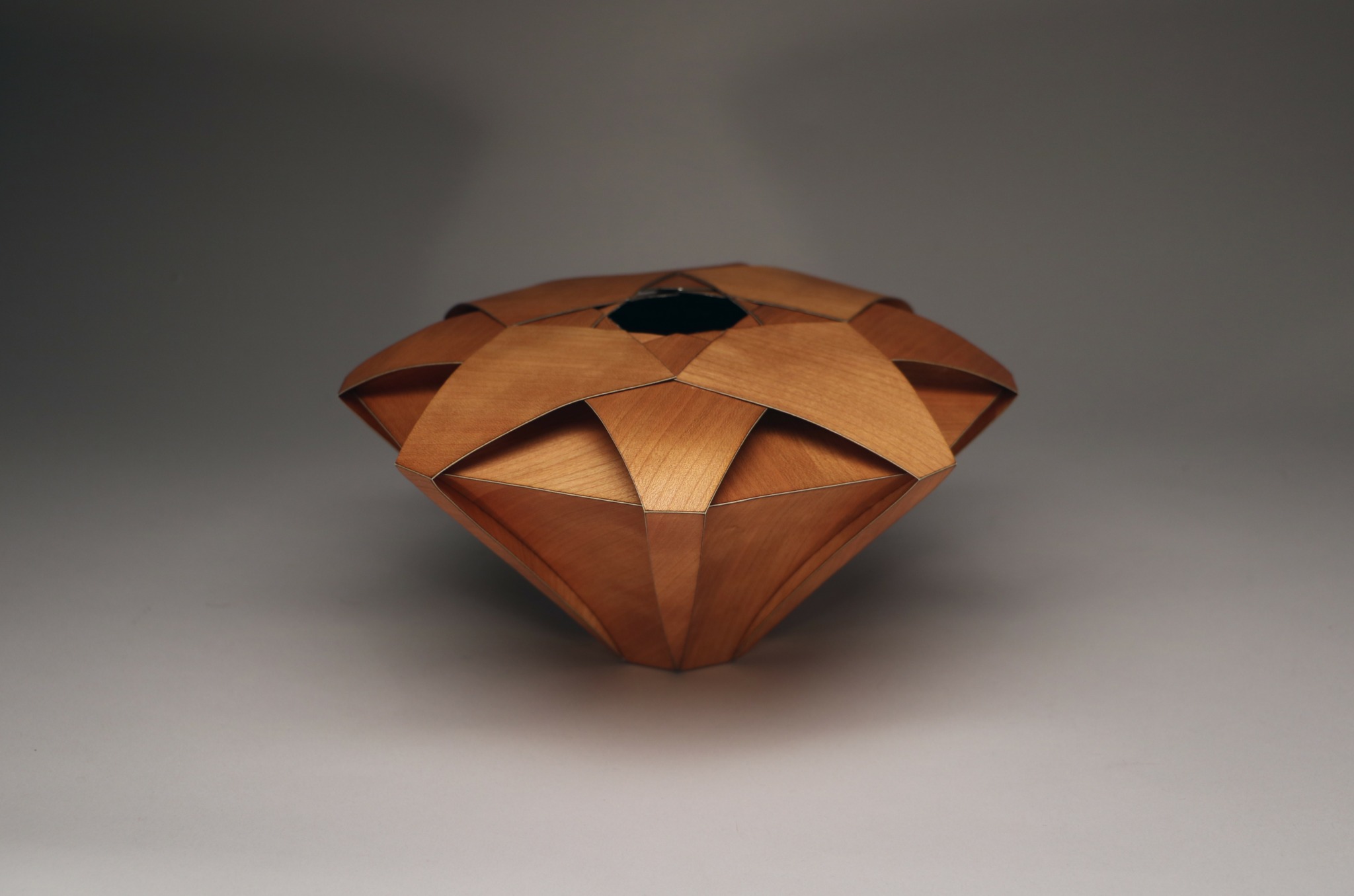
On the art side, I’ve been privileged to work with several artists to combine origami with other media. For 17 years, I’ve worked with a metal sculptor, Kevin Box, of Outside the Box Studio, to create origami-based sculptures rendered in bronze, aluminum, and stainless steel. Our works are now sold in ten galleries across the country (along with solo and other collaborative works by Kevin). Most recently, I worked with L.A.-based artist Glenn Kaino on “The Distance of the Sun,” a 30-meter-wide sculpture of 3D-printed enlargements of origami figures representing concepts of transportation from imagination and cultures through time and around the world, installed in 2025 at the Los Angeles Metro Connector train station.
For you, what’s the most rewarding aspect of being a creative?
The reward for being an artist is similar to the reward for being a scientist: it’s the joy of creating something that never existed (or was known) before, something that is meaningful and rewarding to others, as well as oneself.

We’d love to hear your thoughts on NFTs. (Note: this is for education/entertainment purposes only, readers should not construe this as advice)
I’ve been approached a few times by people who were interested in creating NFTs of my work. I’ve always declined. Unfortunately, there is a lot of scamming going on in the world of NFTs, things that have been created whose primary reason for existence is to extract funds from people who don’t know what they’re getting into. I would not claim that all NFTs are scammy—but enough are that it seems prudent to stay away from the field and not risk the taint.
Besides, what I really find rewarding in origami is the real physical practice: the feel of paper and experiencing how it reacts to folding and the real physical object that results.
Contact Info:
- Website: https://langorigami.com


Image Credits
Headshot: Oscar Osorio.
Unicorn: Kevin Box.
All others: Robert J. Lang