

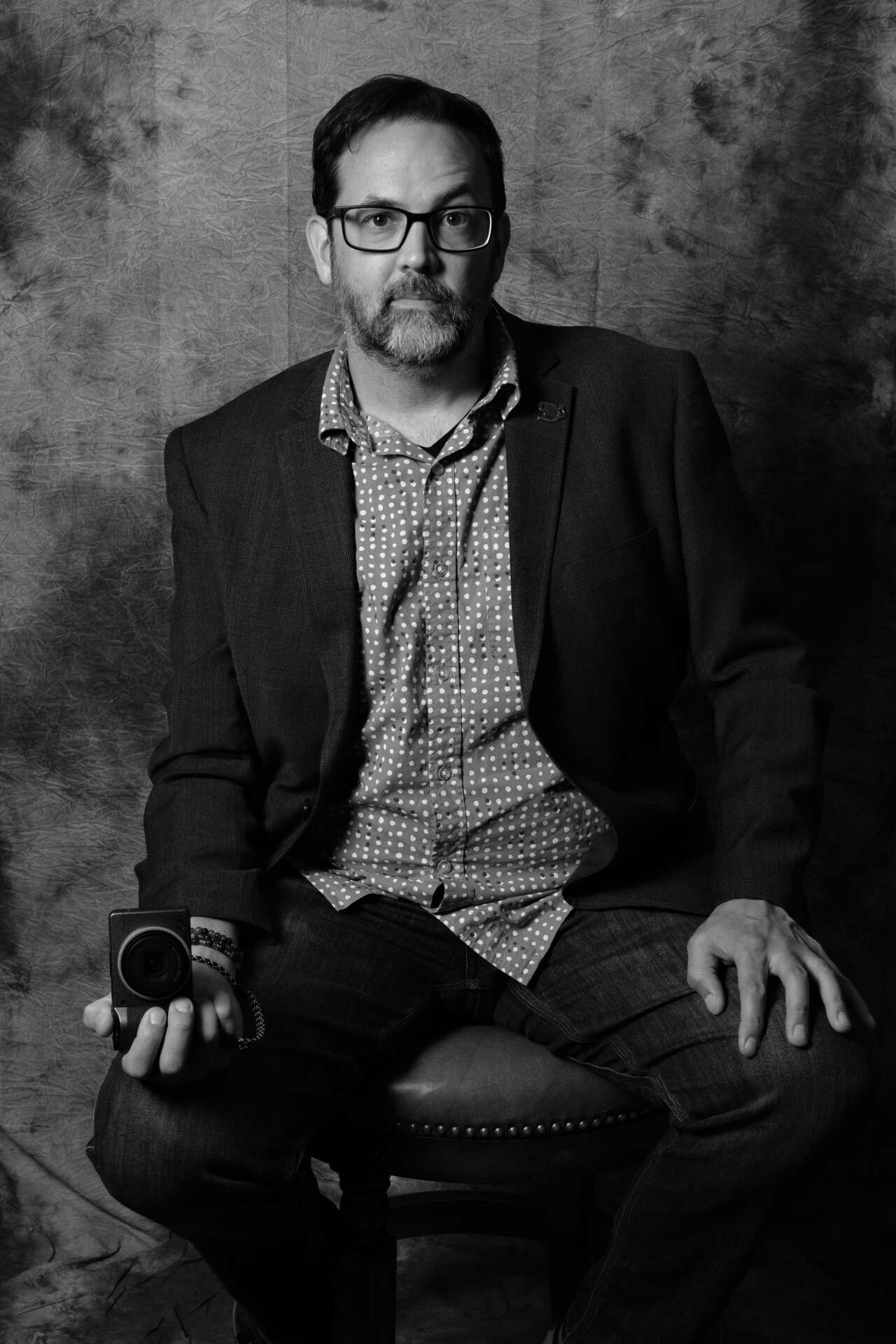

We’re excited to introduce you to the always interesting and insightful Robert Gray. We hope you’ll enjoy our conversation with Robert below.
Robert, thanks for joining us, excited to have you contributing your stories and insights. Can you talk to us about a project that’s meant a lot to you?
For the past five years, I have been developing a program to help people work through traumas and triggers through photography. This originally started as a way to help me work through my past, but through word of mouth, it developed into much more. I know help others by doing the same process that helped me.
Great, appreciate you sharing that with us. Before we ask you to share more of your insights, can you take a moment to introduce yourself and how you got to where you are today to our readers.
I feel like I have had many starts in my life, all leading me to the next new start. Every interaction and every experience can be the start of something if you take that first step. My photo journey started in Egypt in 2008. Although the touristy things were amazing to see, it was really the people that interested me the most. I can honestly say I had no idea what I was doing, but I was fascinated and captured the environment around me. It was a turning point for me really. I grabbed a Sony point and shoot on the way to the airport, and the most epic adventure. I took a pause on my photo storytelling and really dove in a few years later while I was on a work trip. I studied the craft and bought a Canon T3i. I eventually took a Film photography course at Colorado, Colorado Springs (UCCS) and ended up having my first art show before the class was over. After that, I decided I was going to minor in art while majoring in Engineering. It really helped me balance out my brain.
In 2016, I started working on a tableaux series using my 35mm film camera to help me work through my past. On 08/26/17, I showed my masterpiece in an Abandoned Newspaper factory with the help from friends to include Mr. Kristopher who was an EDM artist in Brooklyn at the time. By 2018, it was on display in a known local Art gallery and in an International Art Catalogue. This was a major milestone for me. It was personal and the only style I get nervous about showing. There is a lot of growth happening when trauma and triggers are recreated. There is even more growth when other people connect and tell their stories.
This show was titled E=Motion to represent the Energy and motion to work on oneself. I was accompanied by a DJ in Denver that I had been working with. His main focus was to shift emotions through sound. Every piece was titled The pick a number Untitled Emotion so that I don’t tell you what to feel. They went from First through the Eleventh, and Thirteenth through Twenty, and The Last Untitled Emotion. The twelfth untitled emotion was mine and I wore a name tag that said as much. As artists, we are always imprinting ourselves in our work. This one was no different. People told me their stories and people cried. E=MOTION started the movement in my direction to help others work through their traumas and triggers. All of my Tableaux are layered and an experience on opening night. I want my audience to be a part of the experience and part of the art.
The Tableaux that I create became a word of mouth and really still is. Now, I have a team that helps me if I need it. This type of art has also led me to teach Veterans resiliency and how to get out of their heads. I have also taught the staff at UCCS my technique and will be teaching a five day workshop at a Resiliency Symposium for the Lyda Hill Institute for Human Resilience at UCCS in October. I also have a new art opening on Oct 6, 23 at the Surface Gallery, as well as the Key Note Speaker at the Peak Digital Imaging Society’s Awards and Community Outreach Ceremony
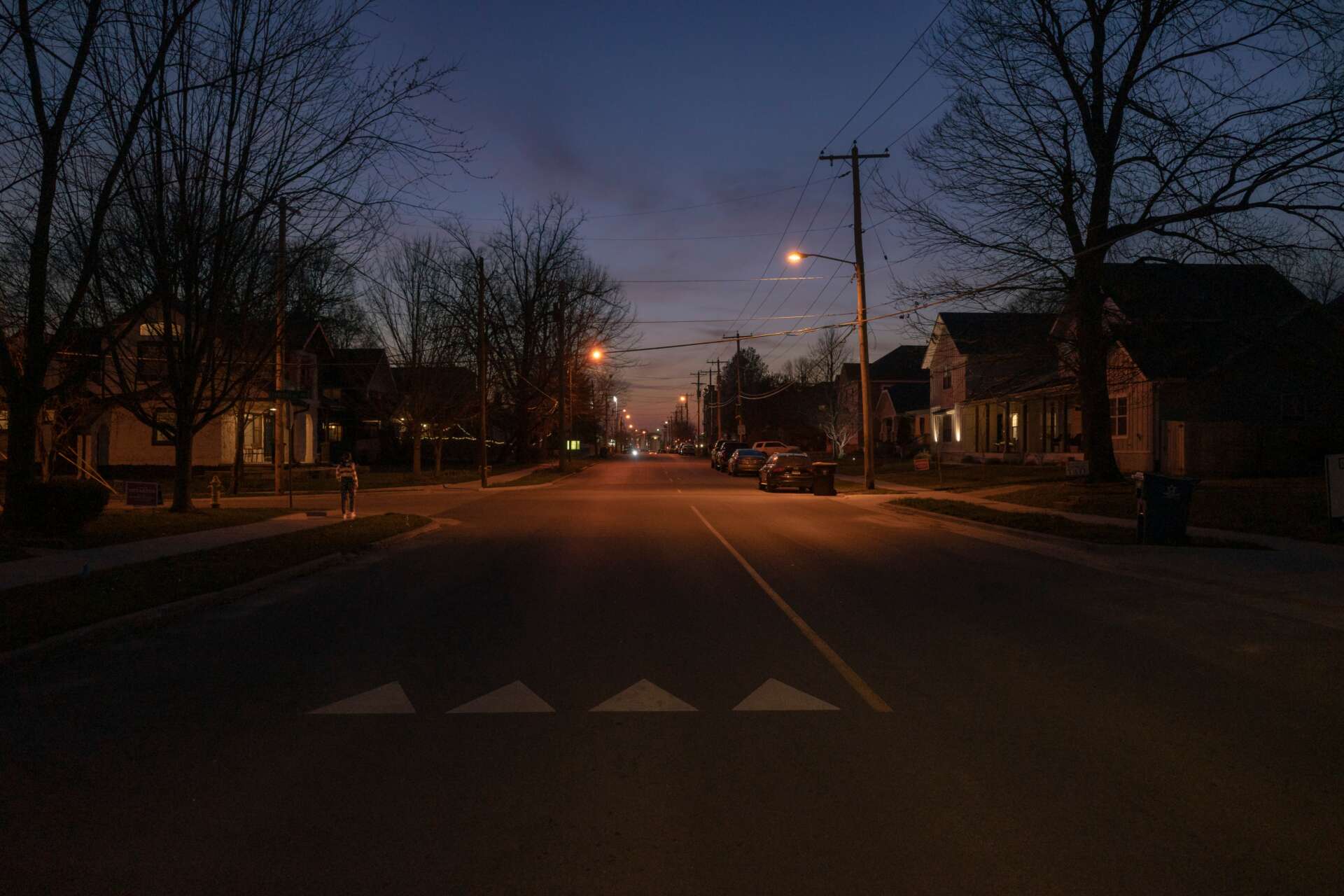
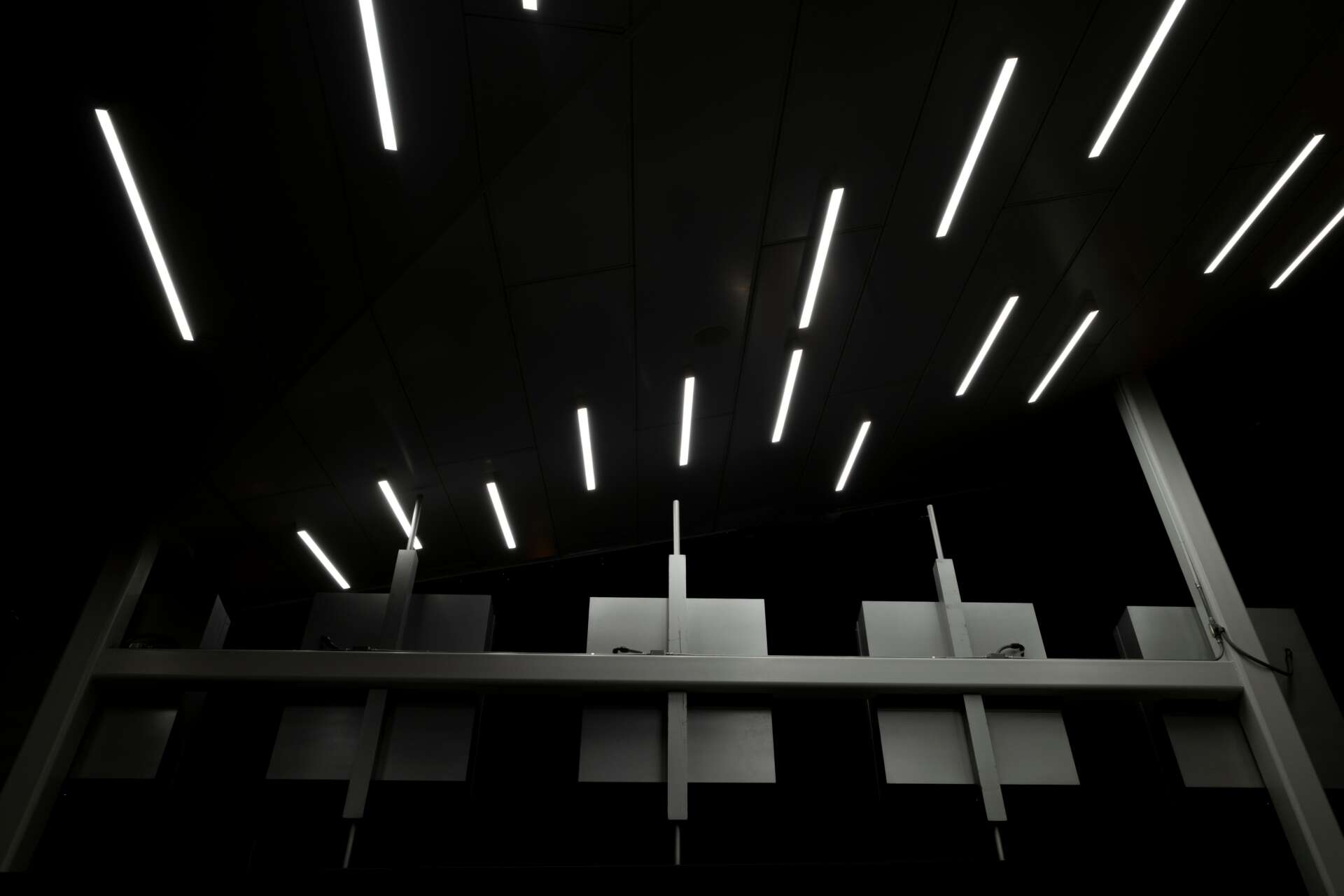
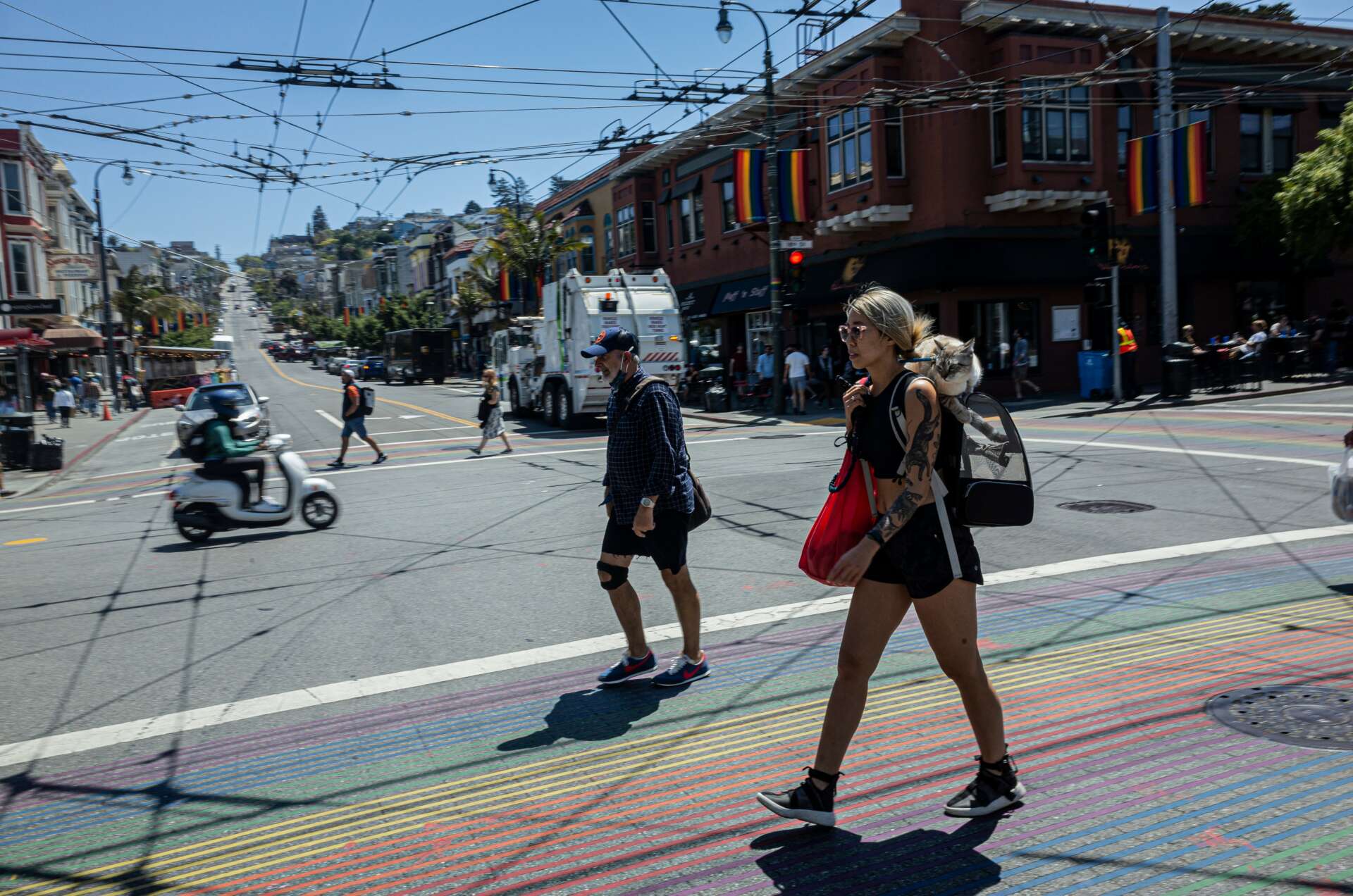
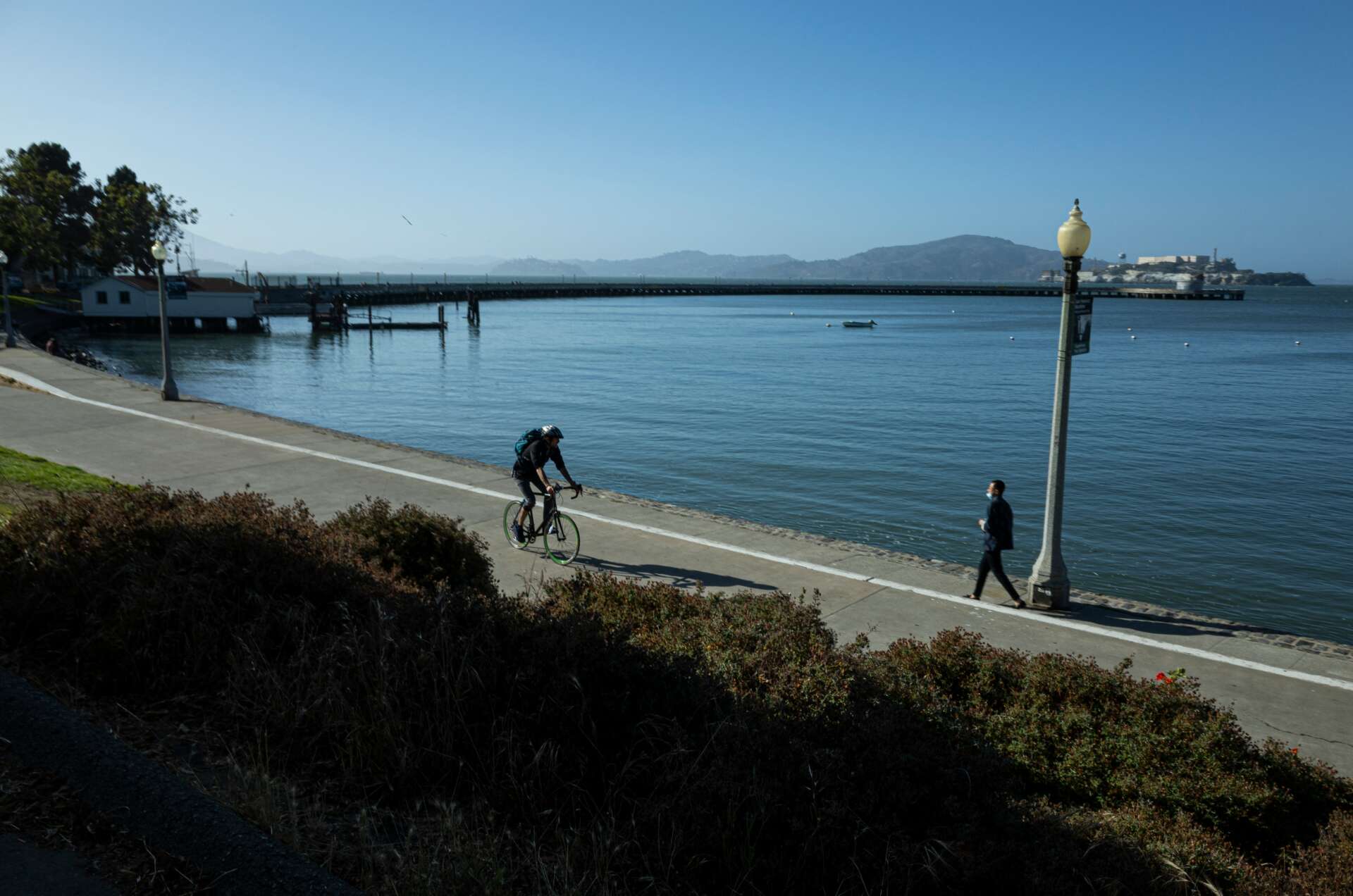
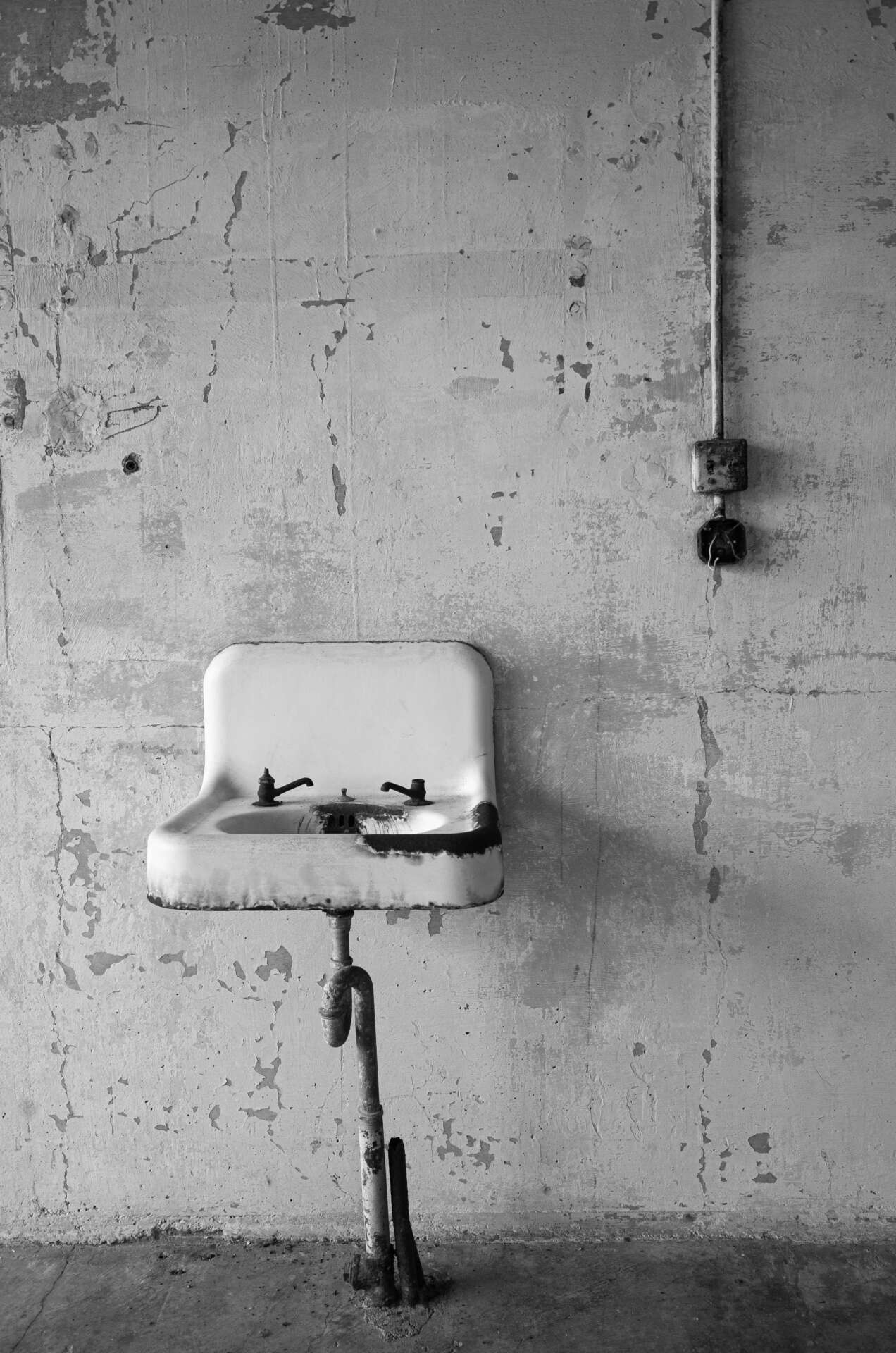
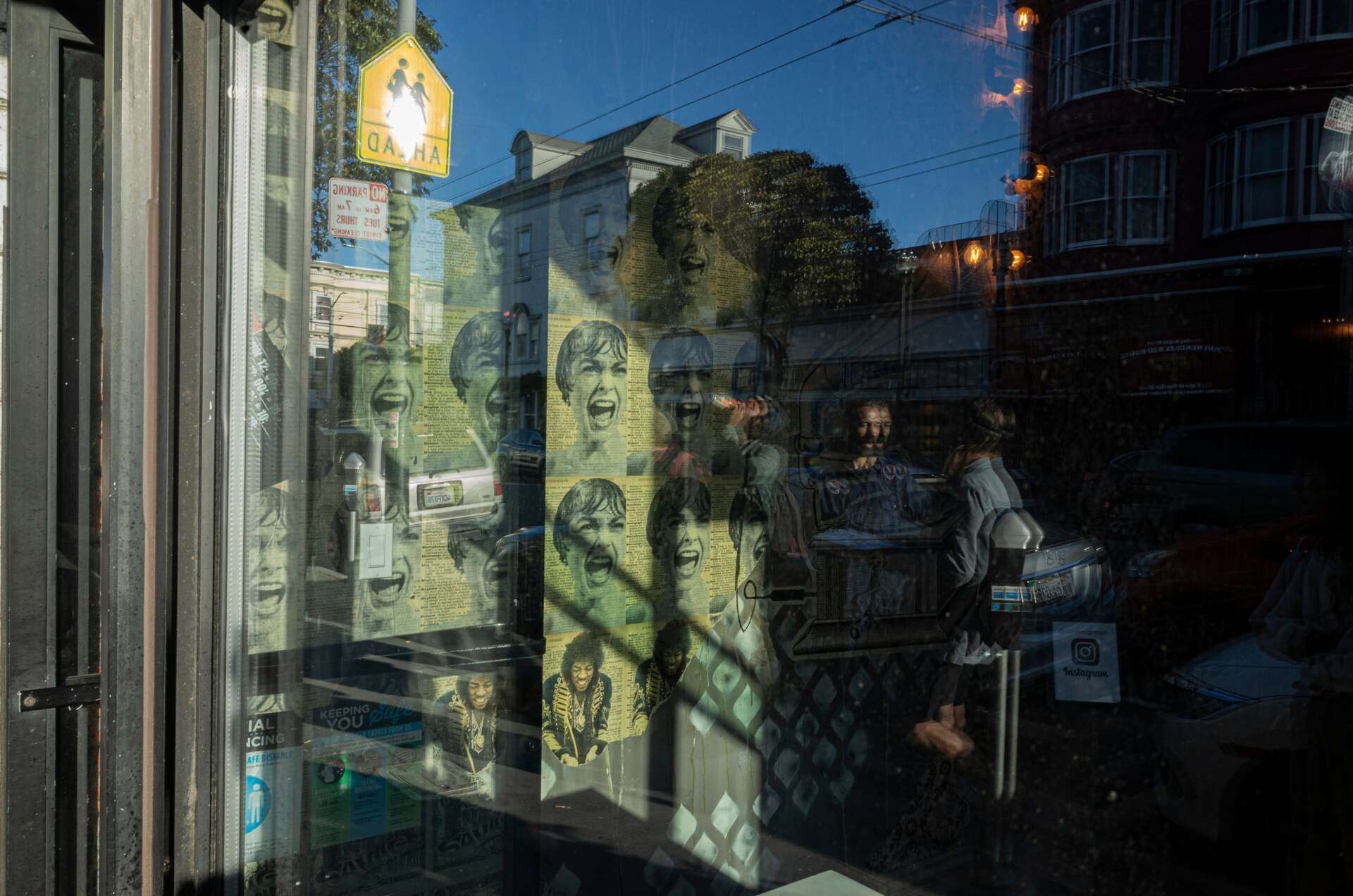
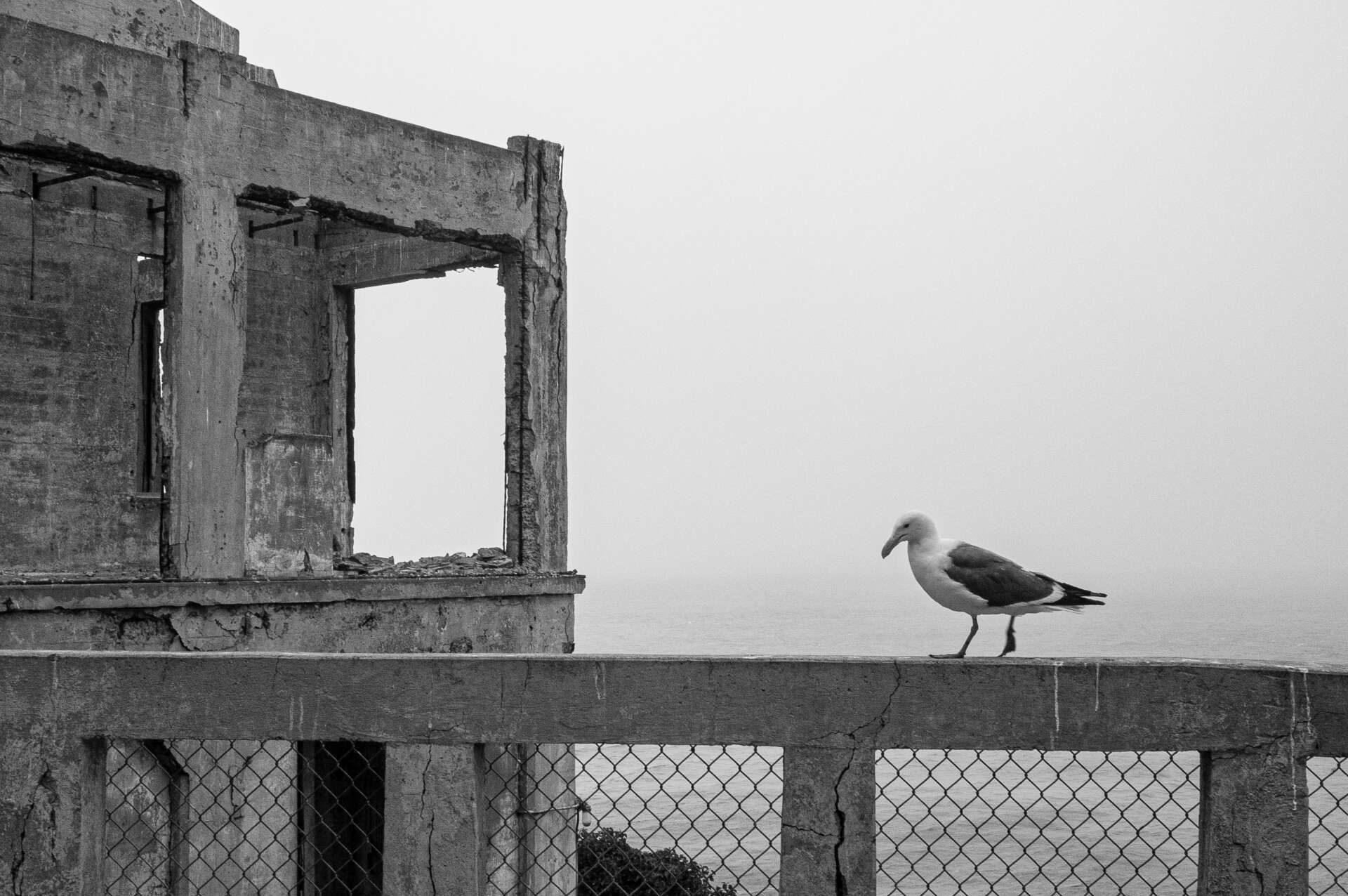
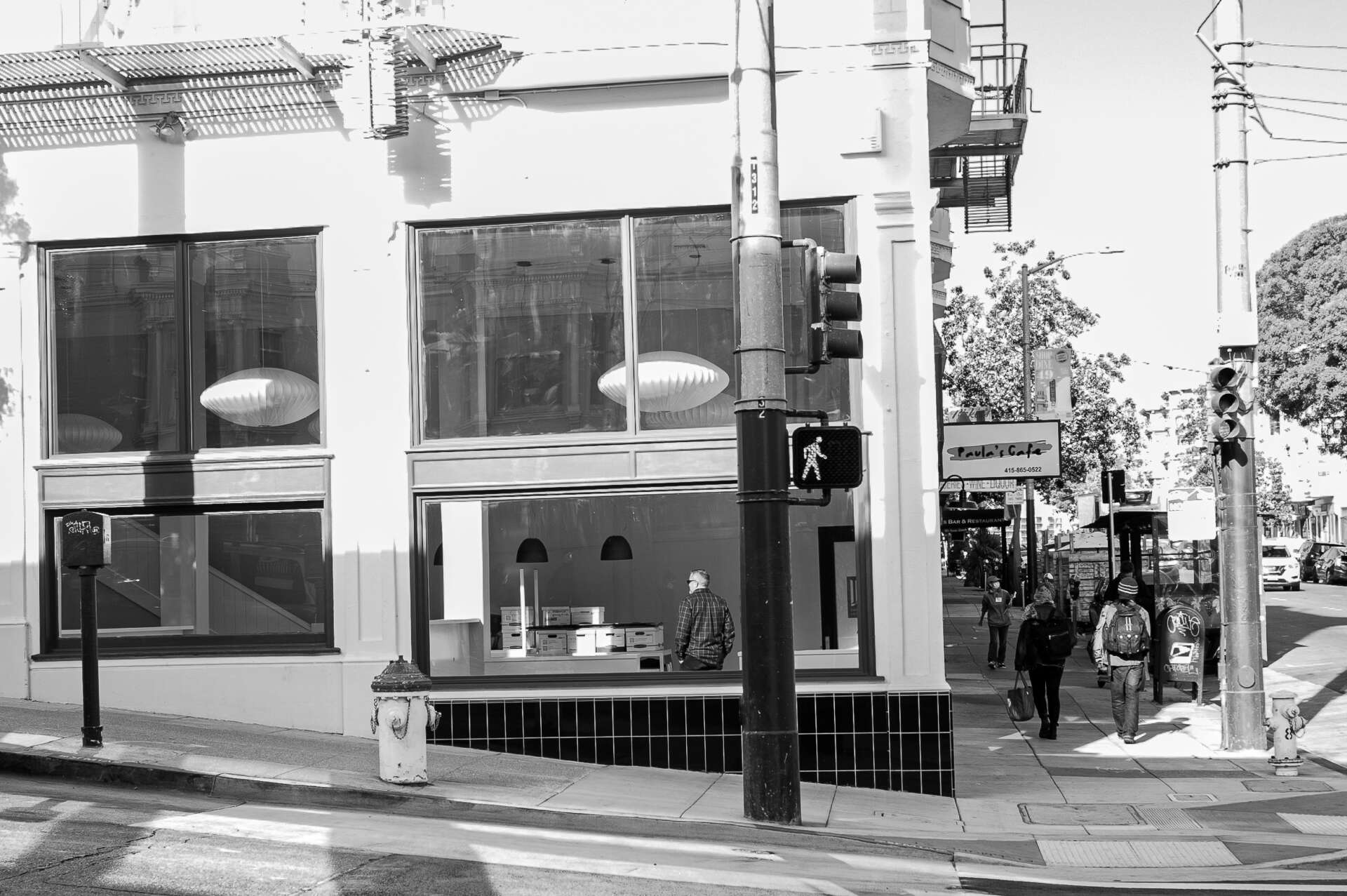
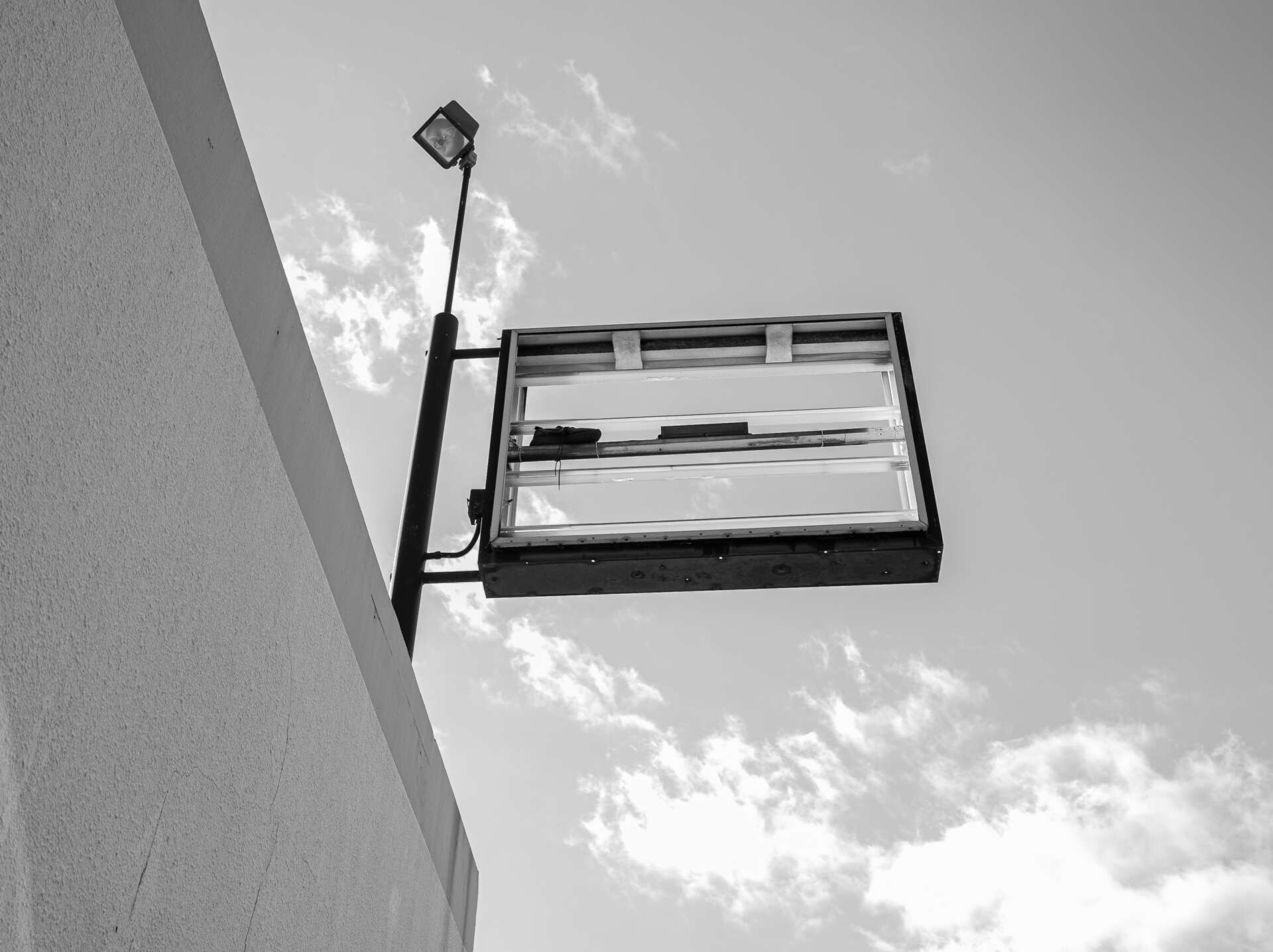
Holding a camera is a powerful thing. It’s a shield from the public when you don’t want to be in it. I am often found holding my Ricoh Gr III Street Edition when I am out in public, especially when I am out traveling. Angles, lines, and shadows are my favorite to accompany the story that is unfolding in front of us. I tend to view life in general as a story and I try to capture the day to day to reflect that. There of course is the main character, but I do try to have two supporting characters in every capture. Sometimes it’s people, and sometimes it’s inanimate objects. Either way, there is a story to be told, emotions to feel, and growth to be had.
Jump to the now, and I am the current President of the Pikes Peak Arts Council, an Artist, Public Speaker, and a Leader in my community.
Is there a particular goal or mission driving your creative journey?
That is a Great Question! Honestly, my main focus is helping people work through their past traumas and triggers through the creation of tableaux. A passion for helping people has led me to work with various mental health groups throughout Colorado. Anywhere from teaching photography and workshops to public speaking at Events and Symposiums.
Looking back, are there any resources you wish you knew about earlier in your creative journey?
I think knowing that different entities will give grants to artists to help them succeed. Knowing that Art Councils exist is a huge benefit as well. I have learned so much by being involved with the Pikes Peak Arts Council.
Contact Info:
- Website: www.grayelementsart.com
- Instagram: https://www.instagram.com/rahbertgray and https://www.instagram.com/grayelementsart
- Facebook: https://www.facebook.com/GrayElementsArt
- Other: I am also the President of the Pikes Peak Arts Council. www.pikespeakartscouncil.org. We are a 501c.3 non-profit who help arts be artists since 1968. We teach the business side of art, give art grants, help them with promotion, help get artists into art shows, as well as host networking events.
Image Credits
Headshot was made by Brian Tryon.