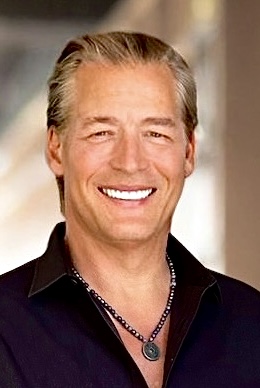

We were lucky to catch up with Rob Swymer recently and have shared our conversation below.
Rob, appreciate you joining us today. We’d love to have you retell us the story behind how you came up with the idea for your business, I think our audience would really enjoy hearing the backstory.
My journey into the neuroscience of leadership began over a decade ago—not in a boardroom, not in a workshop, but in the depths of personal grief. On July 31, 2013, I lost my wife of thirty-two years, Bonnie, suddenly and without warning from a massive brain aneurysm. We had built an amazing life together, the next moment, it was gone. The year that followed was a blur, each day blended into the next as I did everything I could to move forward with Bonnie, not from her. I was brought to my knees often, questioning why I was still here, why I was left behind. I had faced adversity before, conquering addiction, depression, even suicidal thoughts. Those experiences had forced me to build resilience brick by brick. And though I didn’t know it then, I would have to lean heavily on that foundation in the years ahead. Emerging from the fog of grief, I began asking deeper questions: What is my purpose now? What was I truly put here to do? I turned to the wisdom of others; Claire Dale, Paul Zak, Mel Robbins, Brene’ Brown, Jay Shetty, Simon Sinek, and Tony Robbins to name a few. Their teachings opened my mind to new frameworks, but it was the idea of servant leadership that ignited something deeper. I realized that my purpose wasn’t just to lead, it was to transform. To demonstrate how servant leadership could reshape company cultures, empower teams, and drive lasting impact. This revelation coincided with the final decade of my forty-year career in high-tech sales leadership. I became increasingly focused on legacy: not titles, not numbers, but people, and how we treat them. Then came the opportunity that changed everything.
All my research, experience, and passion for leadership paid off when I was asked to go to London for a multi-billion-dollar tech company and lead the UK and Ireland. The team was filled with amazing individuals that truly cared about the vision and mission we had. The challenge was that they had experienced four leaders in three years. Trust was low. Collaboration was strained. Performance was inconsistent. As an American in London for the first time, leading a team that I had never met, I knew that I would have to call on all my experience to over deliver on my assignment to get the UK and Ireland back on track. I arrived in early 2020, energized by the chance to build something meaningful. But just as we settled in, COVID hit. Lockdown. Offices closed. Plans scrapped. The world changed overnight. Now I had to lead a transformation entirely over Zoom.
Shortly after arriving in the UK, I connected with Claire Dale and Kevin Chapman, the founders of the Physical Intelligence Institute. I had long understood how language, focus, and physiology shape performance. But their work introduced a new layer; how we can detect and influence the chemicals in our bodies to shift our state.
The first year there was fast paced and challenging. There were many times that I questioned whether I was really the right person for the job. There was so much coming at us during that time, dealing with loneliness, isolation, and uncertainty. Was I really making a difference?We got a quick win, making our first quarter goal, and it gave the team the boost they needed. We had a common vision, and we were aligned to a purpose we could get behind. I made sure to focus on the culture, to bring them to a place of trust, collaboration, and high performance. I focused on igniting the team, bringing the Physical Intelligence practice to everything we did. By the middle of the first year, the team was not only making the numbers but exceeding them. We enjoyed a culture of high trust, respect, and a unified vision for success. Then something remarkable happened.
By the end of the first year, the UK&I was the top theatre in EMEA. We exceeded even our own expectations, breaking records and having more award-winning teams than ever before. As I watched this transformation in awe of the team that embraced the principles that I had brought to the table. I was convinced that we could never have accomplished what we did without embracing Physical Intelligence and making it the foundation of our culture.Here’s the truth I discovered through all of this: the ability to lead in a peak state isn’t reserved for the few. It’s available to all of us. It takes eight seconds. The time it takes to breathe deeply. To straighten your posture. To shift your focus. To change your internal chemistry. This is not science fiction. It’s neuroscience and it is proven. This is the future of leadership. The question is not can you do it, but will you?I no longer question my purpose here on earth or why I was left behind. I have conviction that I am here to impact the next generation by giving them the tools they need to be successful and overcome whatever life has in store for them. In this next chapter of my life, I am travelling the globe, speaking and facilitating hands-on workshops, teaching executives, entrepreneurs, and professionals how to leverage the science of the body to sharpen focus, increase energy, reduce stress, and build unstoppable confidence in high-stakes environments. By tapping into the technology of the body and unleashing the chemicals for peak state, I give them the tools they need to not only impact themselves, but everyone they connect with, work with, and love.
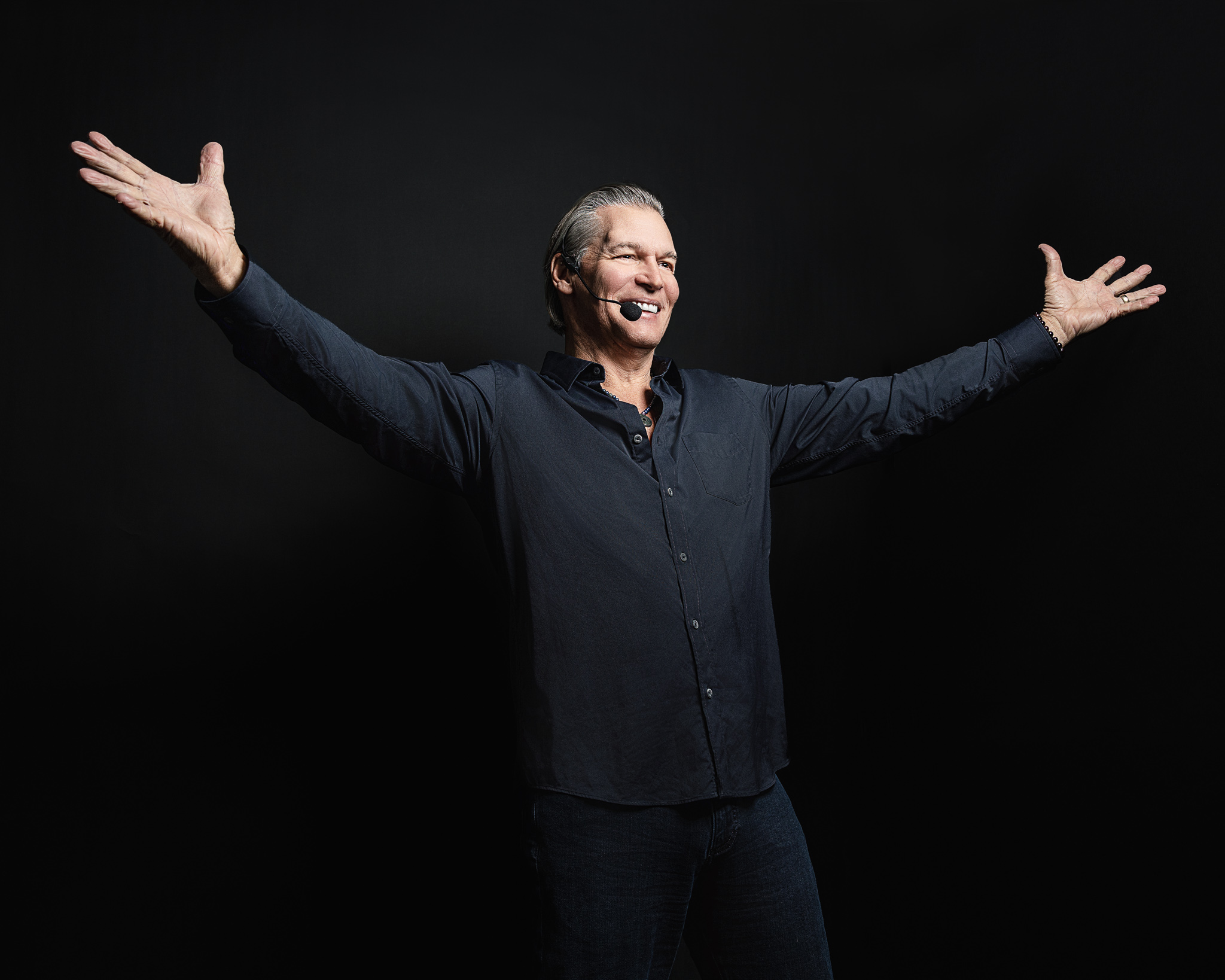
Great, appreciate you sharing that with us. Before we ask you to share more of your insights, can you take a moment to introduce yourself and how you got to where you are today to our readers.
My journey into this work wasn’t planned—it was earned through both leadership experience and personal adversity.
For more than 40 years I worked in the global technology industry, leading high-performance organizations in highly competitive environments. I had the privilege of leading teams across multiple regions, including an assignment to lead the UK and Ireland for a multi-billion-dollar technology company. Throughout my career, my responsibility was not only driving revenue but building cultures of trust, resilience, and performance.
What I began to notice over time was something fascinating: the difference between high-performing teams and struggling teams wasn’t just strategy or skill, it was state. How leaders showed up emotionally and physically had a massive impact on decision-making, culture, and results.
At the same time, my personal life was forcing me to confront that same reality. I had already overcome addiction, depression, and suicidal thoughts earlier in life, but in 2013 I experienced a devastating loss when my wife Bonnie of 32 years passed away suddenly. That moment forced me to deeply rethink purpose, resilience, and leadership. And ask the question; why was I left behind?
Those experiences led me into the world of behavioral science and neuroscience of leadership, studying how our body chemistry influences performance, relationships, and leadership. I became certified in Physical Intelligence and began applying these principles with the teams I led. The results were transformational.
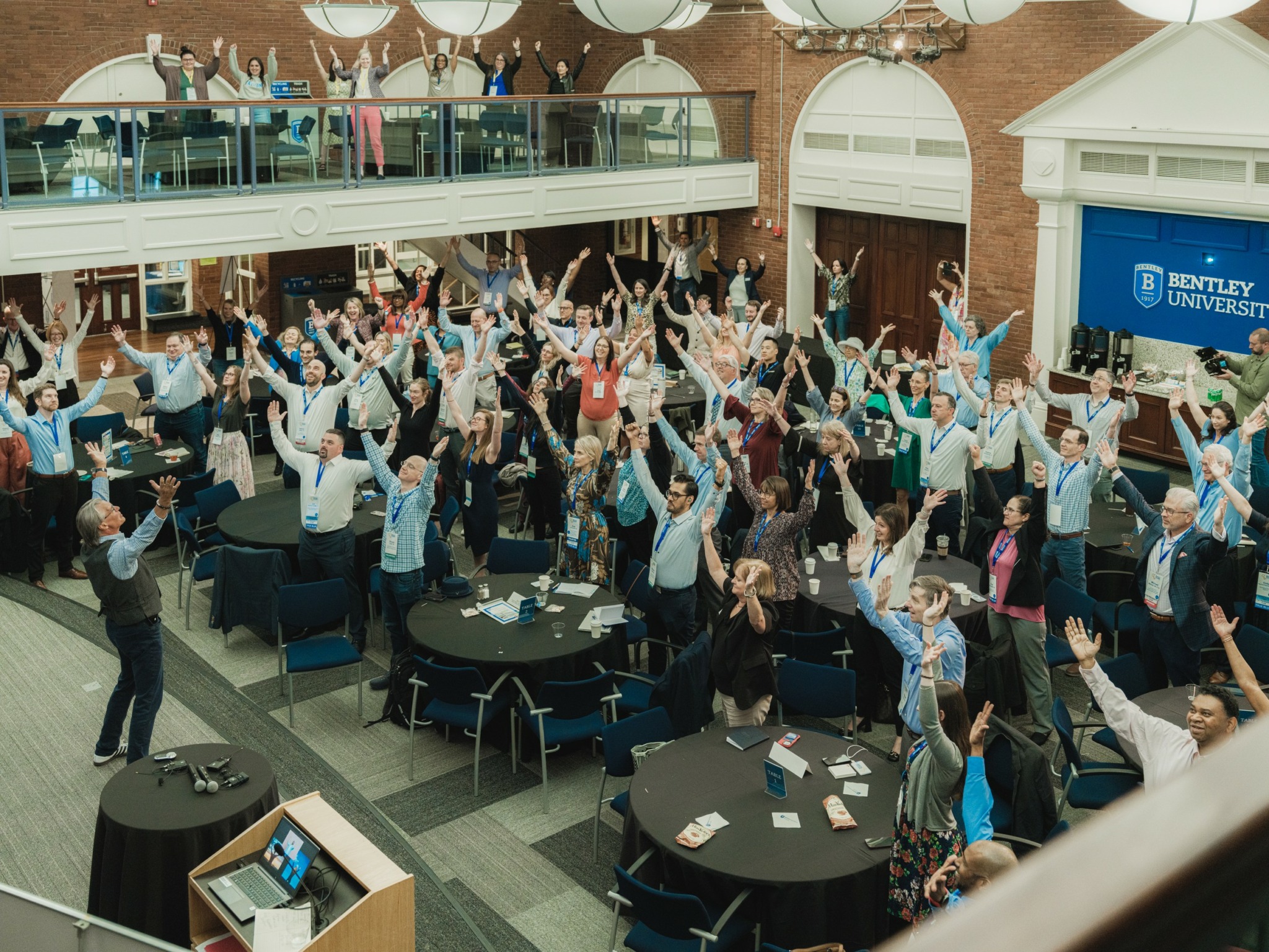
Today, I bring those insights to organizations around the world through my keynotes, leadership programs, and workshops centered on my signature message “8 Seconds to Peak State™.” I help leaders and teams learn how to regulate stress, activate confidence, build trust faster, and perform at their best when the stakes are highest.
What sets my work apart is that it’s not just motivational, it’s practical and grounded in real leadership experience. I’ve lived the pressure of leading teams, driving results, and navigating change. I combine that experience with the science of human performance so audiences leave with tools they can immediately apply on demand.
What I’m most proud of isn’t the stages I’ve spoken on although speaking at events like Tony Robbins’ Business Mastery to an audience of 5,000 and over 500,000 viewers worldwide was incredible. What I’m most proud of is when someone comes up after a talk and says, “You helped me see something differently about my life or my leadership.”
This mission is about helping people realize they have far more control over how they show up, perform, and lead than they think. Because when people learn how to manage their state, everything changes, from their confidence to their relationships to their impact.
And sometimes, that shift can happen in just eight seconds!!
Let’s talk about resilience next – do you have a story you can share with us?
One story that captures resilience in both my life and my leadership happened during one of the most defining periods of my career.
In July of 2013, my wife of thirty-two years passed away suddenly. Anyone who has experienced that kind of loss knows the feeling. It knocks the wind out of you. The world keeps moving, but you feel like you’ve been left behind. That first year was a blur of grief, reflection, and questioning what the rest of my life would look like.
I had already faced adversity earlier in my life; overcoming addiction, depression, and even moments where I questioned whether life was worth continuing. Those experiences had taught me resilience, but losing my wife was a different kind of challenge. It forced me to dig deeper than ever before.
I called on my resilience to not just survive, but thrive again as I found my purpose in life. Moving from grief to purpose was a journey of transformation. Today, I have move forward with Bonnie and I live my life in tribute to her.
How about pivoting – can you share the story of a time you’ve had to pivot?
A few years later, during the final chapter of my 40-year career in the technology industry, I was given an opportunity that would test that resilience in a completely different way. I was asked to move to London and lead the UK and Ireland business for a multi-billion-dollar tech company. It was an incredible opportunity, but also a difficult one. The team had gone through four leaders in three years. Trust was low, collaboration was strained, and performance was inconsistent.
Then, just weeks after I arrived in early 2020… the world shut down. COVID hit, the country went into lockdown, and suddenly I was leading an entire organization I had just met, through Zoom.
It was in that moment that everything I had learned about resilience, leadership, and human connection came together. I realized that performance doesn’t start with strategy, it starts with state. How leaders show up emotionally and physically sets the tone for an entire culture. By focusing on trust, empathy, and helping the team regulate stress and show up in a better state, we were able to rebuild connection and drive performance even during one of the most uncertain times in modern business.
That experience reinforced something I now teach audiences around the world: You can’t always control what happens to you in life or business, but you can control how you show up in the moments that matter most.
Contact Info:
- Website: https://www.robswymer.com
- Instagram: @robswymer
- Facebook: https://www.facebook.com/robswymer
- Linkedin: https://www.linkedin.com/in/robswymer/
- Youtube: https://www.youtube.com/@RobSwymer/shorts