

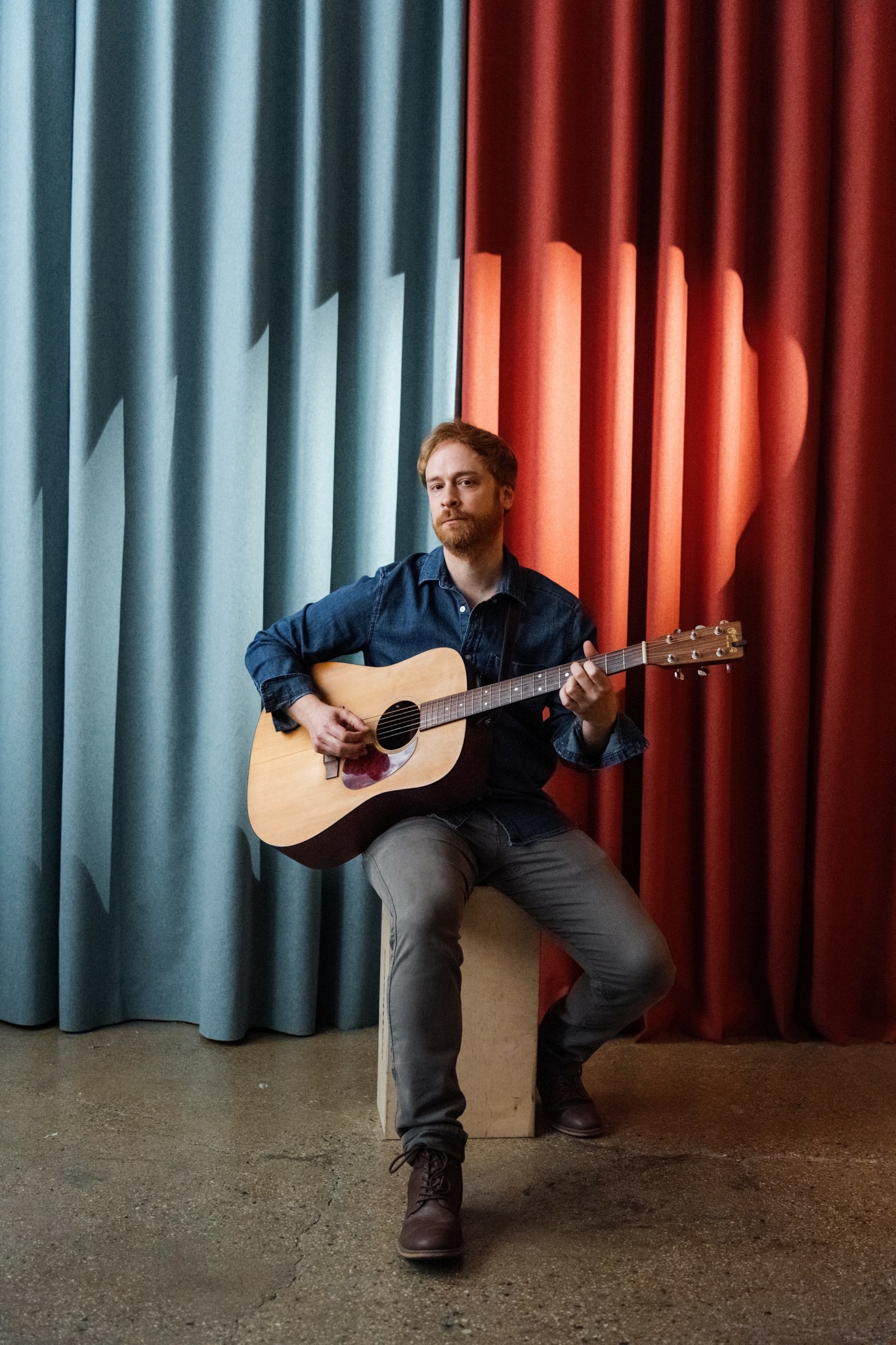

We’re excited to introduce you to the always interesting and insightful Rob Morrison. We hope you’ll enjoy our conversation with Rob below.
Rob, thanks for taking the time to share your stories with us today We’d love to hear about a project that you’ve worked on that’s meant a lot to you.
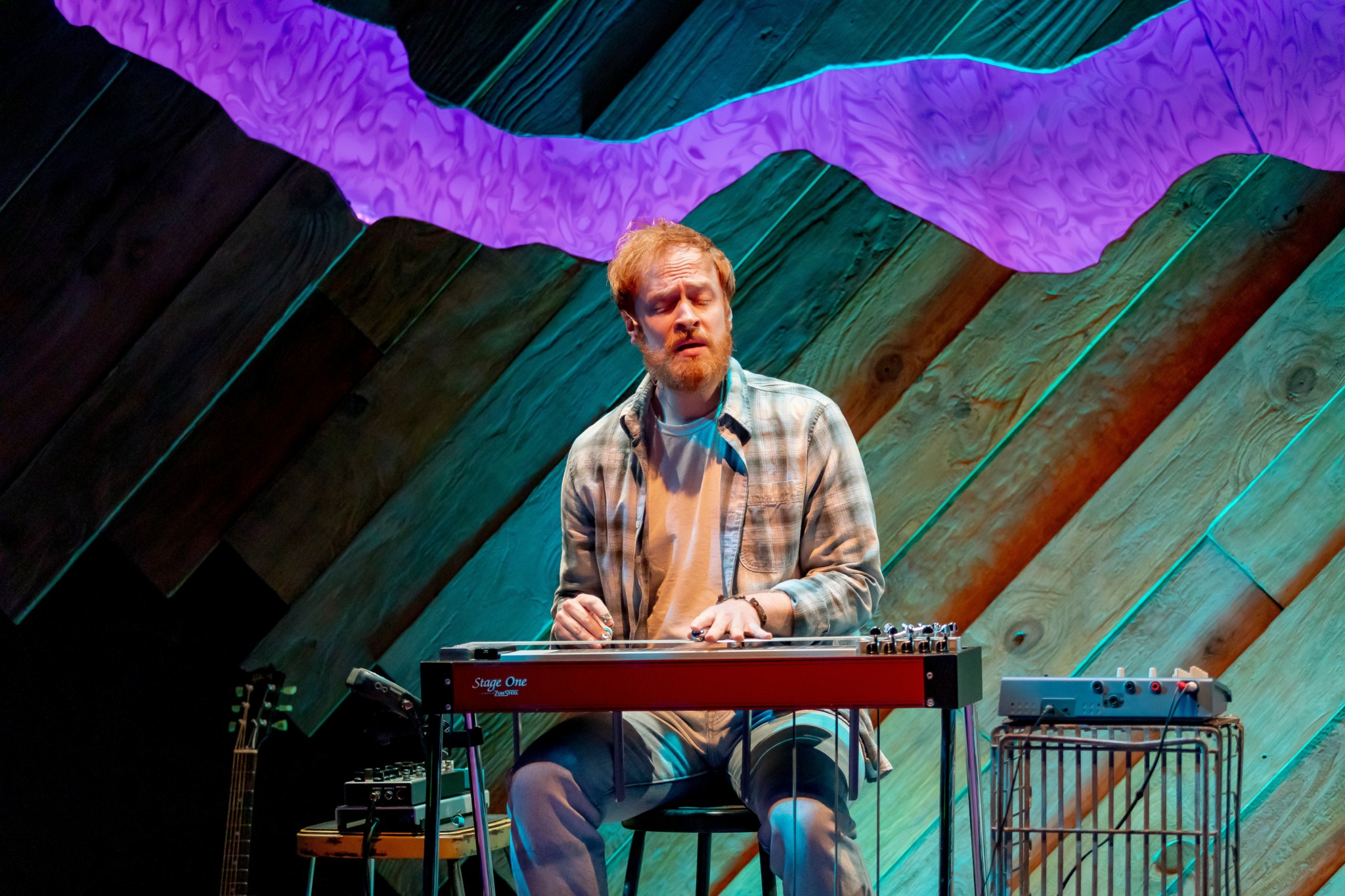
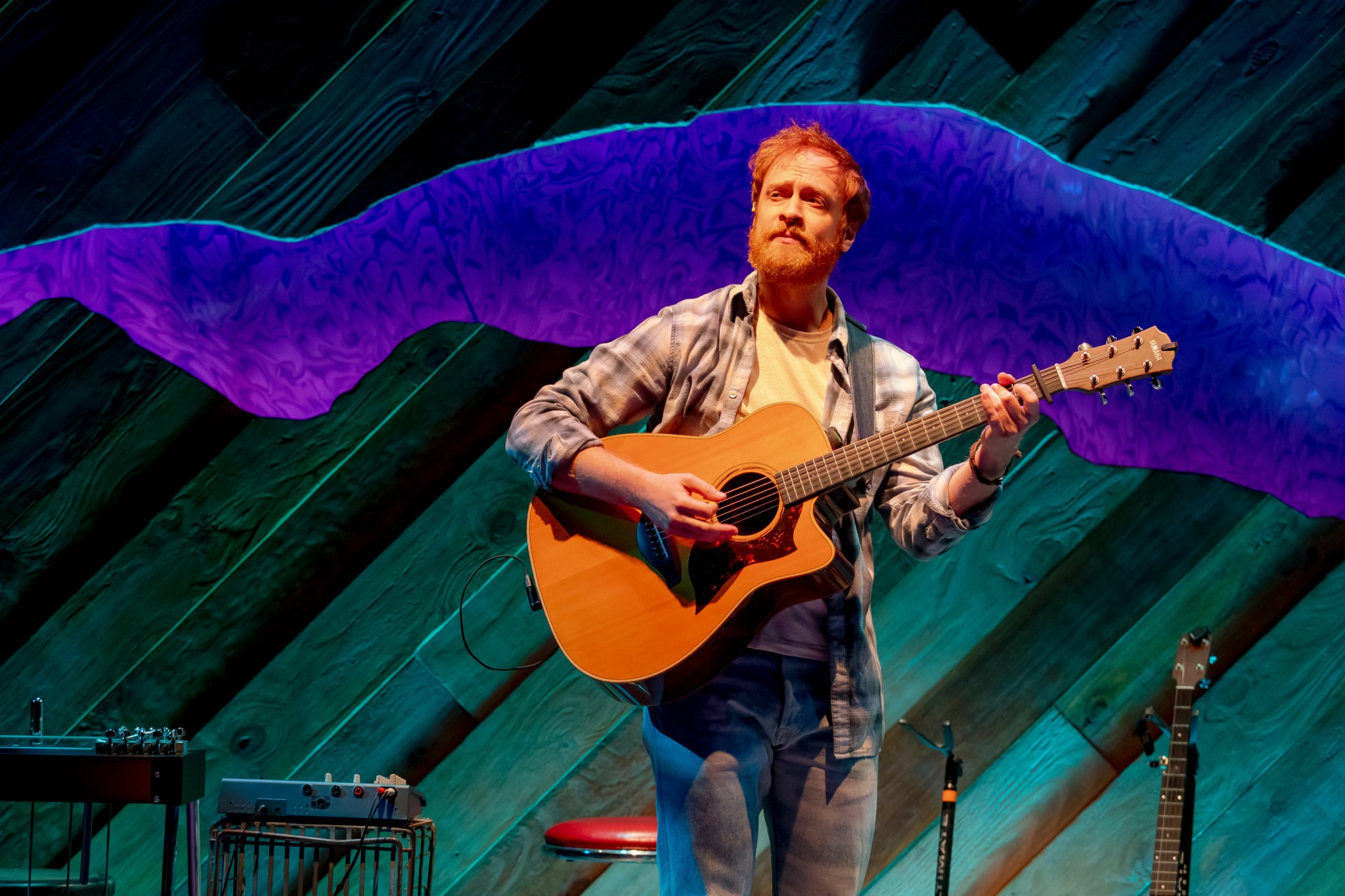
In the summer of 2024, I served as music director for a play with music (called Where the Mountain Meets the Sea, composed by The Bengsons) at the Signature Theater in Virginia. I had worked with the director, Timothy Douglas, before and I knew this would be a very fulfilling experience. The beauty of the piece, combined with the way that Timothy encouraged the cast to show their authentic selves to the audience at every performance, influenced my own approach to the show’s musical orchestrations and underscoring. It was an experience that, seemingly without effort, resulted in a collaboration where every person involved was firing on all cylinders. Meaningful and, for me, groundbreaking.
And it led to a cascade of even more meaningful work. In my final days of working on Where the Mountain Meets the Sea, my creative mind, finally convinced that I had managed to accomplish my duties as music director, began to relax and explore new territory. Without intention (or even realizing it), I began writing music for an instrumental ambient album. I’ve wanted to compose ambient music for decades, ever since being profoundly changed by hearing the music of Brian Eno, Tangerine Dream, and countless other ambient artists. For some vague, unformed reason, I just never made the time for it, or even considered what it would take to make that happen. I’ve written plenty of songs and released albums before. But ambient music, despite being one of my core loves, had just never taken precedent when it came to what I imagined myself sitting down and actually making. And it turns out I didn’t really need to “think” about it or plan it. Once it started coming, all I had to do was allow it to keep coming. Keep composing. Within days I had 5 songs; within a week, it was a whole album’s worth of compositions. And in another week, it was mixed. It snowballed without me having to force anything. I took on the moniker Moonrooph, and released the album, Man in the Moonrooph, two months after I began working on it.
Rob, love having you share your insights with us. Before we ask you more questions, maybe you can take a moment to introduce yourself to our readers who might have missed our earlier conversations?
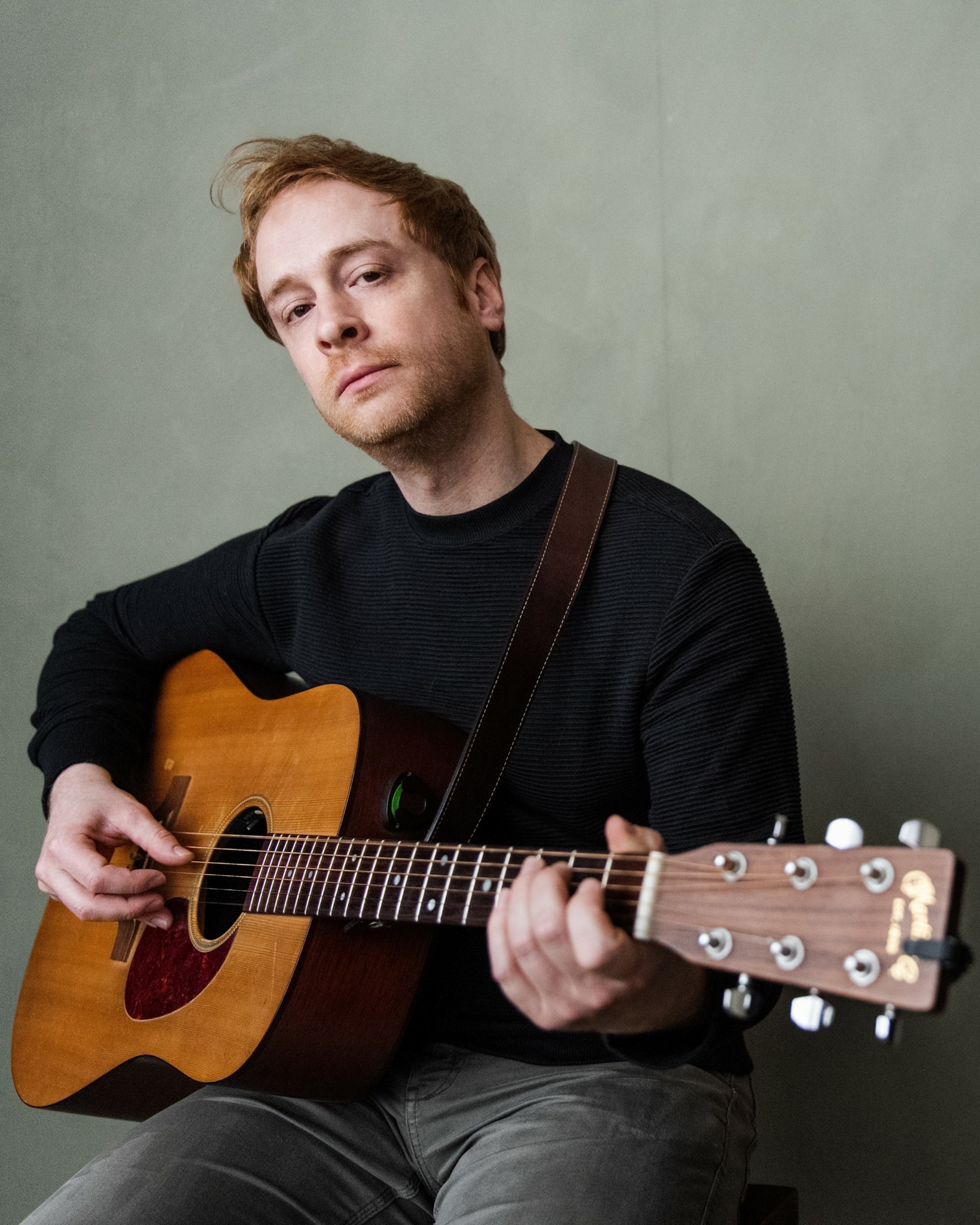
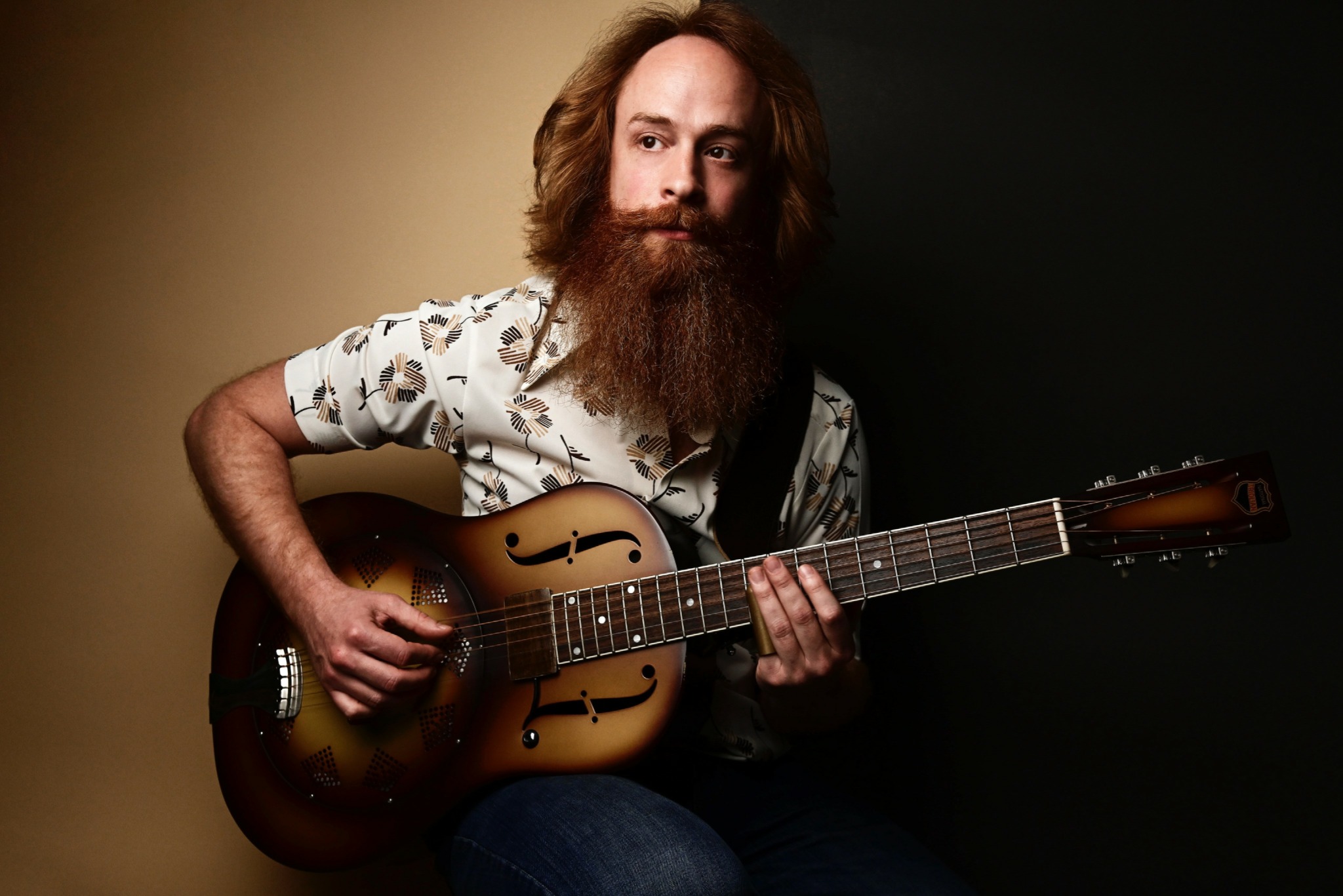
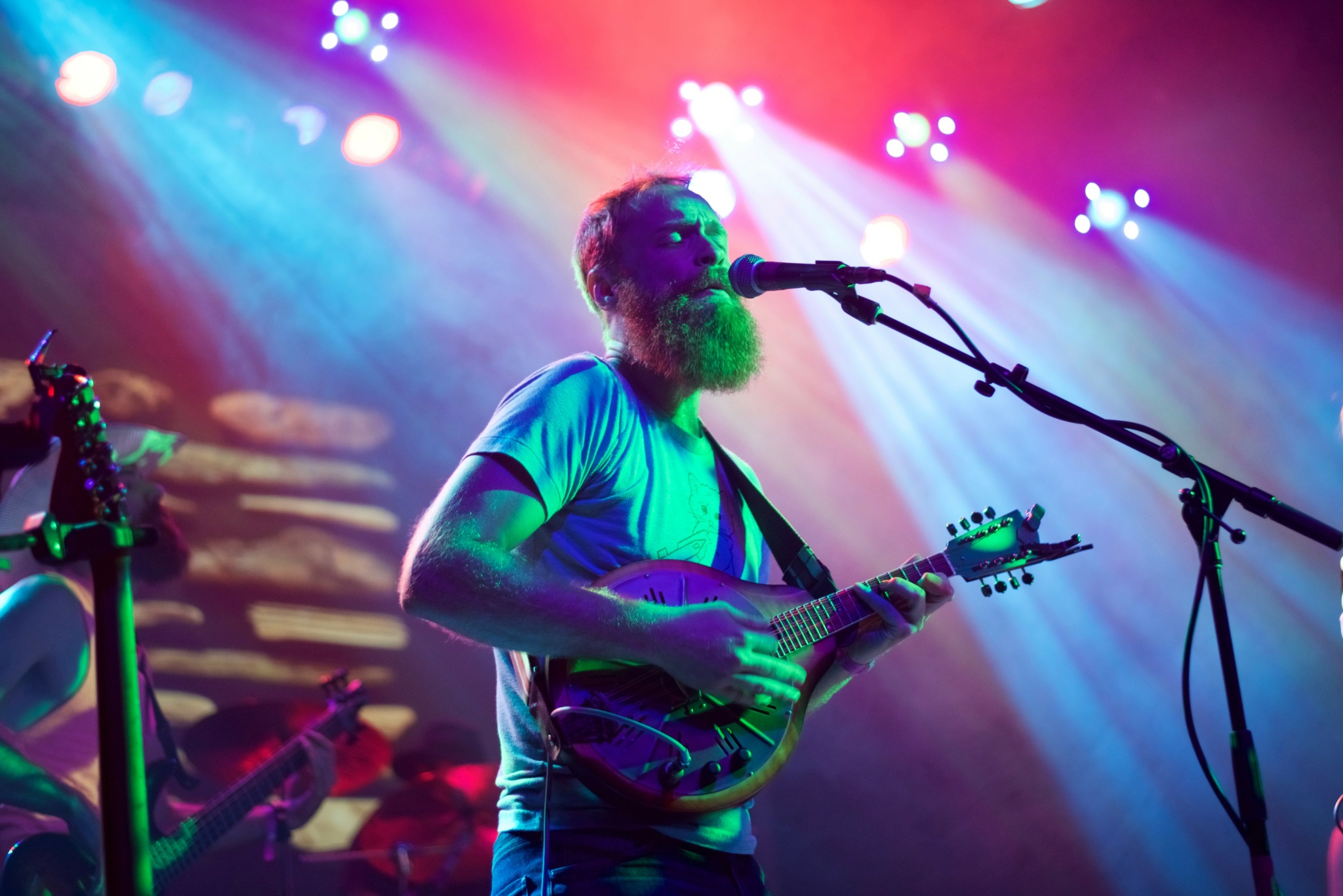
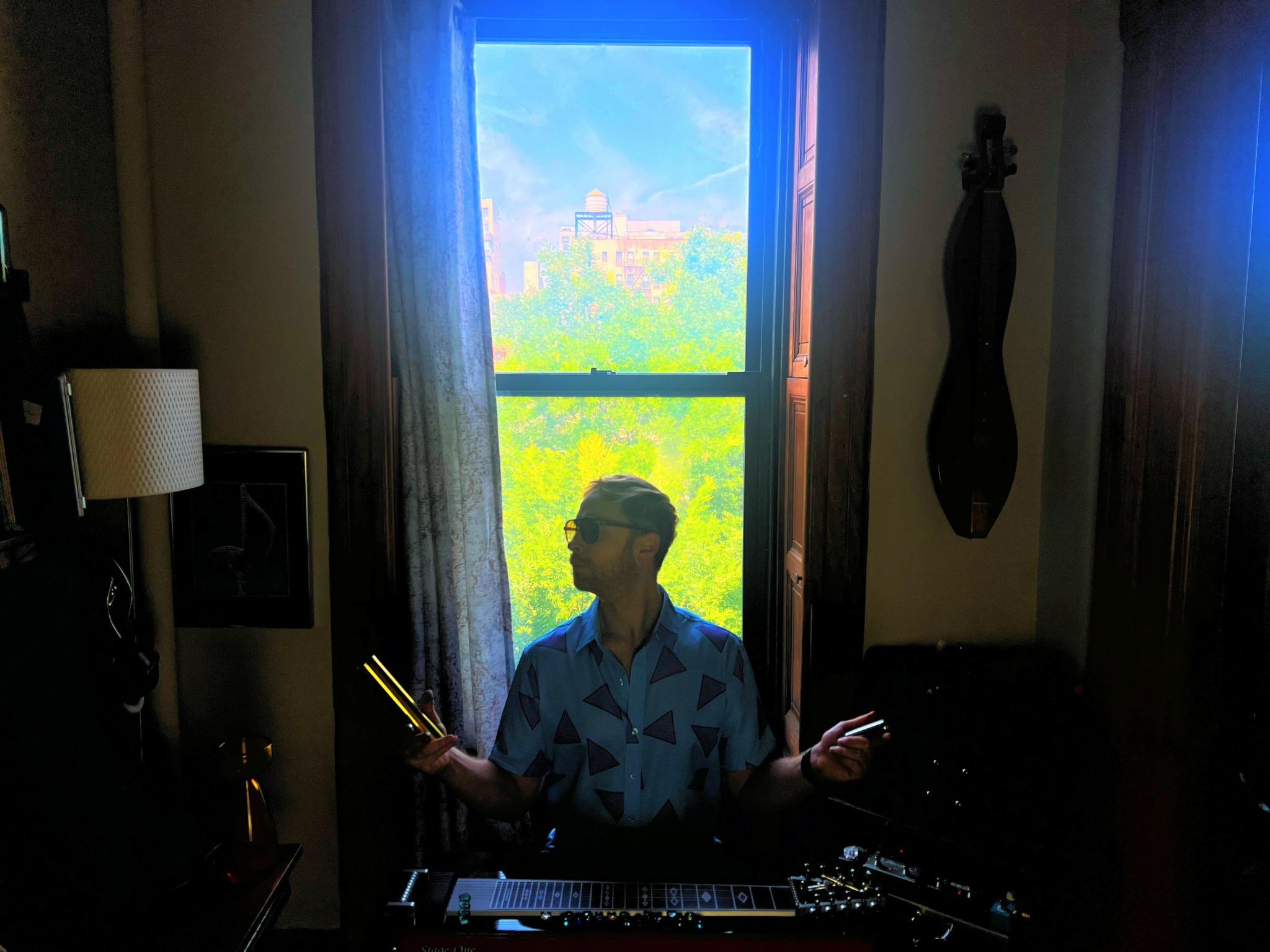
I love all kinds of music, and have been fortunate enough to work with many incredible musicians. I’m currently playing pedal steel in the band Cat Casual and the Final Word (William Benton, Steve Shelley, Greg Eckelman), and guitar with The Skivvies (Lauren Molina, Nick Cearley). I’ve released music under my own name, as well as Moonrooph, and with my Americana group The Booklights. I was a founding member of the folk rock band The Hollows. I’ve composed for stage (Frankenstein at Classic Stage Company) and film (Sun Belt Express). Outside of music, I’m also an actor and have appeared off-Broadway (Assassins, Avenue Q, Nevermore) and as a voice actor in animated shows like Sunny Day and Peg + Cat.
My first direct experiences with acting and music both happened when I was in 2nd grade. I played a turkey in a school play about thanksgiving, and started playing alto saxophone in school band. It never really occurred to me that I should pick one or the other, so I’ve had one foot firmly in each camp ever since then. I graduated from Emerson College with a BFA in musical theater.
Ultimately, I’m interested in creating art that isn’t afraid of itself. Art that isn’t afraid to make you feel uncomfortable. Or comfortable! Whatever it is, it should be art that has a specific point of view. Most of the time, I think the easiest way to do that as an artist is to create for myself, for my taste. People wind themselves into all kinds of terrible shapes when they try to create for what they think “the public” wants, what will make the most money, what will make them famous. Despite what social media might suggest, these aren’t useful prompts for true creativity. Real art comes from real feeling, not focus groups.
For you, what’s the most rewarding aspect of being a creative?
It’s that feeling of “wow, 20 minutes ago, that song didn’t exist. But now it does. I sat down and helped extract that idea from the ether, and now it’s a song.” It must be similar to how a carpenter, or an architect feels, looking at their finished building. “That wasn’t here before, but now it is.” And every time you do that with a song, you get a little bit better about understanding why you wanted to write that song. You get a little closer to feeling some kind of universal connection.
What can society do to ensure an environment that’s helpful to artists and creatives?
Support live music whenever you can. Be informed about the venues and artists you support. A lot of places have horrible business practices and shortchange their artists regularly, and have doubled down on shaming artists who try to expose these venues and powers-that-be. Be prudent about the streaming services you support. Keep in mind that the average person — “consumer” — has a lot more in common with artists than they do big businesses. Art is more than a commodity, and we’re seeing that play out in real time; an AI might top the country charts, but you can’t tell me it has even a shred of the authenticity of a Hank Williams song. So be a responsible listener.
Contact Info:
- Website: https://www.therobmorrison.com
- Instagram: @therobmorrison
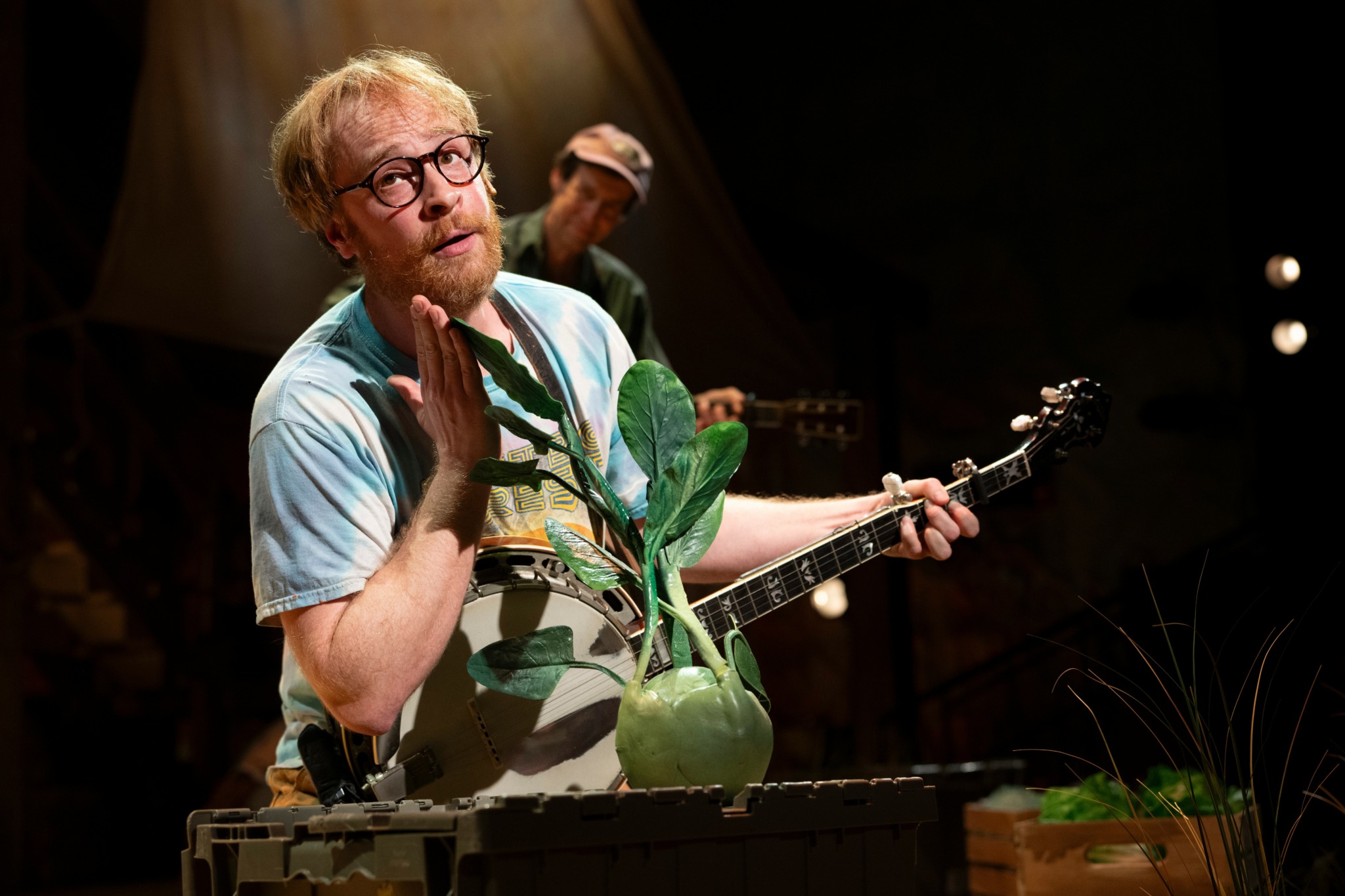
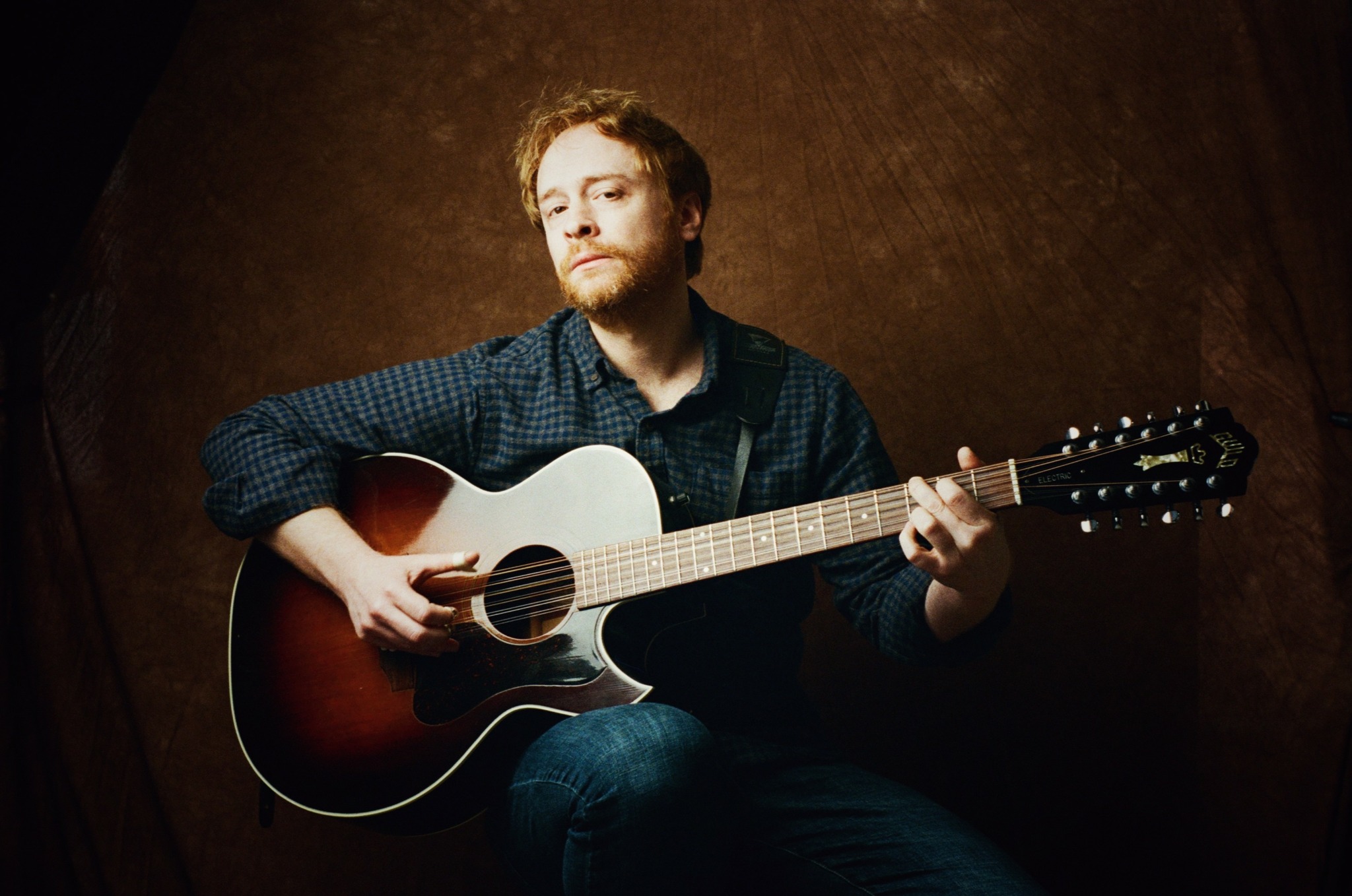
Image Credits
Yellowbelly, Sarah Bibi, Mikki Schaffner, Kata Sasvari, Michael Kushner