

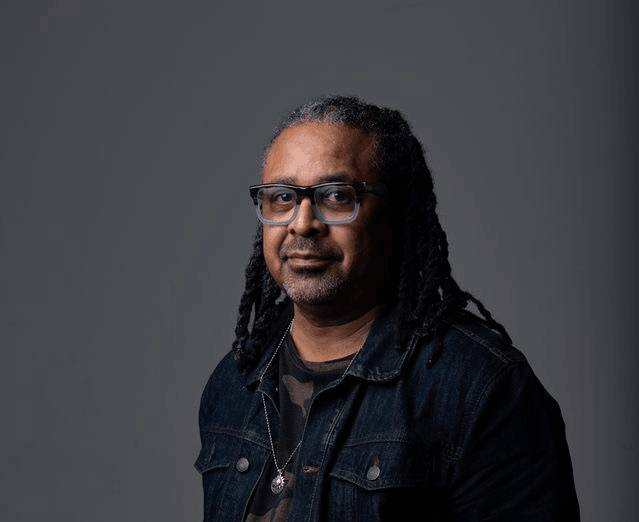

We were lucky to catch up with Rob Gill recently and have shared our conversation below.
Hi Rob, thanks for joining us today. Can you talk to us about how you learned to do what you do?
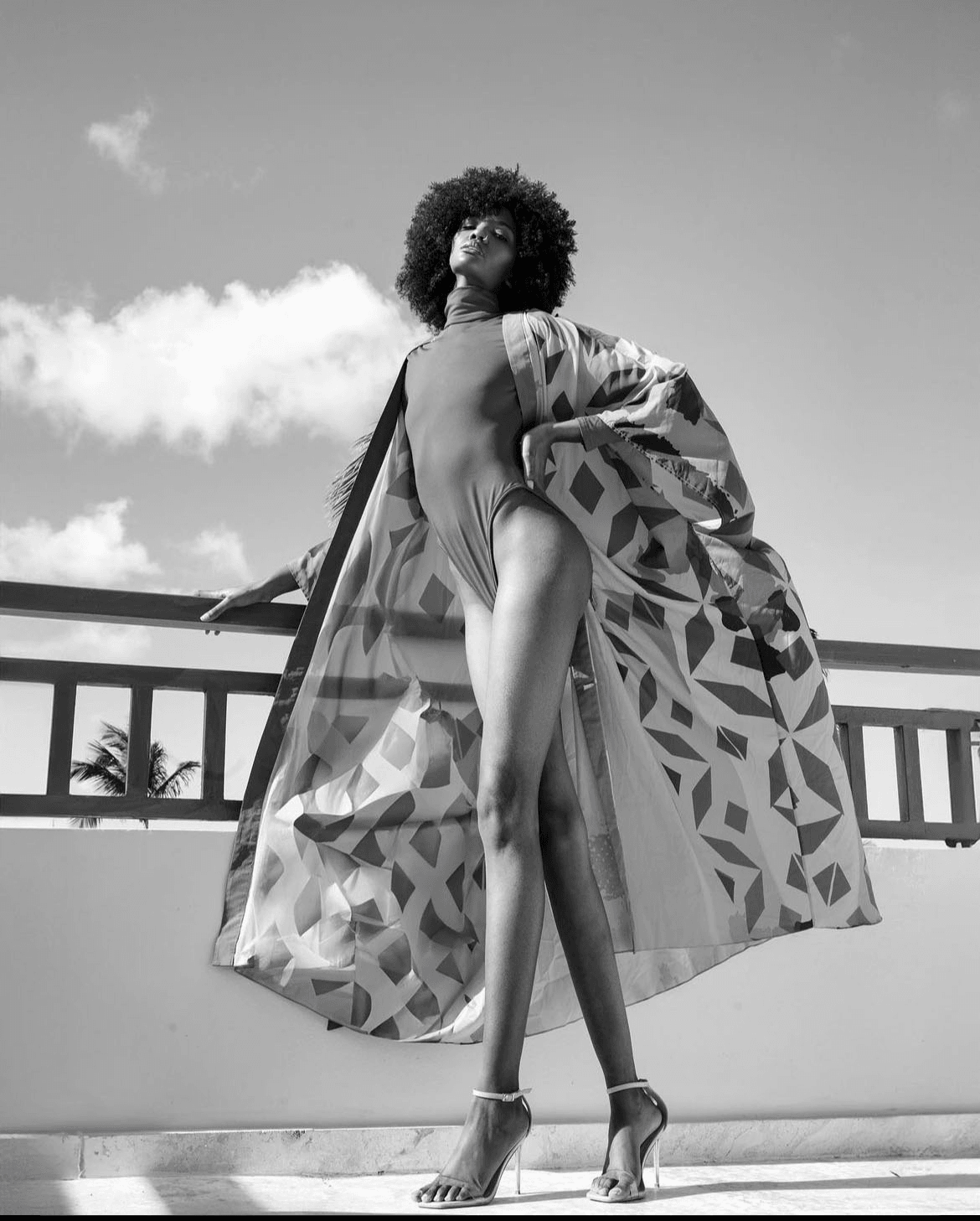
I’ve always been fascinated with pictures and the ability to capture a specific person, event or emotion at a specific time. As a young man I was always enamored with the photographs of the great Gordon Parks. Fast forward a few decades when I first picked up a camera seriously, I knew that this was something that I wanted to pursue to see where it would lead me. Early on I learned from a wide range of sources: taking photography classes, studying the work of other photographers, experimenting with different techniques, and keeping up with the latest trends and technologies in the industry. To me photography is both an art and a craft, so understanding the technical aspects—like lighting, composition, and camera settings—is just as important as developing a unique artistic vision. Continuous learning, whether through studying the greats in fashion photography like Peter Lindbergh, Helmut Newton and the great Richard Avedon, various workshops, or just getting out there and shooting, is key to growth in this field.
Knowing what I know now, I definitely would have picked up the camera earlier in life. At 56, I’m a lot older than most of my contemporaries in the business, so I’m sort of playing “catch up”. But once I did get going, I fully immersed myself in this field and learning as much as I could. Learning things like understanding light and shadows; composition; how to properly pose a model. In fashion photography, it’s things like this that most essential to being successful.
One of the main obstacles that stood in the way of me learning more is having to work a full time job while I get better at my craft. To me the best way to get better as a fashion photographer is to shoot! And to shoot as much and as often as I can. Having to work a full time job (although this is needed because being a photographer is not cheap!) has definitely been an obstacle.
Rob, before we move on to more of these sorts of questions, can you take some time to bring our readers up to speed on you and what you do?
For those that don’t know of me (and there are many!) I was born in New Jersey, raised in the 70’s (yes I love disco, amongst many genres of music) enlisted in the military right out of high school. Eventually graduating from college with a degree and currently work in the financial industry. I came into fashion photography in kind of a round about way. When I first picked up my camera and wanted to learn and take it seriously, I began as most people do. Just walking around my local area taking pictures of whatever I found interesting. Eventually I linked up with several local photography groups in my area (Portrait Meet DC, StreetMeet DC & Philly Create) and began networking with other photographers and local models. It was during these meetups, that I found that I really enjoyed working models as the subjects of my images, and knew that the niche I wanted to be in was fashion photography.
Once I found my niche, I set out to define how I could set myself apart as well as what skill set would make me more valuable to a potential client. During this period of discovery, I found that if I could add value to a client’s photoshoot, like provided beautifully shot Behind The Scenes (BTS) video of a shoot, or shoot in a style that would enhance the lighting and the shadows of a client’s brand would set me apart. I also try to be a problem solver for the client. Doing things like capturing the brands Identity by helping them visually communicate their identity and message as well as creating images that align with the brand’s aesthetics and target audience.
In your view, what can society to do to best support artists, creatives and a thriving creative ecosystem?
I think that supporting artists, creatives, and fostering a thriving creative ecosystem requires a multi-faceted approach that involves education, infrastructure, financial support, and cultural appreciation. Some ways society can contribute are through things such as education and awareness, financial support and resources. grants and funding and creative hubs and incubators.
By addressing these areas, society can create a more supportive environment for artists and creatives, enabling a vibrant and sustainable creative ecosystem.
What’s the most rewarding aspect of being a creative in your experience?
For me the most rewarding aspect of being a creative or artist is the ability to express myself and connect with others on a deep, emotional level. For instance, there’s self-expression. This allows me to express my thoughts, emotions, and perspectives in ways that words alone often cannot capture. This process of translating inner experiences into tangible forms can be deeply cathartic and personally rewarding. Also, Connecting with Others. I often find joy in how my work resonates with others. Through photography, I feel that I can create connections that transcend cultural, linguistic, and social barriers, fostering a sense of shared humanity. And lastly, there’s impact and Influence. Knowing that my work can inspire, provoke thought, or evoke strong emotions in others is incredibly gratifying. We as Artists have the power to influence culture, challenge societal norms, and contribute to important conversations, making a lasting impact on the world.
Contact Info:
- Instagram: @robertdgill
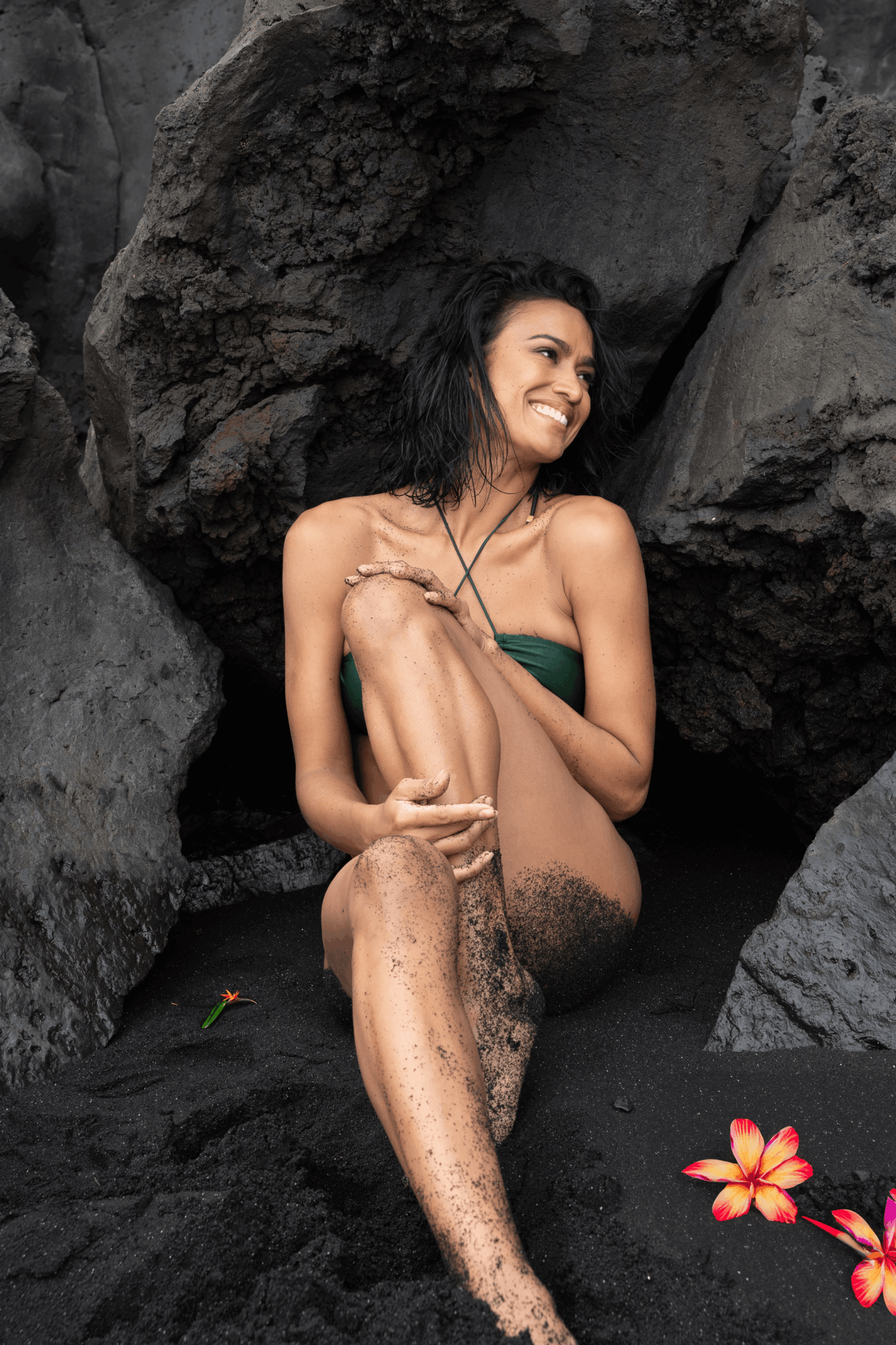
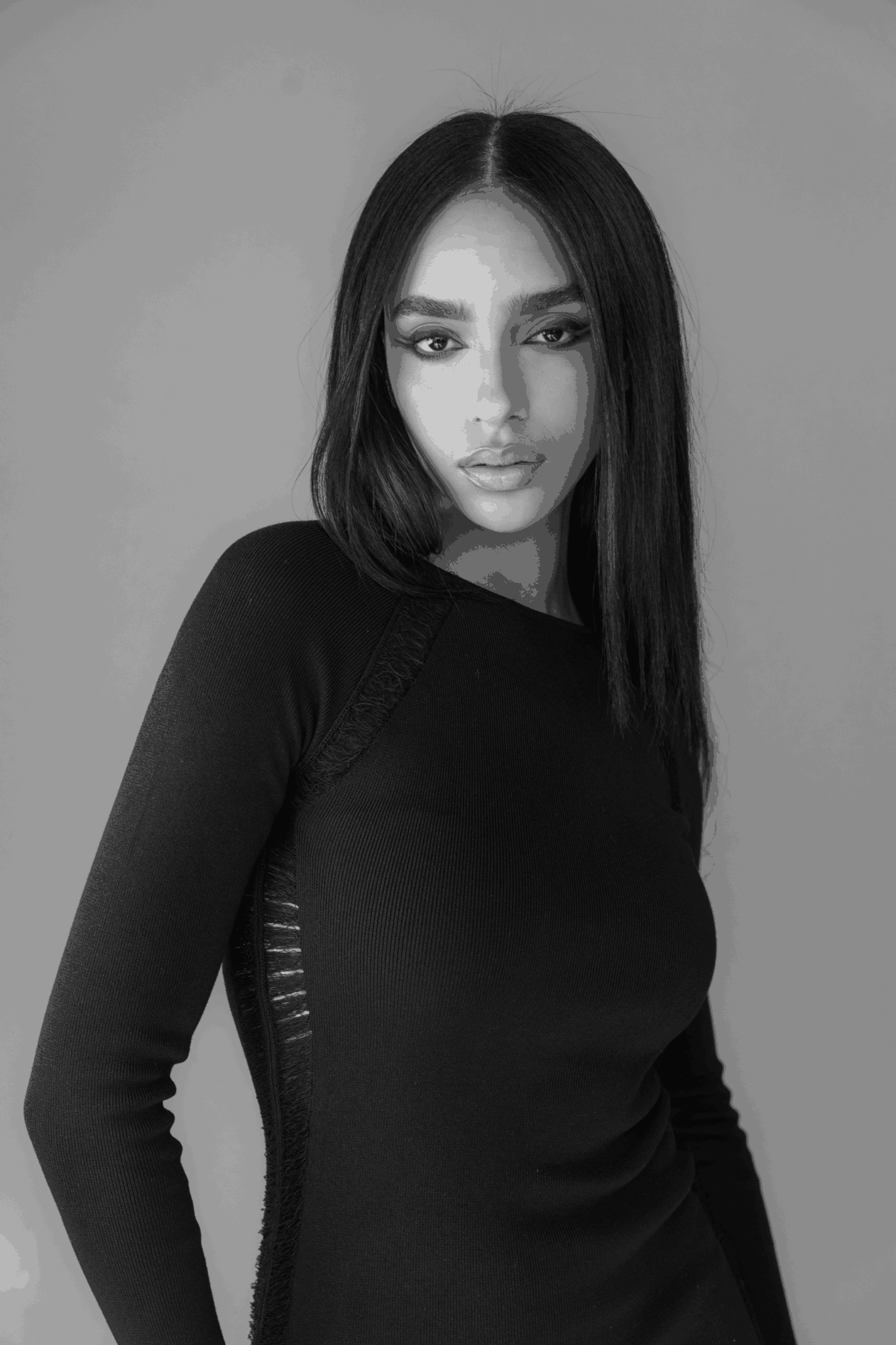
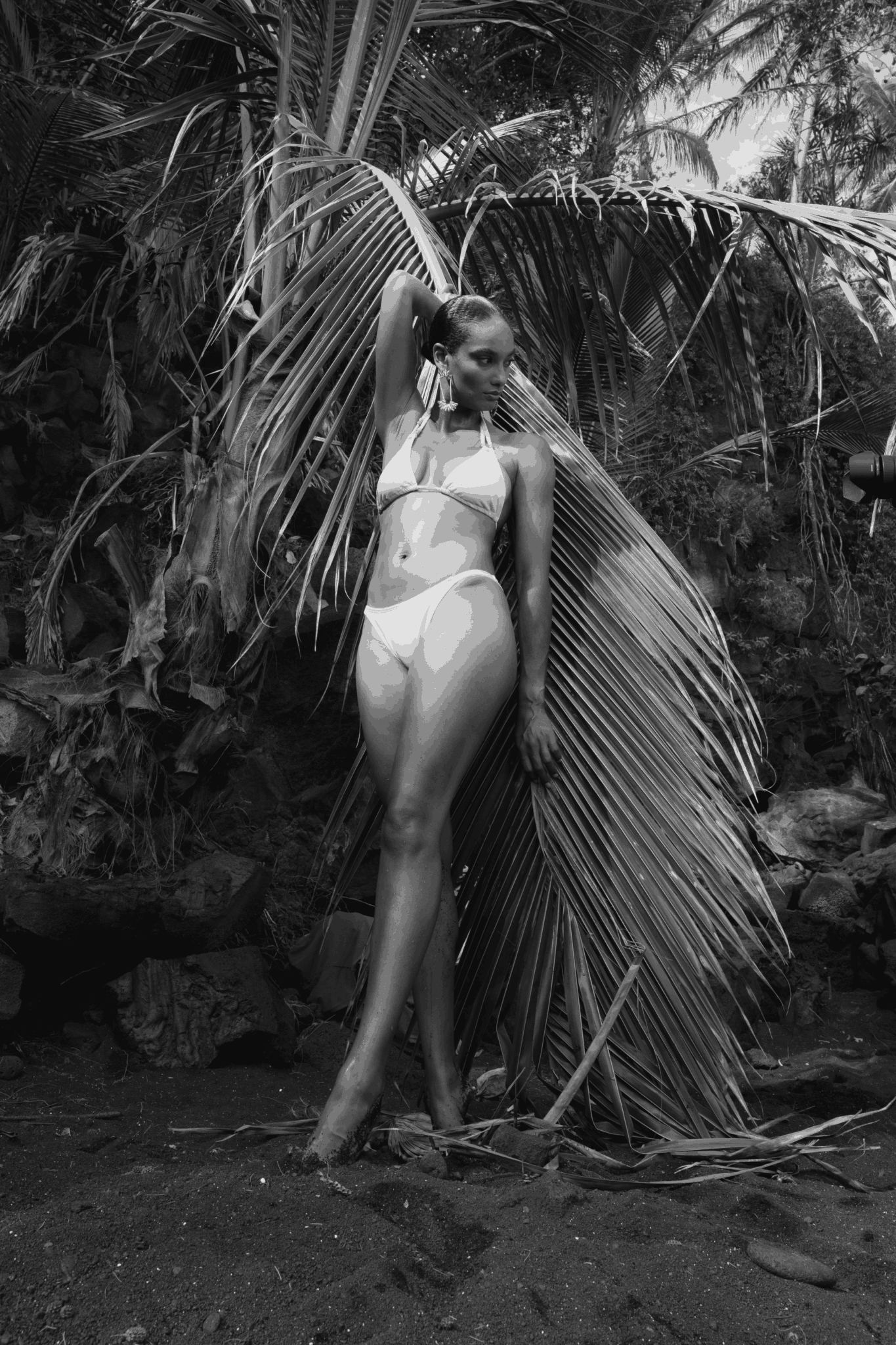
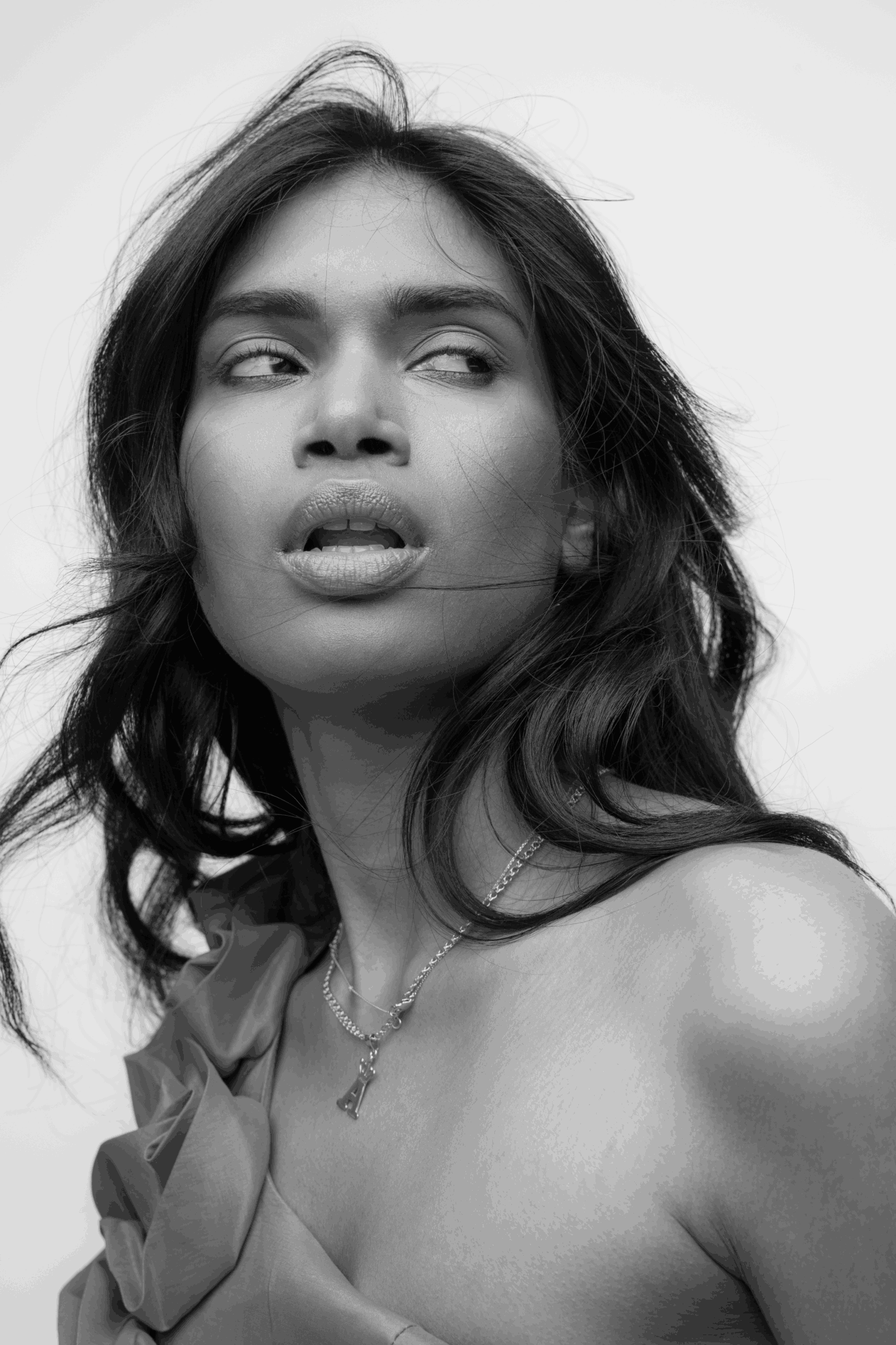
Image Credits
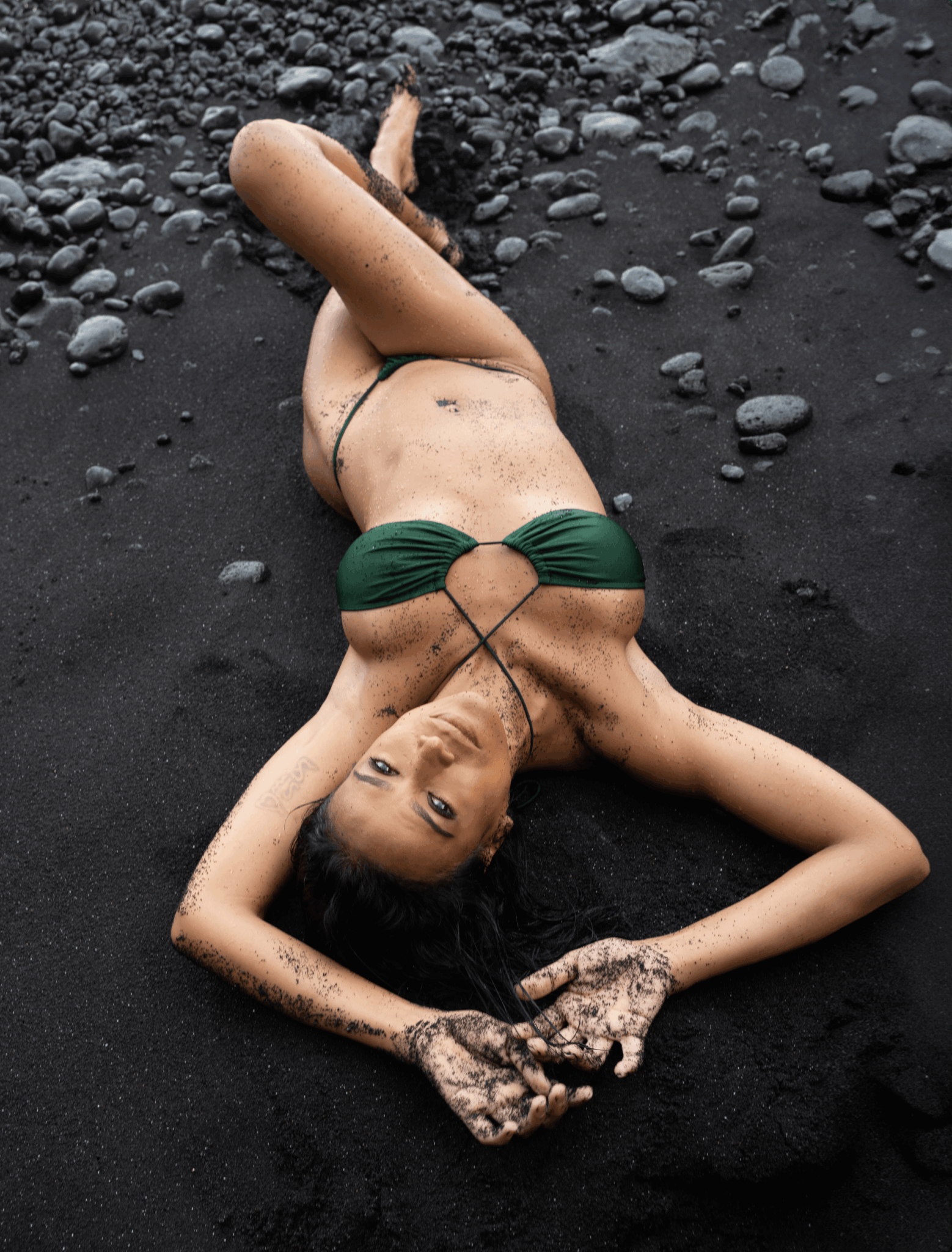
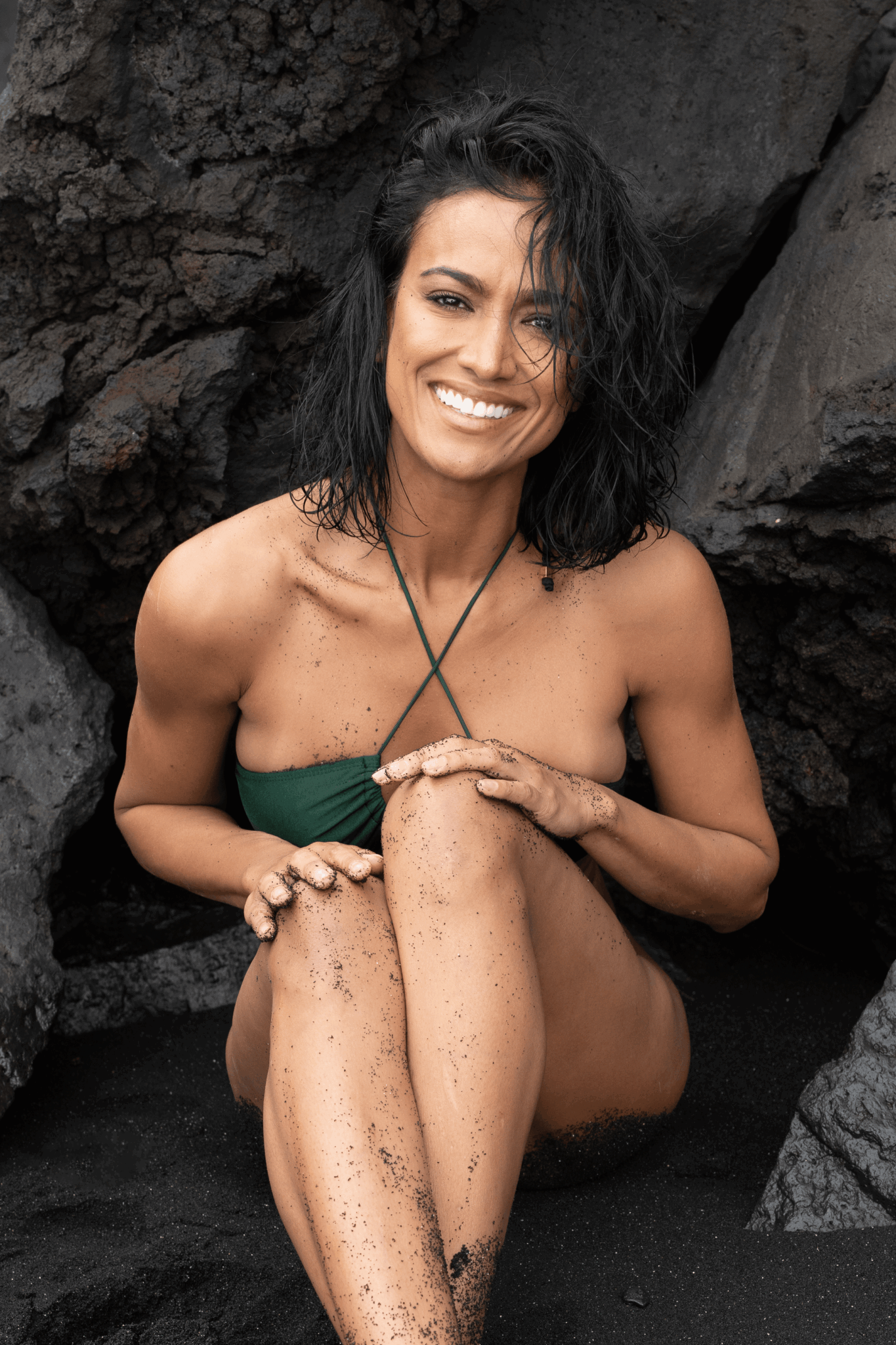
Models: Cristal Paulino; Michelle Deleon; Andrea Ramlall; Kenxis Jimenez; Dana Tyne