

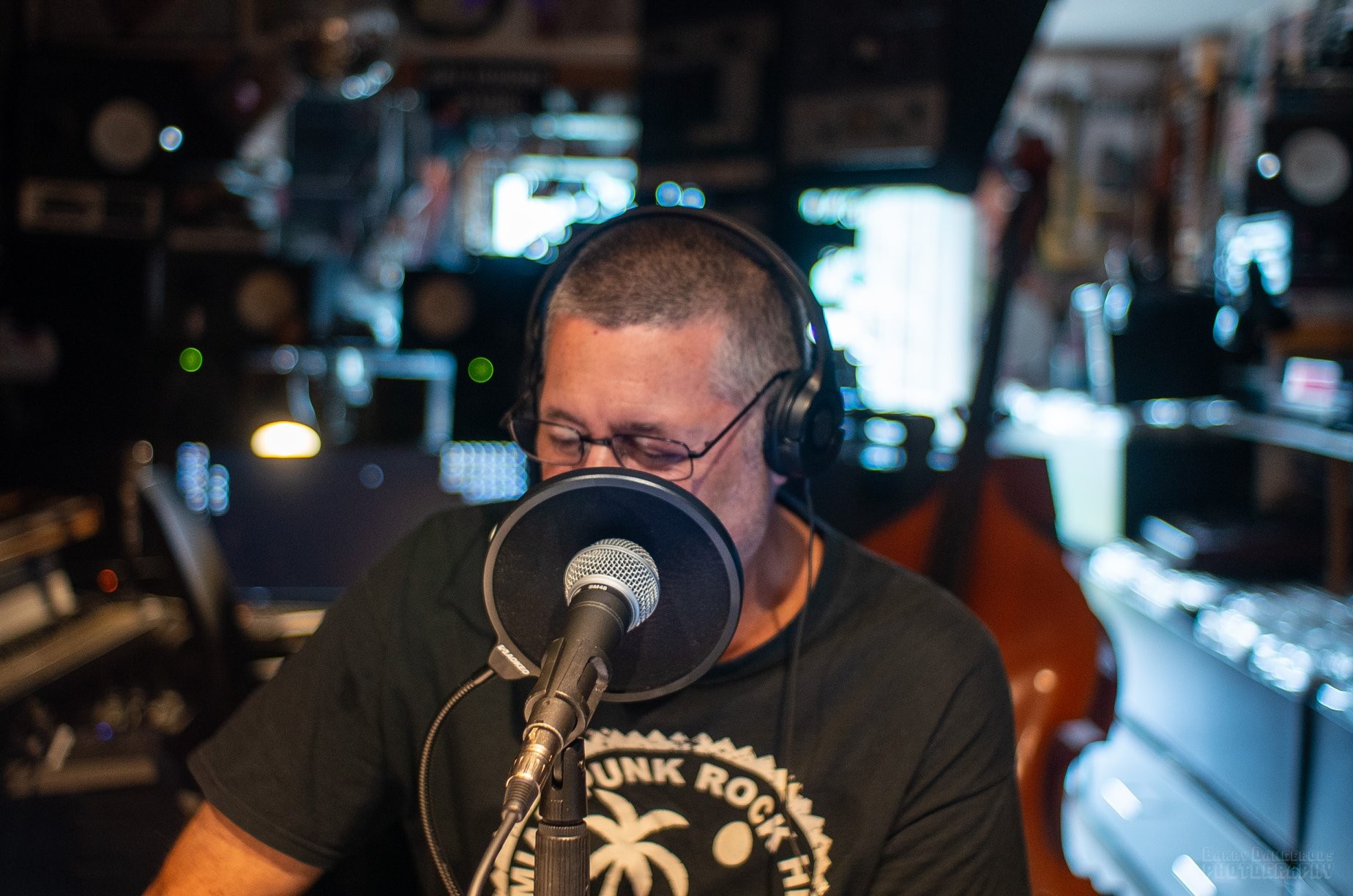

We caught up with the brilliant and insightful Rob Elba a few weeks ago and have shared our conversation below.
Rob, looking forward to hearing all of your stories today. How did you learn to do what you do? Knowing what you know now, what could you have done to speed up your learning process? What skills do you think were most essential? What obstacles stood in the way of learning more?
Around four years ago I decided to start a podcast. My only experience with internet broadcasting prior to that was listening to other podcasts. As a musician and lifelong music lover I naturally gravitated towards music podcasts, but many of them left me vaguely dissatisfied. I felt like I could do better. On a whim I enlisted a friend of mine, Barry Stock, and said “Let’s start a music podcast!” We divided up resources and set about learning what was involved, including recording ourselves and editing/publishing the content. Googling, reading podcasting message boards and watching Youtube videos got us up and running, and after our first episode went live we vowed to – no matter what – publish a new episode every week.
A few years into it Barry decided to move out West on to other things, and I was faced with the decision of either ending the podcast or continuing on solo. By that time we had built up a modest-but-growing base of listeners, with most episodes reaching around 1,000 downloads and some of the more popular ones getting up to the 2,000-3,000 range. We had also started a Patreon (a membership platform that allows content creators to run a subscription service) and had close to 100 loyal Patrons of the show. I decided to soldier-on with the podcast and quickly set about learning how to record and edit on my own, which was something Barry had previously taken care of. With the help/guidance of some of my Patrons and some late nights, I’m proud to say I was up and running within a week and didn’t skip an episode.
Aside from the technical aspects of producing the podcast – information which can mostly be found for free online – one of the biggest challenges for me was learning how to run an interview. My show involves having a guest on each week who brings in a record they love to discuss. Ideally, it’s a loose, casual conversation between music lovers which sounds easy on paper but can be difficult to achieve. I discovered that one of the biggest skills I can bring to the table is LISTENING. I used to cram-up on facts about the record to be discussed and felt like I had to get them all in, but by re-listening to the episodes after-the-fact – something I still do religiously – I realized it was more important to let my guest take the lead and unearth THEIR insights. Listening more is key, and as someone who is used to talking a lot it’s a skill I’m still working on improving.
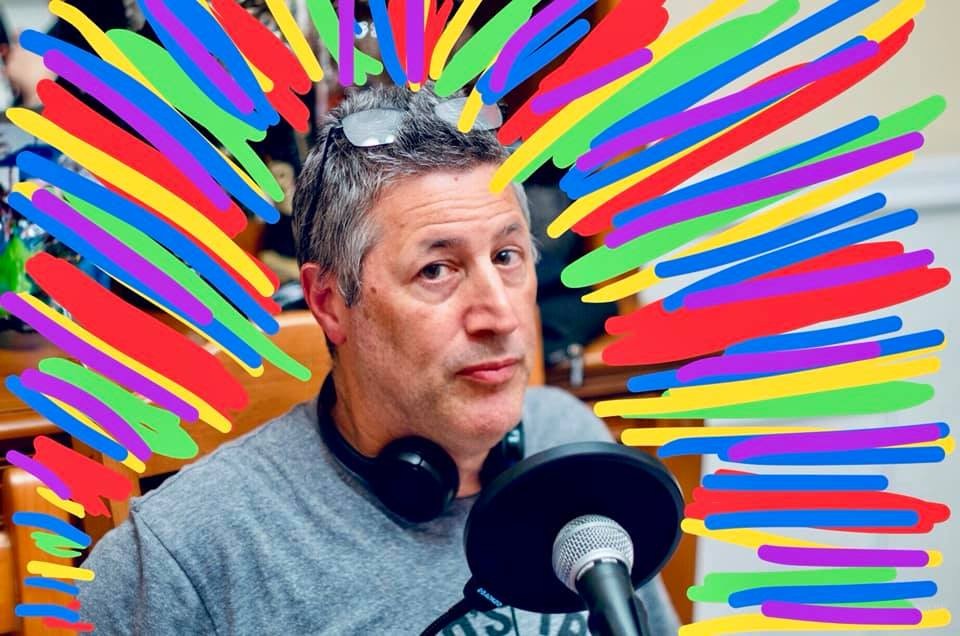
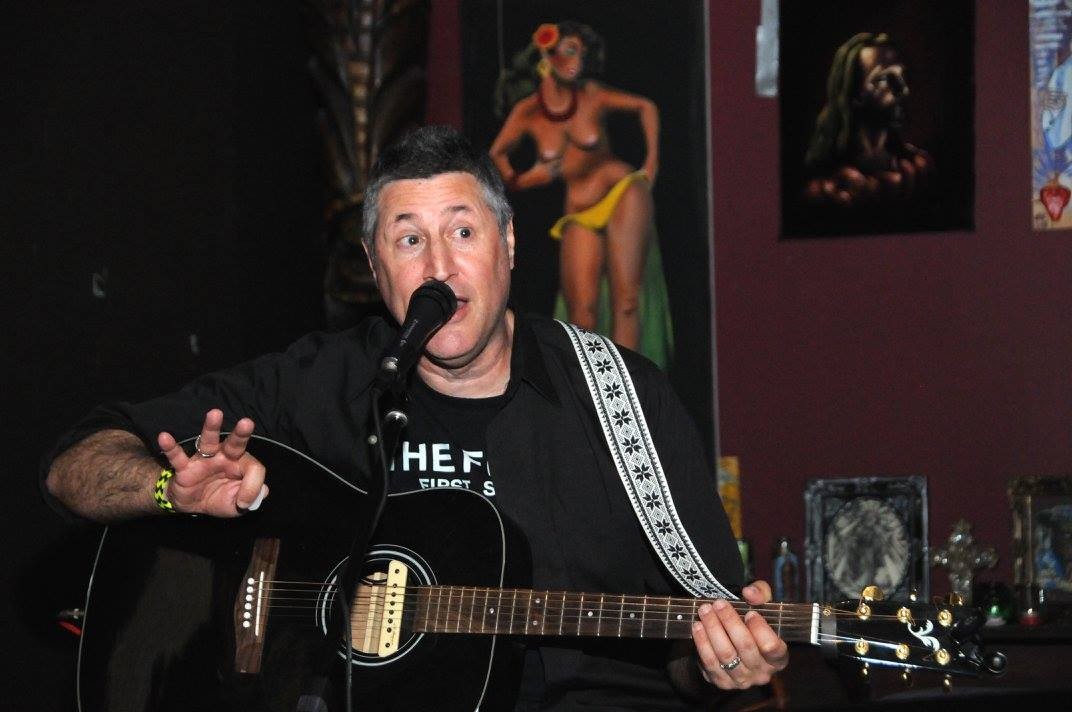
As always, we appreciate you sharing your insights and we’ve got a few more questions for you, but before we get to all of that can you take a minute to introduce yourself and give our readers some of your back background and context?
I grew up in New York (Bayside, Queens), but my family moved down to South Florida in the late ’70s. After discovering The Ramones and Punk Rock, I set about learning to play guitar/sing and formed my first band in high school – The X-Conz – and continued writing and performing original music for over 35 years. In the 90s I formed The Holy Terrors with my best friend Dan Hosker. With that band we wrote some great songs, put out some records I’m still proud of today and toured the East Coast, but we never managed to make it to the next level.
After that I participated in other musical projects, including the band Shark Valley Sisters and co-writing a rock opera with Brian Franklin (The Rat Opera, about Miami noise legend Frank ‘Rat Bastard’ Falestra)
Although I now consider myself ‘retired’ from music, producing my podcast every week keeps my creative juices flowing. I really enjoy talking to my guests and exploring records I either love, thought I hated or never heard of. I feel like my years of writing, recording and performing original music brings a unique perspective to the table, and at this point in my life I’m also jaded enough to keep things light and not-so-serious.
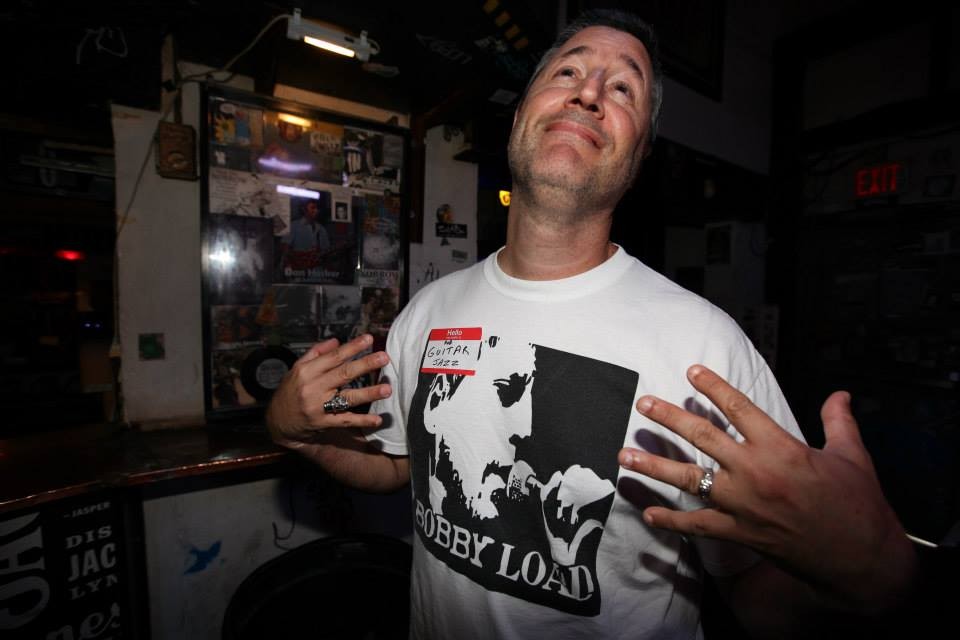
How did you build your audience on social media?
Social media can always be a bit of a challenge for someone of my age ;-) Our Facebook page – and the FB fan-page ‘That Facebook Group Got Me High’ – are both great ways to engage and keep in touch with my current listeners, but neither will realistically bring in many new fans. For me I find that Instagram is a good way to expose NEW people to the podcast, and it’s where I see the most growth.
The best advice I can give someone hoping to build up their presence on any of the SM platforms is to remember it’s NOT a one way street. You really need to take some time and engage with other creators, users…etc about things OTHER than your own venture. If all you’re doing is posting out your own content/material 24/7, you’re not really doing it right.
We’d love to hear your thoughts on NFTs. (Note: this is for education/entertainment purposes only, readers should not construe this as advice)
I know that NFT stands for non-fungible token. I know that NFTs are unique cryptographic tokens that exist on a blockchain and cannot be replicated.
I know that NFTs can represent real-world items like artwork, music…etc.
My view on NFTs is that I really don’t understand what any of that means, and whenever the subject is brought up I feel really old.
Contact Info:
- Website: https://www.thatrecordgotmehigh.com/
- Instagram: @thatrecordgotmehigh
- Facebook: https://www.facebook.com/ThatRecordGotMeHigh
- Twitter: @TRGMHpodcast
Image Credits
Teajay Smith, Mindy Hertzon, Barry Stock