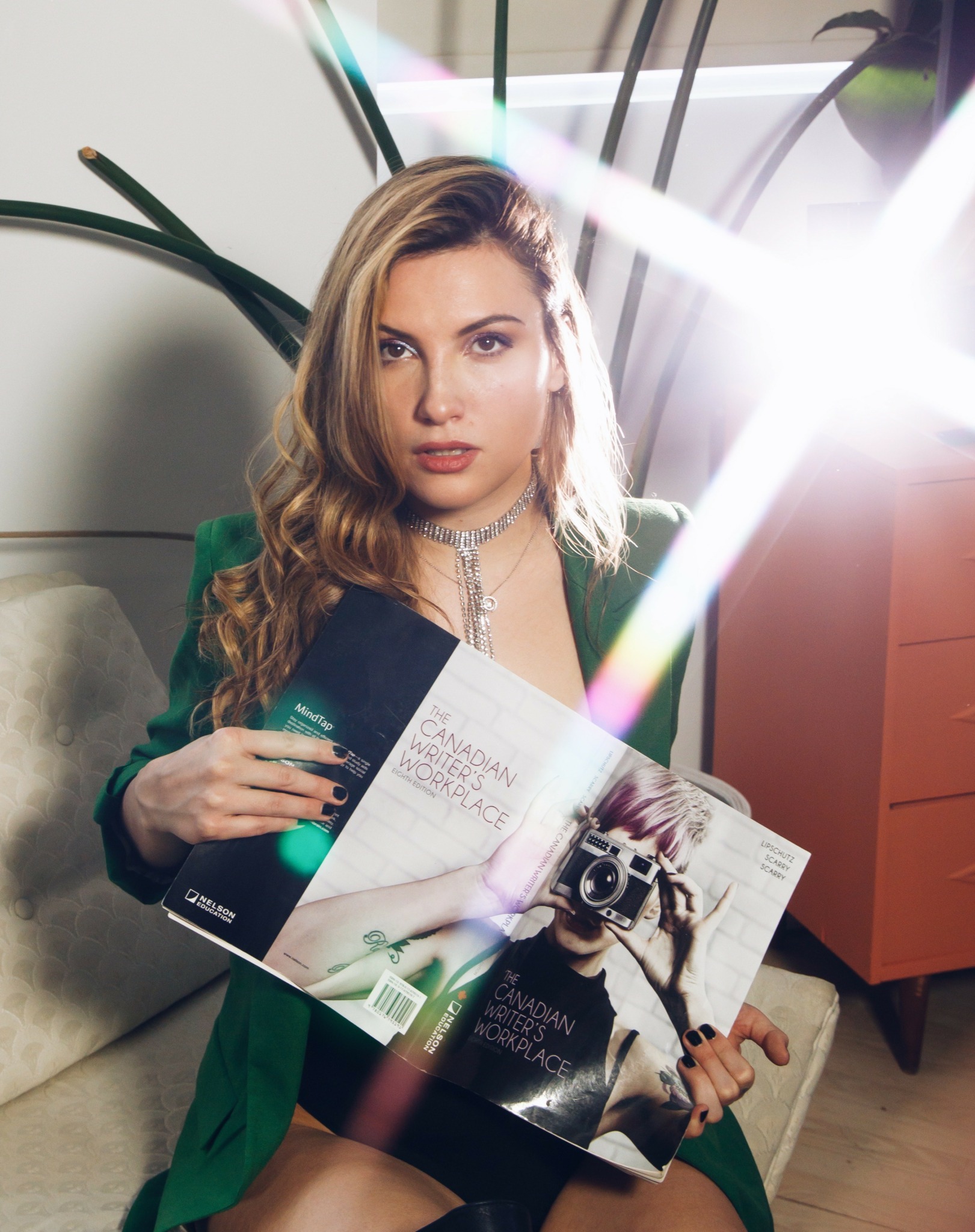
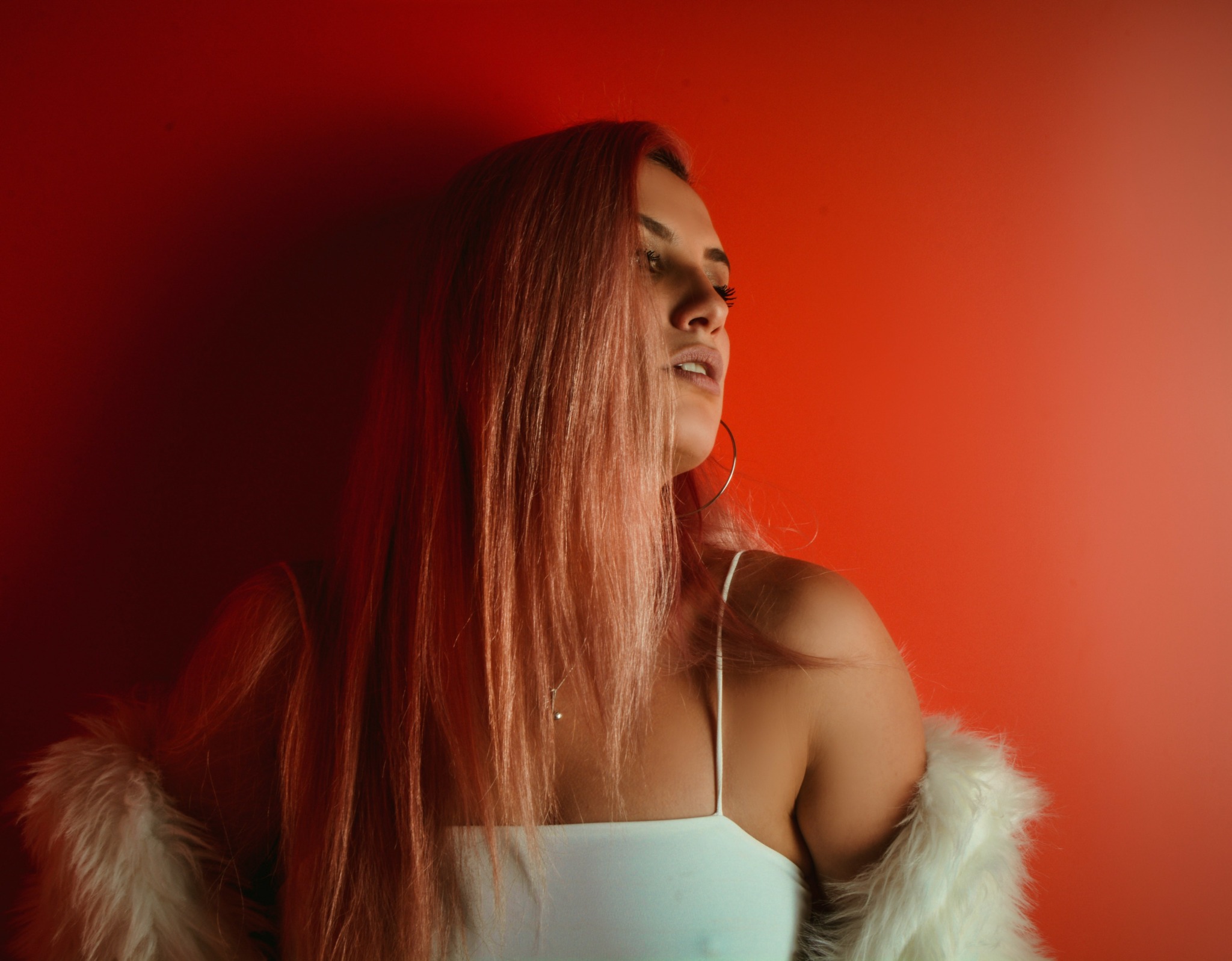
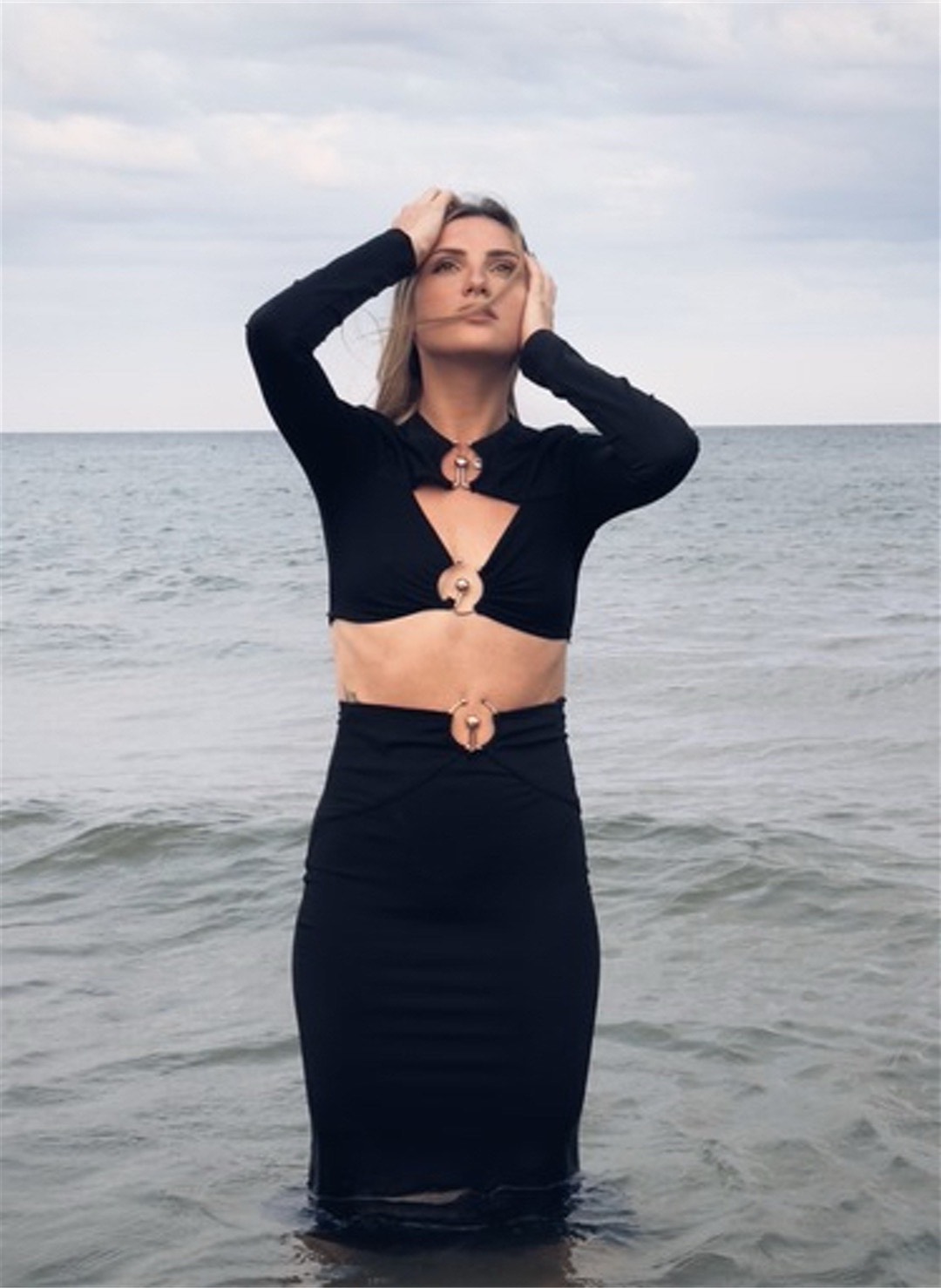
Alright – so today we’ve got the honor of introducing you to Ricki Ayela. We think you’ll enjoy our conversation, we’ve shared it below.
Hi Ricki, thanks for joining us today. Did you always know you wanted to pursue a creative or artistic career? When did you first know?
I always knew I wanted to be an artist since I was about 4 years old. I would sing before I knew how to talk, and would spend countless hours in my room listening to Britney spears and Christina Aguilera. Dancing and holding my hand up as if I was holding onto a microphone. My love for music wasn’t a thought or a knowledge I had about career paths, It was a feeling that I was born with and I always knew, no matter what anyone said, it was a path I would need to follow.

Great, appreciate you sharing that with us. Before we ask you to share more of your insights, can you take a moment to introduce yourself and how you got to where you are today to our readers.
Music has been a part of my life for as long as I can remember. Growing up, I was surrounded by all kinds of sounds—from classic soul and R&B to pop and indie—and each influenced the way I approach my craft today. My mom and dad were in a band together and thats how they met, so I can say The music is within me. Writing songs and performing have always been my way to make sense of my experiences and share them with others. Over time, I’ve grown not just as a musician but as a storyteller, always pushing myself to dig deeper and connect more authentically.
I write and perform songs that touch on themes like love, resilience, identity, and hope—things I think everyone can relate to in one way or another. Whether it’s a stripped-down acoustic track or a full production, I want my music to invite listeners into a space where they feel seen, inspired, and moved. Performing live is one of my favorite ways to connect directly with fans and share that energy.
I believe music is powerful because it can heal, motivate, and bring people together. When someone tells me that a song helped them through a tough moment or inspired them to keep going, that’s everything to me. My goal is to create songs that people can turn to when they need comfort, joy, or a little extra courage.
I think what makes my music unique is how personal and authentic it is. I don’t chase trends—I focus on telling real stories from my own life and emotions. I also love blending different genres to create something that feels fresh but still deeply soulful. Most of all, I care about building real connections with the people who listen to my music, whether through shows, social media, or personal messages.
I’m proud of how far I’ve come and how much I’ve grown as an artist. Every song I write and every performance I give is a piece of myself that I share with the world. I’m grateful for the fans who’ve joined me on this journey, and for the moments when my music has made a real difference in someone’s life.
If you’re just discovering my music—or if you’ve been following me for a while—I want you to know that this is a journey we’re on together. My songs come from a place of honesty and vulnerability, and I hope they can be a soundtrack to your own story. Thank you for listening, sharing, and being part of this with me.
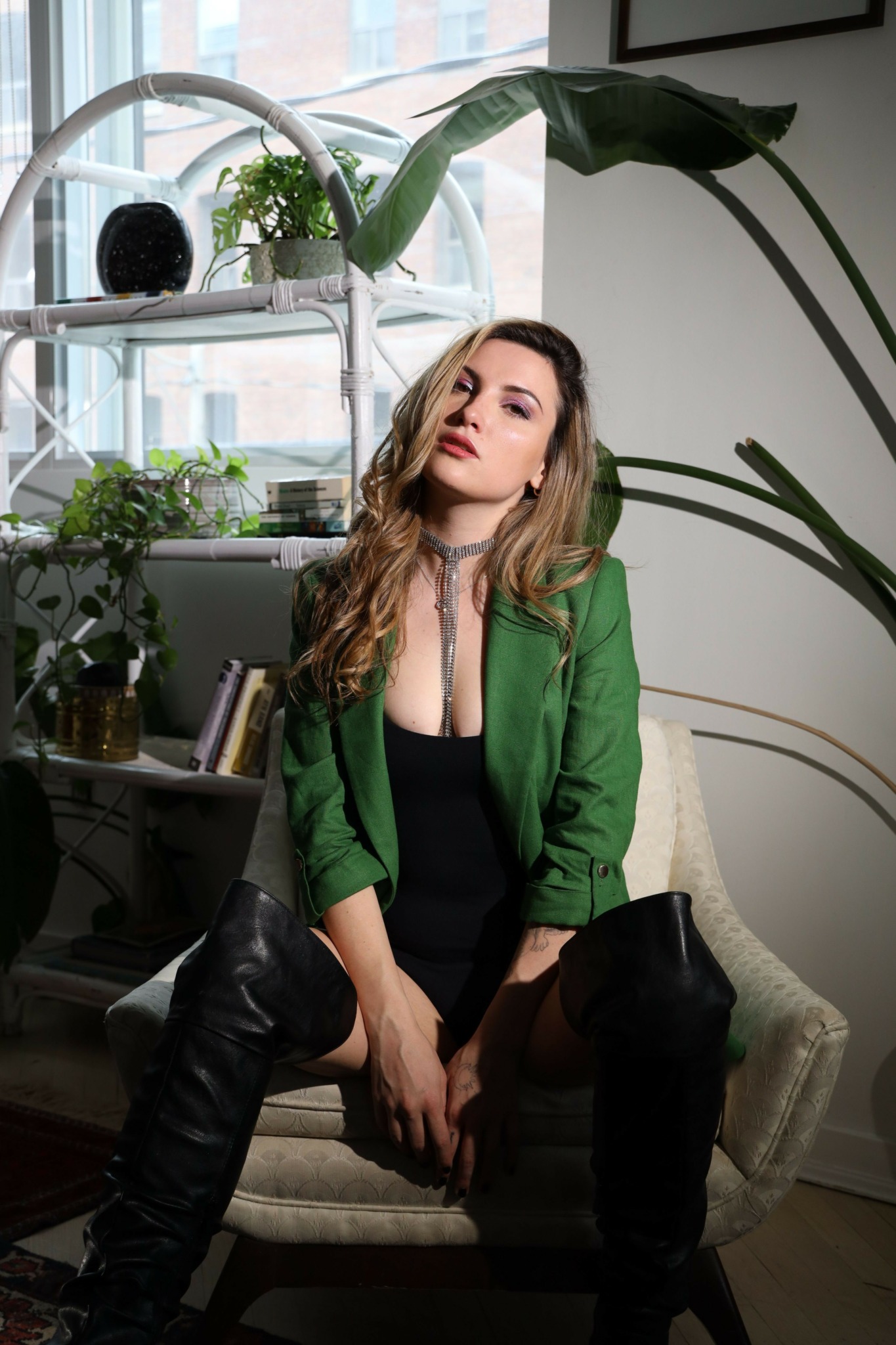
Alright – so here’s a fun one. What do you think about NFTs?
I’ve been asked a lot about NFTs, and honestly, I think they’re a really interesting development—both as a musician and as someone who’s always looking for new ways to connect with people through creativity.
At their best, NFTs open up exciting opportunities for artists like me. They allow us to share exclusive digital content—songs, artwork, behind-the-scenes moments—with fans in a way that feels special, personal, and direct. The idea that I could release a limited-edition track, or give fans access to something truly unique and collectible, is really powerful.
What I especially like about NFTs is the ability to cut through the middlemen. The traditional music industry often controls how artists release and monetize their work. NFTs give us back some of that control. They also make it possible to earn royalties each time a piece of digital art or music is resold—which means creators continue to benefit as their work gains value. That’s something the old system just doesn’t offer.
That said, I’m also aware that the NFT space has had its issues. There’s been a lot of hype, a lot of quick-money schemes, and unfortunately, some scams. I’m not into that. If I ever create NFTs for my fans, it’s going to be about real value—something meaningful, something beautiful, something that brings us closer, not a way to take advantage of my fans.
So yeah—I’m open to NFTs, but for me, it’s about making sure it’s authentic, transparent, and truly adds something meaningful to the experience of being part of this journey with me.

In your view, what can society to do to best support artists, creatives and a thriving creative ecosystem?
If we really want to support artists, we have to start in schools.
I wouldn’t be who I am today without early access to music and creative outlets. Music class wasn’t just a break from the day—it was where I learned to express myself, build confidence, and connect with others. It shaped me not just as a musician, but as a person.
Cutting arts programs sends the message that creativity doesn’t matter. But it does—a lot. Art teaches creativity, problem-solving, communication, and resilience. It gives kids the tools to understand themselves and imagine a better world. And it’s just as important as math or science in my opinion.
Supporting artists starts by investing in young ones. That means fully funding arts education, protecting creative spaces in schools, and giving every kid a chance to discover their voice.
Because before there’s an album, a gallery, or a stage—there’s a classroom.
Contact Info:
- Website: https://rickiayelamusic.com/
- Instagram: https://www.instagram.com/rickiayela/
- Facebook: https://www.facebook.com/rickiayelamusic
- Youtube: https://www.youtube.com/watch?v=FkDcRbnvqBc