
We caught up with the brilliant and insightful Rick Hayward a few weeks ago and have shared our conversation below.
Alright, Rick thanks for taking the time to share your stories and insights with us today. It’s always helpful to hear about times when someone’s had to take a risk – how did they think through the decision, why did they take the risk, and what ended up happening. We’d love to hear about a risk you’ve taken.
I guess the whole Embers Ignite project was a risk of sorts. I’d played in bands before, recorded some home demos, and even recorded an EP in a studio—but we only ever released the tracks on our social media pages and on CDs we sold at shows. I’d always wanted to release music properly.
Then, two years ago, I decided I would do it—so I took a few songs I’d written over the previous couple of years and reworked them. I programmed the drums, recorded guitar and bass, and then realised I’d have to record vocals too, being a one-man project. Having the courage to not only try and record vocals (something I’d never done before, as I’m primarily a rhythm guitarist), but to then release them into the wild and try to get people to listen by promoting it, was a very daunting prospect for me! I’m quite a shy, reserved person anyway, and I suffer from imposter syndrome with most things—I doubt my abilities a lot—so it was a big deal for me to record myself and put it out into the public space.
And as with anything—you can’t please everyone! I’ve had some good reviews, and some not-so-good ones, but I am happy and proud of what I’ve achieved—of what I pushed myself to do!
Great, appreciate you sharing that with us. Before we ask you to share more of your insights, can you take a moment to introduce yourself and how you got to where you are today to our readers.
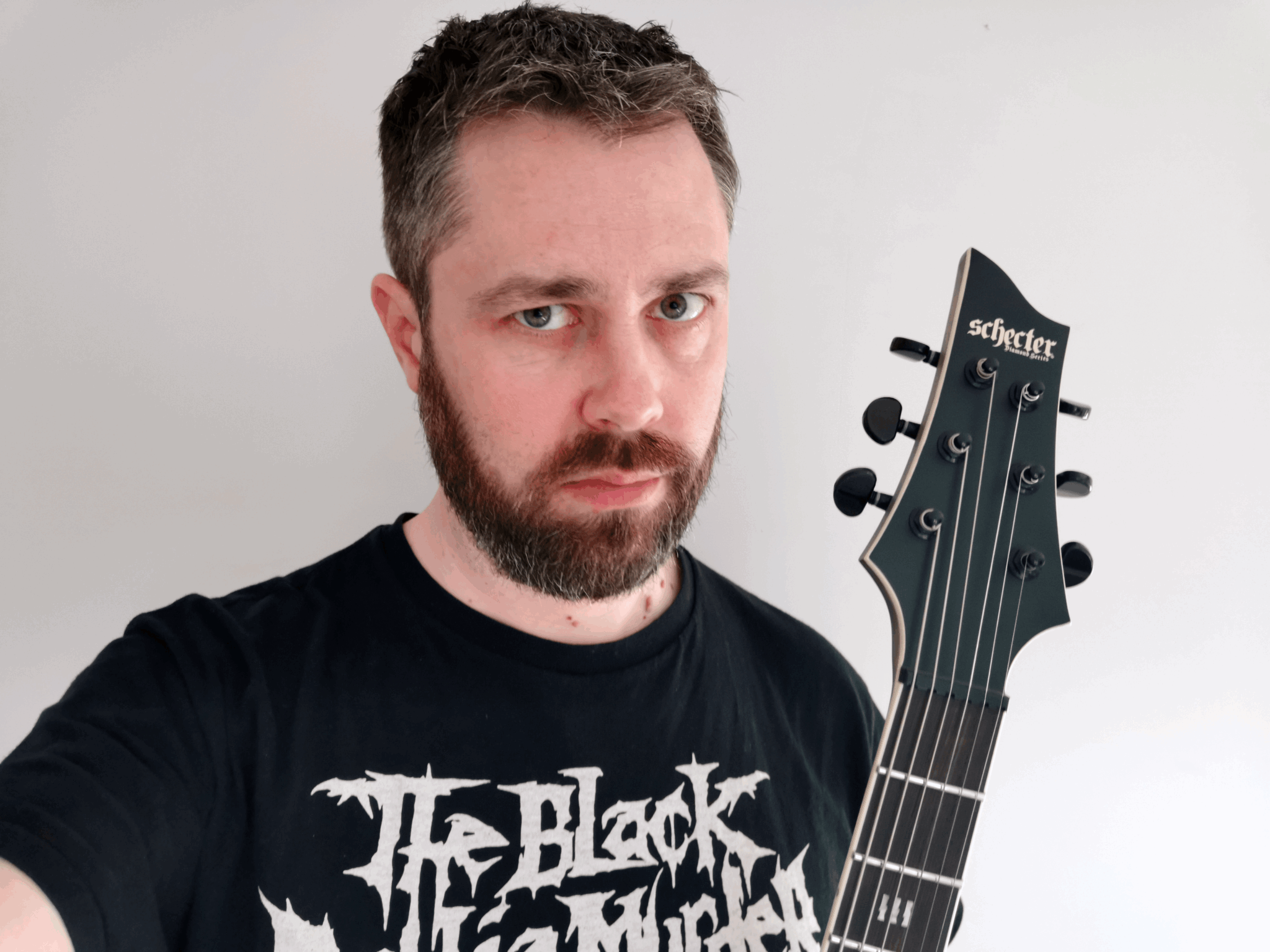
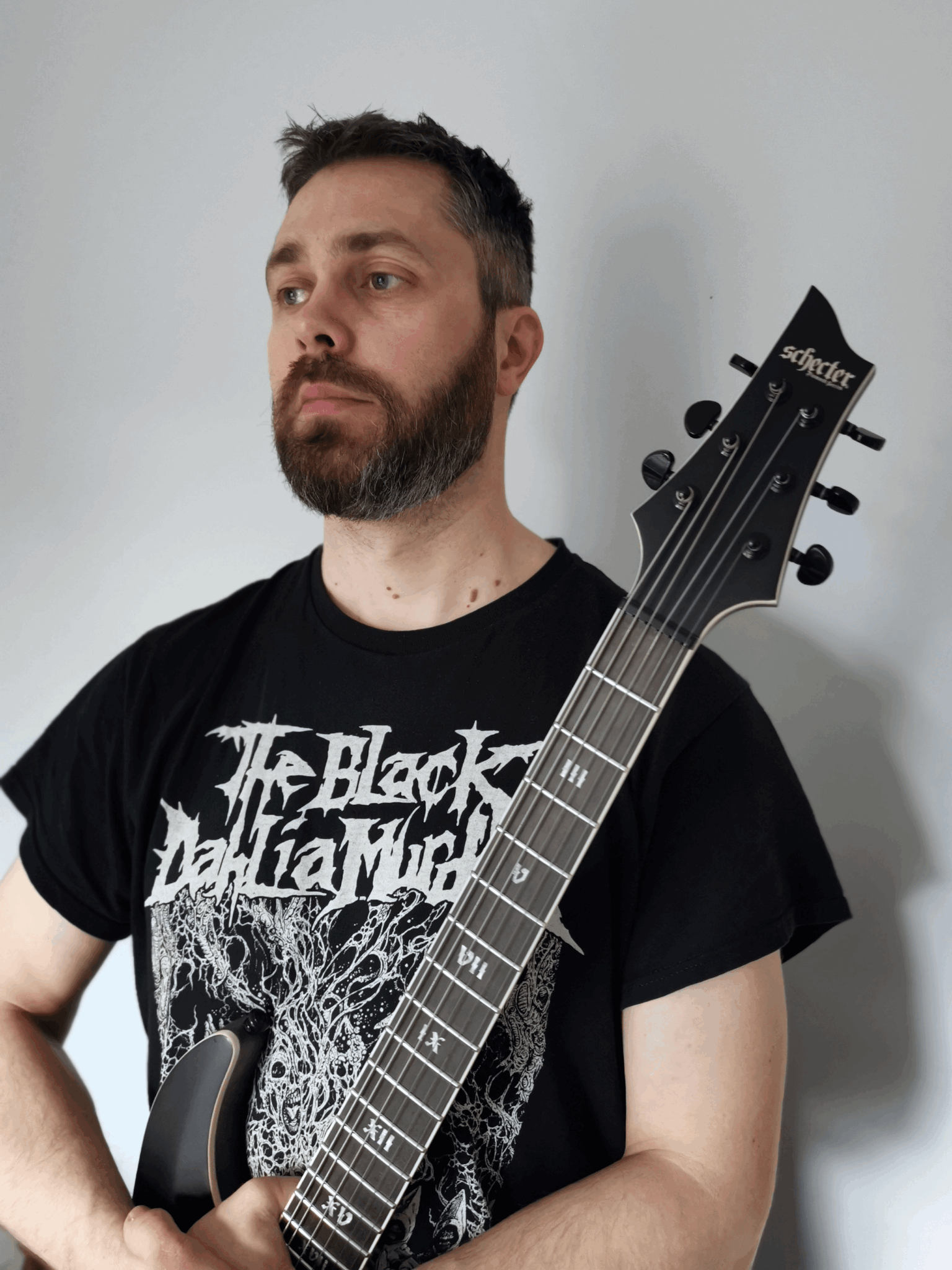
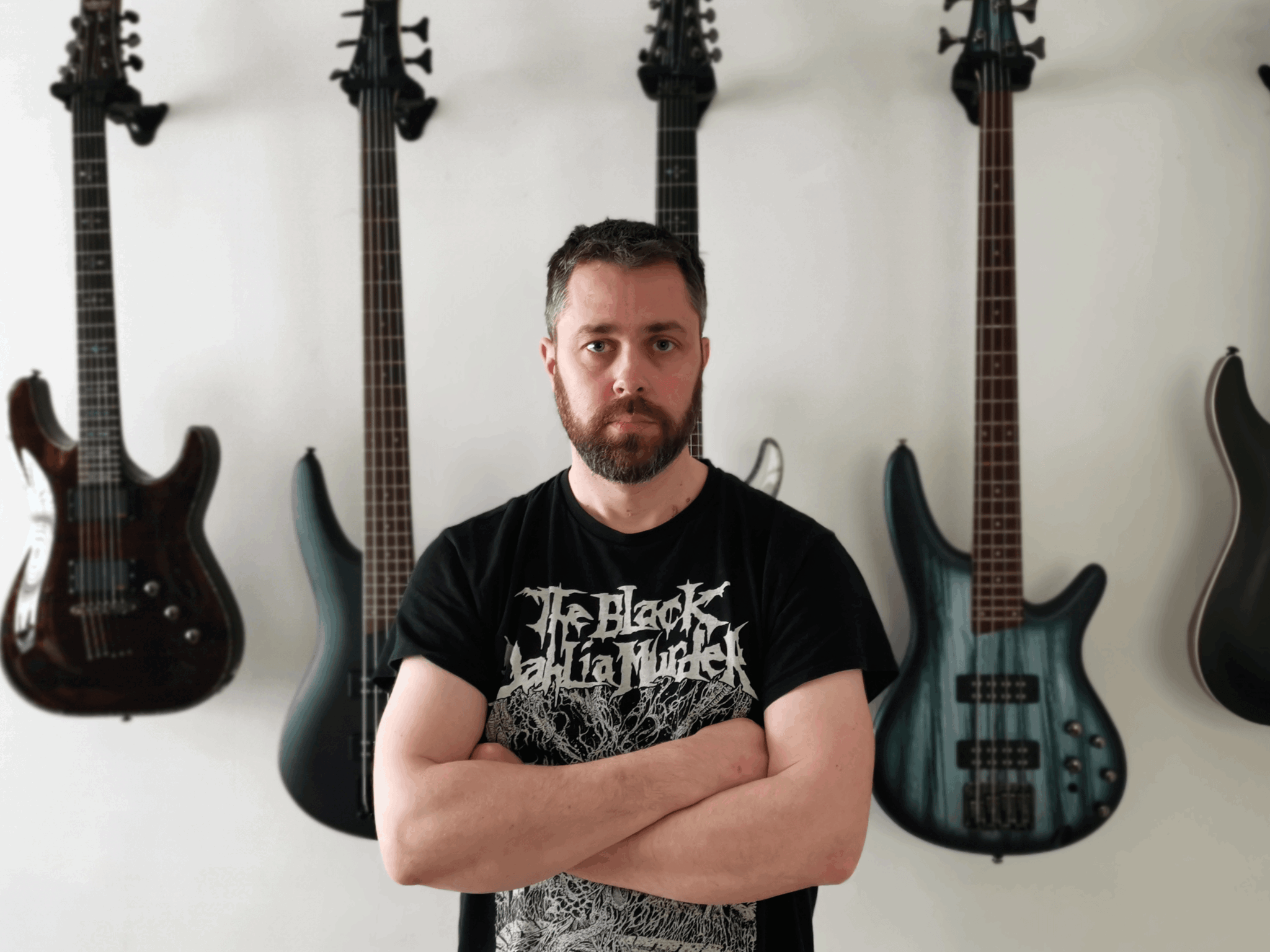
My name is Rick Hayward, and I am a one-man metal project going by the name Embers Ignite.
I’ve been into metal music since the age of nine, when I first heard Iron Maiden’s The Number of the Beast album. I was given a half-sized acoustic guitar a couple of years later, but I wasn’t disciplined or motivated enough to learn it—so I just bashed a few notes on it now and then, never learning any chords or songs.
I started playing guitar properly at sixteen, learning Metallica and Megadeth riffs from tab books (before the internet was what it is today), after hearing some young, spotty kid in a music shop play the riff from Metallica’s “Seek & Destroy.” For some reason, up until that point, I’d idolized guitarists and believed that level of playing was only for a few elite players—never thinking someone like me could do it. But I thought, “If he can play that, then so can I!”
In my twenties, I played in a few bands (hard rock and metal), and we played the odd show here and there—but nothing too serious. Then a friend reached out and asked if I’d play bass in their band. I was a guitarist and had never played bass before, but I thought it could be fun. I bought a cheap bass off another friend, and off we went. We started practicing regularly and playing local shows—it was great fun. A year or two in, the lead guitarist left, so naturally, I wanted to move into that role. I wasn’t a lead guitarist (and still don’t consider myself one), but I figured I could do enough to get by! Around the same time, we replaced our drummer, and as a band, we became more driven. We were rehearsing a couple of times a week and playing local shows most weekends. And in my spare time, I was writing riffs and lyrics for the band.
It was great—but I wanted more. I wanted us to fund a proper tour. I wanted to professionally record and release music. I wanted to see how far we could go. Sadly, not all the band felt the same, and not everyone was willing to invest money into it. So, after a while of doing the same old stuff at the same old venues, I got bored and left around 2012. After that, I only picked up a guitar now and then. Looking back, I was burnt out—I’d had enough.
Fast forward to mid-2022: I was married and we had a son. He was approaching his first birthday and starting to sleep through the night, so I finally started getting some free time again. I found myself picking up the guitar more often. I started playing riffs from some older songs I’d written a few years earlier and decided I wanted to record and release music—to prove to myself that I could do it! I’d been out of the music scene for a while and didn’t really know anyone who was into the same kind of music (a blend of death, thrash, groove, and melodic death metal), and I didn’t have the time or energy for regular rehearsals or gigging. So, I decided to go it alone and start a one-man metal project.
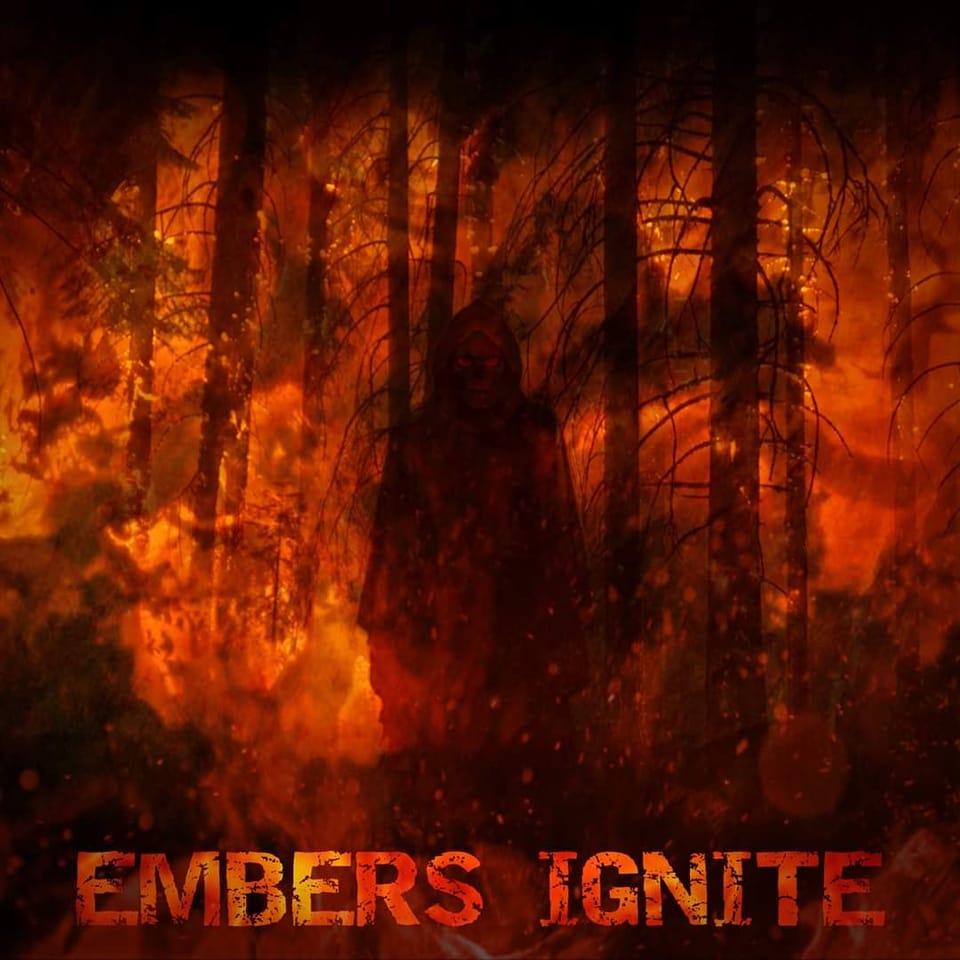
I recorded and released my debut EP in March 2023 to a very small audience. I had social media pages set up, but I think I had about 26 followers on Facebook when the EP dropped! Since then, I’ve continued writing and releasing music. As of this interview, I’ve released two EPs and three singles (cover versions) in the two years I’ve been doing this.
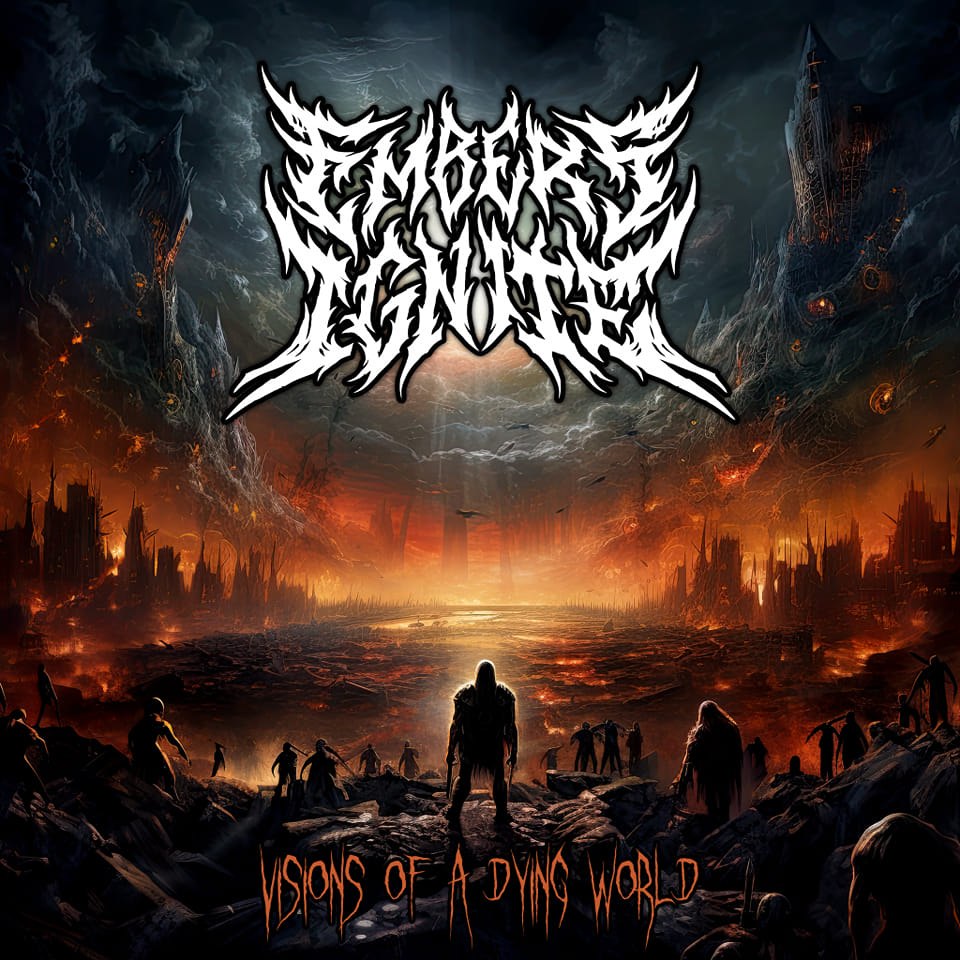
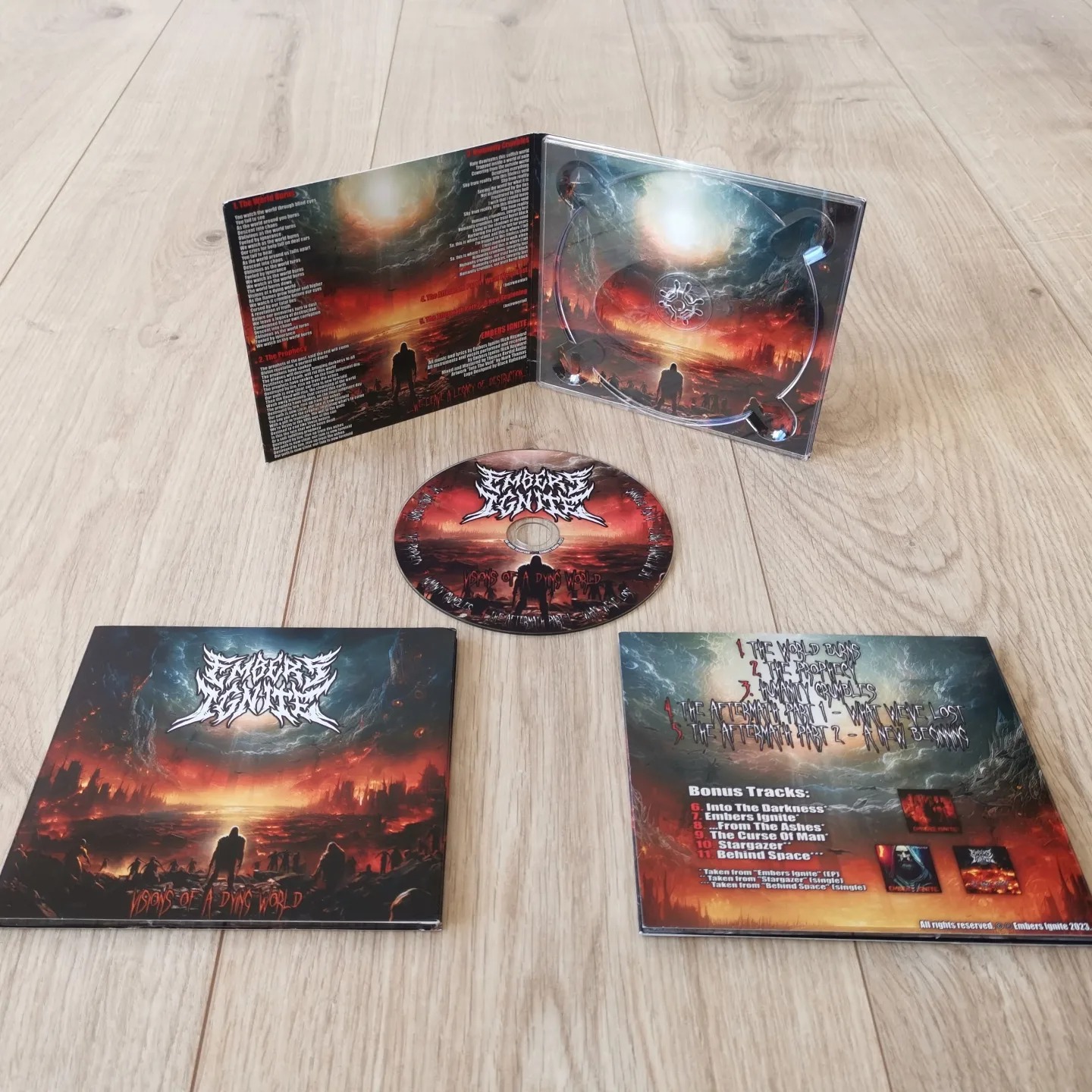
I’ve also written a full-length album that I’m hoping to finish and release later this year. But life got in the way—big time. We moved house in May 2024, and our second child, a daughter, was born in June. With that came sleep deprivation and shifting priorities, and I haven’t made much progress since. There were bouts of illness and mental health issues too which haven’t helped either! My daughter is now nine months old, so we’re hopefully getting to the point where she sleeps better and I feel less like a zombie—and a bit more motivated to use my free time to get this finished!
What’s the most rewarding aspect of being a creative in your experience?
Just seeing it all come together. For me, it usually starts with a riff—sometimes a melody idea—and then watching it transform and grow into a fully formed song, with lyrics, vocals, and a solo. Then comes the process of putting time into tweaking each part until you’re happy with it as a complete piece, and recording it as best you can. After that, it’s about trusting someone else with the mixing and mastering—because I’m not quite good enough to do it myself yet (although it’s a skill I’d really like to work on)!
I love that transformation. I love putting my effort and emotion into something and nurturing it until it’s fully formed. Turning an idea into something real.
That’s kind of where the name Embers Ignite came from, too. Something so small—an ember, a flicker of light, a spark: an idea—igniting something: passion, imagination, and becoming something bigger. A flame. A fire. An inferno. Transforming into something fully developed and alive.
Creating something from nothing—it’s magical. That’s what it’s all about for me. And I find it incredibly cathartic, too.
What can society do to ensure an environment that’s helpful to artists and creatives?
Ultimately, value what artists do—and pay them properly!
In today’s world, everything is about streaming and instant access. Corporations and governments continue to exploit the working class. Very few people buy albums, sit down with the artwork, and truly invest time in the music anymore. There’s just so much music out there now. If you’re listening to something new and it doesn’t grab your attention in the first few seconds, you’re likely to hit skip—and I find that incredibly sad. There’s so much great music out there waiting to be discovered!
Streaming platforms pay artists next to nothing. It costs me far more to record and release music than I’ll ever make from it (and I’m doing it as cheaply as I can, too). And honestly, that’s okay—I do it because I want to. It’s a hobby, an outlet for me, not a job (though I’d love to be in a position where I could focus entirely on music—writing, creating, mixing, mastering, doing artwork, etc.).
But here’s the thing: people are happy to spend £5 on a coffee or a beer—products that cost manufacturers and retailers pennies to make—and that enjoyment lasts just a few minutes, while those companies make millions. Yet those same people won’t spend £5 on an EP or an album they like, even though it likely took someone months to write and record, and hundreds of pounds to create and produce (studio time, mixing, mastering, distribution, artwork).
Why? Because everything’s online now, and they don’t have to pay for it. They’ve already paid for Spotify, or Apple Music, or whatever streaming service they use.
Once again, the corporations are the ones making the money, while the people actually creating the art earn next to nothing. Artists are paid fractions of a penny per stream, while the owners of these platforms make fortunes. To make matters worse, some platforms now have thresholds where you don’t get paid at all unless your song hits 1,000 streams—making it nearly impossible for small, independent artists to recoup even a fraction of what they spent.
Artists should be paid more fairly. Streaming companies need to pay a better rate—something like a penny per stream would be a good start. With no minimum streaming threshold. And if you enjoy an artist’s work, support them. Pay £5 or £10 for a CD or a shirt—that kind of support means everything to a small independent artist. For perspective: one CD sale is equivalent to around 30,000 streams.
I get it—people don’t want to pay twice: once for an album, and then again for a streaming service. But if you really love an album or an artist, consider supporting them directly. Buy a shirt. Buy a CD. Pay for a download, even if you don’t need it. Share their links. Interact with their posts on social media.
It all helps.
Contact Info:
- Website: https://embersignite.bandcamp.com/
- Instagram: https://www.instagram.com/embers_ignite_/
- Facebook: https://www.facebook.com/embersigniteuk/
- Twitter: https://x.com/embers_ignite_
- Youtube: https://www.youtube.com/@embersignite
- Soundcloud: https://soundcloud.com/embersignite
- Other: Tiktok: https://www.tiktok.com/@embersignite
Spotify: https://open.spotify.com/artist/6J7DlrdzdzgE7s1DEaHQtD?si=EUV8ng1gSLOpgPZHI5eZ9w
Apple Music: https://music.apple.com/us/artist/embers-ignite/1676150906
Deezer: https://www.deezer.com/en/artist/204582697