

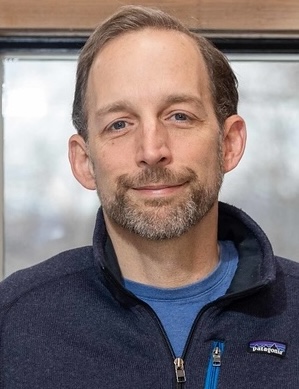

We’re excited to introduce you to the always interesting and insightful Richard Sirop. We hope you’ll enjoy our conversation with Richard below.
Richard, appreciate you joining us today. Setting up an independent practice is a daunting endeavor. Can you talk to us about what it was like for you – what were some of the main steps, challenges, etc.
As a television producer, I had been working with confidence, presence, and goal setting for years, even before I ever called it coaching. Helping people perform under pressure, find their voice, and stay grounded was already part of my daily work. When I decided to formally train in Neuro Linguistic Programming and start my own practice, I knew I had the tools to help people create real change. What I did not yet have was trust in the marketplace.
The early days were less about building systems and more about building credibility. I made a very intentional decision to lead with generosity. I give a significant amount of my work away for free through social media, workshops, speaking, and content. I do not hold back or tease transformation behind a paywall. A lot of marketing relies on scarcity or urgency. That approach never felt aligned for me. As a coach, my priority is helping people. As an entrepreneur, my responsibility is building something sustainable. I believe those two things can coexist without compromising integrity.
One of the biggest challenges was learning how to be patient while staying consistent. Growth did not happen overnight. It required showing up week after week, refining my message, listening closely to the people I was serving, and trusting that alignment would eventually outperform tactics. If I were to do anything differently, I would have worried less about speed and more about staying grounded in my own voice earlier on.
For anyone considering starting their own practice, my advice is simple. Do not try to sound like anyone else. Do not build your business from fear or comparison. Lead with service, be honest about where you are, and let your work speak for itself. Trust compounds when people feel you are genuinely there to help them, not to sell them something.
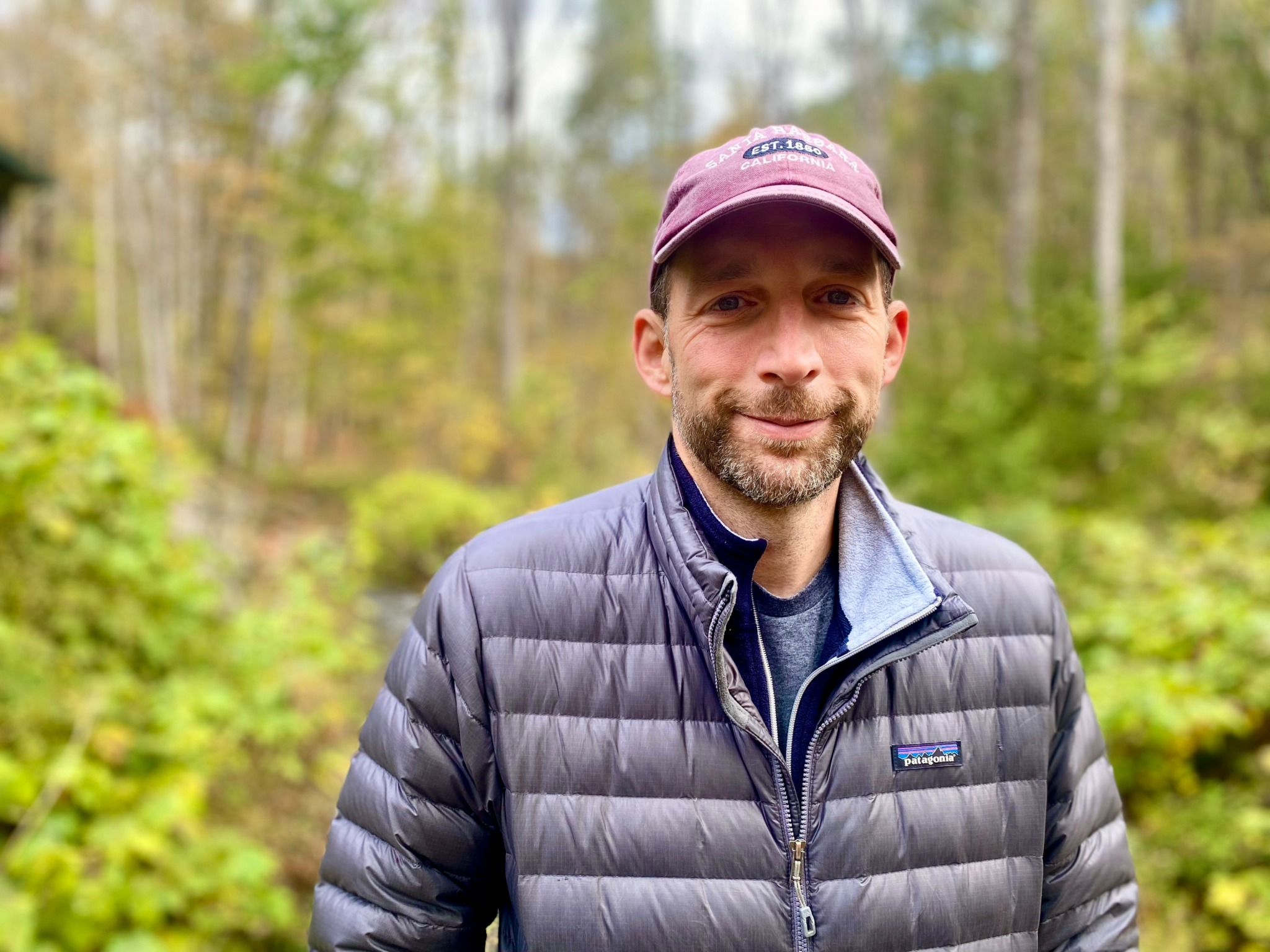
Richard, love having you share your insights with us. Before we ask you more questions, maybe you can take a moment to introduce yourself to our readers who might have missed our earlier conversations?
I spent over two decades working in television, ultimately becoming an executive producer on Who Wants to Be a Millionaire, The Meredith Vieira Show, and Hot Ones: The Game Show. On the surface, those were entertainment jobs, but at their core, the work was always about people.
I worked with everyday contestants under intense pressure, celebrity hosts, and large creative teams, and my real role was often helping people stay grounded, confident, and present when the stakes felt high. I was guiding people through fear, self doubt, performance anxiety, and big emotional moments long before I ever called it coaching.
After going through a major personal reset that included divorce, career disruption, and rebuilding my life from the ground up, I realized that the tools I had been using intuitively for years were not just helpful, they were transformative. That realization led me to formally train in Neuro Linguistic Programming and to start my own coaching practice.
Today, I work with high performing individuals, entrepreneurs, creatives, and professionals who feel stuck in cycles of stress, overthinking, perfectionism, or self judgment. I help them understand what is actually driving their patterns at a subconscious level and give them practical tools to shift their emotional state, reconnect to their truth, and take clear action forward.
What sets my work apart is that it is rooted in lived experience, not theory alone. I am not teaching from a pedestal. I am teaching from having been there. I combine mindset work, somatic awareness, visualization, and emotional intelligence in a way that is grounded, human, and immediately usable in real life.
I am most proud of the trust my clients place in me. Every time someone moves forward in their life, it impacts the coach just as much as the client. It is an honor to be invited into such meaningful moments of change.
I often think about goals and dreams like driving at night. When you try to do it alone, it is like driving with the headlights off. A coach helps you see what you cannot see for yourself. I always say having a coach is an unfair advantage. People at the highest levels, from athletes to performers to business leaders, rely on mindset coaching because it helps them get unstuck and move toward what they want faster than trying to do it alone.
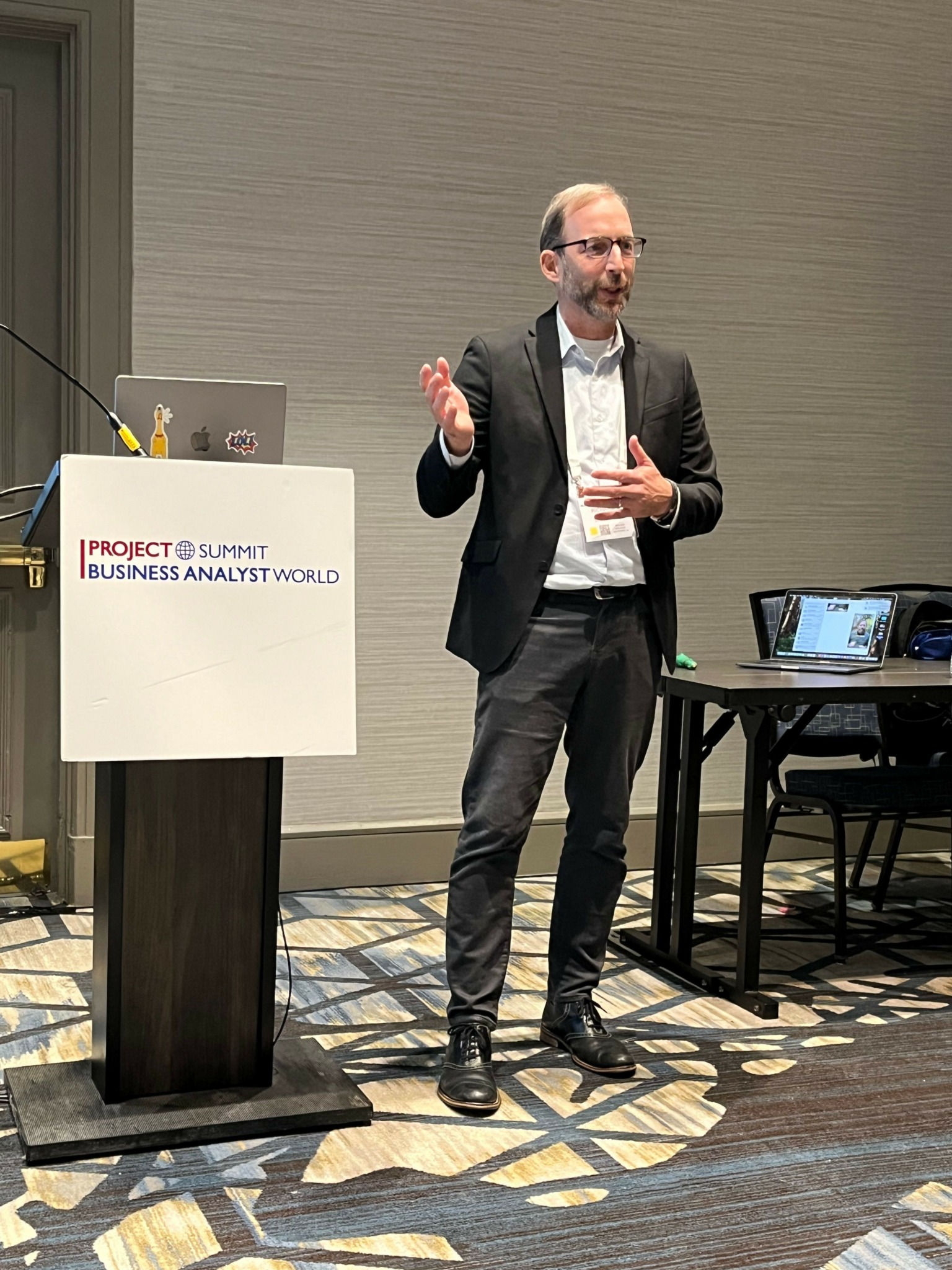
Have you ever had to pivot?
One of the biggest pivots of my life came during a period when everything seemed to fall apart at once.
I was going through a divorce, my television job ended, and shortly after that, the rental I had just moved into was sold out from under me at the very beginning of COVID. I had no job, no long term plan, and a lot of uncertainty all at once. Financially, emotionally, and professionally, It was a really hard time.
Like a lot of people in that situation, I turned to self help books. They helped a little, but most of them were written by people who were already standing at the top of the mountain, looking back and explaining how they got there. What I needed was something written from the middle of the climb, or honestly, from the bottom.
So I started writing my own book. Not to publish it, but to survive. I wrote down the tools I was using in real time to get through fear, uncertainty, and self doubt. Visualization. Goal setting. Reframing the inner critic. Taking small, grounded actions when everything felt overwhelming.
As part of that process, I gave myself a financial goal. I wrote down that I was going to make $225,000 that year, even though I had made essentially nothing in the year and a half prior. The number itself wasn’t the point. The point was committing to belief, action, and adaptability.
By mid year, I had made around $60,000. By December, I had made $190,000. Just before the year ended, I booked a producing project that paid $35,000, bringing me to the exact number I had written down. Hitting the goal was exciting, but what mattered more was the realization that the tools I had been using intuitively were not luck. They were repeatable. They worked.
That period changed everything for me. Being in that very difficult position of my life forced me to understand mindset at a much deeper level. I started studying, training, and refining these tools, not just to help myself, but to help others who felt stuck, overwhelmed, or lost in transition.
Looking back, that moment of adversity wasn’t a detour. It was the beginning of my real work. What felt like everything falling apart was actually everything realigning. It led me directly to my purpose, and to the coaching practice I run today.
Out of adversity often comes clarity. I just didn’t know it at the time.
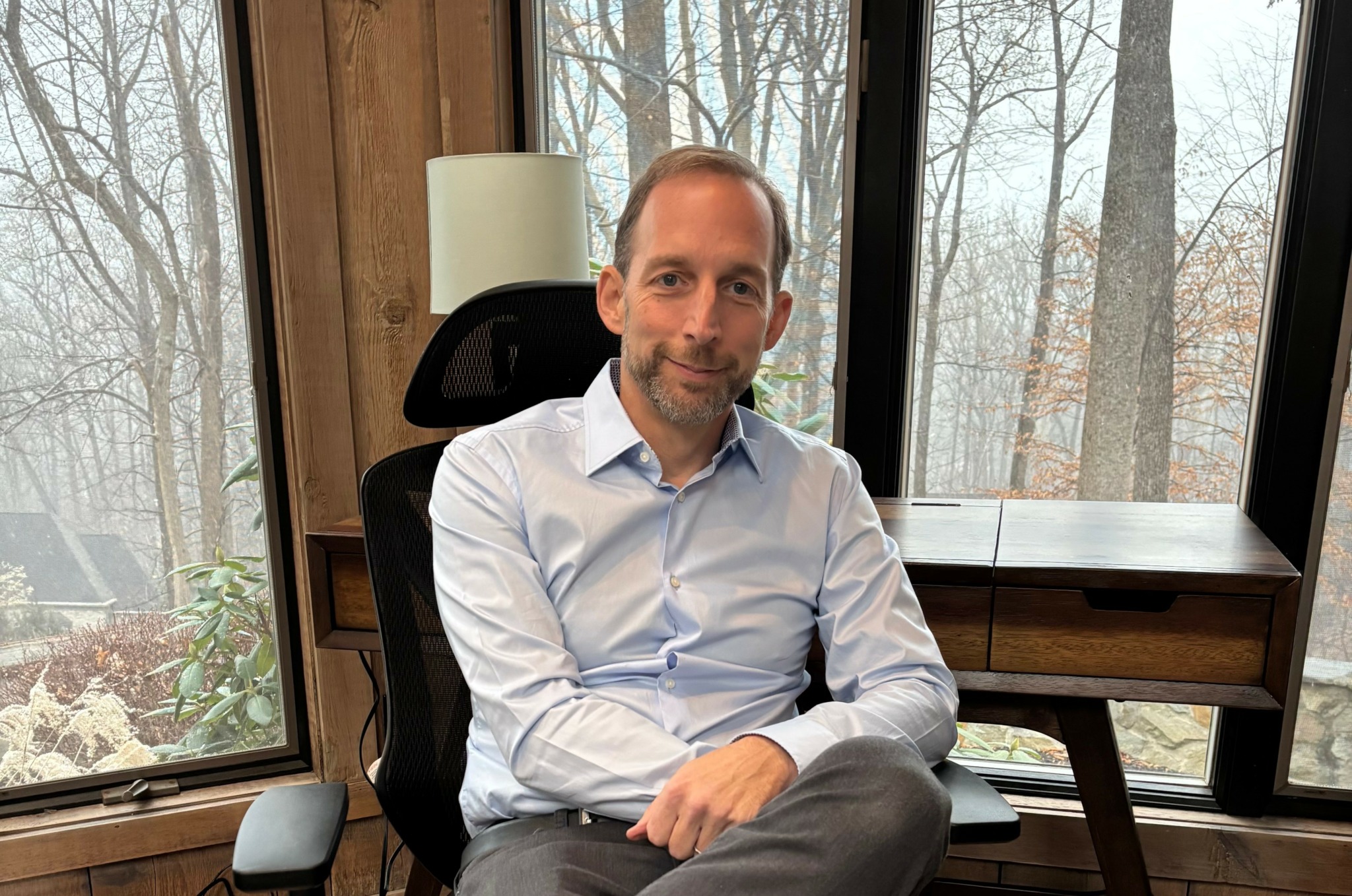
Other than training/knowledge, what do you think is most helpful for succeeding in your field?
Beyond training and knowledge, I believe the most important factor for success in my field is resilience.
So many people start strong, full of energy and excitement, but they burn out or get discouraged when results take longer than expected. Real success comes from showing up consistently, even when things feel slow or uncertain. It is about taking action, learning from what works and what does not, adapting, and then taking the next action.
I am a big believer in the Pareto Principle. Roughly twenty percent of our actions create eighty percent of our results. That is why I love books like The One Thing and Atomic Habits. That philosophy matches how I have always operated. I focus on identifying the one to three most important things that actually move the needle and committing to doing those consistently.
I also believe deeply in incremental growth. Improving just one percent across many areas compounds over time into massive change. That applies to business, mindset, relationships, and personal growth.
I have a sign on my wall that says “Grow through what you go through.” To me, that is not just about surviving adversity. It is about learning from it, refining your approach, and understanding that sheer force is rarely enough. Success requires focus, awareness, and the willingness to adapt as conditions change.
Resilience is not about pushing harder at all costs. It is about staying present, staying curious, and continuing to move forward with intention, even when the path is not clear yet.
Contact Info:
- Website: https://www.richsiropcoaching.com
- Instagram: @richsiropcoaching
- Facebook: rich sirop coaching
- Linkedin: https://www.linkedin.com/in/rich-sirop/
- Youtube: https://www.youtube.com/@RICHSIROPCOACHING
- Yelp: https://www.yelp.com/biz/rich-sirop-coaching-brooklyn-2

Image Credits
Master Practitioner Neuro-Linguistic Programming