

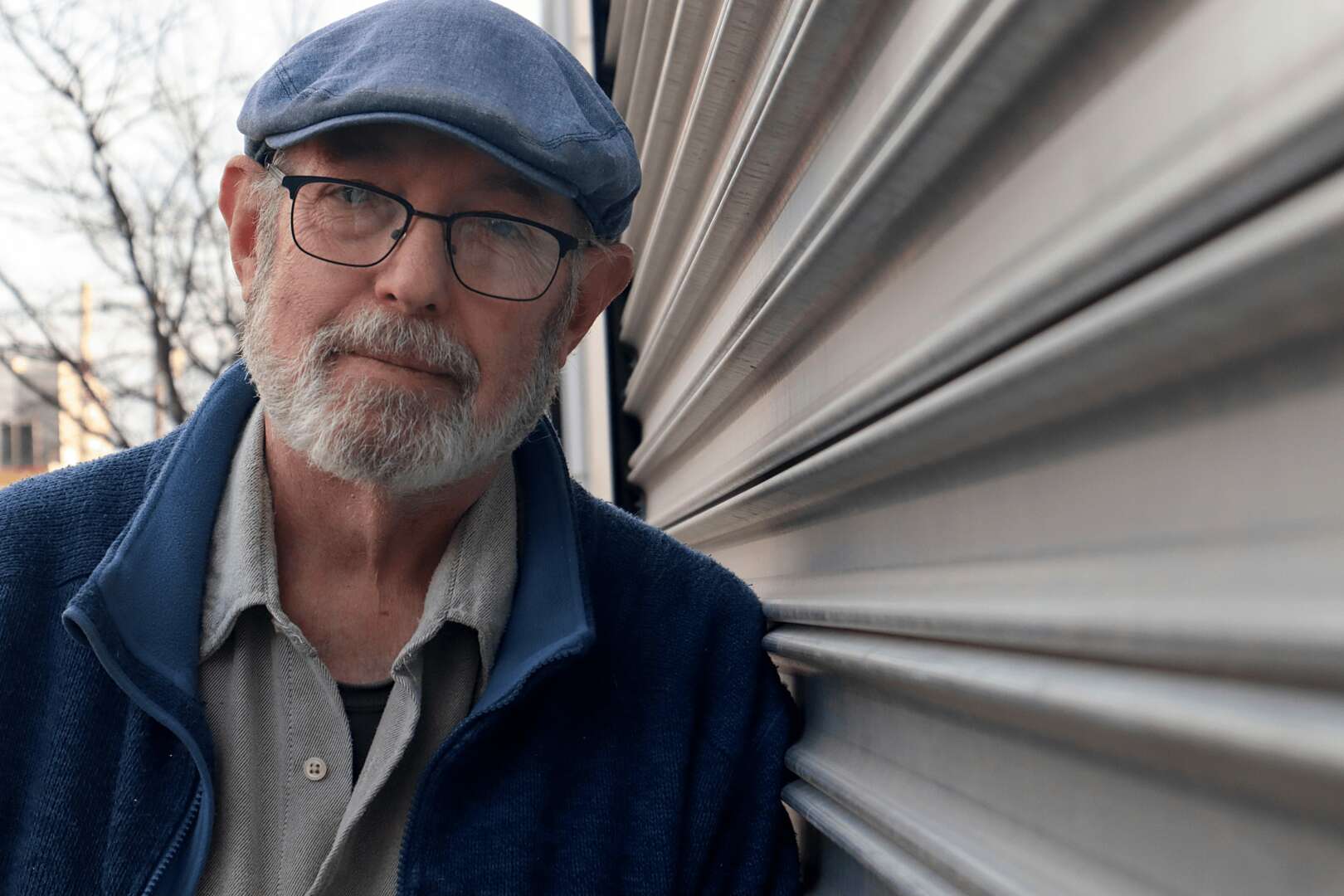

We caught up with the brilliant and insightful Richard Dunoff a few weeks ago and have shared our conversation below.
Richard , appreciate you joining us today. Can you talk to us about a project that’s meant a lot to you?
During my career as a photographer I worked on a number of meaningful jobs ranging from shooting annual reports and advertising photographs to publishing a couple of books of photography. I think the job that set me up for success as a photographer was during the beginning of my photography career. A local design firm called in my portfolio, they were looking for ideas and a photographer for a large pharmaceutical firm that they were pitching. A couple of days later the Graphic design director of the design firm called me and said he had a job for me but that it was not to shoot photos but instead to work as a picture researcher for them. My initial reaction was to say no, but the design director said, “I know you are a photographer and before you say no listen to the reasons you should accept this freelance job”. He then rattled off all of the reasons why I was planning to reject the offer and countered each reason with a positive reason as to why I should accept the job. This guy had me pegged it was almost like he was listening to the internal dialog in my head. He then went on to say the firm liked the way I thought and my approach to photography. They were pitching a very large series of advertisements which would go on for almost two years, they needed at least 5 different photos every month. They were still in the concept stage and wanted to show the client samples of what they were thinking. He then asked me to go to New York and go through the files of my favorite photographers and pull images of the sorts of things they were looking for. He then said that it would give me the chance to visit my favorite photographer’s studios and offices and see the best photography in their files, He made it sound like a fun field trip. He then also said that it would give me a chance to work as a freelancer directly with the drug company’s design people who up to that time were unwilling to meet with me to show my portfolio.
Two days later I was in New York City with appointments with some of the top photographers and their agencies. It was a solid 2 days of seeing some of the best photographs in the world. The design firm gave me their concept for the job and then asked my find photographs that illustrated that concept. I was also told to demand that the drug company contact agree to meet with me when I returned to Philadelphia and look at my portfolio. I went to the first studio found some really amazing work and then had to call for a purchase order before they would let me take the work back for consideration. Before asking for the purchase order I got really cocky and actually did demand an appointment for the following week. The drug company representative consented. I then worked directly with her for the next five years and became a close friend. To make a long story short that ended up being one of the most meaningful and lucrative commercial jobs of my career. None of the images I selected was ever used for the advertisements, they liked what I had brought back to Philadelphia but based on those selections I was chosen to shoot a large number of the ads in that series.
Richard , before we move on to more of these sorts of questions, can you take some time to bring our readers up to speed on you and what you do?
I went to college at Penn State University having no idea what I was interested in doing for a career. It was almost like I had a different major every semester. I would try one thing and then in the middle of the semester I would decide that wasn’t for me.
During my sophomore year I decided to take a speech course thinking that I should probably do something productive while in college ( I had a tendency to mumble and wanted to correct that). I signed up for a phonics class which I expected to be incredibly boring but hoped that it would help me with my tendency to mumble. I went to the first class and instead of being bored I was amazed at how interested I was. So now all of a sudden I decided to become a speech communication major. As part of that curriculum I was able to take radio, television and film classes. I was in heaven, it was fun producing and directing the various media projects and it encouraged me to become more creative. At about the same time I became interested in still photography. I was taking pictures on my own but was unable to actually take a formal class in it. By this time I was a junior and tried to register for a photo class but there was a 3 year waiting list to get one.
I decided to transfer to Temple University into their Radio Television and Film department. I was also able to sign up for a photojournalism class and I was in heaven. I had a terrific Professor Dr Ed Trayes who taught me formal composition, as well as gave me a background in the history of photography. We would get weekly assignments which were then critiqued and graded.
At the same time I found a part time job as a darkroom technician. I worked with 2 very talented creative photographers and darkroom technicians and we would stay in the lab on many nights printing and processing our personal work. The lessons I learned from those two guys was invaluable.
Those late nights helped fuel my need for doing personal work. All of my photographic hero’s are known more for their personal work than for their commercial work, though they earned way more for the commercial stuff initially their personal work is what kept them at the top and was what they were best known for.
Is there mission driving your creative journey?
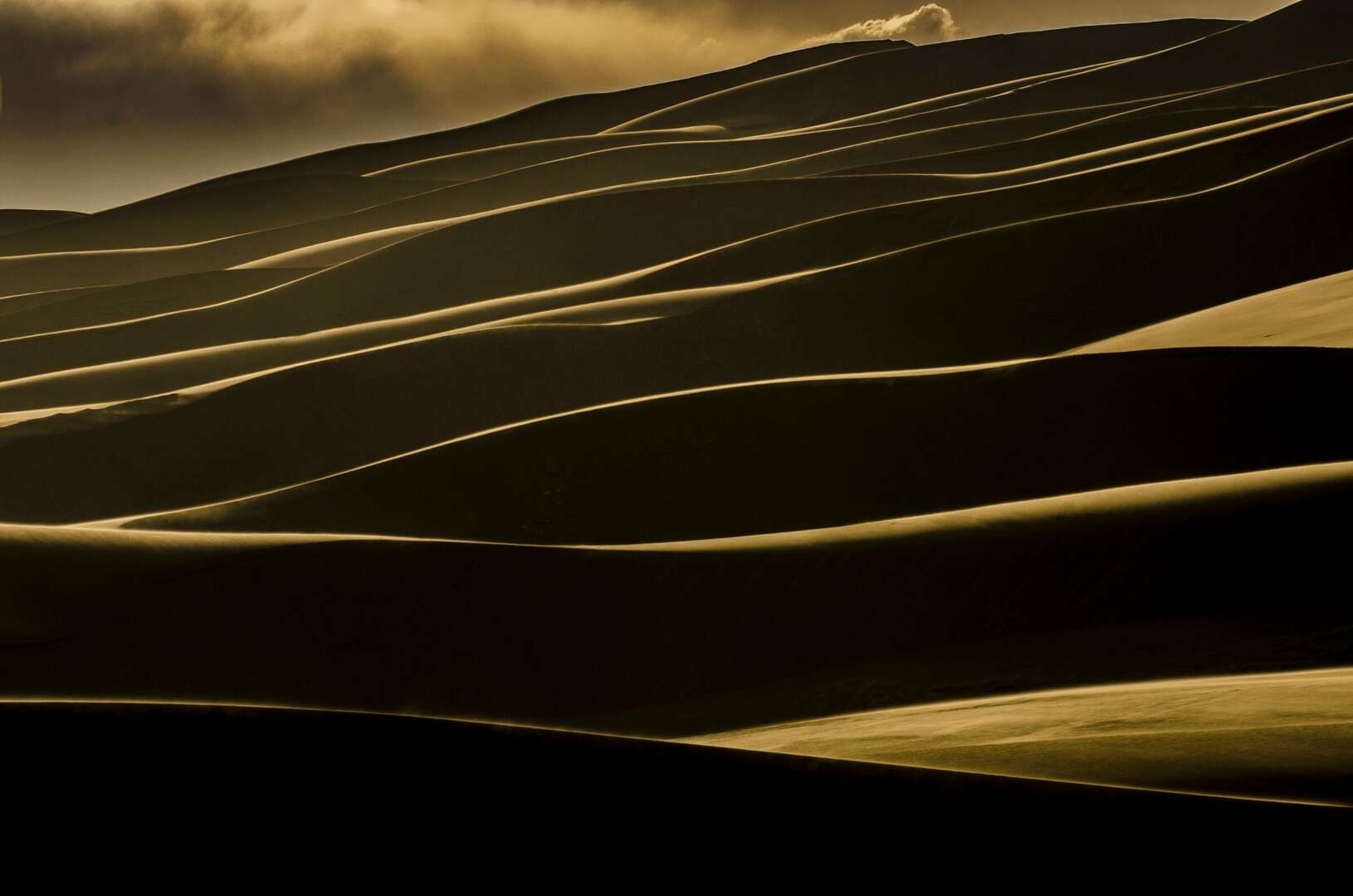
My main goal with my creative journey is to just keep shooting and working to do the most interesting photographs I can shoot. My main goal is to please myself. I try to shoot on a regular basis.
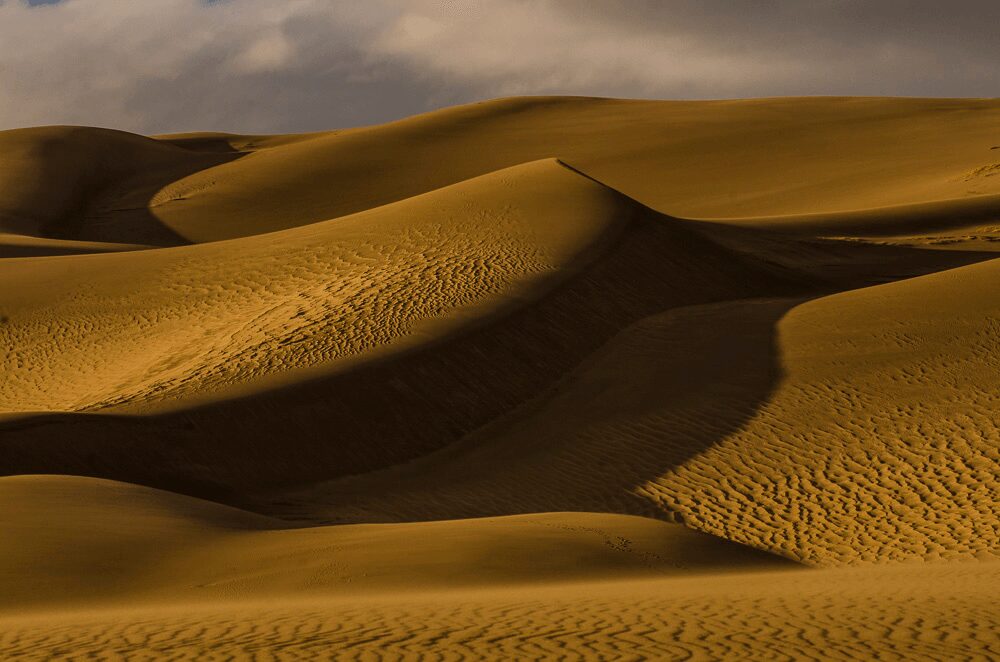
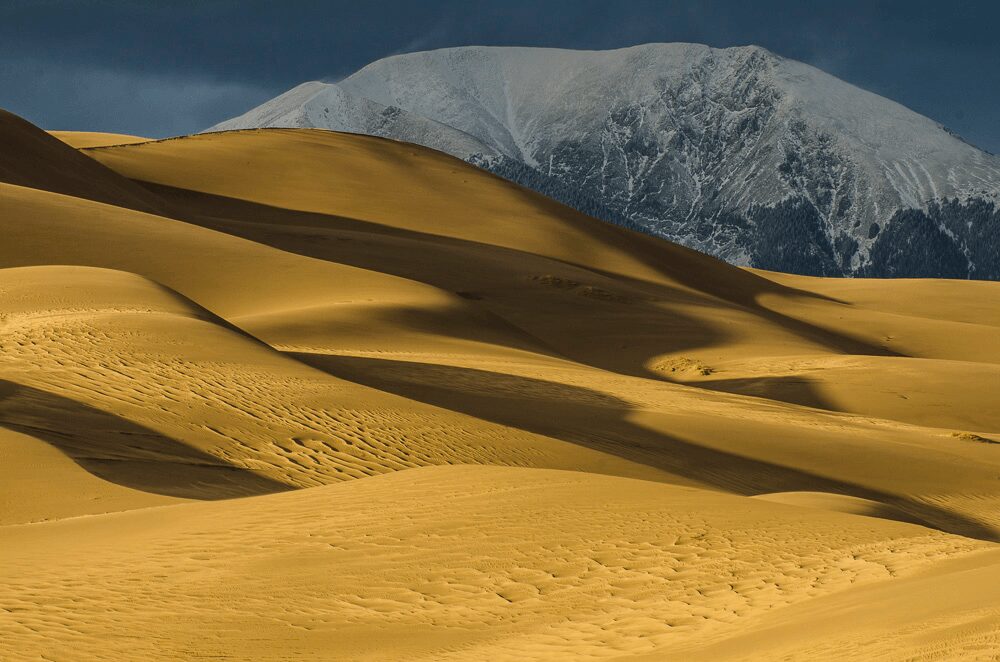
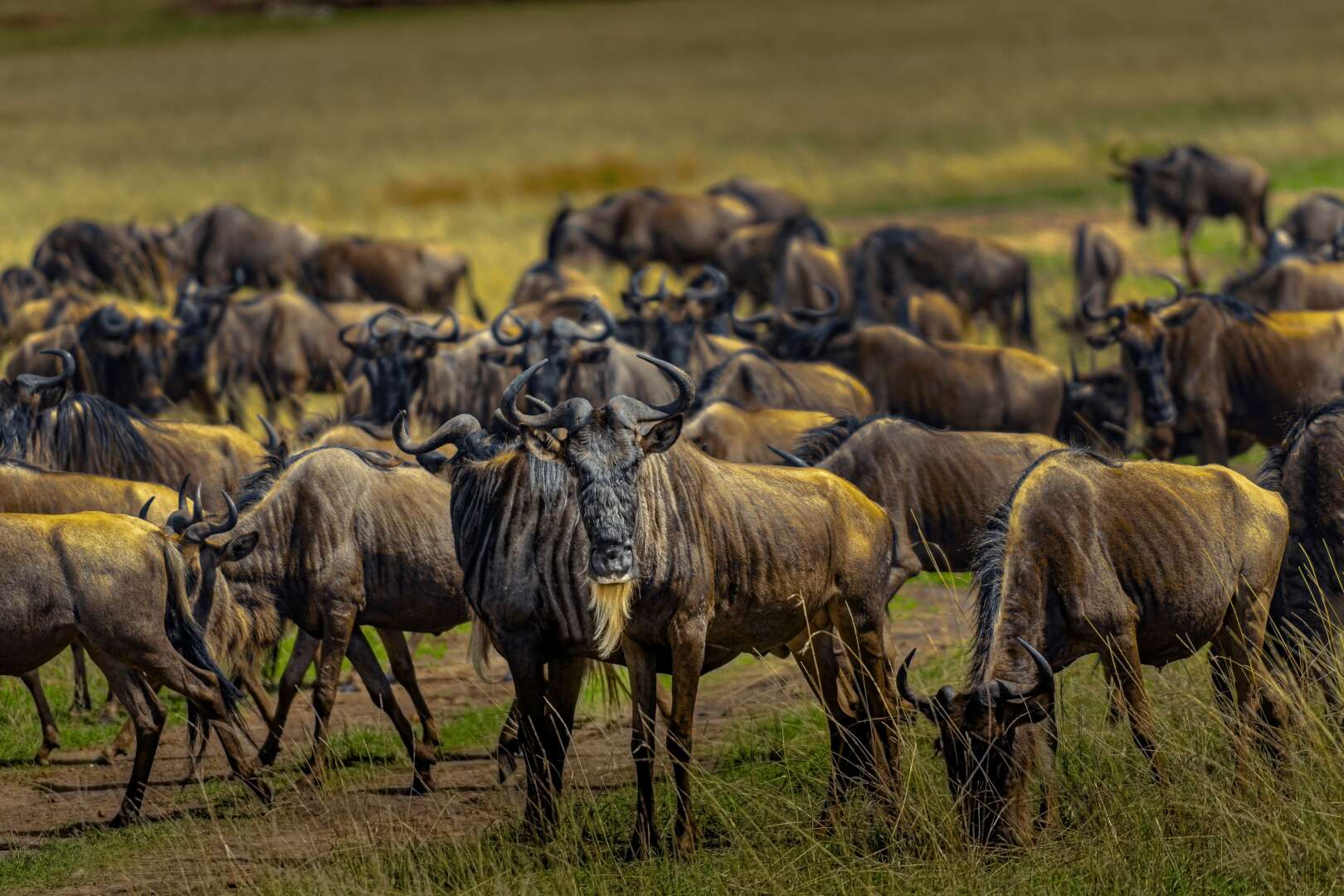
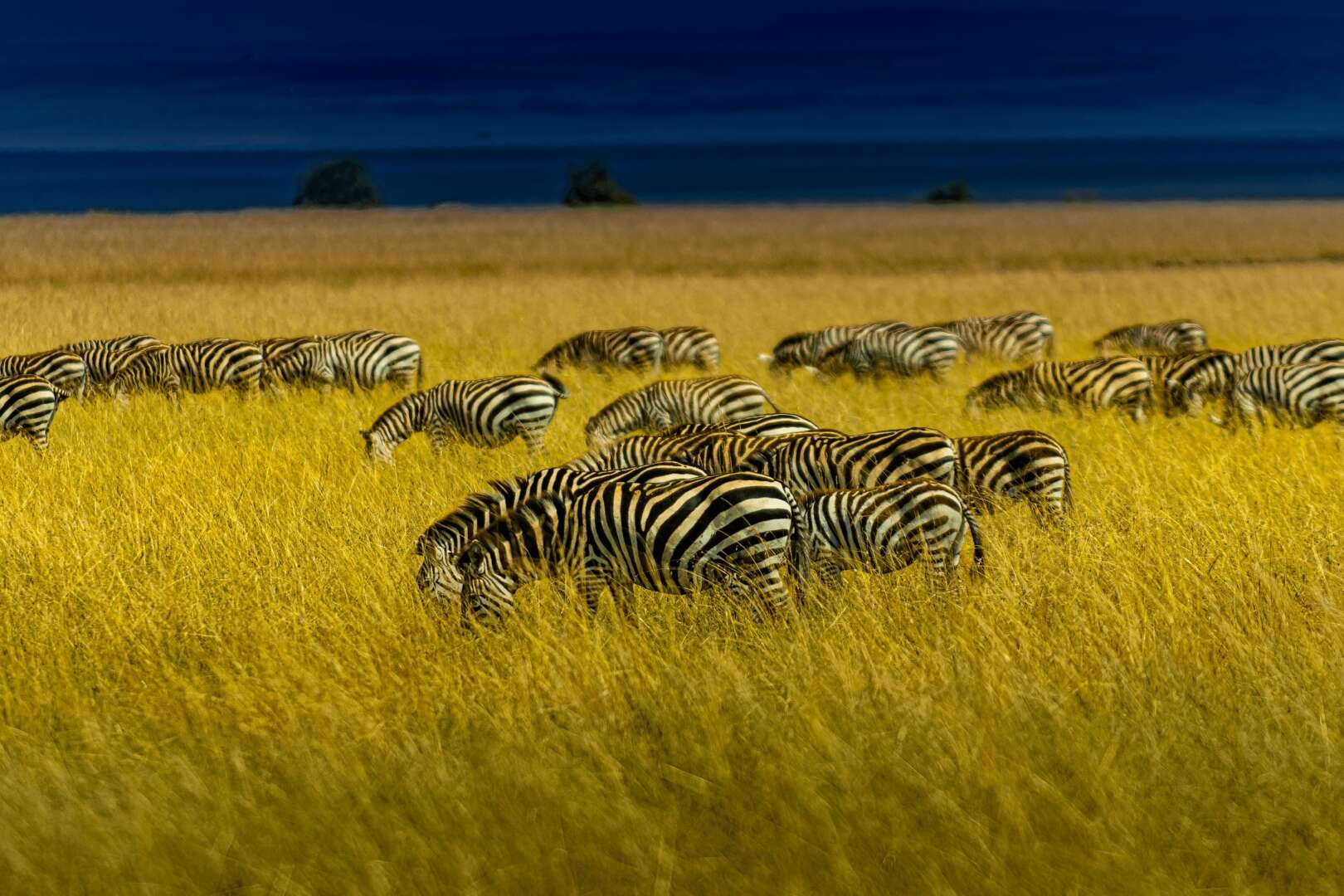
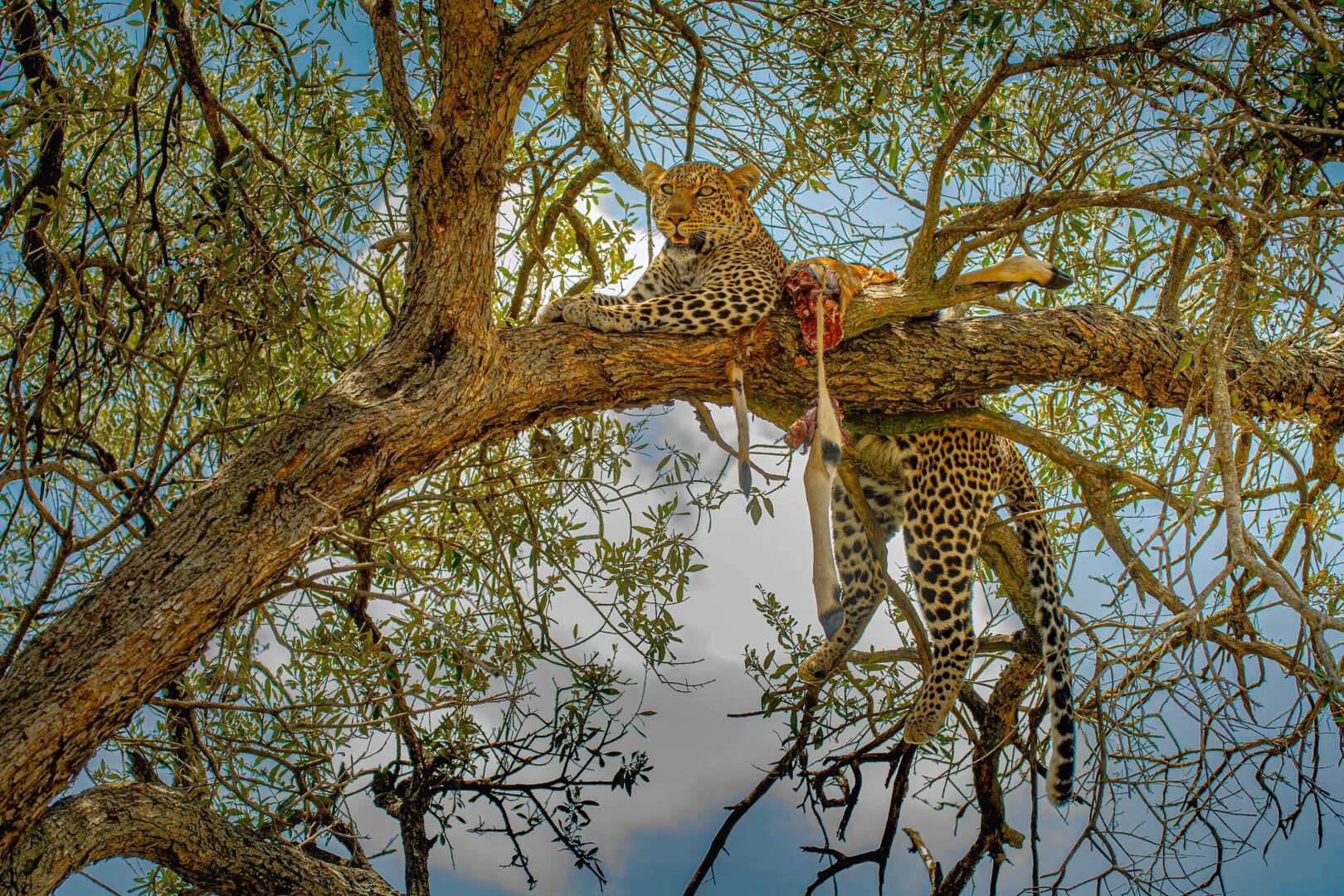
Since I retired from commercial photography and teaching I have been traveling throughout the US, Scotland, Kenya and Rawanda as well as Mexico. In my travels through the US I have been hiking and exploring, shooting landscapes and nature scenes. In Mexico I have been trying to teach myself underwater photography. ( I am in the early stages of learning about this). In Kenya and Rawanda were on Safari and photographed not only animals but the local residents as well. Scotland is a landscape photographers dream.
All of these experiences fuel my creative needs. I try to find a personal way of looking at these scenes in order to show my audience a different viewpoint.
For you, what’s the most rewarding aspect of being a creative?
To be honest we all crave the adulation and fame and fortune when we are younger. I think I am now glad that fame and fortune never quite came my way. The most rewarding aspect of being creative is just that being creative. I have many projects and am never bored. When it gets boring I go out and find another challenge to my photographic skill.
Contact Info:
- Website: http://richdunoff.com
- Instagram: @richdunoff
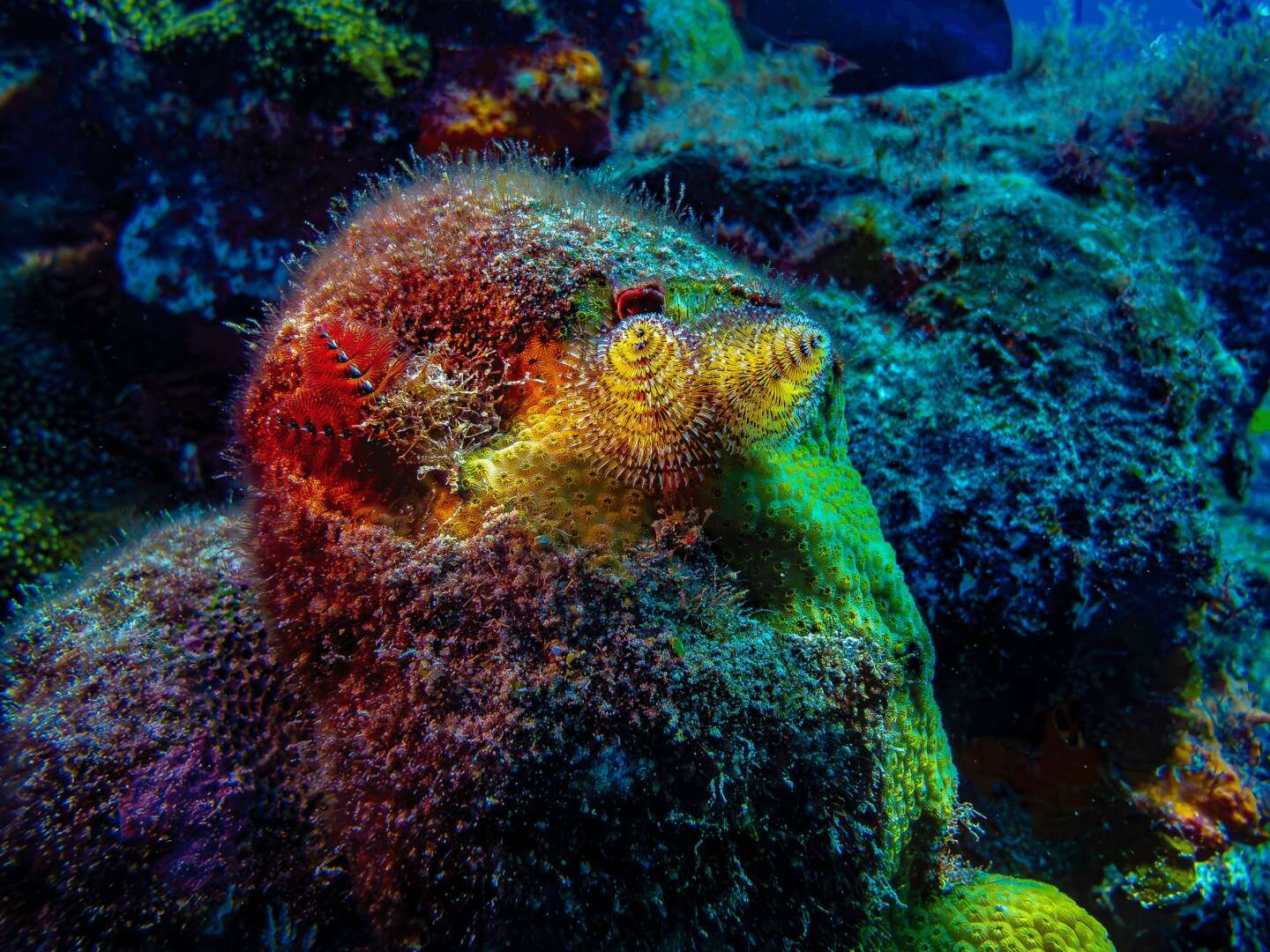
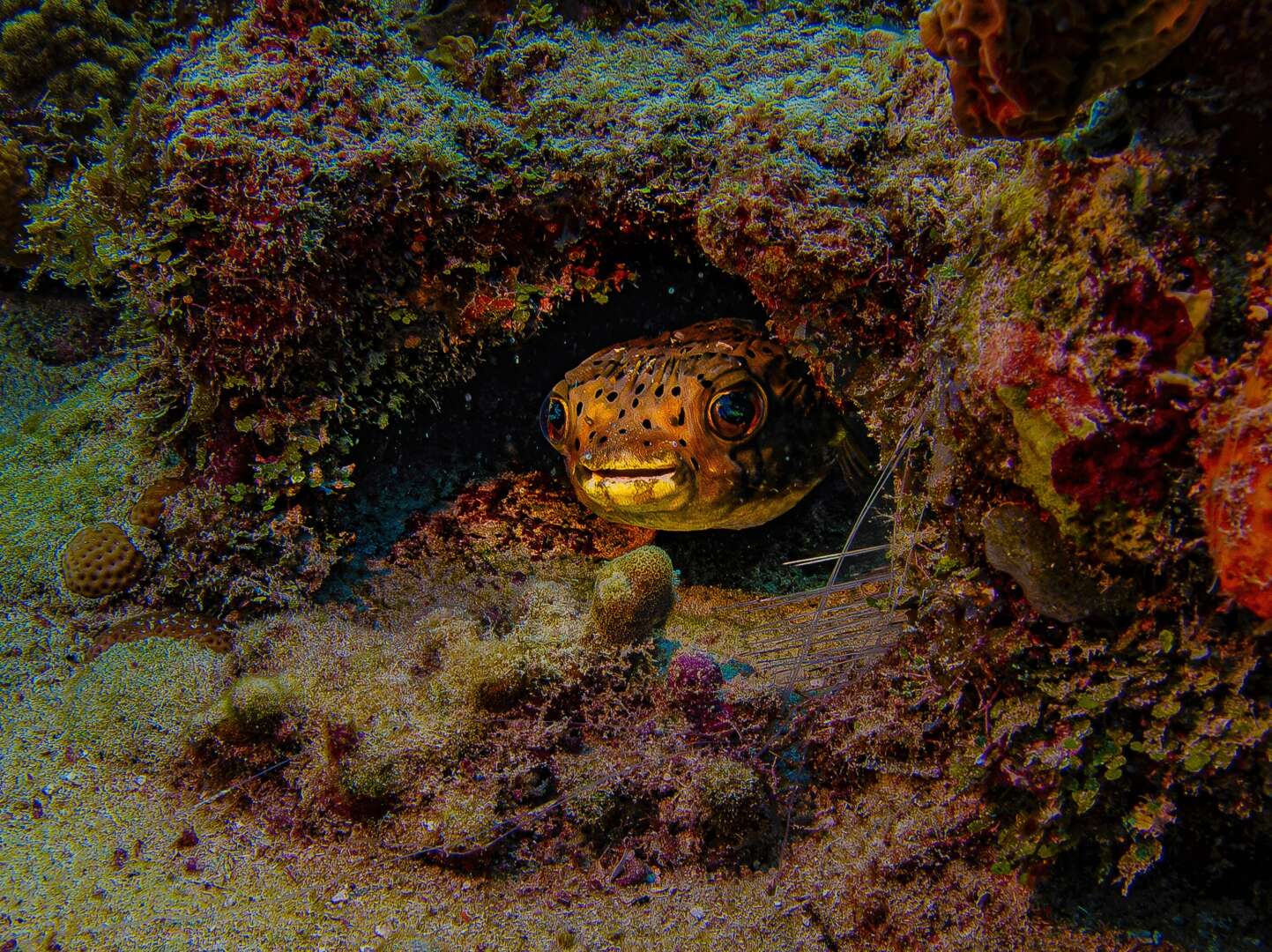
Image Credits
©Rich Dunoff