
We’re excited to introduce you to the always interesting and insightful Rhea Khan. We hope you’ll enjoy our conversation with Rhea below.
Hi Rhea, thanks for joining us today. We’d love to have you retell us the story behind how you came up with the idea for your business, I think our audience would really enjoy hearing the backstory.
How did you get the idea for AAIZAA?
The idea for AAIZAA by Rhea Khan was never drafted in a boardroom or came from a single “lightbulb moment.” It was something deep-rooted — stitched into my childhood, carried through my family stories, awakened during travels, and finally forged into something I couldn’t ignore.
From as far back as I can remember, I’ve always been drawn toward art in every form. I was the kid who sketched constantly, wrote poetry, danced when no one was watching, sang in small moments, played with light and shadow through photography—even experimented with henna designs. I tried makeup artistry, studied architecture lines and curves, and gathered any chance I could to create beauty. It felt natural, instinctual. I didn’t know then that all of it was preparing me for a mission — one that would combine all these things I loved: art, heritage, craftsmanship.
My family’s history nurtured that. My maternal grandfather, my nana, was a poet, painter, and storyteller — someone who believed deeply in color, culture, and expression. My mother and her sisters learned sewing, embroidery, jewelry-making, stitching from their youth. My uncles sketched, woodworked, created with their hands. I grew up in a home where tradition and creativity walked side by side, even if it wasn’t always seen as “a career.” But it planted something in me: respect for what is made with care, reverence for what is passed down, and longing to see those traditions honored, not commodified.
When I was thirteen, my mother had begun selling stitched and unstitched ethnic wear, sewing from home, altering clothes, selling at small festivals. She added handmade jewelry, and even then, I was right beside her—helping at stalls, learning customer service, negotiating, seeing the pride on artisan’s faces when people appreciated their work. Those moments taught me more than any class: what it means to build something from scratch, what value is in authenticity, how connection matters in every purchase.
What triggered the decision — when did it become more than a dream?
Then came a chapter of my life that changed everything: I spent over two years traveling, mostly in India and Bangladesh, deeply immersing myself in the environments where these crafts aren’t just products — they’re life. I spoke with artisans whose skills had been passed down for generations; I watched mothers teaching their daughters to dye fabric, fathers showing sons how to stitch intricate embroidery, villages where no machines touched the work — everything was done by hand, slowly, with patience, with ritual. I asked the “why” behind their patterns: the stories, the symbolism, the history. I wanted to understand not just how a pattern is made, but why it mattered.
At the same time, I saw what was happening outside those villages: mass-produced replicas mimicking pattern, color, sometimes even craftsmanship, but missing the story, missing the integrity. I saw products marketed at inflated prices that people believed were “authentic” simply because they looked like it. I saw artisans underpaid or unrecognized. I saw culture being treated like trend. That struck me deeply — it pained me. Because these crafts, these stories, these hands deserve more than being background decoration. They deserve respect, visibility, dignity.
And when I realized that I could combine not only the artistic skills I’d carried all my life — the sketching, the poetry, the henna, the photography, styling — with this deep learning from artisans, I knew what I wanted to build. A brand that is not chasing what is trendy, but what is timeless. A brand that uplifts women artisans, gives them sustainable wages, safe workspaces, passing on traditions just like they had passed them down. A brand that creates heirlooms.
Why it was a worthwhile endeavor
It was risky, yes. But I believed — and still believe — that there is a hunger, a need, for what AAIZAA offers. I saw a market where people are growing more conscious: slow fashion, ethical production, transparent supply chains. I saw consumers who didn’t just want pretty clothes or jewelry — they wanted meaning, story, value. I saw that cultural heritage was something many people longed to wear, to pass on, to share. Yet few brands were offering that combination: authenticity + aesthetics + sustainability + artistry.
Also, this wasn’t just a business to me; it was a way to honor my family’s legacy. My immigrant parents sold heirlooms to build a future for us. That’s sacrifice. For me, creating AAIZAA, designing pieces of jewelry and garments that can be passed down, that carry cultural richness, that are made by artisans who are respected and paid fairly — it’s a way of restoring something lost, something precious. It’s more than selling; it’s preserving and amplifying.
I also wanted to bring forward women — women artisans, women who might not get platforms, women whose crafts have value but whose labor is often undervalued. To ensure they have safe working conditions and fair compensation. To make sure their stories, their hands, their heritage are honored in the final piece.
What makes it unique — what problem are you solving, what gets you most excited?
AAIZAA isn’t about following trends. Trends fade. What remains is quality, craftsmanship, art — the things that slow fashion roots itself in. The things that can last decades, that can become heirlooms, that can carry story. That has always been my intention — in my research, in my mission — to revive culture, to make art that is real, human, soulful.
The unique approach is this: instead of just producing what looks like culture, we live in it. We learn from artisans. We understand history. We let time, patience, hands, and story be part of every piece. Every saree, every handcrafted jewelry piece, every accessory is infused with something that can’t be mass-produced: human touch, generational knowledge, values, respect.
What excites me most is when someone wears one of our pieces — not just the beauty, but knowing what’s behind it; knowing there was an artisan who poured hours into it; knowing the materials were chosen with care; knowing the piece isn’t just fashion, but culture, tradition, art passed forward. Because that moment — that connection — is what I want AAIZAA to be about. It’s what makes the risk feel like purpose; it’s what makes every stitch worth it.

Rhea, love having you share your insights with us. Before we ask you more questions, maybe you can take a moment to introduce yourself to our readers who might have missed our earlier conversations?
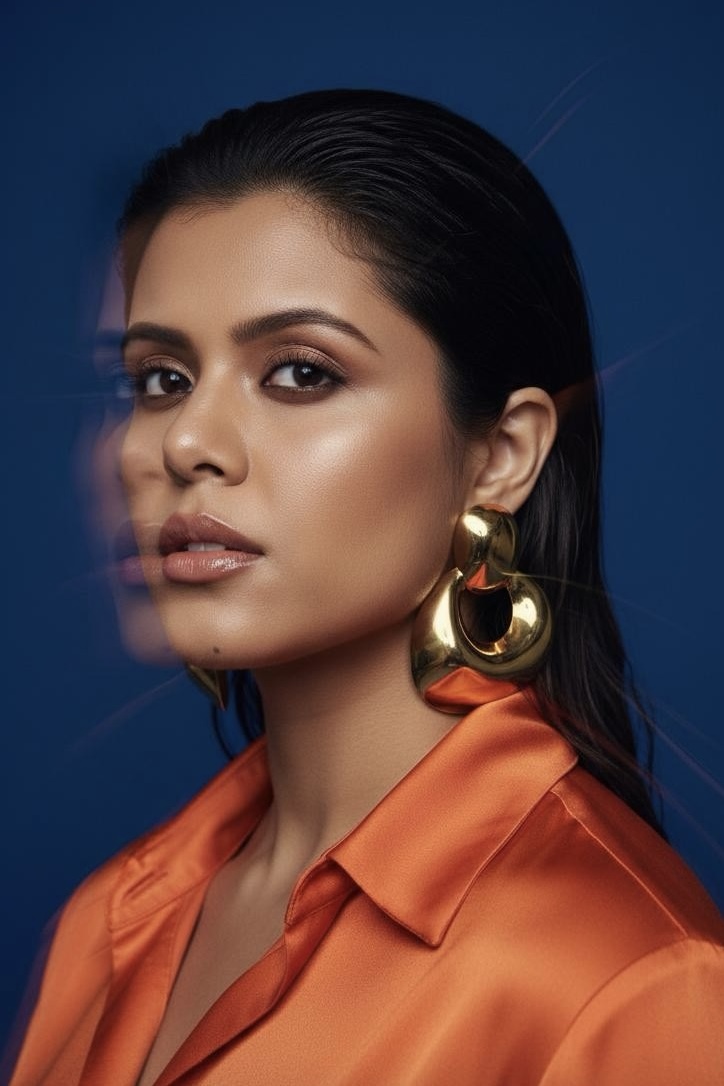
For those who may not know me yet — I’m Rhea Khan, the founder and creative director of AAIZAA, a slow fashion house born from heritage, emotion, and purpose.
I’ve always been an artist at heart. Since childhood, I’ve found comfort and expression in sketching, poetry, henna, dancing, singing, architecture, makeup artistry, and photography. I’ve always believed that art lives within us — it’s just a matter of finding the right medium to tell our story. For me, that medium became design.
AAIZAA emerged as a way to reconnect with my roots and share the richness of South Asian artistry with the world. What began as a deep personal calling has evolved into a brand that bridges heritage and modernity, honoring traditional techniques while reimagining them for the contemporary individual.
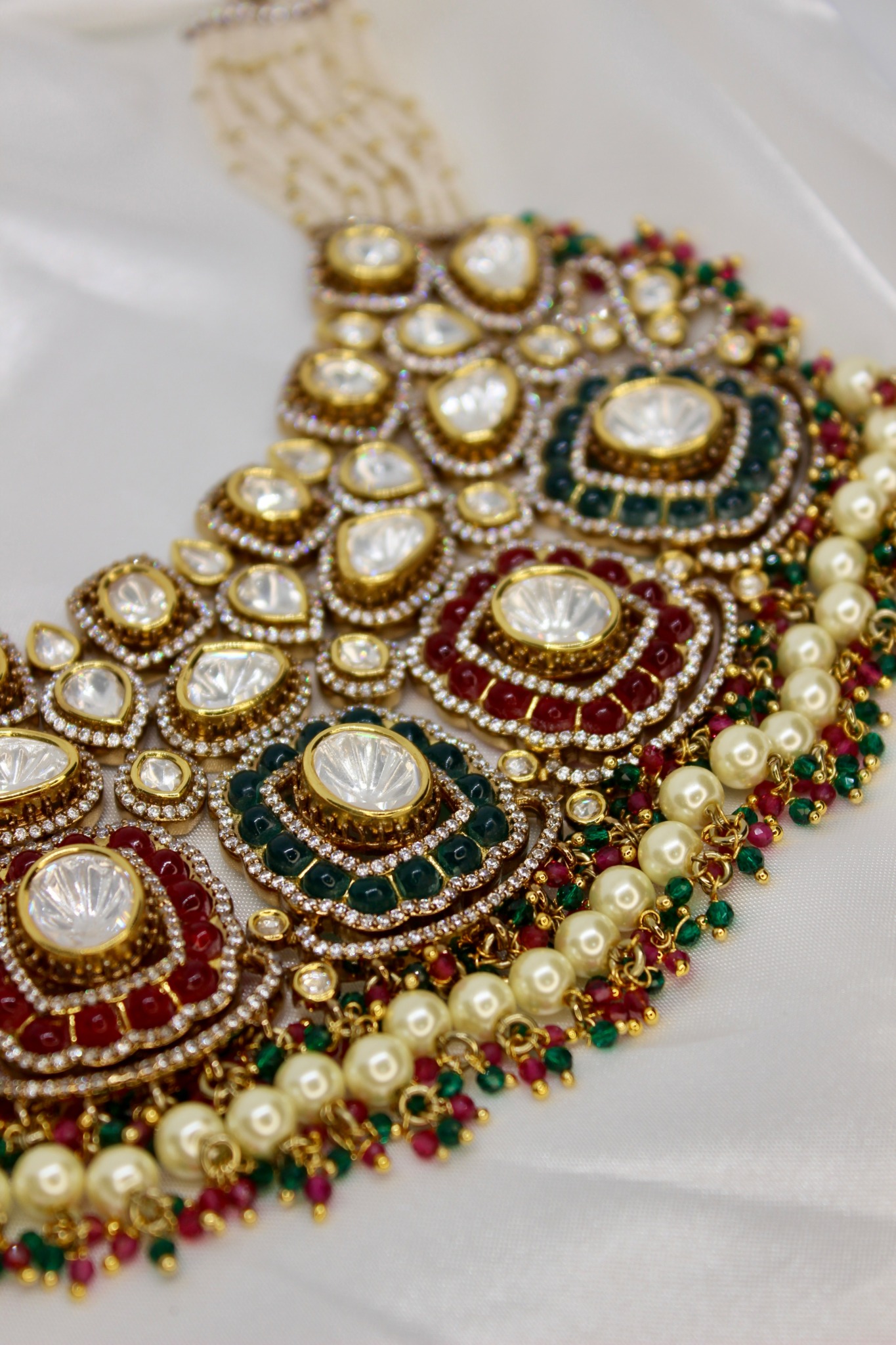
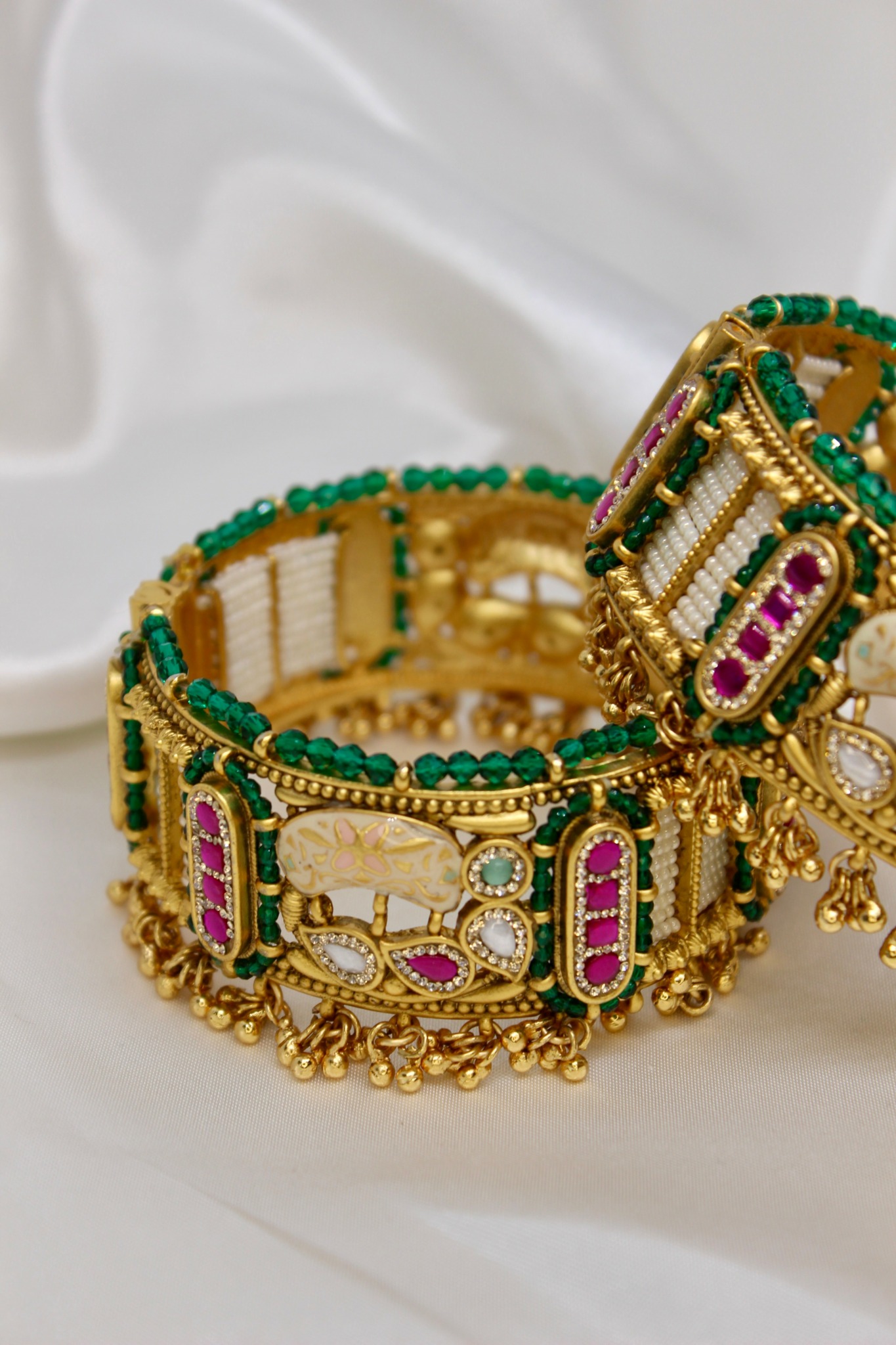
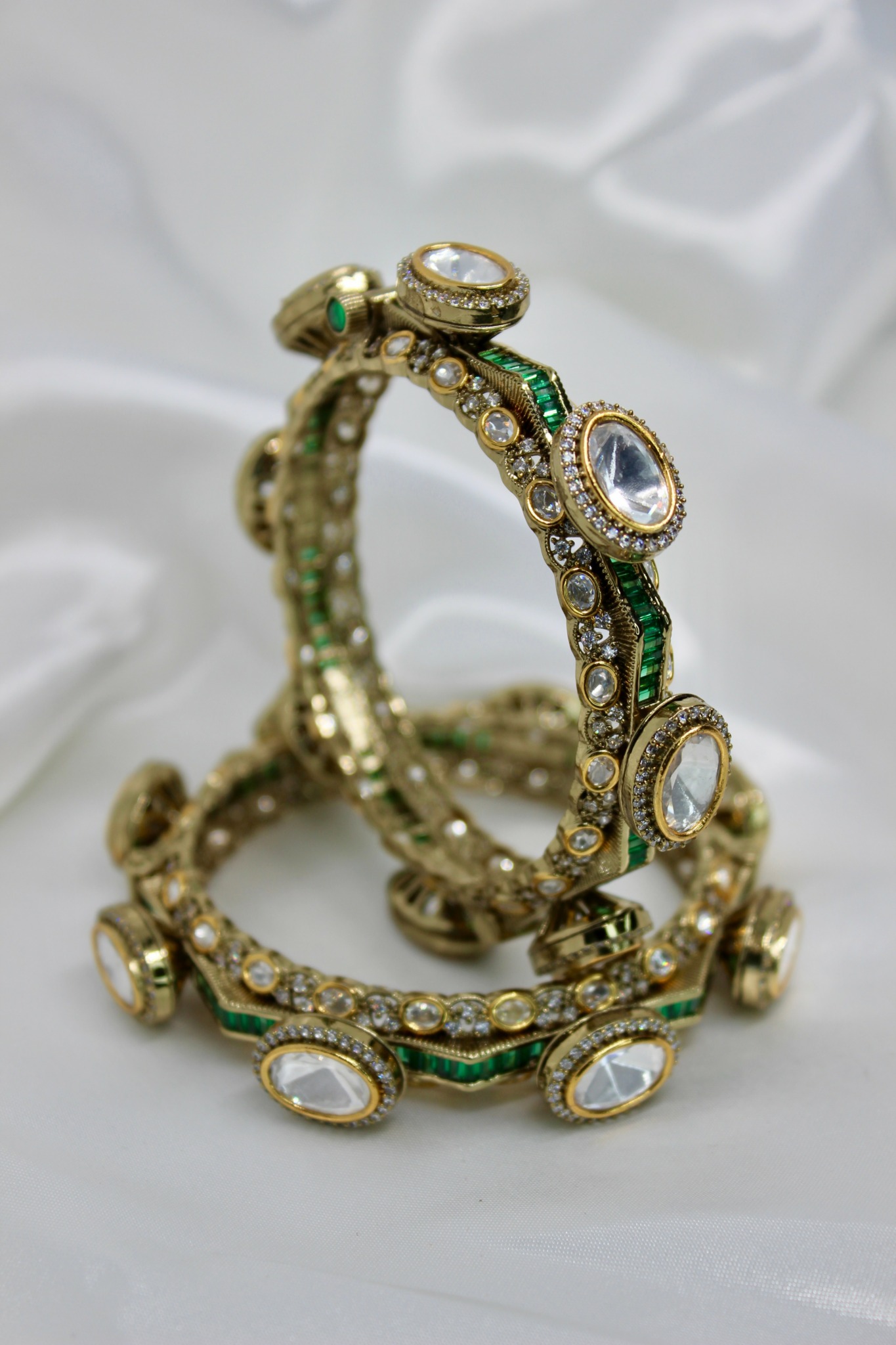
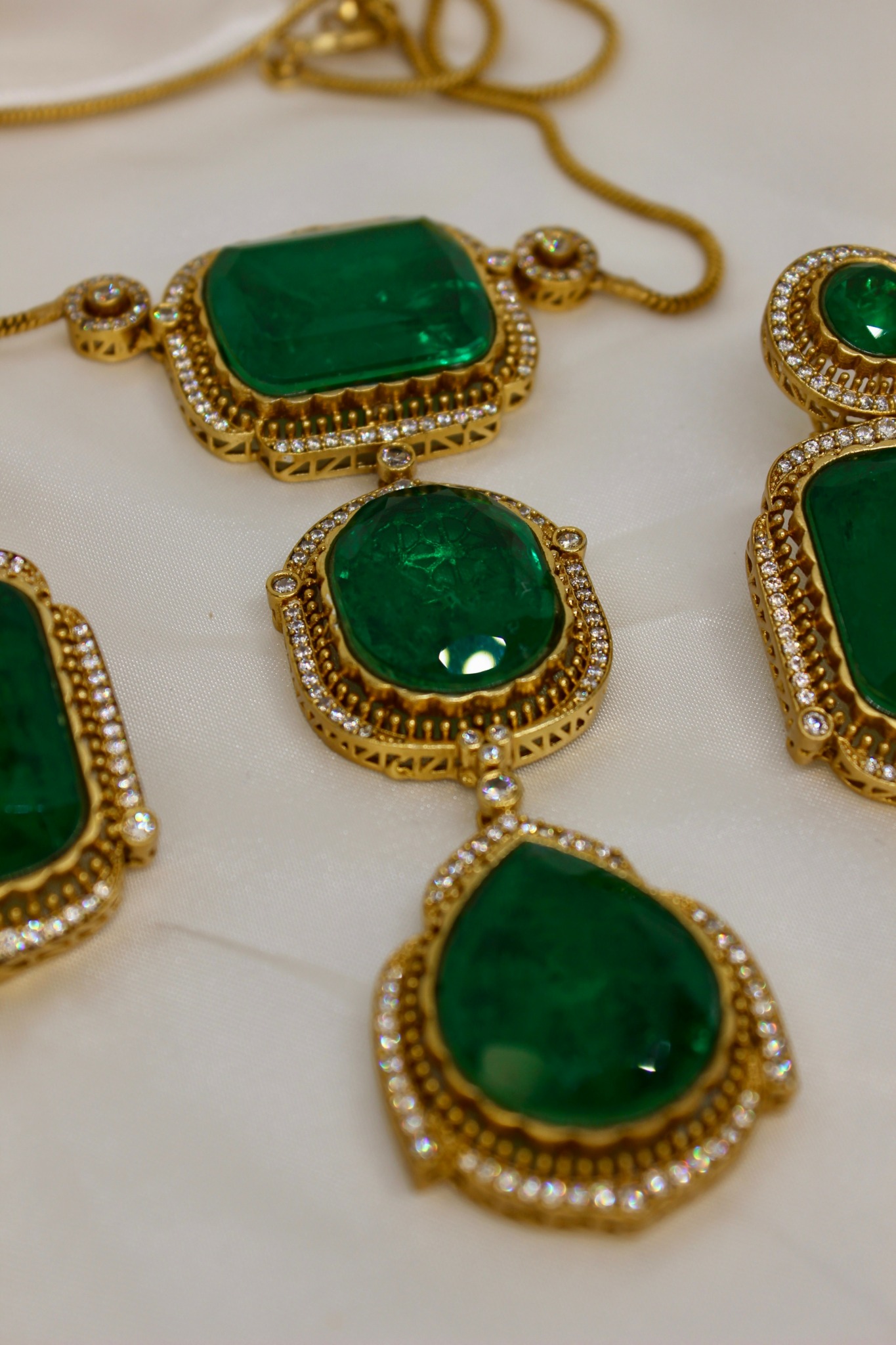
At AAIZAA, we specialize in handcrafted South Asian garments and artisanal jewelry, designed and curated by me and brought to life by skilled artisans across the subcontinent. Every piece — whether it’s a saree dyed in natural hues or a statement necklace carved with age-old techniques — carries a piece of history, a trace of touch, and the intention to endure.
What sets us apart is authenticity and integrity. We don’t chase trends. We don’t mass-produce. We believe in slow fashion — where every thread tells a story, every stitch holds meaning, and every artisan is treated with respect and dignity. Our designs are inspired by the cultural language of South Asia — its patterns, poetry, textiles, and symbolism — but reimagined through a modern, timeless lens.
AAIZAA exists to solve a quiet but powerful problem: the loss of authenticity in cultural fashion. So much of what’s sold today under the name of “ethnic wear” is disconnected from its roots — replicated, mass-produced, stripped of story. My goal is to change that narrative — to show the world what true luxury looks like when it’s made by human hands, with patience and passion.
What I’m most proud of is not just the garments or the jewelry, but the impact behind them — providing sustainable wages and safe work for artisans, especially women, while preserving ancient crafts that deserve to survive. I’m proud that through AAIZAA, I can create something that honors both my heritage and my family’s sacrifices — a new kind of heirloom to pass forward.
Above all, I want people to know that AAIZAA isn’t just a brand — it’s a movement. It’s for anyone who values art over trends, depth over display, and meaning over mass production. It’s a love letter to culture, to craftsmanship, and to every woman who dares to dream beyond convention — just like I did.

Learning and unlearning are both critical parts of growth – can you share a story of a time when you had to unlearn a lesson?
One of the hardest lessons I had to unlearn was the idea that giving discounts would bring me more customers.
When I first started AAIZAA, I thought that lowering my prices or offering discounts — especially to friends, relatives, or those who asked repeatedly — would help me gain visibility, build confidence, and grow my customer base. It seemed like the logical thing to do in the early stages of business, when you’re eager to prove yourself and make sales. But I was wrong.
What I learned through experience is that discounts often attract the wrong kind of attention. The customers who negotiated the hardest, who promised to “bring me more clients” if I gave them a lower price, were rarely the ones who truly valued the work. They didn’t tag, promote, or even speak about my products afterward. I didn’t gain more customers — I lost a bit of myself in the process.
Because what I do isn’t just retail — it’s art. Every AAIZAA piece involves countless hours of design, communication with artisans, sourcing materials, and ensuring ethical production. When someone asks for a discount, they’re not just asking for a lower price — they’re unknowingly devaluing the time, the artistry, and the culture that go into the creation. And when I gave in, even once, it felt like I was betraying my artisans, my ancestors, and everything I built this brand to honor.
In South Asian culture, bargaining is often normalized, even expected. But I’ve realized that real respect — for art, for craftsmanship, for heritage — means holding firm to the value of your work. I now remind myself and others: those who don’t understand your pricing are simply not your customers.
Today, I no longer offer discounts. My prices are fair, competitive, and reflective of the artistry behind every piece. The people who truly connect with my brand — they see the worth, they feel the story, and they’re proud to be part of it. That’s the kind of customer I want to build with — and the kind of integrity I refuse to compromise again.
Let’s talk about resilience next – do you have a story you can share with us?
Resilience, to me, is about standing firm in your values even when it costs you something in the short term.
One story that captures that came early in my journey with AAIZAA. I had started gaining attention in my community for the garments and jewelry I was creating — all handcrafted, all made with immense care by artisans whose work I deeply respect. But as the interest grew, so did the requests for discounts.
When I began refusing those requests — not out of pride, but out of respect for my craft and my artisans — it didn’t always go over well. Some people took offense. Some even went as far as discouraging others from buying from me, saying my prices were “too high.” I remember hearing through the grapevine that certain people were telling friends, “Don’t shop there, it’s expensive.”
It hurt. Not because I lost potential sales, but because my intentions were misunderstood. I wasn’t trying to be exclusive — I was trying to be fair. Every piece I create has a soul behind it, a story, a process that takes time, skill, and respect. It was heartbreaking to see people dismiss that value so casually.
But resilience, I learned, is about keeping faith in your purpose even when your path feels lonely. I reminded myself that the right audience — the one who gets it — always finds its way to you. And slowly, it did. The clients who now wear AAIZAA are those who appreciate not just the design, but the story, the ethics, and the artistry behind it.
Another moment that tested my resilience came when I began working directly with artisans in South Asia. There were countless logistical challenges — from communication barriers and unreliable production schedules to navigating ethical sourcing in an industry that often overlooks it. There were days I wondered if I was in over my head. But every time I saw an artisan’s pride when their work came to life — or received a message from a customer saying how special they felt wearing an AAIZAA piece — it reminded me exactly why I started.
So yes, resilience for me isn’t just about enduring hardship; it’s about staying true to your mission when it would be easier to bend. It’s about trusting that your authenticity will attract those meant to experience it. And that belief — in myself, my artisans, and my vision — has been my greatest act of resilience.
Contact Info:
- Website: https://www.aaizaa.com
- Instagram: https://www.instagram.com/aaizaabyrheakhan/
- Facebook: https://www.facebook.com/aaizaabyrheakhan/
- Linkedin: https://www.linkedin.com/company/aaizaa/
- Other: https://www.pinterest.com/aaizaabyrheakhan/