


We recently connected with Reyan Masoud and have shared our conversation below.
Alright, Reyan thanks for taking the time to share your stories and insights with us today. Let’s start with education – we’d love to hear your thoughts about how we can better prepare students for a more fulfilling life and career
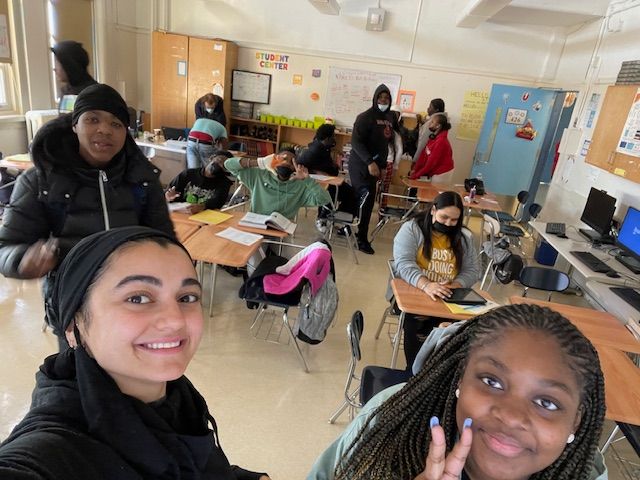
As an educator with six years of experience, I have witnessed firsthand the limitations of our current education system. It primarily measures success through academic benchmarks like reading, writing, and comprehension skills. While these are important, they fail to account for the diverse ways students learn and the myriad talents they possess. Many students who struggle academically often excel in other areas, such as the arts, social skills, or hands-on problem-solving, yet their potential remains untapped.
I’ve seen students suffer through school because they are assessed only by academic standards that don’t reflect their strengths. Imagine a student who struggles to pass math and English but shines when dancing, painting, or designing. In an art-focused school or program that nurtures those talents, they would thrive. Our system needs to embrace different learning styles and prioritize life skills alongside traditional academics.
Schools should teach students how to navigate real-life scenarios and develop survival skills. From financial literacy to emotional intelligence, these are the tools that enable young people to be self-sufficient and independent. They should also learn how to use their talents—whether academic, artistic, or social—to build successful careers or businesses. For example, incorporating entrepreneurship into the curriculum can teach students how to turn their passions into thriving ventures.
As a science teacher and artist, I’ve always wished I had been taught to hone my creative abilities and develop my artistic style while in school. Instead, I had to explore various art forms on my own to discover my strengths. I remember struggling academically because I had difficulty retaining information in a traditional classroom setting. However, I thrived socially and found joy in movement, particularly dance. Today, many students face similar challenges, compounded by sedentary lifestyles and excessive screen time. These factors negatively impact their physical and mental health, yet schools rarely address them.
Modern students spend about 20% of their waking hours in school annually. This leaves limited time for family, outdoor activities, and exploration—all vital for a child’s growth. The traditional school day is too long and overly rigid. A shift toward a Montessori or hands-on learning approach would allow students to learn through exploration and interaction. Reducing screen time is equally critical; in my current school, students do almost all their work on laptops. Combined with time spent on phones or TVs at home, children are exposed to screens for the majority of their day. This hinders brain development, diminishes common sense, and reduces problem-solving skills.
Our curriculum must also celebrate diversity by teaching about historical figures from various backgrounds. This helps minority students connect with their heritage and recognize the rich histories that have often been erased or overlooked. By doing so, we empower all students to see themselves as capable contributors to society.
Additionally, schools need to prioritize physical activity and outdoor education. Moving our bodies is not only essential for health but also for cognitive and emotional well-being. Students should learn about our planet, how to care for it, and how to use its resources sustainably. These lessons instill a sense of responsibility and connection to the world around them.
As a single mother, I see these challenges reflected in my 8-year-old son. He excels academically but struggles in the traditional school setting. The long hours drain him, and I’m confident he would thrive in an environment that allowed him to explore different learning methods. Our schools must adapt to the changing world. The traditional model, unchanged since the 17th century, no longer serves the majority of students effectively. Many are failing or being passed to the next grade despite being below grade level in reading and other skills. They’re losing critical abilities like problem-solving, collaboration, and intuition.
The future of education must be holistic, inclusive, and forward-thinking. It should equip students with the skills to grow into independent, confident individuals ready to face the complexities of the modern world. By embracing diverse talents, teaching real-life skills, and nurturing emotional and physical well-being, we can create a system that prepares students for truly fulfilling lives and careers.
Great, appreciate you sharing that with us. Before we ask you to share more of your insights, can you take a moment to introduce yourself and how you got to where you are today to our readers.
I am a passionate Palestinian American educator and artist, driven by a deep desire to make a difference in the lives of my students and in the art world. As a single mother from a large family, my journey is defined by kindness, energy, and resilience. Inspired by a transformative experience with a high school teacher, I became an educator who values diverse learning styles and strives to help struggling students find their spark.
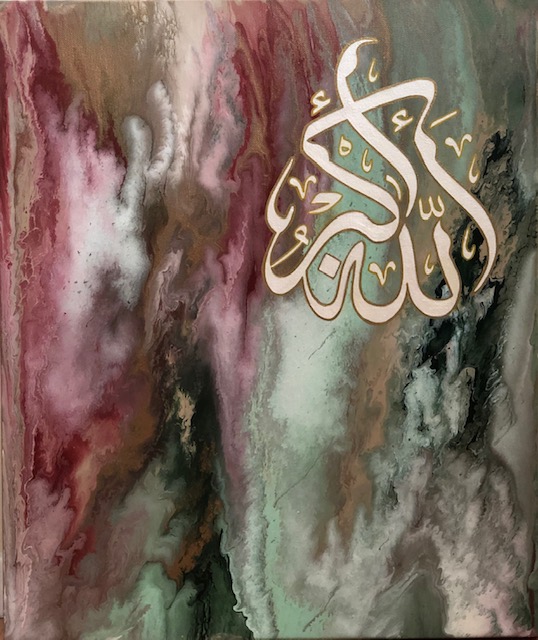
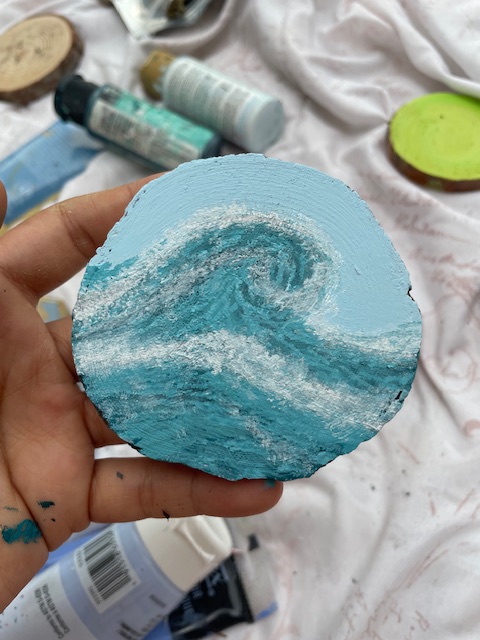
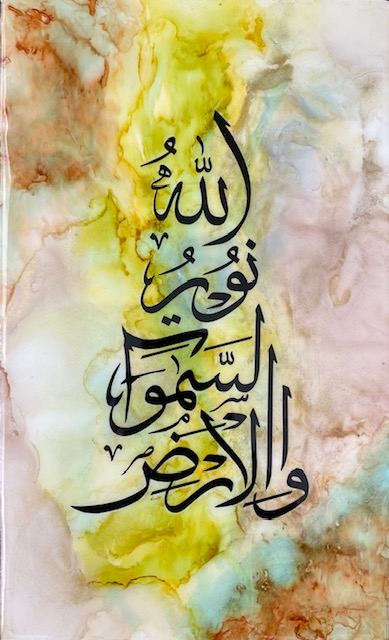
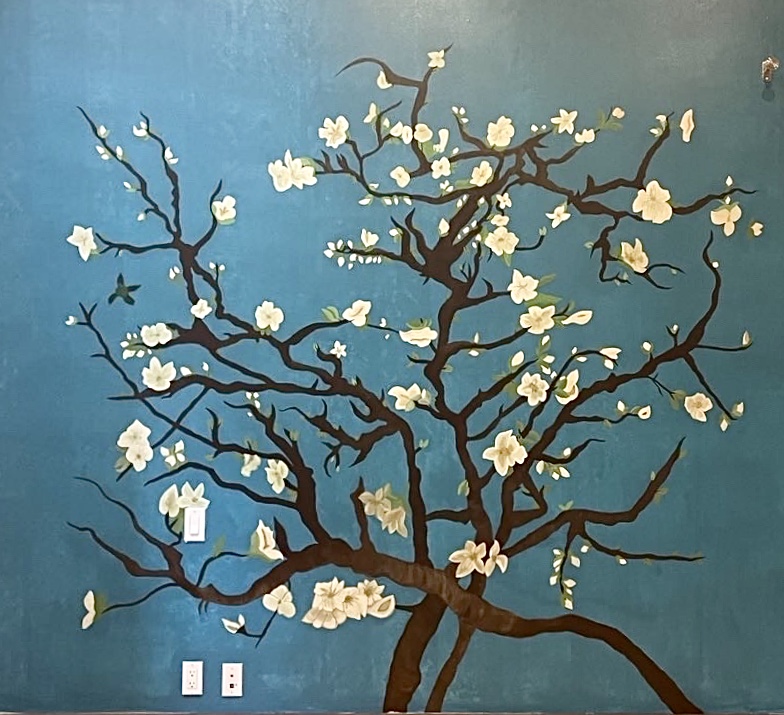
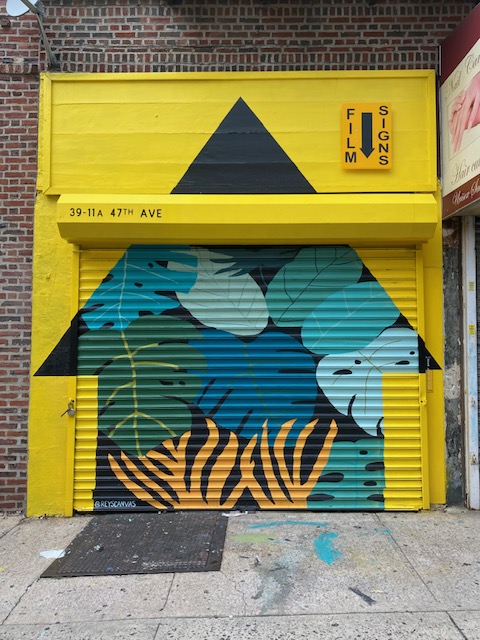
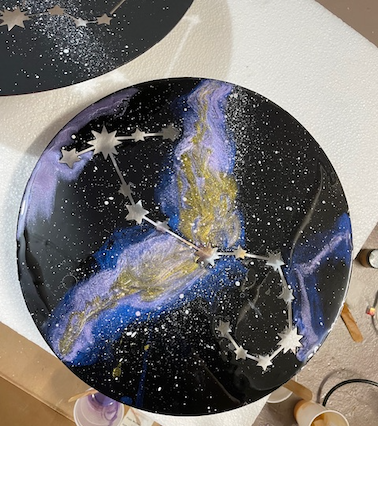
Beyond teaching, I am an accomplished artist and the founder of ReysCanvas, my art business that I started over a decade ago. I specialize in fluid acrylic painting and resin art, blending abstract designs with Arabic calligraphy. My work has been featured in art shows, sold in venues, showcased in a film, and has earned me two prestigious awards. I plan to expand both my art and teaching abilities by creating an environment where creativity and education come together to inspire and empower others.
What’s worked well for you in terms of a source for new clients?
The best source of new clients for me has been participating in artist vendor events. These events provide a wonderful opportunity to meet and connect with new people. I enjoy speaking with clients about their experiences or interests in art and discussing their goals. Customers often love hearing about my own journey, the inspiration behind my work, and the process of creating my pieces. This personal connection helps build trust and interest. Vendor events are also a great way to increase visibility, get my name out there, and discover new opportunities for growth.
Can you share a story from your journey that illustrates your resilience?
Resilience has been a constant theme in my life, shaped by both personal and professional experiences. As a Palestinian American and a single mother, I’ve faced many moments where I needed to rise above challenges and stay committed to my goals.
One story that stands out is the journey of balancing my career as an educator and my passion for art while raising my son. When I first started teaching, I struggled to find the time and energy to nurture my creative side. I had built a successful art business specializing in fluid acrylic painting and resin art, but as a new teacher, I felt overwhelmed by the demands of lesson planning, grading, and supporting my students.
There was a moment when I questioned if I could manage it all. My son was very young at the time, and I wanted to give him the best version of myself while also excelling in my career. I remember one night, after a particularly exhausting day, I stayed up late working on an art piece for an upcoming show. My studio became my sanctuary, a space where I could process my emotions and remind myself why I pursued both teaching and art—to inspire and connect with others.
Through sheer determination, I found a rhythm that worked. I began to see how my roles as an artist and educator complemented each other. Sharing my creative journey with my students became a way to show them the importance of perseverance and following one’s passions. I also started incorporating art into my teaching, which helped students who struggled with traditional methods of learning connect with the material in meaningful ways.
What I learned during this time was that resilience is not about never feeling overwhelmed or unsure; it’s about continuing to move forward despite those feelings. It’s about finding your “why” and letting it guide you when things get tough. For me, that “why” has always been about creating—whether it’s through my art, my teaching, or the life I’m building for my son. Each challenge has strengthened my ability to adapt, problem-solve, and stay true to my values, and I carry those lessons with me in everything I do.
Contact Info:
- Instagram: https://www.google.com/url?sa=t&source=web&rct=j&opi=89978449&url=https://www.instagram.com/reyscanvas/&ved=2ahUKEwj9nLW07_yKAxX8mYkEHV6qMyMQFnoECBgQAQ&usg=AOvVaw3scbhRAgk2ZZrLV2lqL4Ba
- Facebook: https://www.google.com/url?sa=t&source=web&rct=j&opi=89978449&url=https://www.facebook.com/Reyscanvas/&ved=2ahUKEwiZufHB7_yKAxXkvokEHR45N90QFnoECB4QAQ&usg=AOvVaw21ffYv_53at-9ORGfY4Hgf
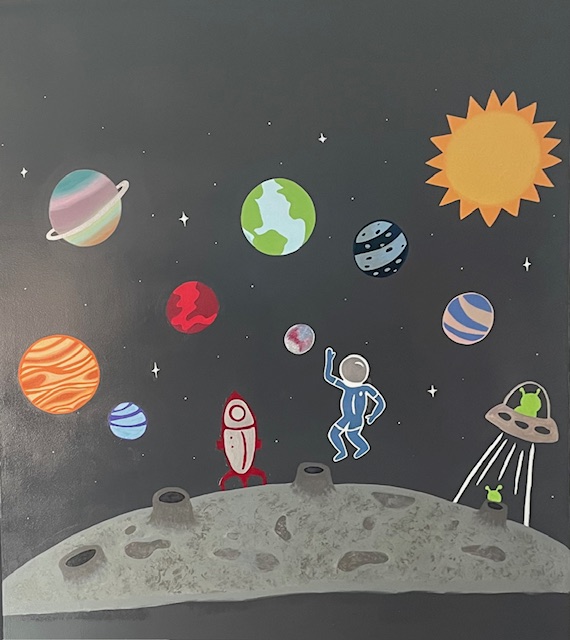

Image Credits
n/a