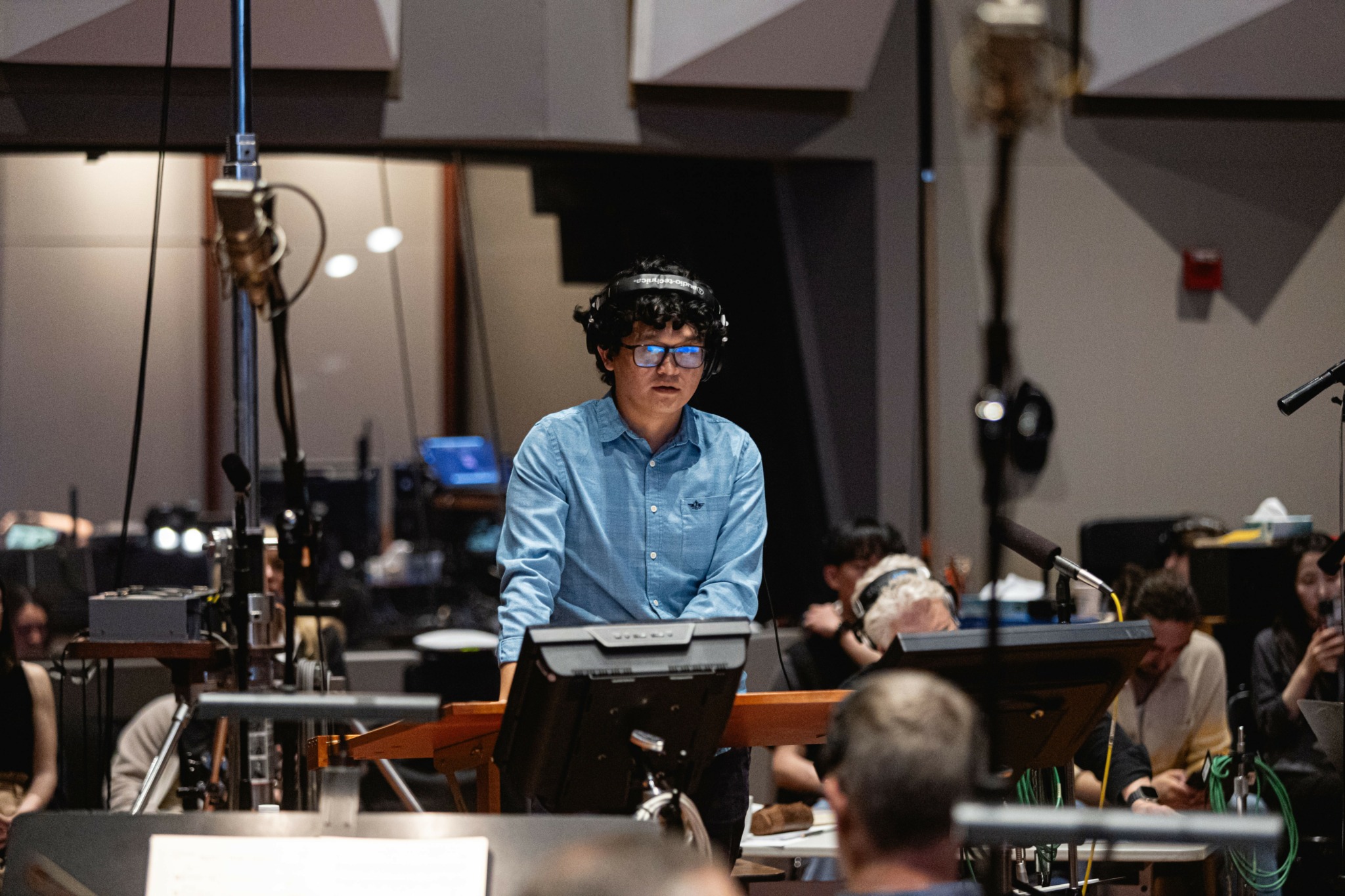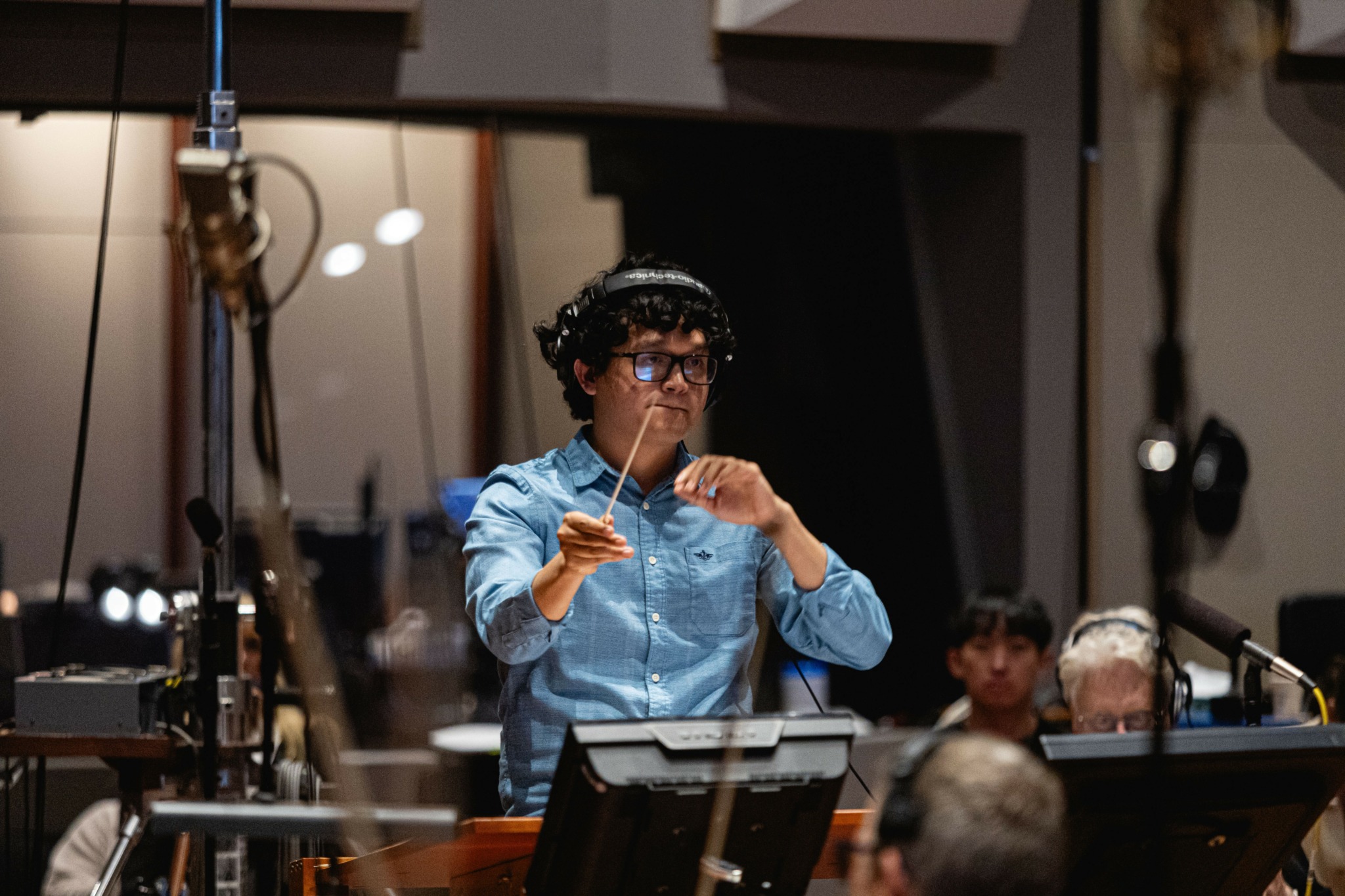

We were lucky to catch up with Rennato Nunez recently and have shared our conversation below.
Rennato, looking forward to hearing all of your stories today. Can you talk to us about how you learned to do what you do?
How did you learn to do what you do?
My passion for music started when I was 7, as a lead singer in the choir of my school. After that, I spent my childhood years in love with films like Star Wars and video games like The Legend of Zelda. I never thought about it, but spending years singing and memorizing melodies and details from music I loved as a kid was an amazing first step as a creative. After that, I took my craft as a film music composer more seriously. Studying theory, multiple instruments, and arranging books and classics. I would say I could define my learning process by immersing myself in the music and artistic minds I love.
Knowing what you know now, what could you have done to speed up your learning process? What skills do you think were most essential?
That’s an excellent question. I think the best advice I could give to myself when I started would be to be patient. For years, I always heard the phrase “this craft takes years of work”. However, I am sure, like any young artist, I was desperate for learning and to be better fast, feeling that I was losing time and always starting late. However, this pressure feeling is the one that made me lose time. So here’s the thing: as a creative, the hardest part is believing in yourself, understanding your talent, locking in, and believing in the process. It sounds beautiful on paper, but it takes years of working without seeing or feeling results, and the worst you can do once you start is stop with doubts.
What obstacles stood in the way of learning more?
My mindset limitations and thinking I wasn’t enough yet to start as a creative. As someone who started in the music and film field by studying, like many others, I am sure, there was always this constant feeling of “I am not ready yet, I need to prepare more”. After years in this field, I realize an amazing truth: we are never ready for things; we get ready in the process. That’s the beauty of our creative careers, it takes the best of us in ways and situations we could never expect at all. So my principal obstacle was holding myself thinking I would completely ruin it because I wasn’t ready, when the reality is, the best thing you can do is take that first step, take that risk for you and believe in you and in your talent.
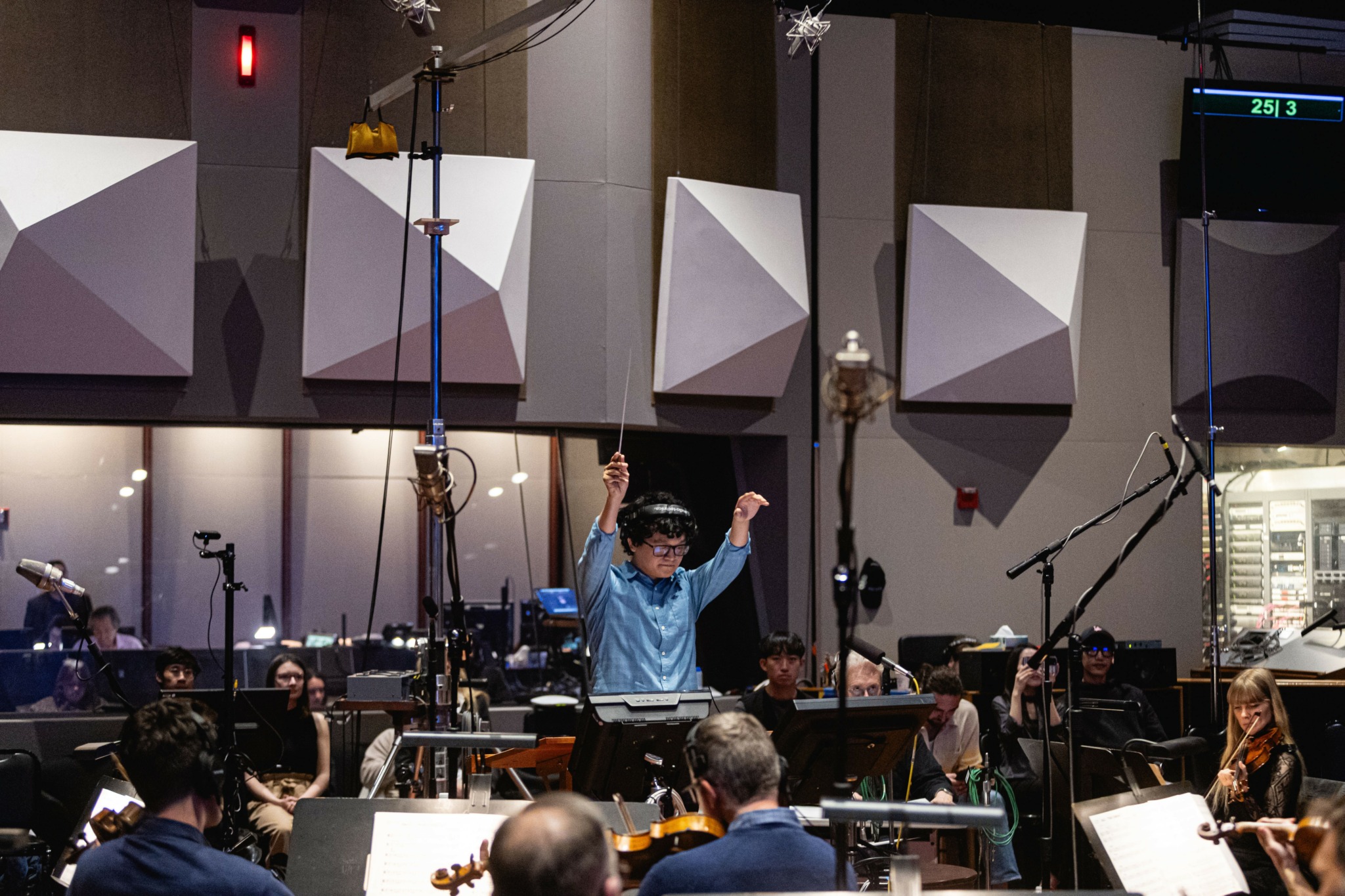
Rennato, love having you share your insights with us. Before we ask you more questions, maybe you can take a moment to introduce yourself to our readers who might have missed our earlier conversations?
I’m a music composer with a USC background in film music, experienced in recording with orchestras for films and video games. I compose and orchestrate original scores for film, TV, and games, ranging from sweeping orchestral themes to modern, electronic-driven tracks. I collaborate closely with directors, producers, and developers to bring their vision to life through music. Some of my proudest moments are when my work enhances a story, moves an audience, which translates into happy directors and awards, or leaves a melody lingering long after the credits roll.
What defines my work is the care, creativity, and deep love for storytelling that I bring to every project. Music isn’t just part of the production for me, it’s the emotional thread that connects the audience to the story. I believe I have the power to elevate every story, and I do my best every day to show that I am worthy that responsability.
In your view, what can society to do to best support artists, creatives and a thriving creative ecosystem?
I think the best way society can support artists and creatives is by truly recognizing that this is a serious, long-term career path, one that deserves the same respect, structure, and support as any other profession. Too often, artists don’t start treating their work as a full career until much later, sometimes not until their 30s, because they’ve never been encouraged to see it that way. This delay often comes from social stigmas, the idea that art is a hobby rather than a viable profession, and that mindset can be incredibly damaging. Changing that perception would allow more artists to commit earlier, develop their craft fully, and build a thriving creative ecosystem.
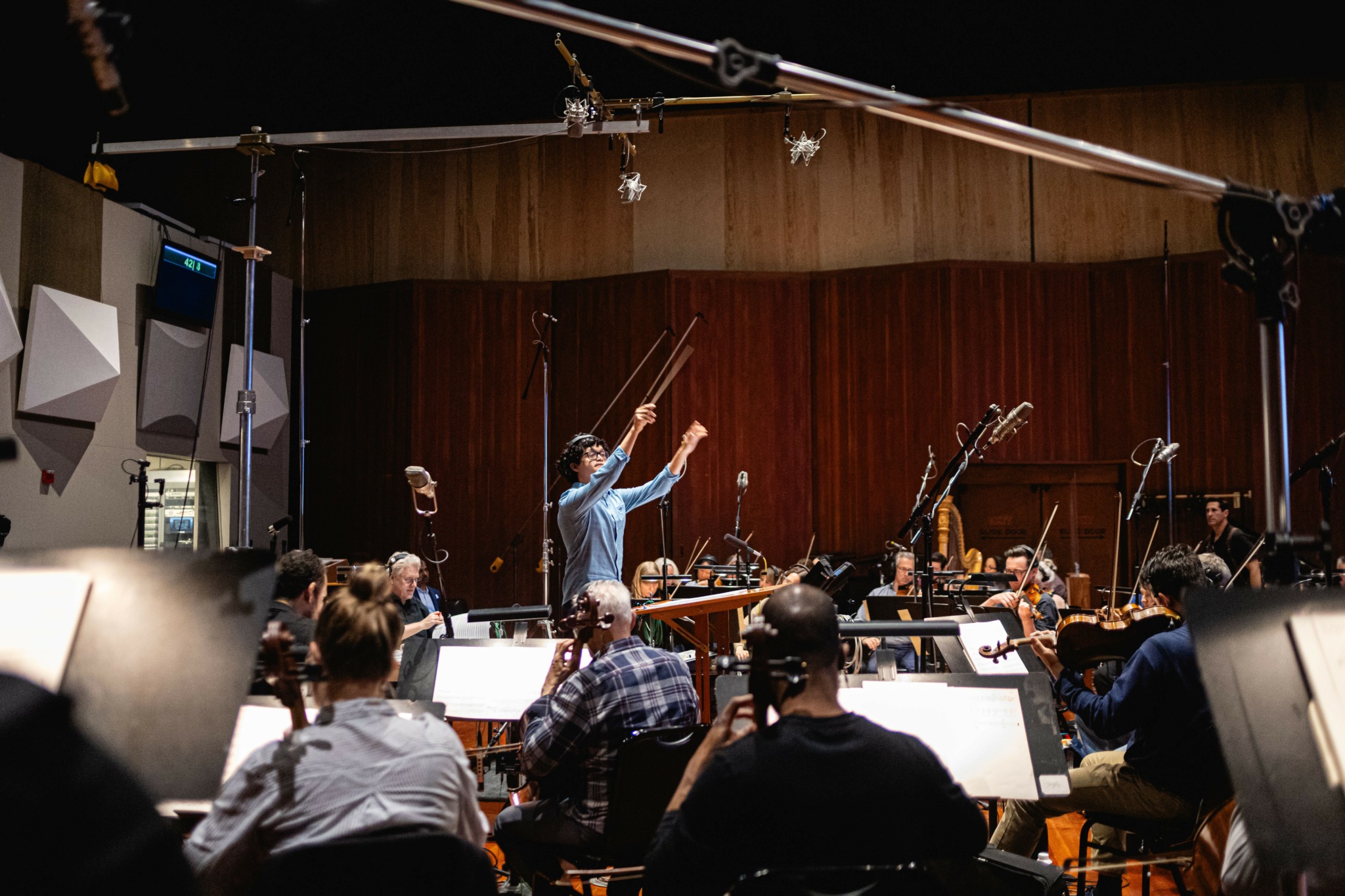
Looking back, are there any resources you wish you knew about earlier in your creative journey?
I wish I had known more about the orchestral world in the studio. Most of the materials I encountered early on focused on classical and concert settings, but today the orchestra is more present than ever in media like film, video games, and television. These contexts require a completely different approach to arranging and composition compared to traditional concert work. It took me years to fully realize this shift, and I hope future generations have better resources and guidance to understand and navigate this side of the industry from the start.
Contact Info:
- Instagram: https://www.instagram.com/rennato.nunez/
- Facebook: https://www.facebook.com/rennato.nunez
- Linkedin: https://www.linkedin.com/in/rennatonunez/