
We were lucky to catch up with Renee Anorue recently and have shared our conversation below.
Renee, appreciate you joining us today. Was there a moment in your career that meaningfully altered your trajectory? If so, we’d love to hear the backstory.
When I launched my solo mental health practice in 2022, I was still working full-time at a mental health agency, while seeing clients for my own practice in the evenings. I maintained this schedule for nearly two years. There came a time when I ultimately needed to resign from my full-time job, which led me to think about whether I could run my business on a full-time basis. During this time, I experienced a lot of anxiety and self-doubt—fear of the unknown weighed on me as my two college degrees were in mental health, not in business ownership.
I always knew that I wanted to eventually work for myself, but the decision to do so came before I felt I was ready to do so. Like, I could not wrap my mind around solely relying on myself for income because I’ve always had a secure job at mental health agencies. I felt I wasn’t ready, constantly asking myself, “can I do this?”, “will I have consistent enough income to pay my bills?”, “what if this doesn’t work out?”, etc. I felt like I didn’t have enough time to physically, mentally or emotionally prepare for this. Despite the internal challenges I experienced, I decided to take the leap and transitioned to conducting my practice full-time, in no time! The transition was tough, requiring me to learn an overwhelming number of business-related tasks. However, I am pleased to say that I have been running my business full-time for over a year now, and I have no regrets. It was ultimately one of the best employment decisions I’ve ever made!

Great, appreciate you sharing that with us. Before we ask you to share more of your insights, can you take a moment to introduce yourself and how you got to where you are today to our readers.
I am a dedicated mental health therapist. I decided to study psychology and sociology while in college because I became interested in understanding people and human functioning. From the age of 14, I had after-school jobs and summer jobs working with children younger than myself. I would often see potential in them, and saw barriers they faced, which interfered with them reaching their true potential. This path led me to focus on clinical social work, and therefore becoming a clinical mental health provider.
I am the proud owner of Core Psychotherapy LCSW, PLLC, a solo mental health practice. I’m bringing 10 years of experience to my work, being a graduate of the University at Albany in New York. I am currently licensed to provide services to individuals in the states of New York, Maryland and Virginia. As a Caribbean American woman, I understand the importance of culture, identity, and community in the healing process. My approach is warm, down-to-earth, and rooted in self-compassion—because mental health isn’t just about surviving, it’s about thriving. A true advocate for self-care, I believe therapy should feel like a safe space where you can be your authentic self, free of judgment, whether you’re navigating anxiety, life transitions, or just trying to find balance.
The primary purpose of my practice is to provide comprehensive and compassionate individual and family psychotherapy to individuals between the ages of 14-40 facing various mental health challenges. My specialties include depression, anxiety, PTSD, trauma, anger management, stress management, relationship issues and grief, among other concerns. I make it a priority to create a safe and supportive environment where clients can explore their thoughts and feelings, learn coping strategies, and work towards achieving their mental health goals. I believe in a holistic approach to wellness, addressing both the psychological and emotional aspects of mental health.
With only 4% of mental health professionals in the U.S. identifying as African American, I am proud to represent this small but vital community. As an African American/Caribbean American-owned practice, I offer a unique and culturally informed perspective, reflecting the richness of these identities in its approach to care.
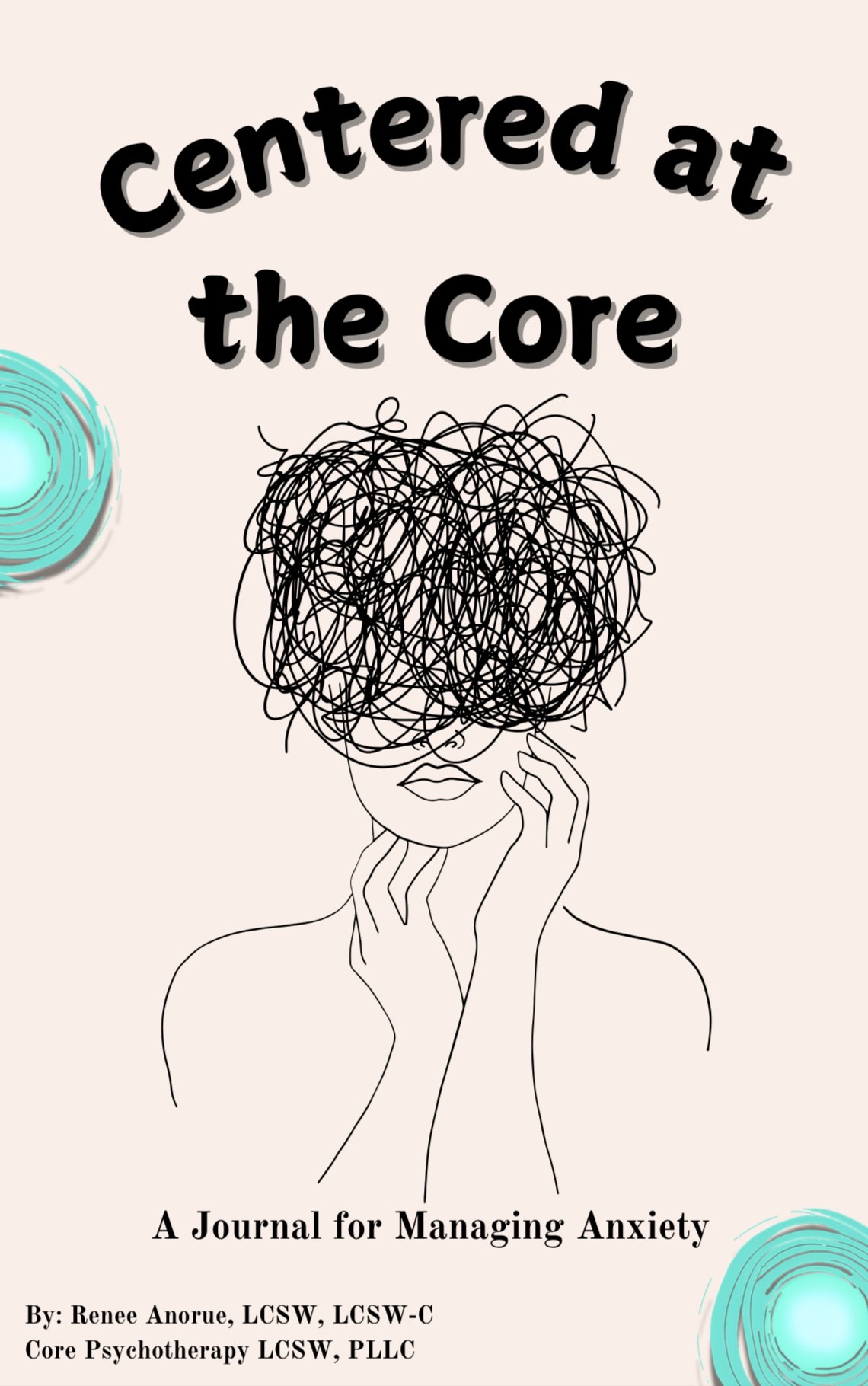
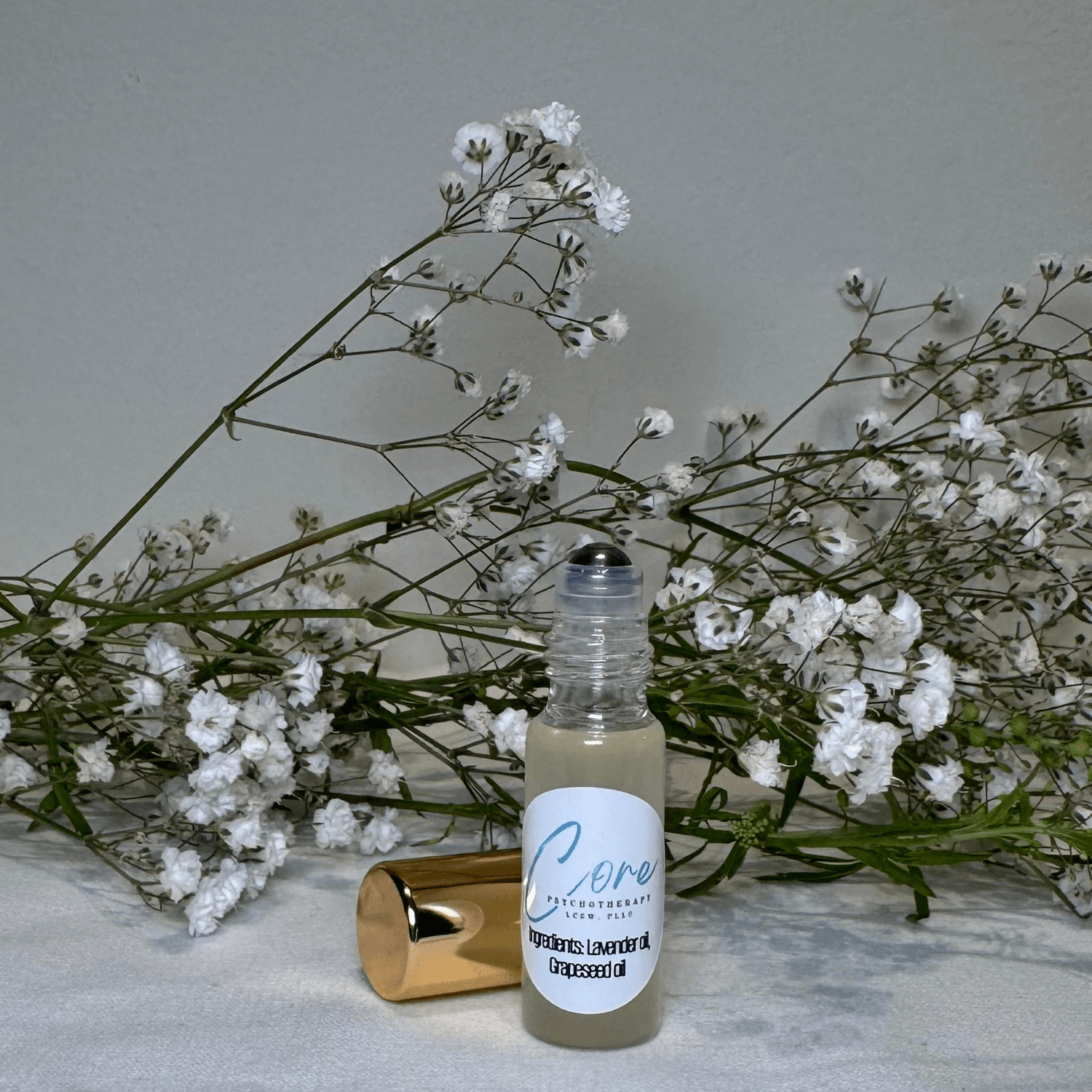
While traditional talk therapy can be highly effective, I also support and encourage clients to engage in self-care practices often. As a result, I have a few products for sale on my website, including lavender essential oil rollerballs and an e-journal titled, Centered at the Core: A Journal for Managing Anxiety. In the future, I plan to expand this product line to include additional items focused on mental health and holistic healing.

What do you think helped you build your reputation within your market?
I believe one of the key factors that helped me build my reputation within my field is being my most authentic self in every aspect of my work. Authenticity, for me, means not only staying true to my values and professional expertise, but also allowing my personality to shine through in my interactions. I believe that having my authenticity and a sense of realness show up within my interactions allows people, particularly clients, to ultimately feel more comfortable with being their true, authentic selves, thus, leading to a higher potential for mental growth and progress.
I strive to make it so that my clients and other individuals I engage with see me as more than just a therapist, but also as a human being. Building genuine connections goes beyond clinical skills; it’s about creating a space where people feel comfortable, understood, and supported. Whether I’m working directly with clients, the parents of clients who are minors, or networking with other professionals and businesses, I strive to be relatable, approachable, and real. By showing up as my true self—honest, compassionate, and engaged—I foster trust and meaningful relationships.

Can you share a story from your journey that illustrates your resilience?
Trying to find my way within the mental health field has been a journey filled with uncertainty, challenges, and ultimately, growth. Because it’s such a broad profession (different settings, different client populations, different diagnoses), I struggled to pinpoint where I truly belonged. I worked job after job, serving different populations, hoping to find the setting that aligned with my passion and skills. At times, I felt lost, questioning whether I had chosen the right career path, wondering if I needed to go back to school, or even consider an entirely different profession.
One moment that stands out in my journey was when I took a job that, on paper, seemed like a great opportunity. I was eager to grow, but as time went on, I realized the work didn’t align with my strengths or the way I wanted to support others. The emotional toll was heavy, and I started doubting myself, wondering if I was cut out for this field at all. But instead of giving up, I saw it as a learning experience. I used that time to reflect on what aspects of the work fulfilled me and what didn’t. I sought mentorship, leaned on my support system, and kept pushing forward, applying for different roles, gaining new experiences, and refining my understanding of what I truly wanted.
Eventually, I found a position that felt right, a setting and population that reignited my passion and reminded me why I pursued this profession in the first place. That period of uncertainty and doubt tested my resilience, but it also helped me grow. It reinforced that challenges don’t mean failure; they are just stepping stones leading us to where we’re meant to be.
Contact Info:
- Website: https://www.corepsychotherapylcsw.net
- Instagram: https://instagram.com/core_psychotherapy
- Linkedin: https://www.linkedin.com/in/renee-anorue-lcsw-2b551918a
- Other: https://bio.site/corepsychotherapy,
TikTok: https://www.tiktok.com/@core_psychotherapy?_t=ZP-8u3zC9GMD0x&_r=1