

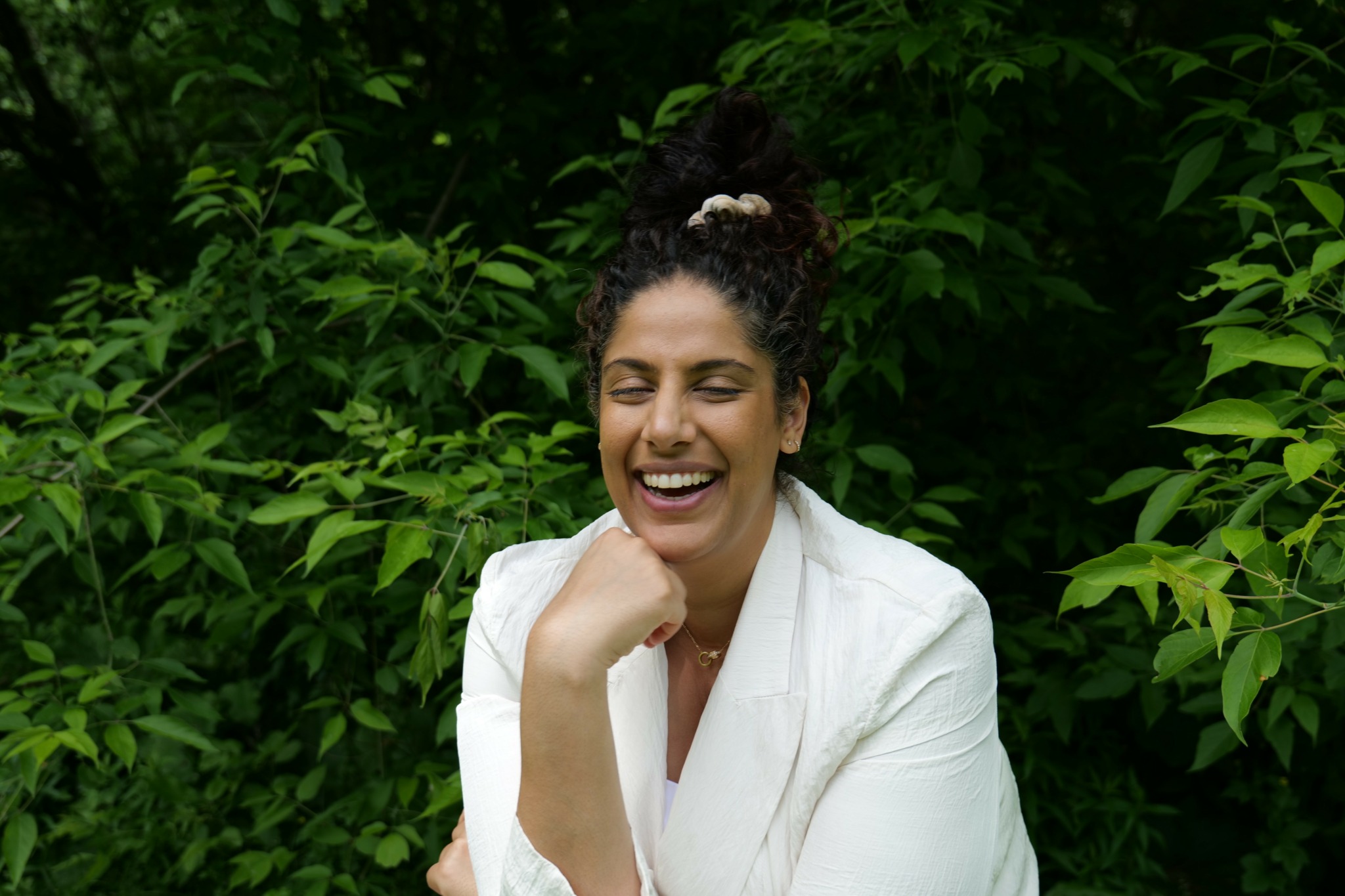

We’re excited to introduce you to the always interesting and insightful Reema Rachel Khithani. We hope you’ll enjoy our conversation with Reema Rachel below.
Alright, Reema Rachel thanks for taking the time to share your stories and insights with us today. Naming anything – including a business – is so hard. Right? What’s the story behind how you came up with the name of your brand?
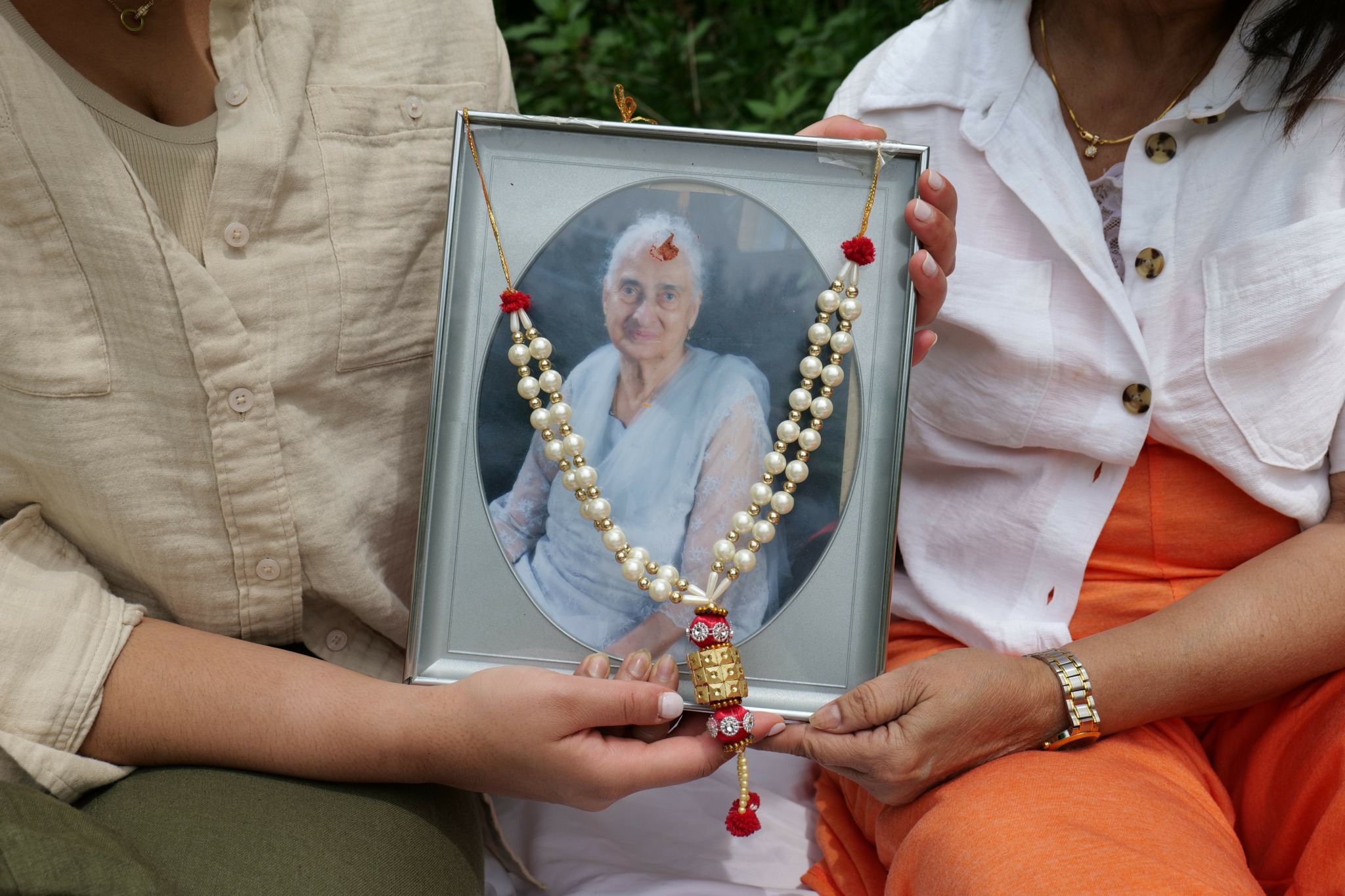
Naming this platform was an act of devotion — to my ancestors, to the communities I serve, and to the vision I’ve carried for years. Hira is my maternal family name, passed down through my beloved grandmother Popati Hiranandani and her brother Partab Hiranandani — two radiant souls who embodied spiritual wisdom, justice, and unconditional love. They were both teachers, writers, and healers — and it’s their legacy that breathes through every part of this work.
In many South Asian languages, “Hira” means diamond. It’s a fitting metaphor — not only because diamonds are precious and multi-faceted, but because of the truth behind their creation. Diamonds are formed under immense pressure — and often mined through exploitation. That duality matters. To me, the diamond represents both resilience and reckoning. It reminds us that beauty and brilliance can emerge from pain — but only if we’re willing to hold the full truth. We must honour the reality that in this human experience, some are dehumanized so others may shine — and commit to transforming that injustice into compassion, equity, and care.
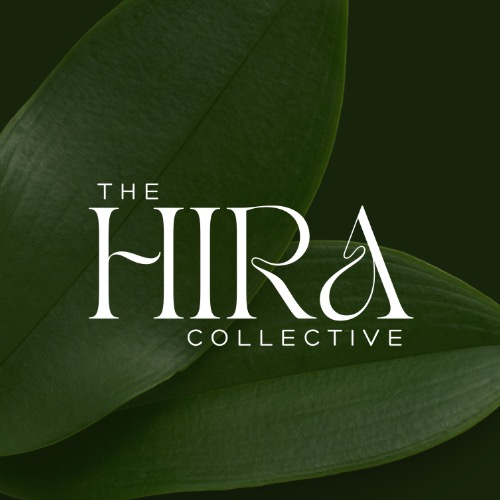
Our logo reflects this story. It features both a diamond and a butterfly. The diamond symbolizes clarity, ancestral wisdom, and the need to transform harm into healing. The butterfly is a symbol of metamorphosis, freedom, and the nonlinear path of growth. Together, they represent our mission: to hold space for ethical, culturally-rooted healing — where individuals are not commodified, but deeply seen, and where collective wellness is not a trend, but a truth.
The Hira Collective is more than a platform — it’s a prayer, a protest, and a portal.
Great, appreciate you sharing that with us. Before we ask you to share more of your insights, can you take a moment to introduce yourself and how you got to where you are today to our readers.
My name is Reema Rachel Khithani, and I’m the founder and visionary behind The Hira Collective — a wellness tech company rooted in ancestral wisdom, equity, and collective healing.
I’ve spent most of my life walking between worlds: I’m a former educator and equity leader who worked at the school board level dismantling systemic oppression, and I’m also a yoga instructor, Reiki practitioner, and deeply spiritual woman who grew up surrounded by sacred traditions that were often dismissed in mainstream spaces. For years, I watched as healing practices — especially those from Black, Indigenous, and global majority cultures — were either erased or commodified. I knew the world needed a platform where wellness wasn’t whitewashed or transactional — where care was rooted in integrity, cultural alignment, and accountability.
That vision led to The Hira Collective — a vetted booking platform and community that connects individuals to ethical, ancestral, and heart-led wellness, somatic, and mystic arts practitioners. From energy healing and therapy to astrology, womb work, and personal training, our platform is home to a diverse network of practitioners who honour the roots of the modalities they share. Every single person on our platform has been vetted — only 17% of applicants are accepted — ensuring that when you book someone on Hira, you’re not just getting a service. You’re stepping into an experience of care that is culturally conscious, trauma-informed, and aligned.
Our mission is to radically reimagine what healing can look like when it’s rooted in community, justice, and truth. We don’t just offer services — we offer sanctuary. We solve the problem of not knowing who to trust in the overwhelming wellness space. Our clients — whether they’re booking a tarot session or working with a somatic therapist — can rest in knowing that we’ve done the work to create a space where integrity lives at the center.
What sets us apart is our intersection of tech and tradition. We’re building something that feels like the Uber Eats of holistic healing — with the soul of your grandmother’s wisdom and the power of modern functionality. We’ve had over 90 bookings within our first 12 weeks and are growing rapidly, with all of our practitioners based in Canada and representing communities that have historically been excluded or exploited in mainstream wellness spaces.
What I’m most proud of is that this platform was born out of love — not just strategy. It came from the grief of losing my grandmother, the courage to keep going after unethical coaches tried to copy my vision, and the unwavering commitment to build something rooted in truth. I am a solo founder who has bootstrapped this company — and yet, I’ve already been recognized as an Impact Startup at Web Summit, featured in multiple publications, and built a community of practitioners who believe in what we’re doing.
To anyone reading: I want you to know that The Hira Collective is not just a brand — it’s a movement. It’s a place where your healing matters. Where your culture is not a trend. And where your wellness provider sees you as a whole person — not just a transaction.
We’re just getting started — and we’re building a future where healing is collective, ethical, and powerfully real.
Do you have any insights you can share related to maintaining high team morale?
Lead with humanity, but protect the vision.
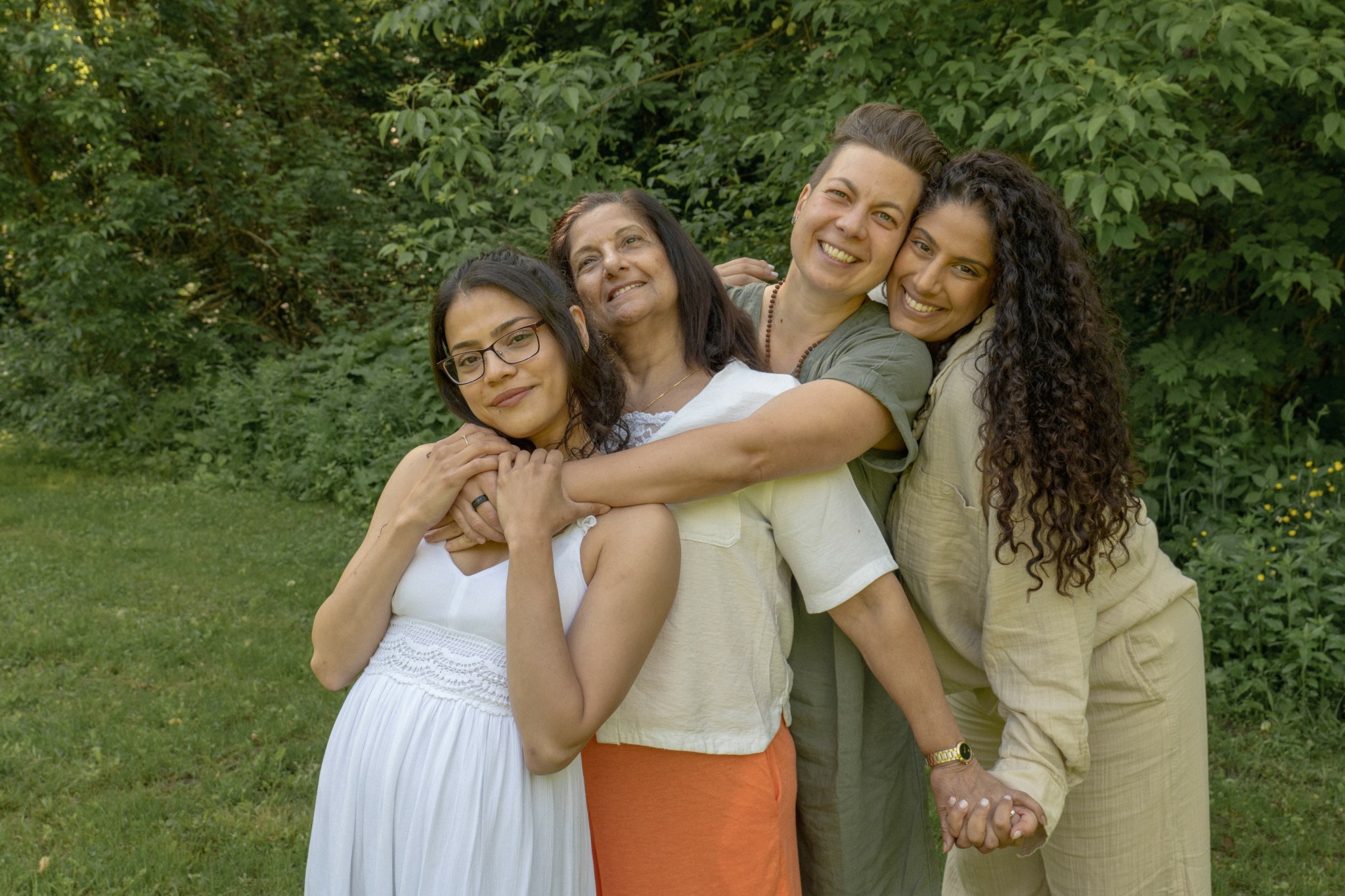
Building The Hira Collective has taught me that managing a team is a sacred responsibility — one that requires empathy, clarity, and deep discernment. I believe people thrive when they feel safe, seen, and aligned with the purpose of the work. So we prioritize care — we begin our team meetings with check-ins, we hold space for reflection, and we operate from a place of shared intention rather than constant urgency. High morale isn’t a tactic — it’s the natural result of a culture rooted in trust and truth.
But I’ve also learned the hard way that care must be matched with clear boundaries. In the early days, I made the mistake of hiring fast — based on potential or personal connection — instead of moving slowly and intentionally. I experienced betrayal: former team members misused their roles to advance their own businesses, stole from the company, or took the space (and me) for granted. It was painful — but it taught me something essential.
Now, I move differently. I hire slow and fire fast. I trust my gut and protect the integrity of this vision with fierce clarity. Because while we lead with heart, we also lead with standards — and the right people will respect both.
The balance I strive for is this: build a culture where people feel nourished, but never entitled; where leadership is collaborative, but not directionless. Because when a team is rooted in shared values and mutual respect, morale doesn’t have to be manufactured — it becomes the heartbeat of the work.
Learning and unlearning are both critical parts of growth – can you share a story of a time when you had to unlearn a lesson?
I had to unlearn the belief that being kind means staying silent.
For much of my life — especially as a woman of color, a daughter of immigrants, and someone raised in systems where harmony was often prized over honesty — I believed that being “good” meant being agreeable. That if I kept the peace, worked harder, and didn’t rock the boat, things would work out. But building The Hira Collective — a platform rooted in ancestral truth, decolonized healing, and cultural accountability — required me to unlearn that completely.
There came a point in my journey where being quiet wasn’t just harmful to me — it was harmful to the mission. I had team members who misused my trust. Practitioners who weren’t in integrity. People who tried to replicate or dilute what I was building. And for a while, I told myself that staying kind meant staying quiet.
But the truth is: silence isn’t kindness — it’s self-abandonment.
Now, I’ve learned to speak up — with love and with clarity. To set boundaries that honour both myself and the communities I serve. To hold people accountable, even when it’s uncomfortable. To name harm, even when my voice shakes. And to remember that kindness without truth is just performance.
Unlearning that lesson has made me a stronger founder, a better leader, and a more whole version of myself.
Contact Info:
- Website: http://thehiracollective.com
- Instagram: https://www.instagram.com/thehiracollective/
- Linkedin: https://www.linkedin.com/company/thehiracollective/?viewAsMember=true
- Youtube: https://youtube.com/@thehiracollective?feature=shared
- Other: https://ca.pinterest.com/thehiracollective/
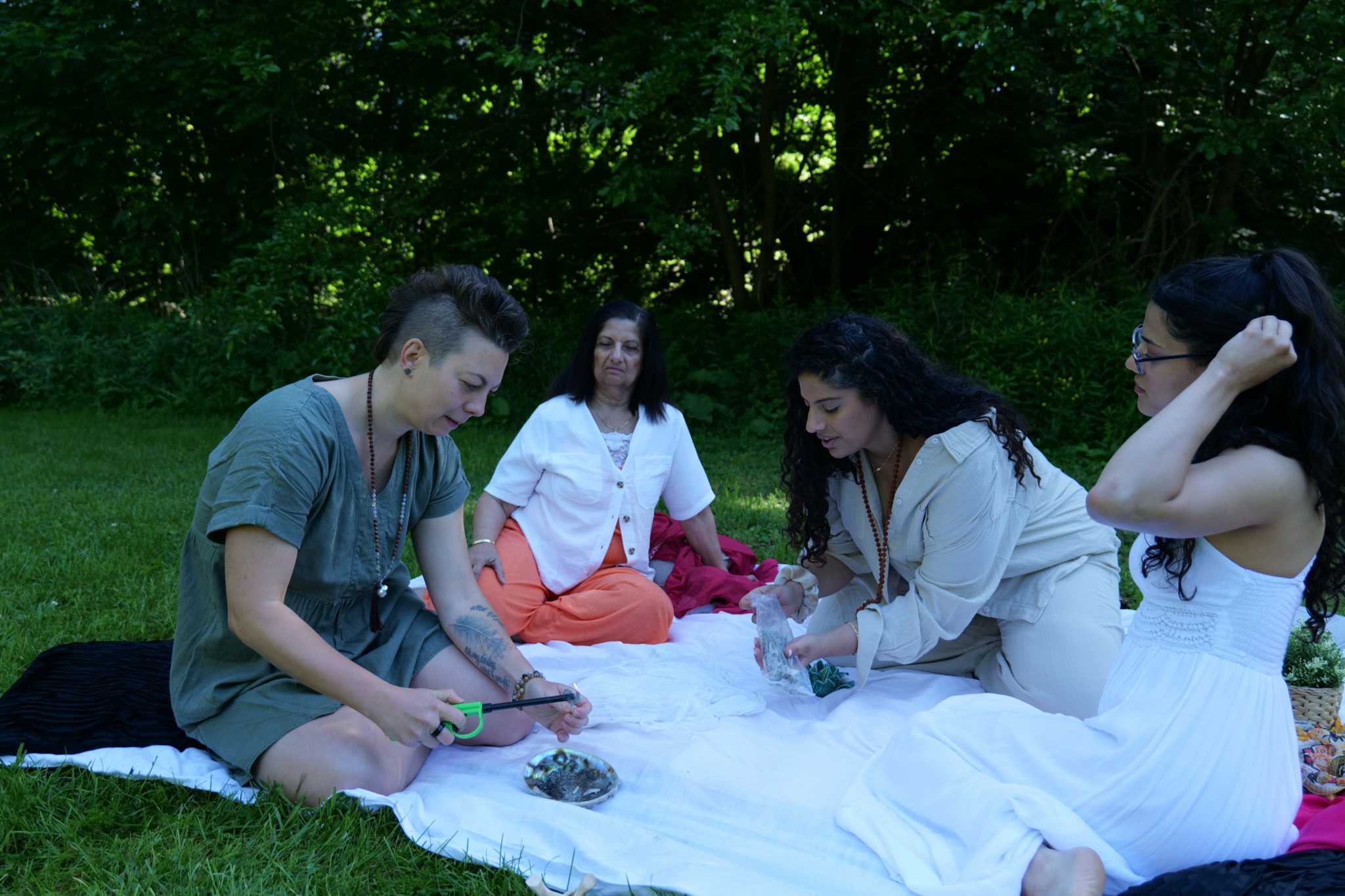
Image Credits
The Hira Collective