

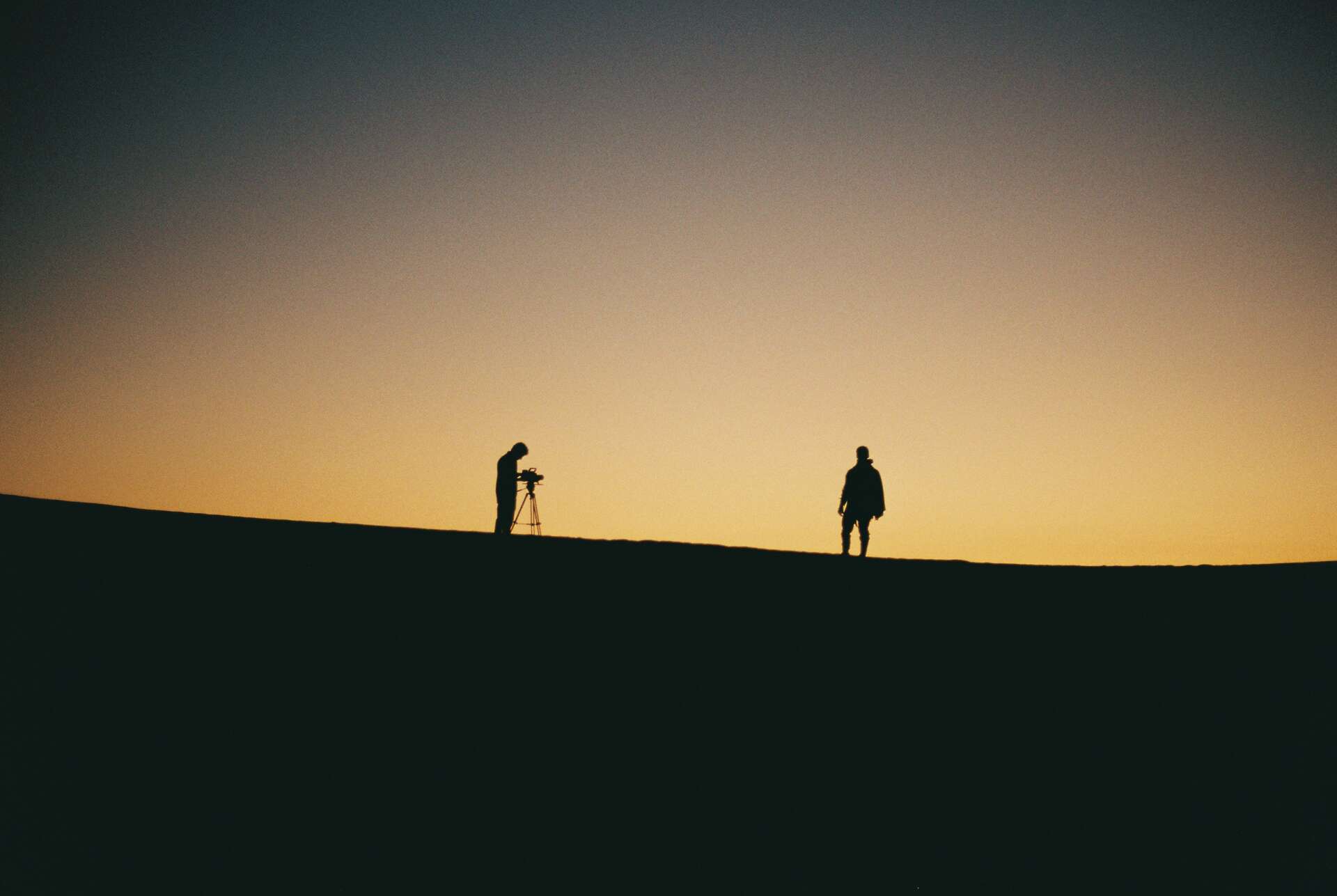

Alright – so today we’ve got the honor of introducing you to Reed Michael Campbell. We think you’ll enjoy our conversation, we’ve shared it below.
Hi Reed, thanks for joining us today. What’s been the most meaningful project you’ve worked on?
This may be less of a story and more of an opinion, but I’ve believed for a long time that projects which are not only personally meaningful, but meaningful to a community, are the only artistic projects worth realizing. I have worked on hundreds of sets and theatre productions, and witnessed the full range of artistic prowess in my collaborators. Here’s my finding: people who do it for reasons other than a genuine compulsion, a need to relate something otherwise indescribable to the audience, are people who are not practicing art. They practice therapy, indulgence, and often they do little more than add a layer to the image of themselves.
Art doesn’t care about us. A meaningful project is not a reflection of the self. It is a striving, a reaching towards the horizon. Meaningful art reveals nothing of the artist, rather, the art is meaningful because the artist has managed to take the audience by its shoulder, turn its attention to the true Subject, and say clearly “Look. See what I see.”
Wilde said “The highest art rejects the burden of the human spirit, and gains more from a new medium or a fresh material than she does from any enthusiasm for art, or from any lofty passion, or from any great awakening of the human consciousness. She develops purely on her own lines. She is not symbolic of any age. It is the ages that are her symbols.”
At The Dogmind, the stories use us to tell themselves. We try our best to keep things weird, and always undeniable.
Awesome – so before we get into the rest of our questions, can you briefly introduce yourself to our readers.
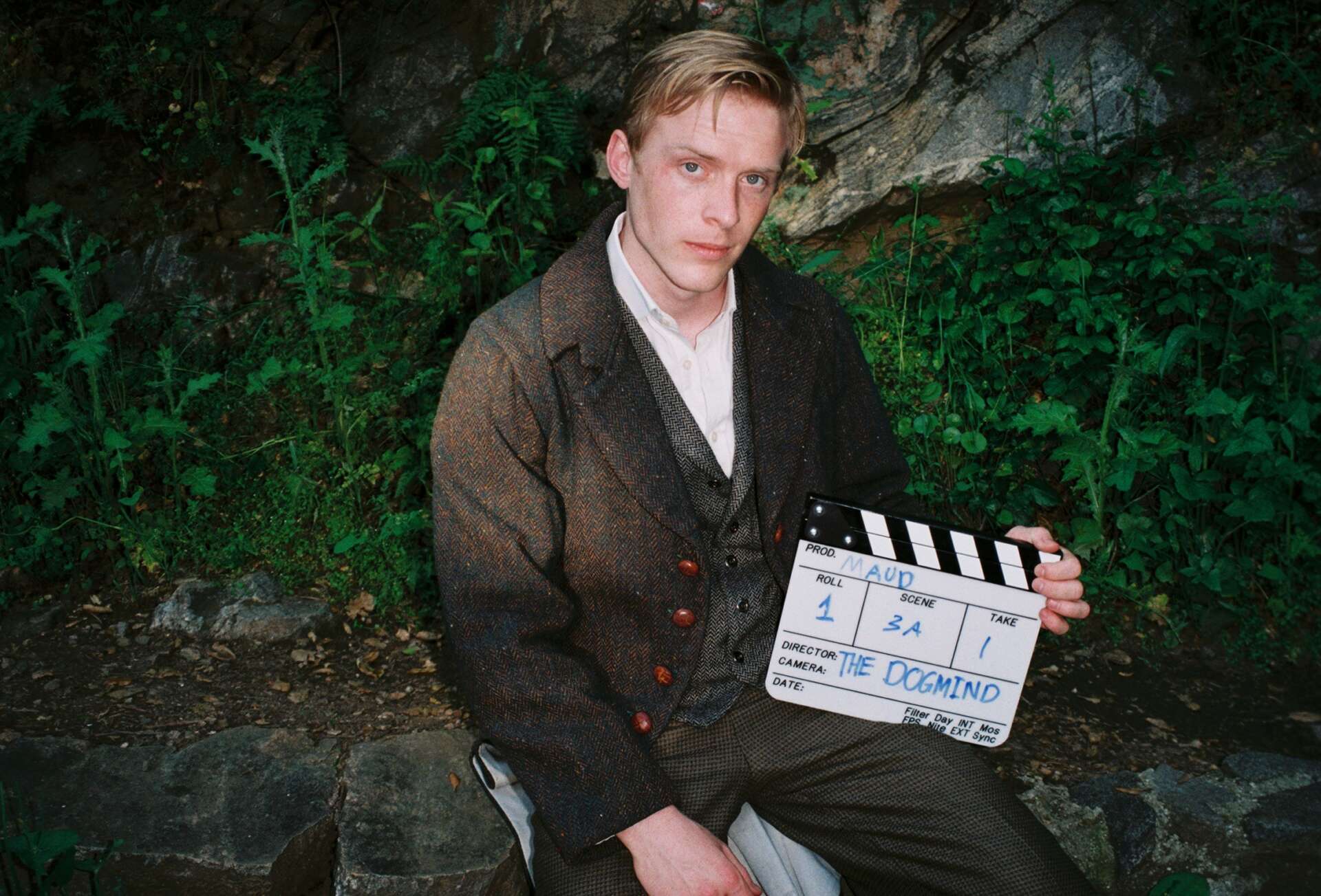
The Dogmind came about in 2019. I was reading Kenneth Branaugh’s “Beginning,” in which he describes his performance of Tennyson’s “Maud” in a one-man show at age twenty-three. I was twenty-two and wanted to prove something, so I started on Tennyson’s masterpiece right away. Parker Huseby, our resident genius, directed, designed, costumed, and pretty much ran the thing. I memorized the 70 minute show, some 1200 lines of poetry, and acted to the highest of my ability. We were feeling good, really good, during our rehearsal process. And then we needed a venue. And in order to get a venue, we needed a company. So I founded The Dogmind on the basis of creating work that we believed would be truly magnificent in some way. Always, a story told by The Dogmind must be undeniable. “Maud:” was a confusing show for some folks, and I don’t mean that in some patronizing way. I had the luxury of reading it multiple times a day and coming to understand the poem, but Tennyson’s words are flowery, literary, and dripping with imagery. It’s a lot to take in. We did our best to make it a simple, and accessible show that examined the savageness of masculinity and patriarchy (something that the poem is very much about), but we knew there would be audience members who would walk out confused about the meaning. So we worked with this goal in mind: no one should leave our show thinking “that could have been something else.” Undeniable. That’s the name of the game. If it’s confusing, fine. If it’s weird, great. But our mission is to tell stories which leave the audience certain that whatever they just saw, it couldn’t have been done any other way.
It’s perfectionism in a way, but we tend towards emotional, communicative perfection, rather than the technical. Now, that doesn’t mean we forgo technical prowess, but we do not view it as the ultimate goal of our work. Technical perfection is a tool to serve the story, not the other way around.
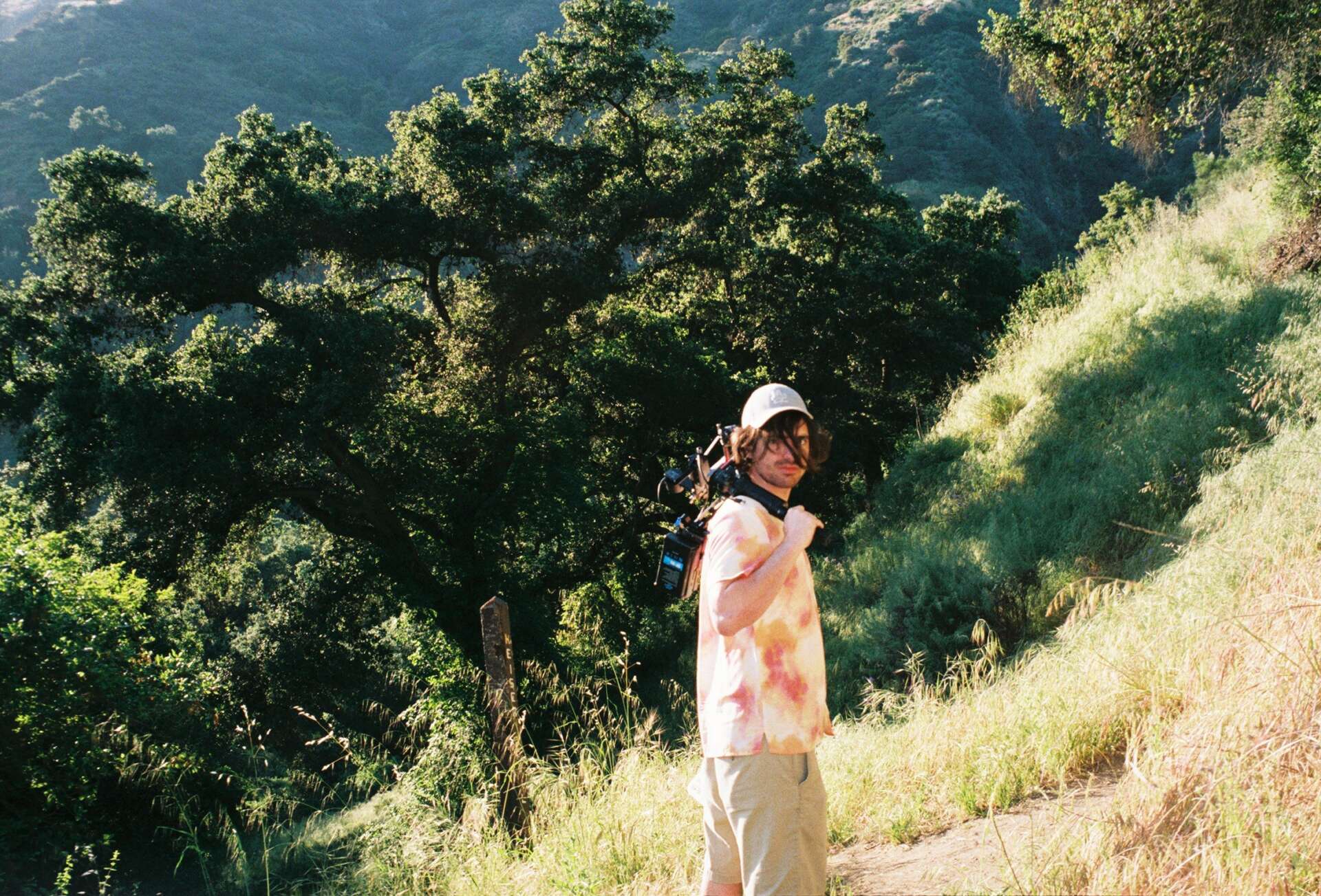
These days, we’re working on films. In 2024, The Dogmind is slated to put two short films through film festivals across the country. Our scope is different with film that it has been with theatre, but our mission remains the same. The pipeline is full with projects too, so in Q1 we’ll shoot another short, slightly different in tone, to deepen our abilities. And after that… well, you’ll see it when you see it.
You’ve asked me here what I want people to know about our work. The answer is simple. We do it for you. Art is communion. We don’t tell stories so that you can listen. You listen, and so we tell. We use all our powers to respond to that ancient, human ache, that longing for something that cannot be held, cannot be seen. There is a need in all of us, I think, to- like in that Mazzy Star song- to “hold the hand inside you”.
I suppose that Old Truth is in the mind, or the soul somewhere. We want to help clear a path.
Is there something you think non-creatives will struggle to understand about your journey as a creative? Maybe you can provide some insight – you never know who might benefit from the enlightenment.
George Bernard Shaw said: “The theater is as important as the church was in the Middle Ages. It is a factory of thought, a prompter of conscience and elucidator of conduct, an armory against despair and dullness, and a temple of the ascent of man.”
Eleanora Duse said: “When we grow old, there can only be one regret – not to have given enough of ourselves.”
It can be difficult sometimes to understand faith outside of religion or relationships. But I think an artist is a humanist. I believe in a deep, sometime dormant, nobility in all of us. Our fears, regrets, dreams, hopes, desires; our shame, our joy, our love; it’s not all happening to us, we are bringing these wonderful necessities of life into existence. Let’s honor that.
For you, what’s the most rewarding aspect of being a creative?
The few minutes during a performance where we all believe. That thing beyond the veil that we collectively bear witness to. And the conversations we have to remind ourselves it was Real.
Image Credits
All photos by various members of the Dogmind