

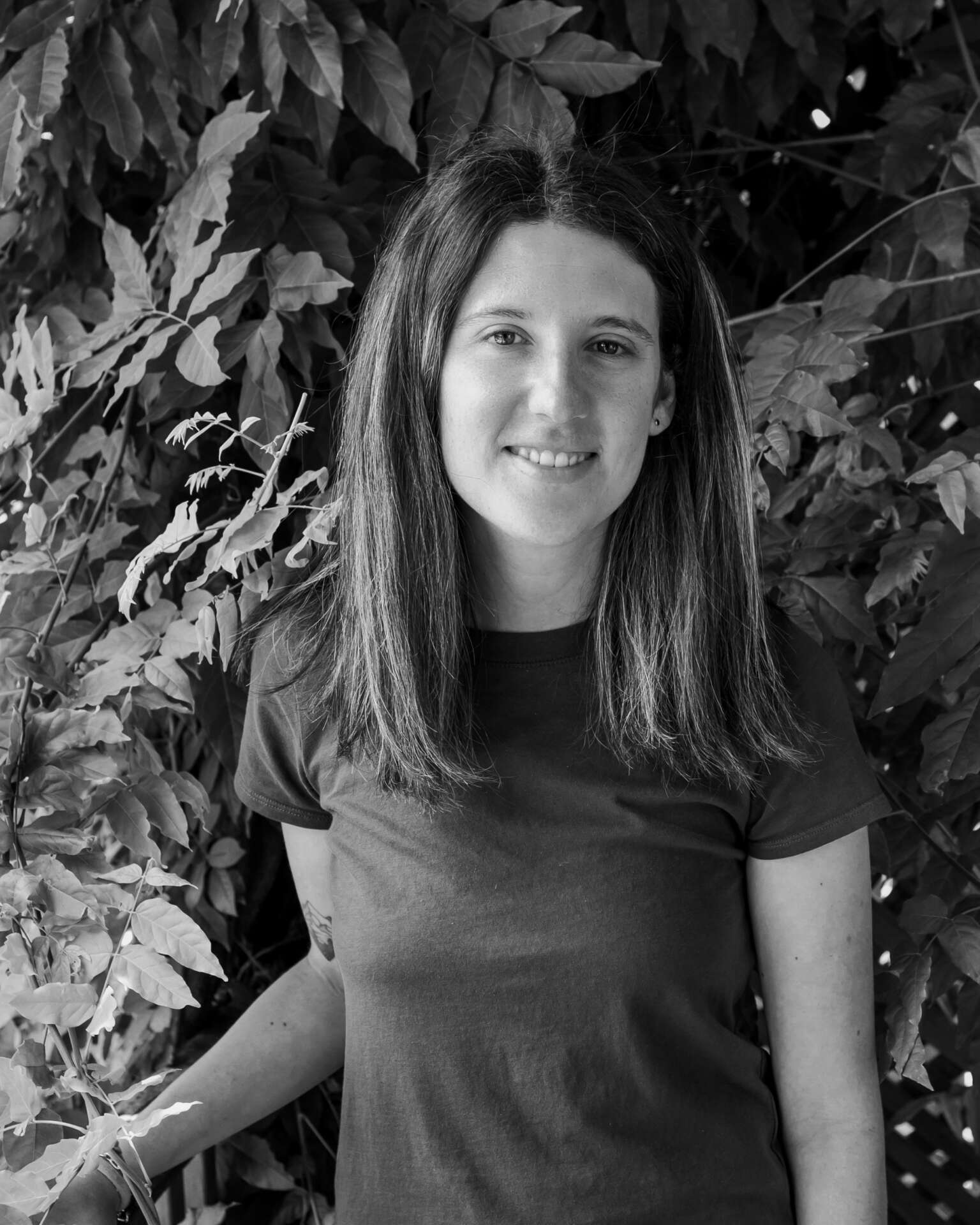

We recently connected with Rebecca Simonov and have shared our conversation below.
Rebecca, looking forward to hearing all of your stories today. Let’s start big picture – what are some of biggest trends you are seeing in your industry?
To say this is a trend would likely be giving it too much credit, but in recent months, I’ve noticed fellow photographers and other folks working in the creative commercial world beginning to interact with AI art generators. Some of this exploration has been from a place of curiosity and trepidation about the implications of this technology, and some of it has been more immediately adopting (e.g. photographers creating “how to use ____ AI generator to create _____”. I happen to fall into the camp of being wary of AI in the art space, mainly due to the lack of regulation in copyright, as well as the obvious displacement of the need for actual humans to create art. This is definitely a bigger philosophical topic than we can cover in an interview, but I do think that the proliferation of generative AI technology echoes decades long discussions of originality in art, conforming to trends, etc. I think the internet and social media have created near-universal access to art and media. This has allowed for, in my opinion, a dismantling of the art/commercial dichotomy. What we see now is the idea that artists create “content”. Photos, drawings, videos — these are meant to be consumed quickly and to convert into money. I also think that this has also led to large ad campaigns looking very similar to each other. To bring it all together, my concern is that the growth of AI generators (which really are mostly art aggregators) will lead to even more same-ness in the art world, and that the blurred line between art and commodity will dissolve.
As always, we appreciate you sharing your insights and we’ve got a few more questions for you, but before we get to all of that can you take a minute to introduce yourself and give our readers some of your back background and context?
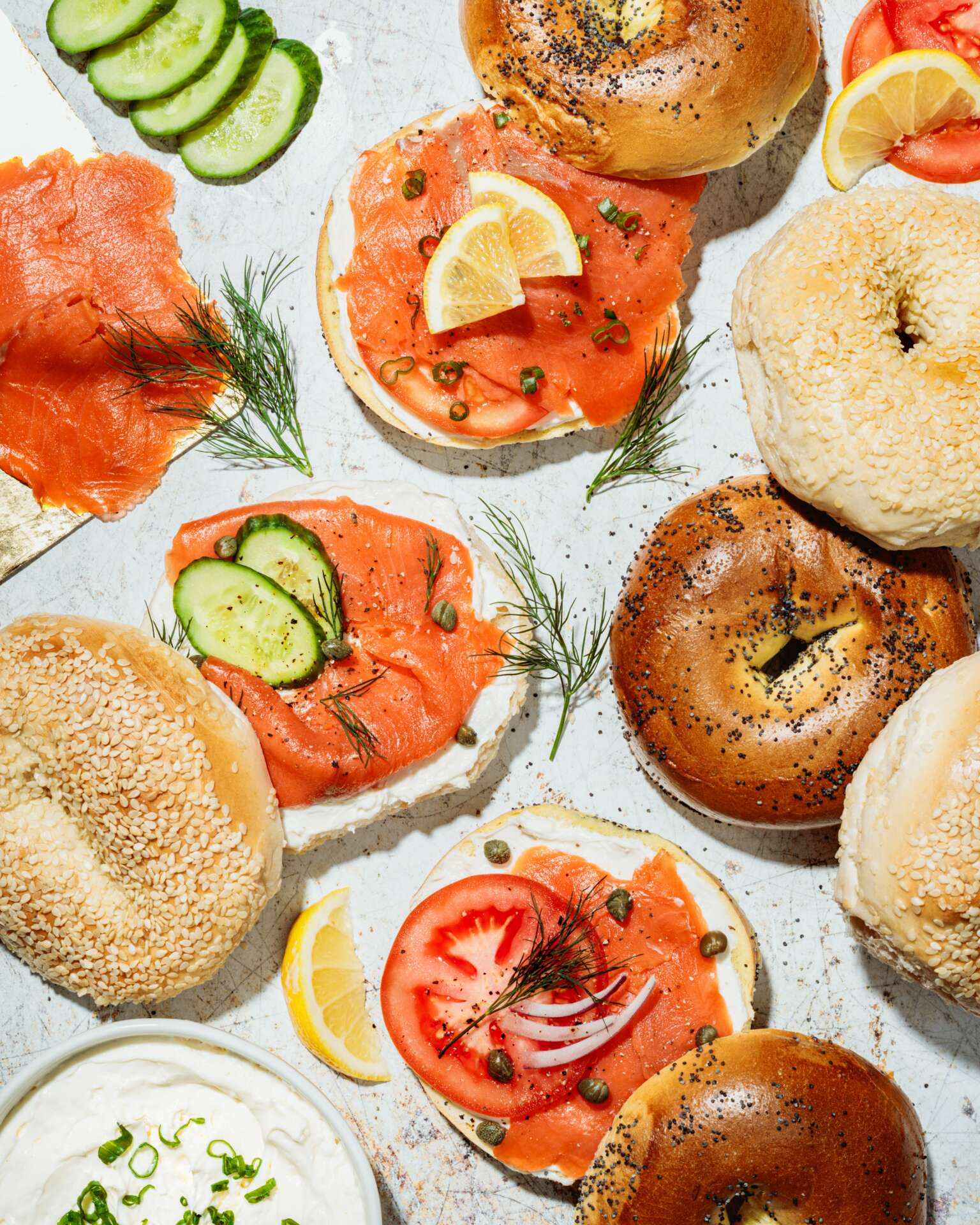
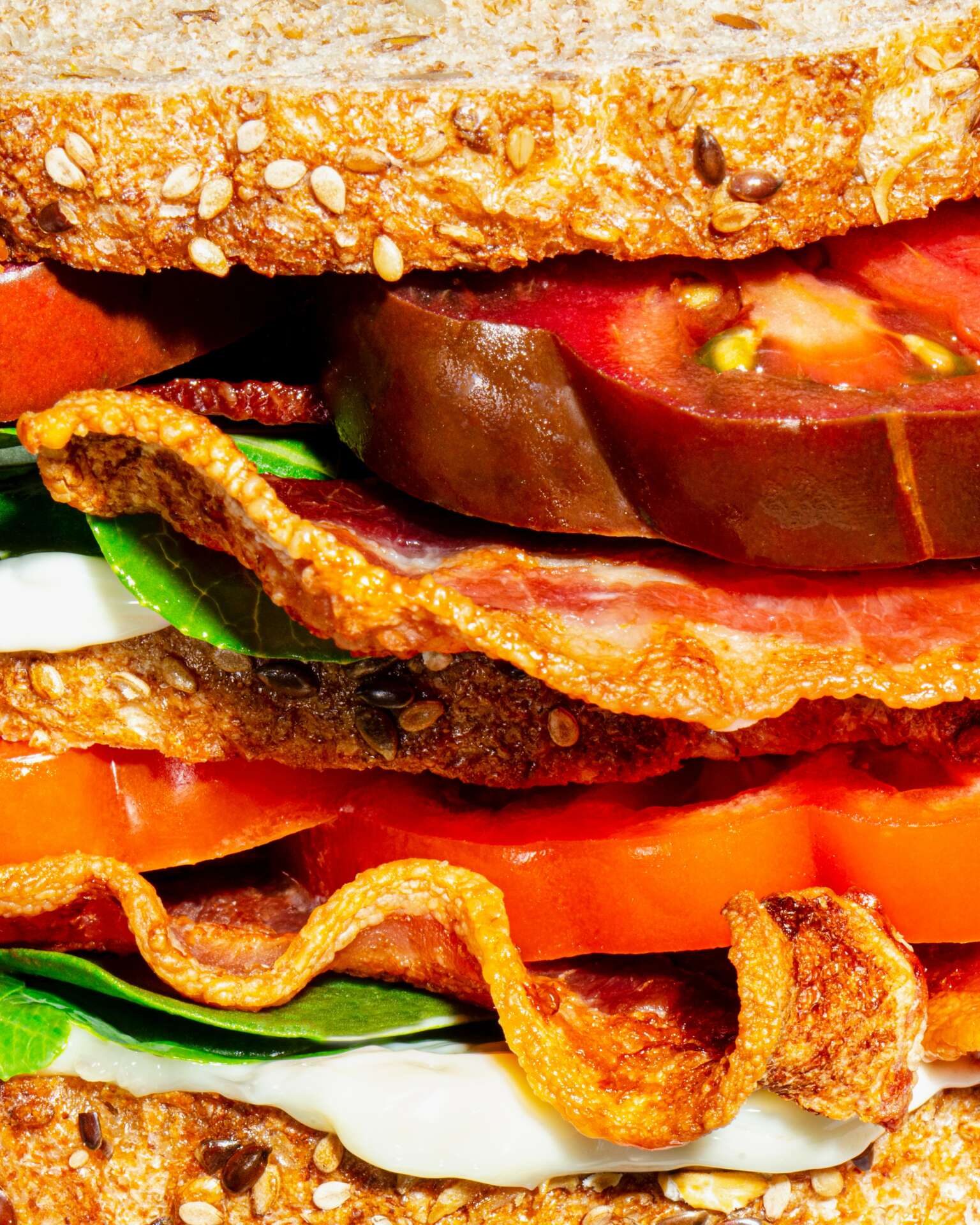
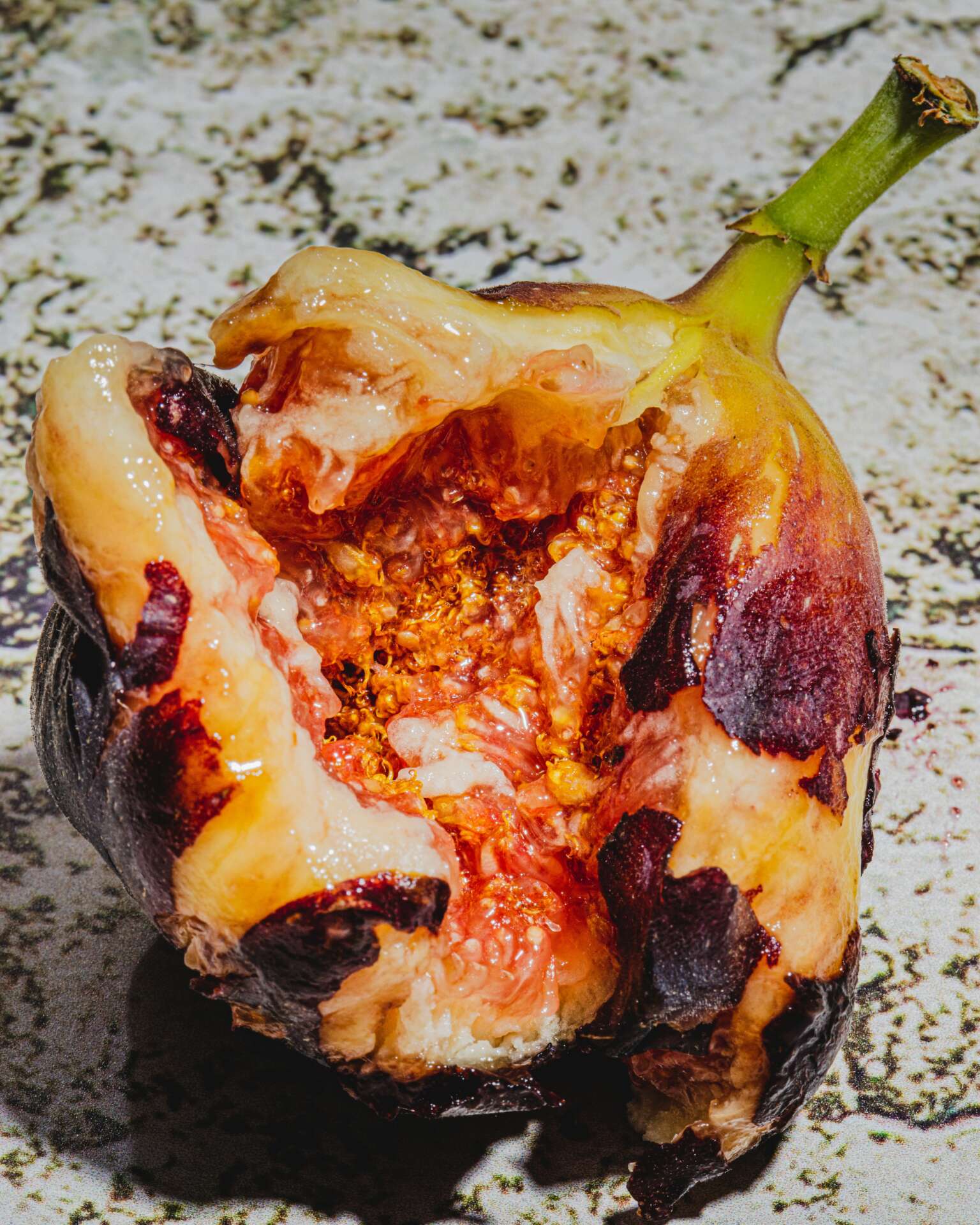
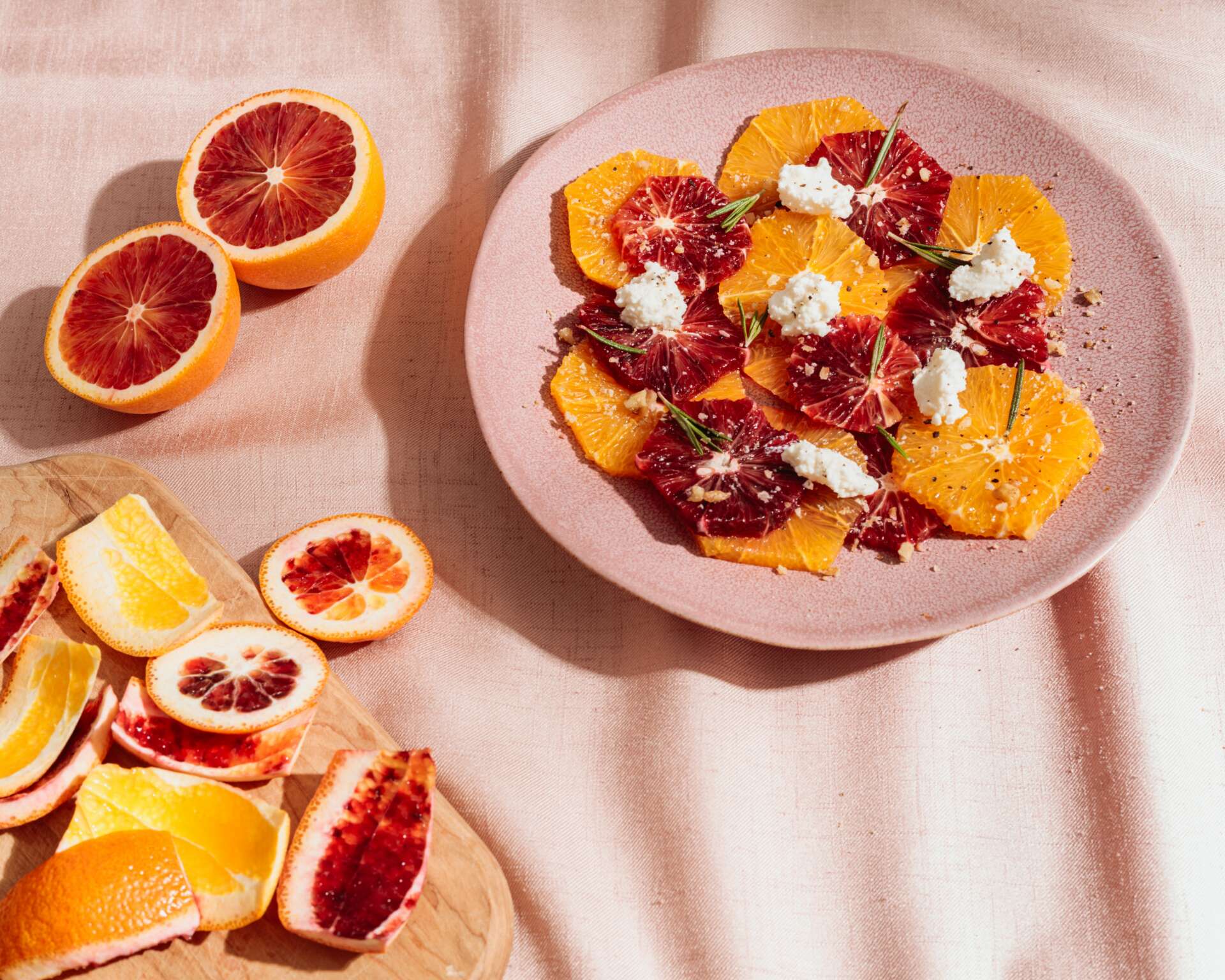
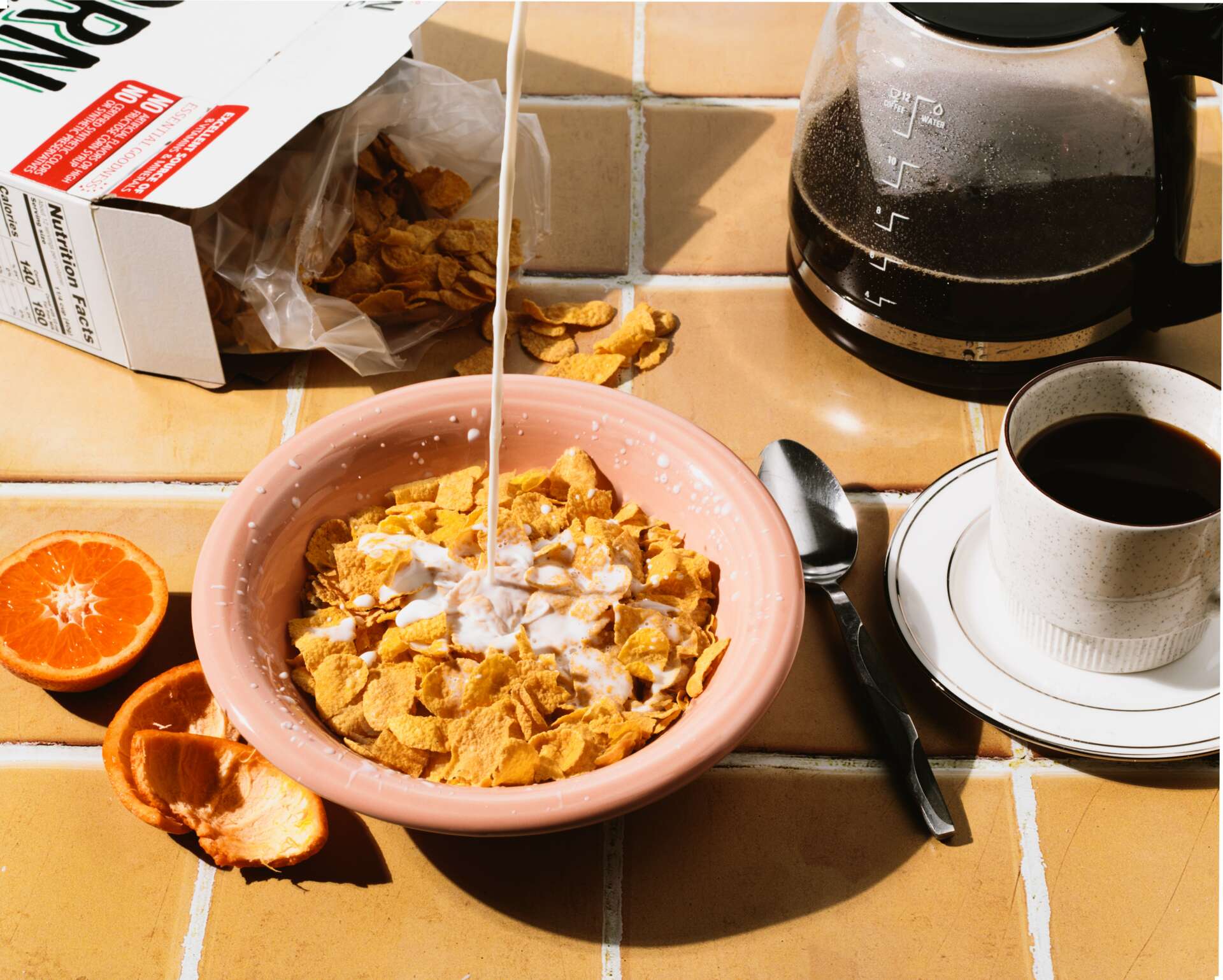
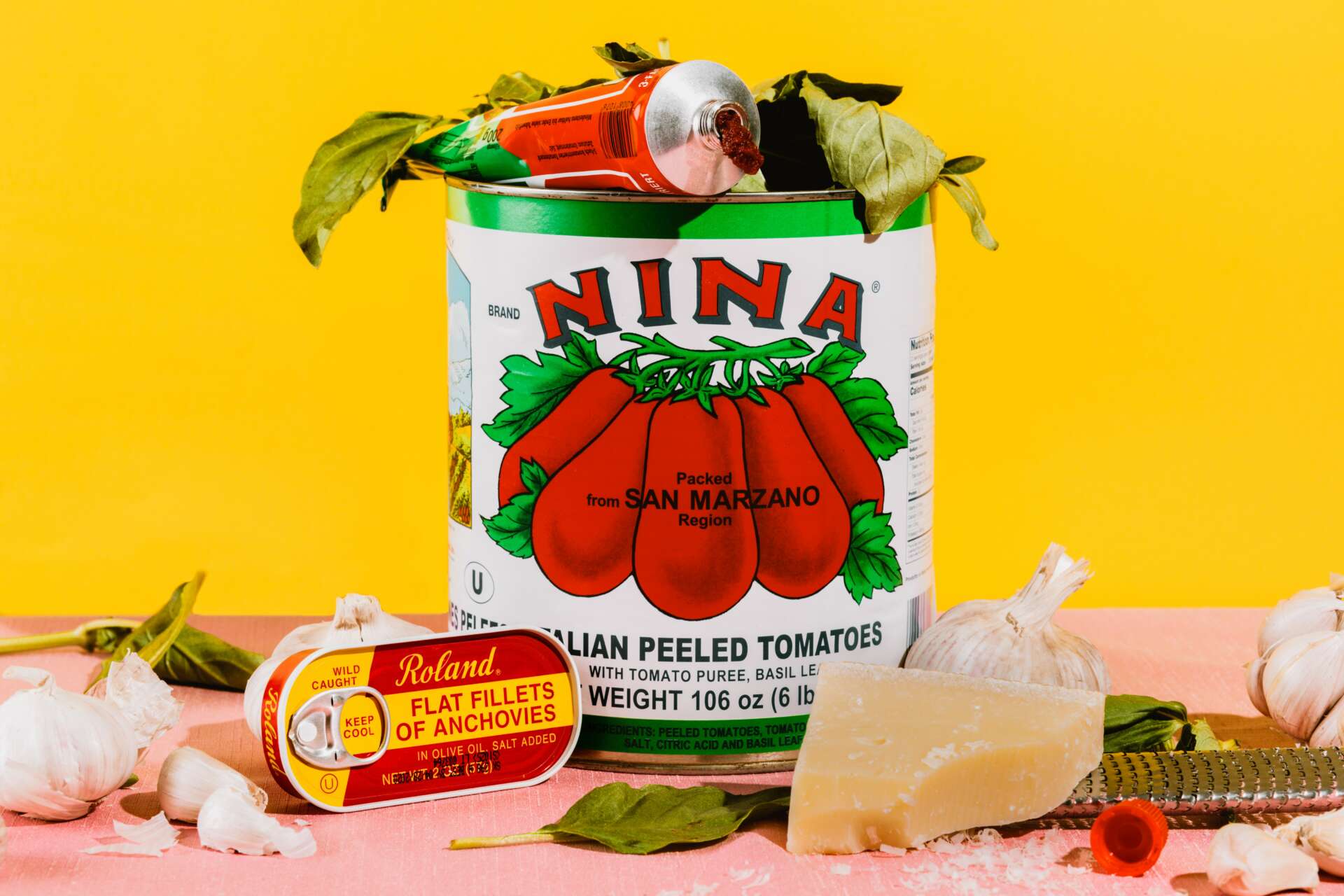
My name is Rebecca (Becky) Simonov, I am a Detroit-based commercial food and lifestyle photographer. I work with brands to create beautiful and meaningful imagery to promote their products in advertisements. My work tends to be colorful, punchy, and a bit surreal.
I got into this industry a bit by accident. I have been an avid cook and food enthusiast since I was a teenager, as well as a lover of stories and film. Eventually, I decided to try and go to film school and filmed cooking videos to add to my portfolio. While film school didn’t happen (it’s so expensive!), I still had a camera and an entry-level look into food media. For years, i was in love with photography in it of itself, and it took a while longer for me to realize that what I really loved was making food look as beautiful, funky, and delicious as possible on camera.
I’m still pretty young into my freelance career, but I am quite proud that I have been able to get myself to a point where I can actually call photography my career. It’s so exciting to me that I get to spend my time creating sets and concepts from nothing. I love the constant need and hunger to grow as an artist as well as a business owner, as well as having the opportunity to work with amazing teams of creative people.
Can you share your view on NFTs? (Note: this is for education/entertainment purposes only, readers should not construe this as advice)
Let’s be straight: I’m a commercial photographer and brands use my photography to generate sales. While I make “art”, this art has the purpose of making money, and I think that that is totally okay, especially if I have the privilege to work with companies that I generally align with morally. In the commercial world, photos are licensed (paid a usage fee for a set amount of time/places the images may be used). While this is inherently capitalistic, I do believe that this system is crucial to give photographers and other artists fair payment for their custom work. Original work should always be owned by the original creators. The creator can elect to sell licenses or prints, but they retain the original intellectual content.
NFTs, to me, are the complete antithesis to this model. In my view, NFTs (whose very idea is difficult to distill into anything actually intelligible) are about creating an artificial marketplace for an artificial commodity. I do not believe that NFTs give fair due to creators, nor do I think that they are safe investments for the standard person. I’m always skeptical of fabricated marketplaces such as these, and I have never had any desire to be a part of it.
What do you find most rewarding about being a creative?
I am someone that is never immediately good at something. Every one of my passions, from cooking to photography,were things that, when I first tried it out, I was really awful at. The thing I love the most is research and learning and trying new methods and techniques. I’ve always thought when I see others’ photos, “how can I get my work to a place where it looks that beautiful?” The absolute best feeling in the world is when I have a concrete idea for a photo, and I make that idea happen, and the photo looks just how I wanted it to and I can think “wow, I made that.” The thing about working in a creative field is that there’s always more to learn, whether it’s technical things like lighting or retouching techniques, or just learning more and more what your taste is and what you like to see. For me, being a photographer is just being able to constantly learn and research and refine the way I view the world and the way I create my work.
Contact Info:
- Website: www.rebeccasimonov.com
- Instagram: instagram.com/resimonov
- Linkedin: https://www.linkedin.com/in/rebecca-simonov-b88338107/
Image Credits
Rebecca Simonov