

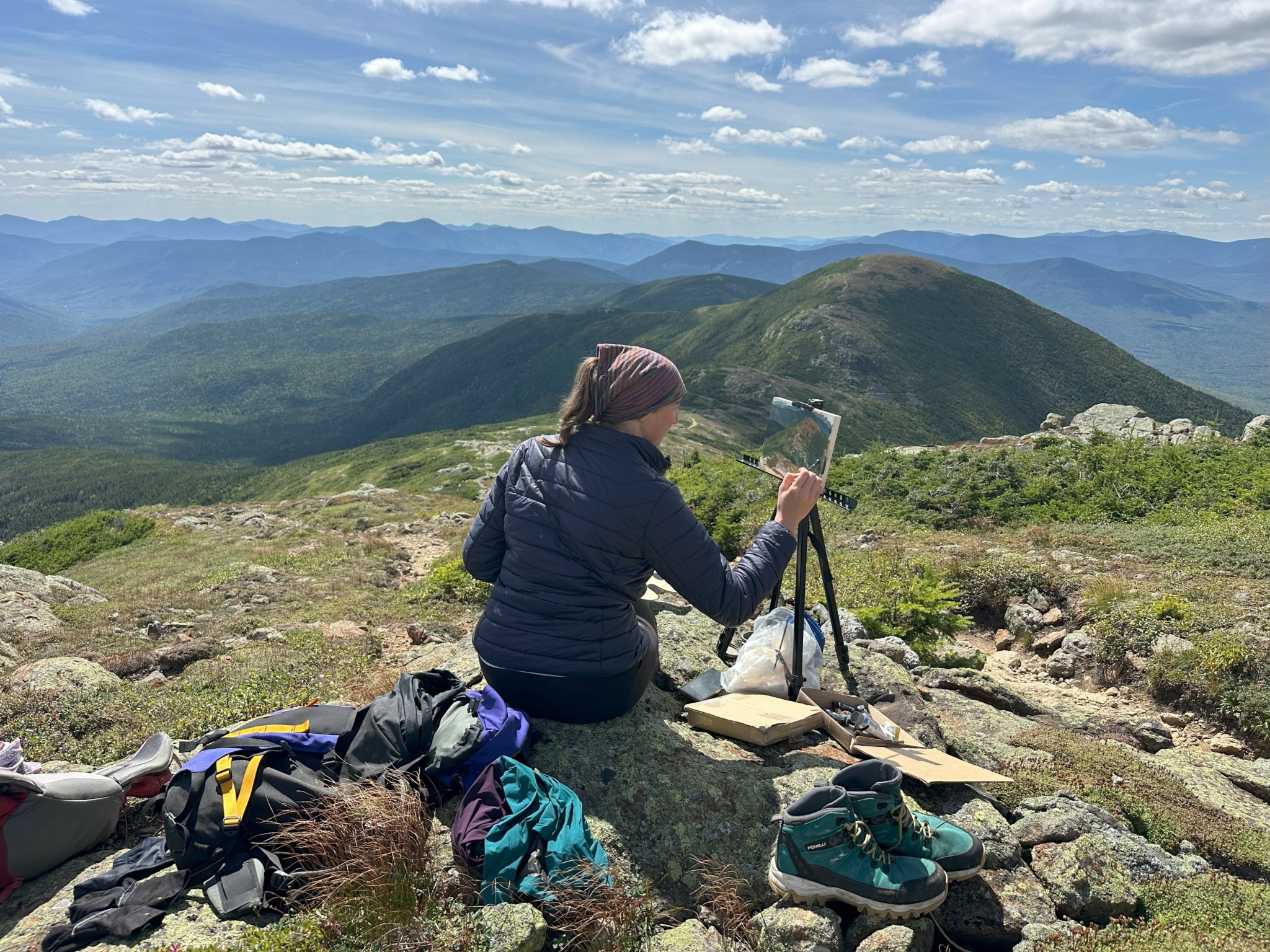

We’re excited to introduce you to the always interesting and insightful Rebecca M. Fullerton. We hope you’ll enjoy our conversation with Rebecca M. below.
Rebecca M., looking forward to hearing all of your stories today. Do you wish you had waited to pursue your creative career or do you wish you had started sooner?
Technically, I started my art career in the early 1990s. While in junior high school, two teachers commissioned art by me. One piece was an acrylic on canvas painting and the other was an ink drawing. I was amazed and delighted that people wanted to pay me for things I had made. I did not sell much of anything for over a decade after this, and I didn’t have anyone in my life saying, “Hey, did you know you could make a career out of continuing to make art?” I was always a ‘creative kid’ and was encouraged to create because I clearly loved doing it so much.
I attended a small liberal arts college where the studio art program was a place to explore and learn to talk about my work, but again, art as a business and career future were not addressed. I was an art history major as well, and museums, libraries and archives have filled my ‘regular’ job history. Therefore, I didn’t start thinking of art as a career until several years out of college when I began selling at small, local fairs. It wasn’t until the 2010s that my boyfriend (now husband) helped me set up a website and sole proprietorship. Landscape painting is now on almost equal footing with my career as an archivist.
I wish I had started getting my work out there a lot earlier and had the right kind of encouragement to do that. Being around anyone who would teach me the mechanics of working as an artist would have been a tremendous boon, but I didn’t have anyone tell me that is what I needed to look for. Had I known any of this in college, I would have sought opportunities to learn to be a working artist. I might have even taken an accounting class or two to get on top of the business side sooner! All of that would have placed me way farther ahead in making art the main part of my livelihood and discovering all the amazing opportunities available to artists like grants, residencies and exhibitions.
Great, appreciate you sharing that with us. Before we ask you to share more of your insights, can you take a moment to introduce yourself and how you got to where you are today to our readers.
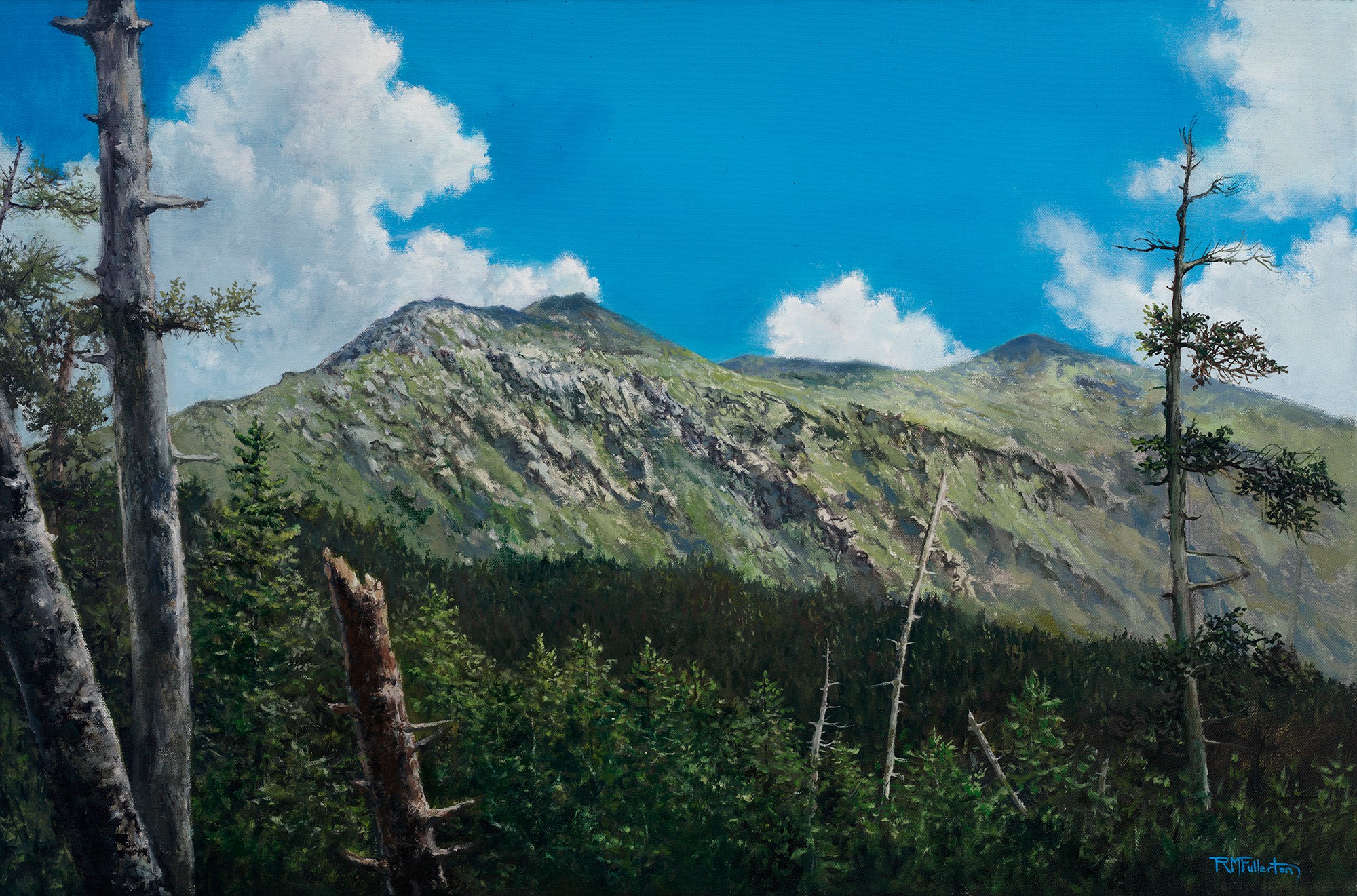
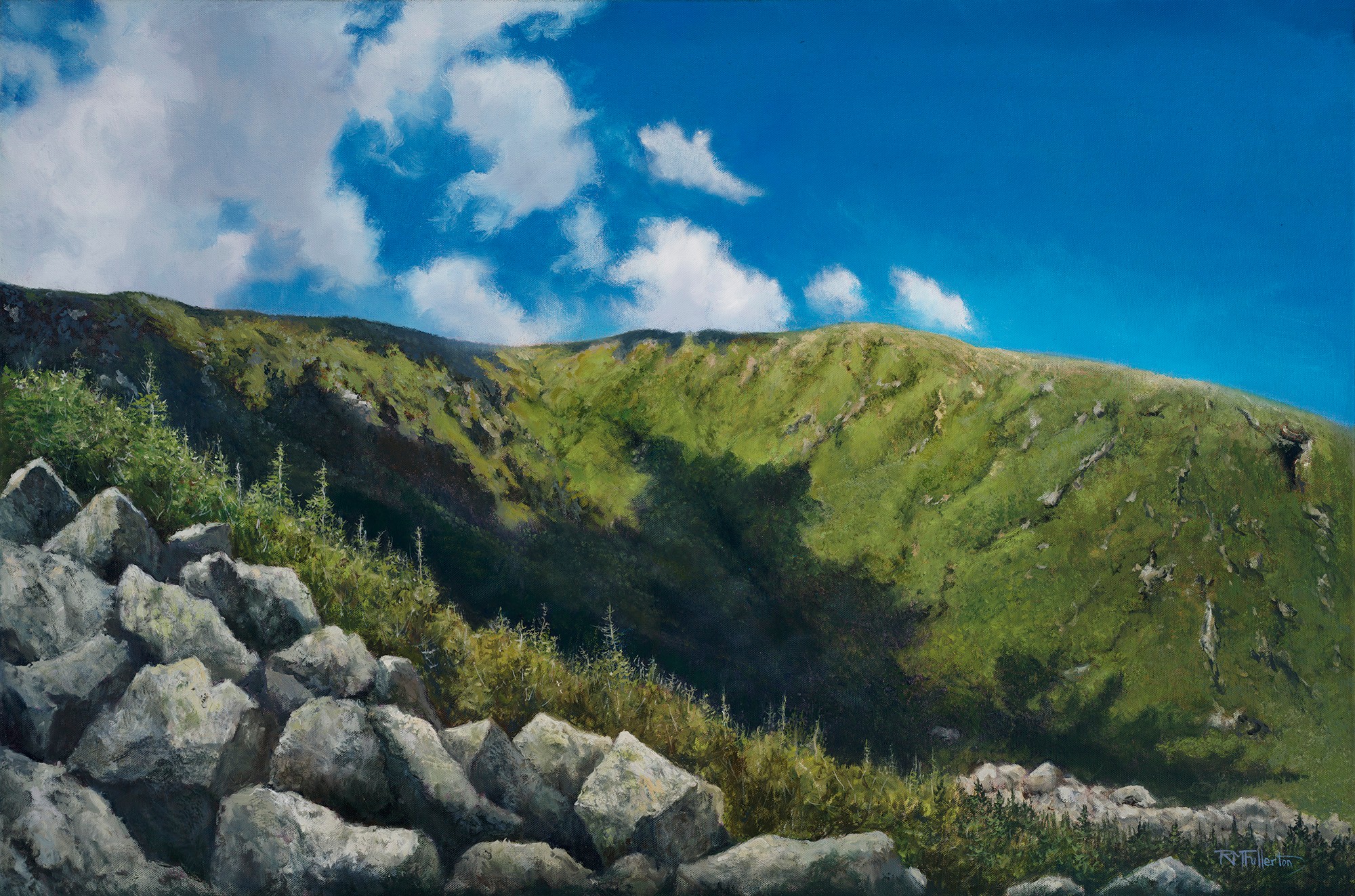
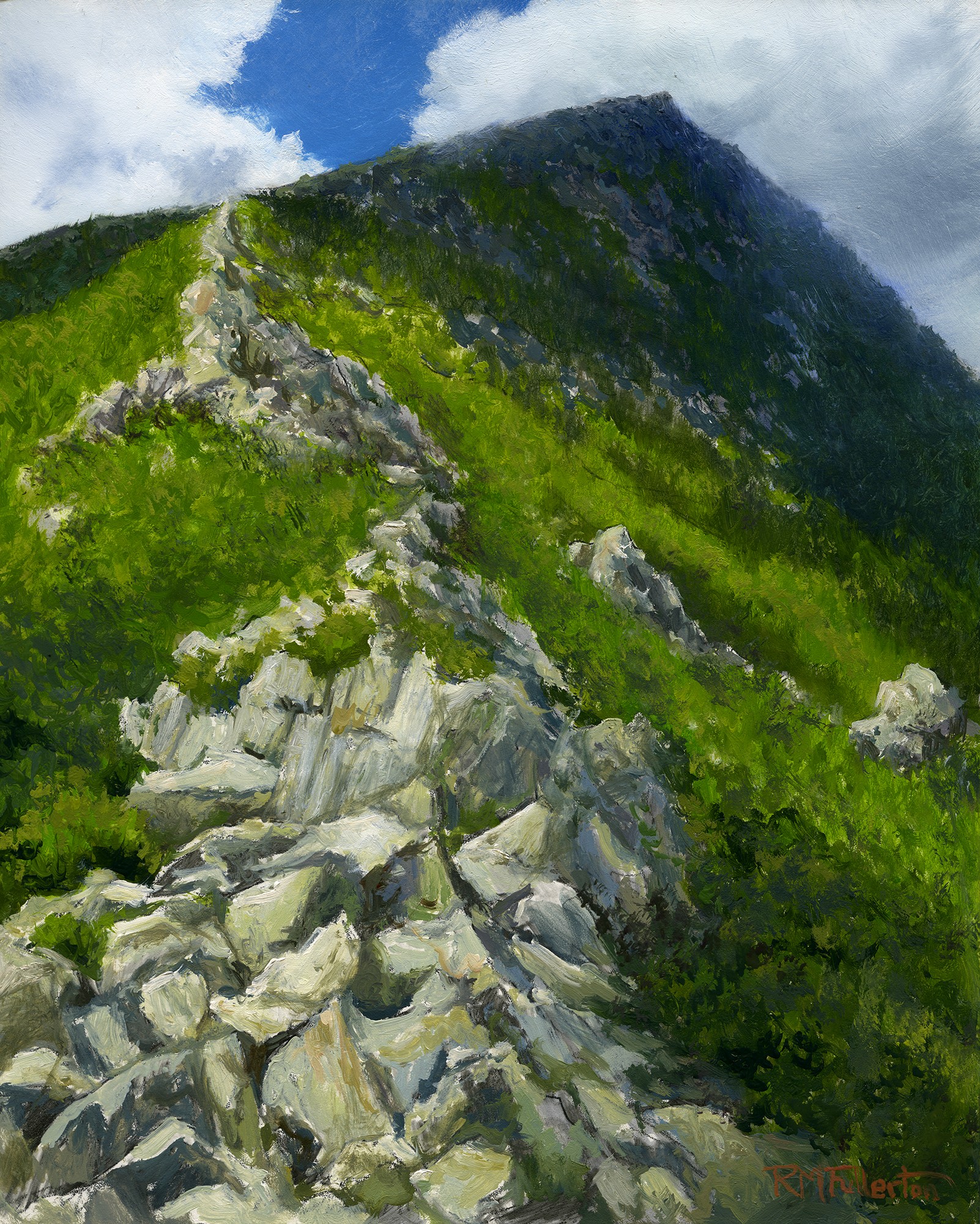
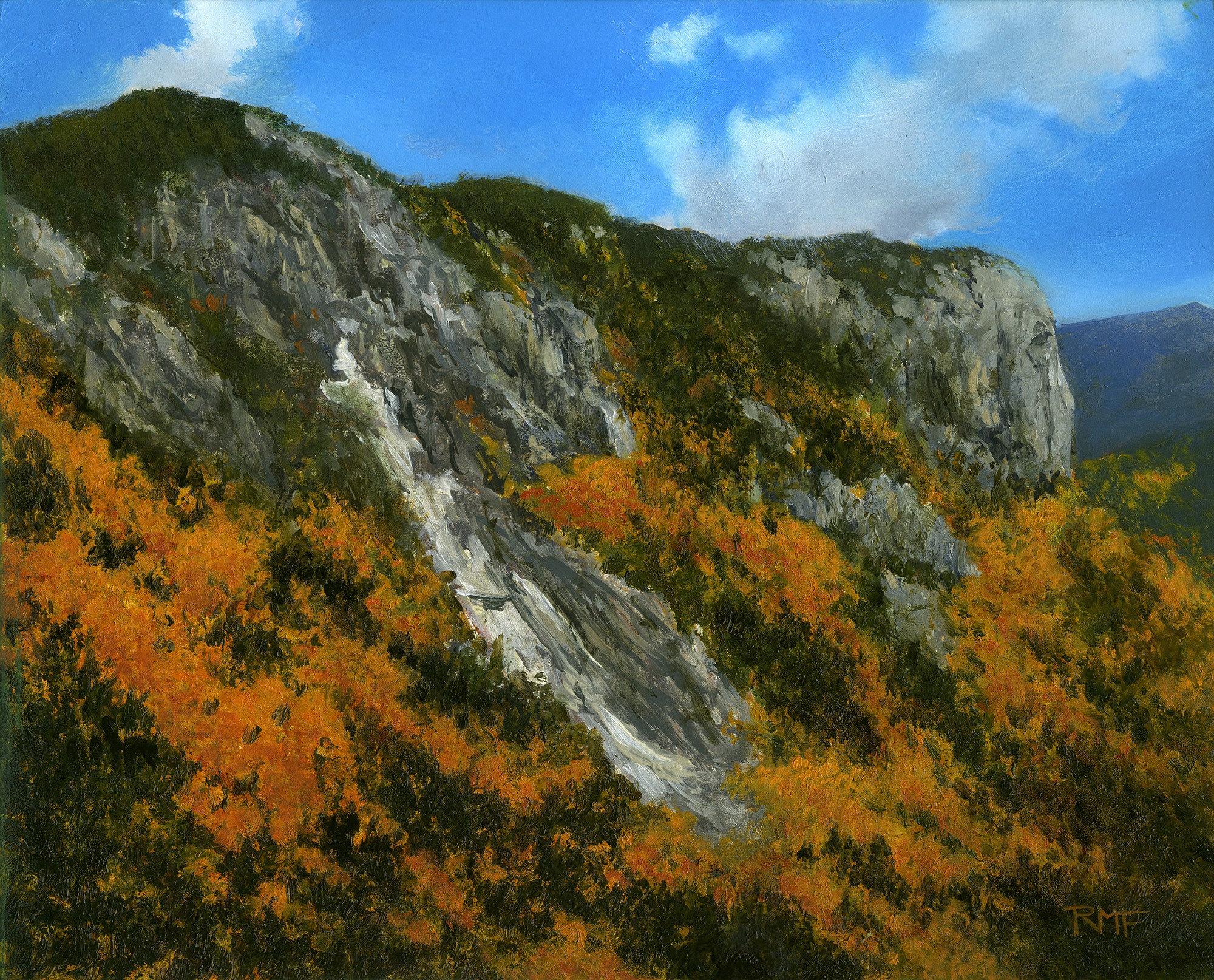
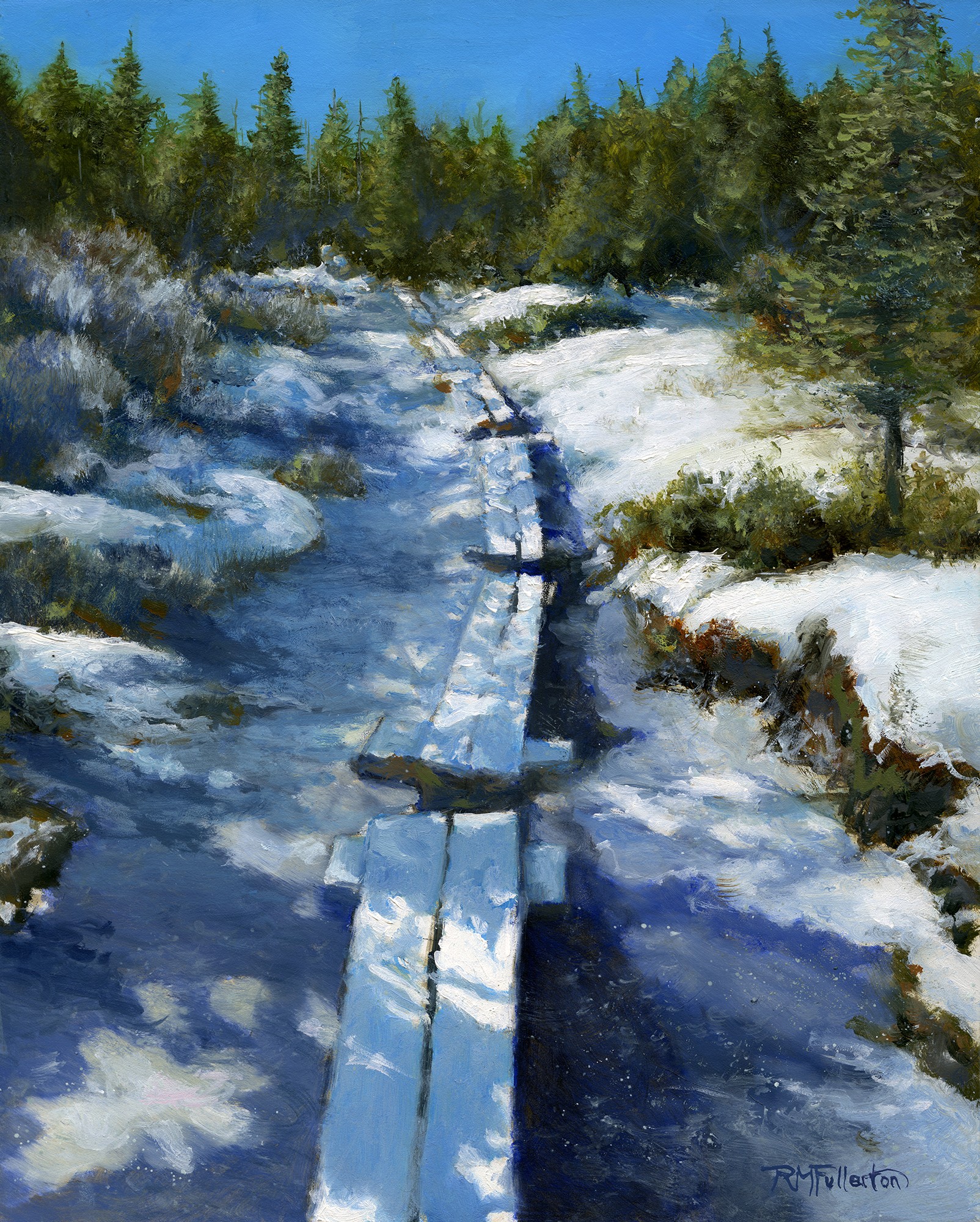
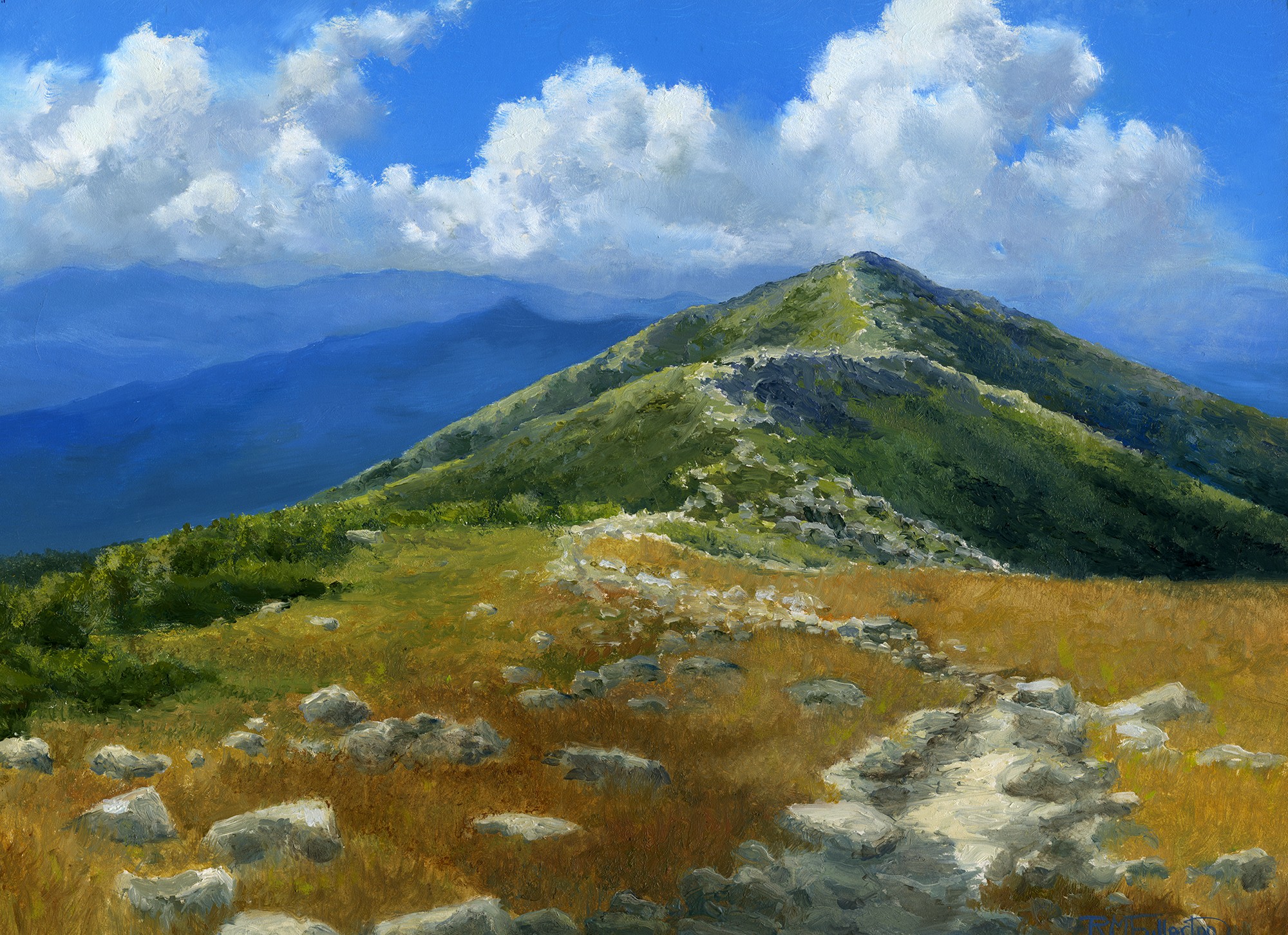
I am a landscape painter living and working in the White Mountains of northern New Hampshire. I have been painting for as long as I can remember, but only got into landscape painting as my sole subject in the last dozen years or so. Prior to moving from Boston to the woods of New Hampshire in 2018, my work was more illustrative and figurative. Now I exclusively paint the wild scenery of my local mountains in the realist and impressionist traditions to try to express the rugged beauty and drama of these small but mightly Eastern peaks. The best way to depict these mountains is to venture out among them, so you will often find me hiking and sometimes painting en plein air on the high ridges and summits. That involves carrying a pack loaded with everything I need to hike in areas where the weather can change in a hearbeat, plus an oil painting kit that is light but effective in working for hours in the field.
I try to bring the special atmosphere of this part of New England to my audience, which is, for the most part, just as obsessed with the White Mountains as I am. I often call my paintings love letters to the mountains, and my collectors frequently seek work from me that depicts places that they love or around which they have fond memories. In talking about my work, I also try to educate viewers about the important conservation issues impacting the Northeast’s mountains like human impacts on the land, the preservation of trails, and climate change.
What do you find most rewarding about being a creative?
Being able to create something with my own two hands from nothing is and will always be pretty miraculous to me. Working through a painting and getting to a place where it suddenly comes together as just what I was aiming for is a rare and amazing reward. Additionally, art offers a lifetime of learning and improvement. There are always new techniques to master and ways of making work that just bring you joy. An artist should never stop learning from others, be it online, through workshops or classes, or just by hanging out with other artists. The reward is that making art never has to get old, tiresome or tedious.
We’d love to hear your thoughts on NFTs. (Note: this is for education/entertainment purposes only, readers should not construe this as advice)
All computing technology takes energy, and even when generated through renewalable sources, it impacts the planet. But to me, NFTs are an extremely pointless way to consume energy. The carbon footprint of NFTs does not justify the frenzied, faddish collectible market for them, and they are directly contributing to greenhouse gas emissions and climate change. Secondarily, the NFT scammer population that has grown up around the market and continues to harrass artists is extremely irksome. I hope NFTs are a passing phase and go the way of Beanie Babies and DVDs in the not-too-distant future.
Contact Info:
- Website: https://rmfullerton.com
- Instagram: @rmfullerton
- Facebook: https://facebook.com/RebeccaMFullerton
- Linkedin: https://linkedin.com/in/rebecca-m-fullerton-b7608b68
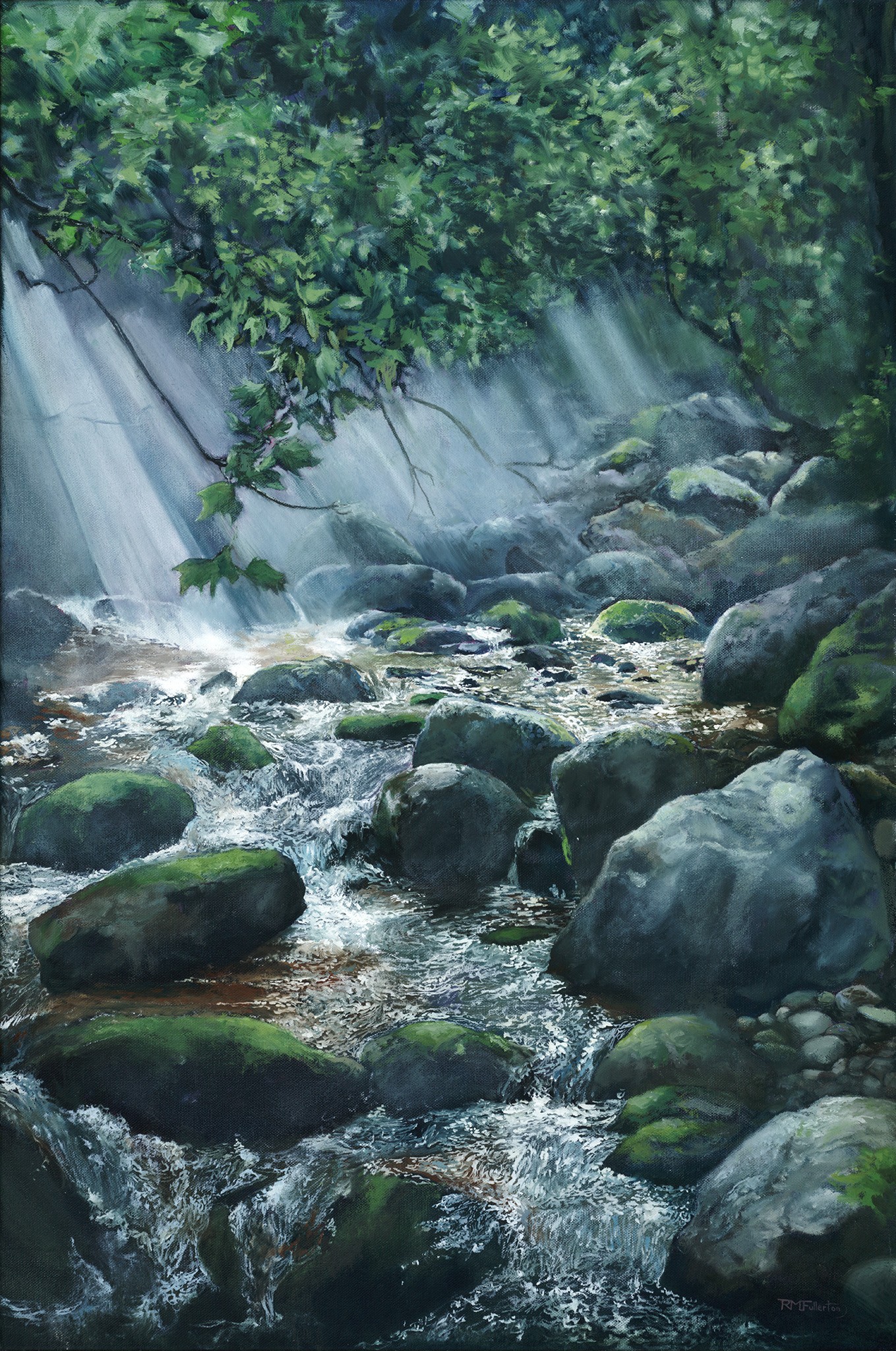
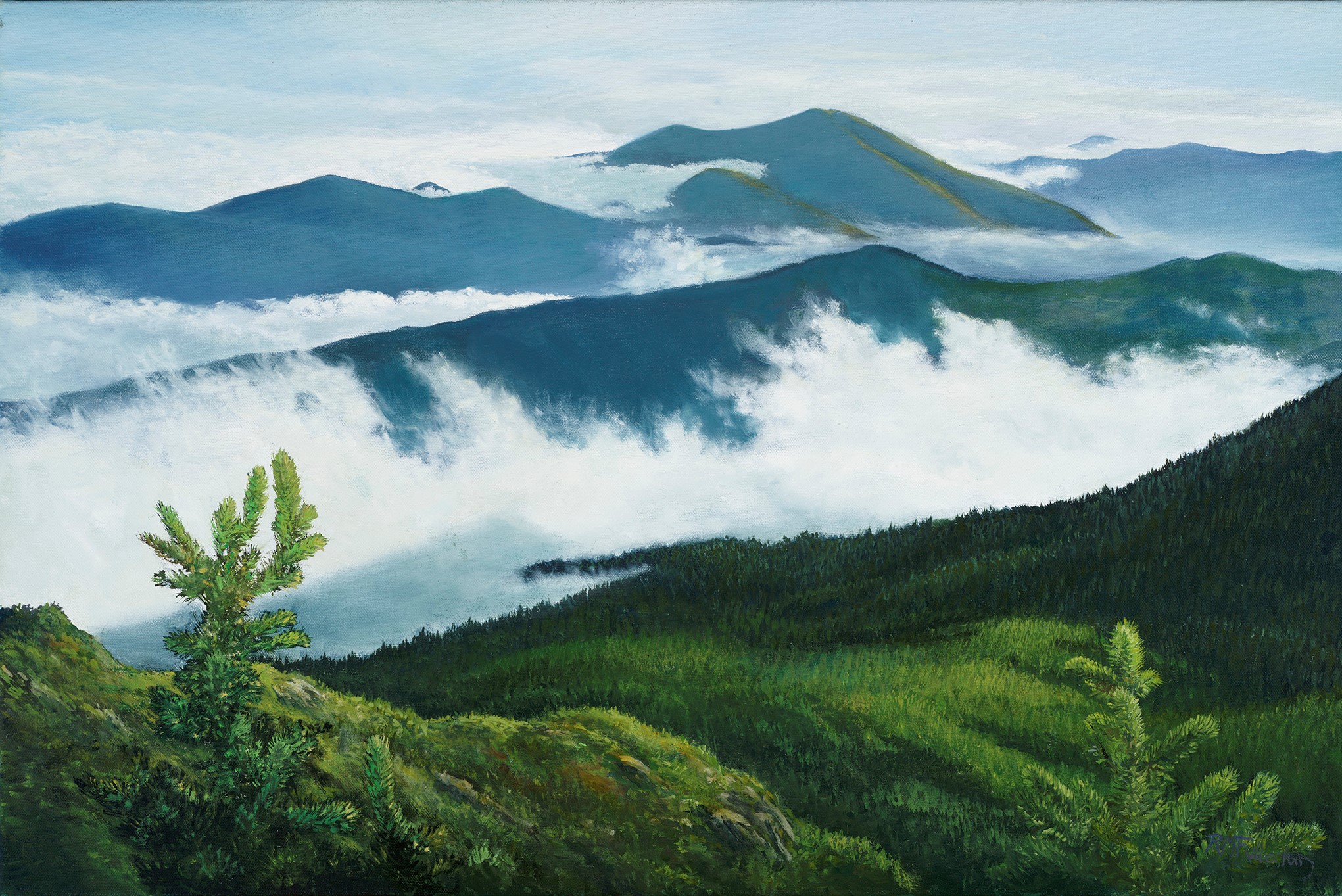
Image Credits
Artist portrait courtesy of Liz Medford. All paintings photographed by Rebecca M. Fullerton.