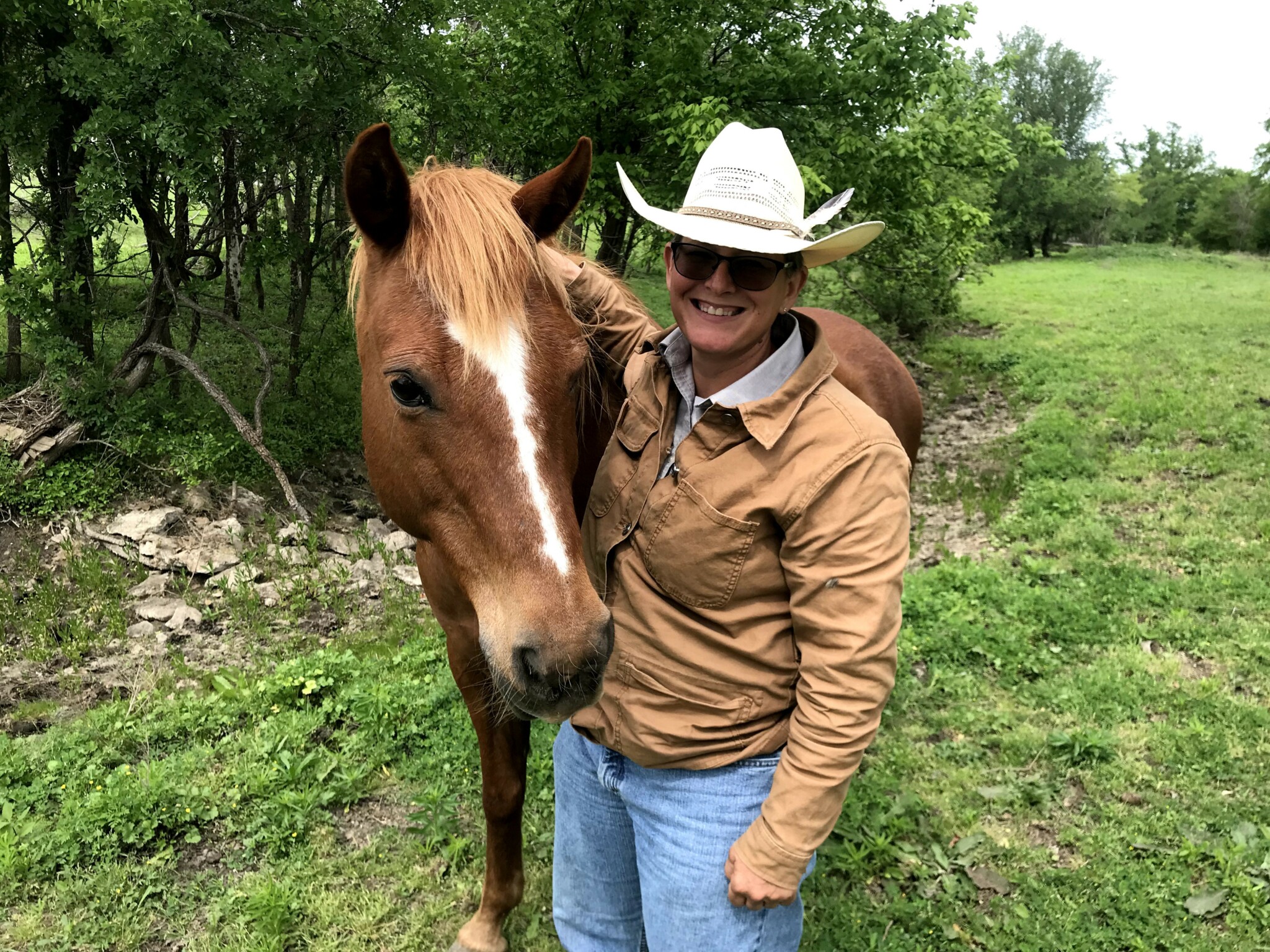

We recently connected with Rebecca Hubbard and have shared our conversation below.
Rebecca, looking forward to hearing all of your stories today. We’re complete cheeseballs and so we love asking folks to share the most heartwarming moment from their career – do you have a touching moment you can share with us?
As a marriage and family therapist of thirty years, I have many heartwarming stories! I cannot tell stories, though of the people I work with because our work is confidential, and it is paramount that I protect their privacy. However, people need stories to understand our work and explain what is possible when engaging in therapy. So, when I tell a story to illustrate a point or what is possible, I must weave a story out of hundreds of experiences I have had with people and common interactions people have with our herd. In the story below, I am highlighting the role of our equine partners and not the whole therapeutic process, so it is essential to understand that in therapy, we do talk and explore important topics. However, the story does not show that aspect.
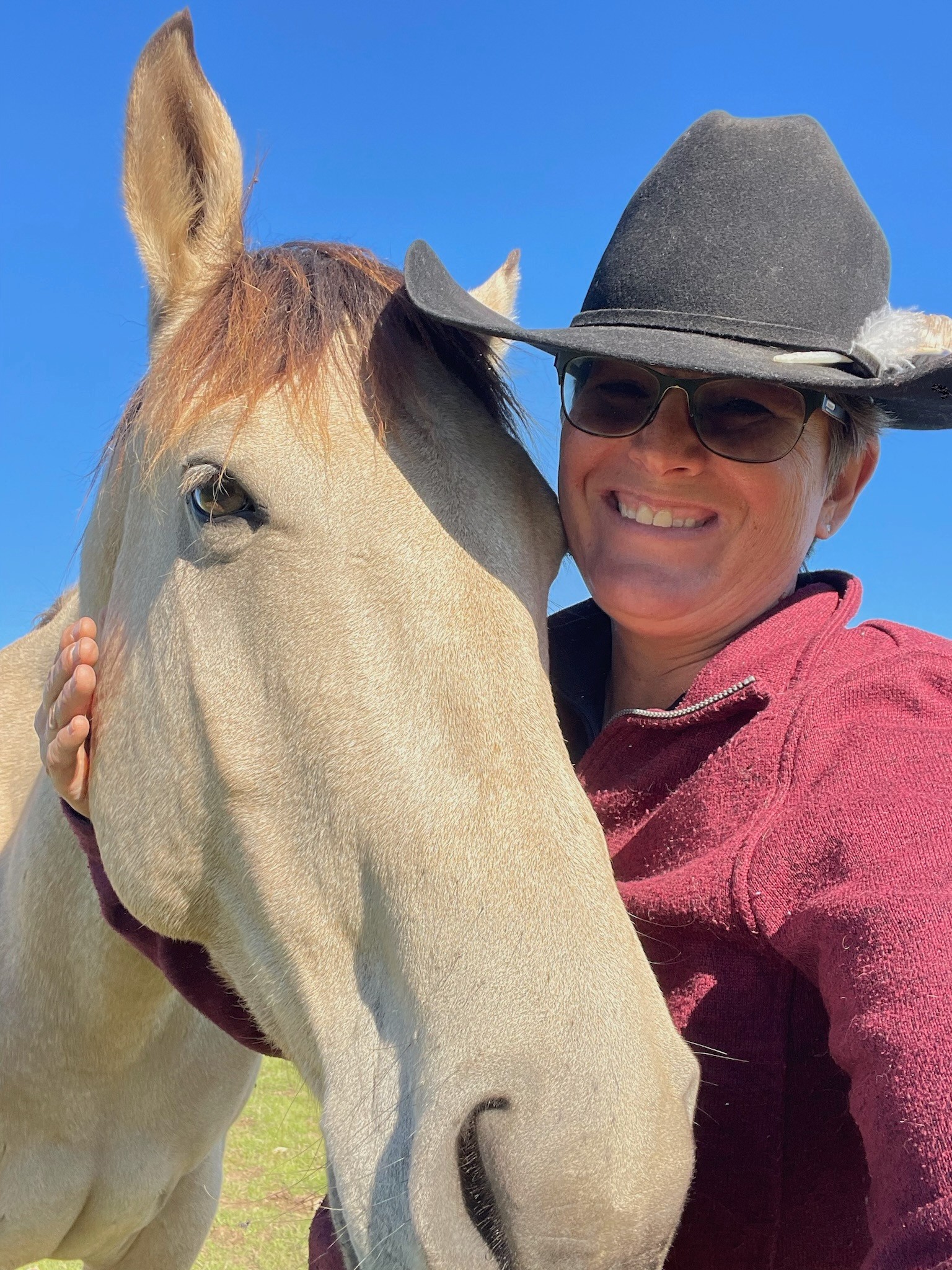
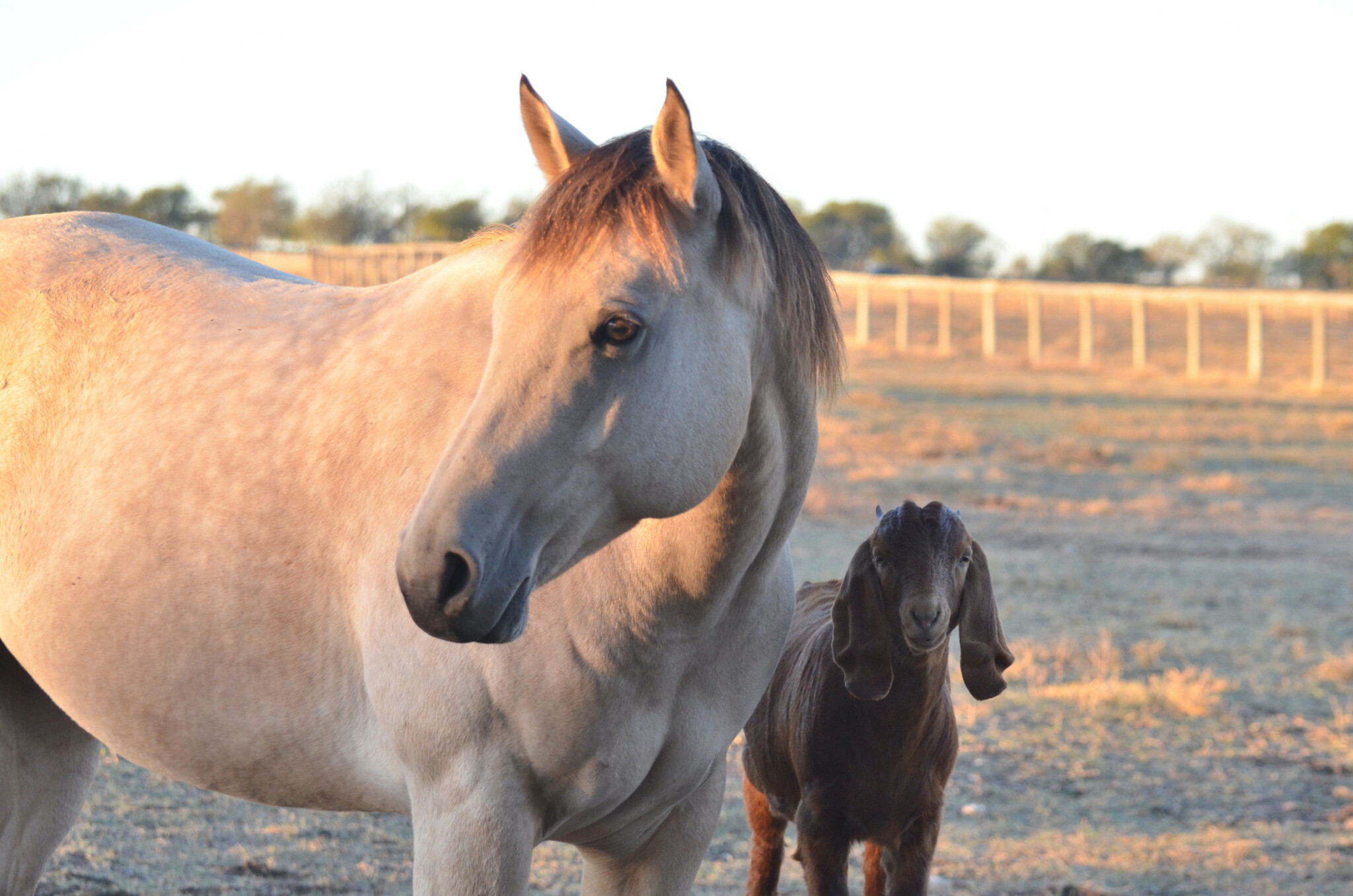
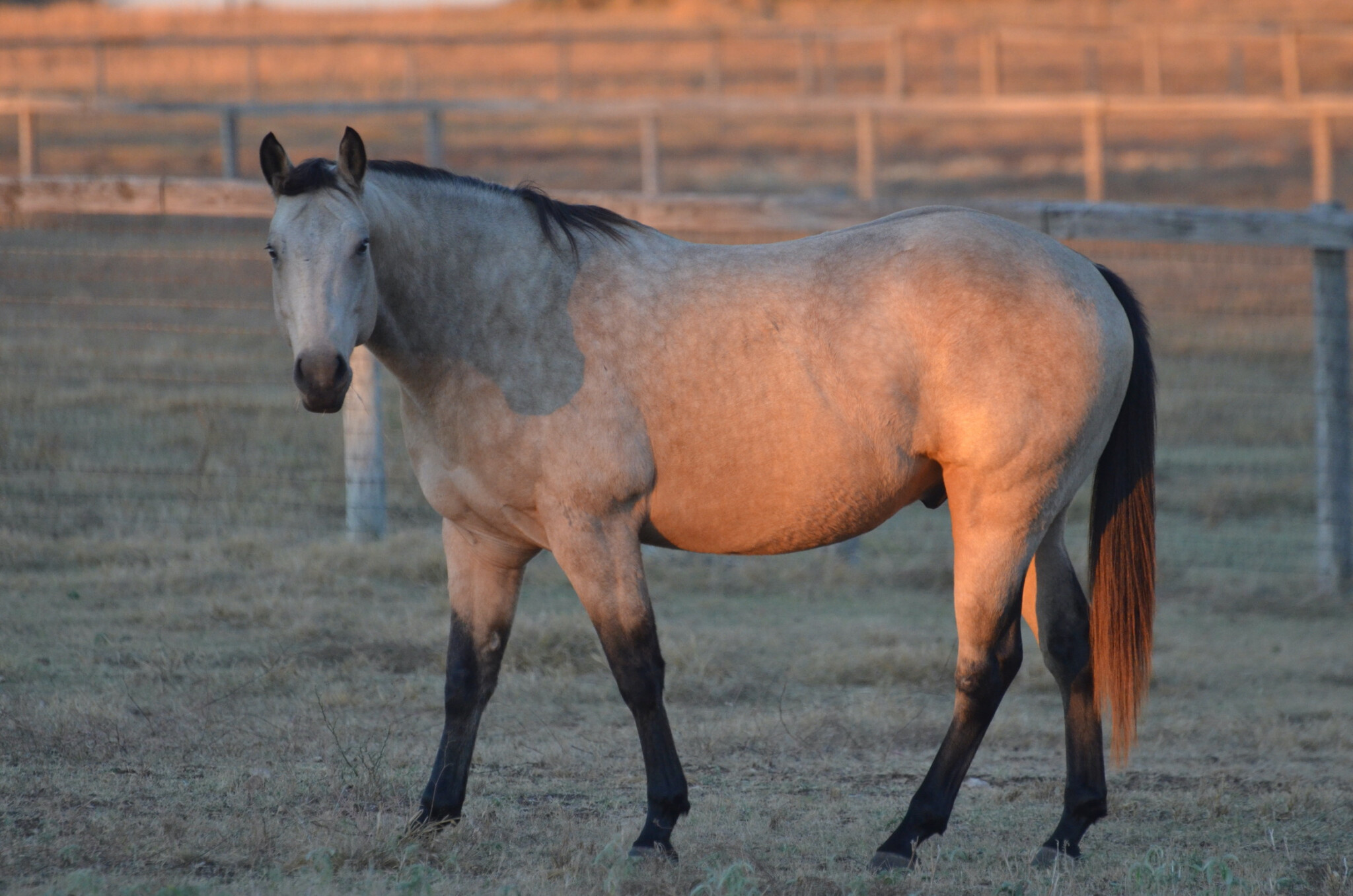
People often come to therapy to deal with difficult things in their lives, such as the loss of someone close to them. This was the situation for a sixty-year-old man who had lost his wife the previous year and was approaching the anniversary of her death. His goal was to learn how to connect with others again because after his wife died, he had withdrawn from all living creatures to minimize the pain of his loss. This man chose to work with Iris, a beautiful, strong-willed two-year-old buckskin filly. He laughed when he picked her, explaining that she reminded him somewhat of his deceased wife. “You’re bold and strikingly beautiful,” he told Iris. Iris reached out to him with her nose, asking him to touch her, but he backed away. Each time the man came for his session, Iris stood at the fence waiting for him. She greeted him with a gentle nose bump. The man smiled but would not touch Iris. He said he was too afraid of getting attached. He explained that he didn’t think he could survive another loss. The day of the anniversary of his wife’s death arrived, and the man came for a session to receive extra support. Iris greeted him as usual, but he was even more withdrawn and did not smile at her. She followed him as he walked to a spot under a grove of trees. She stood close, holding space for him, as he cried.
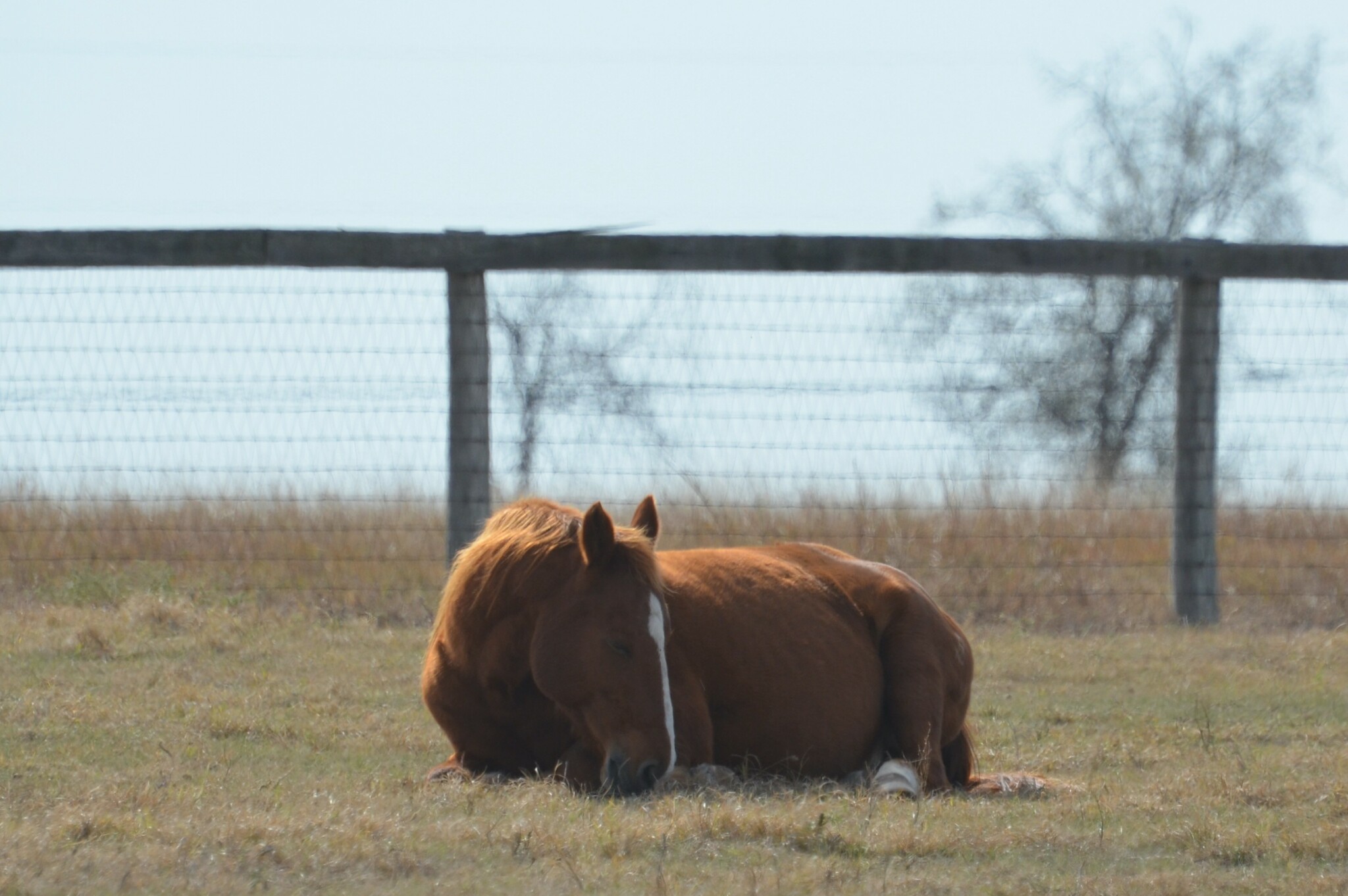
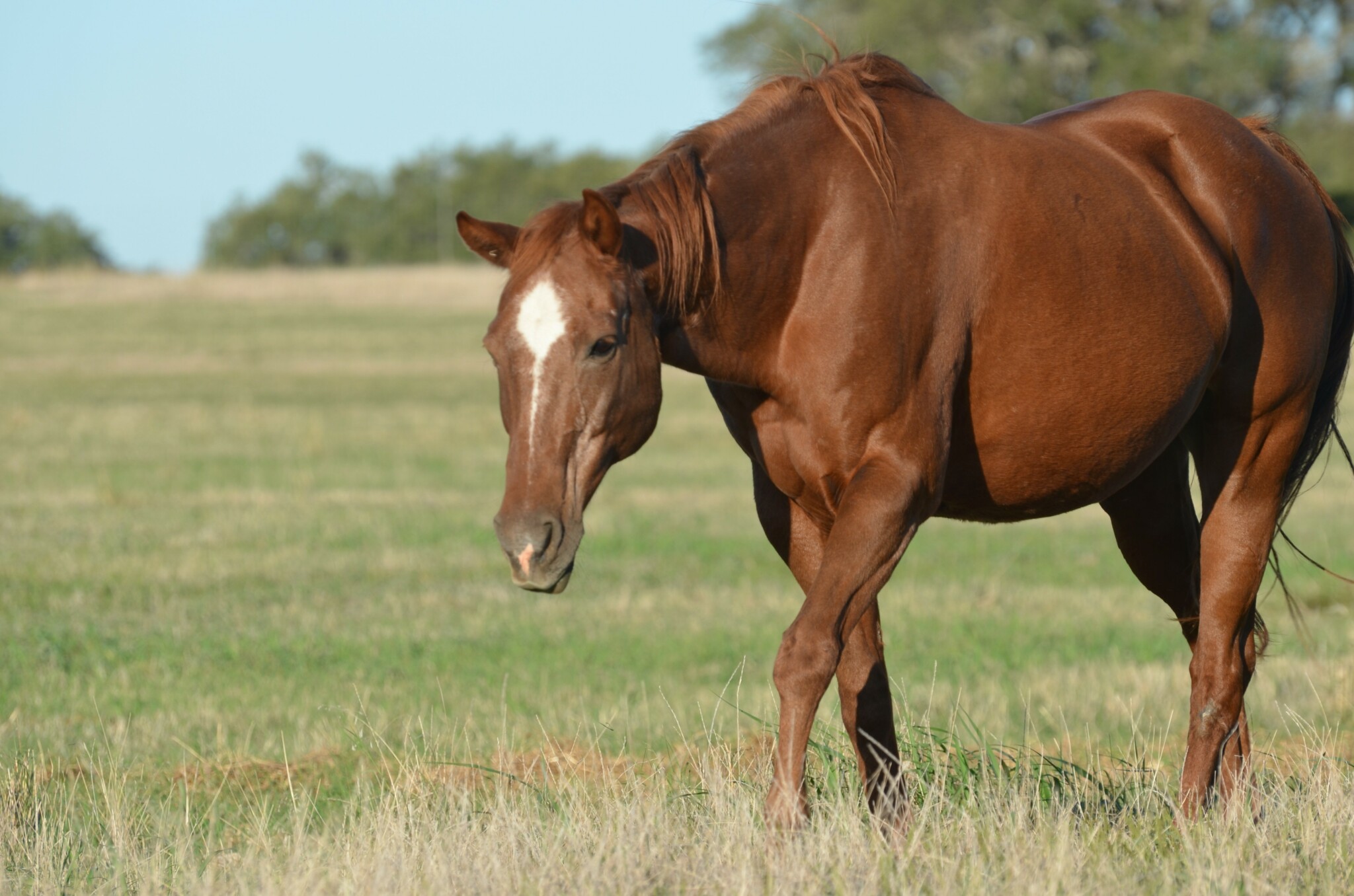
Our large, bay Thoroughbred, Cloud, approached. The equine professional asked Cloud to stay away, but he insisted that he get closer. He was so insistent that the equine professional asked Cloud to leave the area. She explained to the man that she asked Cloud to leave because he was being pushy. Cloud walked away, then circled around and found a way to reach the man. Cloud walked up to the man and stood with his nose inches from the man’s face. Then, Cloud took a deep breath and let it out. When the man did not breathe, Cloud took another deep breath. Cloud continued this way until the man took a small breath and let it out. Then, Cloud lightly placed his nose on the man’s shoulder. The man asked, “What is he doing?” I replied, “What does it feel like he is doing?” “Comforting me,” sobbed the man. Then, Cloud took a tiny step toward the man, placing his nose closer to his neck. With each passing minute, Cloud increased the amount of pressure he applied to the man’s shoulder until the man put his arms around Cloud, buried his face in his neck, and sobbed. Cloud stood very still as the man clung to him. Iris moved closer to the man and gently rested her nose on his back. After some time, the man stopped crying. He rested his cheek on Cloud’s neck. Cloud and Iris took deep breaths and let them out. The man did the same. He reached out a hand and touched Iris on her neck for the first time. He leaned his body against Cloud and rested in the circle of support from the horses. The barrier he had placed around himself after the death of his wife broke. Now, he could begin to receive support, care, and love from others.
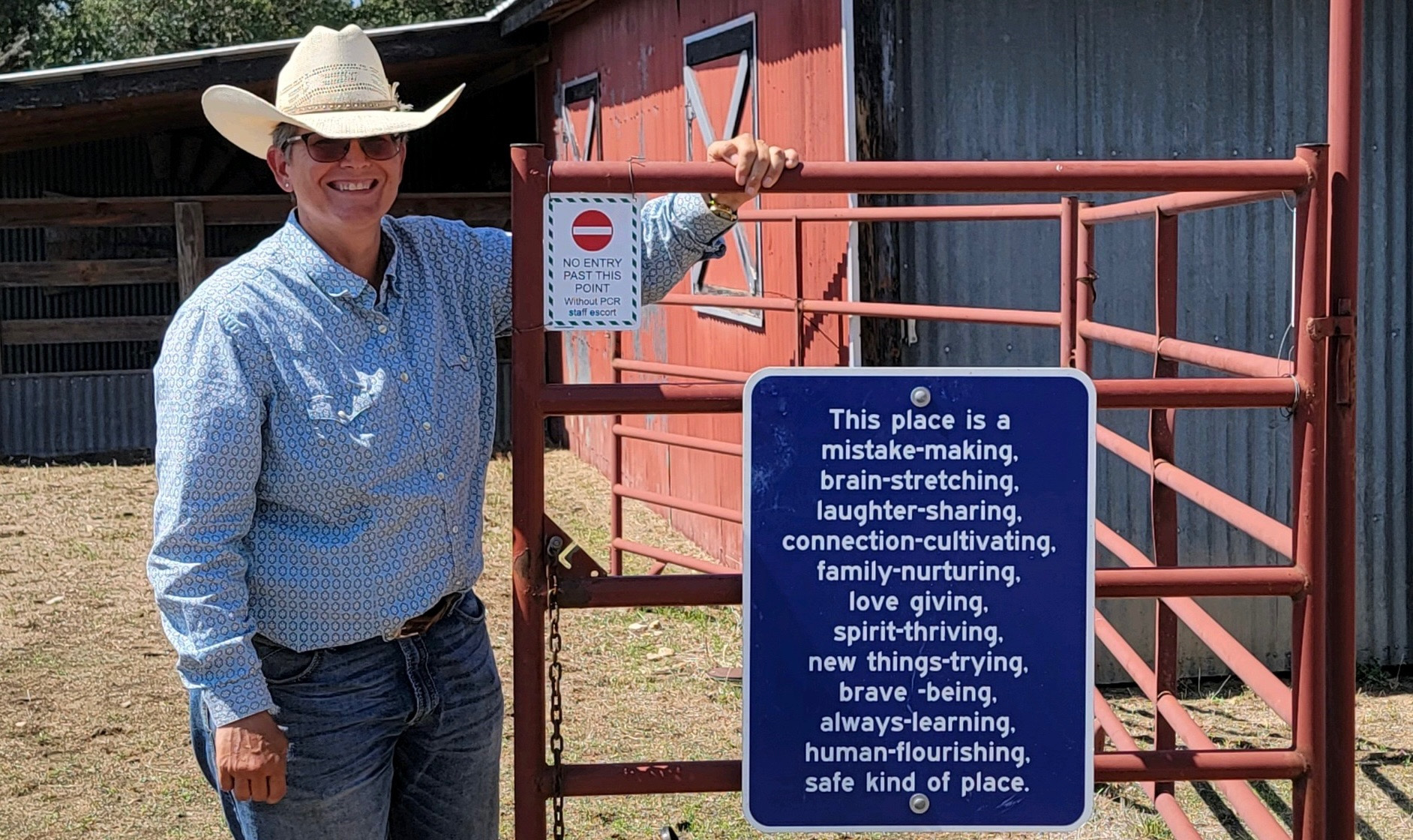
Rebecca, before we move on to more of these sorts of questions, can you take some time to bring our readers up to speed on you and what you do?
I have been a marriage and family therapist for thirty years; before that, I was a science teacher. While I cherished my role as an educator, I couldn’t ignore the suffering of my students, and I felt powerless to alleviate it. This deep desire to help them live better lives propelled me to pursue a master’s degree in counseling psychology.
In graduate school, I discovered that one of the skills I learned in childhood would be my superpower. I grew up feeling like an outsider when I was with people. Only with animals did I feel accepted and part of the inner circle. Animals were my support system and my best friends. Through my friendship with many different animals, wild and domesticated, I learned their complex and subtle language. Though animals do not speak words, they communicate well with their bodies. This ability to read and communicate non-verbally set me apart in graduate school. Much of helping people is understanding where they are in the moment and what is happening inside their bodies. Reading non-verbal communication at a deep level is how this occurs. So, I came to my graduate studies understanding something that most therapists never learn on a deeper level.
During my graduate studies, I discovered Dr. Frank Putnam’s research on dissociation in children. I was so intrigued by how the body protects itself that I devoted myself to understanding trauma, how it impacts mammals, and what we need to recover from it. Learning about dissociation fed both the science-nerdy part of me and the part of me that wanted deeply to help others. In 2001, my science-nerdy part began flourishing when a conference presentation introduced me to the neurobiology of trauma. My science background helped me connect with what I was learning and apply it to my work. I remember my boss telling me I was wasting my time. It’s funny how those moments stand out because I knew in my bones that this was the future of helping people. I persisted and soaked up everything I could about the neurobiology of the survival response and trauma.
In the mid-2000s, I discovered Natural Lifemanship and began working with horses and people. This work taught me the importance of being fully present, the impact this has on my communication, and my ability to help others. As a therapist, one of my most significant tools is my body because it helps regulate a client’s nervous system through safety cues. My body allows me to feel the subtle shifts occurring in a client, sometimes before the client is aware of it and almost always before they state it with their words. My body can feel these shifts from changes in a client’s nervous system state. The nervous system is our body’s alarm system, among other things, and it keeps us safe in the world. Yet, most humans no longer notice the shifts occurring in their bodies because they have learned to ignore this information. People who have experienced significant trauma are either acutely aware of their bodies or deeply dissociated from them. So much of my work with people is getting them back in touch with themselves and learning to trust their bodies again. This work sounds simple, yet it takes tremendous courage for people to face their fears, unravel the patterns of the past, and create new pathways in their brains and nervous systems.
I provide a variety of psychotherapy services, including individual, family, couples, and group therapy, where horses are part of the treatment. This type of therapy is often called equine therapy or equine-assisted psychotherapy. During my career, I have provided psychotherapy in various settings, including in an office, people’s homes, schools, and the community. However, my favorite setting is outside with our herd of nine horses and other animals. I find that working with horses on the issues in people’s lives gets to the heart of the matter quicker than working in an office setting. Working experientially in therapy allows people to experiment with changes they want to make and see the results of that change immediately in their relationship with their horse. Of course, it still takes time and repetition for that person to solidify that change. Doing is a powerful way to change behavior and to make lasting changes. Being outside and working with horses who are relational (not all horses are relational) provides input to people’s nervous systems that are regulating. This regulation assists them in doing the work they are there to do.
As part of my early therapeutic work, I wrote stories to facilitate healing. Two of my stories became children’s books, “The Gift” and “Kindness in A Scary World.” “The Gift” is about a young girl and a horse she receives for her birthday and their journey of friendship. A unique aspect of this book is the different perspectives. The first part shares the perspective of the girl’s journey, and the second part shares the horse’s point of view. I use this book in therapy with children and adults to help them deconstruct their relationships, discover what relationships they want in their lives, and how to create those relationships. “Kindness In a Scary World” is a book for children to help them cope with the violence they see happening around them. A publisher requested that I write this book to help children who saw terrorism on television. However, parents and helping professionals can use the book to help children who have witnessed violence in their neighborhoods as well.
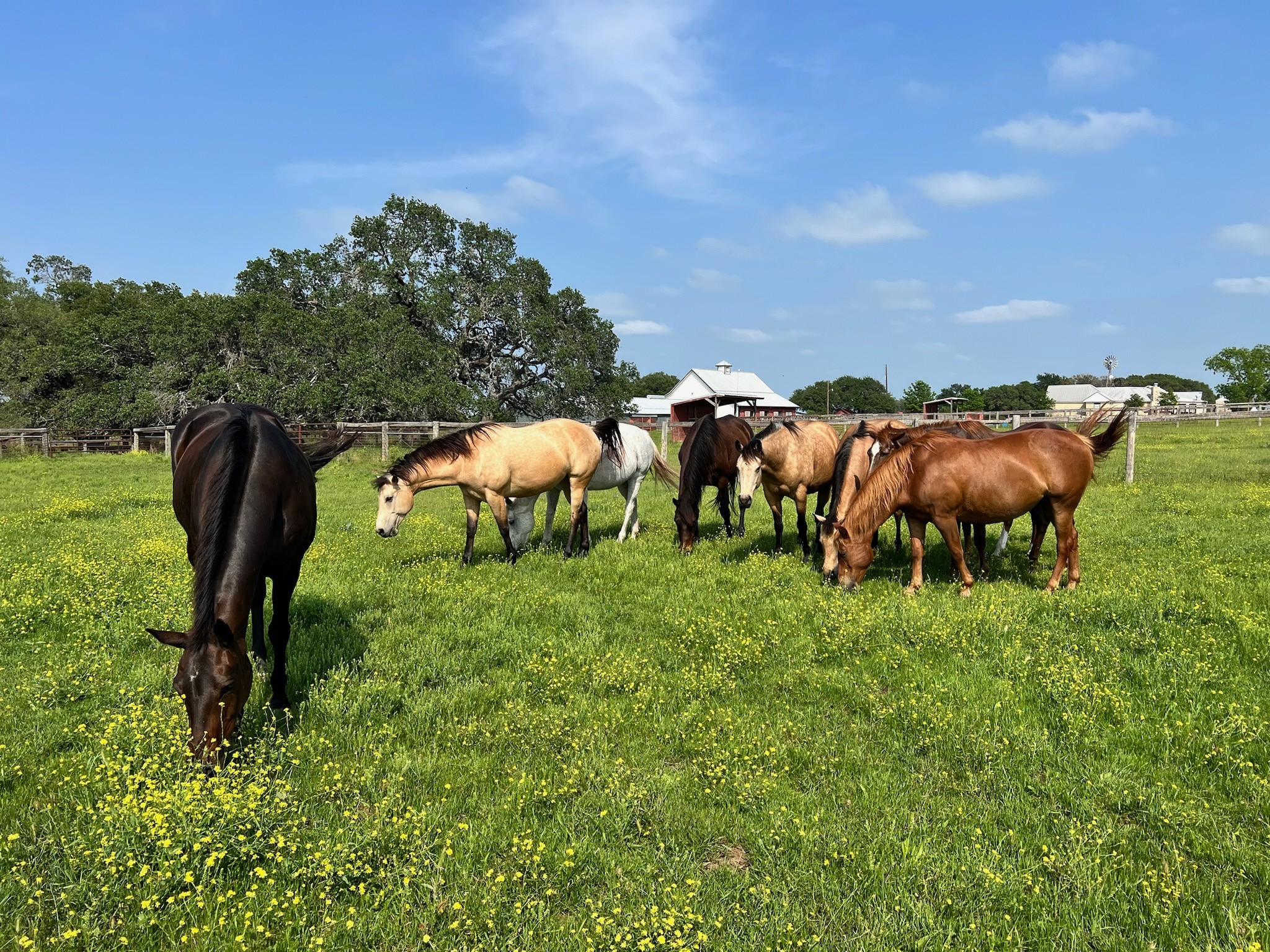
Many things set my work apart from other providers who also include horses in their psychotherapy services. My knowledge and expertise are certainly one factor, but our herd is the most unique factor. We have a herd of nine and interact with them using healthy relationship values and principles. So, our horses demonstrate emotional intelligence and understand how to have healthy relationships. They can make choices that are good for the relationship and be fully present with people who are struggling in their lives. We spend a tremendous amount of time helping our herd develop skills and expand their abilities to handle the unexpected.
In addition to psychotherapy, I provide consultation for professionals in the field who are working with people and horses in therapy and in other therapeutic services such as equine-assisted learning. I use my teaching skills as a Natural Lifemanship trainer in online courses, in-person practicums, and consultations to help people expand their knowledge of trauma and facilitate experiential work with people and horses. My business partner and I developed several products for professionals such as therapists, teachers, and medical professionals to help them understand the survival response of the nervous system and how to calm it.
Lastly, my business partner and I create workshops and experiences with our herd for organizations to improve their relationships and effectiveness. We specialize in helping organizations create healthy and safe environments that lay the foundation for innovation and creativity. When organizations work with us, we spend time understanding their situation and goals and develop unique experiences to meet their special needs.
Over the past thirty years, I have been proudest of helping people find hope, happiness, and meaning when they previously felt hopeless. I recall sitting with a young woman who had attempted suicide over twenty times and many times was almost successful. She told me that there was no reason for her to live because there was no hope that things would ever get better. She said, “I will always be broken.” My understanding of trauma and neurobiology gave me a deep belief that her life could change, and she could find hope and happiness. I said, “I know you can’t see the light at the end of this long and dark tunnel. But I hope you will trust that I can see the light and we can walk this road together until we reach it.” I will never forget how her grey eyes searched mine. “You don’t think I am broken?” she whispered. “No, I think you have done the very best you could to cope with horrific things, and you need someone to go into the dark and walk with you to help you find the light,” I replied.
This young woman allowed me to go on her journey with her, and she found the light at the end of the tunnel. Her life was full of hope, love, and happiness. Recovering from horrific things takes tenacity and immense bravery, both of which survivors have in spades. They need someone who understands the impact of the trauma, has the knowledge and skills to assist them in navigating the rough waters as they heal, and who knows the depth of their strength. This young woman later confessed that she didn’t believe I could help her because no one before me had, but she felt something very different with me, which gave her the strength to try one more time. She explained that I was the first person who was willing to enter the darkness and walk with her. I believe no soul should ever be alone in the dark. I want people to know that there is light at the end of the tunnel. You need someone who can see the light, who will go into the dark with you, walk with you, and help you reach it. These are the moments in my career I am most proud of.
How do you keep your team’s morale high?
Every business creator aspires to success, and to achieve it, we must harness our employees’ full potential. However, this can only happen when our employees feel safe, enabling them to work at a high level, be creative, and innovate. Fully understanding the dynamics of employee safety requires more time than we have here, but it is so vital to management that I want to introduce it to you.
When an employee feels unsafe, they are incapable of functioning at their highest potential because they cannot access their whole brain, only the survival part of it. This means that their focus and the information they process are limited to what will help them survive in that moment. So, they are unable to consider future needs and actions or think deeply about a situation or a problem.
So, what influences a person’s sense of safety, and what can we do as employers to create a safe work environment? First, we must understand a few basic things about our nervous system. Our nervous systems need other nervous systems to connect with to experience safety. Our bodies are designed to be interdependent and not independent. This means that our nervous systems perceive anything in our environment that suggests that we are alone as a threat to our survival. I know you are probably thinking that it has to be something huge for our nervous systems to perceive a threat. But what if I told you that a look from someone can send our nervous system into survival mode? Let’s pretend that I am at the coffee pot filling up my cup when a colleague walks by and gives me a facial expression of disgust. My body would respond before my thinking brain even registered my colleague’s face. My heart would start racing, my breathing would accelerate, and I may want to run from the room. This is my survival response activating. Why does something that seems so insignificant cause this reaction? On the surface, it seems trivial, but to our bodies, this is incredibly frightening because it can have an impact on our survival. If someone finds me disgusting, they can ostracize me and banish me from the tribe, which makes me vulnerable to attack.
As you can imagine, interactions like these happen often in the workplace, which means we and our employees frequently shift into and out of states of survival. As managers, we can be more effective when we identify an employee’s survival response and respond appropriately. In the scenario described above, dismissing my response as ‘silly’ would only intensify my survival response and hinder my work performance.
So, what should a manager do? To understand this, we must first understand the different survival responses. In the scenario above, my fight/flight response was activated. We know that because the energy in my body increased, and I wanted to run away. Our bodies can protect us in two different ways: Fight/flight and shutdown/collapse. You can think of fight or flight as the accelerator of a car; it increases your body’s energy to get you to do something to protect yourself. You can think of shutdown/collapse as the car’s emergency brake; it slows movement. Our body uses the shutdown/collapse pathway when it assesses that running and fighting will not be successful in keeping us safe. In the shutdown/collapse state, the body is preparing for injury.
We don’t get to choose which pathway our body uses. The choice happens outside of our awareness. However, people do develop patterns in their survival responses so that you can learn your preferred pathway and the preferred pathways of your employees. Though you may respond often using one pathway, your body uses information about the current situation to determine the best course of action, which may not be the response you use the most.
An employee in a state of fight or flight may be fidgety, defensive, argumentative, emotionally reactive, and displaying rigid or concrete thinking. An employee in a state of shutdown/collapse will show less movement, may even fold in on themselves, struggle with articulating their thoughts, display concrete thinking, and be passive in their responses and interactions. If they feel extremely unsafe, they will faint and lose consciousness. Recognizing these survival states is crucial, as your response can either escalate the employee’s condition or help them regulate their body and shift out of the state. The goal is to co-regulate with them. Co-regulation sounds complicated, but it is using your nervous system to calm the person by showing them they are safe. Some ways to do this are to relax your body, use normal or slower, predictable movements, soften your face and eyes, and use a higher tone of voice and a sing-song voice rhythm. You may recognize these behaviors as things we do to calm babies. We do these behaviors with babies because that is what our nervous systems need to soothe.
When an employee is in a state of fight or flight, you do not want to increase your energy or use your body in any way that increases the amount of the threat the employee is experiencing. For example, if an employee is being defensive and argumentative, the worst thing you can do is argue back. Think of your employee as being on fire when they are in a fight/flight state. You want to act in ways that lessen the fire and eventually put it out. If you argue back, you are pouring gasoline on a fire, which will cause the fire to explode.
Some ways to douse the fire are if you are in front of them, move slightly to the side; this gives them an escape route, soften your face, eyes, and voice, and sway from foot to foot. Swaying in this way calms their nervous system because it is rhythmic, patterned, and repetitive. Our nervous systems love rhythm and predictability! It is why we bounce babies and move them from side to side. Of course, we can’t do that with an adult, so we have to find ways to provide the nervous system with the same experience. To do this with adults, we use the person’s senses. Swaying provides visual rhythm. You can also create a rhythm on the side of your leg, which creates an auditory rhythm. Making your voice more rhythmic, like in a sing-song pattern, creates the same effect. State back to the employee what you hear them saying. Do not try to move on in the conversation with the person until the person shifts out of fight/flight because they are not thinking clearly.
When an employee is in a state of shutdown/collapse, they are preparing for mortal injury. You can imagine that they are trying to shrink their way into non-existence. You will need to increase your presence and energy in a caring way to stop their shrinking. Many of the same things you did with the person in a state of fight or flight will work, like giving the person visual or auditory rhythmic cues. But because the person is shrinking, you will need to use more energy, whereas with the person in fight or flight, you need to keep your energy the same. If the employee is capable of movement, you can ask them to take a walk with you, which will help their bodies calm. You can also ask them to find different colored objects in the environment.
Often, a person who goes into a state of shutdown/collapse will come out of it into fight or flight. So, do not be surprised by this. It is normal. Continue to help them until their nervous system is calm.
Another aspect of relational safety is attunement. We think of attunement as being seen, heard, and responded appropriately to in both spoken and unspoken ways. When we attune to others, we notice when they shift their nervous system states and respond in ways that help soothe them. For instance, a manager who is providing information to an employee notices a shift in the employee’s breathing, a tightening of their jaw muscle, and a hardening of their eyes. Instead of continuing to provide the information, the manager asks about the change. “Bob, do you have some thoughts about this?” Bob now has the opportunity to state his concerns. If he does not, the manager can circle back later and inform Bob that he noticed his body tighten up during the presentation and that he wants to hear what Bob was responding to. When the manager does this, it lets Bob know that the manager listens to him deeply and cares about his perceptions and thoughts. This interaction builds the manager’s relationship with Bob and potentially provides the manager with information they may not have received otherwise.
We can identify healthy workplaces by their level and quality of attunement. Relationships characterized by attunement place a high value on the both-and. Both-and thinking involves considering both aspects of something as important instead of valuing one side over another, as we do in either-or thinking. If I have a company that operates from an either-or perspective, I will believe that I can either make money or have happy employees. If I run a company from a both-and perspective, I believe that I can have both a profitable business and happy employees.
A both-and environment gives employees the space and courage to create and innovate through the knowledge that each individual is unique, valuable, and respected and that the needs of the company will not crush the employee’s needs. In an both-and-environment, the needs of the employee and employer are essential to the partnership, and neither is more important than the other. There is a balance so that the needs of the employer and employee are both met in the partnership. Careful consideration is needed because decisions that appear to be good for both in the short term may be detrimental for one in the long term.
One way to implement both-and thinking is to provide bidirectional evaluations, at minimum. Bidirectional evaluations give the employee the opportunity to evaluate the manager. This demonstrates that the organization values all voices in a company, prevents one voice from having all the influence, and highlights that every aspect of the organization is vital and needs to grow. Workplaces that value both-and thinking instead of either-or thinking are healthier, provide more opportunities for innovation, and have higher employee satisfaction and retention. A both-and perspective can prevent an organization from neglecting its employees’ needs and limiting their ideas. It also lays the foundation for the importance of and respect for diversity.
A safe workplace environment has a predictable rhythm; rhythm can be as simple as how individuals greet each other in the morning or the conversation around the coffee pot before the workday begins. Giving your employees regular or scheduled feedback and raises are part of creating predictability and rhythm in the workplace.
How we provide feedback to employees is another opportunity to inject a predictable rhythm into your organization. As individuals grow, they require information about their interactions with others and their job performance. In a healthy organization, it is just as important to highlight the individual’s strengths and the areas where they excel as it is to discuss areas of growth. This is another example of implementing both-and thinking. Healthy companies understand that everyone has areas of growth. Growth is vital to any system, and employers should see it as part of their system’s vitality. If managers expect their employees to interact professionally and show concern for the customer, managers must interact with their employees professionally and show concern for them. Employees cannot give what they have not been given.
Another part of rhythm and predictability is how you and your team express yourselves. When employers and employees use more or less energy than necessary to express themselves, it creates an unpredictable environment and an arrhythmic dance within the company. Have you ever had a boss go on a rant and scream at you when a simple “no” would have sufficed? In this example, the boss used more energy than was necessary. This boss was arrhythmic in his response. An unpredictable and arrhythmic environment engages the survival response and causes individuals to function out of the lower regions of their brains, impacting the quality of work as well as the innovation capability of the company.
Creating a safe and healthy workplace environment requires new skills and a new understanding of people. The information is easy to learn yet difficult to implement. One of my passions is helping managers and organizations develop these skills and implement them effectively to create workplaces that feel safe and enhance performance.
We’d love to hear a story of resilience from your journey.
When Reccia Jobe and I started our business, we did not take out loans because we did not want to incur significant debt. We started very small and on a shoestring. Though this was our plan, we did not know how hard it would be. Since the business could not financially support us, I worked full-time while we built our business. As our business grew, I worked full-time at both my job and the business until I could quit my full-time job. I don’t know that doing it that way is advisable because all I did was work. My social life and having time off took a back seat for many years.
We initially operated our business out of a barn where I boarded my horses and saw clients on the weekends when I was not working my full-time job. During sessions, we struggled with privacy for our clients and the chaos of an active barn. Though this was less than ideal, it was the best we could do. From this, we learned a valuable lesson about the environment we wanted to create and provide for our clients.
When we could pay a lease, we moved. The new place did not have an office or a bathroom, so we held all our sessions in the pasture. However, we were able to control the emotional environment for our clients. We and our clients had to deal with thick mud after rain, freezing temperatures in the winter, and searing heat in the summer. But we didn’t let these challenges stop us. Working around the weather was challenging since we had no office to retreat to when the weather was poor or a place to do our paperwork. One day, the wind blew so hard that all my paperwork flew across the pasture and plastered itself on the fence line. Luckily, it was blank paperwork and did not have any confidential information. I remember seeing the paper fluttering on the fence and feeling flustered, but the client just chuckled. The weather created many moments of chaos, but we didn’t give up.
We had a rundown barn where we kept the feed for the horses that we used for shelter when it rained, though it leaked, so we had to place ourselves and our clients strategically. It was also deafening when it rained hard, making it difficult to hear each other, which limited the services we could provide during poor weather. Also, it was not a secure structure, so if the weather was severe, we had to cancel sessions, negatively affecting our bottom line. But we didn’t let these challenges deter us. We always found ways to work around them. The clients who started with us at the beginning saw their perseverance through these obstacles as a badge of honor. In our barn hangs a Wordle that a client made us; the largest word is “mud!”
Not having a place to warm up in the winter or cool down in the summer was challenging. However, it wasn’t as hard as not having a bathroom on site. We had to drive to nearby businesses to use the bathroom and inform clients to use the bathroom before coming. Though it didn’t impact the quality of our services or our client’s overall experience with us, it was an inconvenience. When we could afford it, we rented a port-a-potty. I remember feeling so delighted when it arrived! In the winter, when my tush froze, I was still incredibly grateful!
After a year, we secured a small building for an office, which was life-changing because we had a place to meet with clients when the weather was poor. We no longer had to cancel sessions due to weather. We still did not have a proper bathroom because there was no plumbing to connect us to water, and we did not have the money to make it happen.
After six and a half years the land we leased was sold and we had to relocate. Finding a new place to lease was challenging, but we secured a new lease twenty minutes from our old place. The new place has twice as much land, grass (so less mud), a beautiful barn with an office, and a working bathroom. Every day, we are grateful to be in such a lovely spot! The environment is calm and soothing. Our clients and horses have enough room to roam, play, and explore.
If I were to do it all again, I would do it the same way because we don’t have significant debt hanging over us as we continue to build our business. Our experiences have made us extremely grateful for each other and the little things, like a bathroom. It really is the little things that bring us joy. In life, you are always sacrificing something, whether that is the stress of debt, the lack of amenities, or a social life and time off. When you start a business, you have to choose. We chose to start small. It was tough. It still is, sometimes. But we know from our past that we can preserve and overcome anything. We’ve built a successful business, and the lessons we’ve learned along the way have been invaluable. Every day, we are grateful!
Contact Info:
- Website: https://www.pecancreekeap.com/
- Instagram: https://www.instagram.com/pecancreekeap/
- Facebook: https://www.facebook.com/pecancreekeap
- Youtube: https://www.youtube.com/@pecancreekranch1203