

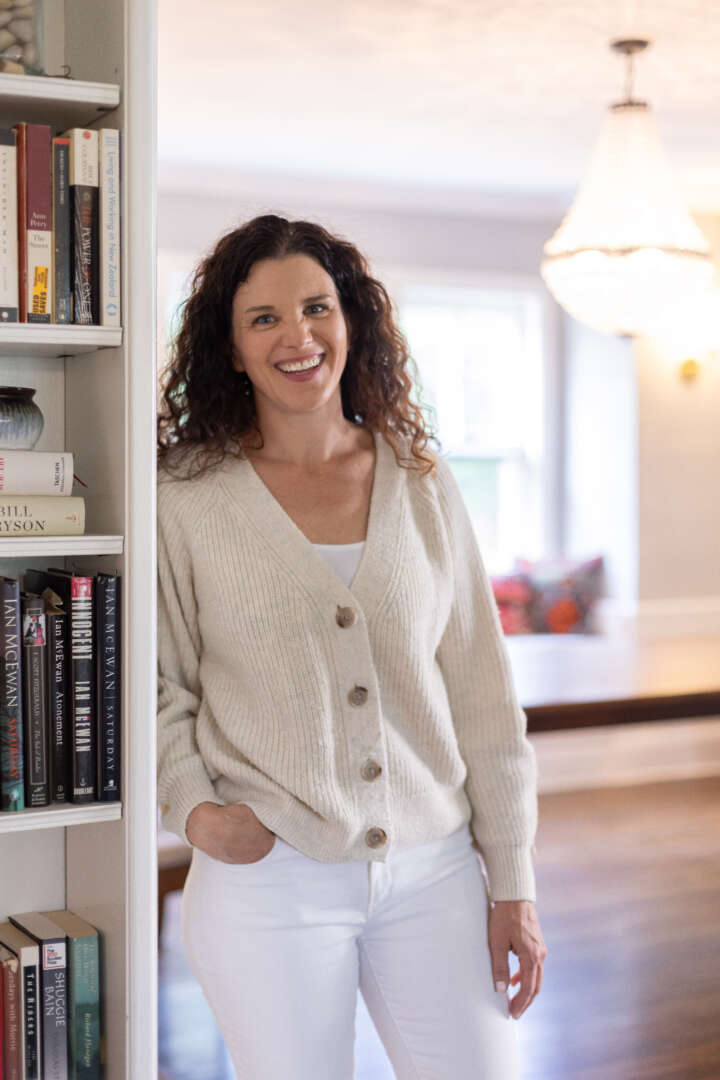

We caught up with the brilliant and insightful Rebecca Fellenbaum a few weeks ago and have shared our conversation below.
Alright, Rebecca thanks for taking the time to share your stories and insights with us today. So, let’s start with a hypothetical – what would you change about the educational system?
In 8th grade, I felt picked on by my social studies teacher. I felt like she always had a critical eye on me, just waiting for me to mess up or step out of line. I was a diligent, quiet student who mostly flew under the radar. This negative attention was new to me. I felt scared and nervous in her class. One day she accused me of speaking out of turn and gave me a detention. I felt rejected, confused, unfairly targeted, and mad. I had no one to process those emotions with, nor the skills to do so. Instead, I steeped in resentment, worried about the trouble I had gotten into. The lesson I learned was that some people will treat me unfairly. That scared 13-year-old stayed frozen in time until I went back and reparented her.
This experience helped cement my belief that we should teach kids how to feel their feelings. Processing emotions is key to becoming a whole person. As a mom, I noticed my kids were taught emotions in preschool and kindergarten using picture charts with sad, happy, angry, and a few other faces. Kids were asked to select the face that most represented how they felt. This is a great place to start.
Once they identify their emotions, we also need to model and teach skills for processing them. When we hold onto emotions they become stuck, and they can rear their little heads later in the form of anxiety, depression, rebelliousness, and other undesirable behaviors. According to Dr. Jill Bolte Taylor, emotions metabolize in 60-90 seconds if we don’t attach a story to them. If we teach our kids to sit with and allow feelings to pass through, they will grow into emotionally healthy adults.
We can help our kids learn to feel their feelings when we stop telling them:
How to feel
What to (or not to) feel
Not to cry or to stop crying
Feelings are good or bad.
Like the emotions on a picture chart, it’s a good idea to check in with kids of all ages about their feelings and welcome the wide range of emotions that might come up. Kids should also know that strong, uncomfortable feelings are normal. We do a disservice to our kids by not talking about emotions and leaving them isolated and alone in processing them. Let’s normalize talking about feelings! This must be done at school because school can be the natural equalizer where kids of all backgrounds receive the same message. However, it’s important to get this in front of parents, coaches, other caregivers, and our communities so we adults can model healthy emotional regulation.
Through my coaching work, I was able to revisit my inner 13-year-old and ask her what she needed to hear. She wanted an adult to ask her how she felt when she got the detention. She told me and I was able to validate her feeling that it was unfair. She let it go, processed her emotions around her detention, and moved on. If we can do that with our kids, they will release little “t” traumas and process events in real-time. This will go a long way in raising healthy, emotionally mature adults.
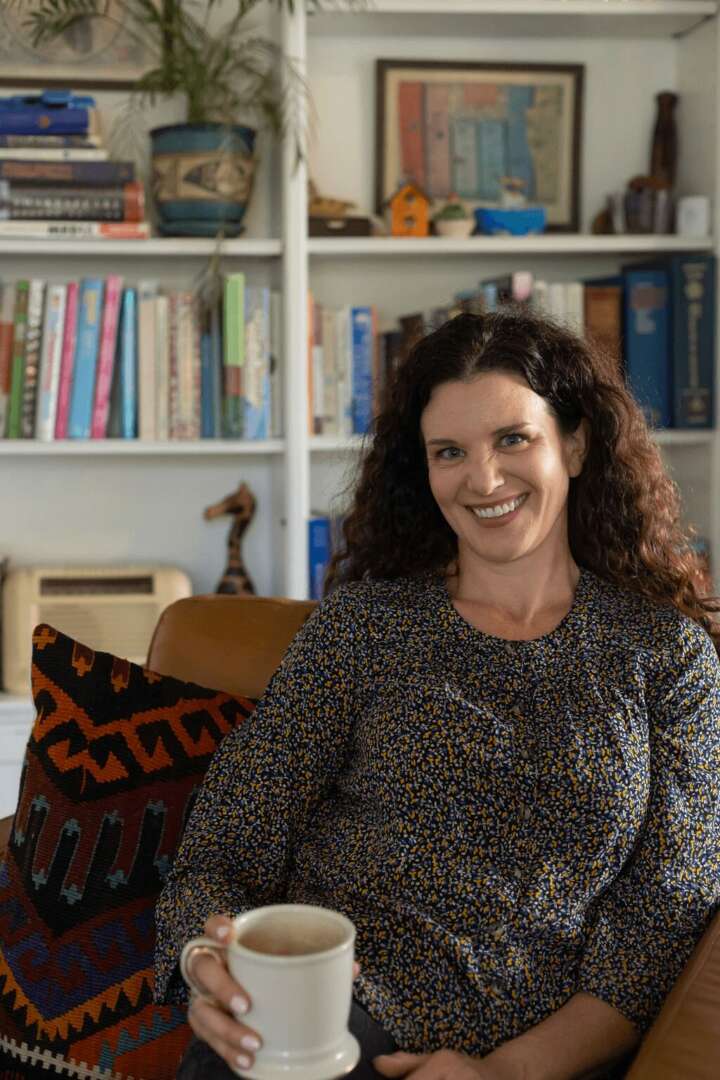
As always, we appreciate you sharing your insights and we’ve got a few more questions for you, but before we get to all of that can you take a minute to introduce yourself and give our readers some of your back background and context?
I am a Certified Adult Chair® Coach, blogger, and mom. I help moms who have made it on the outside feel great about themselves on the inside so they can enjoy their lives, kids, and families. I help people learn to live as their true selves, dropping their masks to tap into their intuition. Then they can make decisions and care for themselves and their families from a place of groundedness and awareness.
Many of my clients are high-achieving women with successful careers, families, and education, and they look like they have it all. But many struggle with feeling good enough in their roles and satisfied with how they show up in their lives. As a life coach, I provide a safe and supportive space for my clients to explore the thoughts, beliefs, and patterns holding them back from fully enjoying themselves and the lives they have built. As an intuitive guide, I help them get curious about and reframe limiting beliefs, develop self-compassion, and reprogram their subconscious parts.
I feel strongly that us moms (and dads) deserve support to enjoy this time more and I am uniquely positioned to help because I’ve been there. When I had my daughter in 2012, I felt disconnected from myself and the life I had built. It made it hard for me to fully enjoy my family. Through my healing journey, I internalized the ideas of listening to my intuition and feeling my emotions. The voices in my head changed from outside experts to my inner voice. I learned to respond, not react. I met my inner child and allowed her to come out and have fun. I started to work on myself and saw my relationships improve as my perspective changed.
I love what I do! I am humbled every time a beautiful soul chooses me to play a role in their healing. I believe that this coaching model, The Adult Chair®, is powerful. I’ve seen moms go from self-sabotaging to building strong connections with themselves and their families in just a few short sessions.
One client, who felt like they didn’t have time to care for themselves, told me that she eats the crusts off her kid’s lunch plates and doom scrolls well beyond when she meant to go to bed. We explored where her belief that she could get by without prioritizing herself came from. It was a belief from early childhood that she changed by connecting with her younger self. Now, in caring for herself, she has empowered her kids to do more around the house, models self-care and goes to bed feeling grateful for another day with her family.
If you are stuck, unsatisfied, self-sabotaging, or disconnected from yourself and your family and want to enjoy your life more, please reach out. I would love to connect with you. You can learn more and reach me at rebeccafellenbaum.com.
Learning and unlearning are both critical parts of growth – can you share a story of a time when you had to unlearn a lesson?
When I started on a journey of self-discovery, I became aware of patterns and beliefs that no longer served me. Most of these beliefs were adopted during childhood when I observed the world without discernment. In adolescence, as it does for everyone, my ego came on board to keep me safe and fitting in. I had a childhood belief that I wasn’t worthy of being my true self – that the real me was too much. I adopted many behaviors to succeed and please others to make things go smoothly in my environment and cover-up that painful belief.
I discovered this belief as I learned the patterns that kept me from fully enjoying my life. I often felt like an observer of my life, rather than a full participant. Through deep inner work, I journeyed inward and met my inner child. She was sad and alone, feeling overlooked and unnoticed. From my adult self, I dialogued with her and asked her what she needed. By earning her trust and telling her she was worthy of love and of being herself, she changed from scared to empowered. With this new belief, my ego moved aside and my healthy adult self took charge.
I learned I am worthy of being me. My worth doesn’t come from what I do or how I please others.
Any advice for growing your clientele? What’s been most effective for you?
Authenticity. I approach my coaching business from the gracious place of my “why” every time I speak with someone, post a blog, write an email, or engage on social media. I strive to be embodied and model authenticity for the beautiful souls I have the honor of meeting. To decide on my next action, I lean into those that feel expansive. I nurture individual relationships. I am myself in every interaction. And when I slip up (as we all do), I apologize. I am grateful that I get the chance to be a coach, live my dream, and serve others, and I thank my clients and community at every opportunity. Each relationship is precious to me.
Contact Info:
- Website: www. rebeccafellenbaum.com
- Instagram: https://www.instagram.com/rebeccafellenbaum/
- Facebook: https://www.facebook.com/rebecca.fellenbaum
- Linkedin: https://www.linkedin.com/in/rebeccafellenbaum/