

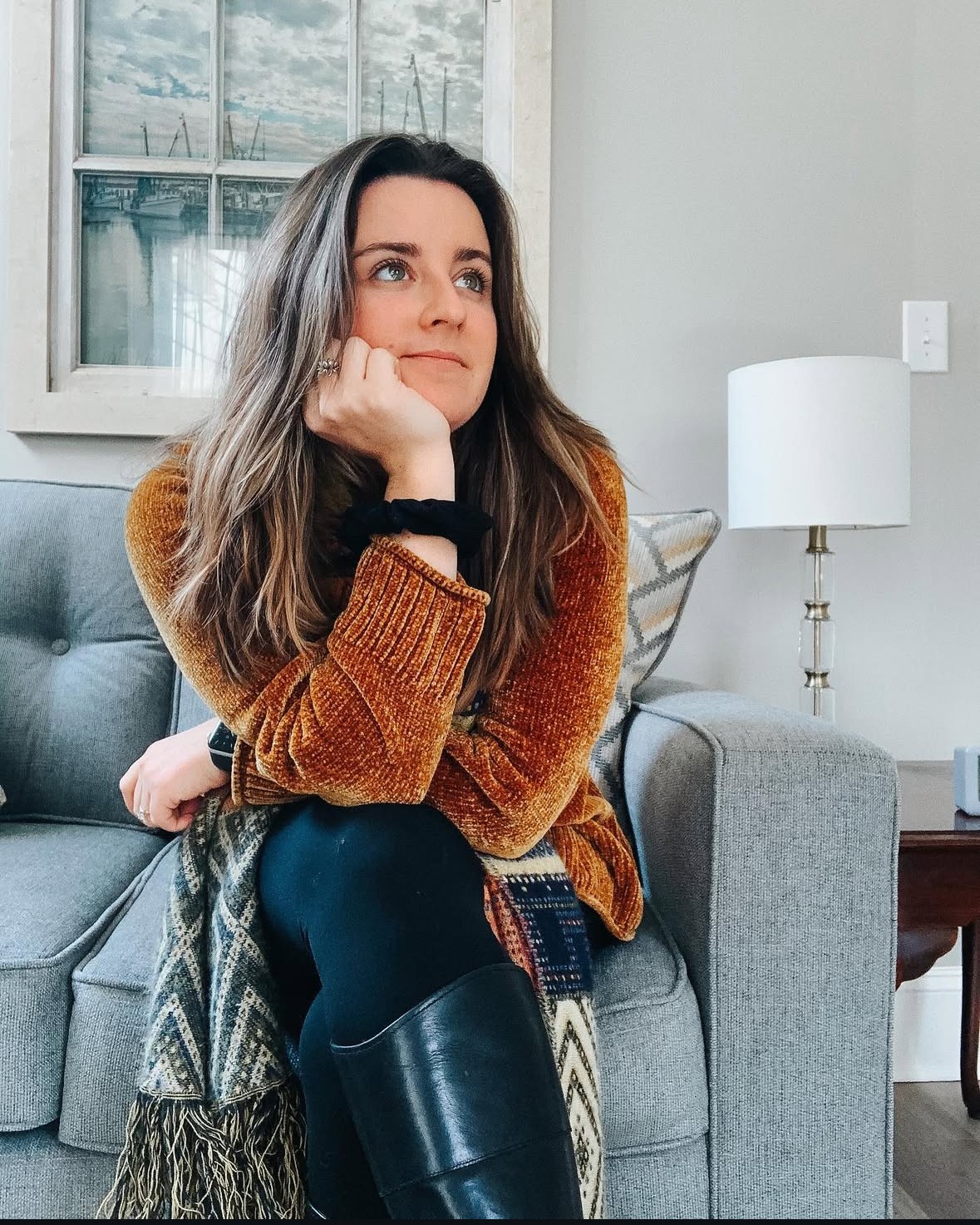

We caught up with the brilliant and insightful Rebecca Cooney a few weeks ago and have shared our conversation below.
Rebecca, thanks for joining us, excited to have you contributing your stories and insights. We’d love to hear the backstory behind a risk you’ve taken – whether big or small, walk us through what it was like and how it ultimately turned out.
For years, I followed the path that felt stable: salaried jobs at group practices, W-2 safety, someone else handling the admin chaos. It was steady, predictable, and “safe.” But somewhere along the way, I started feeling boxed in. My caseload wasn’t quite the fit I wanted. I was passionate about trauma work, EMDR, nervous system healing — and I wanted more creative control, more space to shape the kind of therapy I believed in.
The real turning point came in 2023, a few months after my daughter was born. Suddenly, the “safe” option didn’t feel so safe anymore. I was burnt out. My schedule was unsustainable. I was pumping between sessions and barely had the energy to parent, let alone take care of myself. I realized: if I kept going like this, I’d start resenting the work I used to love.
So I took the leap. I gave notice. I left the group practice. I opened my own private practice.
The risk? Losing financial security. Losing the steady stream of referrals. Not knowing if clients would find me. Not knowing if I’d make enough money to maintain my lifestyle — let alone grow a business.
The outcome? It wasn’t instant, but it was powerful. I built a caseload of aligned clients, doing the work I felt called to do. I found my rhythm as a clinician, business owner and a present mother. I leaned into marketing and community-building in ways I’d never expected. I said yes to new roles that scared me—like creating a community event for local therapists (Psych & Sip) and growing Moxie out of infancy while my actual infant became a wild toddler. Somewhere along the way, I uncovered a whole new layer of confidence.
It was the kind of risk that shakes your nervous system and teaches you to trust yourself in a whole new way. I’m so glad I jumped. The freedom, the alignment, the deep breath that comes from doing work that feels like mine—it was worth every unsteady step.
Awesome – so before we get into the rest of our questions, can you briefly introduce yourself to our readers.
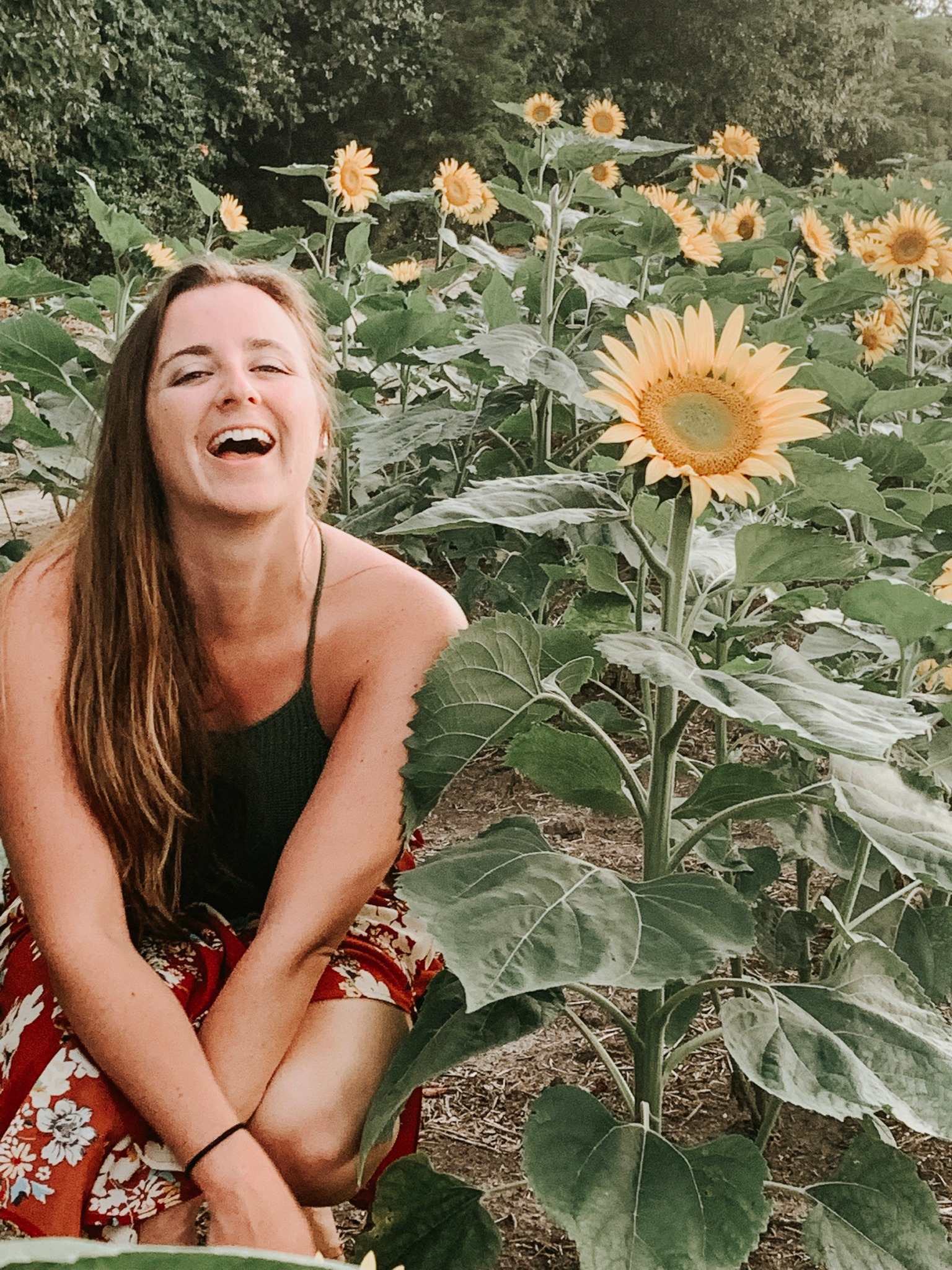
Hey there, I’m Rebecca — a trauma therapist and the founder of Moxie Mental Health, a private practice built for people who are ready to stop just surviving and start actually living. I specialize in helping millennial adults heal from complex trauma, navigate relationship struggles, and reconnect with the parts of themselves they’ve had to silence to get by.
My approach is deeply rooted in IFS (Internal Family Systems) and EMDR, two powerful modalities that help clients process pain, regulate their nervous systems, and build more self-compassionate, empowered lives. Whether you feel stuck in old patterns, overwhelmed by emotion, or just off in ways you can’t quite name — my work is all about helping you understand why and begin to shift things from the inside out.
I got into this work because I’ve experienced firsthand how trauma can shape the way we show up in the world — and how transformative it can be to finally feel safe enough to show up authentically. I created Moxie Mental Health to be a place where clients don’t have to choose between deep clinical work and real human connection. Therapy here is relational, evidence-based, and rooted in the belief that healing is possible when you don’t have to do it alone.
In addition to one-on-one therapy, I also run a group program for women called “Embrace Your Moxie” — a space for women to explore emotional regulation, identity, boundaries, and nervous system healing in community with others who get it. It’s honest, empowering, and full of permission to take up space. Every “Embrace Your Moxie” group is 16 weeks long, fully virtual and results in deep healing, beautiful connection, and—of course—a group chat that lives on long after the sessions do. Healing, but make it sisterhood.
What sets myself and my practice apart is the way we balance depth and warmth. I’m not a “smile and nod” therapist — I’m collaborative, I swear sometimes, I laugh with my clients, and I believe in bringing your whole self into the room (yes, even the messy parts). I care deeply about this work, and I bring my full self to it.
I’m most proud of the safety and trust my clients say they feel with me. Watching people come home to themselves — to their bodies, their boundaries, their stories — is an incredible privilege. If you’re considering therapy and wondering if now is the right time, know this: you don’t have to have it all figured out to get support. You just need a little bit of curiosity and a willingness to begin.

Other than training/knowledge, what do you think is most helpful for succeeding in your field?
Aside from training and clinical knowledge, I think the most important qualities for succeeding in this field are self-awareness, emotional resilience, and authenticity.
Therapists carry so, so much — we hold space for deep pain, sit with uncertainty, and witness the hardest chapters of people’s stories. So having a strong relationship with yourself is essential. You need to know your triggers, your boundaries, and your blind spots. The more attuned you are to your own nervous system, your own healing work, your own limits — the more grounded and effective you can be in the room with clients.
Emotional resilience isn’t optional in this work — it’s everything. Yes, therapy can be beautiful, transformative, even sacred. But it can also be unbelievably heavy. You have to sit with discomfort, hold space for contradictions, and keep showing up — even when your own life feels like it’s on fire. That kind of presence doesn’t happen by accident. It takes care systems that go beyond bubble baths. Think: supervision that nourishes, movement that grounds you, rest that’s actually restorative, and creativity that reminds you who you are. Your nervous system needs and deserves as much tending as your clients
And lastly, authenticity. Clients can tell when you’re being real. You don’t need to be perfectly polished or sound like a textbook. In fact, being human — stumbling over your words, owning a mistake, showing up real — often builds more trust, not less. People don’t heal from perfection. They heal through connection. If you can bring warmth, presence, and a willingness to be real — while still holding ethical and clinical integrity — its magic.
Therapy is both an art and a science. The knowledge gets you started. But it’s who you are, how you show up, and how you care for yourself in the process that sustains you.

If you could go back in time, do you think you would have chosen a different profession or specialty?
Yes — without a doubt, I would choose this profession all over again. I feel deeply called to do this work. Being a therapist allows me to use both my heart, my humor and my brain in a way that feels incredibly aligned, and I’m grateful every day that I get to do it.
Looking back, I can see how each stage of my life prepared me for this path in a really meaningful way. Going to West Virginia University was definitely an experience — part college party scene, part real-world emotional boot camp. It wasn’t all polished or perfect, but it was exactly the place where I learned how to navigate all kinds of people and situations. Between late-night conversations, diverse social circles, and figuring out how to hold my own in a sometimes chaotic environment, I developed real social intelligence and emotional grit.
In a way, WVU was my unofficial training ground for learning how to connect — not just academically, but on a human level. That skill has been invaluable in therapy, where being able to meet people where they are and build trust quickly makes all the difference.
My first job in mental health was working with individuals with serious mental illness (SMI) — first at a nonprofit, and later at Johns Hopkins. That work was intense, humbling, and incredibly formative. It taught me how to sit with deep suffering, how to stay regulated in chaos, and how to see the person behind the diagnosis. It was in those early years that I really developed the capacity to hold complexity — and the belief that people are always more than their circumstances.
At the same time, I come from a family of entrepreneurs, and that background quietly shaped my confidence and vision for building something of my own. It gave me the mindset that you can take risks, can trust your instincts, and can create a life and business that aligns with your values. That generational gift of entrepreneurial spirit is what allowed me to step into private practice and eventually launch Moxie Mental Health — a space rooted in trauma healing, where we specialize in EMDR and IFS to help clients reconnect with the parts of themselves they’ve had to silence just to survive.
So yeah, this path feels right — like something I’ve been moving toward for a long time. It’s where clinical depth meets creativity, and where connection drives the work. I’m proud to have built something that holds space for others, without losing myself in the process.
Contact Info:
- Website: https://moxiehealing.com
- Instagram: moxie_therapy
- Facebook: https://www.facebook.com/profile.php?id=61564197062775
- Linkedin: https://www.linkedin.com/company/moxie-mental-health
Image Credits
Valerie Austin