
We were lucky to catch up with Raymond Hooker recently and have shared our conversation below.
Raymond, looking forward to hearing all of your stories today. Coming up with the idea is so exciting, but then comes the hard part – executing. Too often the media ignores the execution part and goes from idea to success, skipping over the nitty, gritty details of executing in the early days. We think that’s a disservice both to the entrepreneurs who built something amazing as well as the public who isn’t getting a realistic picture of what it takes to succeed. So, we’d really appreciate if you could open up about your execution story – how did you go from idea to execution?
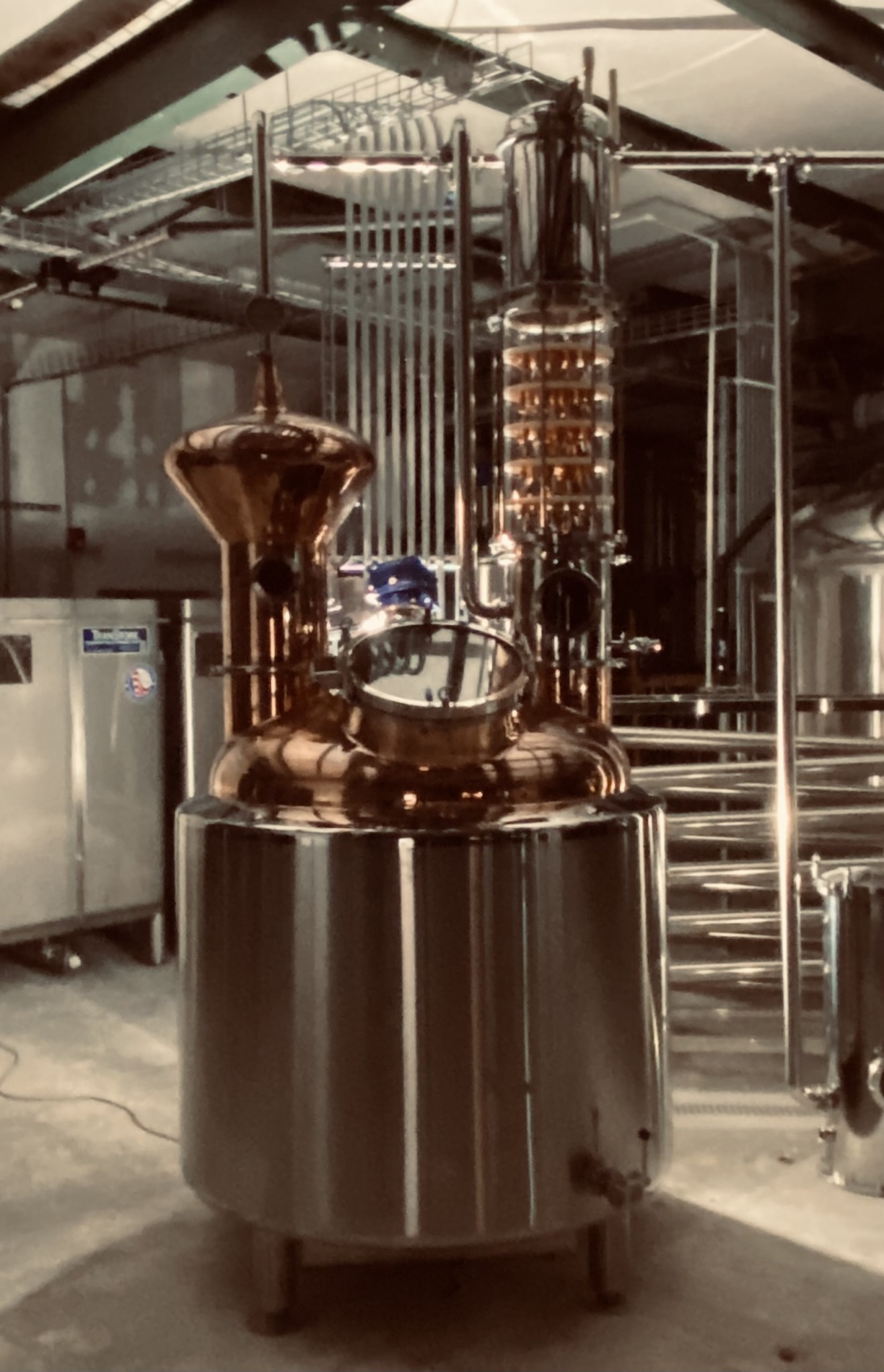
Honestly, it all started with a sense of lack of fulfillment. We had built a successful landscaping and pest control business from the ground up, but after 14 years of grinding, we realized we weren’t fulfilled. We were tired—physically and mentally—and needed a change that aligned more with our passions and creativity. That’s when the idea of starting a distillery took root from a hobby.
But ideas are easy. Execution takes grit. First, we had to plan our exit from the landscaping business. That meant preparing for a sale, which required just as much attention and care as launching something new. Once that was in motion, we dove into the unknown—craft spirits.
The first step was building a solid business plan. Projections, financial modeling, best- and worst-case scenarios—we ran them all, knowing full well they’d change. Business planning is like forecasting the weather with half the data: you do your best, then stay ready to pivot.
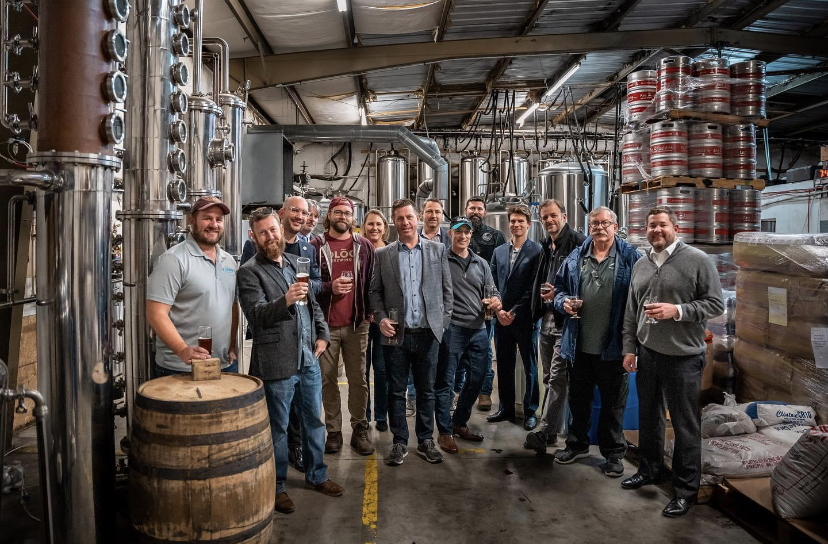
Our biggest challenge? Our town had never seen a distillery before. We had to educate city officials, change zoning laws, negotiate with building code enforcement, and eventually educate the consumer. It felt like laying track in front of a moving train. But each hurdle taught us something, and each small win kept the momentum alive.
It wasn’t easy—but it was worth it. Starting Indian River Distillery wasn’t just a business move; it was a leap toward something meaningful.
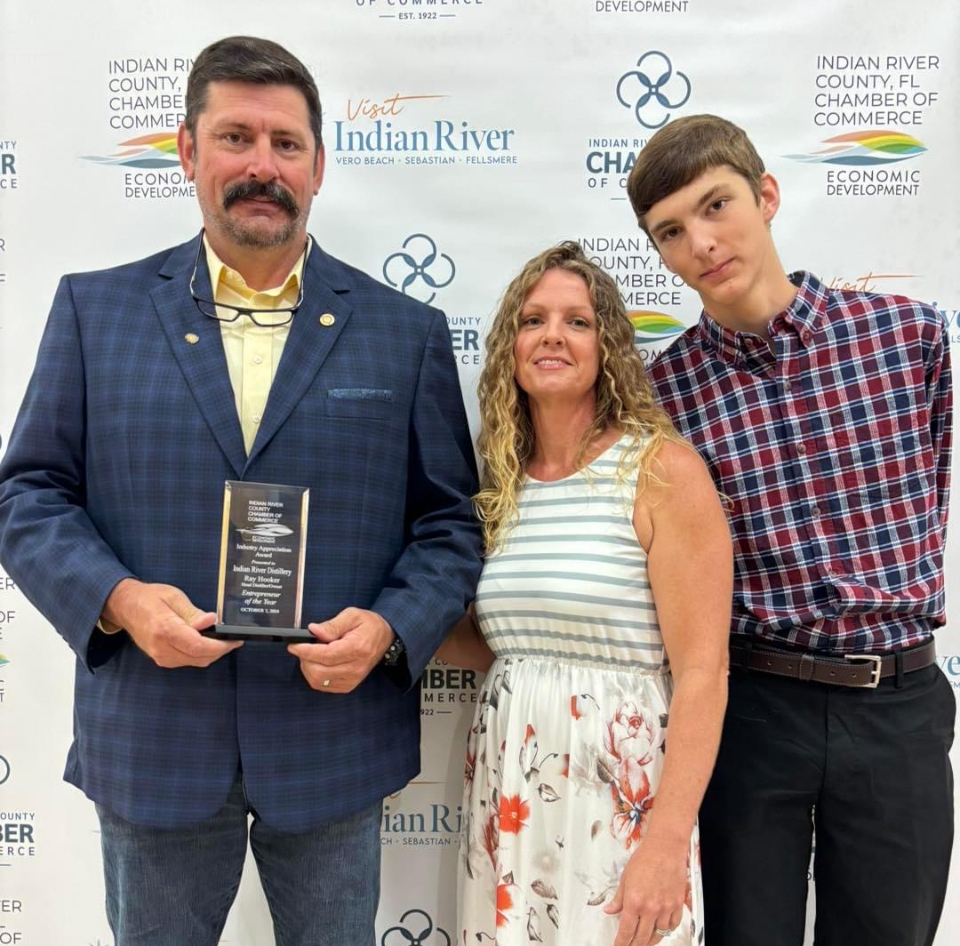
Great, appreciate you sharing that with us. Before we ask you to share more of your insights, can you take a moment to introduce yourself and how you got to where you are today to our readers.
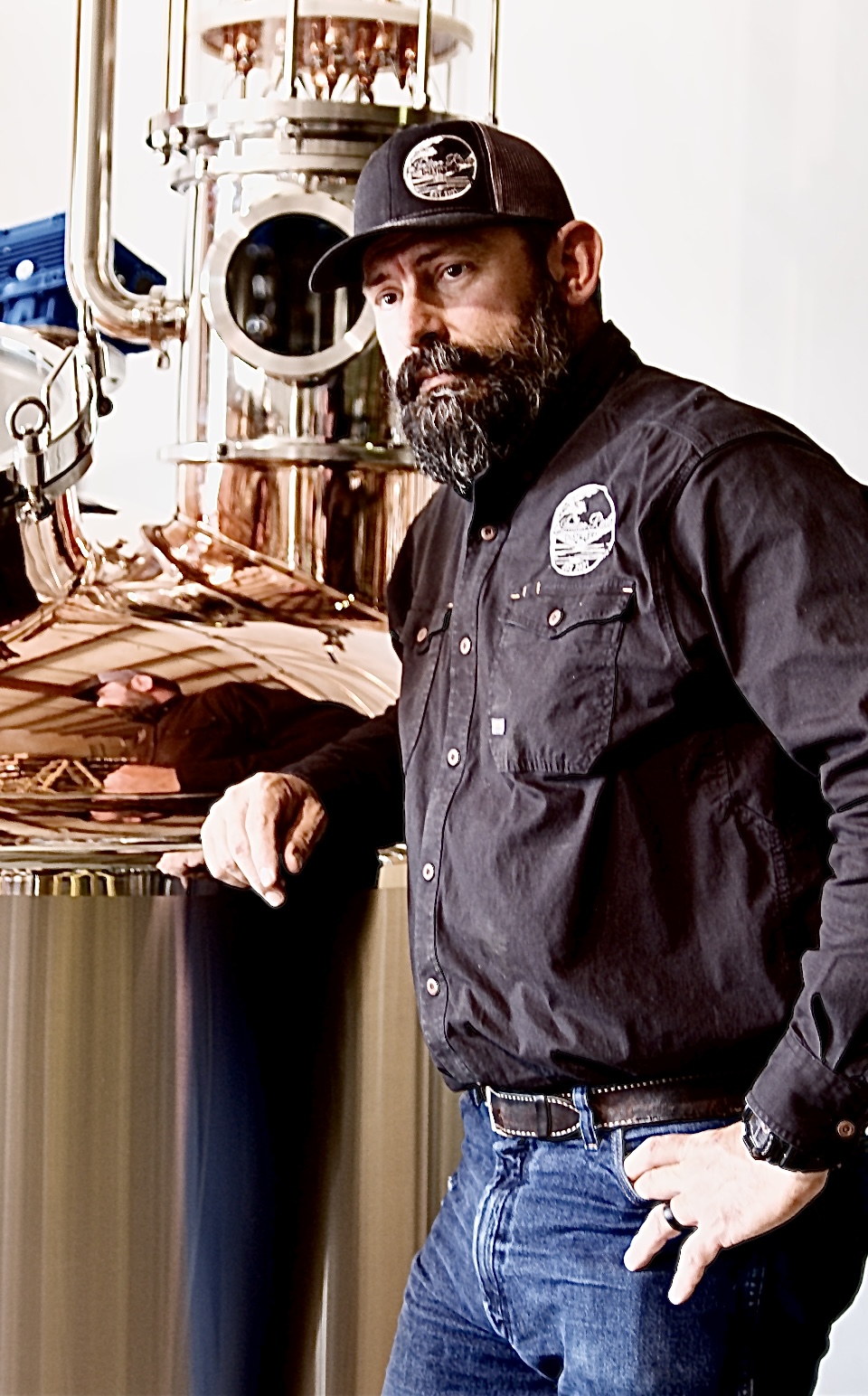
We started Indian River Distillery with a simple mission: to educate people about what quality, family-made craft spirits can be—and to use our bottles to tell the forgotten stories of our home.
Being from a Florida pioneering family, I’ve always been frustrated by how little people actually know about this state. Say “Florida,” and most folks think of Miami or Disney. They don’t see the deep, complex cultural history that shaped the place—its contradictions, its grit, its wild streak. That’s what we want to bring to light.
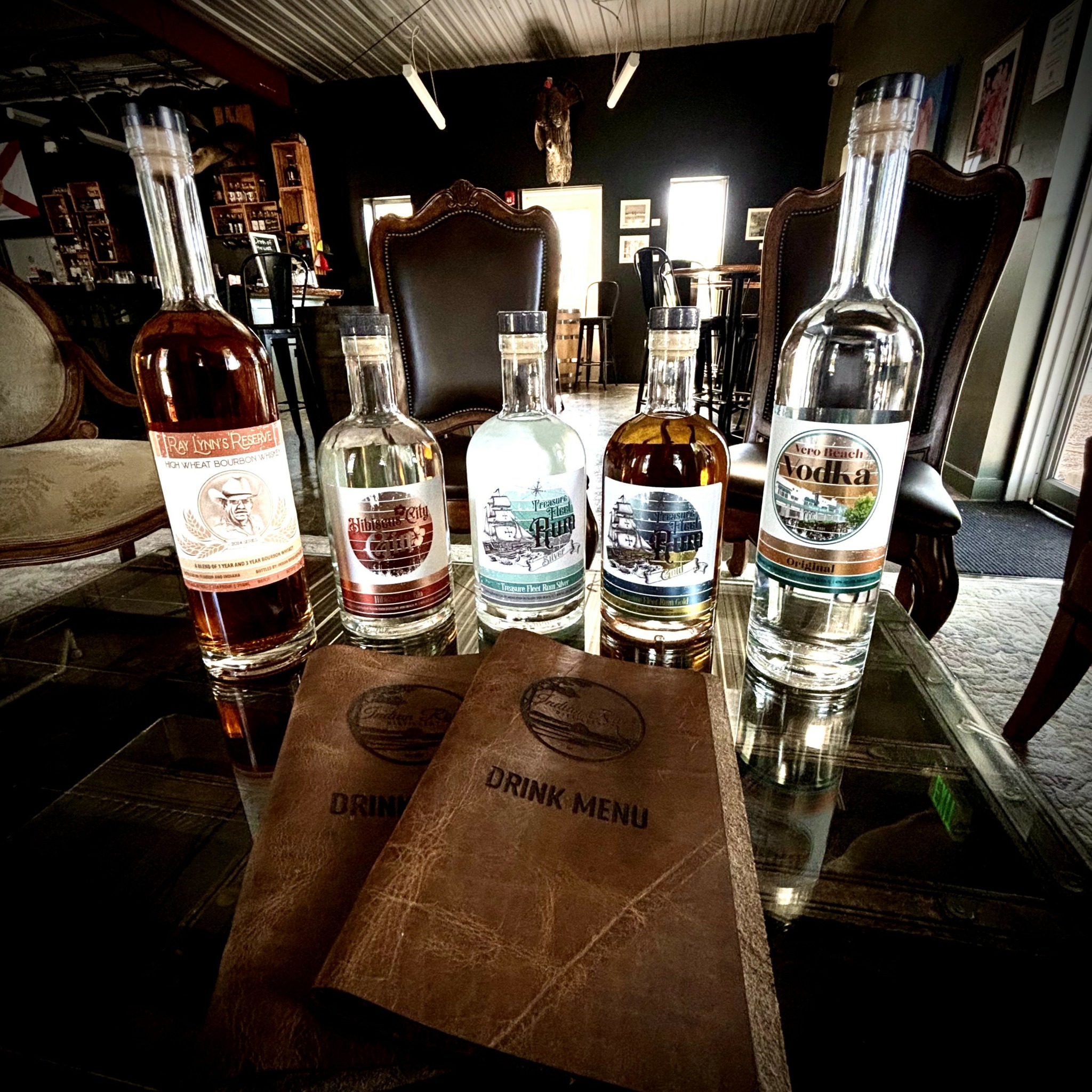
Take the Ashley Gang, for example. They were ruthless criminals—train robbers, thieves, and bootleggers who ran the palmetto scrub with fear and audacity. But they were also fiercely local: they blocked out-of-state liquor, helped struggling families, and stood up for the oppressed Black community in a way few others dared to at the time. Walking contradictions? Sure. But they’re part of our story. That’s why we created Ray Lynn’s Reserve and J.H.A. Rye—to honor that legacy and keep the conversation going.
Our most challenging project has been Hibiscus City Gin. I underestimated how difficult a great botanical gin would be. Herbs and botanicals don’t scale like grains; it’s non-linear, unpredictable, and maddening at times. That gin tested me creatively—it kept me up at night. But I’m proud of it. It stretched me as a distiller, and it’s become one of our most popular spirits.
We don’t just make booze. We make history drinkable.
Can you talk to us about your experience with selling businesses?
Selling a business is tough. Letting go of something you built from scratch—your “baby”—is never easy. But one of the biggest lessons I learned is this: once you sell, it’s no longer your baby. It’s theirs. That shift in ownership isn’t just on paper—it’s emotional, operational, and philosophical.
For years, success or failure rested squarely on my shoulders. I was responsible to our customers, our team, and the standard we set in our industry. When you sell, that weight transfers. You can prepare the new owner, give them the tools, offer guidance—but at the end of the day, you’re no longer in control.
That’s the hardest part for many entrepreneurs—learning to let go. But if you’ve done the work right, built something solid, and chosen your successor carefully, that handoff can be incredibly rewarding. Watching someone else carry the torch, build on your foundation, and bring their own energy to it—that’s success, too.
How’d you build such a strong reputation within your market?
Authenticity. That’s it.
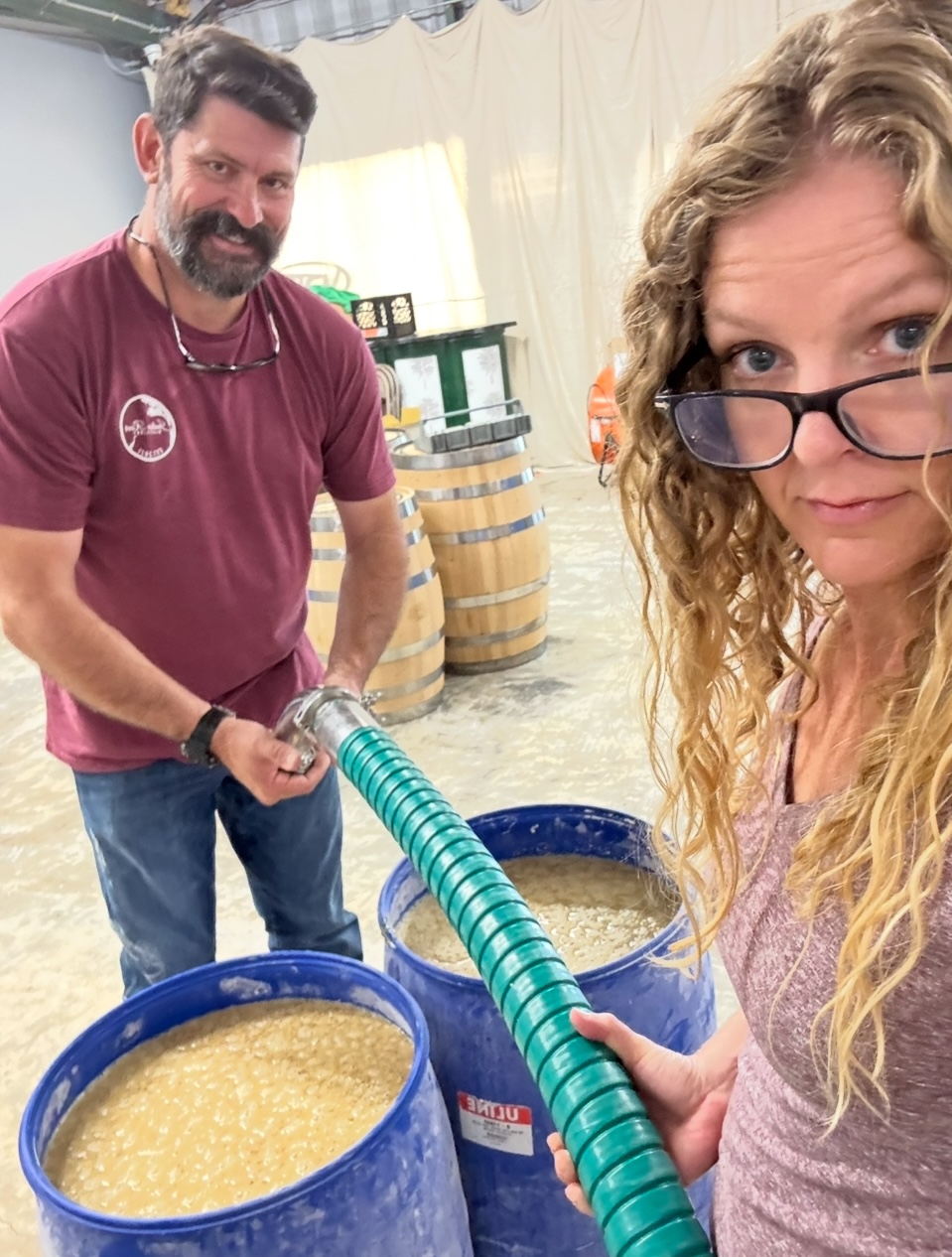
We don’t fake who we are, and we don’t try to be something we’re not. From day one, we’ve been honest about what we stand for—family-made spirits, rooted in real Florida history, crafted with purpose. We tell stories that matter to us. We make what we actually drink. And we don’t cut corners, even when it’s hard or expensive.
People can spot the difference. They know when something’s just marketing and when it’s the real deal. I think that’s what’s helped us build a reputation—consistency, transparency, and a genuine connection to the place we live and the people we serve.
We didn’t set out to be trendy. We set out to be honest. And that seems to resonate.
Contact Info:
- Website: https://www.indianriverdistillery.com
- Instagram: https://instagram.com/IRdistillery
- Facebook: https://Facebook.com/IRdistillery
- Yelp: https://www.yelp.com/biz/indian-river-distillery-vero-beach-2