

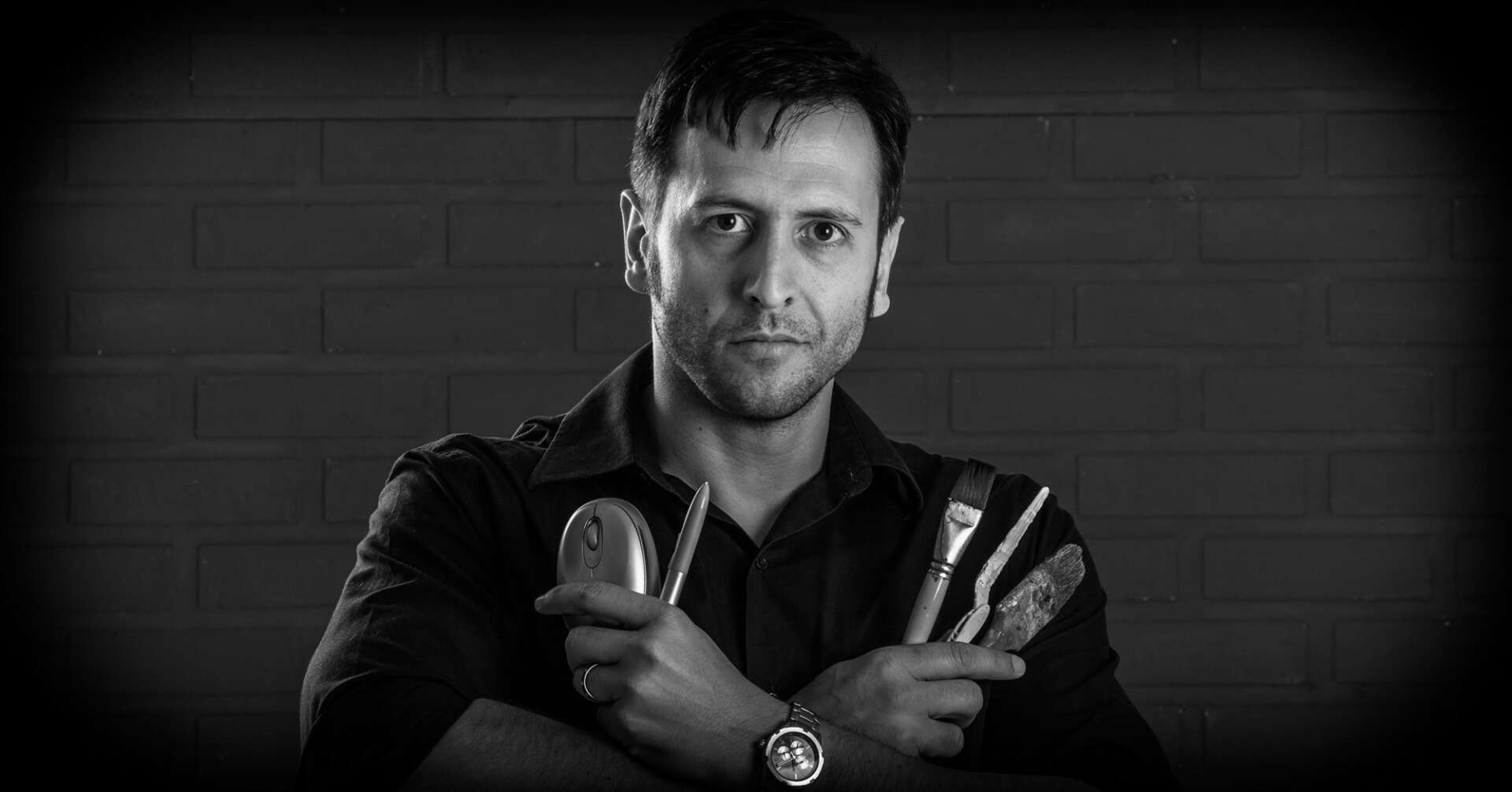

Alright – so today we’ve got the honor of introducing you to Raphael Bittencourt. We think you’ll enjoy our conversation, we’ve shared it below.
Raphael, thanks for taking the time to share your stories with us today It’s always helpful to hear about times when someone’s had to take a risk – how did they think through the decision, why did they take the risk, and what ended up happening. We’d love to hear about a risk you’ve taken.
I’m essentially a risk taker. Something I find to be essential to be a creative, an artist, a business person, or all of them together. For one to thrive in those fields it’s often necessary to drop everything, break one’s own paradigms, and leave everything behind without looking back.
I did that quite a few times in my career, one of the times when I decided to leave Brazil and move to Los Angeles to pursue an MFA in Filmmaking and also an insider view of Hollywood. It was a steep learning curve and adaptation process for someone with zero network in that market. After almost 10 years, a global pandemic, and the addition of a new family member, I can say I created the necessary roots and skin.
Then with Hollywood still trying to warm things up again came a proposition from the other side of the country. Y’allywood called me to do one of the things I liked the most besides making movies, which is: teaching how to make movies. There was me again before a big life decision: should I stay or should I go? In the best punk rock fashion I clashed with my comfort zone at that time and decided for the second. Atlanta here I go – I said.
I had very little time to wrap everything and hop in my car with my wife and 2-year-old kid and cross the country in a 6-day road trip adventure to a place I knew nobody, again!
Great, appreciate you sharing that with us. Before we ask you to share more of your insights, can you take a moment to introduce yourself and how you got to where you are today to our readers.
After more than 25 years working as a creative, I can say I have seen and done so many things in so many fields that my storytelling gained a unique taste.
I graduated in Graphic Design in the mid-90s and had my feet already in a film studio in a professional capacity even before that. At that time it felt disruptive already and I had some suspicious eyes looking with skepticism at me, but on the other hand, some intrigued and somewhat supportive eyes as well. David Carson and Neville Brody were my strongest visual influences and Trent Reznor’s work with NIN and a fresh Prodigy were the most common soundtracks supporting the glitch in the visual matrix. How could I dare propose a thesis in Graphic Design essentially based on animated graphics and motion images in a traditional design school? The name of the thesis? “666 Design a Partir de Agora”, in English: “666 Design From Now On”.
That affinity with the motion image, or film if you will, and it’s capacity to be the cement that keeps a multitude of other media and techniques together to tell a story threw me into the advertising world.
First as a CGI and VFX artist, then as an editor. It was heaven and hell. Waking up every day to go and be and propose the new and the unseen, or not waking up because I had actually worked overnight for days in a row was intense and exciting. On the other hand, battling and trying to educate many square and narrow-minded decision-makers was a constant challenge, but, hey, that’s part of the job too. One of the essential fundaments of disruption is understanding that people will often not get what you want to say at first. Some of them never will totally get it.
That was actually the biggest catalyst for my professional changes. My creative self is always in search of development and behaves like a monster devouring new techniques and ways to combine them with the existing repertoire. It works in a cycle in which the creative monster inflates to a point where it occupies every single inch until it feels claustrophobic and explodes. That explosion usually materializes in an urge to change into something different, challenging, and somehow more distilled, concentrated, and intense.
That’s how after years of working with advertising films I migrated back to my origins in graphic design and printed media. This time I brought an organic sense of “motion” and tridimensionality back with me into a world traditionally thought of in 2D, here and now. A few more years passed and more was added to the plate. More and more photography played a big part in my creative process to the point I came to the certainty that film was, and still is, really my essential way of expression and tool to disrupt the current world into a better one. Here we go again, back to school to refine and recreate myself, but this time officially and formally studying film. It was a come-back to motion image but I had to be better. I wanted to flex muscles I had never flexed before but were giving me cramps: screenwriting and directing (actors). The year was 2008.
Two years later the head of that film school called me and asked me if I’d take the challenge of going back to school, but as a teacher this time. I was already working at full speed with my own film and photography studio but decided to accept the challenge anyway. Little did I know that the rewarding feeling of sharing with my students what I knew would be crowned with some of them becoming Cannes and Academy Oscar winners a few years later.
Four years and dozens of productions later that old creative monster started to feel claustrophobic again, but this time it was Brazil that had become too small. My curiosity and hunger for more film and a deeper understanding of the art and the industry propelled me to the heart of the beast: Hollywood. And there I went, to school, again! I wanted to know inside and out how Hollywood approached film production, not only on the battlefield but also in a formal academic way. I landed in a place where I knew no one to become, literally, a well-connected Master in their own art.
Step by step, contact by contact I navigated through Hollywood waves and all the degrees of separation to the corridors and some of the backstage conversations of the Academy, to the virtuosity of glamorous branded content production and the trenches of the independent film industry.
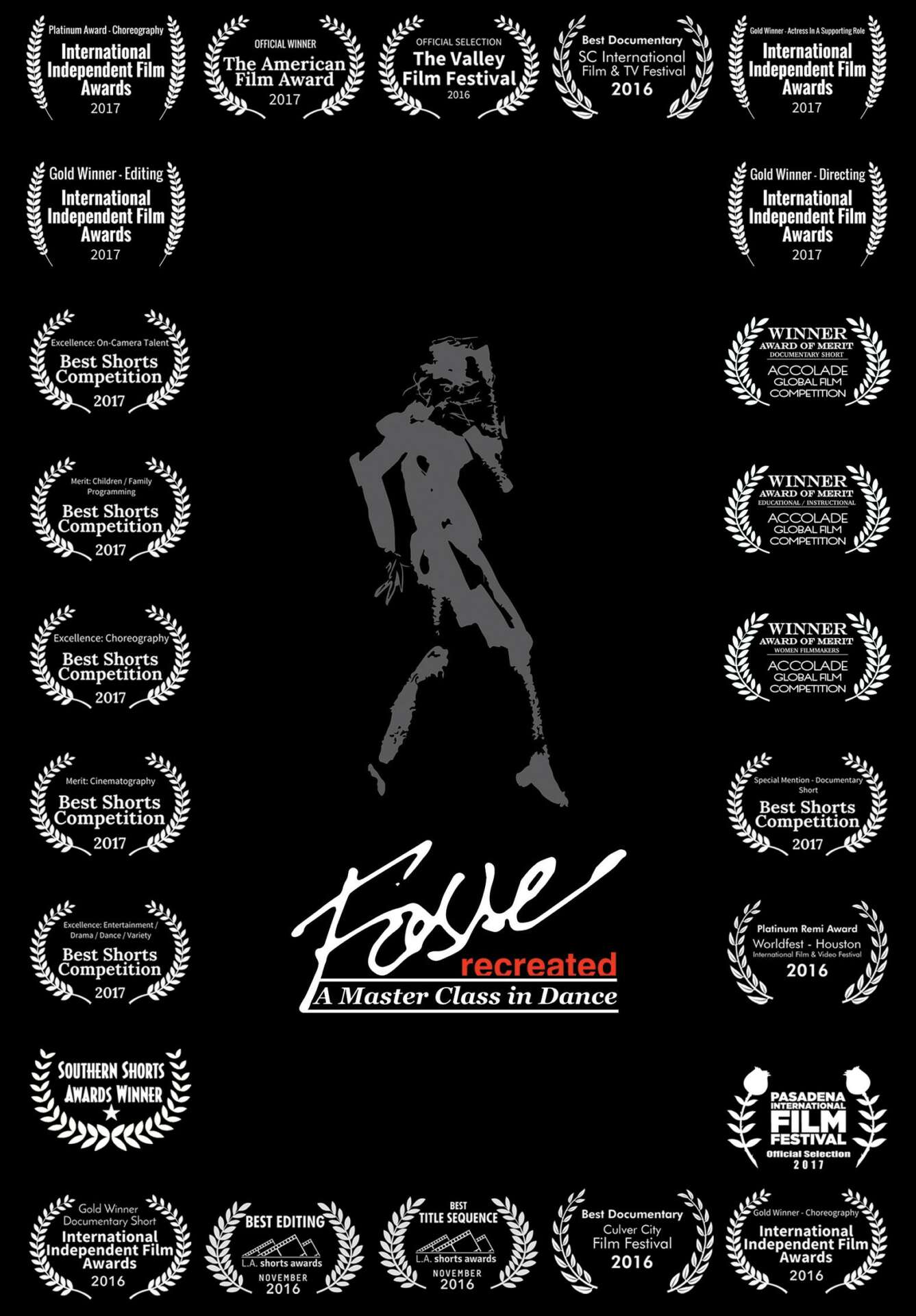
Luck, karma, or destiny; whatever you prefer to call it; put me in contact with my Hollywood mentor and dear friend Wolfgang Glattes. Then came the first production together: the documentary “Fosse: Recreated – A Masterclass in Dance”. Wolf called me to salvage what was a sinking halfway-shot documentary about the recreation of Bob Fosse’s number “Crunchy Granola” by the most knowledgeable living being in Fosse’s work: Kathryn Doby. I jumped in as a cinematographer and editor. It was a challenge and an honor I could not have imagined even in my wildest dreams when still in Brazil. The doc was a success and amassed dozens of prizes in multiple film festivals. I had also the opportunity to continue my contribution to the project by creating the graphic package for it with the poster design and other supporting graphic pieces. Once a designer, always a designer.
Before Fosse: Recreated had even finished its festival run Wolfgang and I were already working on another great project: the production of his biographic book telling about his more than 45 years in Hollywood. The story is told through the behind-the-scenes of dozens of productions he participated in with numerous great Hollywood directors and stars. Wolfgang liked so much what I did for the graphic materials of the doc that he asked me to design his entire book. It was endless, but precious hours, scanning dozens of historical pieces such as one of the original Willy Wonka’s Golden Tickets (yes, the one with Gene Wilder). Then I put it all together in the form of a gorgeous coffee table book called Memories La La Land: A Life In The Movies. The book has no relation with the film directed by Damien Chazelle, which came later by the way.
The works and the productions were coming and going and besides being a versatile Hollywood asset I became also a bridge between the USA and Brazil. I facilitate productions coming and going both ways. But then a personal tragedy came over taking me to the lowest point in my life and before I could get myself back together came COVID, stalling many of my projects and imploding others. We all know what happened throughout the film industry and the world.
With the nasty virus apparently under control, things started to slowly warm up again and projects started popping here and there. One of those was the 5-episode documentary series called “Gil Na California” which tells the story of Gilberto José Nogueira Junior, aka “Gil Do Vigor” and his trajectory from being almost living under the bridge to becoming the most followed economist in the world. I had the pleasure and the privilege to be the director and the cinematographer of the entire US portion of the documentary. It was a great challenge to wear those and several other hats in a road-trip-follow-doc type of documentary with a very small crew for a major TV network.
Then came one of the most unexpected invites I have ever got: a major art and design school from Georgia asked if I was interested in becoming a teacher in their film program. Did I take the challenge of moving to the other side of the country? I guess at this point you already know the answer.
After almost 10 years in Hollywood it was my chance to expand my network and actuation to one of the most prolific film production markets in the US. The Hollywood of the South or Y’allywood, and that’s where I am currently trying to disrupt everything all over again.

What do you think is the goal or mission that drives your creative journey?
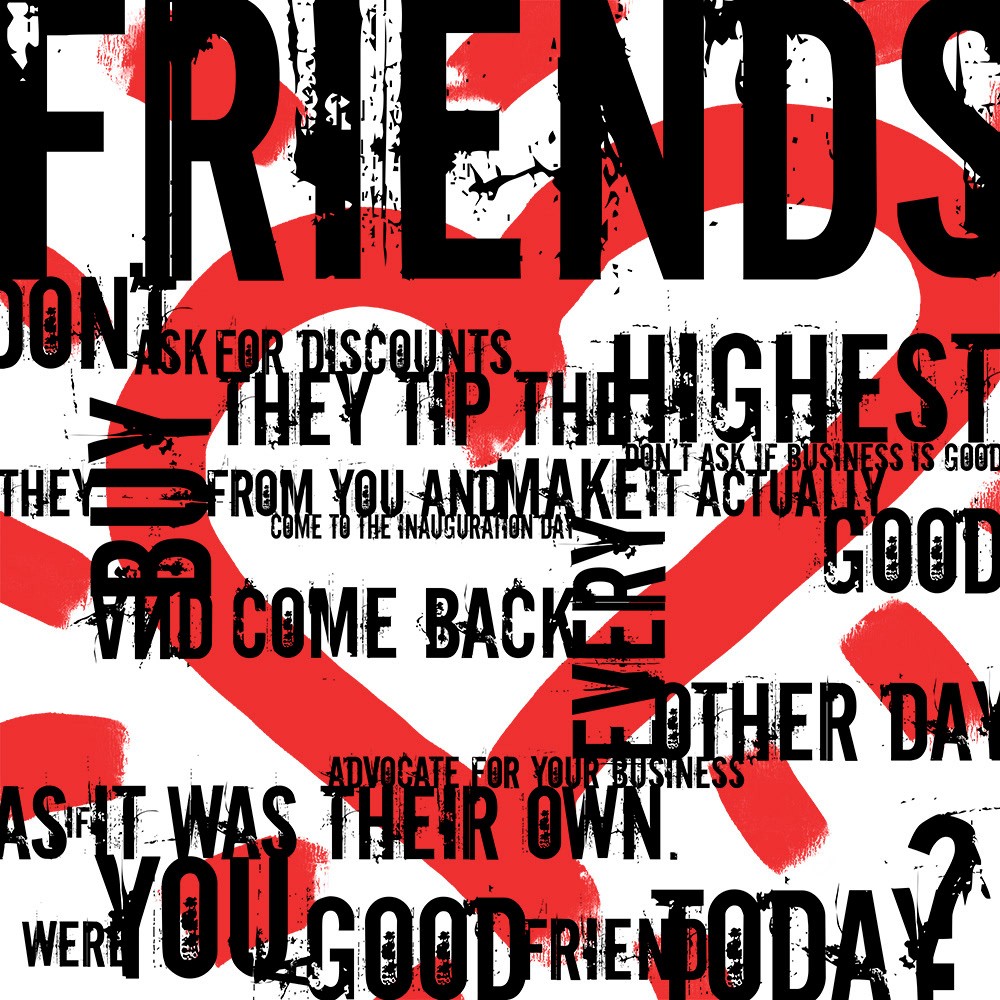
Yes, I’m not disruptive just for the sake of being disruptive. I find disruption to be a great way to bring awareness about several themes and situations in the form of fiction films or documentaries that have the power to change the world into a better place. Films should be provocative and enlightening.
Is there something you think non-creatives will struggle to understand about your journey as a creative? Maybe you can provide some insight – you never know who might benefit from the enlightenment.
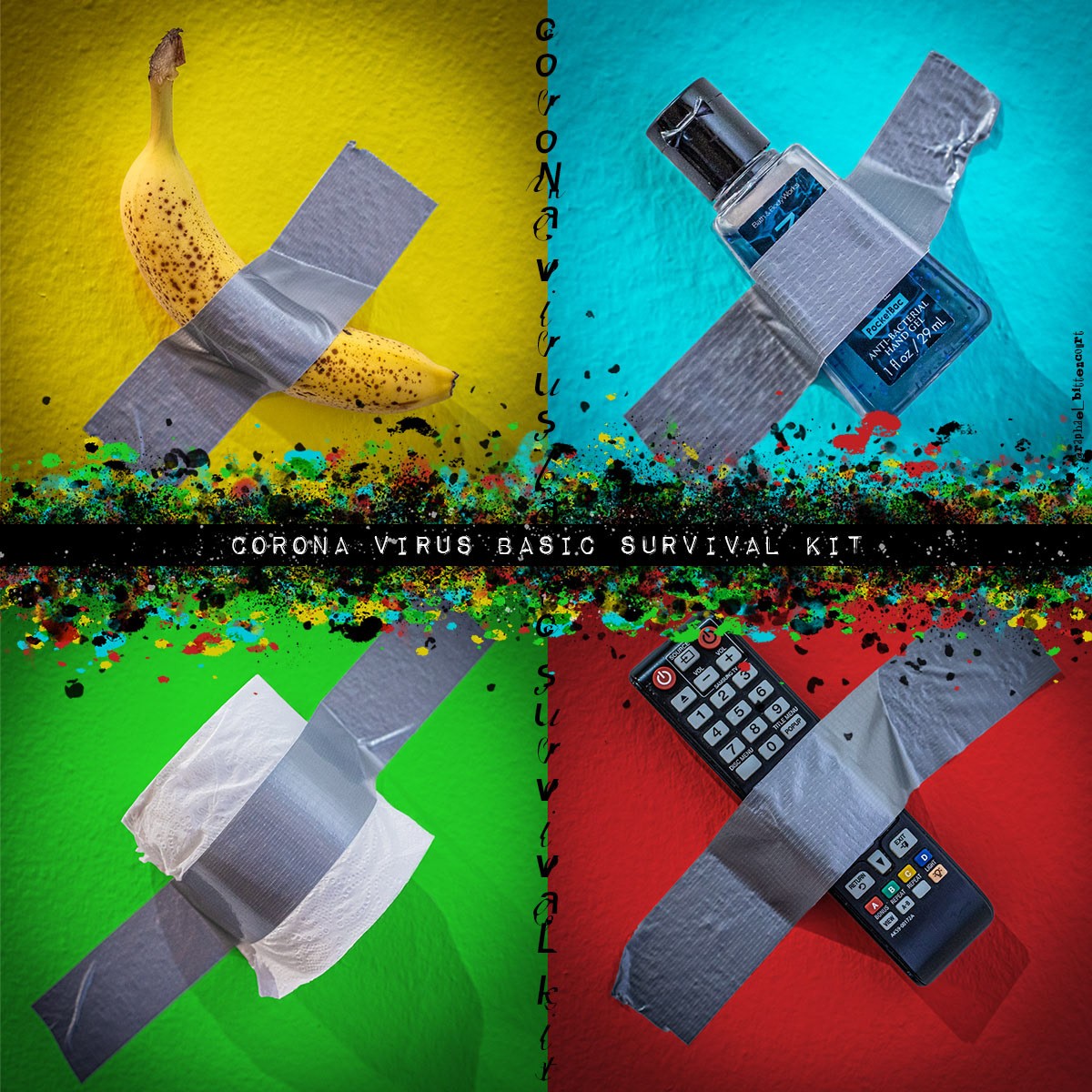
Traditional minds will always have a very hard time understanding and accepting the fact that people, especially creatives, very often can’t be placed in a box. Even within the (film) industry, there is this misconception that one can only do (well) one thing. I think exactly the opposite. My experience across multiple roles, and learning multiple techniques only taught me that for me everything I got made me a better storyteller. Everything from being able to make good hand-drawn illustrations, to the ability to create an entire branding system to the ability to edit a film makes me a better director and writer. Whether “they” like it or not, everything is one thing: visual storytelling. I’m a storyteller and I like using every tool I have available to me to tell my stories.


Contact Info:
- Website: https://raphaelbittencourt.myportfolio.com/
- Instagram: https://www.instagram.com/raphael_bittencourt/
- Facebook: https://www.facebook.com/raphael.b.bittencourt
- Linkedin: https://www.linkedin.com/in/raphaelbittencourt/
- Twitter: https://twitter.com/Rap_Bittencourt
- Youtube: https://www.youtube.com/channel/UCJ7tDNRYZJhydfkGj8JsKqg
- Other: https://pro.imdb.com/name/nm6338518?ref_=tt_nv_usr_profile