


We’re excited to introduce you to the always interesting and insightful Randolph Holland. We hope you’ll enjoy our conversation with Randolph below.
Randolph, thanks for joining us, excited to have you contributing your stories and insights. When did you first know you wanted to pursue a creative/artistic path professionally?
When I was pretty small I loved to make things, small clay animals, carved heads, drawings. I didn’t have any idea what it might be in the future, I just liked making things. I still like making things.
In college I tried a few different paths to see if they were as interesting to me as creating my own works. I came to feel that college was a great place to first figure out what one didn’t want to be, and then once you figured that out , to concentrate and dig into it.
For me it was a concentrated focus on art history and visual art. I was swept up in the very beginning of cane paintings and other early developments and then modernization as well as actual practice. Learning to draw from life. Learning to work with different materials. Welding, casting metals, sculpting in clay, painting etc…
Randolph, before we move on to more of these sorts of questions, can you take some time to bring our readers up to speed on you and what you do?
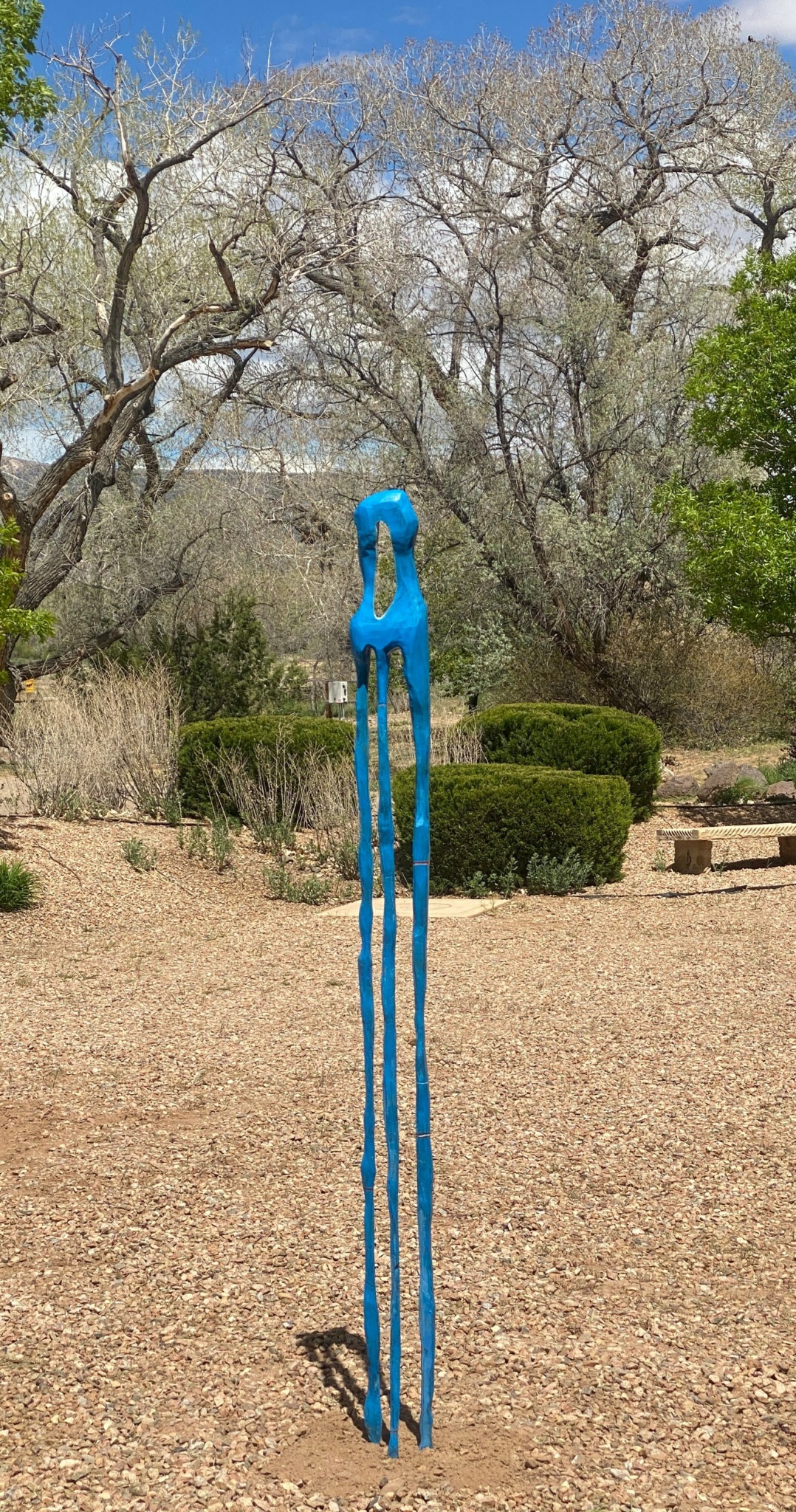
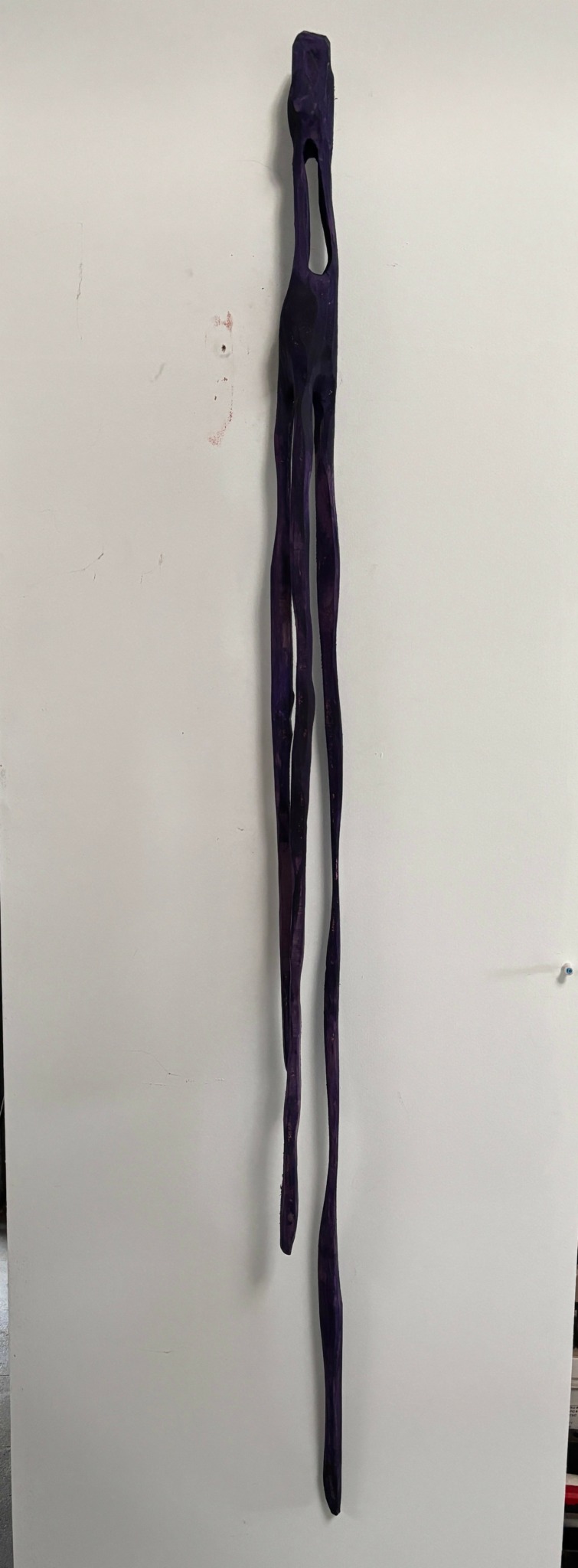
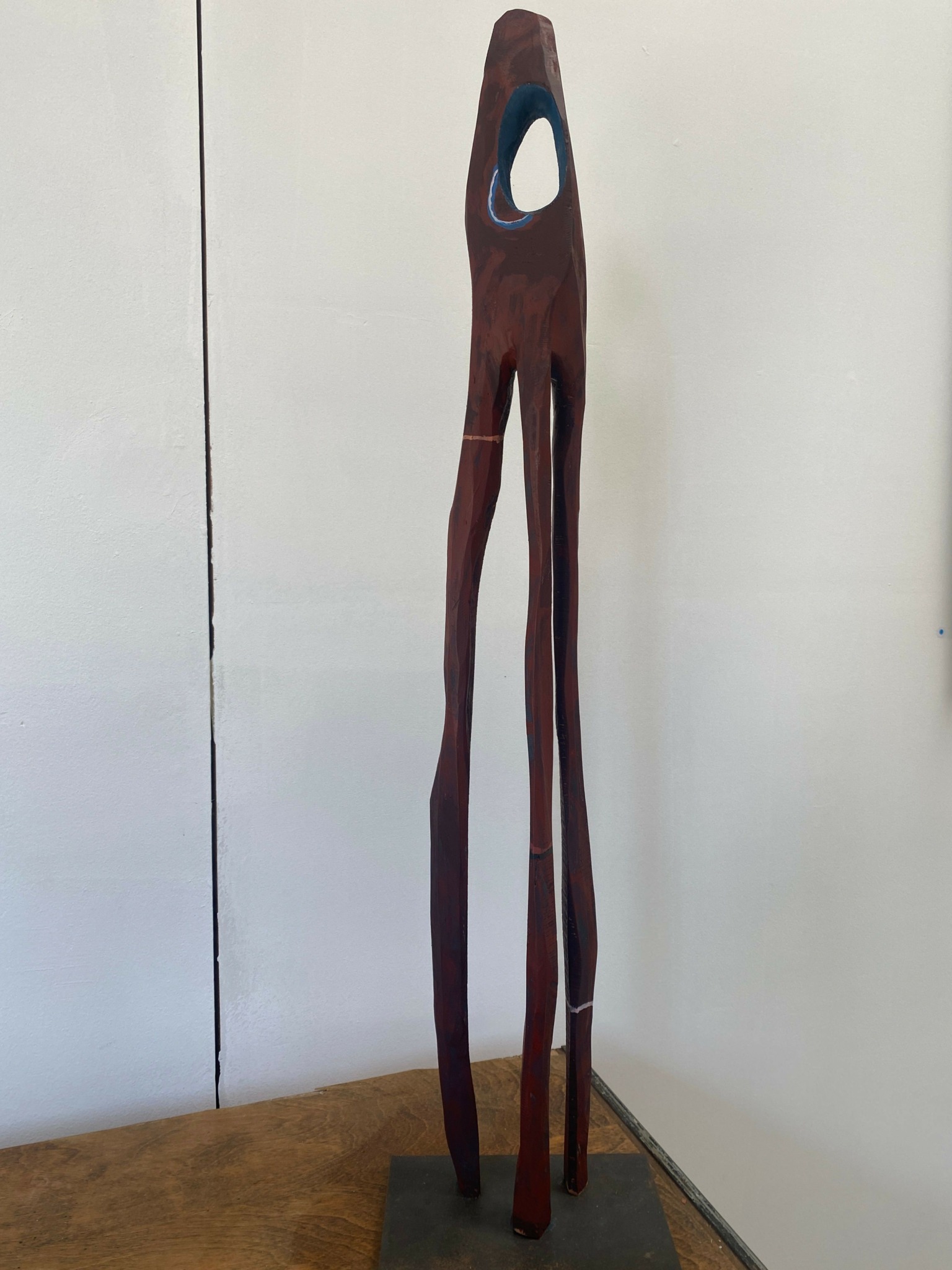
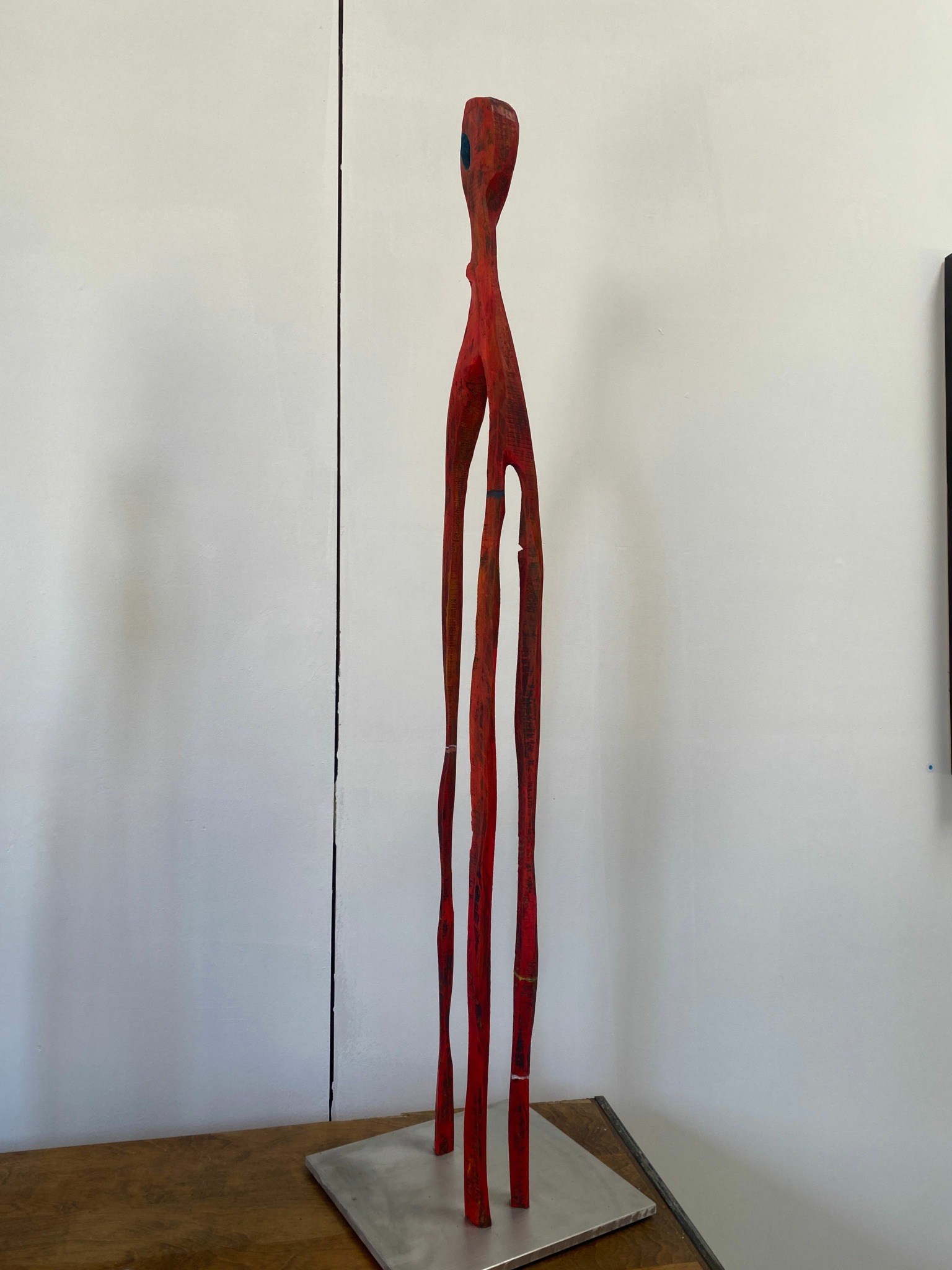
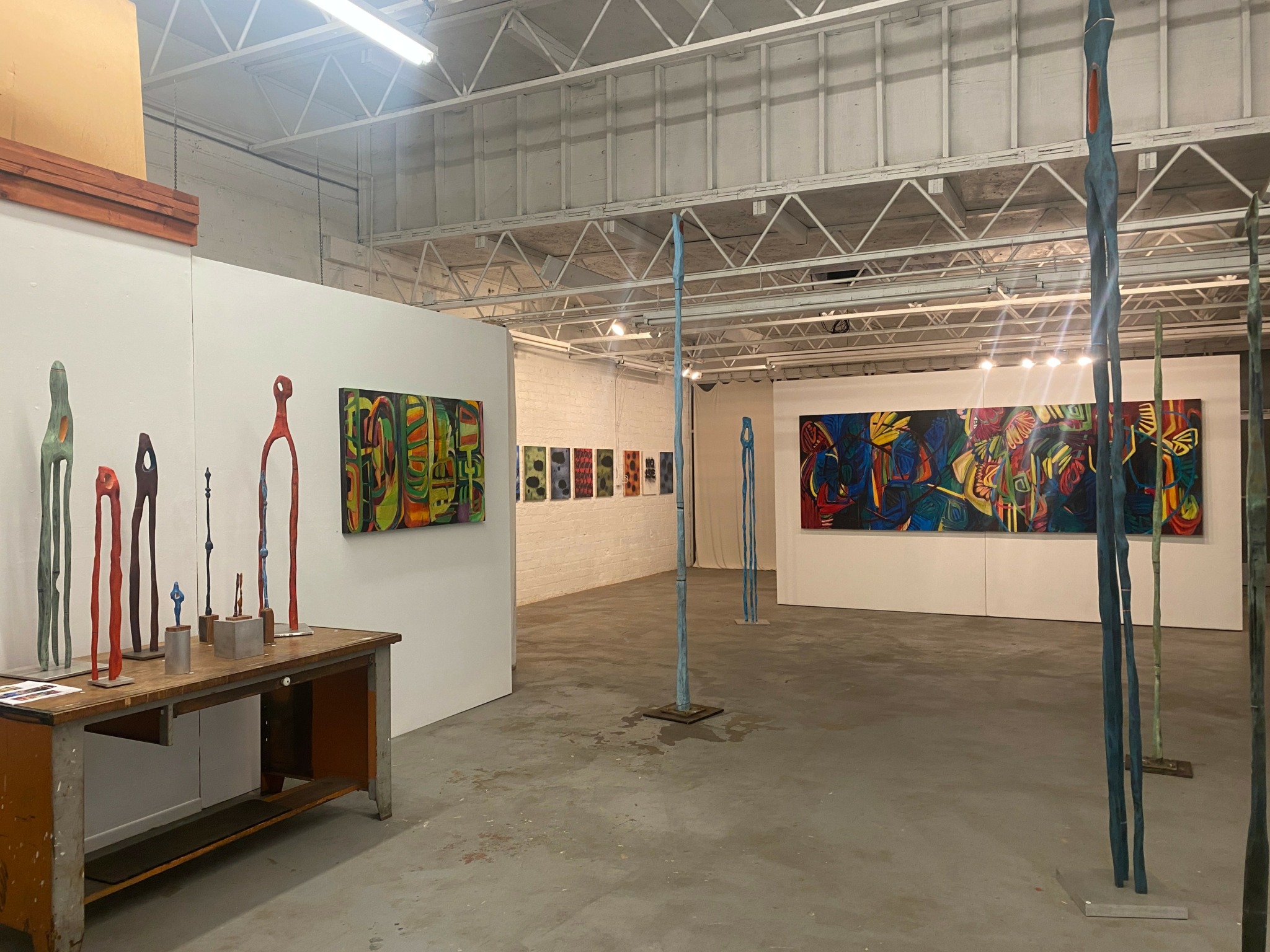
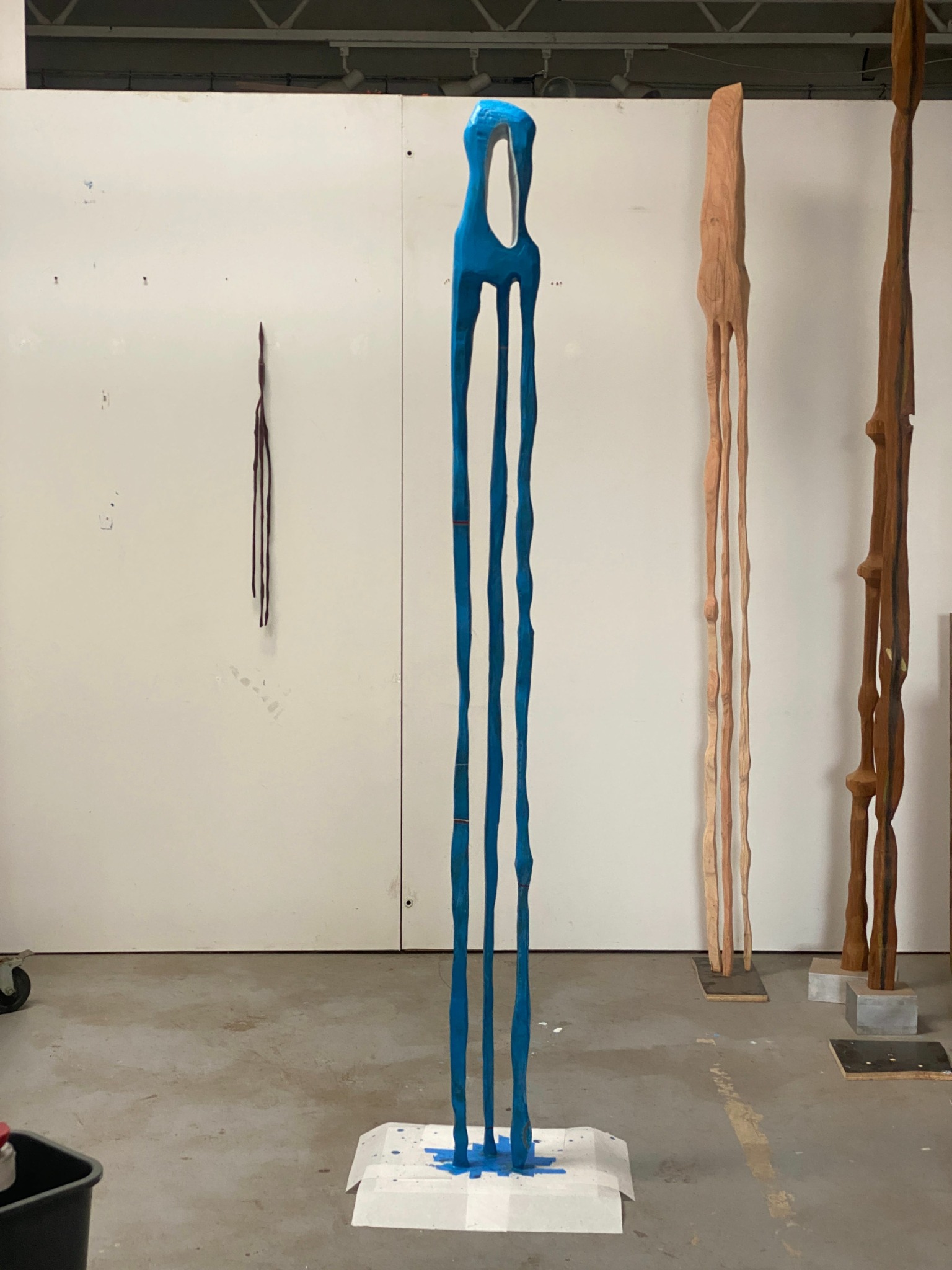
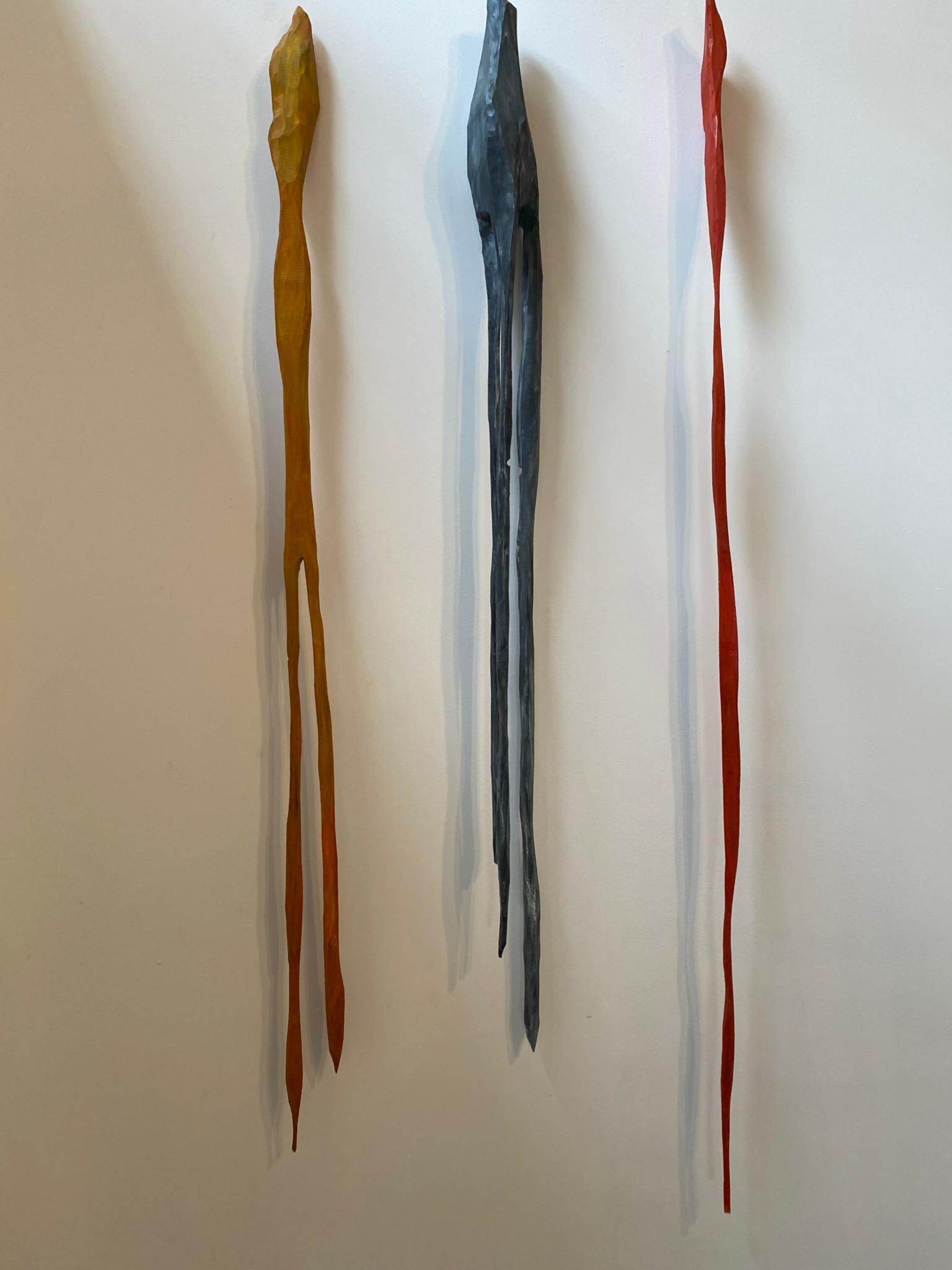
My name is Randy Holland. I am primarily a sculptor now , having been more of a traditional painter early in my artistic life. I have designed and built furniture, lights, built a house and learned carpentry in high school, and designed and built our family house with my wife. Now I gather unclaimed wooden beams from lumber yards and then I carve them into Totemic figures. Some are wall hanging and some are freestanding. Many of these wooden Totems are then cast in bronze, especially those that will be placed outdoors. I have always looked at my work as an ode to nature, reflecting and attempting to compliment the beauty and surprise found there. I integrate my sculptures and water to create fountains, so sound and visual senses come together.
How about pivoting – can you share the story of a time you’ve had to pivot?
Being a visual artist or creative individual often times can make earning money a challenge. Learning to combine commerce and art, and business and creativity is some of the most difficult things to do. How do you remain freshly creative , not relying on past successes too heavily ? How do you step into a new idea when the ones that people respond to most is left
behind ? I have needed to wear several different hats as a visual artist. I have ended up in the film world , in the art department which forms two accomplishments for me; I can remain creative and make a living and I can make my sculptures without worrying too much about marketing or selling them. This freedom from commerce frees up my creativity allowing essential mistakes, one of the most important aspects of being creative. In general mistakes are seen in a negative context, in art they are vital.
In your view, what can society to do to best support artists, creatives and a thriving creative ecosystem?
We are living in a very interesting transitional time. The processes of Viewing art, selling art, and making visual art are all changing. The way people see has changed. The time spent looking at a work of art has changed. The act of documenting a work of art i.e. the fact that the viewer stood in front of the work in person is often times more important than actually experiencing the work itself. The proof of experience is the focus rather than the experience itself. The relationship between art and viewer has changed and therefore the artists responsibility may be changing as well.
A camera free, phone free exhibition would be interesting to me. Perhaps a part of the day each week that is camera free and phone free as an experiment would be interesting.
Contact Info:
- Website: https://RandolphHolland.com
- Instagram: @randolph.holland
- Other: google maps
Art+Industry
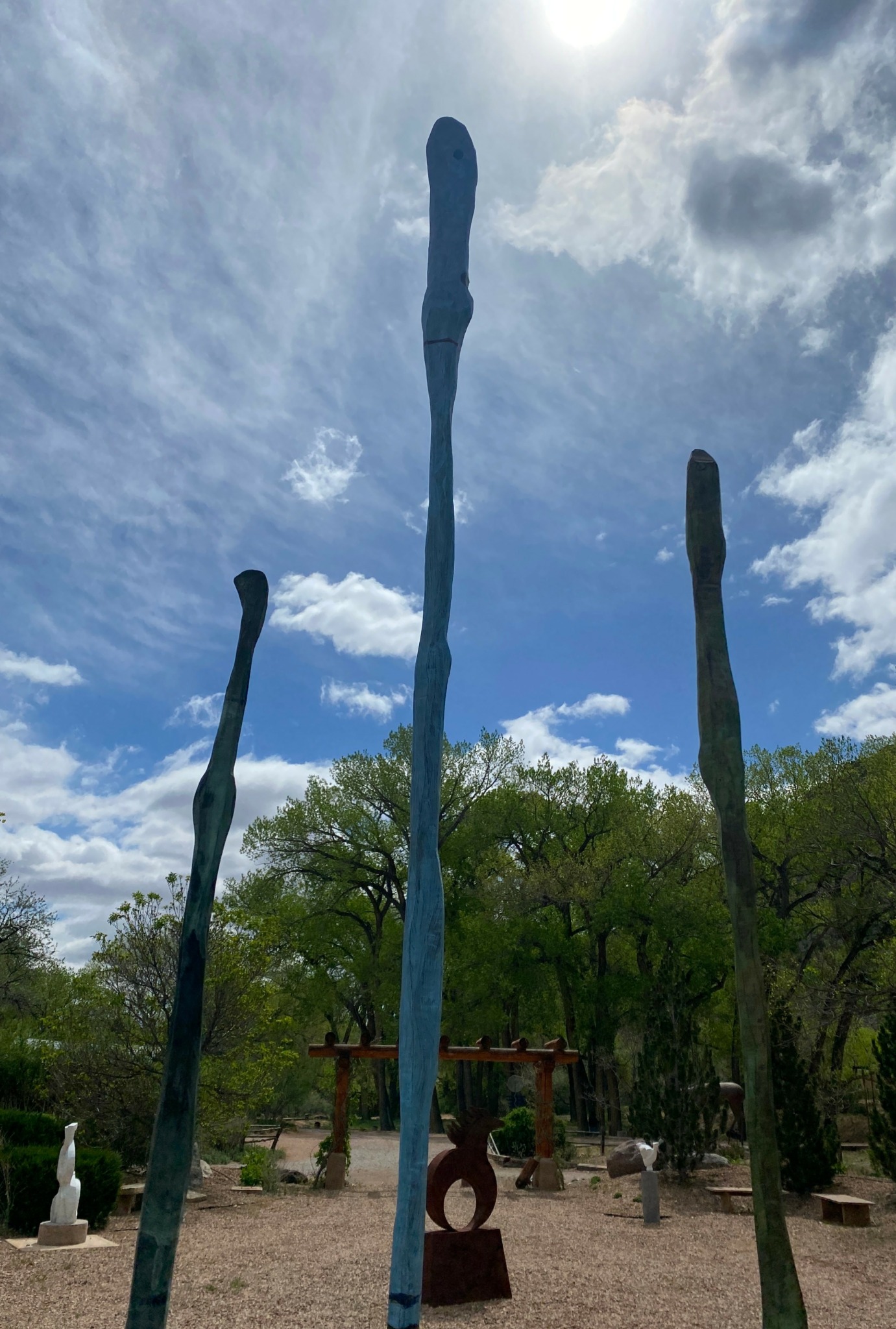
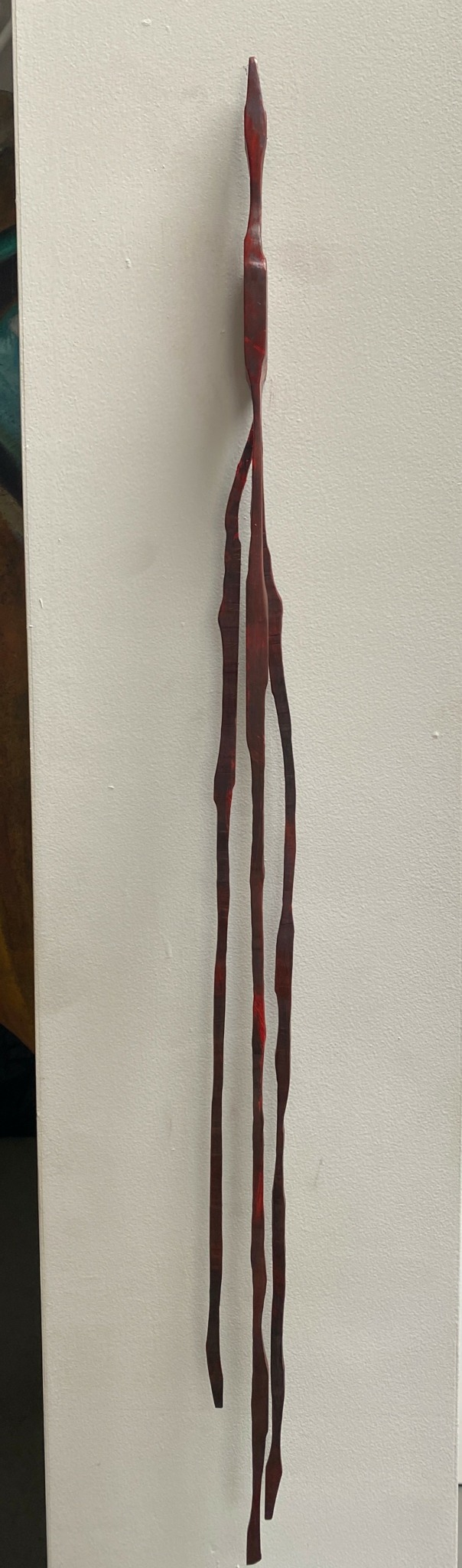
Image Credits
All photos by Randolph Holland