


Alright – so today we’ve got the honor of introducing you to Rajam Roose. We think you’ll enjoy our conversation, we’ve shared it below.
Rajam , thanks for taking the time to share your stories with us today We’d love to hear the backstory behind a risk you’ve taken – whether big or small, walk us through what it was like and how it ultimately turned out.
Creating the San Diego Pain Summit (SDPS) was a huge risk. I didn’t have any prior conference management experience and the topics I wanted to host just weren’t widely considered important in the clinical world of healthcare. I felt it important to have talks on viewing pain through a biopsychosocial framework. It seemed talks around this concept were largely ignored at clinical healthcare conferences. I felt (and still feel) really motivated to try and make a difference in how pain is managed.
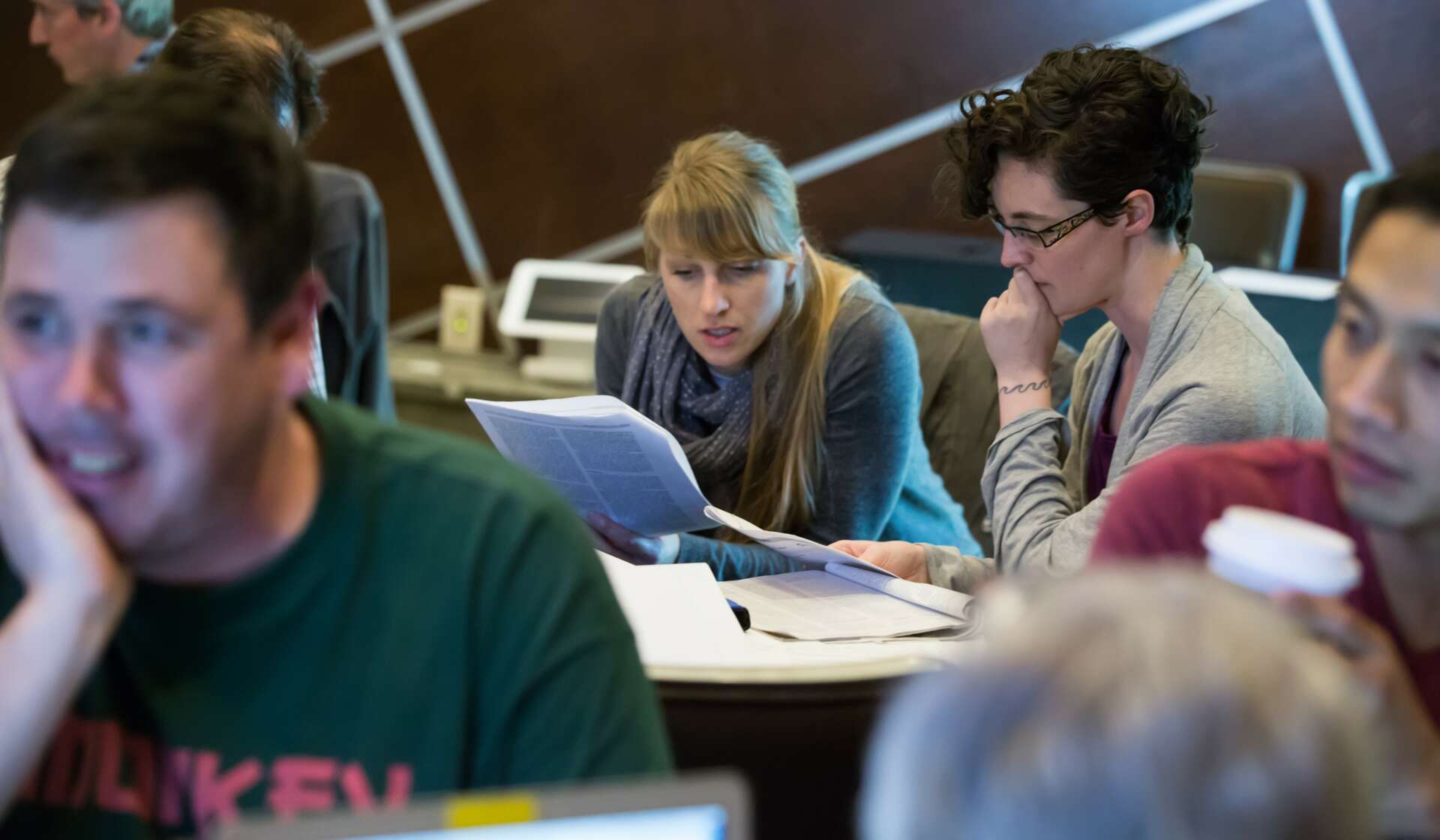
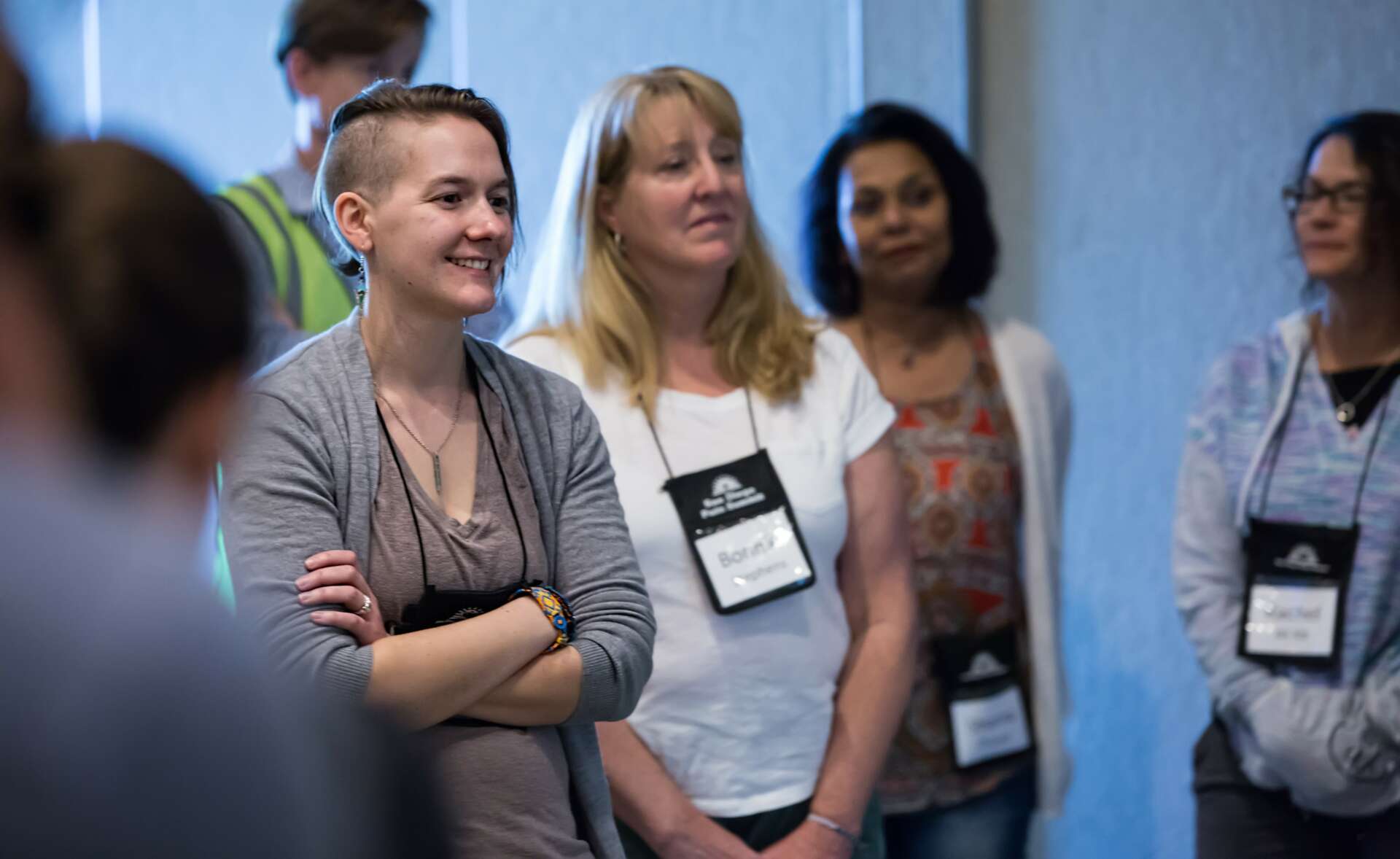
I also saw a need for a safe space where clinicians could gather and critically talk about/discuss pain research and clinical practice. There’s so much about pain we don’t understand and saying “I don’t know” is not well received in many professional clinical circles. I’ve put a lot of focus on creating a space for learning where participants can feel comfortable connecting with each other on equal footing.
I did have some experience organizing workshops, so when I came up with the idea for SDPS, I thought that it surely couldn’t be much different, just on a larger scale. I went online and learned everything I could about organizing an event. I basically imagined what I wanted the event to look like, then went backwards to figure out everything I needed to do to make it happen in the way I imagined.
When starting a venture that’s not really been done before, it’s tough to know whether that is because there’s an interest in it or not. Turns out there is an interest in these topics and the 10th annual SDPS is planned for February 2023!
As always, we appreciate you sharing your insights and we’ve got a few more questions for you, but before we get to all of that can you take a minute to introduce yourself and give our readers some of your back background and context?
I was in the massage therapy profession for 16 years. I was really curious about how was it that massage was helping people recover from or learn to better manage their pain, yet the mechanical reasoning I’d been taught in massage school didn’t really make sense to me. This curiosity lead me on a self learning journey about the brain and nervous system, our biases and how perception influences understanding.
I heard newly graduated physical therapists complain that although their programs covered pain research, they still had no idea how to apply that research into practice, which gave me the idea to create the San Diego Pain Summit (SDPS).
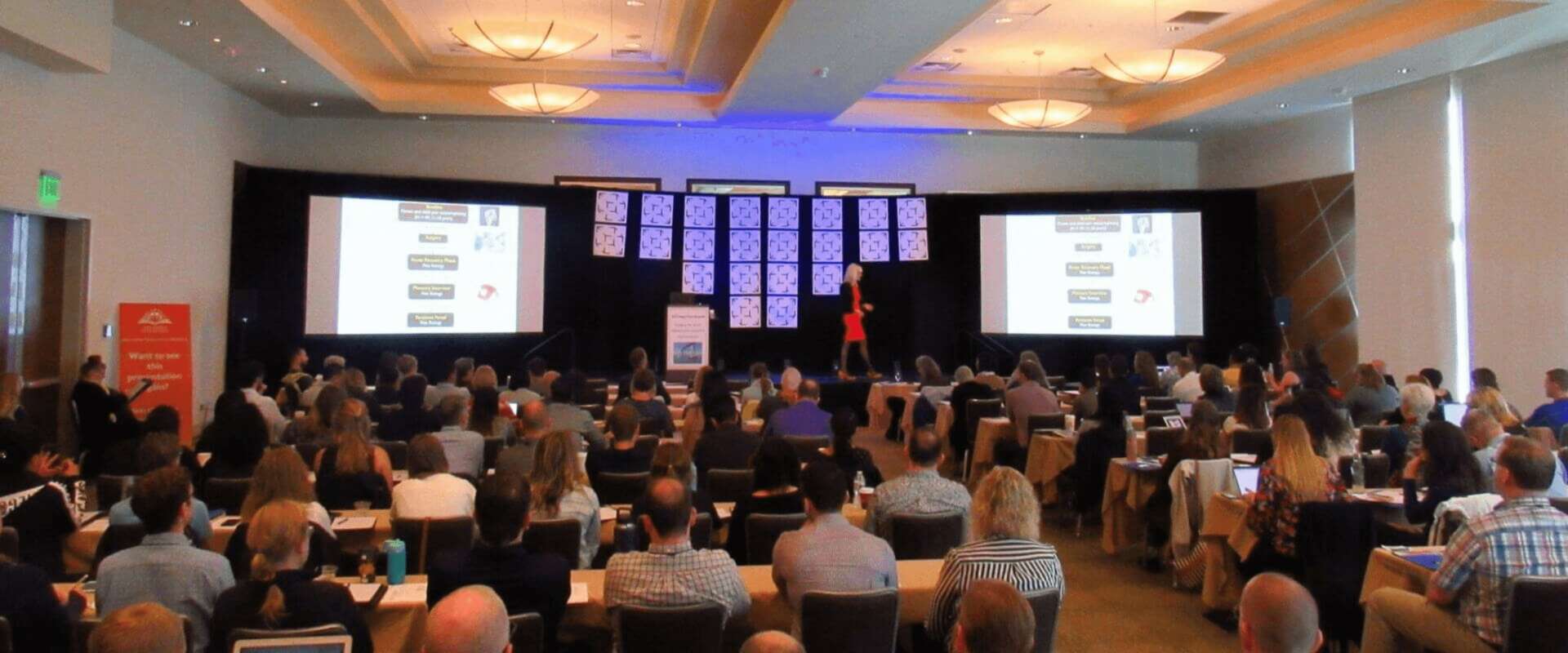
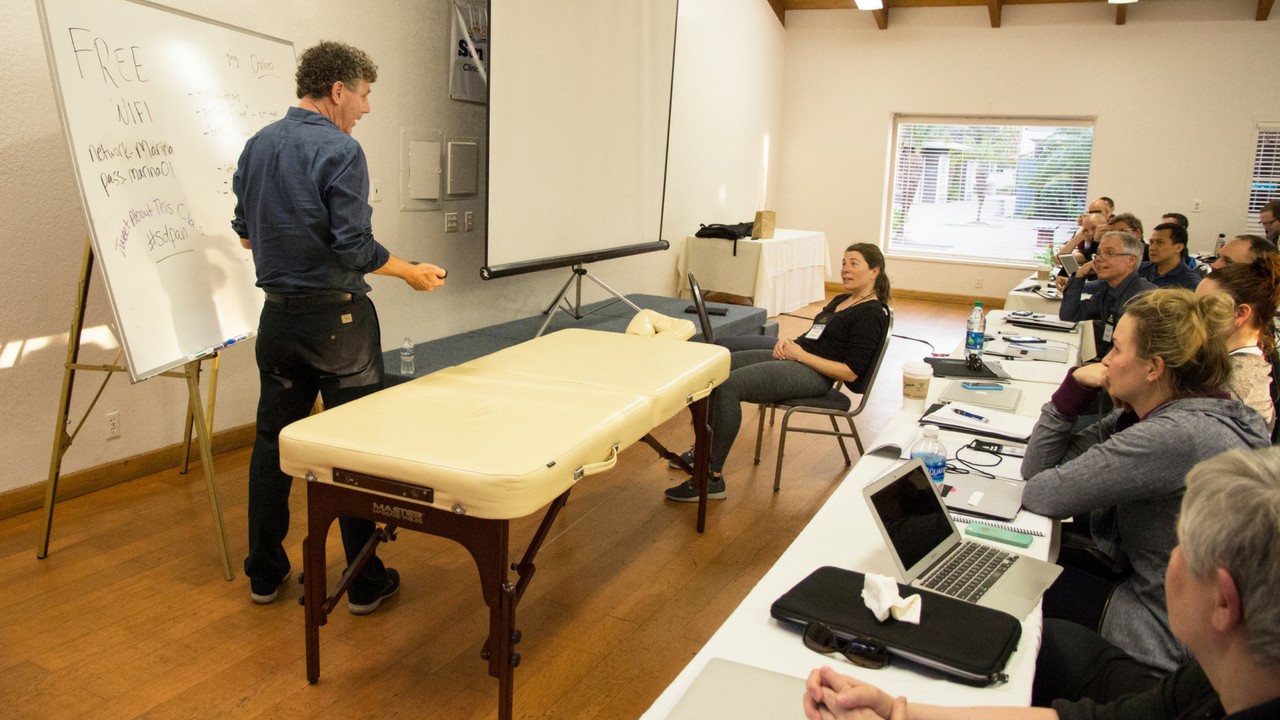
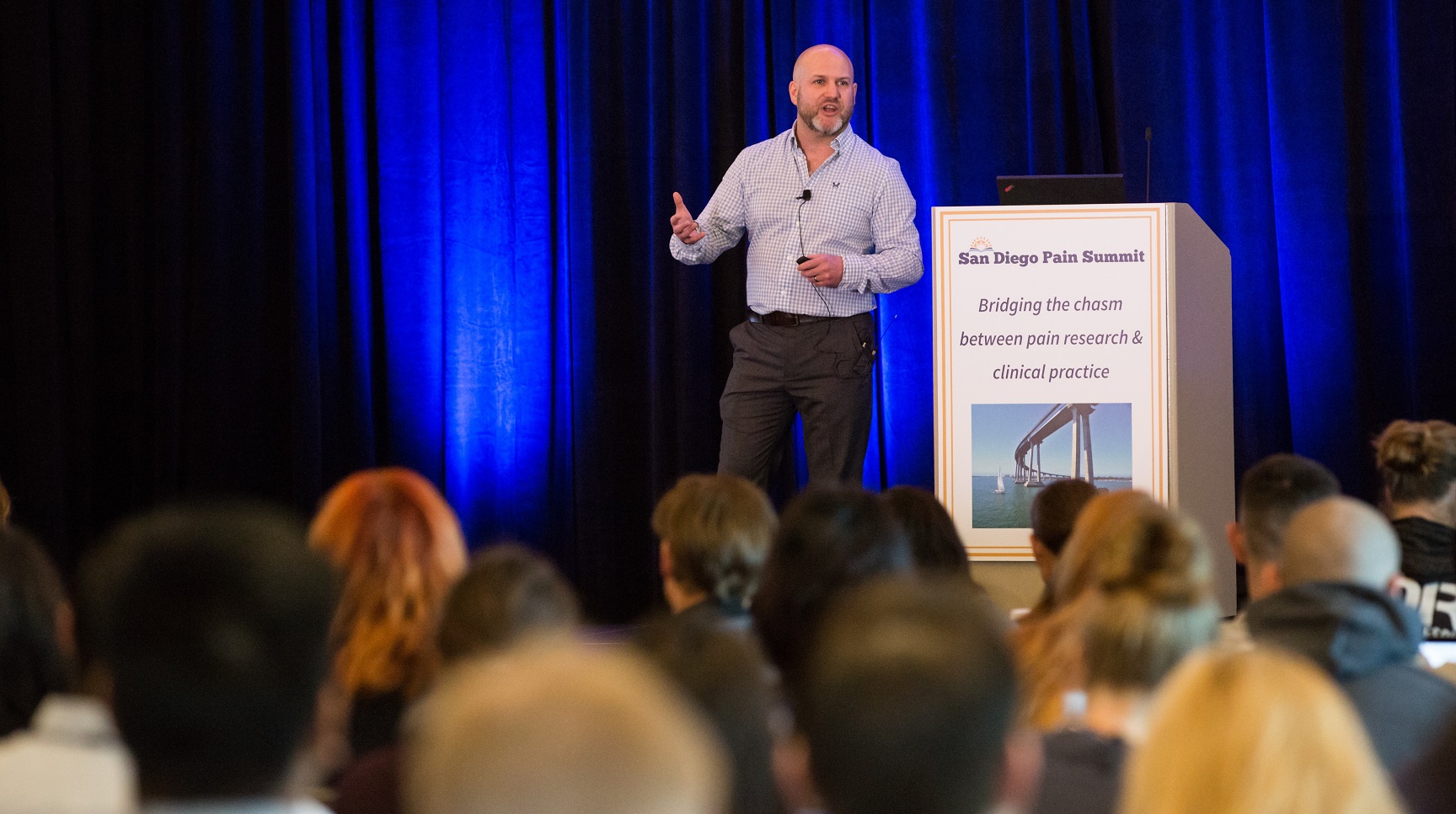
SDPS was started in 2015 and is an annual six day event that is held in February. There are typically four days of workshops followed by two days of conference lectures. All workshops and the two day conference are sold separately so participants can attend part of or the full week.
Since the first event, the two day conference has been live streamed and recorded so that participants can attend virtually. The recordings are then place on Pain Summit Online, where 2015-2018 can be viewed for free and 2019-2022 are available for a small fee.
Through a qualitative post event survey, participants commonly reported the following from attending SDPS: learning how to communicate with patients and colleagues; understanding how to identify and examine clinical biases; learn how to navigate the complexities of a patient’s pain; and how to implement person centered care. Topics such as these aren’t usually covered in-depth at most clinical healthcare conferences.
Although SDPS is a small conference, it has had a ripple effect. Participants who didn’t connect until meeting at SDPS have collaborated for research and educational offerings. SDPS has motivated other groups in Oregon and Michigan to create conferences based on similar topics. SDPS has also inspired the creation of a Facebook group that currently has over 22,000 members.
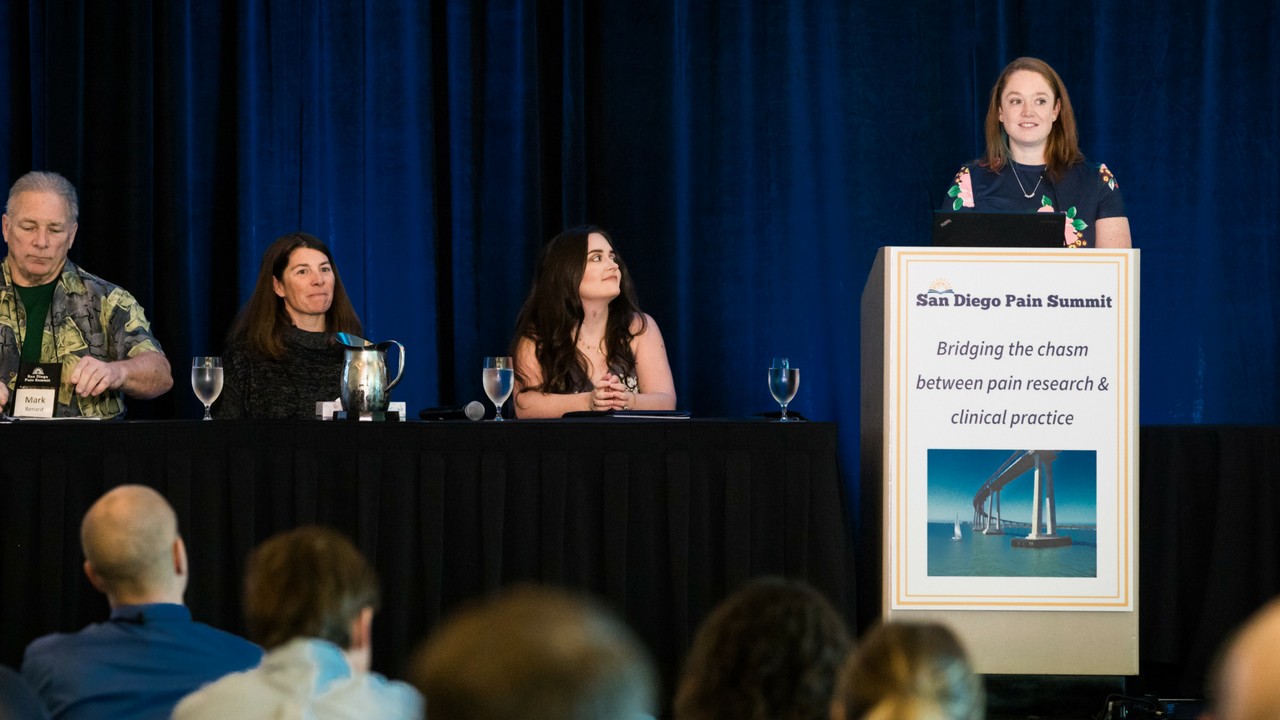
I started bringing the patient perspective onstage in 2018 and since then, other clinical and physical therapy conferences have started including speakers with lived experience to share their stories. One of the speakers who shared their lived experience at SDPS was inspired to contact the International Association Of Pain to do something similar, which lead to the creation of the Global Alliance of Partners for Pain Advocacy.
Can you share a story from your journey that illustrates your resilience?
The San Diego Pain Summit (SDPS) took quite the blow when the pandemic hit, as pretty much did any in person conference/event. I had actually been planning a sister conference in North Carolina, when the pandemic hit I had to cancel and lost quite a bit of money from non-refundable deposits and also had to pay an exorbitant early cancellation fee.
I moved the planned event online in October 2020 and since everyone was starting to burn out on online education, I looked for a fun platform where participants could create avatars and move around in a fun virtual space. The best part was that participants could move around and have video or audio chats with other people in the “room”.
As the pandemic continued, I also had to move the February 2021 conference online. People were even more tired of the basic online Zoom conference set up. So this time, I had the speakers pre-record their talks and participants were give a week to watch the talks before the conference dates. The online conference consisted of each presenter having a 45 minute time slot where participants could ask them questions about their talk, so all discussion and no sitting and watching lectures.
It was a lot of work moving online, mostly because although I knew in person just can’t be replicated, I really wanted participants to still feel connected to the event and still feel like they received quality education and information.
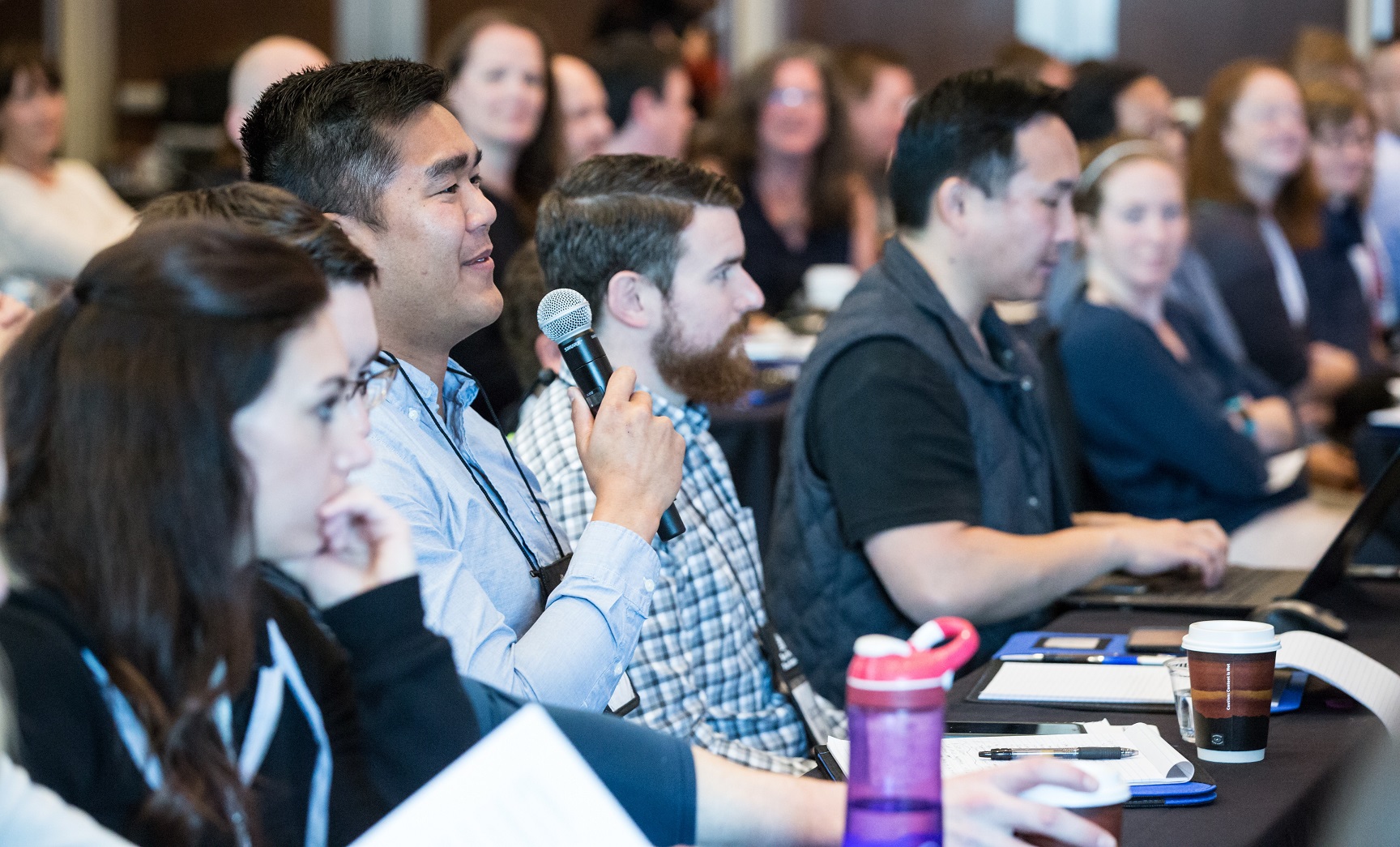
I was able to organize and held an in person conference in February of this year, 2022. For safety precautions, I cut attendance to half (around 73 people), required vaccinations, required indoor masking with only N95 or KN95 masks (which were also provided), and sent out a post-conference survey for Covid tracking. I’m pleased to say there were no Covid cases reported from the event. I knew people would be excited to be back at an in-person event, so about half the talks actually consisted of short lecture followed by group discussions to give participants more time to engage with each other and the speakers.
Somehow, it’s all worked out and the 10th annual SDPS is currently planned for February 2023!
What do you think helped you build your reputation within your market?
The San Diego Pain Summit (SDPS) has developed a reputation for bringing in world renown pain researchers and clinical practitioners. I’ve been able to do this in part because the event is in San Diego and who doesn’t want to come to San Diego in February? Mostly though, when I choose speakers, I’m really focused on the value they can bring to the participants and if that value can be used to improve a clinician’s work.
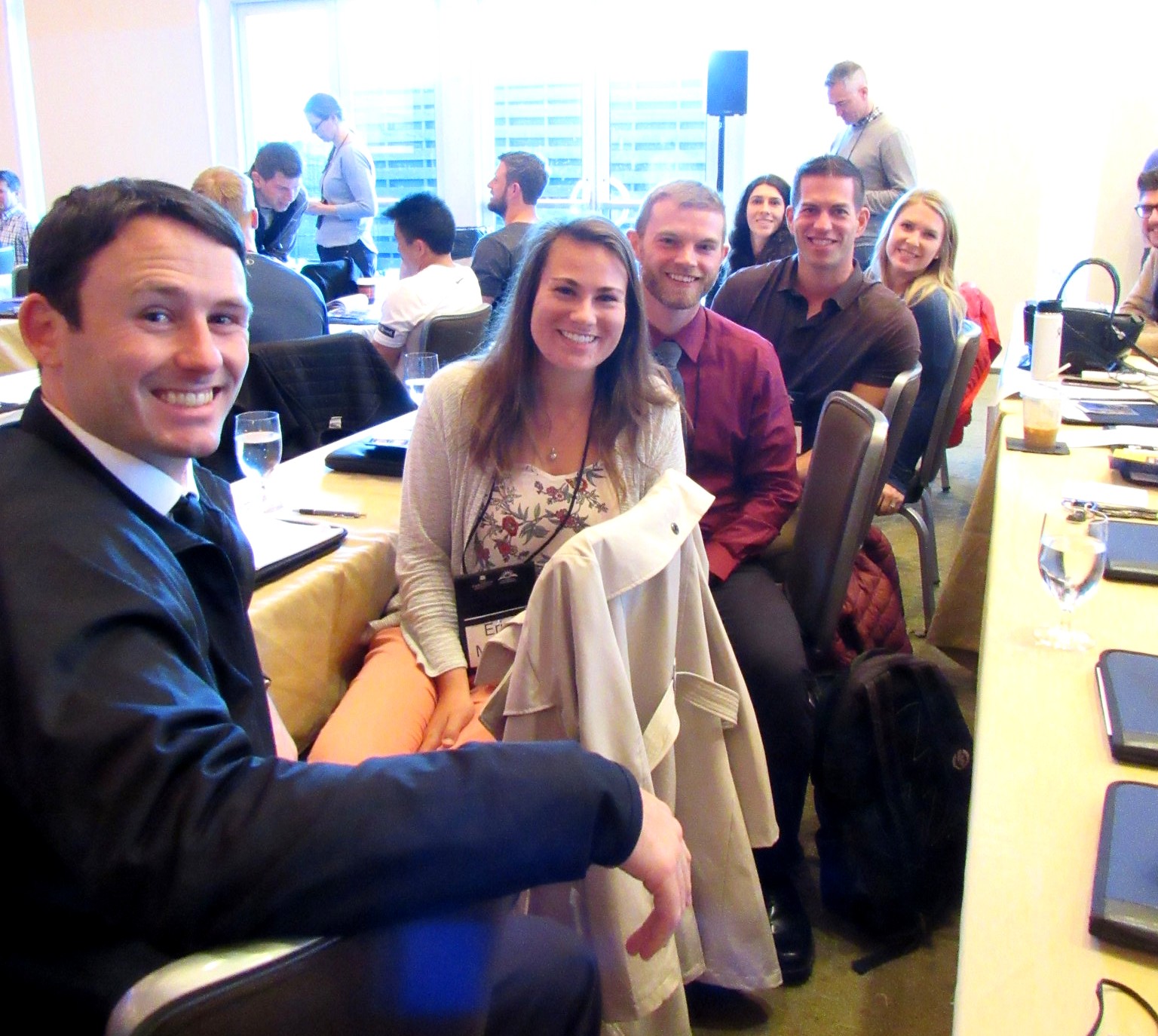
My consistent focus on building community has resulted in that the SDPS has a reputation for creating a strong community. There are quite a lot of discussions and additional learning that happens during breaks and in the evenings around the venue’s fire pits and shared meals.
Because I’m a one person “show”, I also don’t get backlogged running ideas through multiple committees and am not beholden to stakeholders, I can make the decisions that stick to the mission statement of SDPS which is as follows: The San Diego Pain Summit is on a mission to change how pain is managed and treated in the healthcare industry by organizing conferences and workshops where clinicians can learn up to date pain education and research. The Summit also includes voices representing the patient’s lived experience, which is an integral part of creating person centered care.
I don’t allow advertising and am extremely selective in sponsorship offers. It’s more important to me that the integrity of the event stays intact and participants aren’t bombarded with marketing that is unrelated to SDPS topics or goals. This shows participants that the event is about supporting their clinical journey and not about using the event for monetary gain.
Contact Info:
- Website: https://www.sandiegopainsummit.com
- Instagram: https://www.instagram.com/sandiegopainsummit/
- Facebook: https://www.facebook.com/sandiegopainsummit
- Linkedin: https://www.linkedin.com/in/rajam-roose
- Twitter: https://twitter.com/sandiegosummit
- Youtube: https://www.youtube.com/sandiegopainsummit
Image Credits
Nick Ng, Amitava Sarkar, Carolyn Silvernail