
Alright – so today we’ve got the honor of introducing you to Raj Jawa. We think you’ll enjoy our conversation, we’ve shared it below.
Raj, thanks for taking the time to share your stories with us today We’d love to hear about when you first realized that you wanted to pursue a creative path professionally.
I didn’t have one of those “aha” moments where I suddenly knew I was meant for a creative career. It came together more slowly, kind of sneaking up on me around the time I started taking film classes at community college. Before that, I’d always had a casual interest in photography and video—mostly because my parents gave me a camera and a camcorder early on. My friends and I would shoot these strange, funny little videos that probably would’ve gone viral on YouTube if it had existed back then. But it wasn’t until those college classes that I realized this wasn’t just a passing hobby—it was something I actually cared about deeply.
Looking back, it wasn’t just one moment that set me on this path; it was more like a gradual peeling back of the layers, realizing that there were actually options beyond the standard career routes. My family’s background is in retail grocery—something I’ve never found inspiring. When you grow up around that, it’s easy to feel like you’re stuck on this conveyor belt, expected to carry on the family business whether you like it or not. You don’t even think about other possibilities because they’re just not on your radar. It was those film classes that opened my eyes to the idea that there could be something more fulfilling out there.
There’s nothing quite like the buzz of collaboration and the raw, creative energy that comes from working in this field. People tend to downplay how tough it is to make it in the arts, but that’s just not true. The reality is, when you’re genuinely passionate about what you’re doing, the hard work doesn’t feel like drudgery—it feels like something you’re lucky to be doing. Those moments of connection and creativity are what convinced me that, despite the challenges, this is where I’m supposed to be.
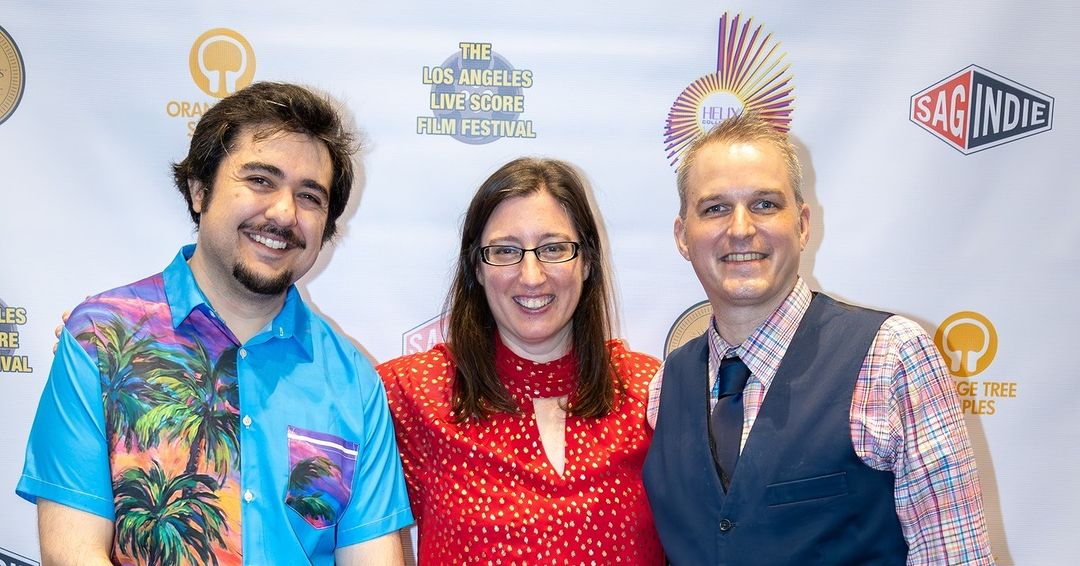
As always, we appreciate you sharing your insights and we’ve got a few more questions for you, but before we get to all of that can you take a minute to introduce yourself and give our readers some of your back background and context?
I’ve carved out two main paths in my career: acting and producing. As an actor, I’ve had the chance to be part of projects like Free Guy, My Crazy Ex, and nearly 70 others. I have fond memories of almost every one of those sets, no matter the budget. There’s an electric, creative energy that comes alive when passionate people come together to make something, and that’s what keeps drawing me back.
On the production side, my journey spans decades of work across a wide range of projects. Right now, my focus is split between two endeavors that couldn’t be more different. The first is a feature film, The Seductress from Hell. This project marks a shift for me, where I’m thinking not just about the art but also about the business of filmmaking. For most of my career, I’ve been driven purely by passion and creativity, deliberately ignoring the business side to distance myself from my family’s retail background. But with The Seductress from Hell, I’m bringing those worlds together. I believe in this film’s potential for both creative impact and financial success, thanks to the incredible team we’ve assembled.
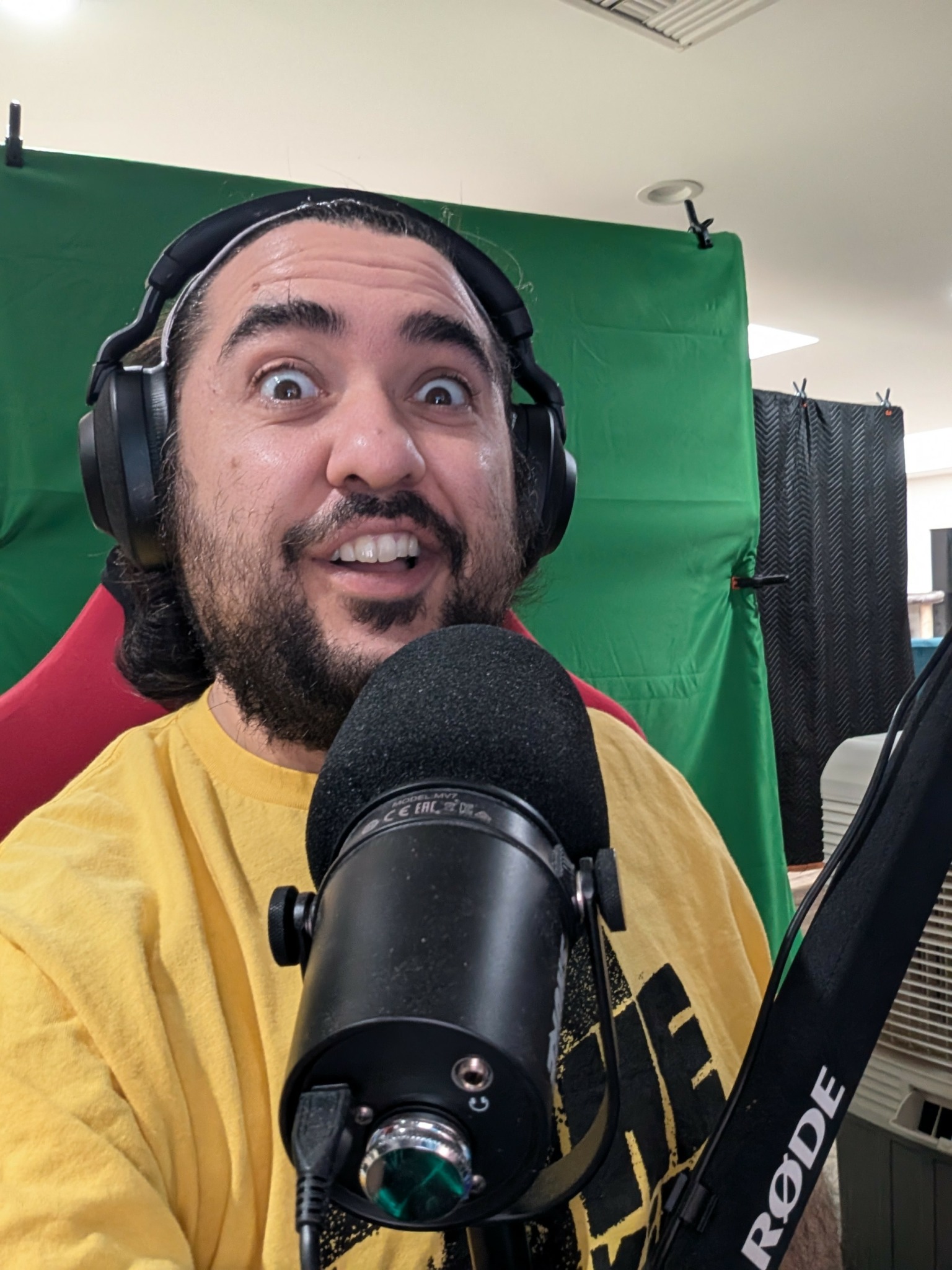
The other project is my sexual fetish podcast, which I host whenever the mood strikes. This is a deeply personal venture aimed at creating a sense of community and encouraging self-acceptance for fetishists. While fetishists ostensibly belong within the kink and BDSM communities, they often don’t have much visibility in public spaces, partly due to the shame or stigma around their preferences. Through the podcast, I aim to offer a space for connection, growth, and acceptance.
I’ve also explored streaming, thinking my background as both a gamer since the NES era and an actor would help me stand out. There’s still something to that idea, but I’ve realized that breaking through as a streamer can be even more challenging than establishing yourself as an actor. In acting, you’re trying to appeal to casting directors and producers, but in streaming, you’re reaching for a much broader audience. I’m still drawn to the space where film and gaming intersect. Being part of Free Guy ignited that interest, and it’s continuing with my role in The League of Warriors, an upcoming film by Daniel Montenegro. I hope there are more chances ahead to blend these two passions.
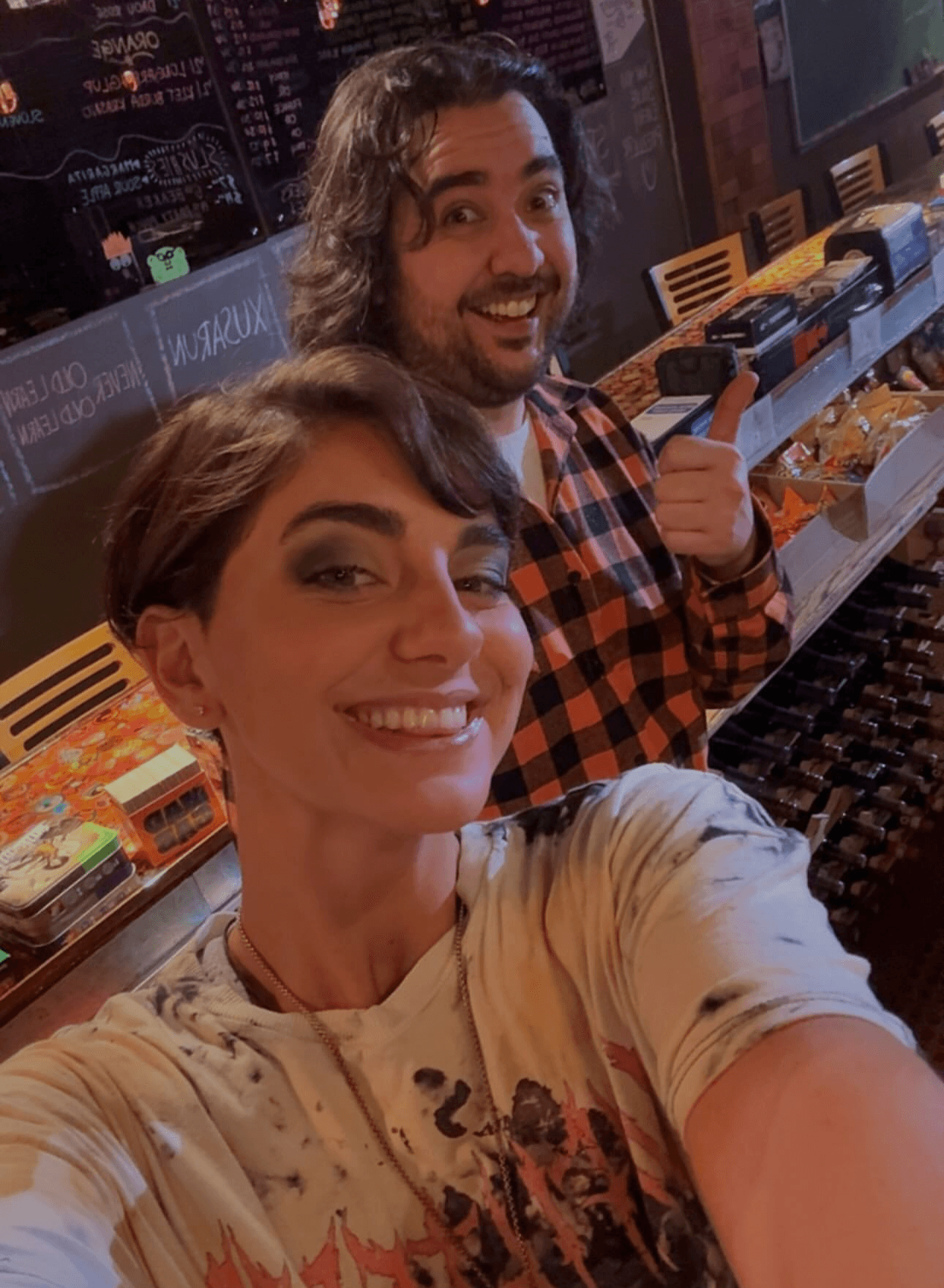
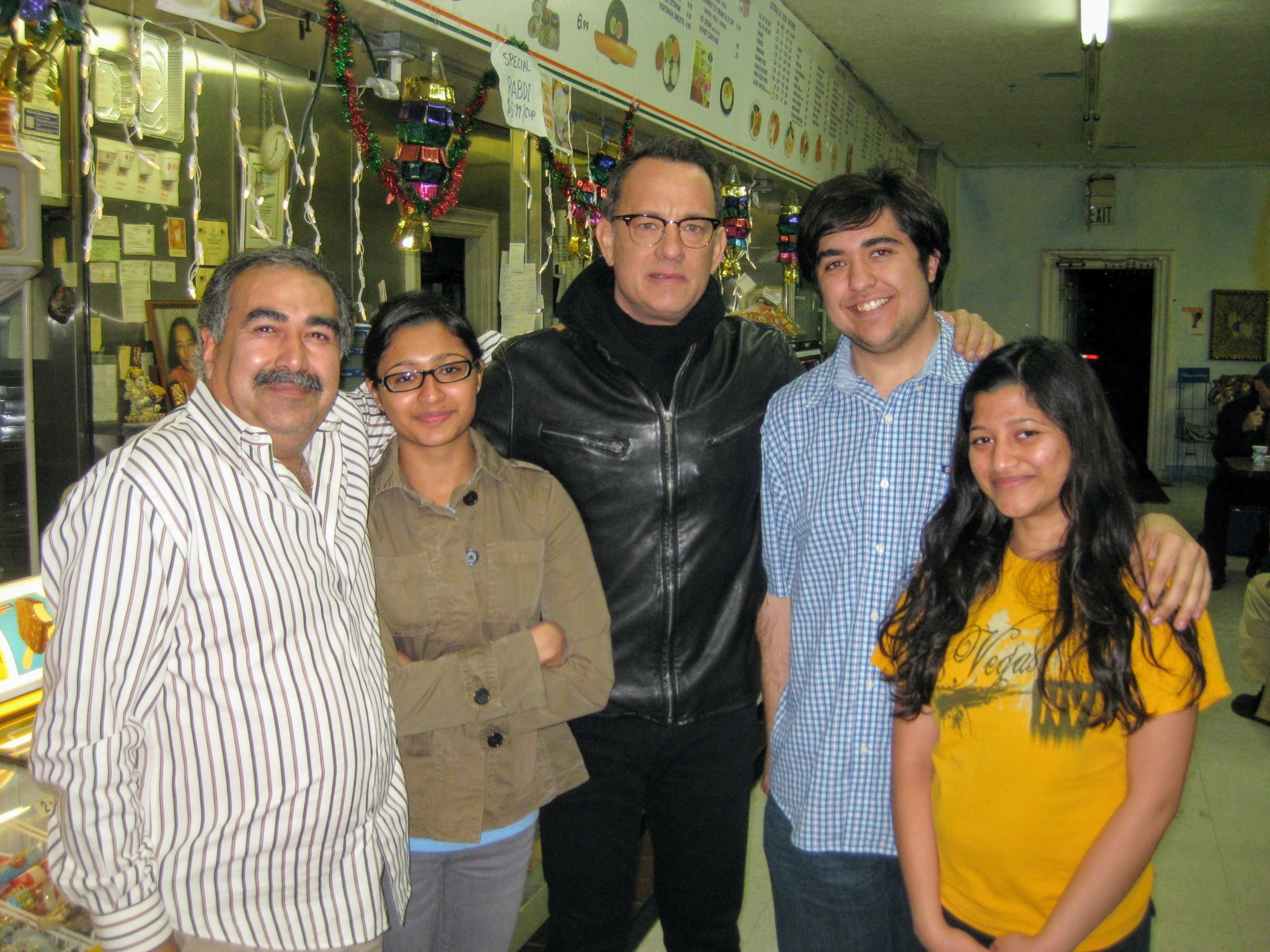
Let’s talk about resilience next – do you have a story you can share with us?
I don’t think there’s a single story that perfectly captures an actor’s resilience because, honestly, quitting is the default in this industry. Most people give up. We all need to survive in this capitalist grind, but acting and filmmaking aren’t like working retail, driving rideshare, or enduring the monotony of a white-collar office job. Acting and filmmaking are dream jobs, and they attract relentless dreamers who, day after day, have to convince themselves—and no one else—why they keep pushing forward in an industry that often seems determined to shut them out.
Resilience in this field isn’t glamorous or something that makes for a great story. It’s in the everyday decision not to quit when it would be so much easier to walk away. It’s waking up feeling crushed but still managing to find that tiny bit of hope and drive to get through another day. It’s navigating the endless cycle of giving your all to an audition, only to face rejection after rejection, sometimes for years. And all of that is just for the possibility—no guarantees, just a shot—that one day, you’ll be able to look back and say, “I fought tooth and nail for this, and now I’ve finally earned my place in this world of dreams.”
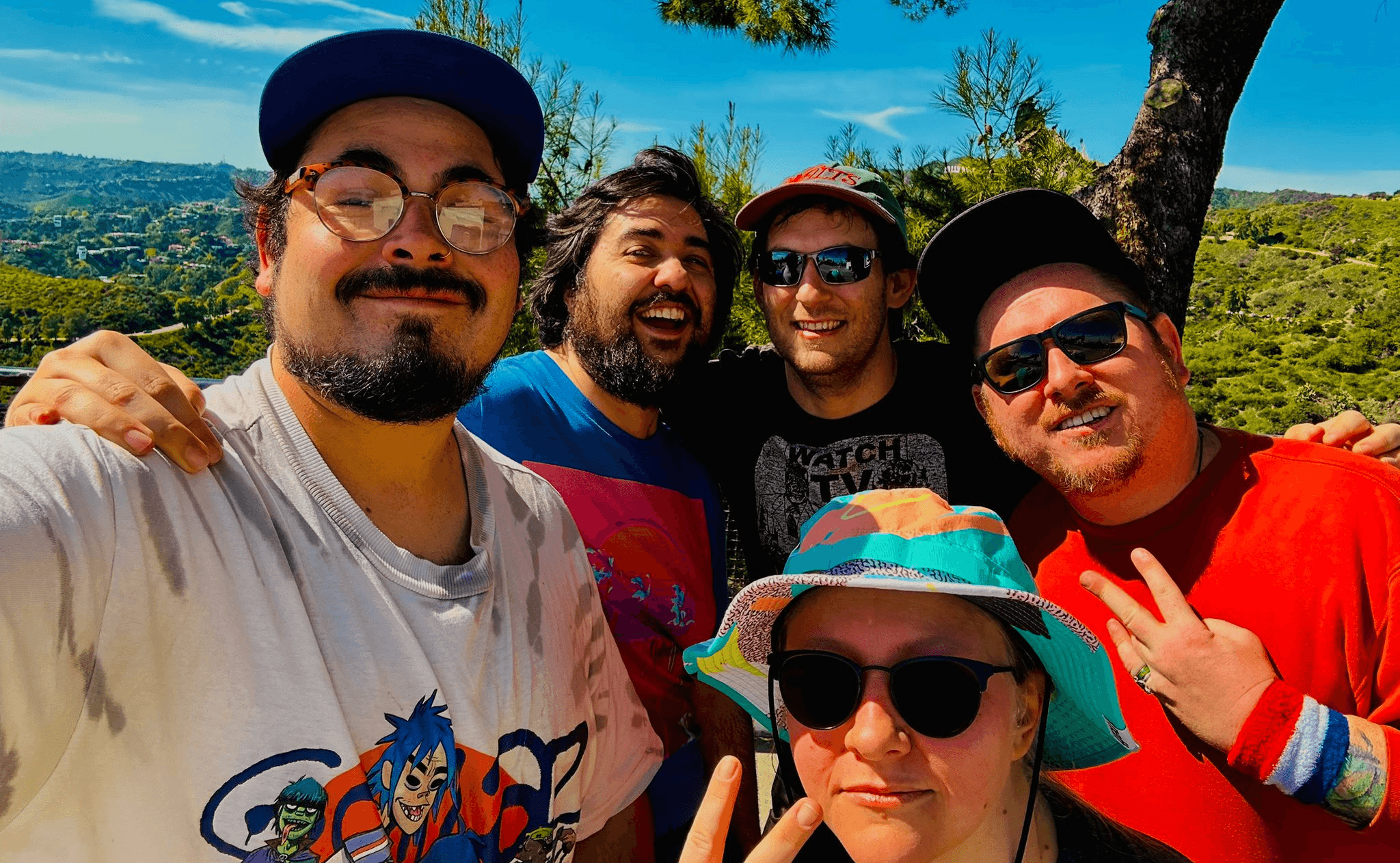

In your view, what can society to do to best support artists, creatives and a thriving creative ecosystem?
I think one of the best ways society can support artists and creatives is to let go of the obsession with stardom. Take Chris Pratt, for example. People were puzzled when he was cast to voice iconic characters like Mario and Garfield. It’s not about picking on Pratt; it’s about the fact that he gets cast because there’s a built-in audience that will show up just because his name is attached. Hollywood studios bank on that. When we, as audience members, blindly follow whatever big name or franchise is being pushed our way, we’re reinforcing the same old systems that keep things predictable and nepotistic.
Hollywood executives are convinced a movie needs star power to succeed, that a film without a “name” actor isn’t worth an audience’s time. And, honestly, the way things stand, they’re not entirely wrong—because society keeps proving them right. So, my challenge to society is this: stop getting caught up in who’s in the movie and start paying attention to the art of filmmaking itself. Appreciate the creativity, the storytelling, the collaboration. That’s where the real magic happens, and that’s what deserves our support.
Contact Info:
- Website: https://jawa.la
- Instagram: https://www.instagram.com/rajjawa
- Facebook: https://www.facebook.com/rajjawa/
- Linkedin: https://www.linkedin.com/in/rajjawa/
- Twitter: https://x.com/rajjawa
- Youtube: https://www.youtube.com/rajjawa