
We’re excited to introduce you to the always interesting and insightful Rai Terry. We hope you’ll enjoy our conversation with Rai below.
Rai, looking forward to hearing all of your stories today. Are you happy as a creative professional? Do you sometimes wonder what it would be like to work for someone else?
It’s interesting! I often have this conversation with my friends who are also artists and who, like me, are transitioning from our 20s to our 30s (Saturn Return, anyone?) I think, for many of us, the last few years have been tumultuous, to say the least. It feels like you’ve seen the last of the people you started out with finally give up, and we are beginning to understand why. It’s hard! In fact, I’ve come to believe it’s the most difficult profession to choose—there are no guidelines, no one can really help you, and you just have to figure it out and make something new. That’s the point. Under that kind of pressure and financial strain, on top of compounded oppressions of being Black, queer, neurodivergent, what have you – I think we often ask ourselves why we didn’t/don’t just go for a regular job and 100% of the time the answer that comes back is that we can’t. We simply cannot. So, being an artist, truly, I don’t believe it is something you choose; rather, it chooses you. As many of our most prolific ancestors have said, either we create or we die.


Rai, before we move on to more of these sorts of questions, can you take some time to bring our readers up to speed on you and what you do?
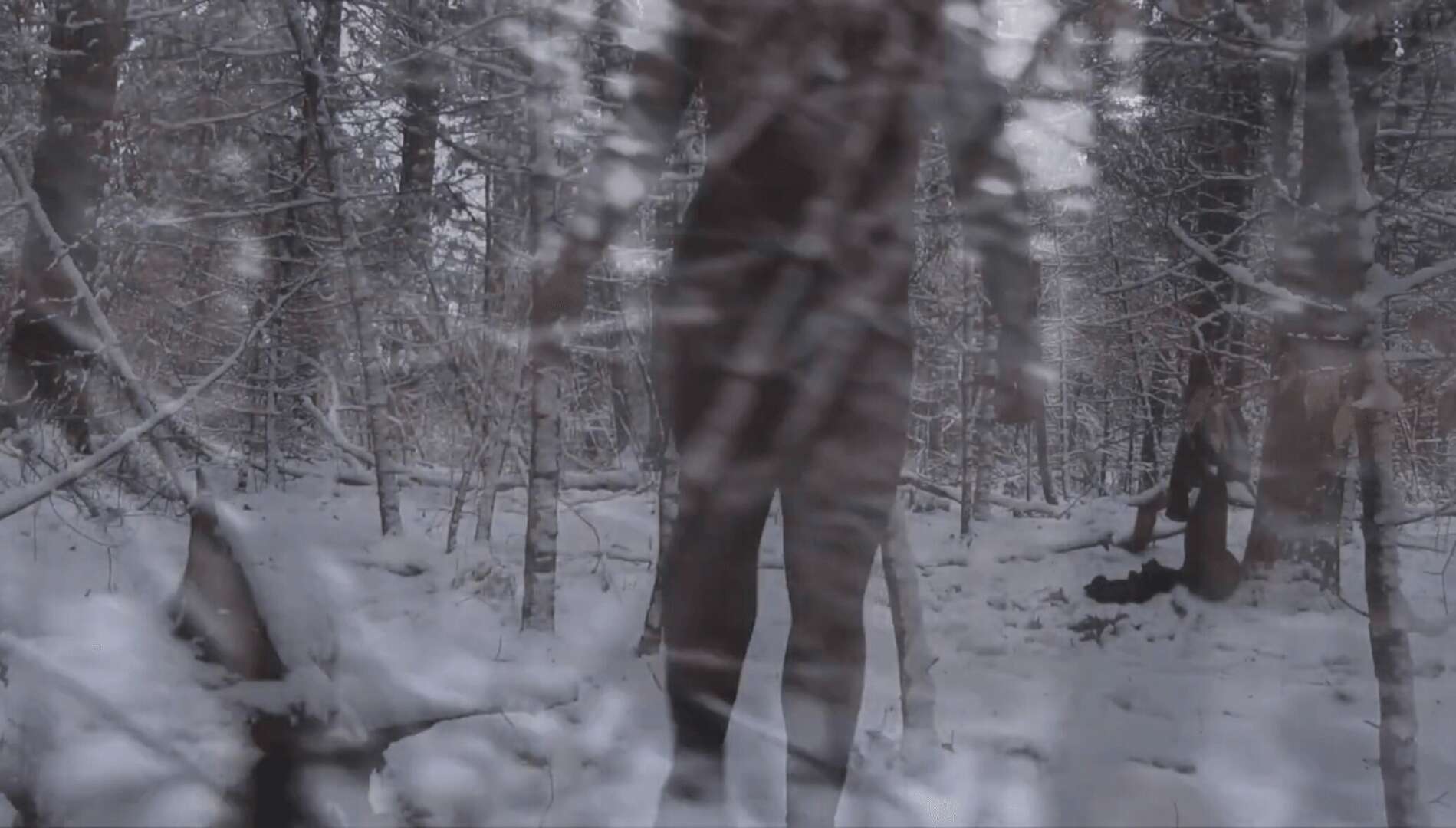
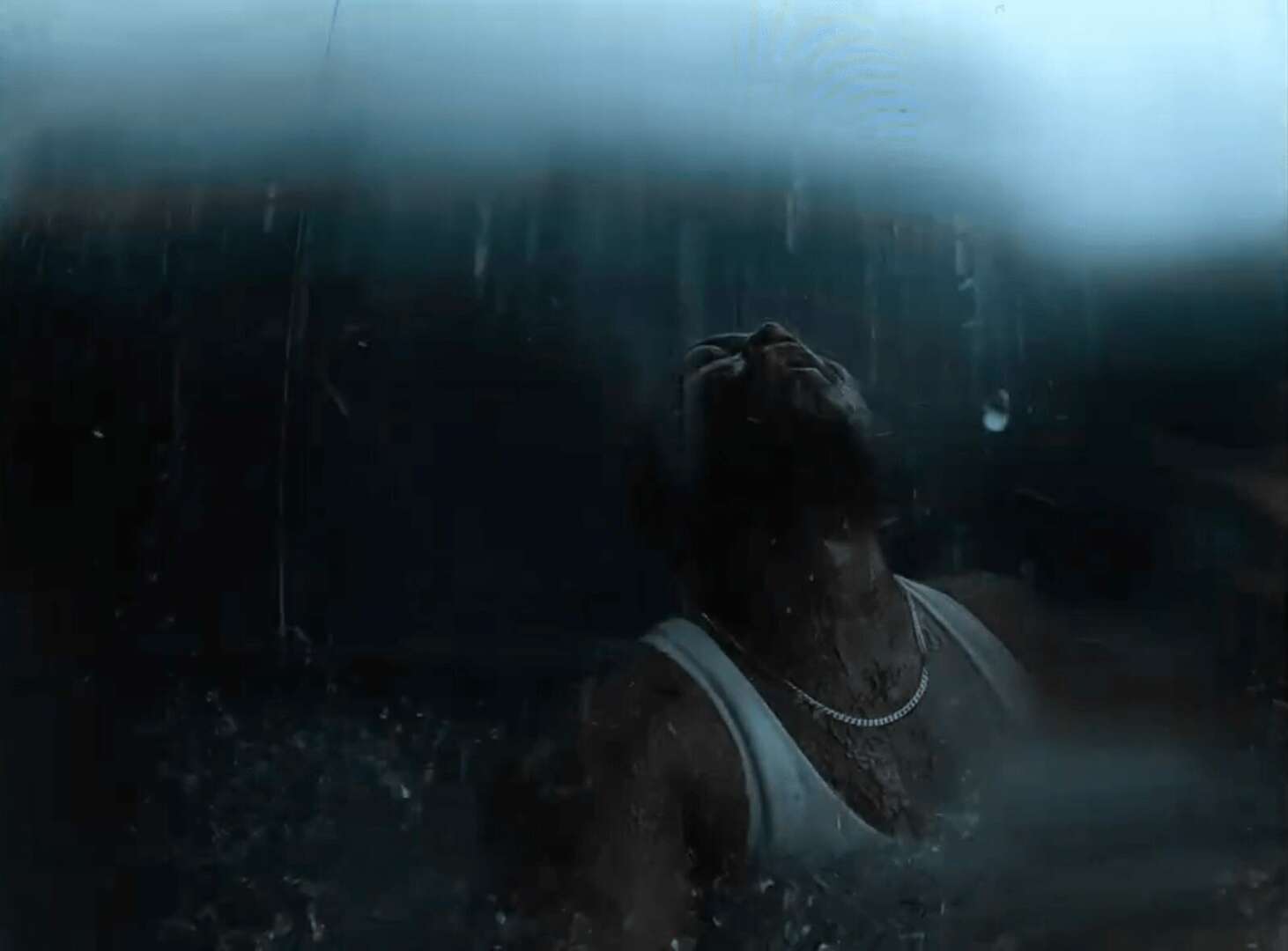
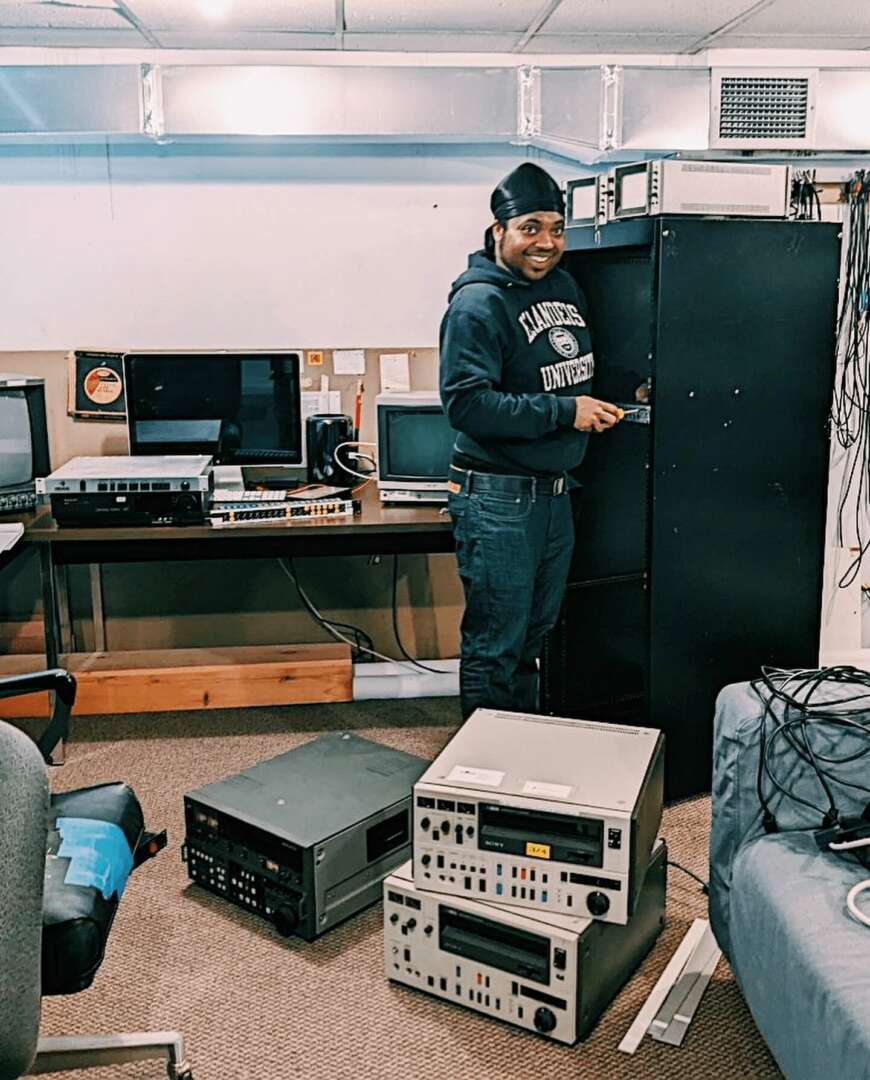
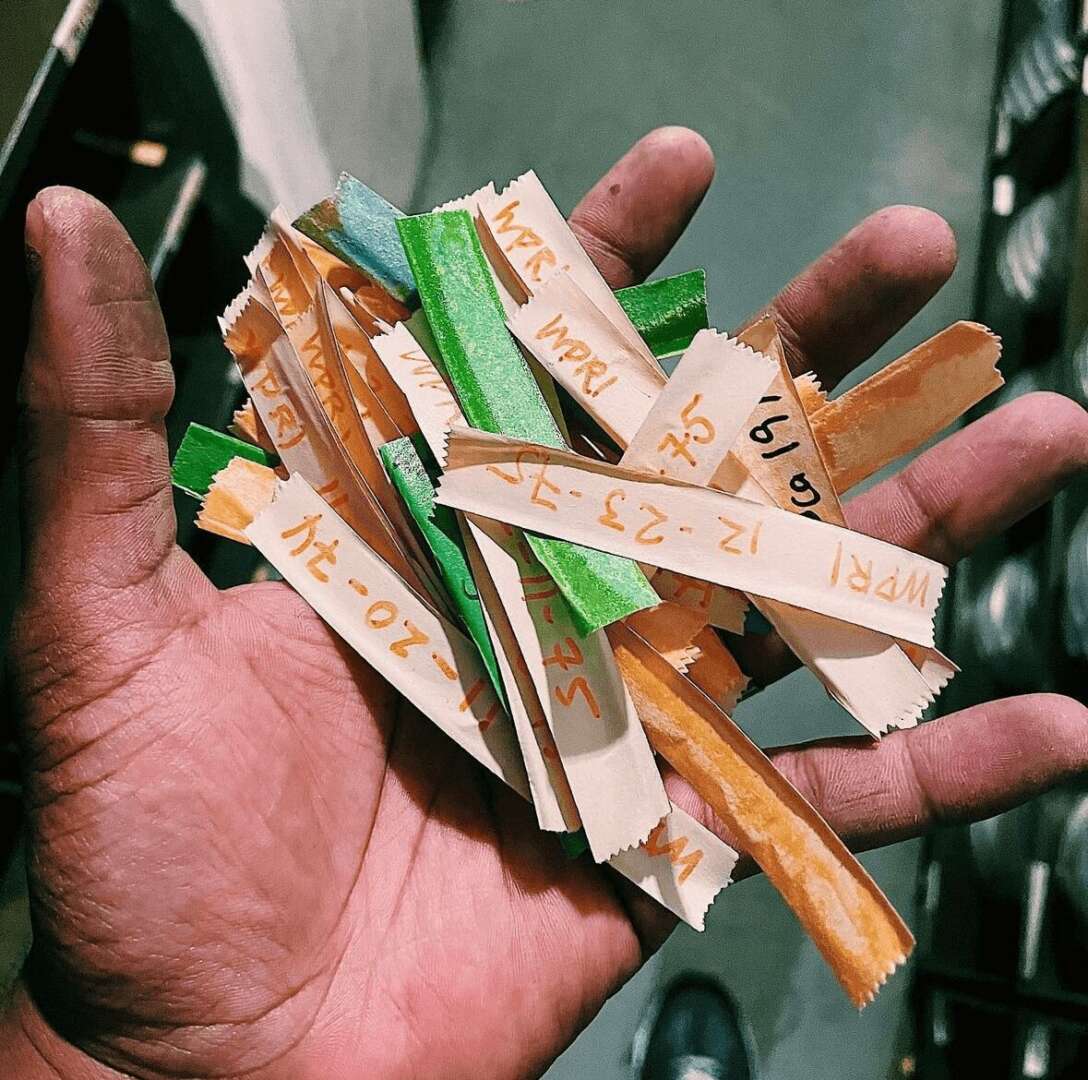
I am an audiovisual artist and archivist! My path began with film school, but I finished undergrad with a degree from Brandeis in African and African American Studies, with a concentration in arts, and in 2022, I received my Master’s degree in Public Humanities from Brown University, where I focused on Moving Image Archiving (essentially, the preservation of movies). I tend to do a lot of different things related to media, but at the root of all of my work is an obsession with structures and networks of information. For example, right now, I have a project called Auntie Penny’s Tapes, where I am collecting videotapes from Black, queer, and other marginalized communities and making digital copies for the families. This comes from my interest in ensuring the preservation of marginalized people’s histories and materials. Videotape, the medium on which my generation’s memories were recorded and the first recording media widely available to marginalized communities, is coming to the end of its shelf-life and is wildly under-collected by institutions. Rather than simply posting the raw footage to the site, however, I edit them with a technique I call “seen-through,” making an artistic rendering that both allows the public to feel and engage in the history of the footage without being able to fully consume it, i.e., protecting the privacy of communities that are and have historically been over-surveilled.

For you, what’s the most rewarding aspect of being a creative?
For me, the most rewarding part of being an artist is honestly just getting to be an artist. As I get older, I often complain about how I should have gotten a regular job, but I can also see how already in my adult life, I have gotten to have so much experience, so much knowledge, and so many pure relationships that many people don’t get to experience in one lifetime. It is tough to function in this society while not standing at a single point, or moving along a linear timeline. At least for me, being an artist means that I’m constantly fluctuating between periods of intense observation, taking in, LIVING, and periods of intense reflection, creation/destruction, and isolation. It’s a hard process: hard on the psyche, hard on the body. Having spoken to other artist friends of mine, there is such a feeling of depletion when you finish a work, as if you’ve just given birth to this thing you’ve been carrying for months or years, sometimes even to the point of a sort of temporary repulsion. I think the reward for me is when it finally comes to light—when it goes into the world, and you’re so anxious because it’s your baby all grown up, and you have to just let it live. I am rewarded when I screen work, and people have the visceral reaction to something that I intended them to have, or when someone picks up an intellectual thread in a piece that I didn’t even consciously realize as I was making it, or when years later a stranger will message me on Instagram and say that the work has touched them in some way. Those moments are so special to me because they remind me that I am not alone in my thoughts and feelings about the world and that expressing them was the right choice because I’ve helped someone else feel that way, too.

What do you think is the goal or mission that drives your creative journey?
I grew up in a small New England town with very little diversity, and I think, honestly, that besides an inherent and internal creative drive, part of why I picked up a camera as a teenager was to try and document as much of my life, Black life, queer life as possible. From where I stood, it seemed like our histories were either systematically erased or never bothered to be recorded at all, so I think it was a bit of a trauma response. All these years later, I have found or gained access to a lot of the information I thought was missing, and have made it my goal to open up our ideas of legitimate knowledge and knowledge-making, bringing it back to roots of information encoded in culture. In a way, then, what keeps me motivated now is fairly close to when I started out—preserving and uplifting Black, Transgender, Indigenous, and otherwise histories—but I think less from a sort of obsessive-compulsive response to a feeling of erasure and more so from a place of understanding how much we need to intimately know and embrace the fugitive methods that have kept us thus far in a world that continues to try and fail to erase us.
Contact Info:
- Instagram: @raimckterry
- Linkedin: https://www.linkedin.com/in/rai-terry?utm_source=share&utm_campaign=share_via&utm_content=profile&utm_medium=ios_app
- Youtube: https://www.youtube.com/@raimckterry/videos
- Soundcloud: https://soundcloud.com/tertium_quid-1/tracks