

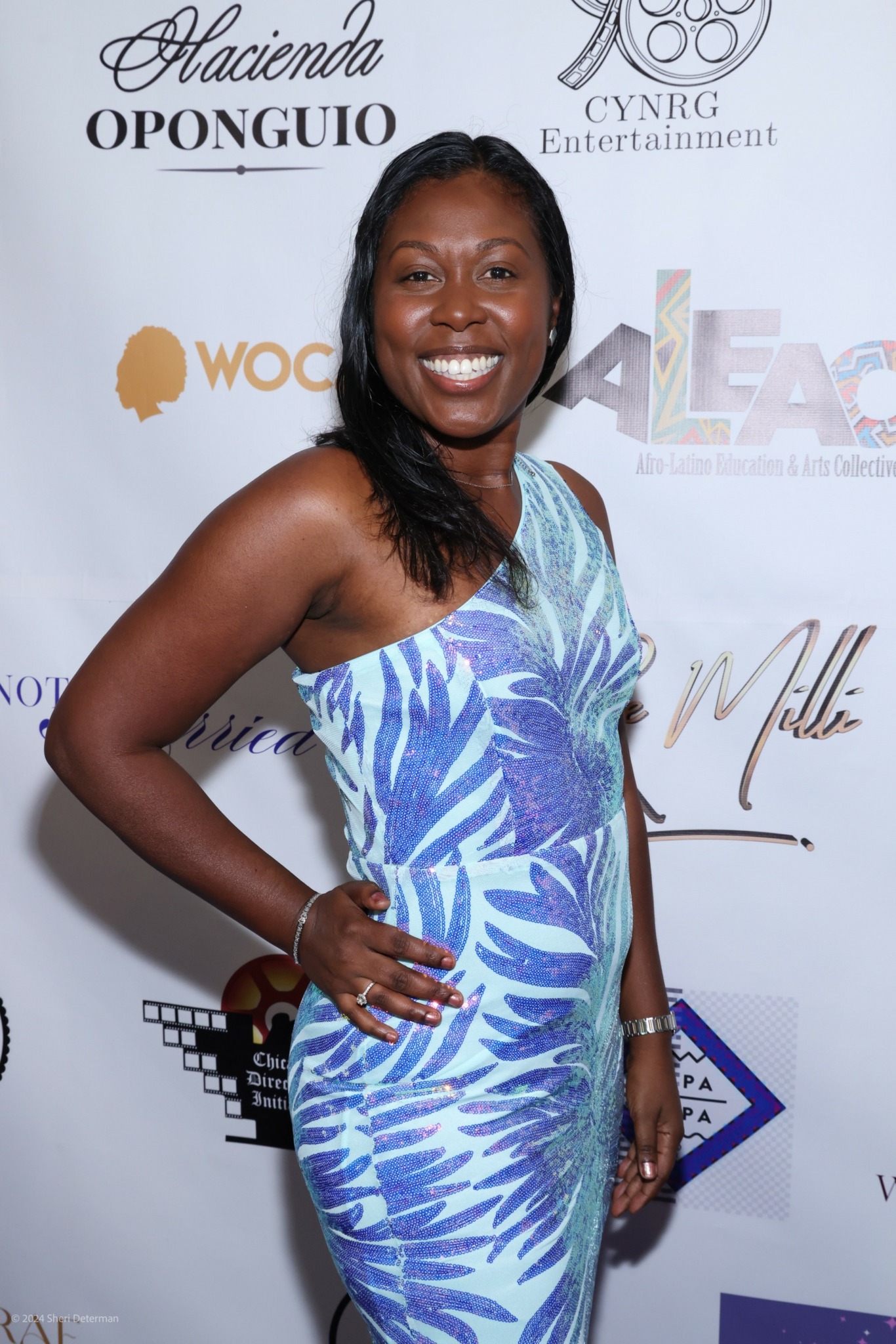

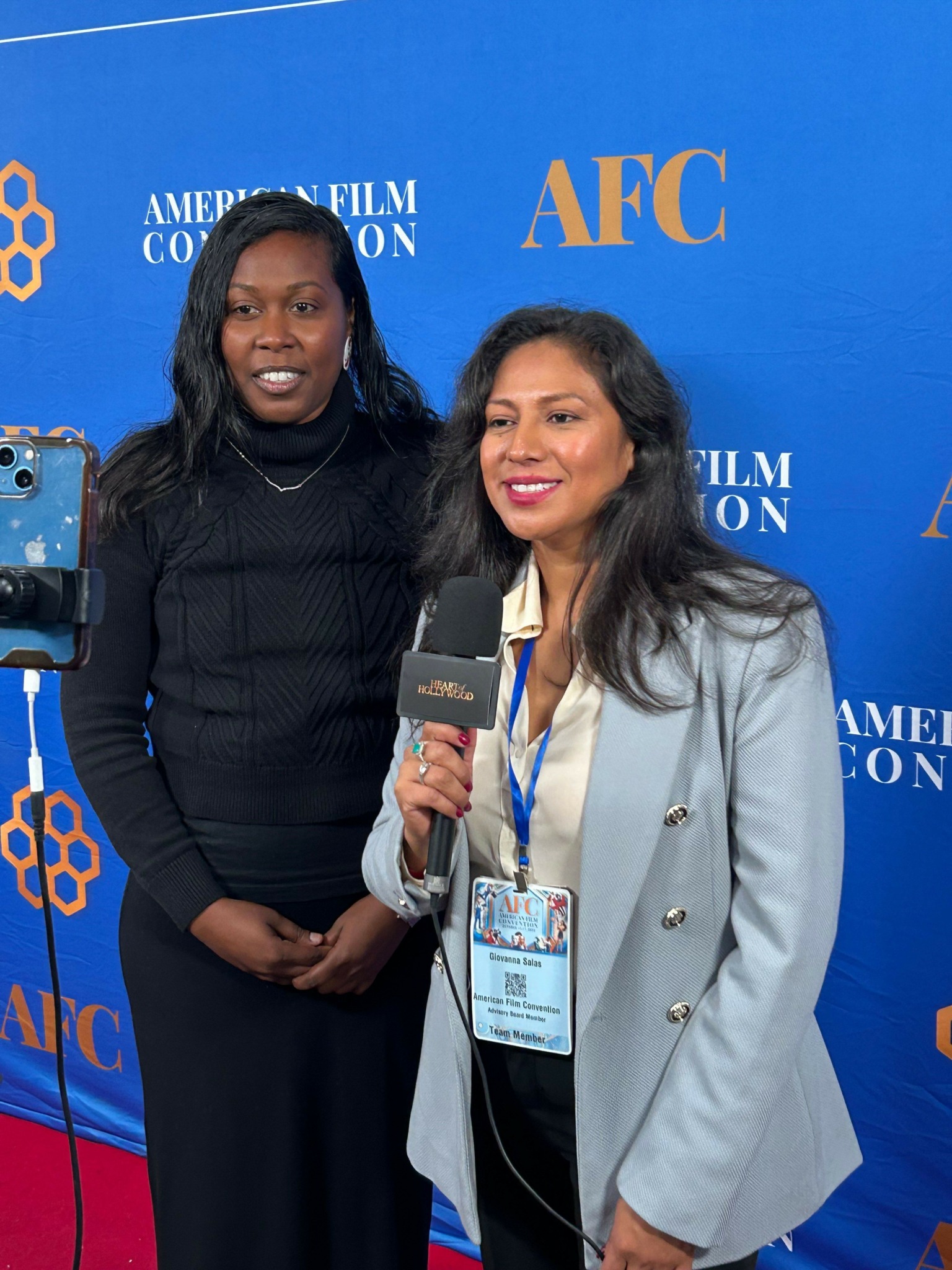
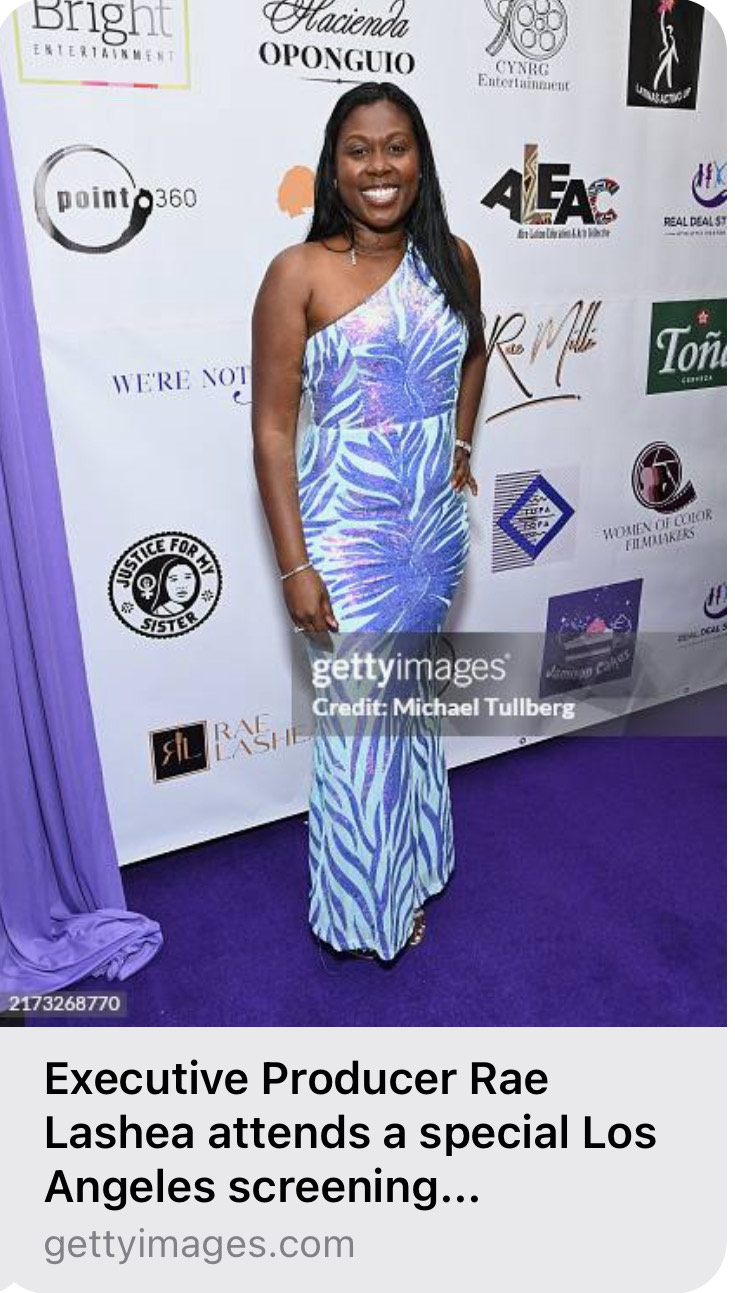
We recently connected with Rae Lashea and have shared our conversation below.
Hi Rae, thanks for joining us today. Let’s start with inspirations and heroes. Are there any historical figures you look up to?
Toni Morrison, although she only recently became a historical figure, is an author, editor and educator who I look up to. Best known for her novels The Bluest Eye and Song of Solomon, she began inspiring me since high school when I became familiar with her literature. Some of her books like Sula, Jazz, Tar Baby and Beloved portray women, particularly African American women, in ways that I had never before seen in print. They were physically strong, mentally courageous, socially brave, and fought for what was right in a world that often seemed morally corrupt and full of injustice. One of the most important values I learned from her is to not water down my intelligence just to make others more comfortable. Toni Morrison did not shy away from using big words and displaying her intellect. Instead, she wrote in a way that challenged me to ‘step my literary game up’ not only because of the lexicon but also the way she wove stories together through the eyes and perspectives of different characters. All of her stories have deeper life meanings that I was able to dissect and integrate into my journey, and then later teach in my own classroom, when I became an educator, regarding theme, symbolism, and character analysis. Toni Morrison was a literary genius who used her platform to advance social justice and equality; things that I aspire to accomplish. I edit papers and books for people, as she did working at Random House, and I would like to eventually become a professor of higher education, as she did at Howard University. Morrison, like her characters, was authentic and brave in her literature as she wrote about race, gender, oppression and identity, ultimately becoming the voice of marginalized groups. I aim to show up in this world the same way, inspiring others, through my books and films, to be true to themselves and their own experiences.
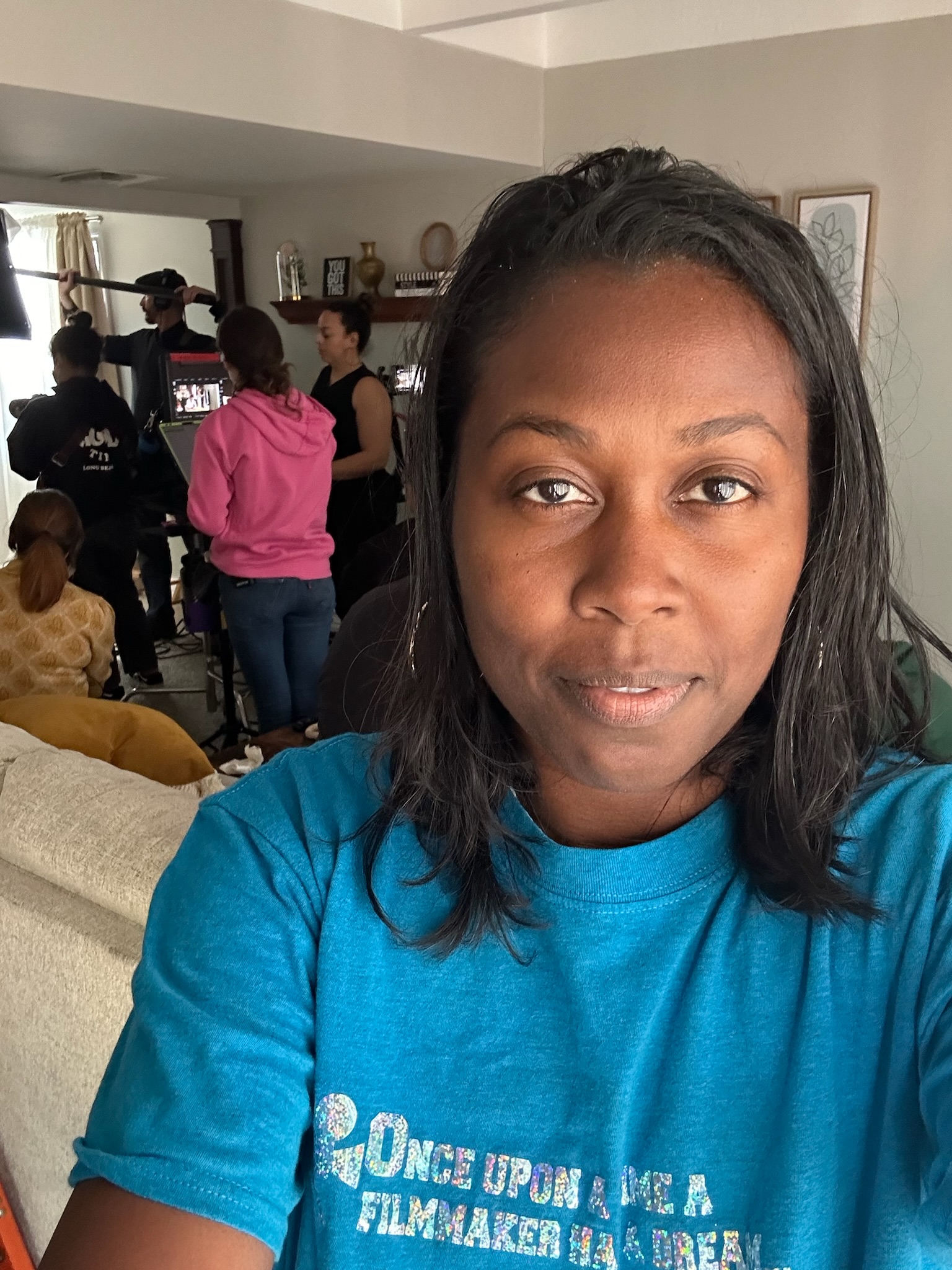
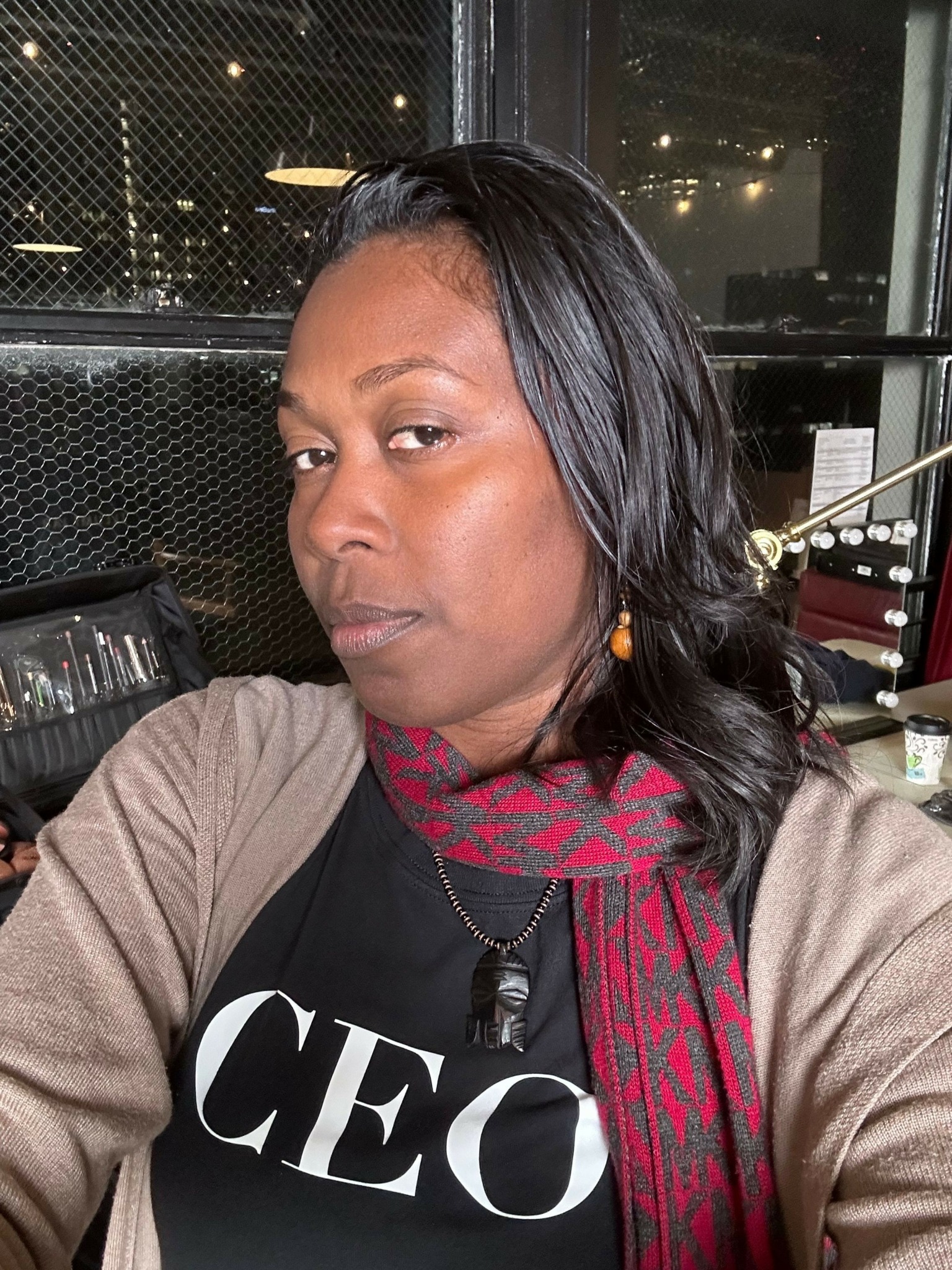
Rae, before we move on to more of these sorts of questions, can you take some time to bring our readers up to speed on you and what you do?
I have always been a writer, to which I credit God for my innate talent, followed by my elementary school teachers at Curtis Estabrook public school 272 in Brooklyn, New York who made us write and edit. We wrote in journals, we wrote book reports, we wrote daily summaries of the school day, and then edited our own work and that of our classmates. We were surrounded by books, and we were taught to respect them. I read books independently, our teachers read us books out loud, there were book fairs and book clubs. We used bookmarks and credited the author, the illustrator, and the publishing house. Words and literature were important parts of my education and my life.
My parents ordered a new set of encyclopedias every five years, and we took pride in our home bookshelf. As a Jehovah’s Witness in my youth, I also read the bible and bible stories, often. So, by the time I was in the third grade, not only was I pasting together paper to create my own works of literature, but I had a huge vocabulary, and I could tell interesting and compelling stories using my imagination. The more I got lost in the pages of esteemed writers like Zora Neale Hurston, Maya Angelou, Ernest Gaines, Judy Blume, Roald Dahl, Edwidge Danticat, Chaim Potok and Toni Morrison throughout my academic career, the more skilled I became at crafting intricate narratives that blended real life experiences with fantasy. I published my first book, the erotica novel Black Geisha, that details the lives of swingers in New York and Los Angeles, when I was twenty-five. I went on to write the sweet and empowering poetic children’s book You Are a Star, which was reflective of the experiences that I observed of students with special needs in the inner-city school system of Los Angeles. I wrote a meditative journal called Fifty-Two Weeks of M.I.R.A.C.L.E.S some years after that, and then my latest novel Hot Tea and Mercy which cleverly tells the story of three very different women who find commonalities in their unraveling lives.
My writing and editing skills led me to creating a self-run service center called Blaze Editing and Publishing many years ago. As my clientele grew, so did my scope of services, and I began a C-Corp under Rae Lashea Media Consulting. With this newfound range of services, and my desire to put into practice what I learned through Women of Color Filmmakers and Women of Color Unite during my downtime of the pandemic, I co-wrote and produced the script for a new romantic comedy “We’re Not Married?” – to be released in 2025. I am most proud of this endeavor because our production team was able to boast high percentages of women crew, women of color cast and crew, women of color and LGBTQ department heads, and people of color cast – something that is not often seen in the film industry. I now have numerous relevant and equitable scripts of good and compelling stories from other writers and directors that my company will produce. Our brand, RL Inc does excellent work to produce phenomenal films, including “We’re Not Married?” which took home the award for best feature in the La Femme International Film Festival.

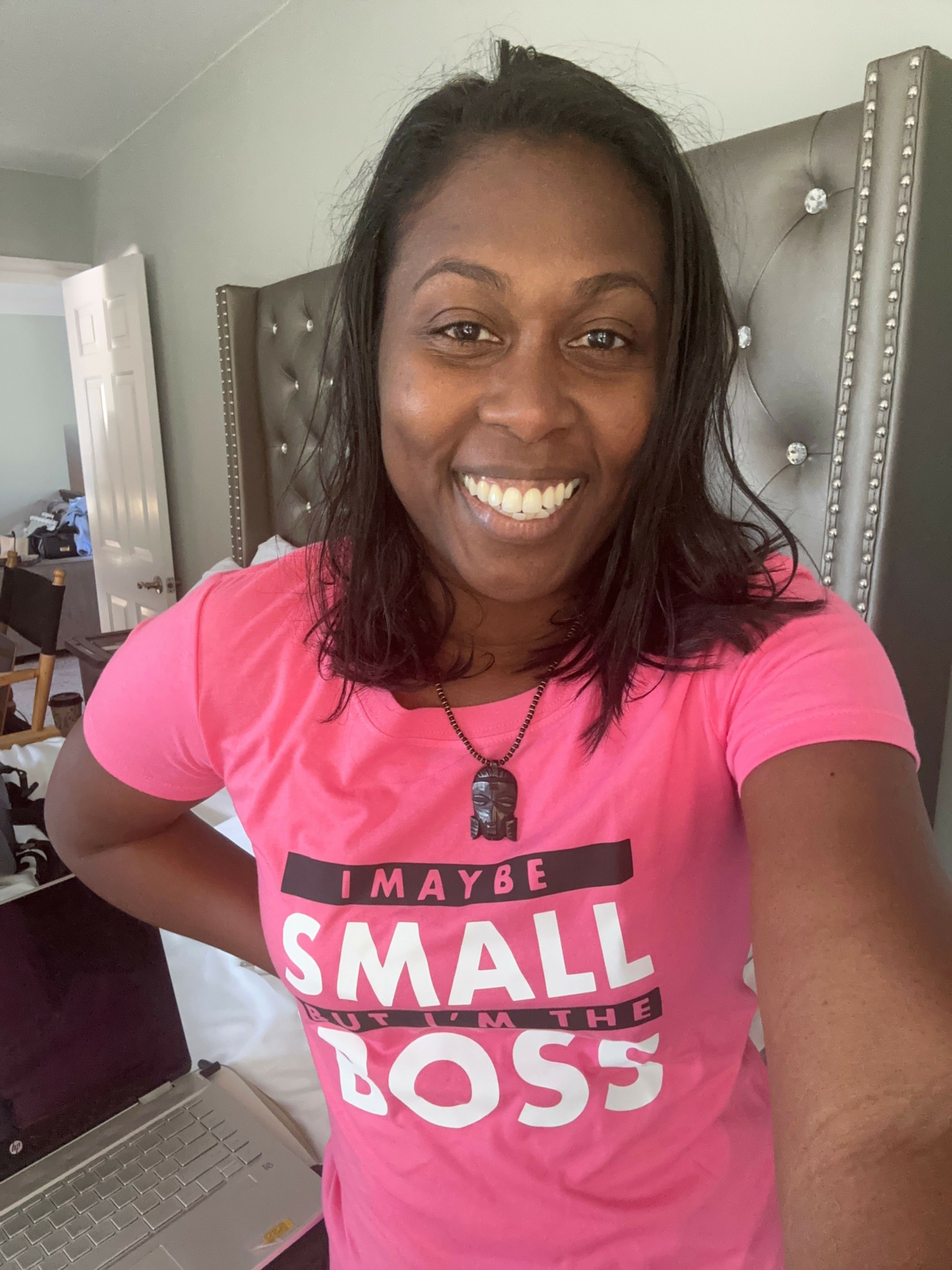
How do you keep your team’s morale high?
Managing a team and maintaining a high morale among team members is a necessary skill, and it is a skill that one must learn and cultivate in order to be successful. I think personal development is a great place for a leader to begin. Reading books and attending seminars that speak to the need and adeptness of good leadership, team management, goal setting, and the leadership development of others is a valuable use of time and resources. Hiring and surrounding yourself with the best people for the job will alleviate so much strain while maximizing the overall time and effort that is put forth. It will also save money in the long run. Allowing those whom you hire to do their jobs without micromanaging is also beneficial to the team and the work. One must trust their ability to hire and then trust the team that is in place. Being honest and transparent about things, good and bad, without stirring up panic during those down cycles is also key to maintaining high morale and trust in the leader and the company. Rewarding those who perform well is a good incentive to keeping folks happy and committed to the vision, mission, and goals. Additionally, knowing when to dismiss people who are bad for morale is also important because one negative person can truly bring down the bunch and that can destroy a lot of what one has built. Good leaders are realistic and positive and know that for every problem there are multiple solutions. Staying solution-oriented and encouraging others to do the same will yield the desired results. Finally, respecting the people you work with and taking a true and authentic interest in them and their lives will build a trust and loyalty that might not otherwise be gained. Oh yeah, and pay people on time – with bonuses, if possible.
Is there something you think non-creatives will struggle to understand about your journey as a creative?
It is sometimes difficult for the human mind to understand the journey or the process towards success separate from the success itself. When people see the final product of a person – whether it’s a thriving business, tangible assets, the written book, the produced movie, the fit body – a lot of times they ascribe those accomplishments to luck, inheritance, or something outside of the person’s own discipline, grit, patience, faith and determination. This is untrue because it is usually the small incremental steps of consistency that bring a person to the place where others can finally see their success. I think this is even more difficult for non-creatives to understand about the journey of a creative. It’s like the journey of a lotus, which remains dormant for years until all of the conditions are right to develop first the roots for stability, then the leaves for balance, only then followed by the stunning flower or final product that rises above the water’s surface, now visible to others. For creatives, it takes even more faith and confidence in themselves, their talent and their craft because they are relying on societal acceptance in a world where trends and tastes change. We are also often alone in our creative space when we’re working, and the mind can play cruel tricks on the creative that must be combatted with positive self-talk, meditation, journaling, shadow work, prayer and reflection. As a creative, we have to be our own greatest cheerleader while simultaneously fighting off the natural instinct to be our own greatest critic. Finally, our hours are different and should be respected. We can’t be told to ‘get some rest’ or ‘don’t work too hard’ because that undermines our creative journey and stifles those moments when we get in a zone and actually don’t need to eat or sleep because there is something outside of ourselves that is fueling us.
Contact Info:
- Website: https://www.raelashea.com
- Instagram: https://www.instagram.com/raelashea/
- Facebook: https://www.facebook.com/raelashea
- Linkedin: https://www.linkedin.com/in/raelashea
- Twitter: https://twitter.com/rachelblaze
- Youtube: https://www.youtube.com/@raelashea7
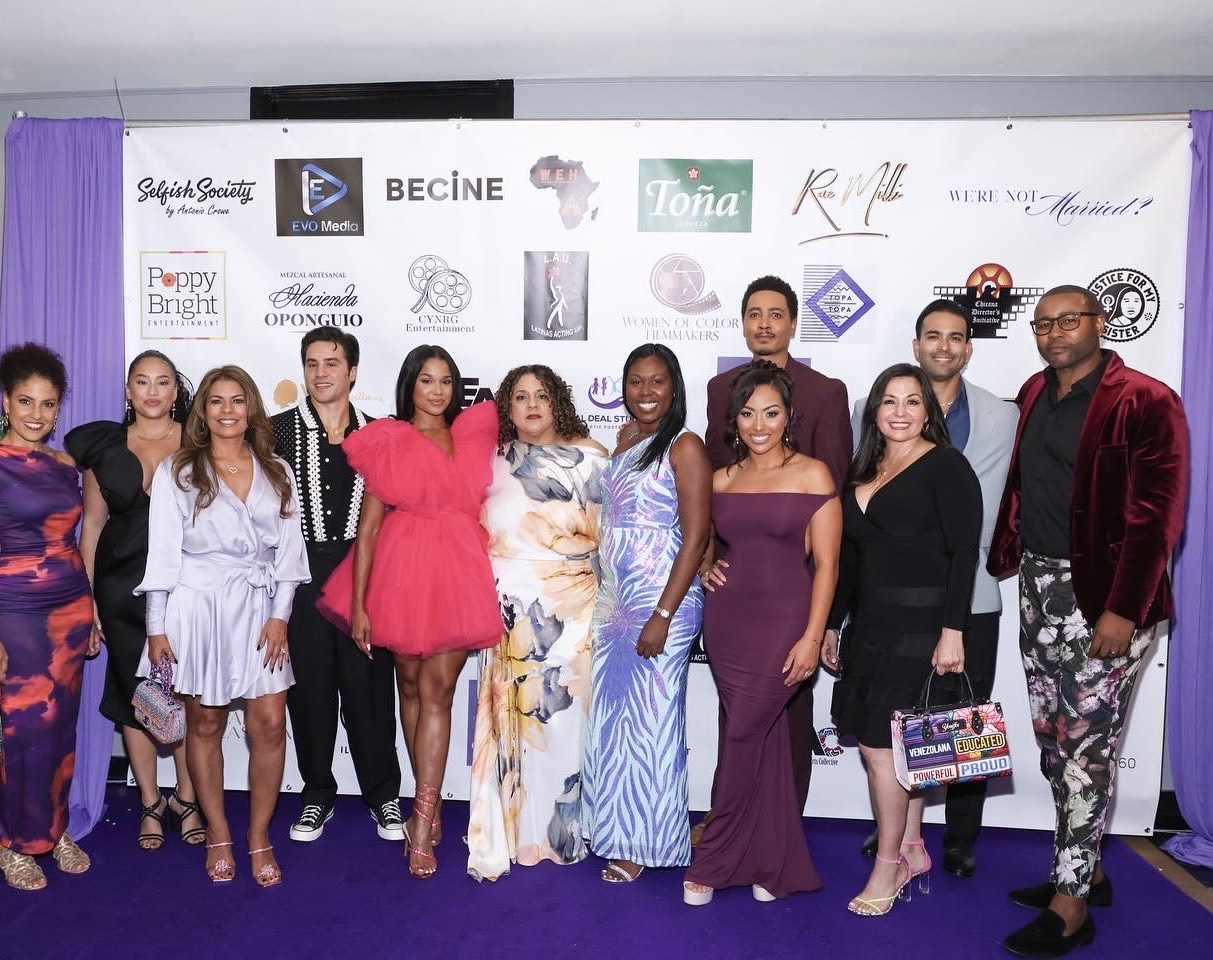
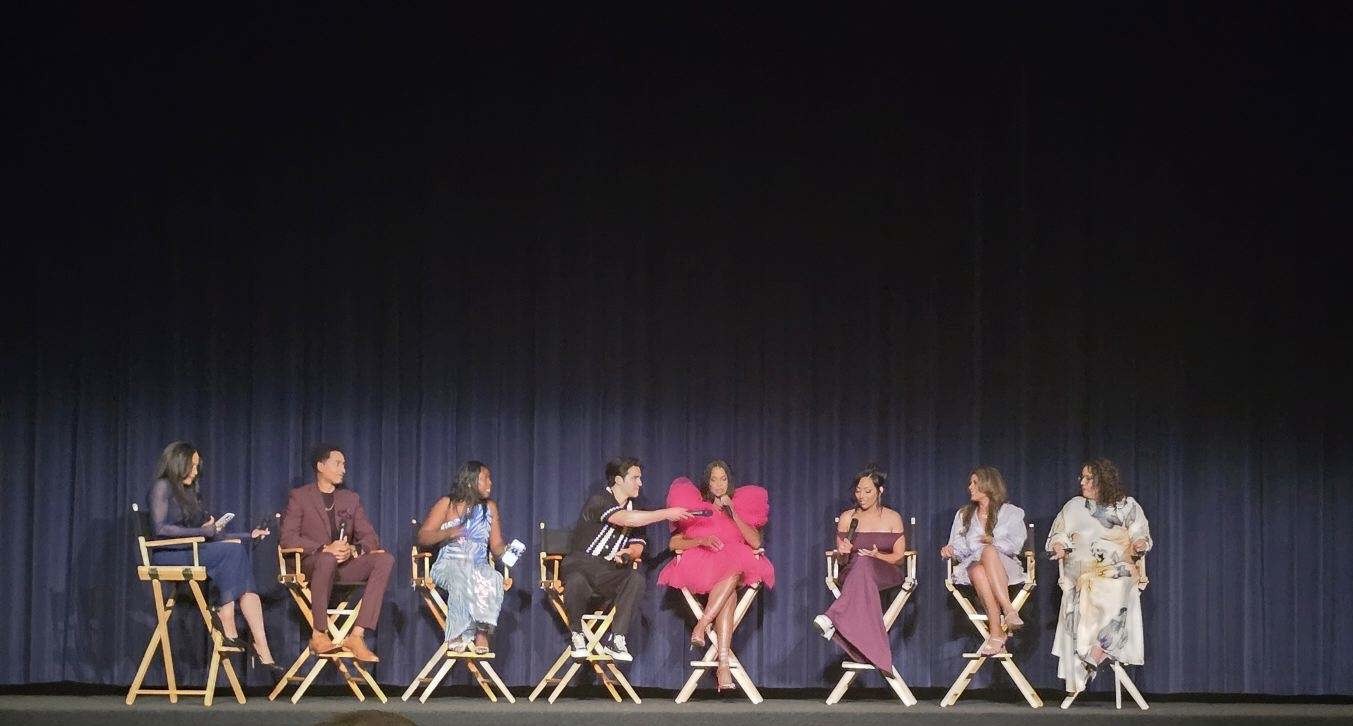
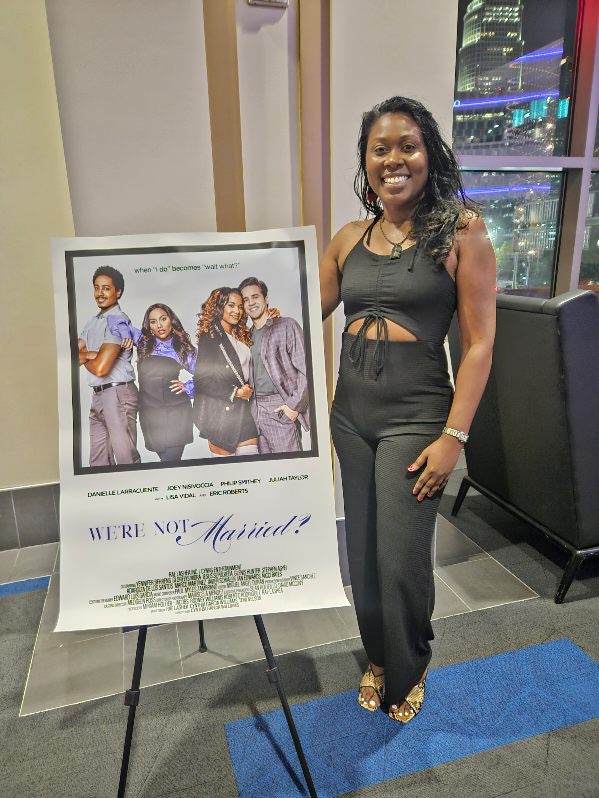
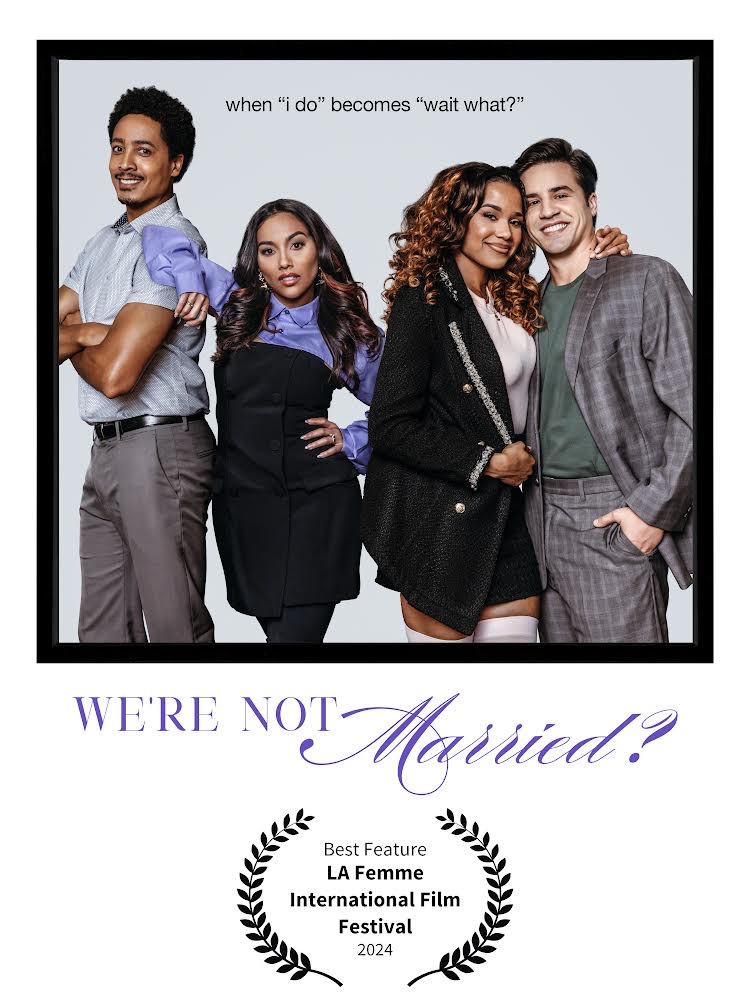
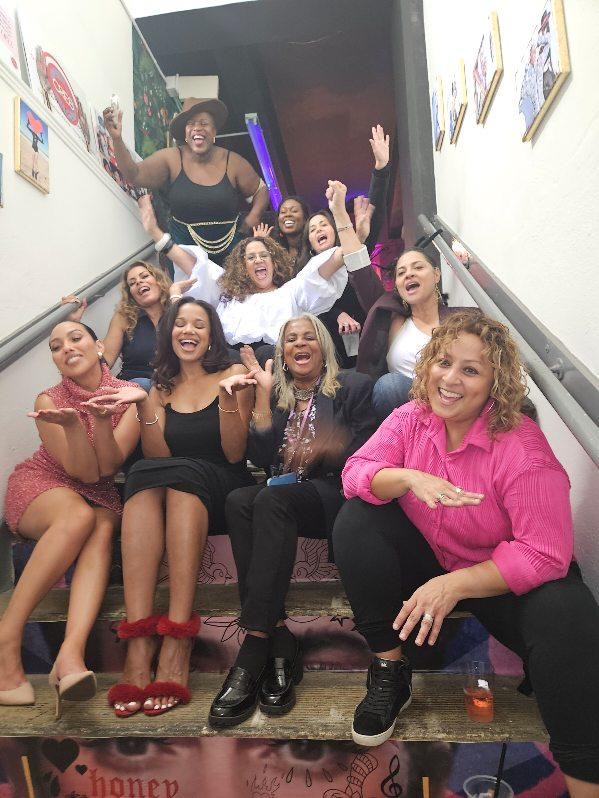
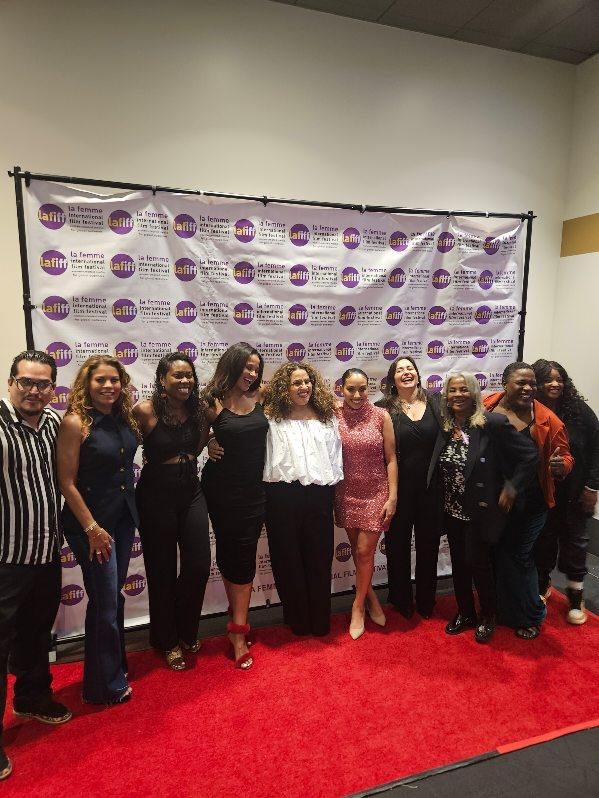
Image Credits
Getty – Michael Tullberg
Sean Holifield
Miriam Holder-Jacobs
Cher Culver