

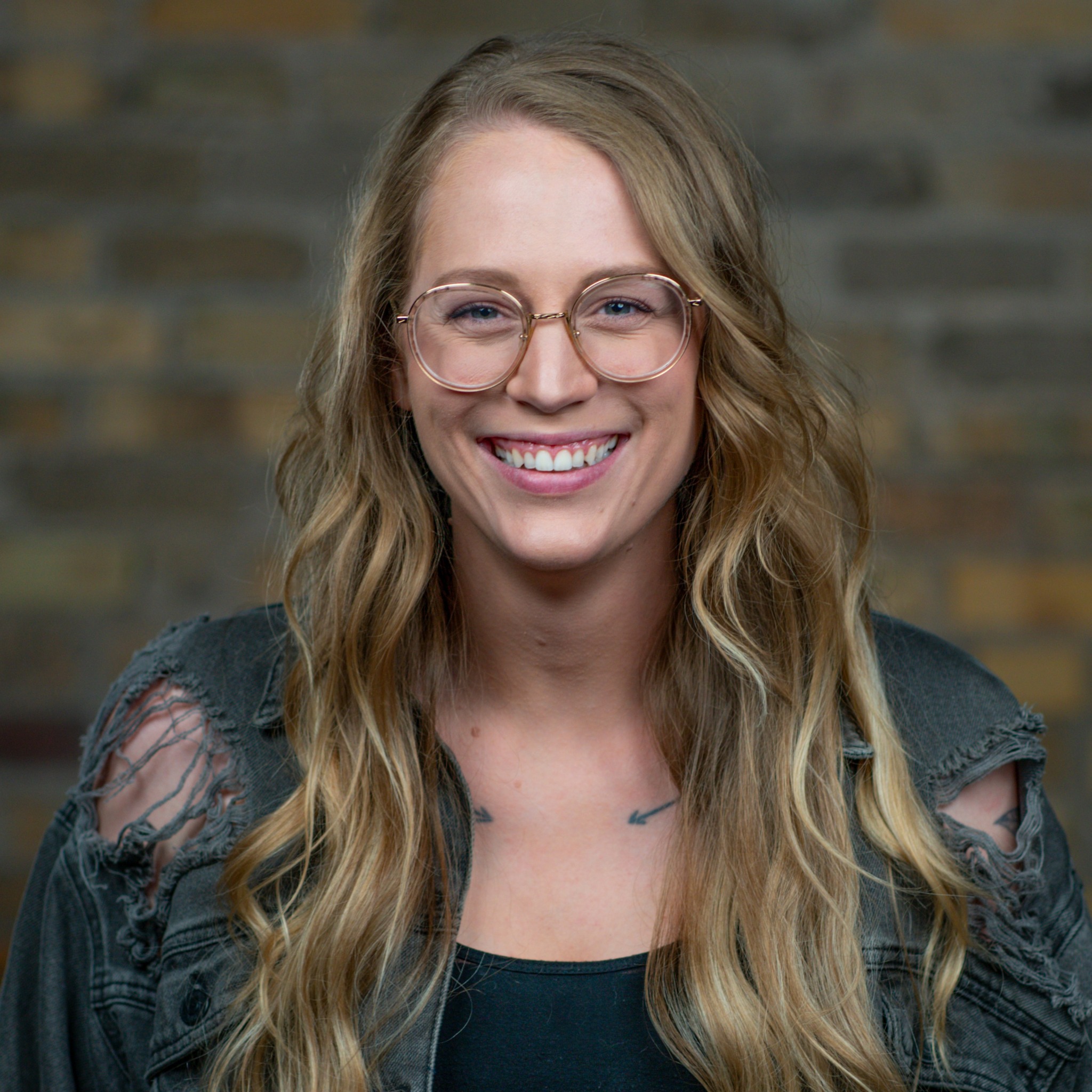

Alright – so today we’ve got the honor of introducing you to Rachel Stein. We think you’ll enjoy our conversation, we’ve shared it below.
Rachel , thanks for taking the time to share your stories with us today We’d love to hear about how you went about setting up your own practice and if you have any advice for professionals who might be considering starting their own?
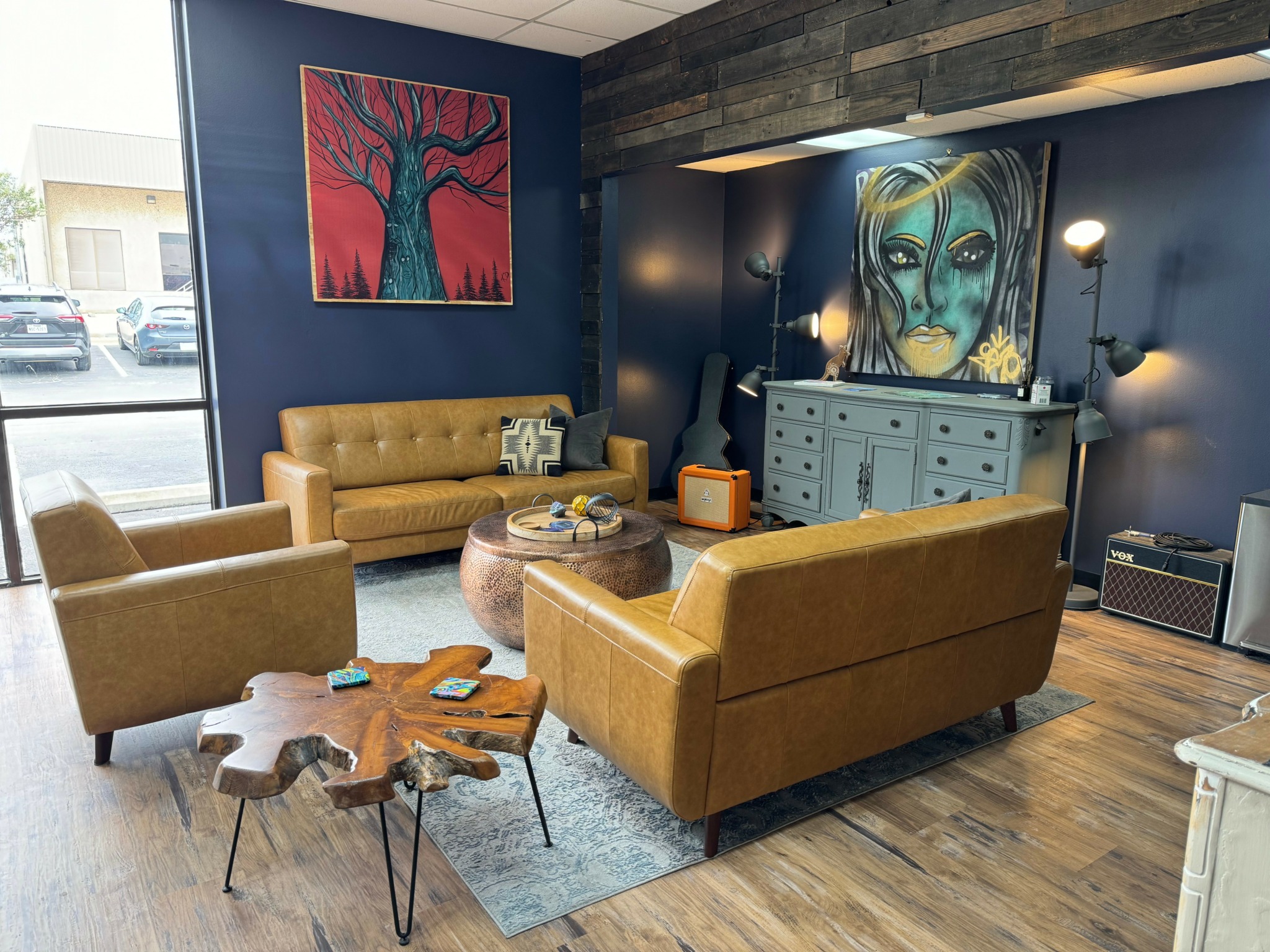
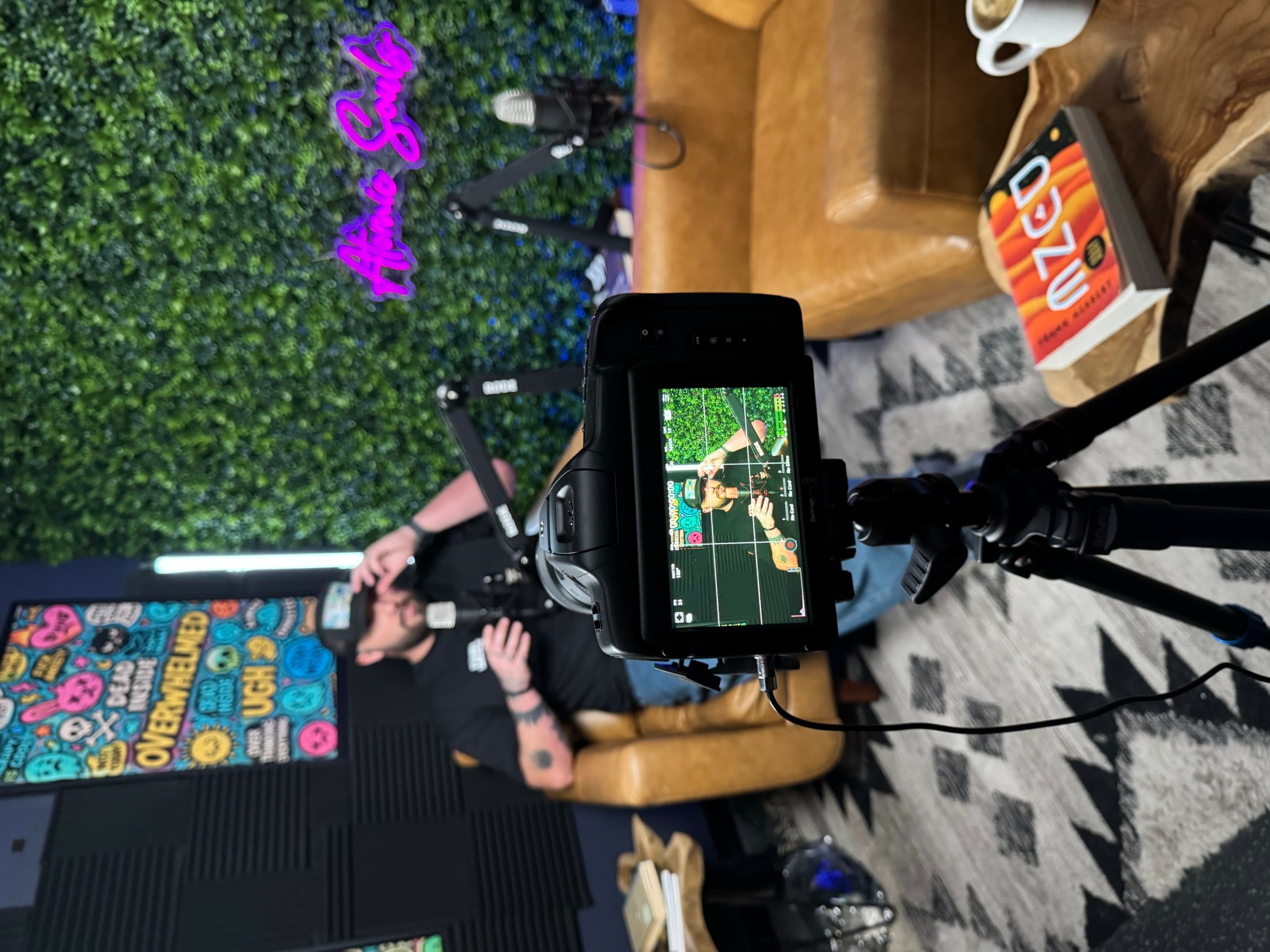
When I decided to start my own practice, it wasn’t because I had a perfectly laid-out business plan; it was because I felt a strong pull to create something more human, ethical, and sustainable than what I was seeing in traditional systems. Atomic Souls Counseling began very lean, focused on providing high-quality, trauma-informed care while I navigated the unglamorous but necessary steps of facility licensure, insurance credentialing, legal setup, and securing office space. As the practice grew, it became clear that many of our clients needed more structure and community than outpatient therapy alone could offer, which led to the creation of Awkward Recovery, which is an Intensive Outpatient Program intentionally designed to feel real, relational, and accessible rather than overly clinical.
The biggest challenges were learning to think like a business owner while still showing up fully as a clinician, building operational systems after growth had already started, and carrying the emotional weight of leadership. Looking back, I would have invested earlier in structure, operations, and support instead of trying to do everything myself. My advice to young professionals considering their own practice is to get clear on “why” you want to do it, learn the business side early, and focus on building something values-aligned rather than perfect. You don’t need the entire roadmap – just the courage to take the next right step and the flexibility to evolve as you learn.

Awesome – so before we get into the rest of our questions, can you briefly introduce yourself to our readers.
I’m Rachel Stein, a licensed therapist (LPC Supervisor & LCDC), entrepreneur, and founder of Atomic Souls Counseling and Awkward Recovery. I came into this work through a deep interest in trauma, nervous-system regulation, and the disconnect I saw between how people actually heal and how systems are often designed to treat them. My background is rooted in clinical trauma work, but over time it expanded into building programs and organizations that support recovery in a more realistic, relational, and sustainable way—for both clients, staff, and clinicians. I provide individual therapy, group work, and higher-level outpatient care, with a strong emphasis on trauma-informed treatment, community, and practical tools clients can actually use in real life.
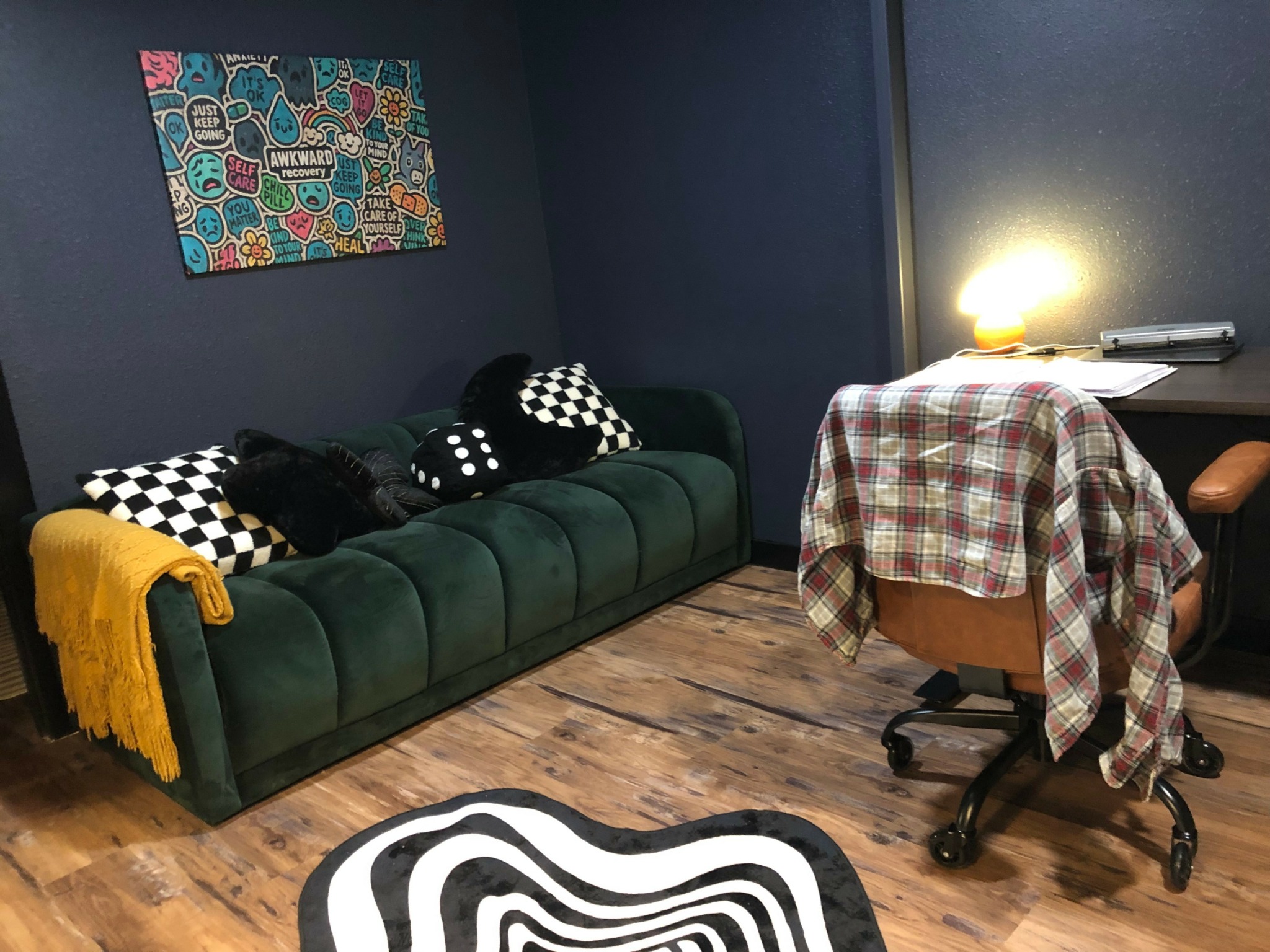
What sets my work apart is the combination of clinical rigor and humanity. I’m not interested in cookie-cutter therapy or recovery models that ignore how messy real life is. At Atomic Souls and Awkward Recovery, we solve the problem of people feeling like they have to choose between being “functional” and being authentic. Our programs are structured, evidence-based, and compliant—but they’re also honest, sometimes awkward, and deeply human. What I’m most proud of is building spaces where people feel safe enough to do real work and where staff are supported, not burned out. The main thing I want people to know about my brand is that we take the work seriously without taking ourselves too seriously. Healing doesn’t have to be cold or performative—it can be grounded, compassionate, and real.

What do you think helped you build your reputation within your market?
I think what helped me build my reputation most was consistency—showing up the same way over time for clients, referral partners, and my team—even as we grew quickly. From the beginning with Atomic Souls Counseling and later Awkward Recovery, I focused on doing solid clinical work, communicating clearly, and following through on what we said we would do. In behavioral health, trust is everything, and reputation travels fast—both good and bad—so as demand increased, I was intentional about not letting growth dilute our ethics, clinical standards, or culture. We scaled in five years, but we did so by protecting the core values first, not chasing growth for its own sake.
What also mattered was being willing to name what wasn’t working in the industry and build alternatives in real time, even under the pressure of rapid expansion. I didn’t try to be everything to everyone; I built programs that were values-driven, trauma-informed, and intentionally human, and I made decisions that prioritized long-term integrity over short-term wins. As we grew, referral partners learned that when they sent someone our way, that person would be treated with respect, clinical rigor, and honesty—no matter how busy we were. That ability to grow quickly while staying grounded in our values is ultimately what established trust, credibility, and a strong reputation in our market.

Have any books or other resources had a big impact on you?
Yes—there are a few resources that have had a meaningful impact on how I think about leadership, growth, and decision-making, but two that really stand out this past year are Let Them by Mel Robbins and The Trillion Dollar Coach by Eric Schmidt, Jonathan Rosenberg, and Alan Eagle.
Let Them deeply influenced how I approach both management and entrepreneurship. The core idea—releasing control over things that aren’t yours to manage—has been especially important while building and scaling organizations. In fast-growing environments, it’s easy to over-function, over-explain, or take on emotional labor that ultimately limits both you and your team. This book helped reinforce the importance of clear boundaries, personal accountability, and trusting people to show you who they are. That mindset has been critical in leadership decisions, hiring, partnerships, and staying aligned with values instead of reacting from fear or urgency.
The Trillion Dollar Coach shaped my philosophy around people-first leadership at scale. Bill Campbell’s approach—prioritizing trust, direct communication, and genuine care while still holding high standards—mirrors how I want teams to feel inside our organizations. It reinforced the belief that strong culture, honest feedback, and human connection aren’t separate from performance—they drive it.
Together, these books helped me balance decisive leadership with compassion, especially during periods of rapid growth, and continue to influence how I build systems that support both people and long-term sustainability.
Contact Info:
- Website: awkwardrecovery.com ; atomicsouls.com
- Instagram: https://www.instagram.com/atomic_souls?utm_source=ig_web_button_share_sheet&igsh=ZDNlZDc0MzIxNw==
- Facebook: https://www.facebook.com/atomicsouls/
- Linkedin: https://www.linkedin.com/in/rachelstein-/
- Youtube: https://youtube.com/@atomic_souls?si=4YPF424xaIvHecSo
Image Credits
Ricky Clack with Apex Studios