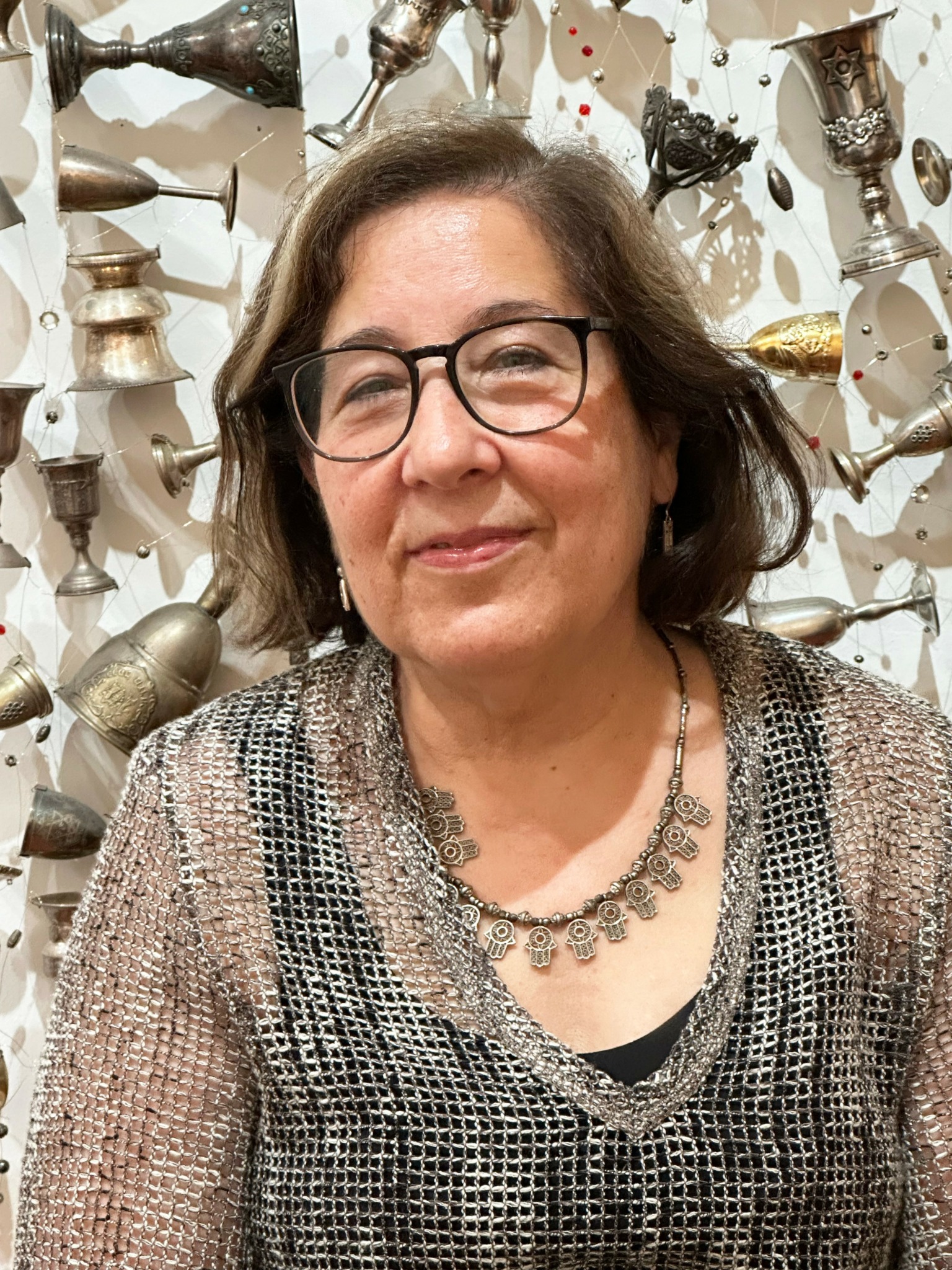

We recently connected with Rachel Leibman and have shared our conversation below.
Rachel, thanks for taking the time to share your stories with us today Do you wish you had started sooner?
I’m a late bloomer. I didn’t start my art career until after I had my first grey hairs. When I was younger, I think I knew I had the talent and creative mindset, but I didn’t have the confidence to take the emotional risks that being an artist required. In college, I was utterly intimidated by the coolness and maturity of the art majors. Next to them I felt like a little girl. So I put art to the side and concentrated on less risky endeavors, at least for me. I got my masters in business and worked in tech as a programmer and analyst for many years.
Art never stopped calling to me and in my late thirties I started taking an art class. I had grown up a lot and was much more willing to do things that could upset my psychic equilibrium. Within the first weeks of class I realized what I’d been missing, that art-making was what I was supposed to be doing. It was all I could think about and talk about. It was all I wanted to be doing. And I mourned all those years when I could’ve been so full of purpose and joy.
But, in all honesty, I think being a late bloomer was the best path I could have taken in becoming an artist. I think an early art career would not have been nearly so joyful. Adding the stress of having to make a real living with my art would have probably forced me into a side career like graphic design or teaching. Finding success and contentment first in my personal and work life were the necessary ingredients allowing me to answer my calling.
Awesome – so before we get into the rest of our questions, can you briefly introduce yourself to our readers.
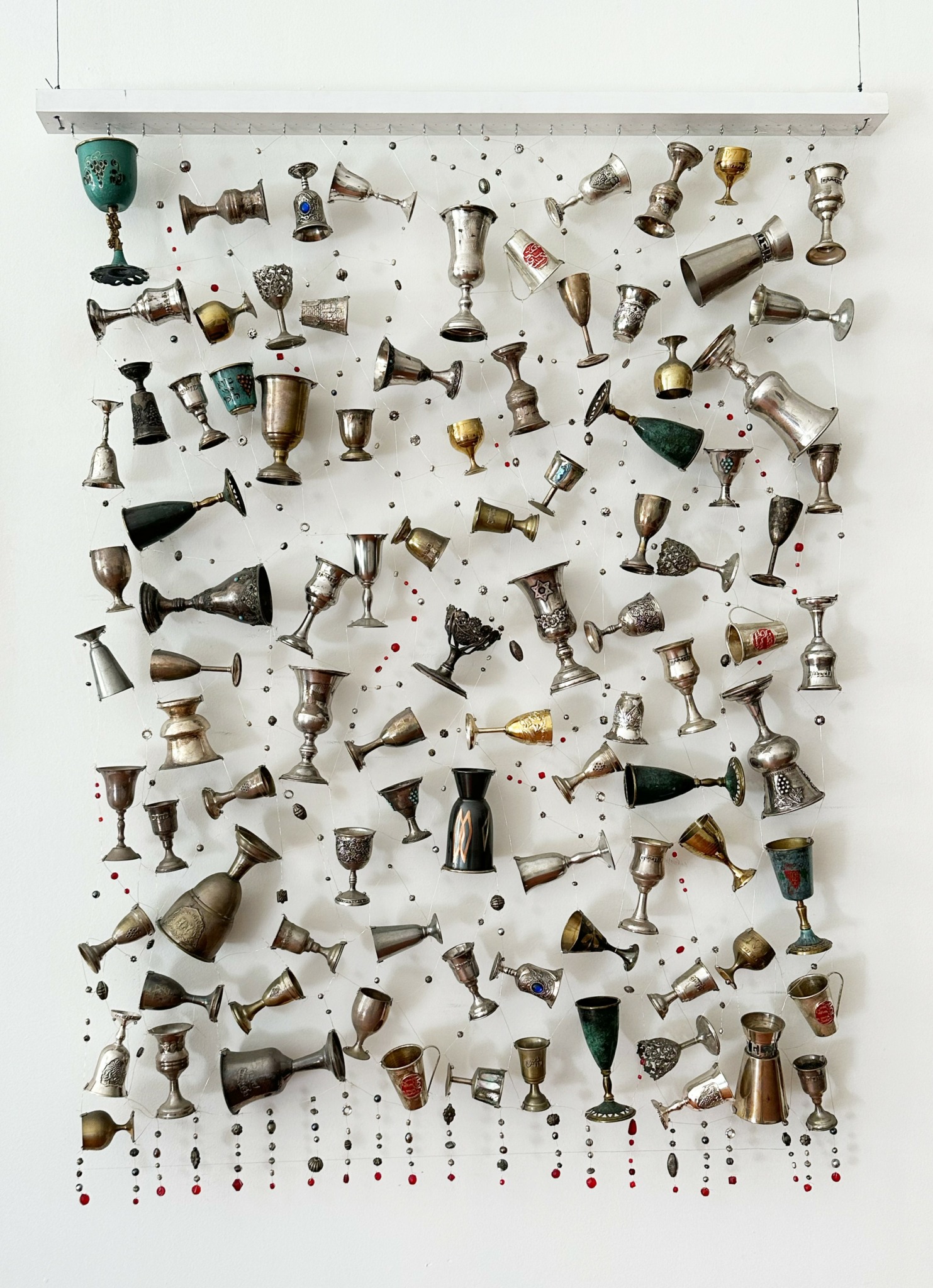
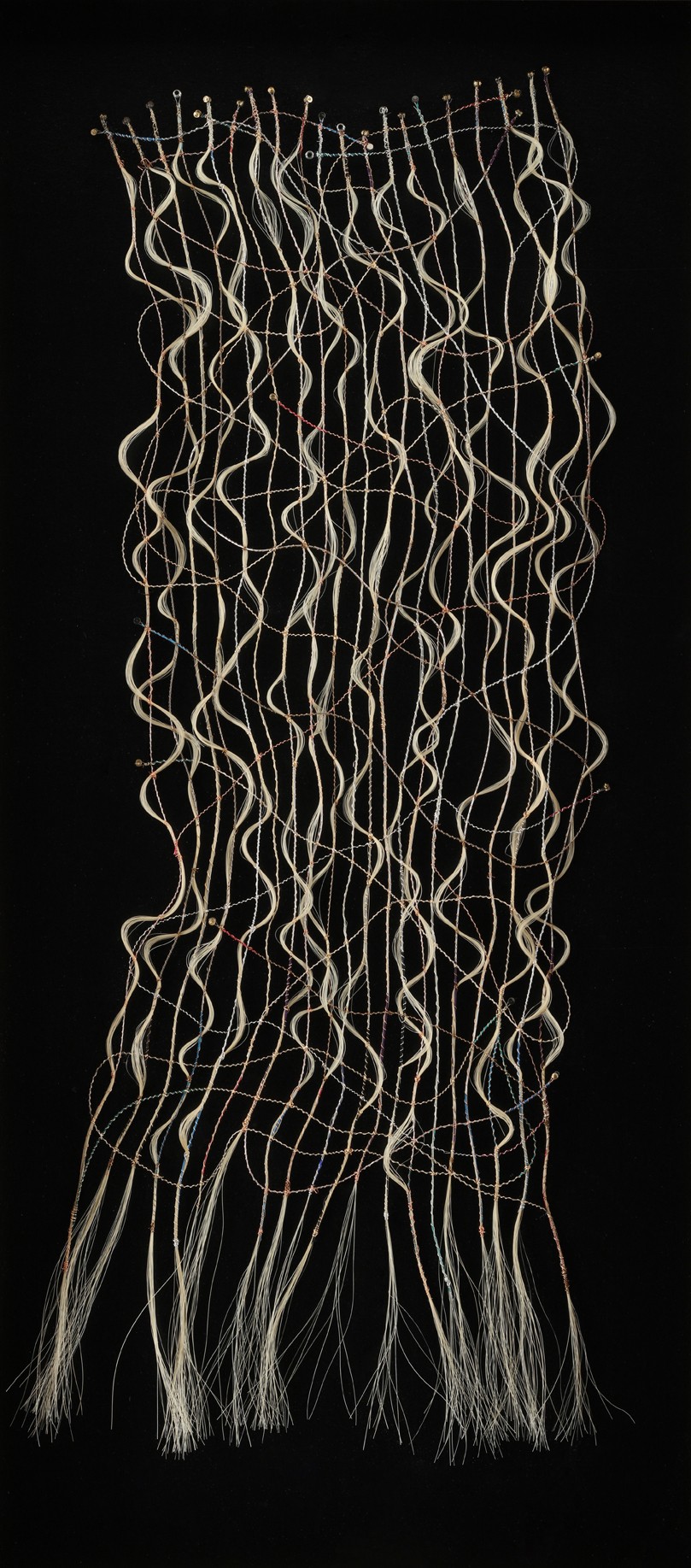
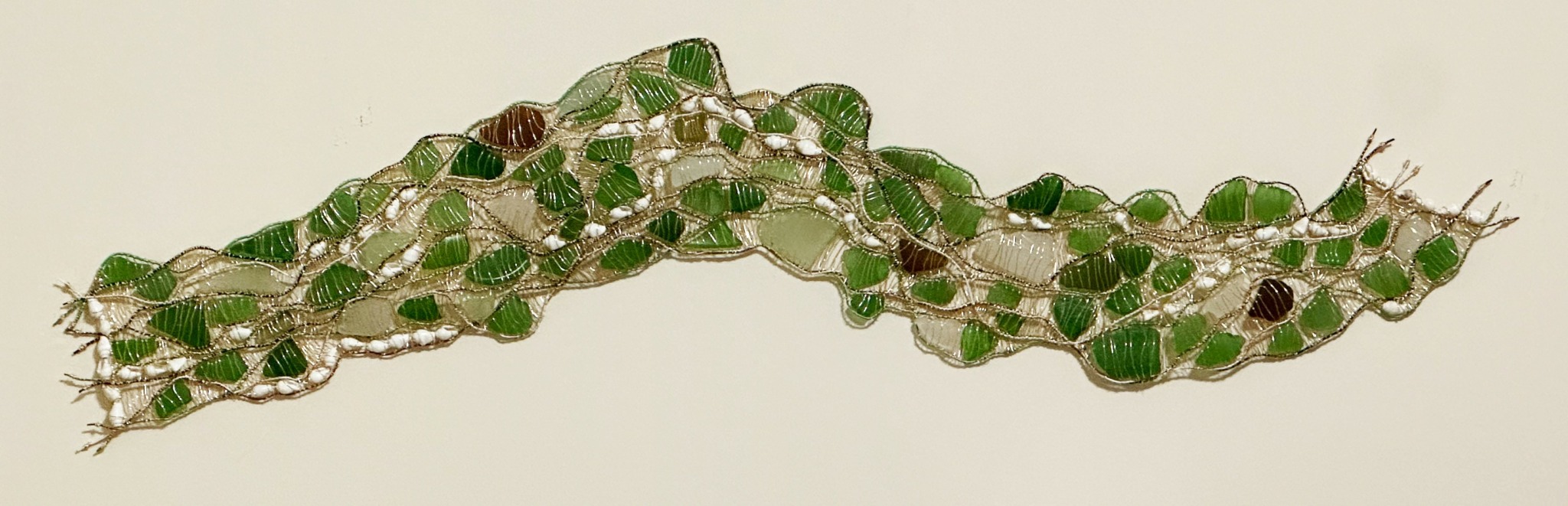
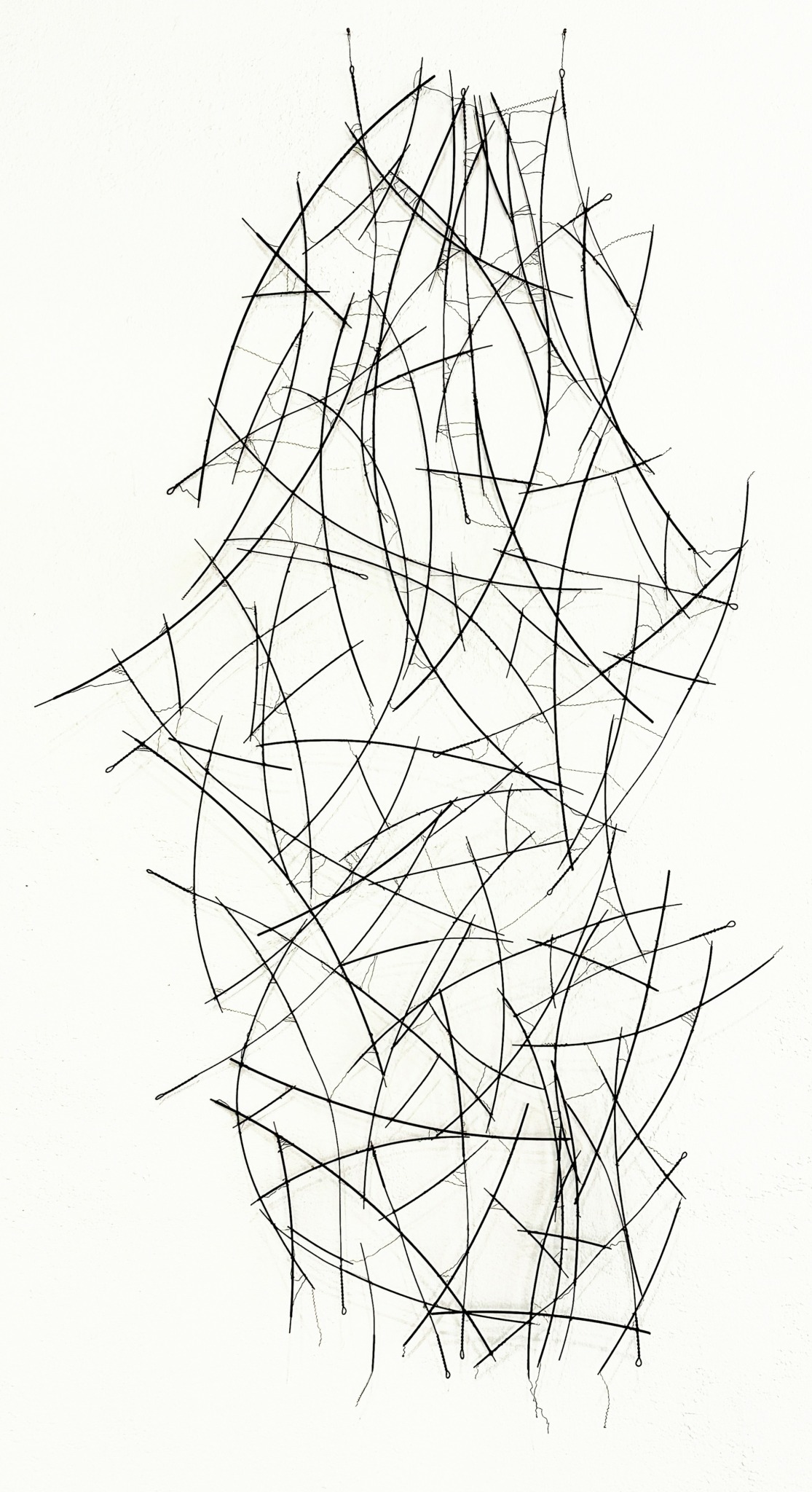
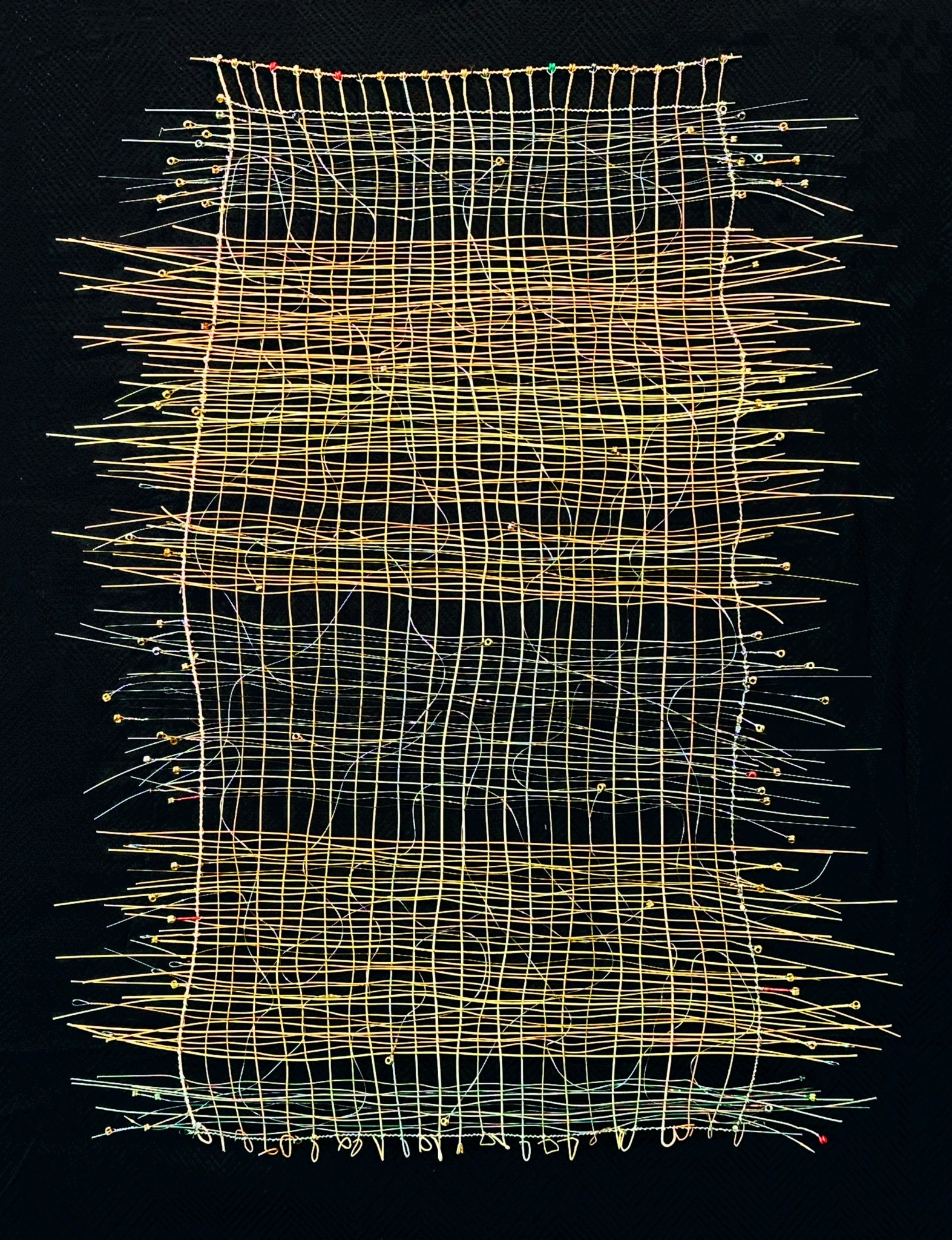
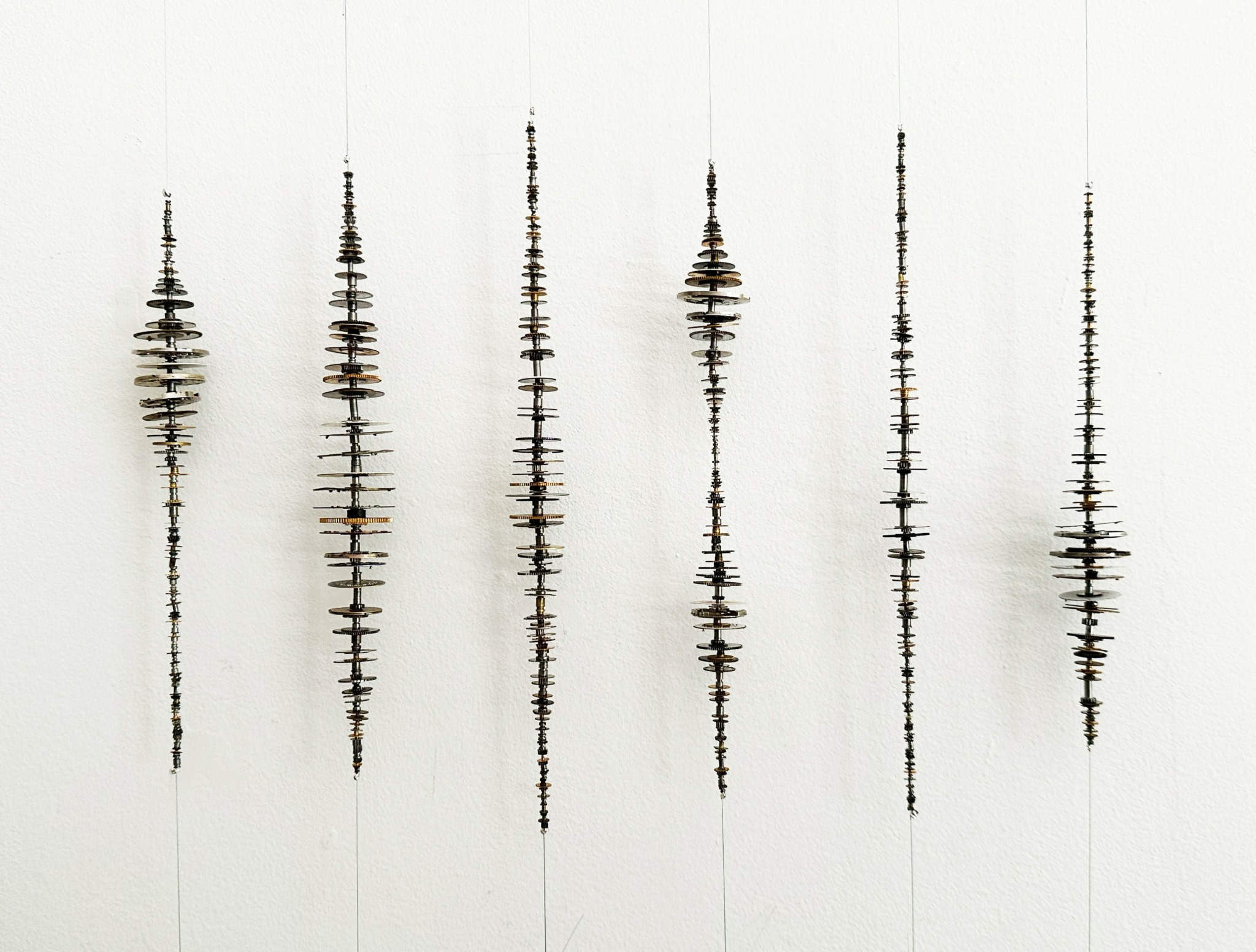
I am a mixed media and textile artist in San Francisco, I create meticulously constructed tapestries and sculptures, mostly from recycled and repurposed objects. I love working with such source materials as it allows me to engage in a dialog with the past, weaving together fragments of memories, histories, and experiences. Through the process of selection, deconstruction, and reconstruction, I try to breathe new life into these materials, allowing them to transcend their original purpose and provide an additional layer of meaning to my art.
I am truly a materials-driven artist. I collect things and sometimes keep them for years before incorporating them into my art. The materials have to speak to me and tell me what to do. I concentrate on creating art that is elegant and unique, where the source materials are not immediately recognizable. I want for people to look at my art and be surprised and excited when they ultimately realize what I’ve used to create a piece.
However, I have not lost sight of the conceptual in my art. I do not randomly use materials just because they are the right shape, color or size. The materials must enhance the story I am telling with my artwork.
My artwork has been exhibited in numerous solo and group shows across the nation at venues such as de Young Museum, the San Jose Museum of Quilts and Textiles, and the Museum of Northern California Artists. It is part of diverse private and public collections including Kaiser Permanente and Intuit in San Francisco, American Airlines Headquarters in Dallas, and the Art Collection at The Hebrew Home in New York City.
How can we best help foster a strong, supportive environment for artists and creatives?
Very few artists make a living by selling their art. it is expensive being an artist and most artists cannot even break even without another job. Studio space in San Francisco is hard to come by and is my biggest expense by far. I wish that the federal, state and local governments understood the importance of art to society and made it easier for artists to create. Seriously subsidized and prioritized studio space is a must.
What do you find most rewarding about being a creative?
My artwork is very detailed and painstaking. It takes a long time to make each piece and much of the work is repetitive. Many people mistake my obsessiveness for patience. I wish I could say that I go into a meditative state and the work is relaxing, but alas, it’s mostly tedious. The joy comes near the end when I can see the piece taking shape, often not in the way I intended.
I also find it very rewarding to show my work and talk about it. I have stories to tell and I want people to experience them.
Contact Info:
- Website: https://www.rachelleibman.com
- Instagram: @rachel_leibman