


We caught up with the brilliant and insightful Rachel Coltz a few weeks ago and have shared our conversation below.
Hi Rachel, thanks for joining us today. We’d love to hear about a project that you’ve worked on that’s meant a lot to you.
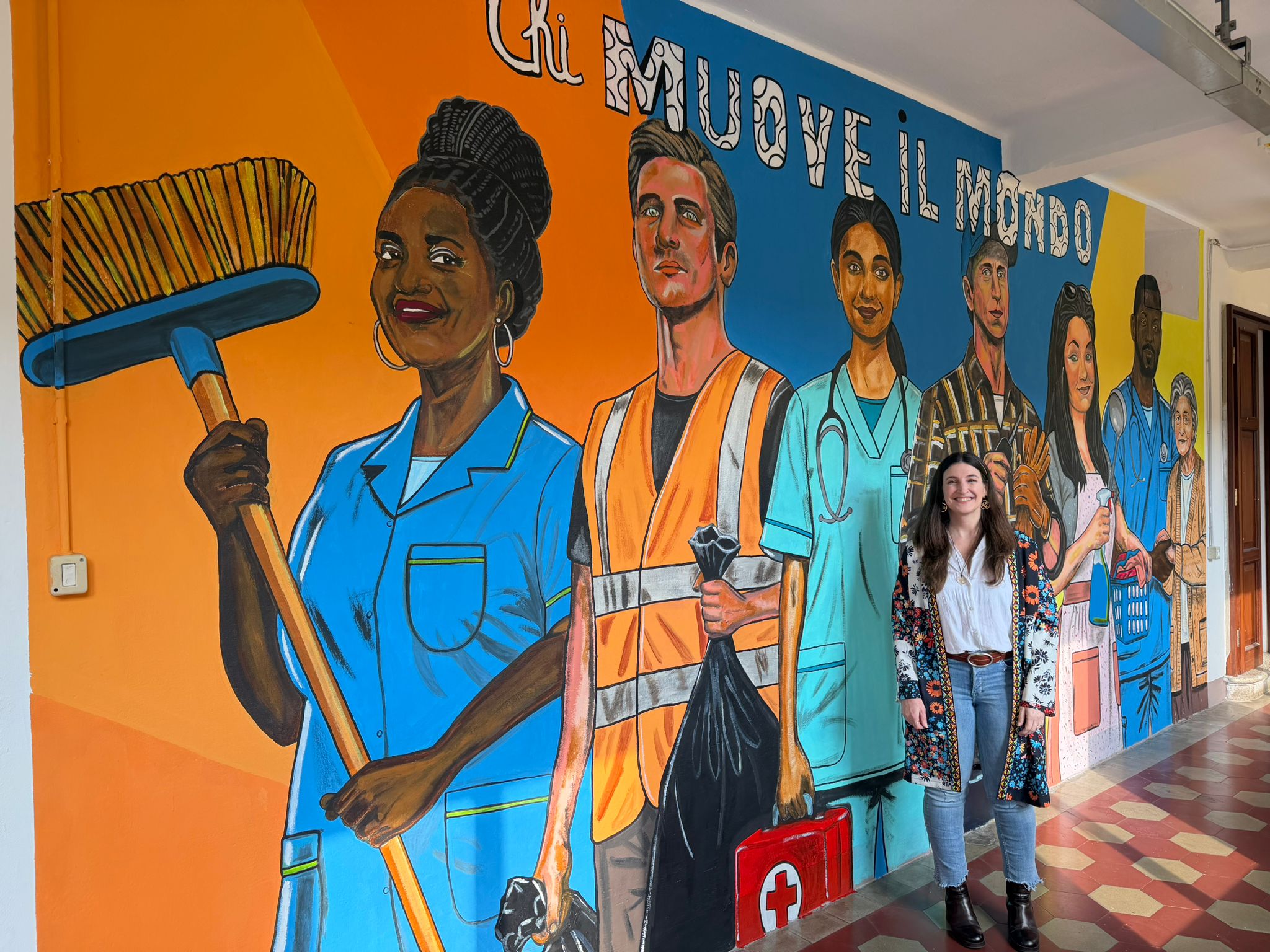
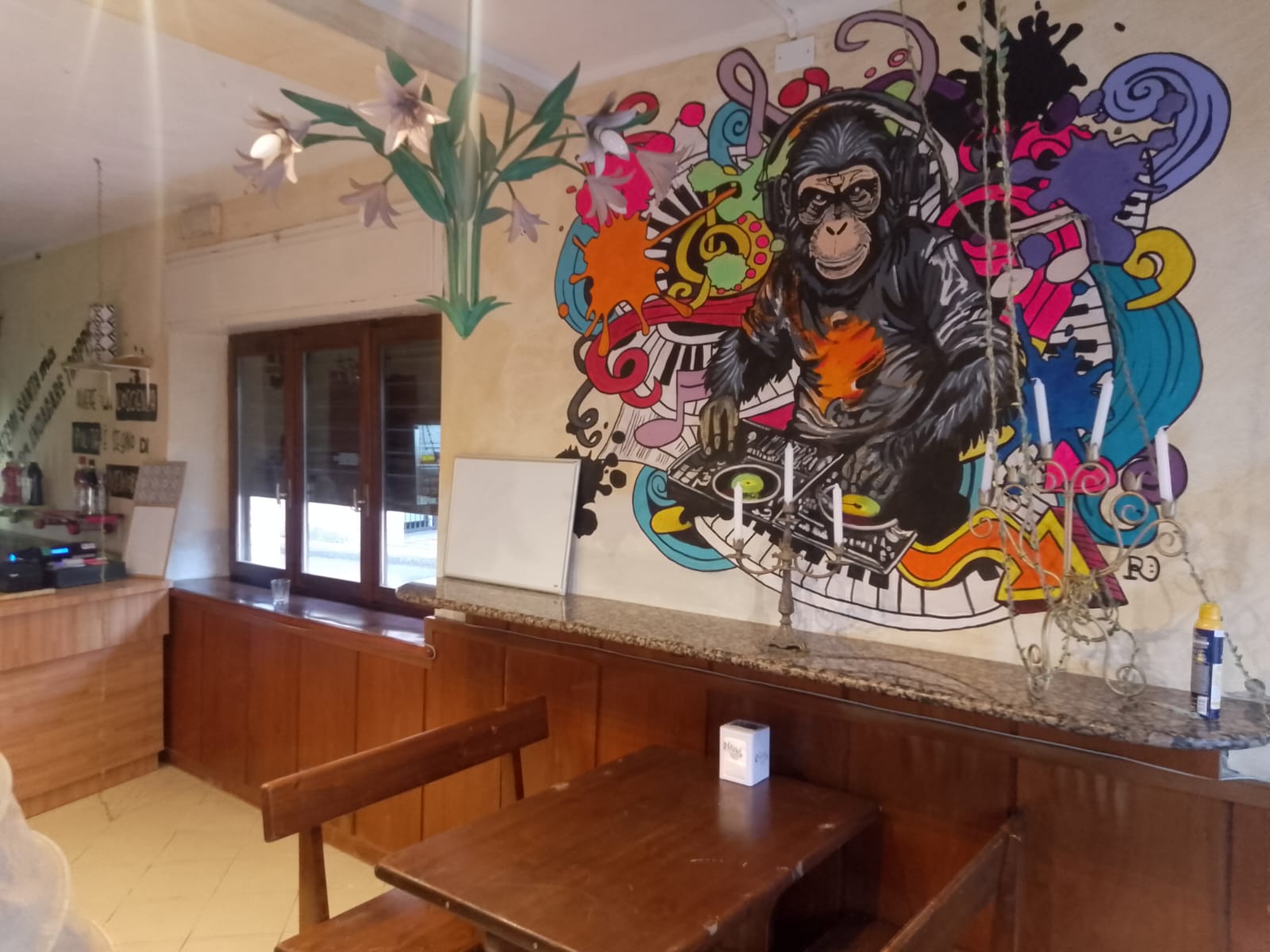
One of the most meaningful projects I worked on started as a mural in Italy called Chi muove il mondo — which means ‘Who moves the world’.
I worked with young people in a social cooperative to highlight invisible workers — the ones we never see, but who keep society running.
What struck me was how many people recognized themselves in that invisibility.
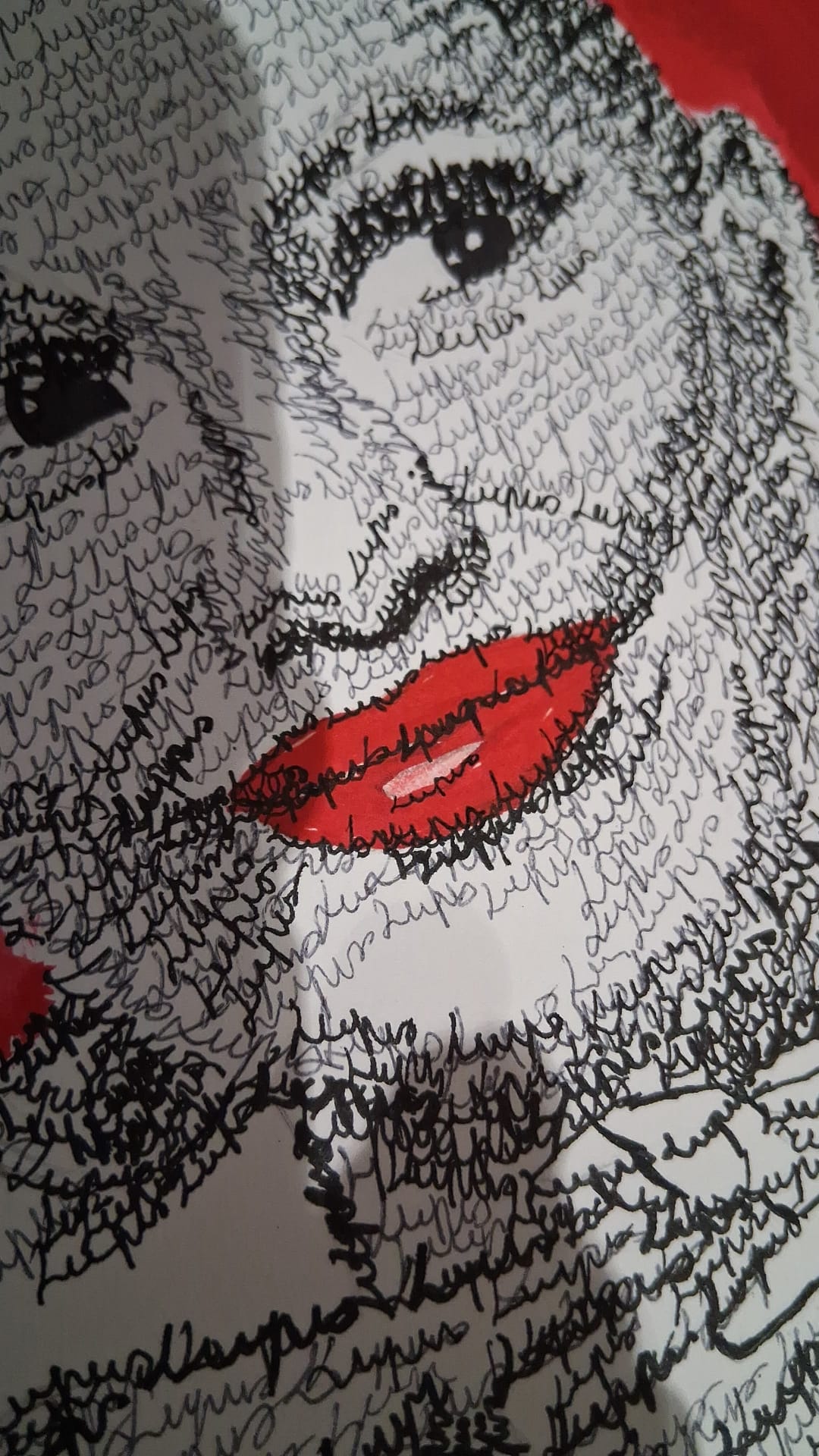
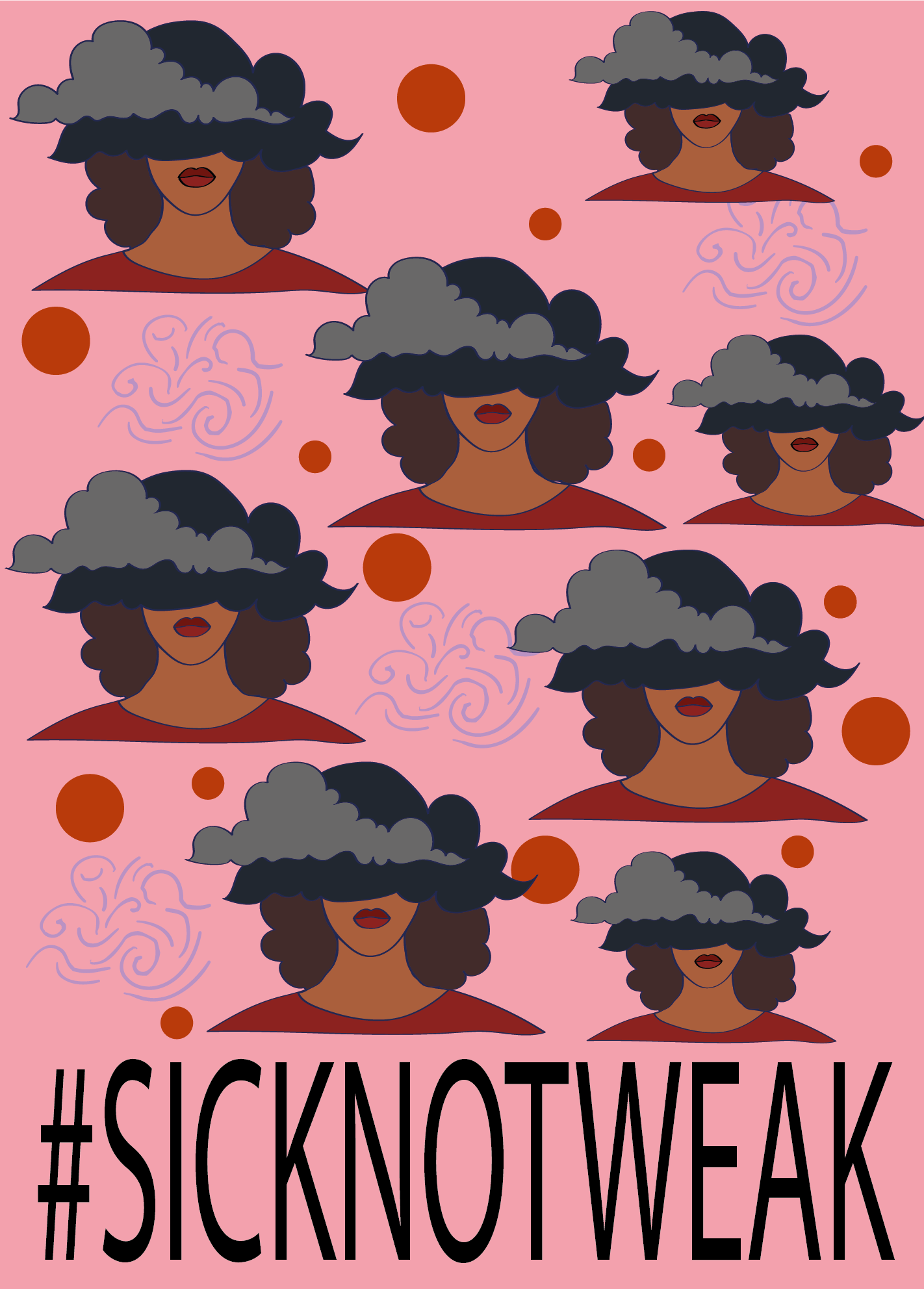
And that’s actually what led me to my next major project — an exhibition in New York about invisible illnesses.
Because whether it’s social roles or personal struggles, I realized my work is really about making the invisible visible.
As always, we appreciate you sharing your insights and we’ve got a few more questions for you, but before we get to all of that can you take a minute to introduce yourself and give our readers some of your background and context?
I’m a French pop artist and muralist based in Italy, working primarily with acrylic painting and large-scale murals. My work sits at the intersection of pop art and social commentary — I use bold colors and familiar figures to explore deeper, often uncomfortable themes.
I didn’t start in the traditional art world. My background is in marketing and business, and I actually came to art later, after the pandemic, when I decided to fully commit to something that felt more aligned with who I am. That shift changed everything — not just in terms of career, but in how I see the role of art in society.
Today, I create paintings, murals, and collaborative art experiences for both private collectors and organizations. I also work with brands and institutions that want to bring meaning into their spaces — whether that’s through a mural, an exhibition, or a creative workshop.
What I really do, beyond the medium, is help people connect with topics that are often hard to approach directly — things like invisible struggles, social inequality, identity, or mental health. My work uses color and aesthetics to draw people in, and then invites them to look a little deeper.
I think what sets me apart is that balance between accessibility and depth. From a distance, my work can feel playful or visually striking — but when you get closer, there’s always a second layer, sometimes hidden in details, text, or symbolism. I want people to experience that moment of surprise, where something beautiful suddenly becomes meaningful.
One of the things I’m most proud of is creating projects that involve others — especially people who don’t always feel seen. For example, I recently created a mural in collaboration with a social cooperative, focusing on the idea of “invisible workers” — the people who keep society running but are rarely acknowledged.
That project also reflects a broader direction in my work. I’m currently developing an exhibition around invisible illnesses, which I plan to bring to New York. It’s part of a larger mission I have: using art not just as decoration, but as a way to spark conversations and create emotional connection.
If there’s one thing I’d want people to remember about my work, it’s this:
I don’t create art just to be seen — I create it to make people feel seen.
We’d love to hear a story of resilience from your journey.
One story that really illustrates resilience in my journey is learning how to deal with rejection — especially at the beginning of my artistic career.
When I started reaching out to institutions and cultural spaces, I put a lot of effort into preparing projects that I truly believed in. And still, many of them were either declined or simply never answered.
At first, it was difficult not to take it personally. It made me question not only my work, but also my legitimacy as an artist.
But over time, I started to shift my perspective.
Instead of seeing rejection as a final answer, I began to treat it as part of the process — and as information.
I refined how I presented my projects, clarified my artistic direction, and learned how to communicate not just what I create, but why it matters.
One key realization was that not every project is meant for every space — and that alignment is just as important as quality.
That change in mindset made a huge difference.
Today, I approach opportunities with more clarity, more confidence, and also more selectivity.
For me, resilience isn’t about avoiding rejection — it’s about learning how to grow through it without losing your direction.
Is there a particular goal or mission driving your creative journey?
Yes — there is a very clear mission driving my work.
At the core of my artistic journey is the desire to make the invisible visible.
I’m deeply interested in subjects that are often overlooked or difficult to talk about — whether it’s invisible struggles, social inequalities, or aspects of identity that people don’t always express openly.
Through my work, I try to create a contrast: using bold colors, pop aesthetics, and familiar references to draw people in, and then introducing a second layer that invites reflection.
I don’t want my art to feel distant or intimidating. I want it to be accessible — something that catches your eye first, and then stays with you because of what it reveals.
More and more, this mission is shaping the projects I choose.
For example, I’m currently developing an exhibition around invisible illnesses, which is a topic that resonates with many people but is still not widely represented visually.
Ultimately, my goal is not just to create something visually appealing, but to create a moment of recognition — where someone feels seen, understood, or simply invited to look at things differently.
Contact Info:
- Website: https://www.rachelcoltz.com
- Instagram: @rachelcoltzart
- Linkedin: https://www.linkedin.com/in/rachelcoltz/
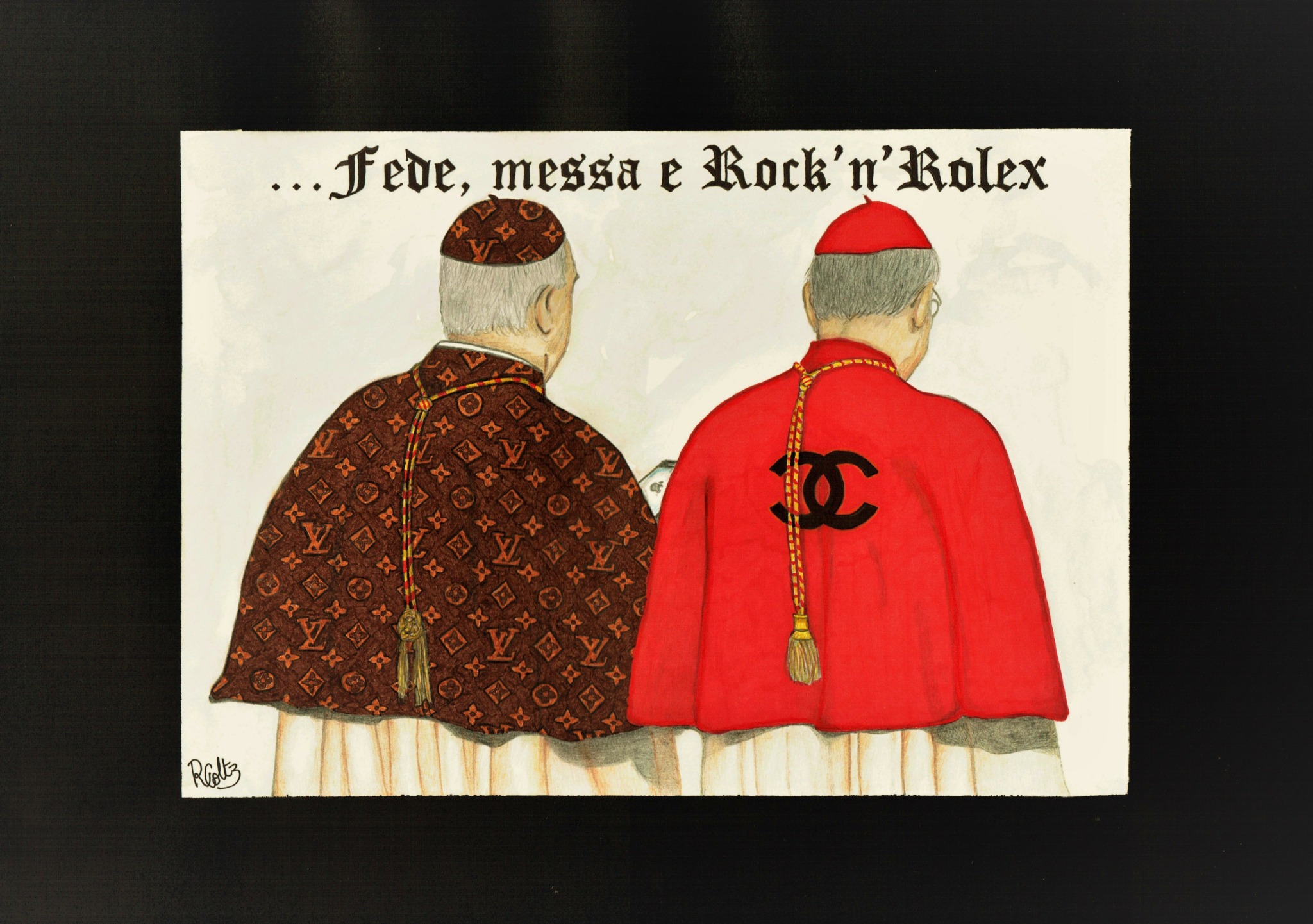
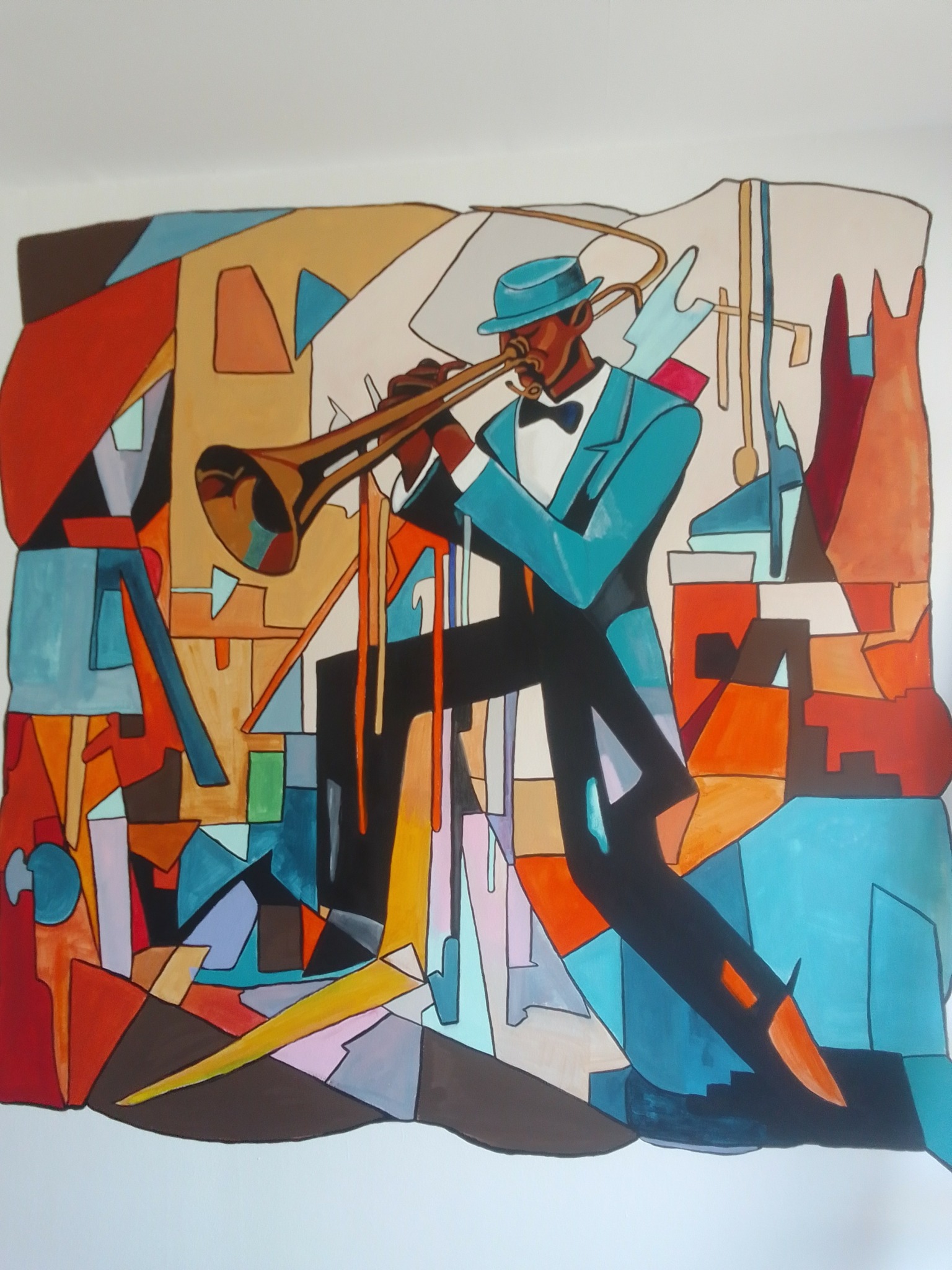
Image Credits
Rachel Coltz