

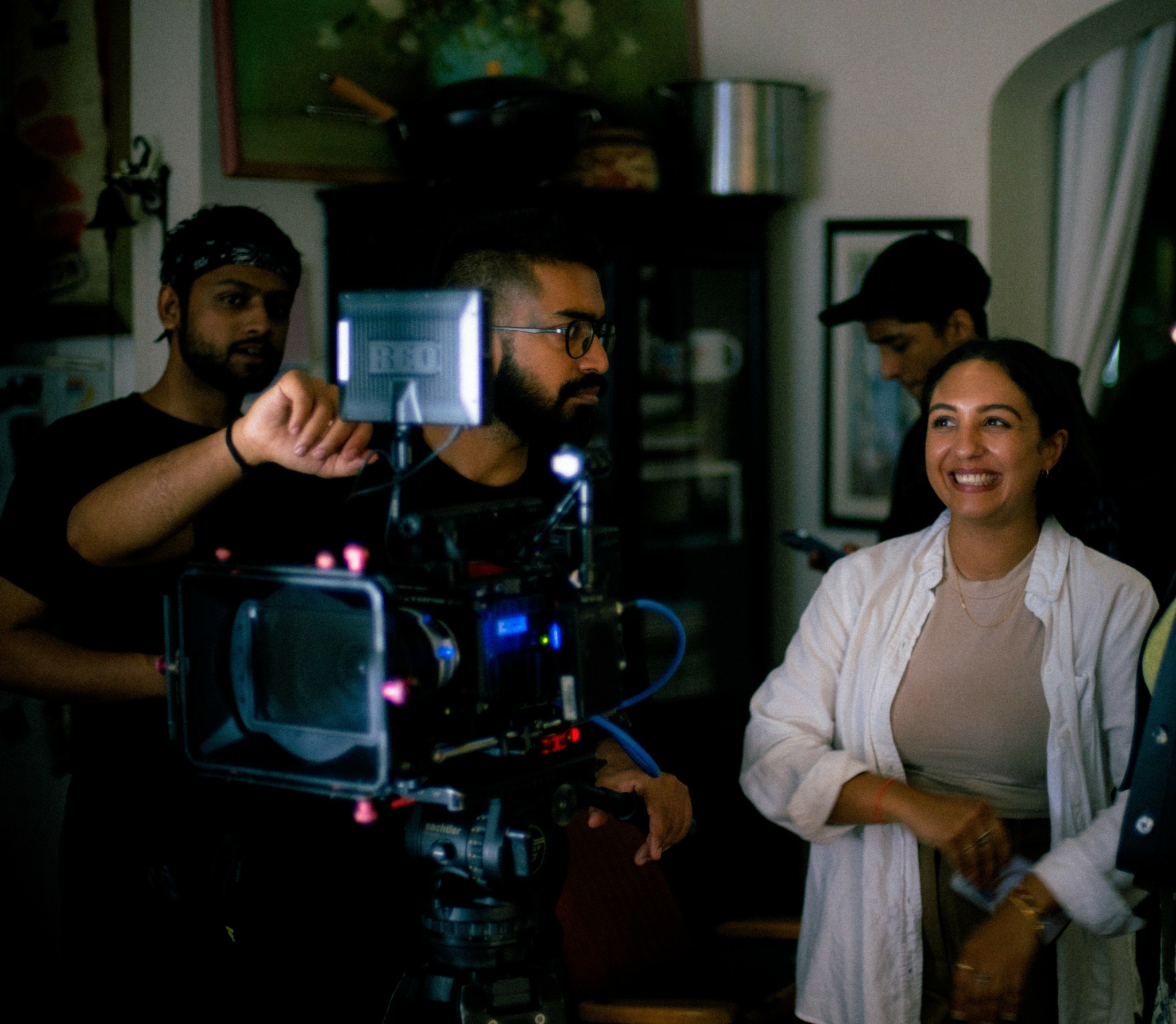

We caught up with the brilliant and insightful Rachel Barclay a few weeks ago and have shared our conversation below.
Rachel, looking forward to hearing all of your stories today. Earning a full time living from one’s creative career can be incredibly difficult. Have you been able to do so and if so, can you share some of the key parts of your journey and any important advice or lessons that might help creatives who haven’t been able to yet?
I’ve worked in the film industry in some capacity for almost 15 years. For the past four, I’ve been producing both commercial and narrative work; before that, I spent years as a full-time film programmer for festivals and streamers—places like TIFF, Whistler, and the Toronto Outdoor Picture Show. I’ve always been able to make a living from creative work, which I know is a privilege, but for as long as I can remember there’s always been some kind of industry downturn, funding cuts, layoffs, shifting priorities.
I was let go from my full-time role at TIFF in June 2020 during the pandemic layoffs. It was a dream job, and losing it crushed me at the time, but it’s ultimately what led me to producing and to New York. Moving to a new city and building a network from scratch, especially in an industry that runs on relationships, was hard. It pushed me to put myself out there, reach out to anyone I knew, and rebuild from the ground up.
I had done a version of this before when I started in film curation, but back then I was lucky to land longer-term roles that gave me stability. Working in indie film and commercial production in New York is different. It almost always means freelancing, piecing together opportunities, and not always knowing what the next job will be.
I don’t think there’s anything I could have done to speed up the process of getting to where I am now, holding two producer roles that support me both financially and creatively, and that I can rely on every month. Those opportunities came from relationships built on mutual trust, and those take time. It also meant working for free at times or for very little, playing the long game. I may not have made a lot of money upfront, but the time and care I put into those relationships built real trust and reliability on all sides. In this industry, that sometimes feels even more valuable than a big pay check.
Rachel, love having you share your insights with us. Before we ask you more questions, maybe you can take a moment to introduce yourself to our readers who might have missed our earlier conversations?
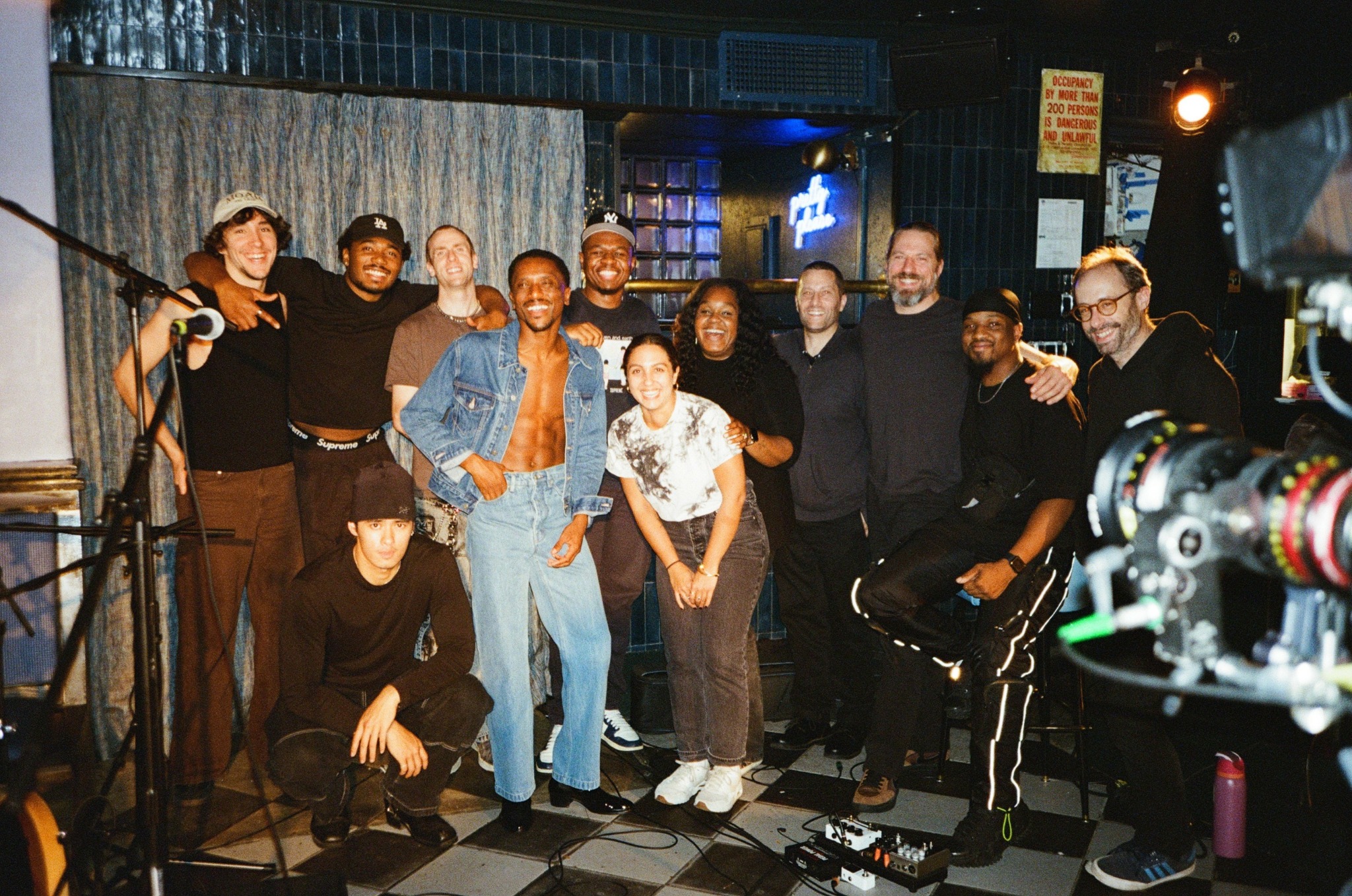
My name is Rachel Barclay. I’m a Canadian producer and film programmer based in New York, and a producer at Forty Love, a people-of-colour-led production company committed to inclusive storytelling and creating opportunities for underserved creatives behind and in front of the camera. I also work as a producer for Pesticups Films, an independent production company in Brooklyn.
After years curating films for major festivals such as the Toronto International Film Festival, Whistler Film Festival, and the Toronto Outdoor Picture Show, I transitioned into producing narrative and commercial work that blends artistry with intention. My most recent short film, A Nice Lady, is currently screening internationally, reflecting my drive to bridge curation and creation through meaningful, character-driven stories that resonate globally.
My path in the film industry really started from a simple place: loving movies and wanting to talk about them. I studied film in undergrad mostly so I could watch movies and write about them for credit. Later, when I pursued a career in curation and programming, I realized—with the guidance of my aunt, an artist herself—that what I was truly seeking was a way to connect artists with audiences. I wanted to help filmmakers reach the people who would engage with their stories, and to be part of that essential connection between a film and the world encountering it.
My shift from programmer to producer wasn’t something I had mapped out. After years on the exhibition side, working closely with completed films, I wanted to understand how they were made. Producing felt like the most natural role for me, one that allowed me to see a project from a high level, shape the story, support the creative vision, and piece together all the moving parts like a puzzle.
Having a background in programming gives me a unique edge as a producer. I understand audiences and what they respond to, how they want to be held by a film or a program, what makes them feel seen. That perspective helps me support directors and writers in connecting to their audiences from the very beginning, not just after the film is complete. And producing, in turn, has made me a more thoughtful programmer. Understanding the care, intention, and sheer difficulty behind a single scene has forever changed the way I evaluate and engage with films as works of art.
I truly believe these two roles inform and strengthen each other. Being both a programmer and a producer allows me to bring something distinct to every project I take on. Thoughtfulness is at the core of how I approach my work, and I believe it’s a major part of what makes any creative endeavor successful.
As a producer, I focus on narrative and commercial projects that value intention, clarity, and emotional resonance. I support filmmakers and clients through every stage of the process: creative development, assembling teams, budgeting, scheduling, production management, and carrying a project through post and festival strategy. My goal is always to hold the vision while keeping the process smooth, grounded, and collaborative. What I’m most proud of is the trust I’ve built with directors, writers, and creative partners; many of the relationships I’ve formed have grown into long-term collaborations that continue to evolve across multiple projects.
At Forty Love and Pesticups, I help bring stories to life in ways that center care, inclusivity, and thoughtful execution. I want people to know that I take on projects with purpose—whether it’s a film that needs a sensitive, character-driven touch or a commercial piece that blends artistry with clarity. What sets me apart is the combination of a programmer’s eye and a producer’s practicality: I’m always thinking about the audience, the creative intention, and the pathway between the two.
We’d love to hear about how you met your business partner.
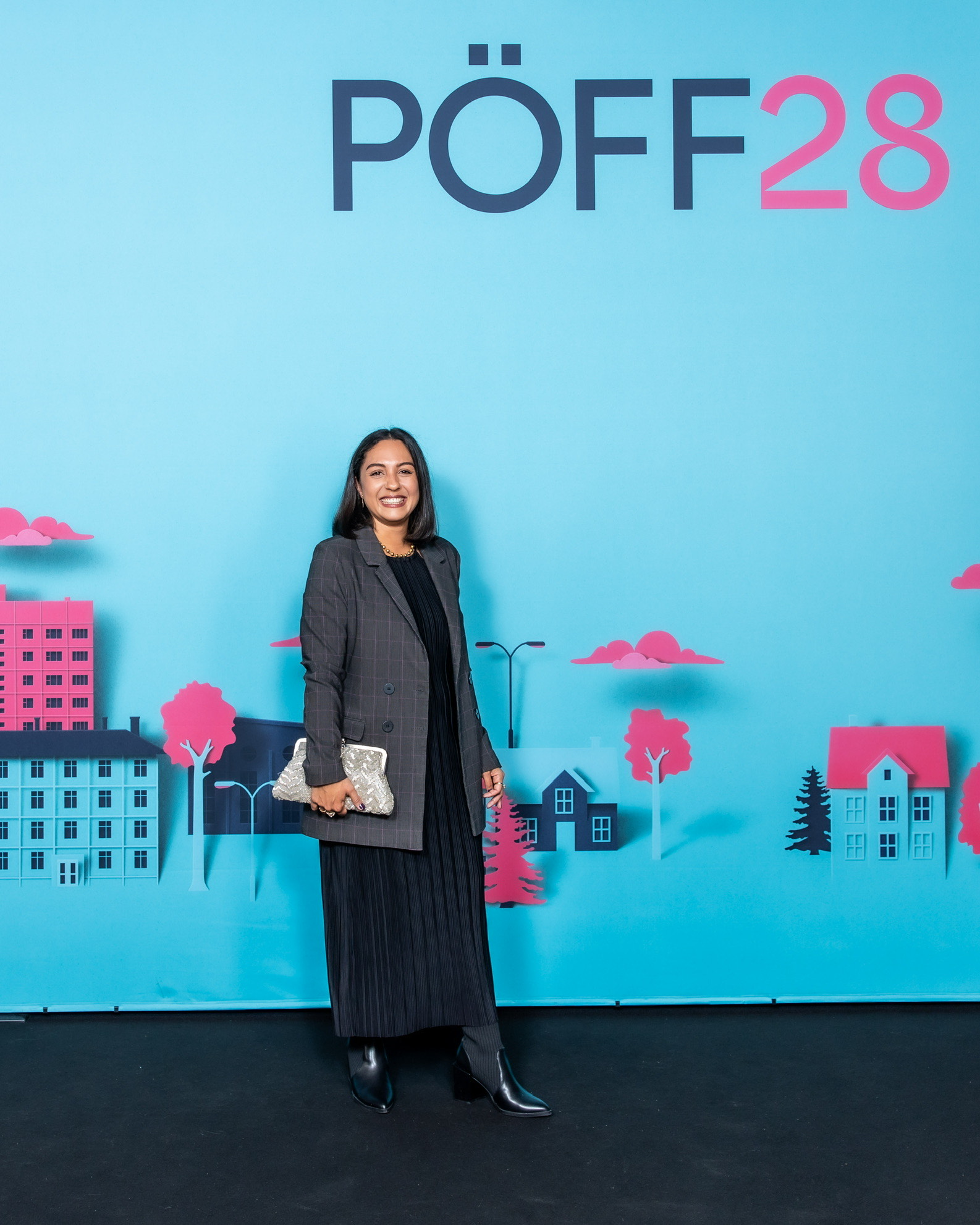
I work with Forty Love, a commercial production company based in New York co-founded by two creatives, Ronald Austin Jr. and Vinny Anand. Both actors and storytellers, they understood firsthand how often people of color have to create their own opportunities just to get in the room. Instead of waiting for permission, they built their own table and decided to pay it forward. One of the first things they created was an accessibility program for underserved creatives, offering hands-on training and a real pathway into commercial production.
I first heard about Forty Love through my best friend, who had heard Ron and Vinny speak in his MBA class at Fordham University. He told me afterward that he just met two guys I should meet. He described how much they cared about opening doors, championing unheard stories, and building community in an industry that doesn’t always make that easy. Everything he said felt deeply aligned with what I hoped to build in New York. So I did something that felt both small and huge: I reached out.
I found Vinny on LinkedIn, sent a message introducing myself, shared my background, and explained the kind of stories and spaces I wanted to help create. To my surprise, he responded almost immediately. We met at their office in Soho a few days later, after meeting them I knew I’d found collaborators whose values matched my own. That was over three years ago.
Looking back, it feels like one of those rare moments where a single decision shifts the course of your life. Reaching out led to a genuine partnership—one built on shared purpose, mutual respect, and a collective desire to build something bigger than any one of us.
Three years, one rebrand, a lot of patience, and many new clients later, I feel incredibly lucky to be part of a tight team of three. Together, we continue to carve out spaces for creatives like us and create the opportunities we didn’t always see for ourselves when we were starting out.
If anything, this experience taught me that sometimes the most important thing you can do is simply put yourself out there. Share your goals. Tell people what you want to build. Ask to collaborate. You never know when one message might lead to finding your people and building something meaningful together.
What’s the most rewarding aspect of being a creative in your experience?
For me, the most rewarding part of being a creative and of getting to work alongside creatives is the way storytelling allows us to touch so many different worlds. In commercial production especially, you get this rare window into countless industries, and you learn how a well-crafted narrative can inform, inspire, persuade, or simply make someone feel something. It’s incredible to see how much storytelling shapes the way we understand the world. Without it, information would have a much harder time reaching people in a meaningful way.
I don’t think most people realize just how deeply storytelling is woven into everything we consume and everything we imagine. Being a producer means I get to be part of that process—helping shape how a story is expressed, who it reaches, and how it lands. That’s the part that energizes me and keeps me coming back, even when the industry feels uncertain.
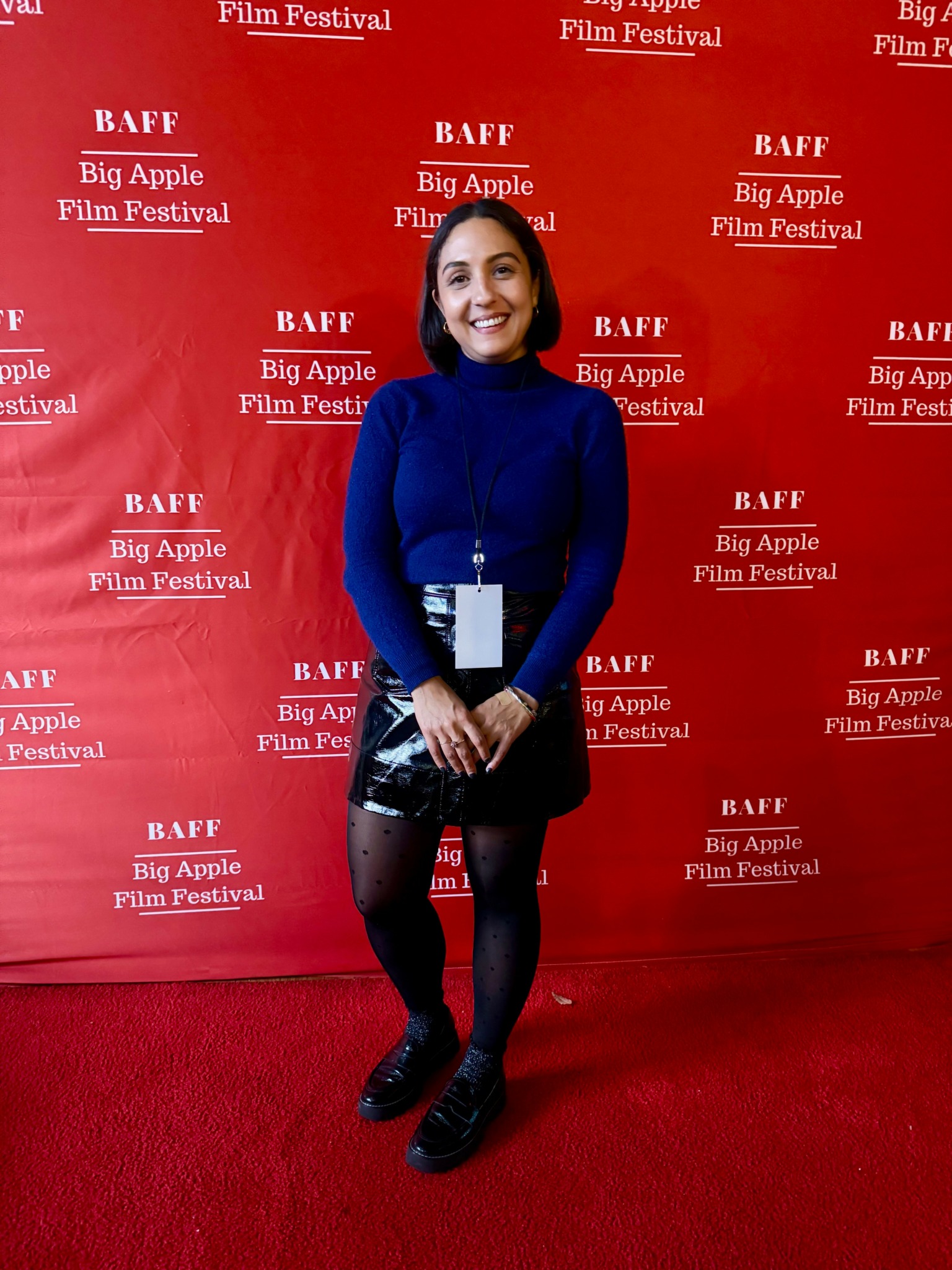
What fulfills me the most is the connection storytelling creates. It’s recommending a film to a friend because you know exactly what will resonate with them. It’s meeting an audience member at a festival who thanks you for curating a program that made them feel seen. It’s providing the infrastructure and support that allows a director, a crew, and a story to come to life. Those are the moments that make all the long days, late nights, and unpredictable freelance seasons worth it.
At the end of the day, making movies is fun. Telling stories is special. And getting to exercise your creative muscles—to help shape something that can move people—feels like an incredible privilege. That’s what keeps me in it: the chance to connect people with stories, and to help bring something meaningful into the world.
Contact Info:
- Website: https://www.rachel-barclay.com/
- Instagram: @rachel.ann.barclay
- Linkedin: https://www.linkedin.com/in/rachelbarclay05/
- Other: IMDb: https://www.imdb.com/name/nm14673397/?ref_=nv_sr_srsg_0_tt_0_nm_8_in_0_q_rachel%2520barclay
Image Credits
Prajwal Godse
Nano Leon