

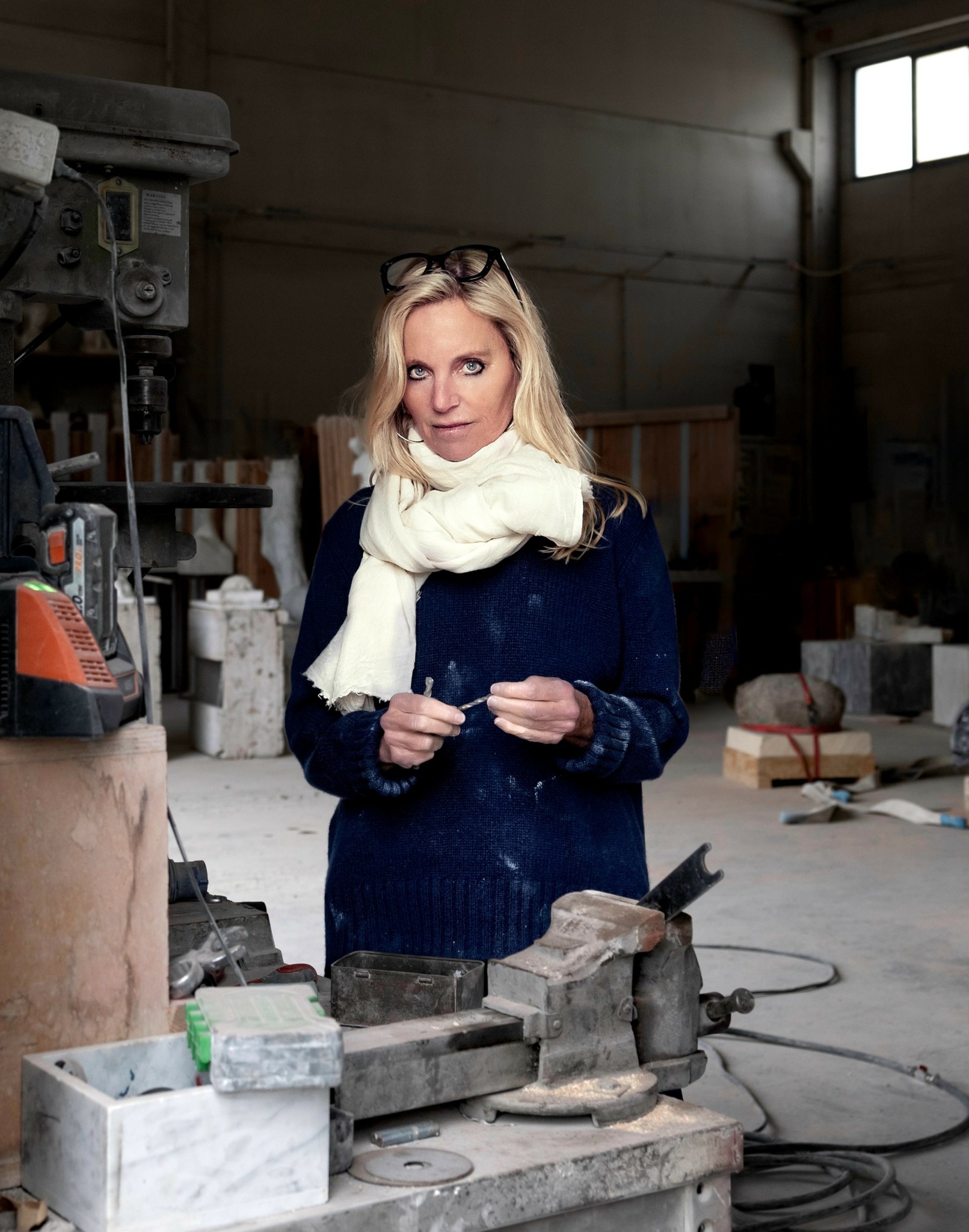

We’re excited to introduce you to the always interesting and insightful Rachel. We hope you’ll enjoy our conversation with Rachel below.
Rachel , thanks for joining us, excited to have you contributing your stories and insights. When did you first know you wanted to pursue a creative/artistic path professionally?
I grew up in a home where art, food, and ideas were part of daily life. My mother ran a culinary school and my father was a professor and writer; they both painted and were active in Houston’s art community. It wasn’t unusual for artists, chefs, and writers to gather around our dinner table.
Creativity has always been a natural way of moving through the world for me. Being dyslexic shaped how I processed information early on – visual and spatial thinking came naturally. I noticed connections others overlooked, and could detect unspoken cues that often say more than words. That sensitivity shaped my artistic lens from a young age.
I spent time in the studios of artists like Janice Biala and Balcomb Green, and when I was 13 my family moved to Cuernavaca, Mexico – a formative shift. Living within such a vibrant culture of craftsmanship and art-making changed me. We returned every summer, and those years made it clear that art wasn’t just something I enjoyed; making art was how I processed the world.
By the time I arrived at the University of Texas for my BFA and later Parsons in New York, pursuing life as an artist felt less like a decision and more of an acknowledgement of who I already was. I continued developing my practice throughout my studies and afterward while working as a Creative Director at McCann-Erickson. It wasn’t until my children were in school that I began showing my work internationally.
Great, appreciate you sharing that with us. Before we ask you to share more of your insights, can you take a moment to introduce yourself and how you got to where you are today to our readers.
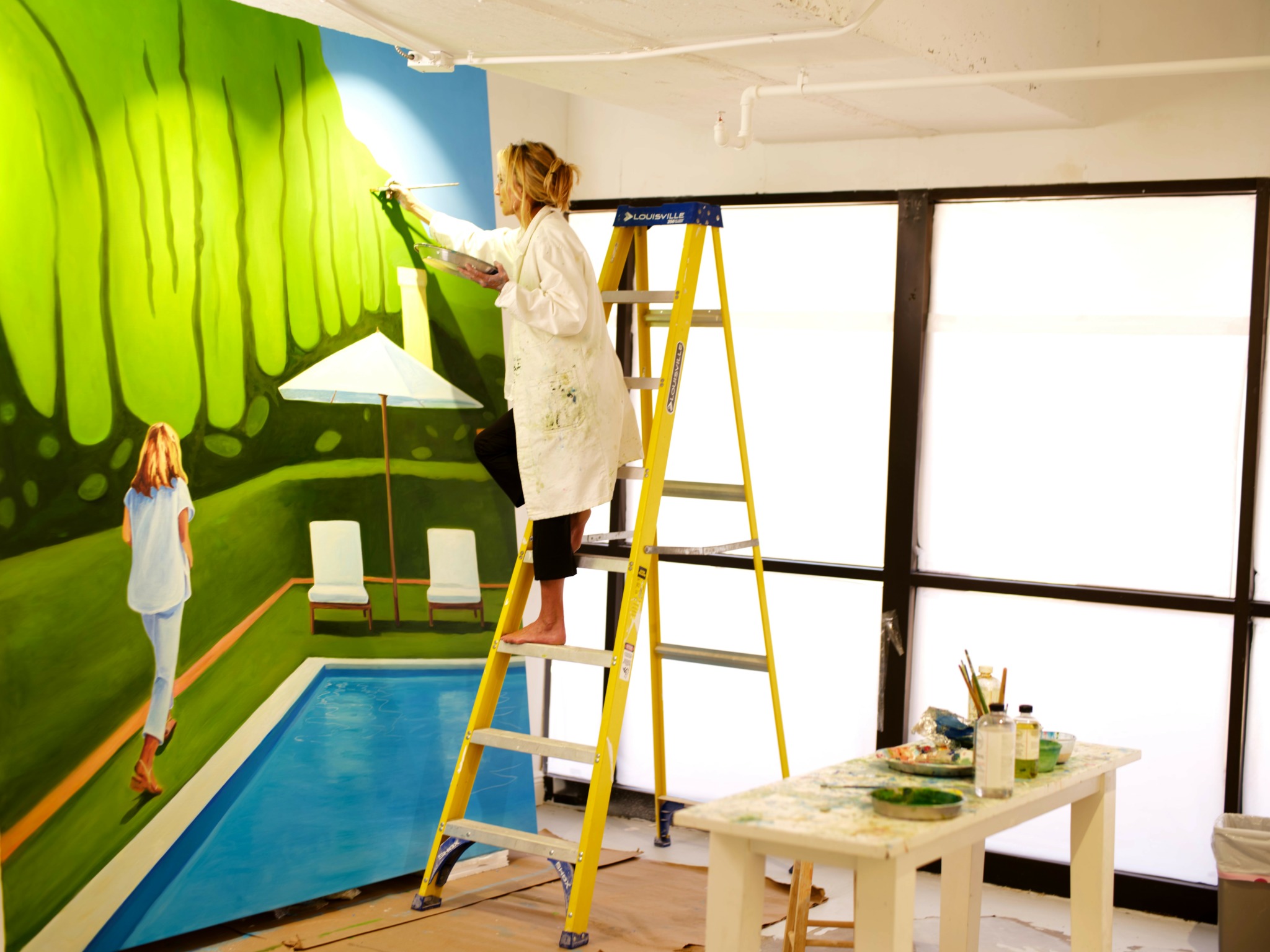
I’m a multidisciplinary artist working across installation, sculpture, painting, and performance. For more than two decades, my practice has examined how digital dependence and our pursuit of beauty and perfection shape both our culture and our sense of self. Much of what I started exploring in the early 2000s – the influence of screens, the pressure to curate our lives, and shifting standards of femininity – has since become a defining part of contemporary life.
Working across mediums allows me to choose the form that best expresses each idea. Some concepts require the intimacy of a painted canvas or the permanence of bronze; others come alive only through viewer participation. The material is always in service to the idea. I’m drawn to create spaces and symbols that feel familiar at first, then subtly shift the ground beneath the viewer. I work with familiar motifs – a teddy bear, flowers, or angels – and introduce deliberate ruptures that expose what lies beneath their surface.
This approach creates a consistent thread throughout my work. My exhibition Beyond the Hedges at COUNTY in Palm Beach confronted the polished façade of American suburbia and the psychological currents beneath it. Public art is also central to my practice. Poor Teddy in Repose, a 15-foot bronze sculpture reflecting on technology’s impact on childhood and imagination, is currently installed in Pietrasanta, Italy. Angels Listening, first presented at the 59th Venice Biennale, invited visitors to anonymously share something they couldn’t or wouldn’t say, creating a collective portrait of shared human experience.
What matters most to me is when my work encourages someone to slow down, perceive something differently, or start a conversation. I look forward to debuting new work at Untitled Art Miami Beach this December, and new projects in 2026 will continue pushing these ideas into new arenas.

What do you think is the goal or mission that drives your creative journey?
My mission is to examine the tension between the real and the unreal that defines contemporary life. We live in a world shaped by digital dependence, curated identities, and ideals of perfection that distort our sense of what is authentic. The intention of my practice is to reveal those contradictions and invite viewers to question the narratives they inhabit. I aim to create pauses – moments where people can sense what is true beneath what is performed. That shift in awareness is what drives my work.

For you, what’s the most rewarding aspect of being a creative?
The most rewarding aspect of being an artist is watching what happens between the work and the person standing in front of it. Art has a way of bringing up feelings or ideas people don’t always have words for, and when someone sees a part of their own story inside a piece, the work shifts and deepens. I love the conversations that unfold around an installation, the memories people share, the way a single object can open a door. Those moments of recognition, surprise or even discomfort remind me why art matters and how it helps us see ourselves and the world with a little more clarity.
Contact Info:
- Website: https://rachelleehovnanian.com
- Instagram: https://www.instagram.com/rachelleehovnanian/
- Youtube: https://www.youtube.com/@rachelleehovnanianstudio
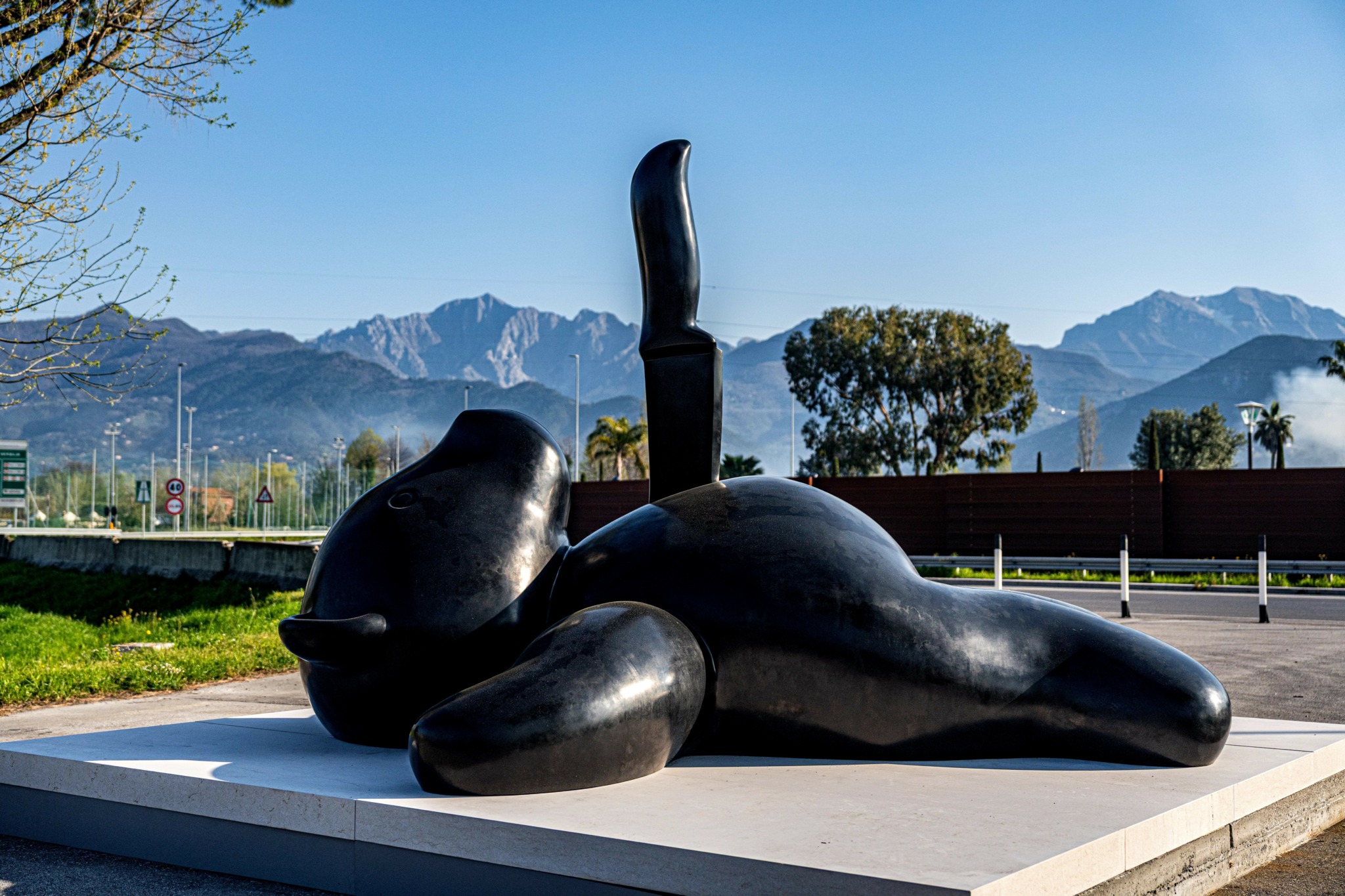
Image Credits
RLH Main Portrait: Cristina Macaya
RLH Working Portrait: Pablo Costanzo
Beyond the Hedges: Oriol Tarridas
Poor Teddy in Repose: Victor Valobonsi
Angels Listening: Francesco Bevilacqua