



We recently connected with Rachael Bohlander and have shared our conversation below.
Rachael, appreciate you joining us today. Can you share a story about the kindest thing someone has done for you and why it mattered so much or was so meaningful to you?
This occurred nearly two decades before I switched careers to pursue my art practice full time. Yet it has been a guiding light in how I choose to act and react to what is happening around me, to me and with my interactions with others. It may not be literally the “kindest” thing anyone has every done for me, but in this stranger’s act of kindness and empathy, it changed in the most positive of ways how I approach life and others, and that is a gift of kindness in the most expansive of ways.
After finishing undergrad, with a degree in Political Economics, I was at a loss for what to do, other than stay in St. Louis, which is where I had gone to school. To help make ends meet, I took a “temporary seasonal” job at a Banana Republic clothing store in St Louis’ Union Station in 1995. It was one of three in the city and closed permanently in early 1998. Somewhere in there, that temporary seasonal sales gig (nothing more permanent than a temporary situation?) had turned into a permanent full time management job. I was young, inexperienced and generally stressed out. This story takes place in 1997.
My store was small, and getting smaller. We already knew it was closing. A vestige of the pre-GAP corporate ownership days, it had gone from over $5million in sales a year to barely $1million. It wasn’t part of GAP’s future vision for the company. We were overshadowed by the two much larger and more profitable stores at nearby malls. Yet, we still offered all the same services, including alterations. This is where the story really begins.
All three St. Louis Banana Republic stores shared the same alterations company. Once a week, they would pick up alterations orders from the stores and then bring them back a few days later, ideally to the correct location. Correct location was an aspirational goal.
This particular day, we received maybe a quarter of the alterations that were due at our location. Many times, clients were a few days late in picking up their altered clothing and we would have time to make the swap before they arrived. Not that day. I had already had several clients come in for their alterations only to discover that their order was at another store. They were angry and let me know it in no uncertain terms. This was on top of a tough day – shoplifters, salespeople calling out, low sales and an unhappy district manager. By the end of my day, I was feeling defeated and beaten up. When a woman walked in right before closing and came directly to the counter with no bags in-hand, I knew it was for an alteration order that I likely wouldn’t have. And I didn’t.
I started in on my apology speech. I don’t know how I sounded or looked. Mostly I wanted to cry or just disappear. She stopped me mid-sentence, looked me straight in the eye and said: “Stop. If this is the worst thing that happens to me today, it has been a good day.”
Again: If this is the worst thing that happens to me today, it has been a good day.
To this moment, I have no idea who she was. After I gave her the options, we agreed that I would ensure that her alterations were delivered to the store nearest her house the following day and that she would pick them up that evening. I never saw her again. Though I made damn sure that her alterations got there, on time. Her words resonated with me, strongly.
Since then, I have said them to myself, whenever I have felt my frustration rising. I have said them to countless people, who like me, were just trying to do their jobs, the best they can, under less than awesome conditions, and then watched as a look of relief washes over their faces. I have shared them with friends and colleagues and other artists who simply looked like they needed to hear it. We all have bad days. We all feel overwhelmed. And sometimes, we forget to see the larger picture and remember that most of life’s inconveniences really are not the worst thing that can happen. My one hope is that these words meant as much and have had the same effect on them as they did on me.
She was a stranger to me then and remains that to this day, nearly 30 years later. I doubt that she knows how much of an impact that made on me. Or maybe she does? Maybe she had been me, once upon a time, so many years ago.
The lesson: The little things matter. Gratitude and perspective matter. Treating people with kindness, understanding and empathy matters. It only took one sentence. It made me a better person. Please, pass it on.
Awesome – so before we get into the rest of our questions, can you briefly introduce yourself to our readers.
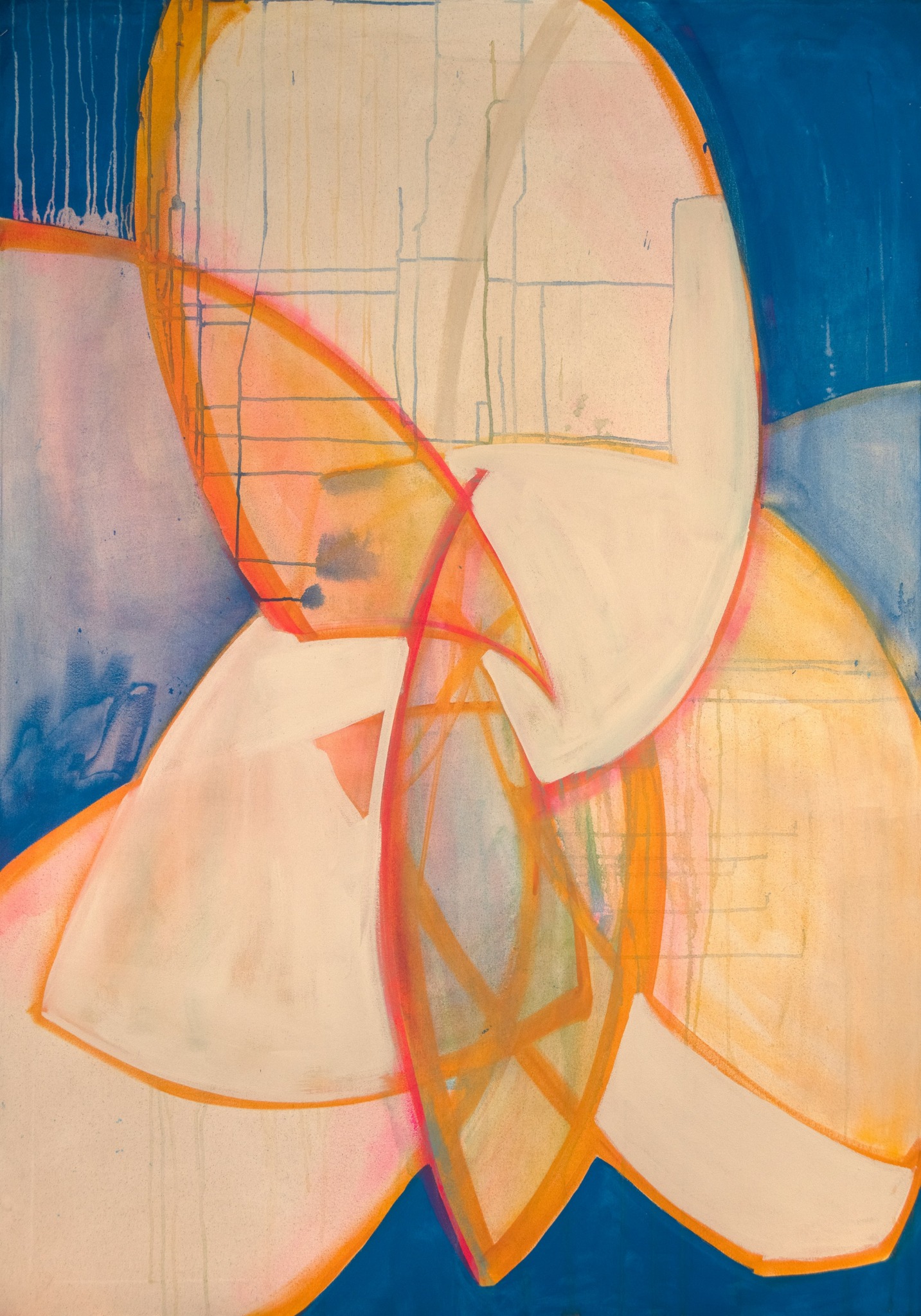
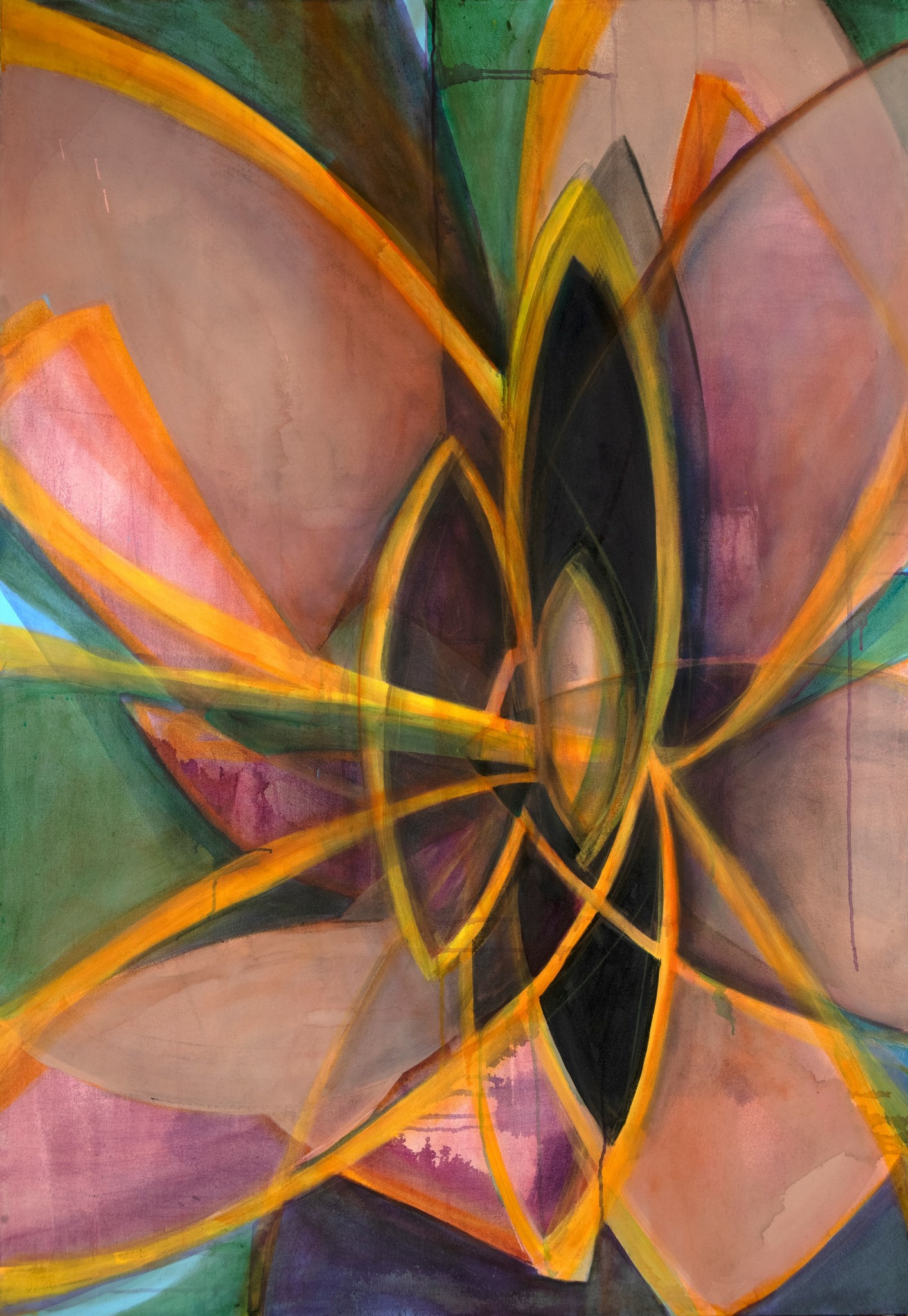
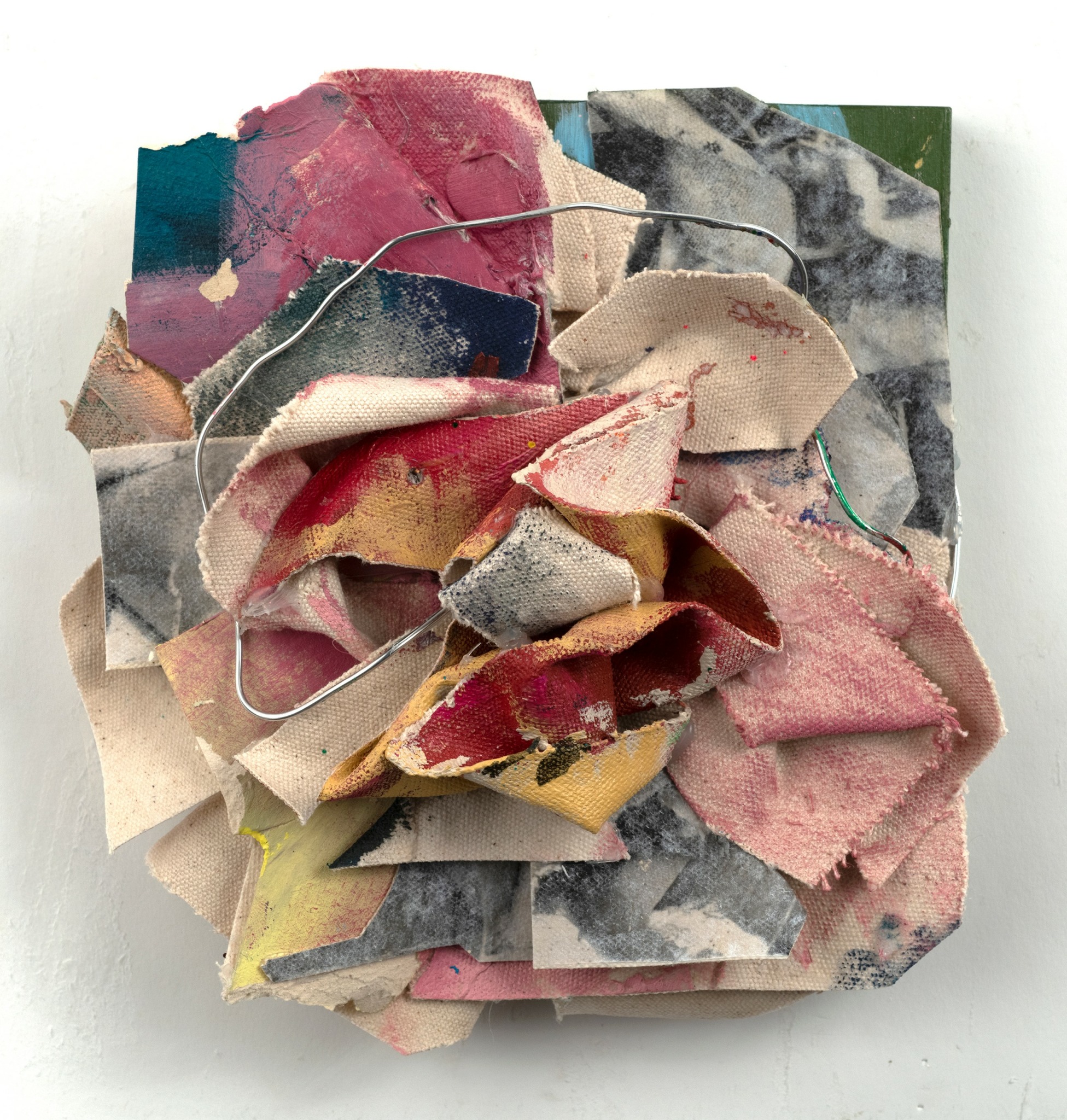
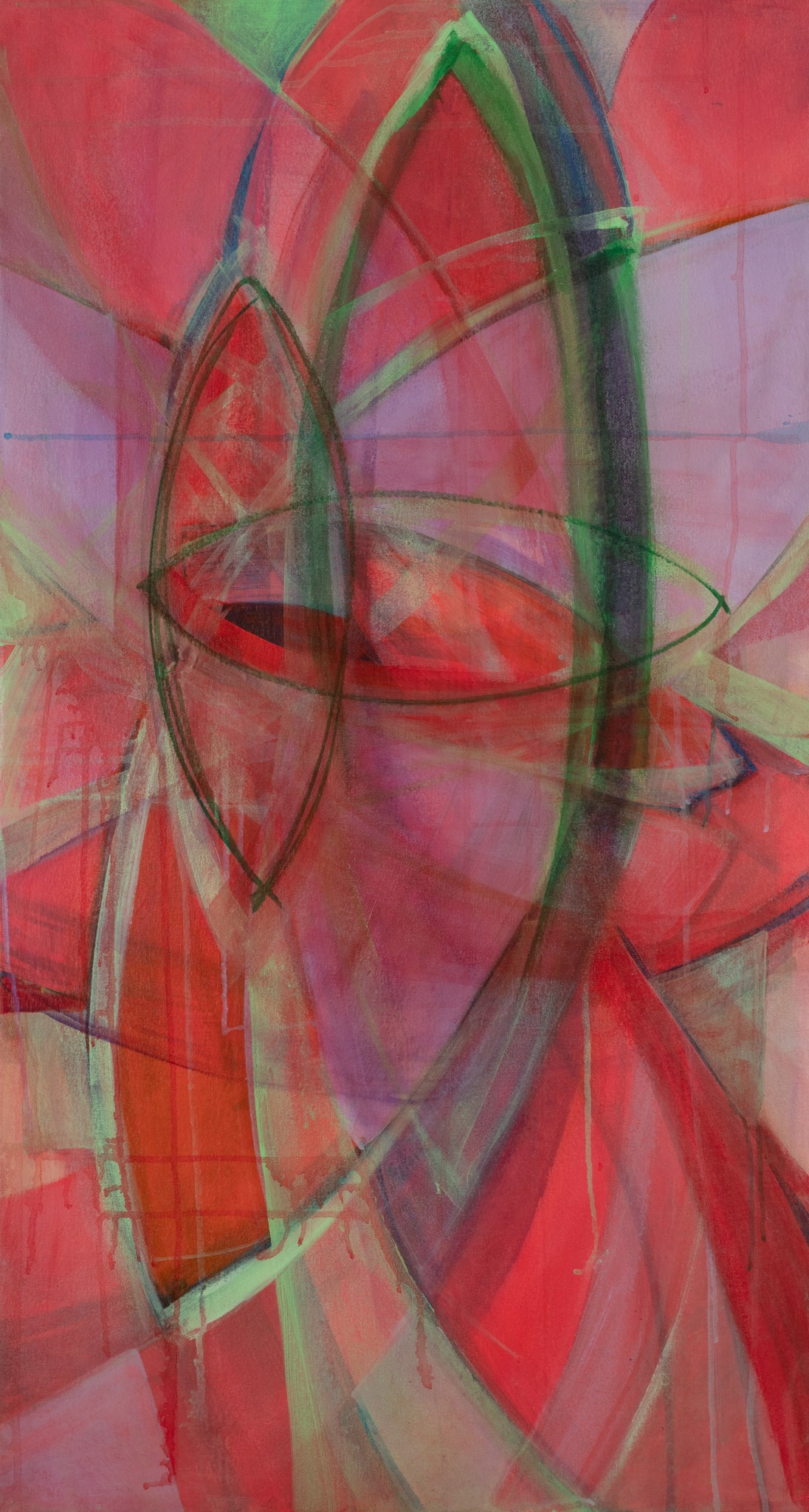
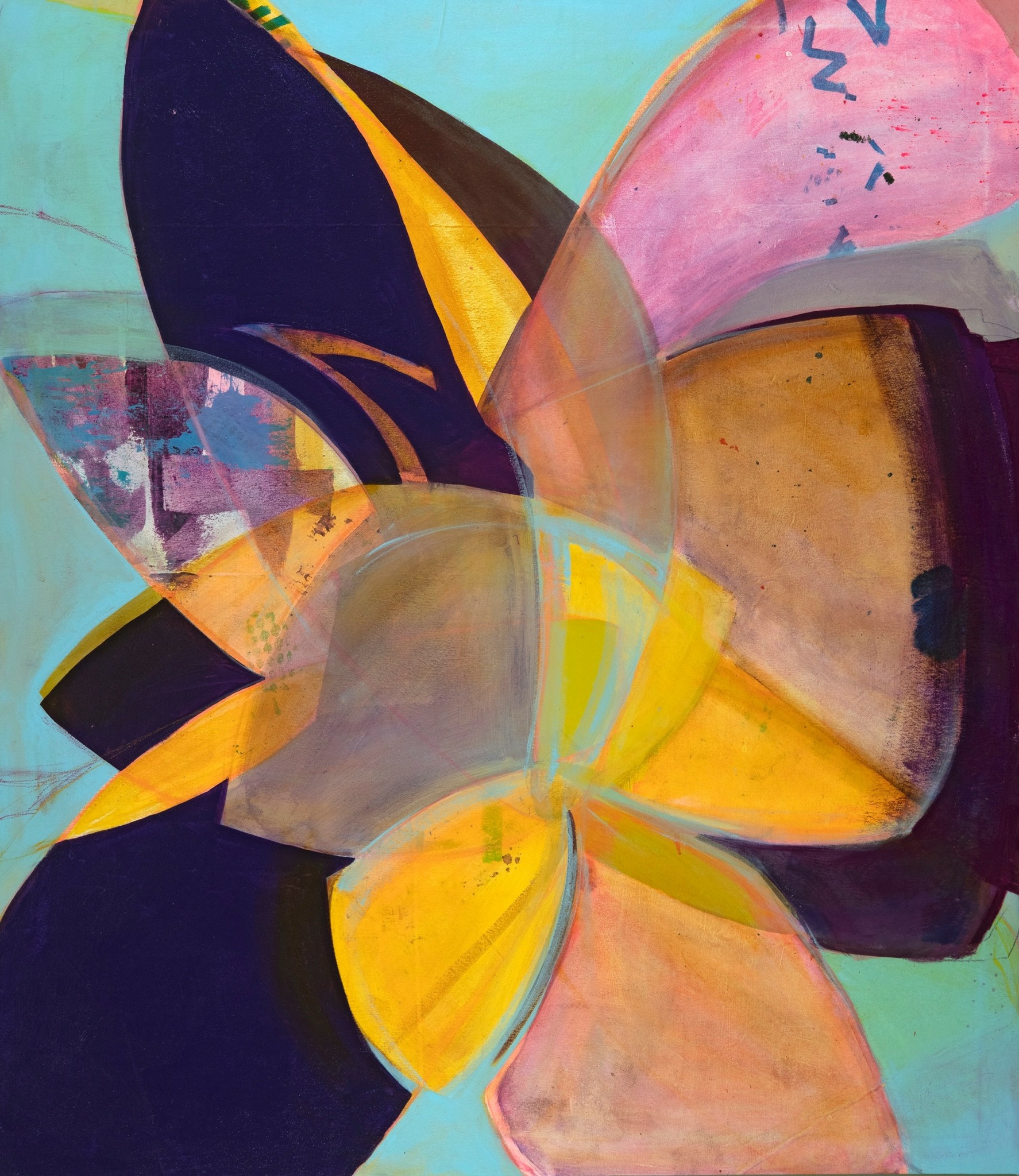
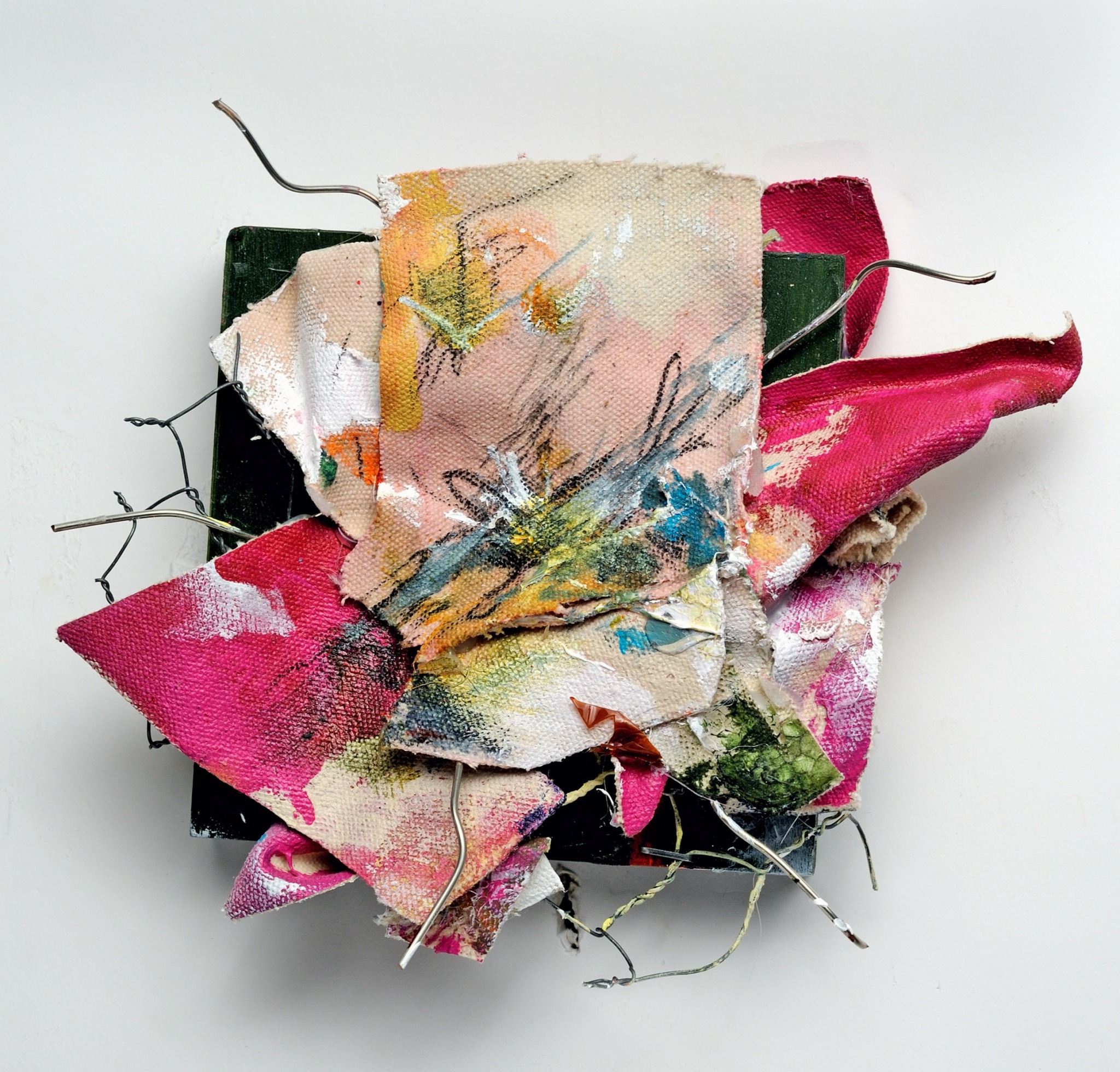
I am a visual artist, based in Washington, D.C.. My practice includes painting, mixed media wall sculpture, collage and public works and murals, as well as art-related videography for the online sculpture project Sculpture Forum and the Brooklyn-based Jonathan and Barbara Silver Foundation.
Art was not my first career, though I can say that it has always been my first love and calling. After my stint in retail clothing management with Banana Republic, I got a law degree at Tulane Law School, New Orleans, LA, and worked on Capitol Hill as Legislative Counsel for three U.S. Senators and a U.S. Congressman over a period of 12 years. I have been a full time artist for more than a decade and earned an MFA from the New York Studio School (2020) in NYC. People do ask me if I regret not having gone into art when I was first accepted into art school when I was 18yrs old. My answer is an unequivocal NO. There are no regrets. I could not do what I am doing now without all of the experiences I had prior. Being an artist is also being a business, being organized and professional. As an artist, everything I am, who I am, goes into my work.
My art now directly draws upon my travels and experiences and what is happening today. I work visually to express my experiences and what I see happening through abstracted depictions, using local plant life – mainly weeds growing in odd places, surviving and sometimes thriving – as the visual prompt. The message is about hope and resilience: Nature finds a way, so can we.
Do you think there is something that non-creatives might struggle to understand about your journey as a creative? Maybe you can shed some light?
The idea of having to be born with some innate artistic talent is so damaging and wrong. Yes, there are generational talents. They are remarkable, in part because they are so very rare. This applies to any endeavor. But just as you have to learn to play an instrument and practice to become good, or take lessons to develop a sports skill and practice, or get a degree to become a surgeon and then become a resident and learn and practice those techniques, or practice and get experience as a salesperson to close a deal, you have to do the same with visual art. It is learned. Anyone can learn how to draw or paint or sculpt. And anyone who wants to be good at it has to practice. Pianists play scales, do exercises and practice everyday. Drawing, for example, is the same. It is a learned skill. And if you don’t keep doing it, the rust is relentless. Art is for everyone and anyone who is willing to put in the time. And for professional artists, the time that goes into a single work isn’t just how long it took to “make” it, it is everything they have done before that piece that made it possible.
I work in my studio nearly everyday. I learn from my students, attend artist talks and art critiques, and still take classes. Even if I am not in my studio, I am doing something that is part of my art practice, whether dealing with social media, updating my website and other documents, contacting collectors or attending events. It is a full time job and a career that is a never-ending process and journey. Yes, there might be some innate talent involved. I was never going to be an opera singer or at 5-feet 1-inch, a professional basketball player and I didn’t enjoy accounting, though I wasn’t terrible at it in school. But the idea that you have to be born an artist and then don’t have to work hard, everyday, to be good at what you do just simply isn’t true.
Can you share a story from your journey that illustrates your resilience?
I had to learn and work through this when I first pivoted to art after having been away for so long: the idea that it is okay not to be any good. Things that I never worried about as a kid or as a teenager suddenly become an issue as an adult: is the work good, do people get it, do they understand it, what if no one likes it? The core lesson I had to learn and accept and own to this day is that failure is okay. In fact, you want it. Or at the very least, get used to it. Because if you want to learn and get better at whatever it is that you are doing, it is going to be a frequent experience of your new endeavor. And as an artist, there will always be some people who don’t like or understand what you’re doing. And that is okay too.
I teach Introduction to Drawing at the Washington Studio School in Washington, D.C. It is adults-only. At one point, I taught young kids. The difference between the two is extreme. The kiddos simply plunk themselves down and start creating. There’s no worries or questions. They just pick materials up and start creating. Adults, even those more advanced, tend to want a set of directions, and be told what to do, so they know that they are doing the “assignment” correctly. There is a fear of failure there that isn’t present in the kids.
Please, do not be afraid to fail. The first class of every term, I tell my students that I love to see, what I want to see, are big spectacular fails. Push yourself and the materials. If you don’t exceed the limits, how do you know what the limits are? This is how we learn and we discover and how we get stronger. Not everything you do is going to be great. Much of it isn’t even going to be good. That’s okay. This is how you learn. Karen Wilken, the art critic and historian, once told me that no babies will die if I make bad art. Extreme, granted, but true. We only see the best of the best in museums. Even the Masters had bad days and works. Look closely enough and sometimes you can see paintings underneath the top painting. Clearly the one painted over was a fail. But the finished work that we can see wouldn’t be as good as it is without that prior failure.
Most times, the only thing holding you back is you. Take a chance. Some something new. Be good with not being all that great at all. Eventually, you are going to be pretty great at what you’re doing.
Contact Info:
- Website: http://www.rachaelbohlander.com
- Instagram: @rachael.bohlander
- Linkedin: https://www.linkedin.com/in/rachael-bohlander-655815184
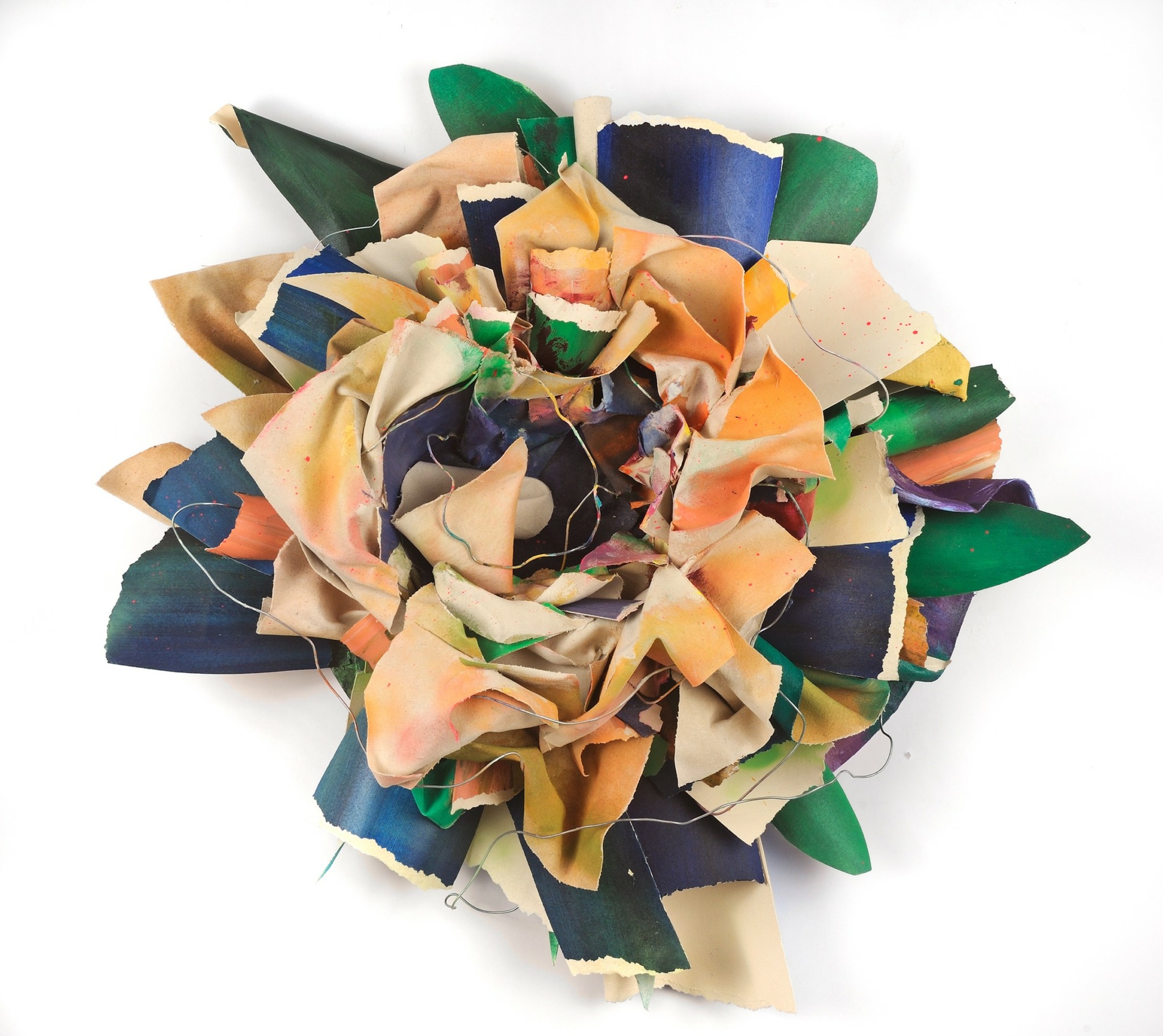
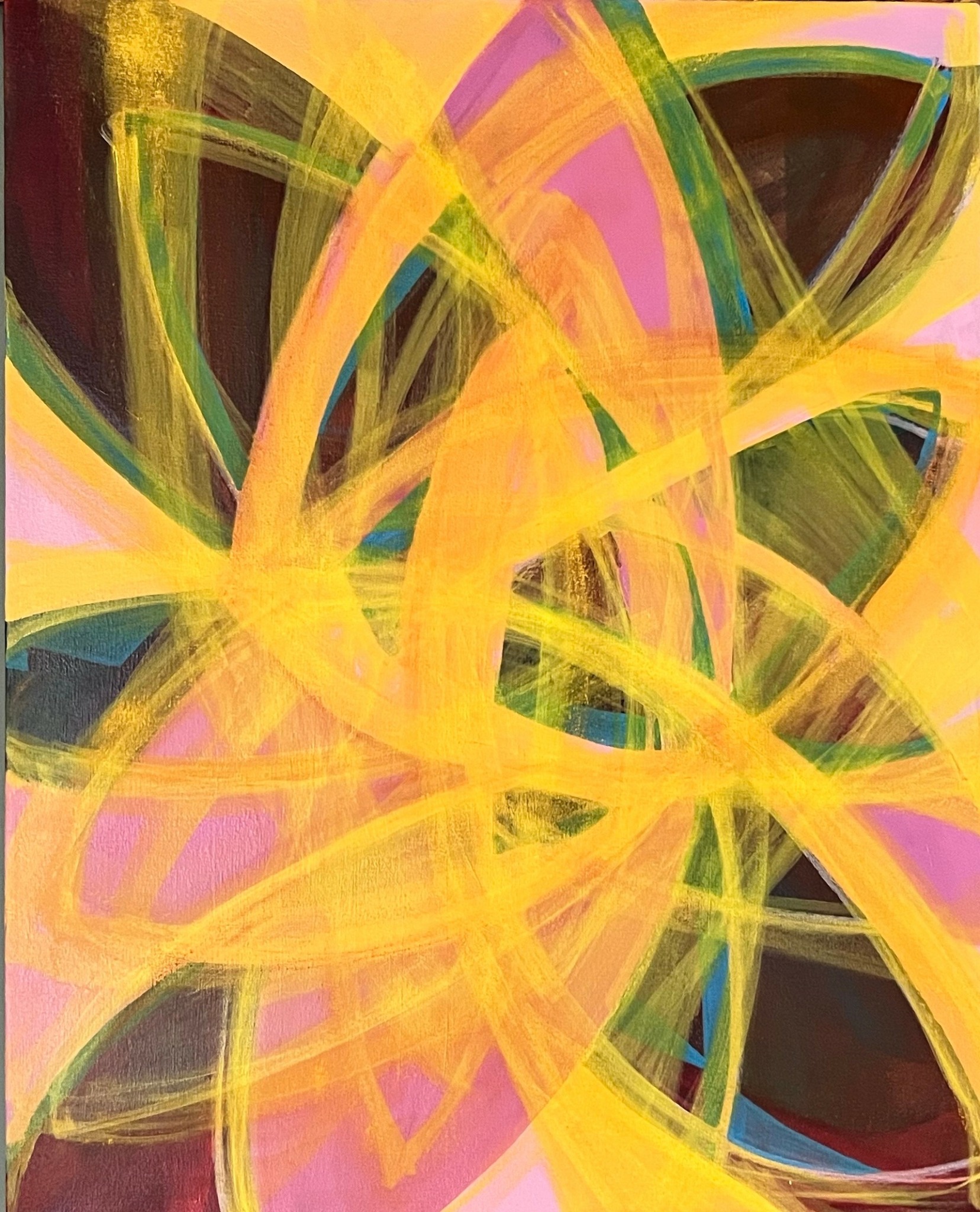
Image Credits
All images by Greg Staley