


Alright – so today we’ve got the honor of introducing you to Quinn Conyers. We think you’ll enjoy our conversation, we’ve shared it below.
Quinn , appreciate you joining us today. How did you come up with the idea for your business?
The idea for The Audacity to Go SMALL came from years of feeling like society, social media and culture kept pressuring so many of us to go bigger, dream bigger and do more. It was becoming exhausting. So when I really looked at my life I notices that many of the biggest breakthroughs didn’t start big, they started small and I leaned into it.
As entrepreneurs, speakers, and individuals building personal and professionals brands, we’re constantly told to think bigger, scale faster, build more, launch more, post more, and chase larger opportunities. The message has put so much pressure on people to go big that we are missing that small things that can really accelerate our growth.
Many of the opportunities that changed my life didn’t come from giant stages, massive audiences, or perfectly executed plans. They came from small decisions that most people would have overlooked, dismissed or ignored.
A small networking conversation led to a client.
A small stage led to a bigger stage.
A small relationship led to a referral.
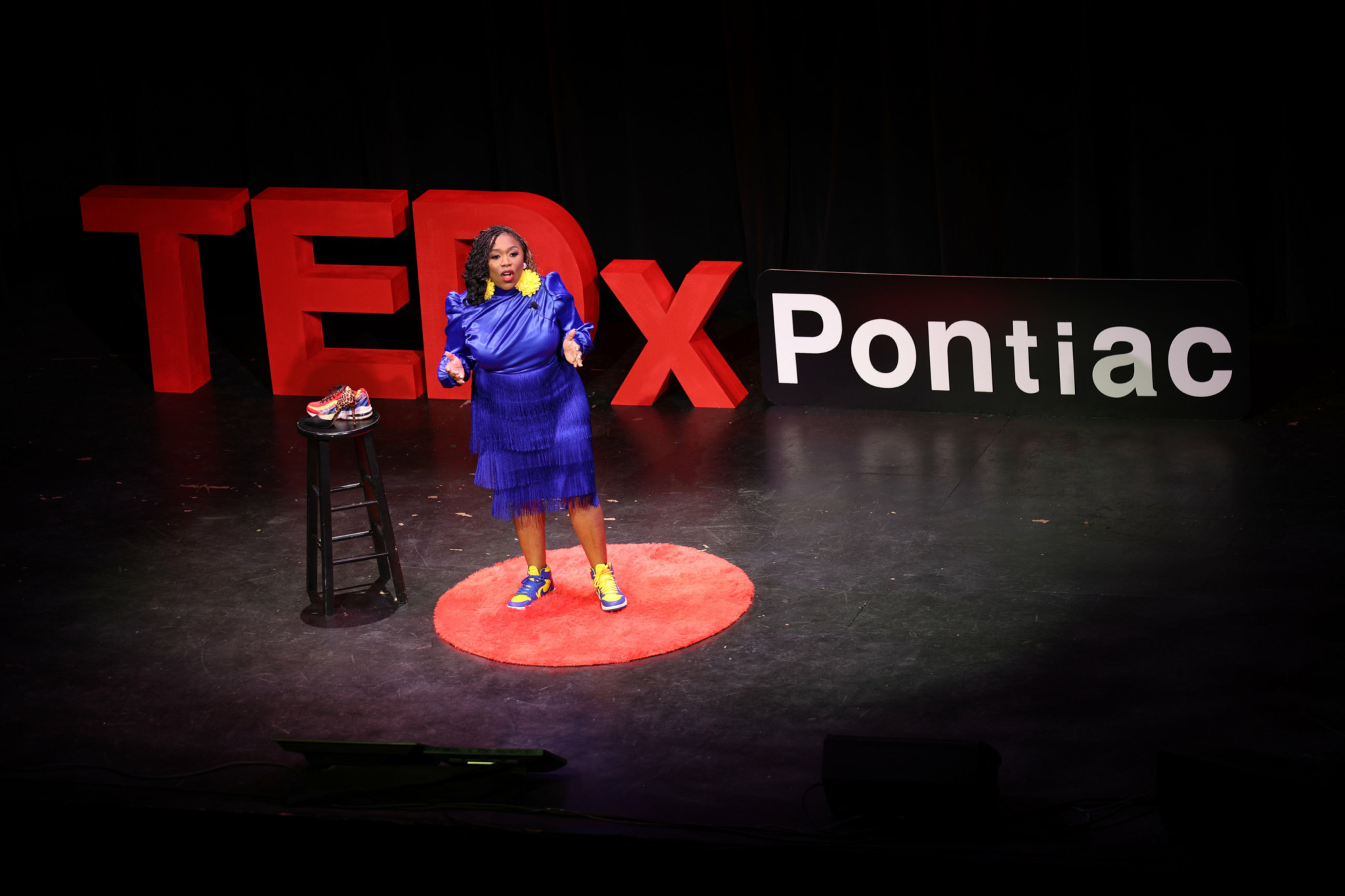
Even my signature look of wearing sneakers on stage wasn’t some elaborate branding strategy or fashion statement. It was a small adjustment I made because my feet hurt in heels. What seemed insignificant became one of the most memorable parts of my speaking brand.
Over time, I started noticing a pattern.
While everyone else was chasing what was bigger, I was benefiting from what was smaller.
I was maximizing opportunities that other people dismissed.
I was leveraging moments that didn’t look important at first.
I started maximizing and monetizing what others missed.
That’s when I realized the real problem many business owners are having and that that BIG has become a bully and burden in their lives and that they were wasting so much time trying to go big that that small things they thought were insignificant were slipping through the cracks costing them clients, contracts and their confidence.
We’ve created a culture that encourages us to go after 6 figured before we even make 1 figure.
We celebrate the million-dollar business but rarely talk about the small steps it took to get there.
We celebrate the audience of 2000 but ignore the room of twenty people where the opportunity actually started.
People aren’t failing because they’re thinking too small.
Many are stuck because they’re waiting for a big breakthrough thinking thats where success begins.
That realization became the foundation of The Audacity to Go SMALL which started as a TEDx Talk but now has developed into a professional permission slip for entrepreneurs to leverage small as their superpower by maximizing what others miss.
The message isn’t about lowering your standards, shrinking your goals, or playing small.
It’s about understanding that the path to something significant is often built through what seems insignificant at first.
This message is giving people permission to stop overcomplicating success.
It’s reminding them that momentum often hides inside the opportunities everyone else overlooks.
What excites me most about this idea is that it feels like a breath of fresh air.
People are exhausted.
They’re overwhelmed by constant messaging telling them to do more, be more, scale more, and achieve more.
The Audacity to Go SMALL offers a different perspective.
What if the answer isn’t doing more?
What if smaller is strategic?
What if smaller is smarter?
What if success is hiding in a smallness you’ve been overlooking?
That’s the conversation I started on the TEDx stage but is now morphing into a movement.

Awesome – so before we get into the rest of our questions, can you briefly introduce yourself to our readers.
My name is Quinn Conyers, and I often describe myself as someone who has built an entire career by maximizing what others miss.
I’m a TEDx Speaker, Keynote Speaker, and Professional Conference Emcee with more than 20 years of experience hired by organizations to transform average events into epic experiences.
Today, I have the privilege of speaking on stages across the country, hosting national conferences, and training speakers, entrepreneurs, and professionals to leverage language as a competitive advantage.
What I discovered early in life was that communication could change perception and allow me to powerfully position myself for my next opportunity. The ability to verbalize my value, express ideas, connect with people become a skillset I mastered.
I earned 2 degrees in communications, worked in fundraising, and eventually launched my own business where I combined my passion for communication, audience engagement, and business growth.
Today, my work lives at the intersection of communication, visibility, and attendee experience.
As a Conference Emcee, I partner with associations, corporations, and organizations transform events from informational gatherings into engaging experiences that attendees remember, rave about, and return to. My role goes far beyond introducing speakers. I strategically connect content, maintain momentum, activate audiences, and create cohesion throughout multi-day events.
As a Speaker, I empower entrepreneurs, speakers, and professionals how to turn conversations into clients and have the audacity to go small by maximizing and monetizing what others miss.
My presentations challenge audiences to think differently about how they position themselves, how they verbalize their value, and small opportunities can grow their business or brand in a big way.
One of the things that sets me apart is that I don’t believe success is always found by going bigger.
I boldy believe going small can be a strategic super power.

Any insights you can share with us about how you built up your social media presence?
One of the biggest misconceptions people have about social media growth is that you need to be everywhere.
I built my brand by doing the exact opposite.
While many entrepreneurs were focused on Instagram, TikTok, and Facebook, I leaned heavily into LinkedIn. At the time, it wasn’t the platform most speakers, emcees, or entrepreneurs were talking about, which is exactly why I saw opportunity there.
As someone who now speaks professionally, I executed a social media strategy that followed that same philosophy long before I had a TEDx Talk about it.
I chose to go small and focus on the the social media platform most entrepreneurs overlooked, ignored or dismissed.
Instead of trying to dominate five platforms, I committed to showing up consistently on one.
For years, I posted content almost daily. I shared stories from stages, lessons from events, communication tips, business insights, and most importantly, I educated people about the value of a professional emcee. Most people knew what a keynote speaker did. Very few understood how a strategic emcee could transform an attendee experience, increase sponsor visibility, and empower organizations to create events that people rave about, return to, and recommend.
I also paid attention to features that many people ignored. I maximized LinkedIn recommendations, newsletters, LinkedIn Live, video content, articles, polls, and direct engagement. While others were chasing followers, I was building relationships and establishing credibility.
Today, that approach has allowed me to build a community of more than 17,000 LinkedIn followers, over 200 recommendations, thousands of newsletter subscribers, and opportunities to work with organizations across the country.
My advice for someone just starting is simple:
Don’t focus on going viral. Focus on becoming visible.
Choose one platform where your ideal clients already spend time. Show up consistently. Talk about the problems you solve. Share stories instead of just selling. And don’t overlook the “small” features everyone else ignores because that’s often where the biggest opportunities live.
The irony is that the same lesson I teach from the stage applies to social media:
The biggest opportunities in your business rarely come from doing more. They come from maximizing what others miss.

Any stories or insights that might help us understand how you’ve built such a strong reputation?
I believe boldly my reputation was built through a combination of consistency, community, and a willingness to invest in myself long before I saw a return on that investment.
One of the best decisions I made was becoming actively involved in organizations like the National Speakers Association. Being part of a professional community allowed me to learn the business side of speaking, build relationships with experienced speakers, receive mentorship, and better understand how to position myself within the industry.
Many people focus exclusively on becoming better on stage. While that’s important, I learned early that reputation is built just as much off the stage as it is on it.
I became intentional about showing up consistently, attending industry events, building genuine relationships, following through on commitments, and finding ways to add value to others. I invested in coaching, training, conferences, and professional development because I understood that if I wanted to be viewed as a professional, I had to operate like one.
I also made it a priority to educate the market about the role of a professional conference emcee. For years, I have consistently shared content, insights, and experiences that demonstrate the strategic value an emcee brings to an event. Over time, that consistency has powerfully positioned me as more than someone who simply introduces speakers and sponsors. It established me as a trusted partner who understands attendee engagement, event flow, sponsor visibility, and audience experience.
I’ve worked hard to build my reputation both online and offline. Social media has certainly increased my visibility, but some of my most meaningful opportunities have come from relationships, referrals, repeat clients, and the experience people have when they work with me in person.
At the end of the day, reputation is earned through repeated experiences. Every stage, every event, every interaction is an opportunity to reinforce what you want to be known for. I’ve spent years being intentional about how I show up, how I serve clients, and how I contribute to my industry, and I believe that’s what has built a strong reputation as both a conference emcee and speaker.
Contact Info:
- Website: https://QuinnConyers.com
- Instagram: https://instagram.com/quinnconyers
- Facebook: https://www.facebook.com/quinnconyers
- Linkedin: https://www.linkedin.com/in/quinnconyers/
- Youtube: https://www.youtube.com/quinnconyers


Image Credits
TEDx Pontiac