

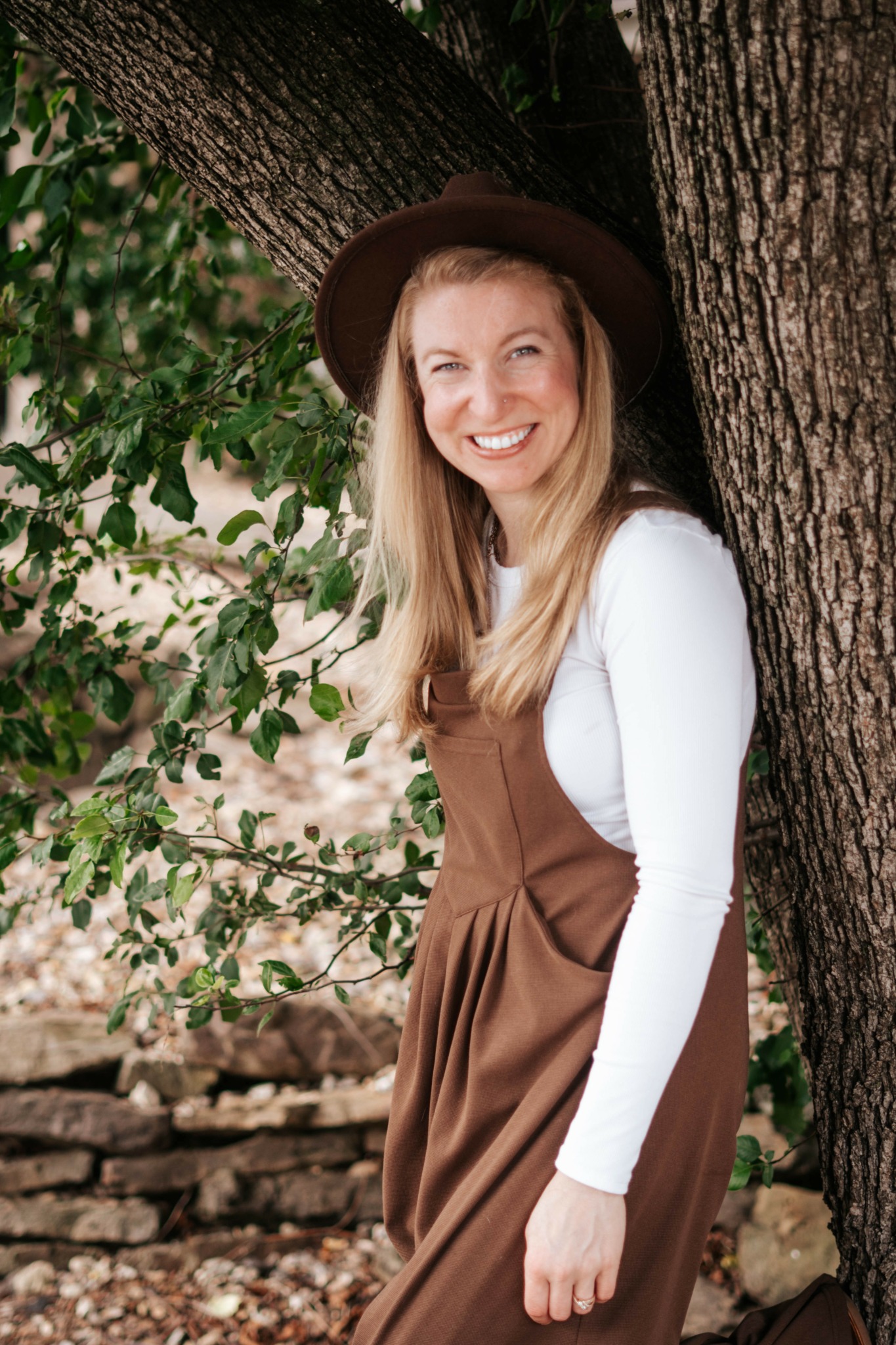

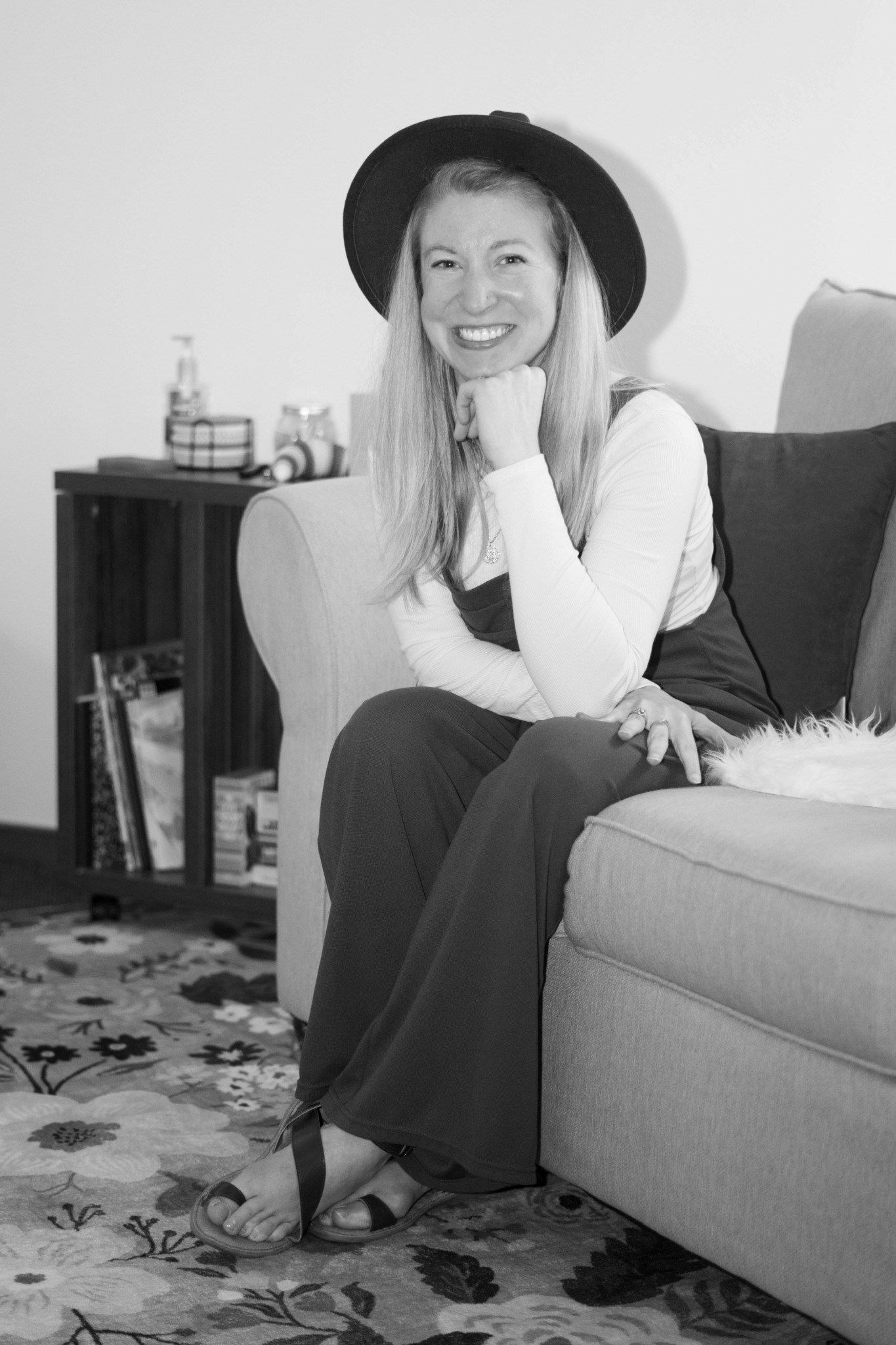
We caught up with the brilliant and insightful Presley Souers a few weeks ago and have shared our conversation below.
Presley, thanks for taking the time to share your stories with us today Do you think your parents have had a meaningful impact on you and your journey?
My parents divorce when I was just a baby so the only consistent person I had was my mother. I call her “Momma.” Ever since I can remember, she has always cleaned. She cleaned multiple theaters in Branson, Missouri, offices buildings, churches, and homes. Because times were tough, she would often bring me along. I remember at 4 years old, having a feather duster helping my mom clean Jim Stafford’s theatre. We didn’t live in luxury by no means, but I never went without.
Before I turned 7 years old, I was just like any other child. I played T-ball and took dance classes. I was very active and never had any health issues. Then November 3rd of 1998, came around. I had a stroke and would have two more over the next two weeks. The strokes greatly affected my ability to use the right side of my body. I had to give up a lot of what I loved because of this. No more T-ball or dance. This was a whole new world of being disabled.
I had seen my mother wash the dishes several times. This was nothing new. We didn’t have a dishwasher, so this was a regular occurrence! But on this day, something was different. My mother set a chair next to a sink of dirty dishes. She filled up the sink with soapy water and basically told me to “get after it!” I got up on the chair so that I could reach into the sink and “get after it.” Soapy water went everywhere as I chased a plate around the counter with my one good hand! My grandmother came over and saw me washing dishes. She gasped in horror! “Sjana! I can’t believe you are having this poor girl wash the dishes. She only has one hand that works!” Momma turned around and confronted her mother, “Mom, she’s going to have to learn some point to do things on her own because this world won’t cater to her.”
My momma pushed me because she knew I needed to be tough to make it in a world that wasn’t meant for disabilities. I not only received my high school diploma (the doctors told me I wouldn’t live to graduation) but also went on to get my bachelor’s and master’s degrees. I am a Licensed Professional Counselor and own a small private practice in Rogers, Arkansas called A Hopeful Place. I am who I am because of my momma and her belief that I can do hard things.

As always, we appreciate you sharing your insights and we’ve got a few more questions for you, but before we get to all of that can you take a minute to introduce yourself and give our readers some of your back background and context?
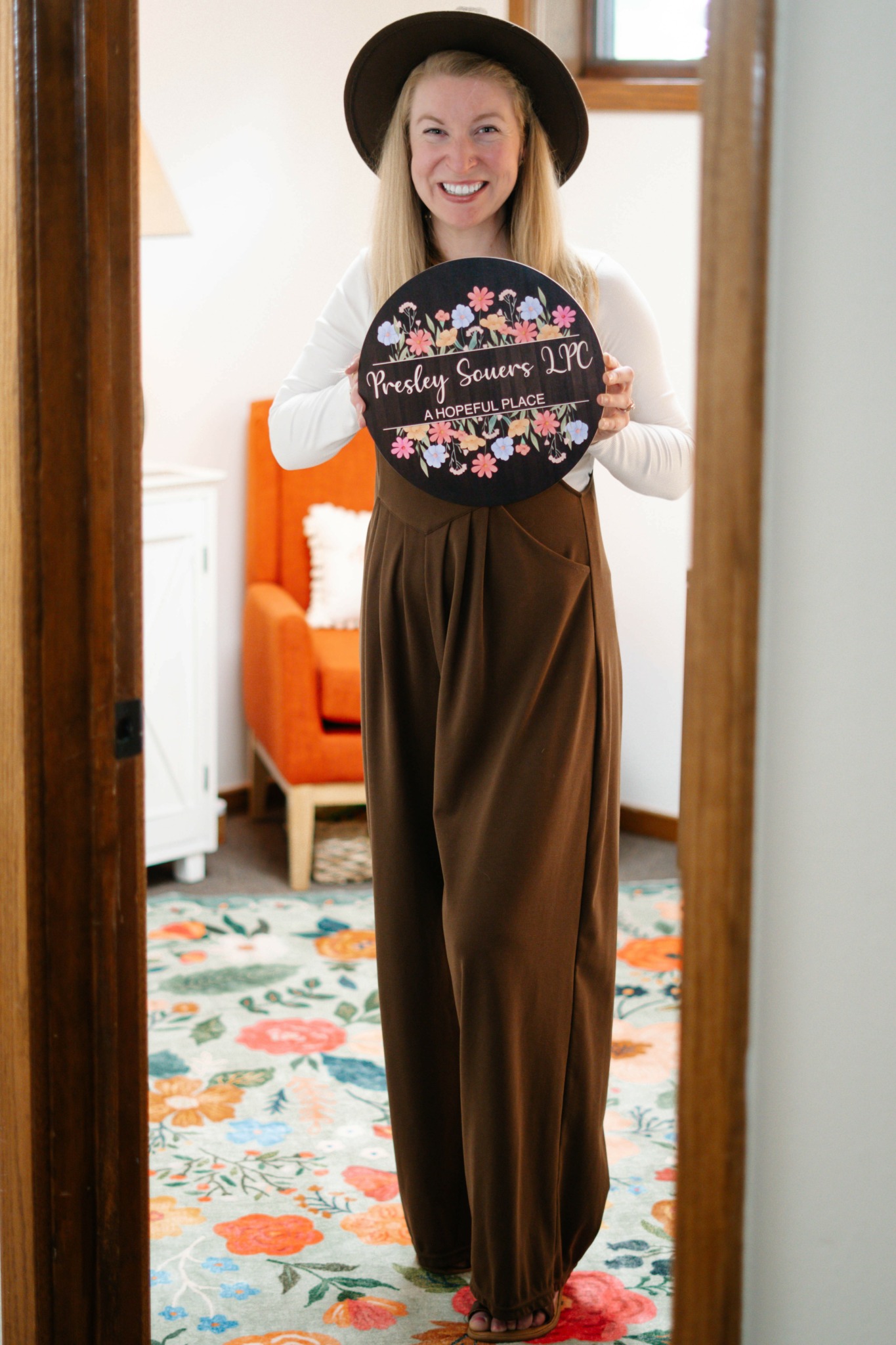
I’m a Licensed Professional Counselor (LPC) and I own a solo practice in Rogers, AR called A Hopeful Place. It has been a long and hard road to get where I am! After high school, I went to the University of Central Arkansas and received my bachelor’s in psychology. I then pursued my master’s in counseling education at the University of Arkansas. From there, I worked at a mental hospital, an agency, and a private practice. I gained a lot of experience with different kinds of clients and diagnoses, and this gave me the confidence to open my own private practice.
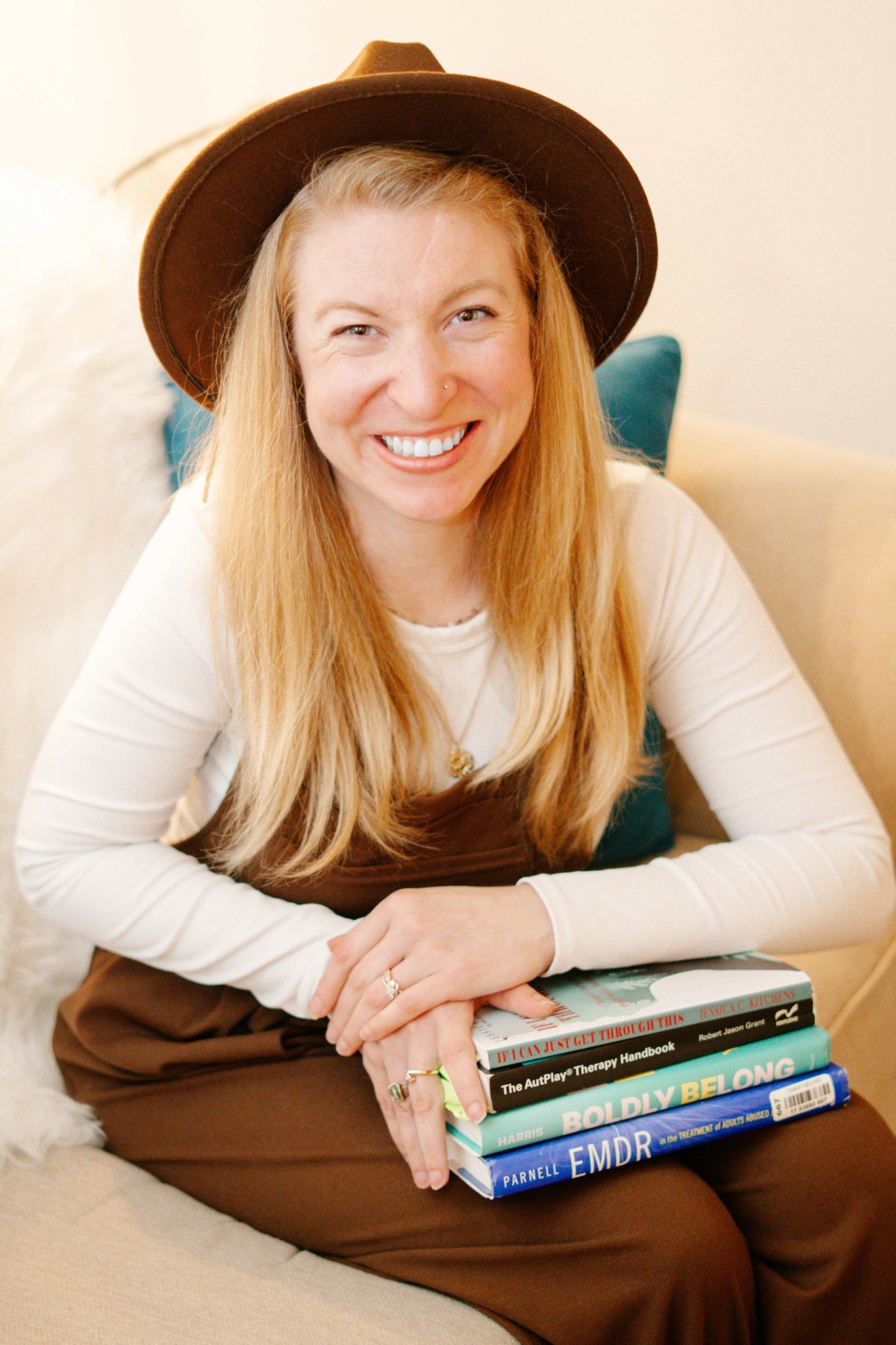
I specialize in trauma, Post Traumatic Stress Disorder (PTSD), physical disabilities, chronic illness, and Attention Deficit/Hyperactivity Disorder (ADHD). I am trained in Eye Movement Desensitization and Reprocessing (EMDR) and Accelerated Resolution Therapy (ART). Both of these therapies are used for all of my specialties. EMDR is best known because it has been around since the 1980s and has shown effective results, especially for those who have trauma or PTSD. When a person comes to therapy with traumas, sometimes the memory gets “stuck” in the brain, and they relive this moment over and over. Or sometimes they may feel scared, anxious, depressed, or hurt, and that feeling gets “stuck.” EMDR aims to “unstick” these memories so they integrate more adaptively with other memories. I am currently getting certified in EMDR, which means that I am taking more training and seeking consultation from EMDR Consultants. Being certified in EMDR takes more steps than just being trained in EMDR.
Each therapist should have a theory that guides their therapy approach, and mine is Reality Therapy. The basics of Reality Therapy are that each of our choices goes to meet one of our basic needs. These basic needs are love and belonging, freedom, power, fun, and survival. Sometimes we make really great, responsible, and effective decisions, and other times we are pretty lousy at it. I have the client examine their life, rate each basic need on a scale from 0 (lousy) to 5 (great), and then examine how they are trying to get those needs met. If what they are doing isn’t working to meet the need most responsibly and effectively, then we come up with a plan! This plan may include EMDR, ART, or just focusing on Reality Therapy. I am a down-to-earth kind of therapist. I’m kind but direct. I often tell my clients, “Okay, I’m about to tell you something that you may like to hear. Are you ready?” My approach to therapy isn’t for everyone, and that’s okay!
I love my job and helping people is a huge passion for me. I’m always looking for ways to better myself and learn more in order to help my clients.
Training and knowledge matter of course, but beyond that what do you think matters most in terms of succeeding in your field?
Networking with others has brought a lot of business to my private practice. I meet up occasionally with other therapists from other towns and specialties and this has brought a slew of clients into my practice. Also using Facebook as a marketing tool! Join a city Facebook page (such as NWA Moms in the Know) and market yourself there. I find that I gain more traction from Facebook than on Psychology Today.

What do you think helped you build your reputation within your market?
When I market myself, I tell others a little bit about my past. I share that I am the daughter of a PTSD survivor, that I have a physical disability, and chronic illness. That I also have ADHD, and I get the struggles that they face. People want to know that the therapist understands them. They want to know that the therapist isn’t just there for a paycheck.
Contact Info:
- Website: https://ahopefullplacellc.com
- Instagram: presley_souers_lpc
- Facebook: https://www.facebook.com/profile.php?id=61558765003804
- Linkedin: https://www.linkedin.com/in/presley-souers-aa6880161/
- Other: https://www.psychologytoday.com/profile/1426205

Image Credits
Goose & Gown