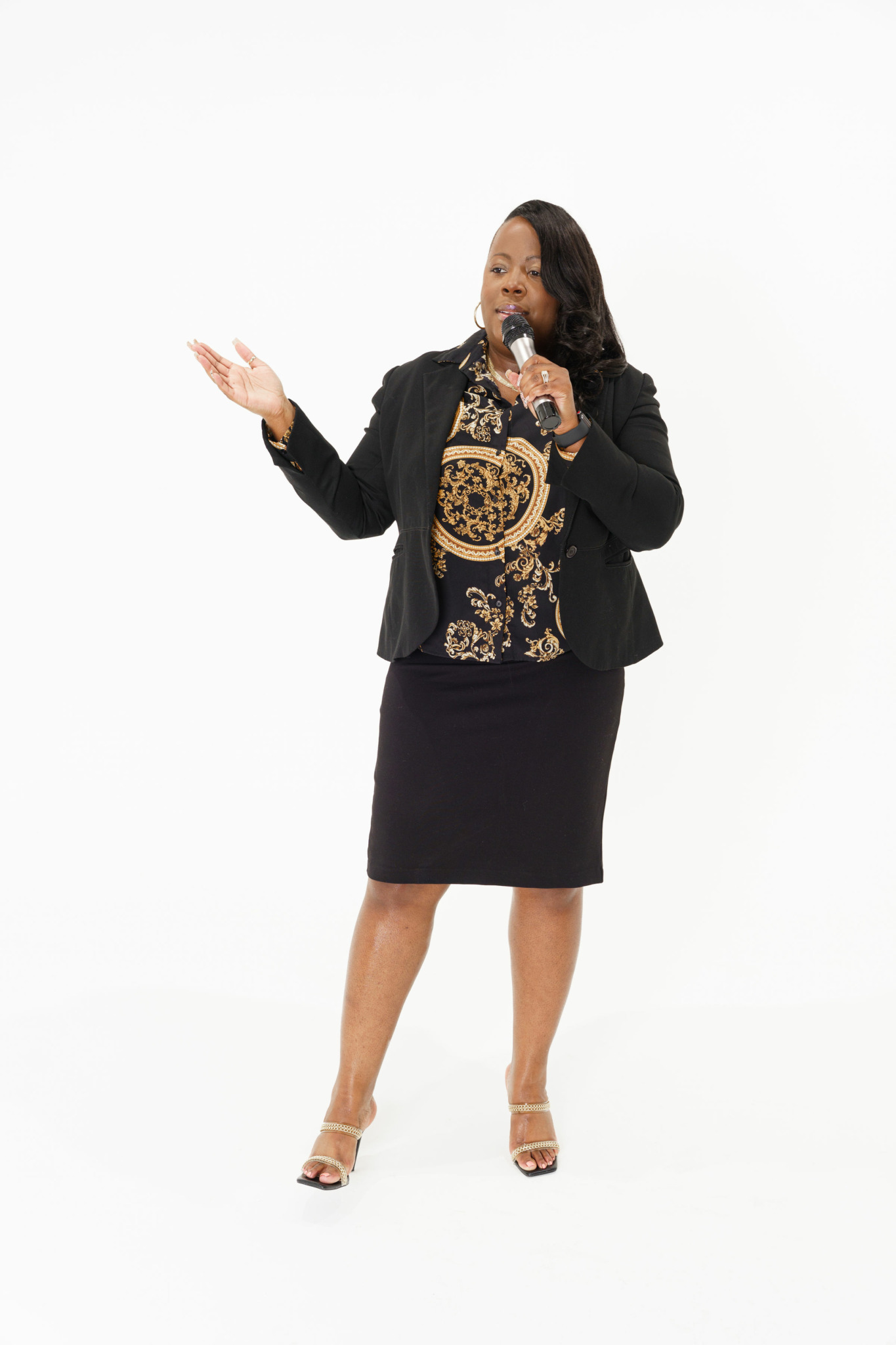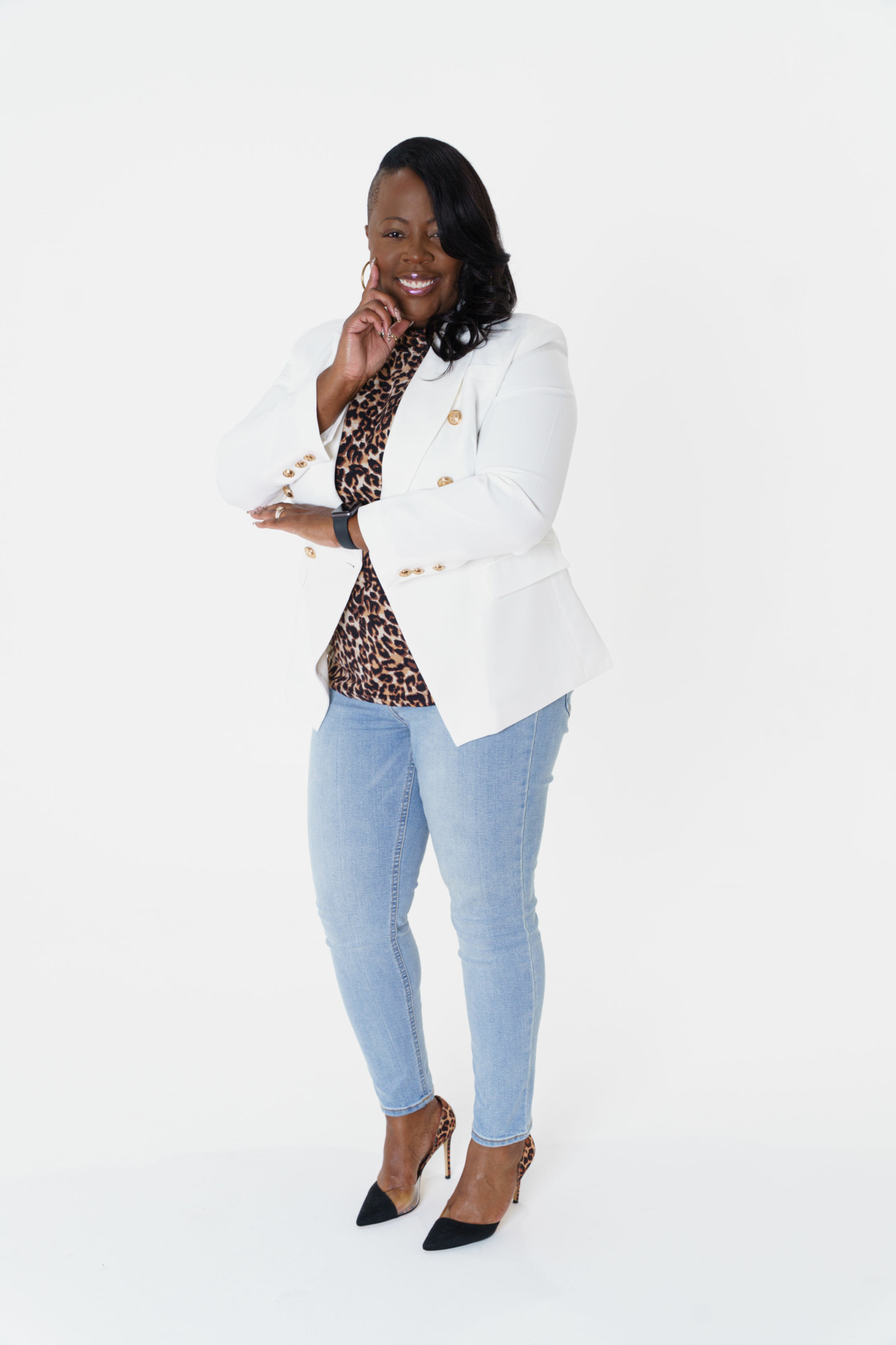

We’re excited to introduce you to the always interesting and insightful Precious Monèt. We hope you’ll enjoy our conversation with Precious below.
Precious, thanks for taking the time to share your stories with us today Talk to us about building a team – did you hire quickly, how’d you recruit the first few team members? Any interesting lessons?
When I started, it was just me. BHS Consulting Firm began as a one-woman operation. I carried the vision, the execution, and the responsibility. I was deeply invested in what I was building, not just the business itself, but the impact and integrity behind it. That made letting go incredibly hard.
Finding good people was one of the biggest challenges. Not because talent doesn’t exist, but because trusting someone with something you’ve poured yourself into feels personal. This was my “baby,” and I wanted to protect it. I struggled with delegation, held on longer than I should have, and told myself I could handle it all.
I couldn’t. Recruiting my first team members forced me to confront that reality. I didn’t want just capable people. I wanted people who cared. People who understood the responsibility of stewarding someone else’s vision. I leaned heavily on relationships and referrals, choosing alignment and character over speed. The interview process focused less on polished answers and more on how people thought, communicated, and took ownership. I paid close attention to emotional intelligence, integrity, and how they handled real-world scenarios.
What may have been unconventional was how slowly I moved. I wasn’t trying to “build a team,” I was trying to build trust. Training was hands-on and personal. I modeled expectations closely and stayed involved because I wanted the culture to be felt, not just explained.
The hard lesson came when I realized how quickly burnout crept in when I refused to release control. I learned the hard way that doing everything yourself doesn’t make you strong; it makes you tired. And tired leaders don’t build sustainable businesses.
If I were starting today, I would still be intentional about who I bring in — but I would let go sooner. I would document systems earlier, create clearer boundaries, and trust the right people faster. Growth doesn’t happen because you hold everything together. It happens when you build structure, invite support, and lead with clarity instead of fear.
That experience is why my work today is so rooted in helping leaders prepare for growth before burnout forces their hand. Because building something meaningful shouldn’t cost you yourself or peace in the process.
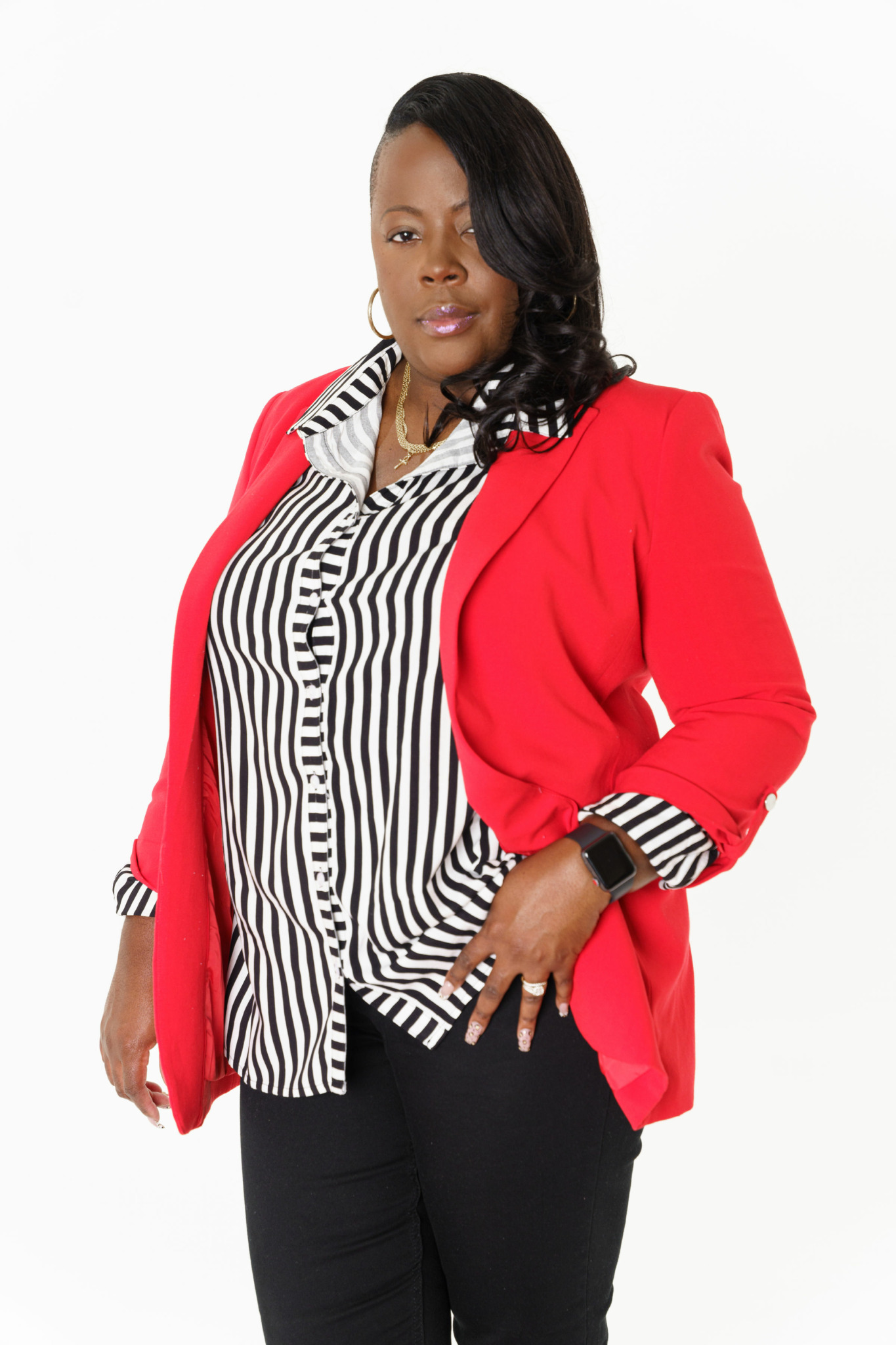
As always, we appreciate you sharing your insights and we’ve got a few more questions for you, but before we get to all of that can you take a minute to introduce yourself and give our readers some of your back background and context?
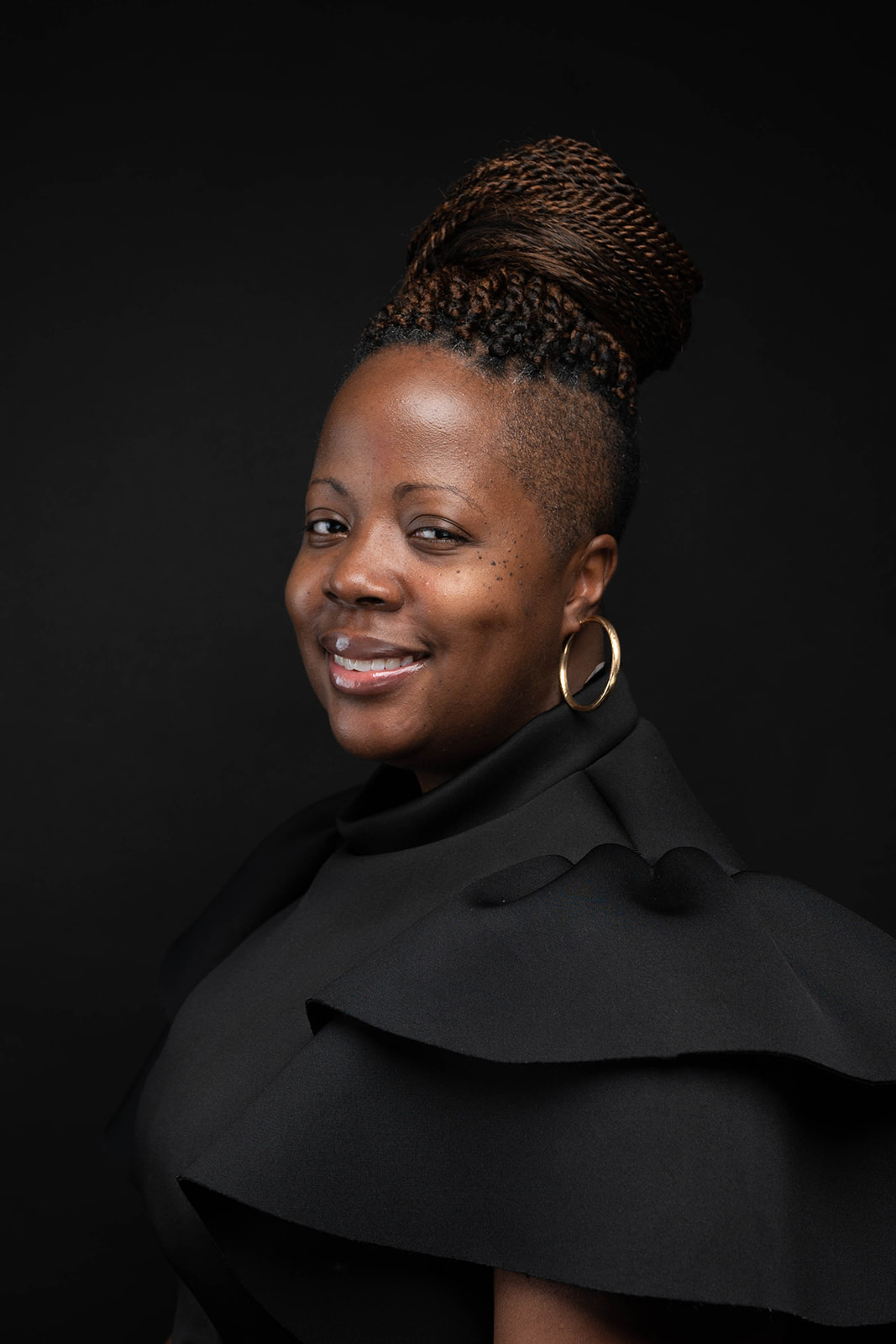
I’m Precious Monèt, Founder and Lead Consultant of BHS Consulting Firm. At my core, I’m a people-first leadership strategist who believes businesses don’t grow because of ideas alone; they grow because of how people are led.
I didn’t get into this work because I wanted to “do HR.” I got into it because I worked for enough bad bosses to know exactly what not to do. I’ve seen firsthand what happens when leadership lacks clarity, empathy, and accountability: disengaged teams, constant turnover, burnout, and businesses that struggle not because the vision is wrong, but because the people experience is broken. I knew there had to be a better way to build organizations.
I’ve also lived it from the other side. As a founder, I know what it feels like to carry the weight of a business, to overextend, and to learn sometimes the hard way that passion without structure leads to exhaustion. Those experiences shaped how I lead and why I do this work today.
Through BHS Consulting Firm, I help organizations do it the right way. I partner with founders and leaders to intentionally build the people side of their business. Leadership, culture, and systems so that growth doesn’t come at the expense of their teams. My work is rooted in a simple truth: without people, there is no business.
What sets my work apart is that I don’t separate people from performance. Culture drives everything: how people show up, how they work, how they treat customers, and how long they stay. Strong culture fuels productivity, productivity drives results, and results sustain the business. That’s why my approach is grounded in helping organizations lead with empathy, drive accountability, and profit with purpose.
The services I provide are leadership development, HR foundations, culture design, and long-term people strategy. Whether I’m supporting a business at launch or advising an established organization, the focus is always the same: clarity, consistency, and leadership that actually works in the real world.
What I’m most proud of is helping leaders realize that leading well isn’t soft, it’s strategic. When people feel supported, clear, and accountable, businesses perform better. Teams stay longer. Leaders burn out less. And companies grow in a way that’s sustainable, not reactive.
What I want readers to know about me and my work is this: I’m committed to building workplaces where people are respected, leadership is intentional, and success is repeatable. I don’t believe in shortcuts or surface-level solutions. I believe in strong foundations, honest leadership, and cultures that allow both people and businesses to thrive.
As I often say, “Life without purpose is no life at all.” When people are connected to purpose, leadership becomes meaningful, work feels aligned, and passion replaces burnout because when you care deeply about what you do, it no longer feels like work.
— Precious Monèt
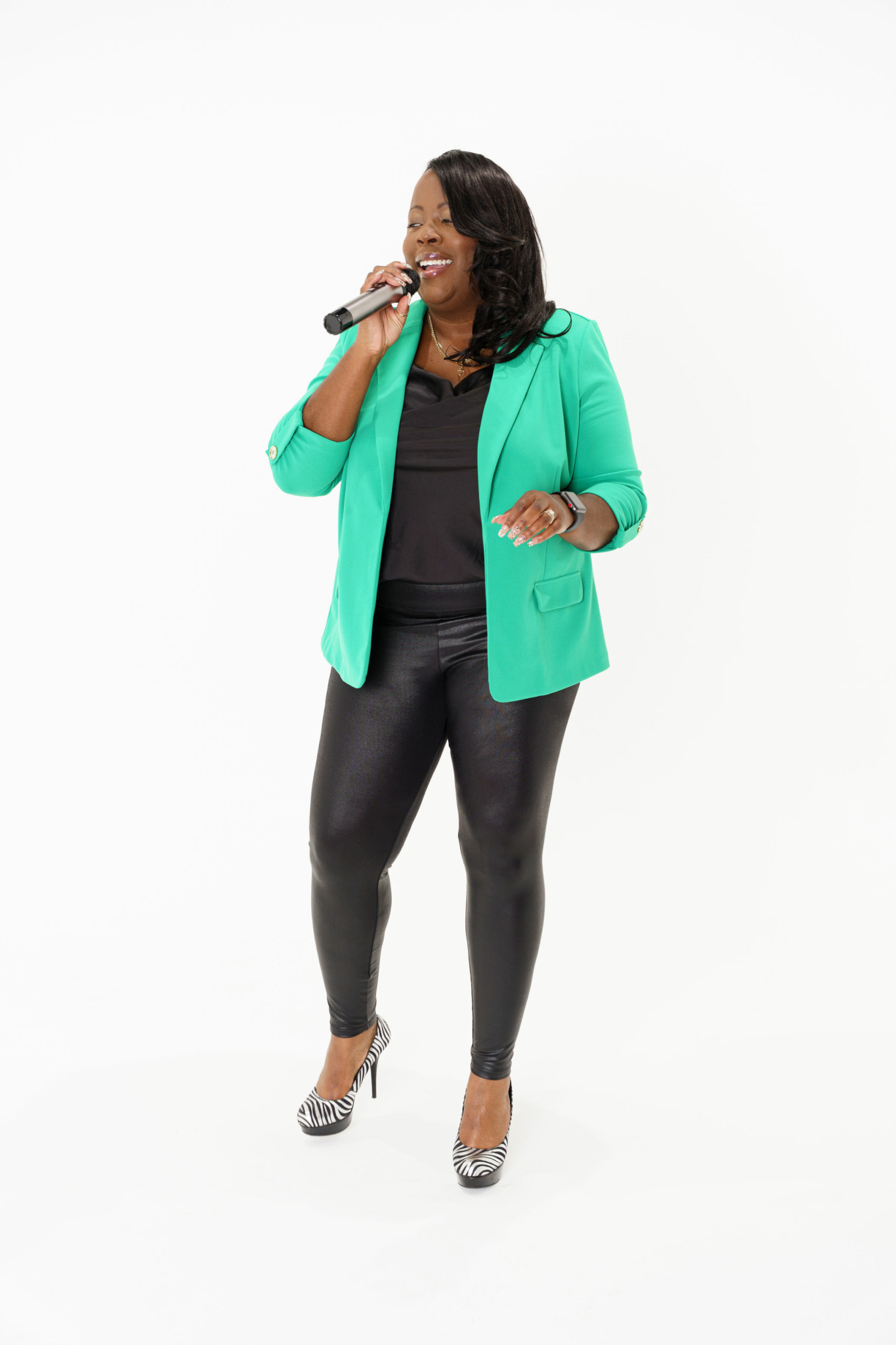
Do you have any insights you can share related to maintaining high team morale?
Managing a team and maintaining high morale starts with one simple truth: people want to feel seen, valued, and clear, not controlled.
The biggest mistake I see leaders make is assuming morale comes from perks, incentives, or motivational speeches. It doesn’t. It also doesn’t come from buying pizza. Morale comes from leadership. It comes from how people are treated every day, how expectations are communicated, and whether leaders follow through on what they say.
My advice is to start with clarity. Confusion kills morale faster than anything else. When people don’t know what’s expected of them, how success is measured, or where they stand, frustration builds. Clear roles, clear standards, and clear communication create stability and stability builds trust.
Next, lead with empathy and accountability. Empathy without accountability creates inconsistency. Accountability without empathy creates fear. The balance of the two is where high-performing teams live. People want to know their leader understands them, but they also want to know the standard matters.
Another key factor is trust. Micromanagement is one of the fastest ways to drain morale. Hire well, set expectations early, and then trust your people to do their jobs. When leaders hold on too tightly, teams disengage. When leaders create space and support, people rise.
Finally, never underestimate the power of purpose. People want to know their work matters. When leaders connect daily tasks to a bigger vision, work becomes meaningful instead of transactional. Purpose fuels engagement, and engaged people perform better.
High morale isn’t about keeping people happy; it’s about creating an environment where people feel respected, supported, challenged, and clear. When leaders get that right, morale becomes a natural byproduct of good leadership, not something you have to chase
Have you ever had to pivot?
One of the most defining pivots in my life and business happened when COVID hit.
At the time, I was running an event planning business. Like many people in that industry, everything stopped overnight. Finances were tight, uncertainty was high, and I was forced to sit still in a way I never had before. What initially felt like loss became an unexpected moment of clarity.
I enjoyed event planning. I loved helping people create meaningful, memorable moments. But when everything paused, I realized something important: enjoyment wasn’t the same as passion or fulfillment. When I really examined my life and the work I wanted to spend my energy on long-term, I knew my heart wasn’t fully in what I was doing anymore.
That season forced me to ask deeper questions about purpose. What did I actually want my work to mean? Who did I feel called to serve? Where did I feel most alive?
The answer was clear. I wanted to focus on people and helping them find their purpose, grow as leaders, and build healthier organizations. I had seen the impact of poor leadership. I had lived with the weight of burnout. And I knew my real work was in helping leaders do better, lead better, and build cultures where people could thrive.
The pivot itself was mentally not easy. Once I made the decision, I experienced a deep sense of peace. It felt like I was finally walking in the direction I was meant to go.
That experience reinforced something I truly believe: when you’re doing what you love and what you’re called to do, it doesn’t feel like work. It feels purposeful. And that’s the space where impact, fulfillment, and sustainability all meet.
That pivot didn’t just change my business — it clarified my mission.
Contact Info:
- Website: https://www.bhsconsultingfirm.com/
- Instagram: https://www.instagram.com/iampreciousmonet/
- Linkedin: https://www.linkedin.com/in/precious-monet-a17614308