

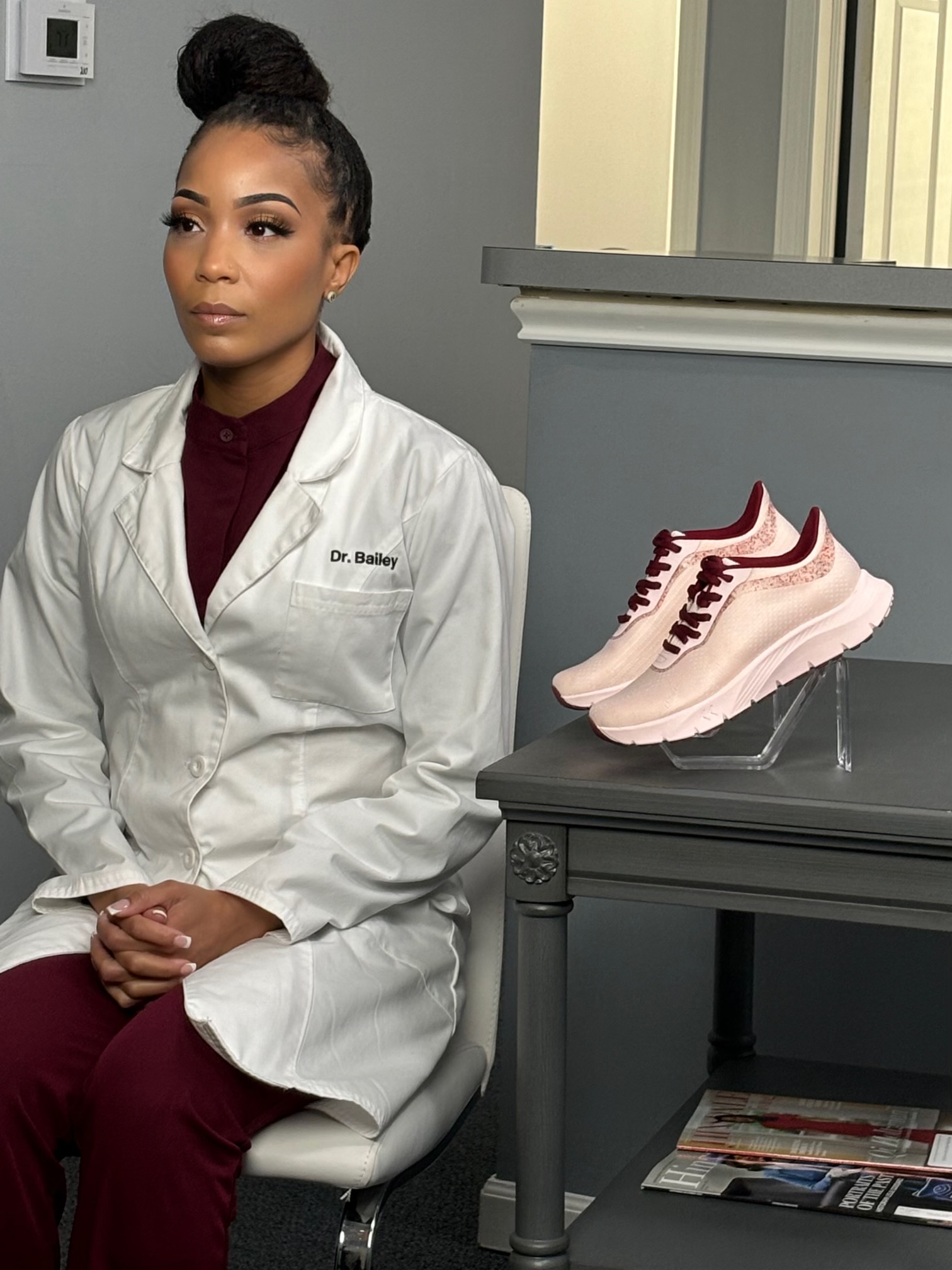

We were lucky to catch up with Porscha Bailey recently and have shared our conversation below.
Porscha, looking forward to hearing all of your stories today. Looking back on your career, have you ever worked with a great leader or boss? We’d love to hear about the experience and what you think made them such a great leader.
The best boss I ever had was, paradoxically, one of the most difficult leaders I’ve worked under. From 2023–2025, I accepted a position serving an underserved community with genuine enthusiasm and a strong desire to make meaningful impact. I came in committed, innovative, and driven to elevate patient care and team performance.
What I encountered instead was leadership rooted more in insecurity than collaboration.
Over time, I realized that my ambition and ideas were not always viewed as assets. I was maligned, my intentions were questioned, and there were subtle efforts to undermine my credibility. At times, it felt less like we were building something together and more like I was navigating quiet opposition.
It was painful. No professional wants to recognize they are being misrepresented or strategically sidelined.
But that experience transformed me.
It sharpened my discernment. I learned to recognize early signs of narcissistic tendencies in leadership — the need for control, difficulty celebrating others, and narrative shifting to protect ego. More importantly, I learned that remaining in environments misaligned with your purpose can quietly erode your confidence and clarity.
Instead of becoming bitter, I became clearer.
Clear about the type of leader I choose to be. Clear about the culture I will cultivate. Clear about the importance of removing myself; decisively and professionally from positions that do not align with integrity, growth, and shared vision.
If I am privileged to lead, I will never be jealous of someone’s ambition or intimidated by their excellence. I will develop people intentionally so that when my season ends, there is someone fully prepared to step into greater responsibility. Leadership is not about protecting a title; it is about building legacy through people.
What once felt like betrayal became refinement. It strengthened my resilience, deepened my empathy, and anchored me more firmly in my purpose. I am a more self-aware physician and a stronger leader because of it.
Sometimes the best boss you ever have is the one who teaches you exactly what kind of leader you refuse to become.
Awesome – so before we get into the rest of our questions, can you briefly introduce yourself to our readers.
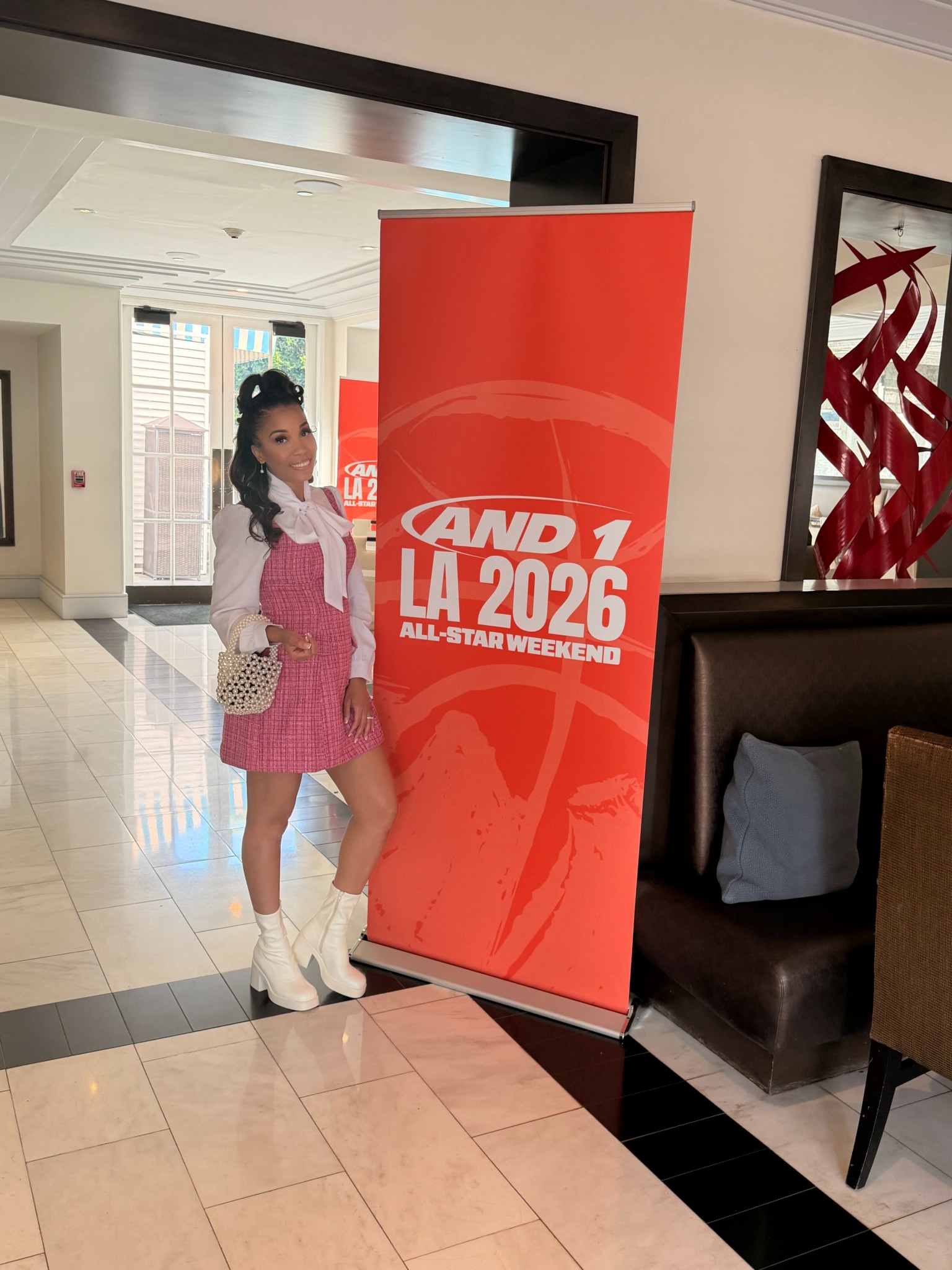
For those who may not be familiar with me, I’m Dr. Porscha J. Bailey-Champion, a board-certified podiatric physician with advanced training in peripheral nerve surgery. I specialize in lower extremity nerve pathology, diabetic limb preservation, wound care, and complex foot and ankle pathology. My journey into podiatric medicine was rooted in both science and service. I was drawn to the unique opportunity to restore mobility, relieve chronic pain, and quite literally help people get back on their feet.
Today, I practice in a value-based senior medical center in the Metro Atlanta area, where the focus is not just on treating illness, but on prevention, education, and whole-person care. Working in a value-based model allows me to spend meaningful time with my patients — many of whom are managing diabetes, neuropathy, vascular disease, and chronic wounds. My work centers on limb salvage, improving quality of life, and helping seniors maintain independence and dignity.
In addition to clinical practice, I am also an educator, advocate, and creative entrepreneur. I’ve had the honor of being featured on The Portia Show, where I was able to discuss foot health, innovation, and the importance of preventative care. That platform allowed me to expand the conversation beyond the exam room and reach broader communities with practical education about neuropathy, proper footwear, and early intervention strategies.
What sets me apart is the intersection of precision and purpose. I combine surgical expertise with emotional intelligence. I understand that many patients who come to me have been dismissed, misdiagnosed, or told to “just live with it.” I pride myself on listening deeply, identifying root causes, and offering solutions that are both evidence-based and compassionate.
I also believe strongly in innovation and branding within medicine. I am developing patient-focused wellness solutions and educational platforms designed to empower people to take ownership of their health; particularly in underserved and senior populations. My goal is not simply to treat disease, but to shift mindsets around prevention and long-term mobility.
What I am most proud of is not just the titles or media features, it’s the trust my patients place in me. It’s the diabetic patient who avoids amputation because we intervened early. It’s the senior who regains confidence walking without pain. It’s building a career that aligns skill, service, and purpose.
To potential patients, collaborators, and followers, I want you to know that my brand is rooted in excellence, integrity, and impact. I am committed to raising the standard of lower extremity care while remaining approachable, relatable, and community-centered.
At the end of the day, my mission is simple: preserve mobility, protect limbs, relieve pain, and empower people to walk confidently in every season of life

Can you share a story from your journey that illustrates your resilience?
One of the clearest examples of resilience in my journey came during a season when everything I had worked for seemed to collapse at once.
There was a moment in my training when I did not secure the residency position I needed in order to advance as a surgeon. In medicine, that’s not a small setback; it can feel like a dead end. I had done the work. I had sacrificed. I had prepared. And yet, the door did not open.
I was crushed.
What followed was not a quick motivational comeback story. It was a long, quiet season of questioning. I wrestled with feelings of embarrassment and inadequacy. I wondered if I had misjudged my calling. I watched peers advance while I stood still. That stillness felt suffocating.
But resilience isn’t loud. Sometimes it looks like surviving one day at a time.
In that season, I learned that faith is not proven when everything is working; it is refined when nothing is. I had to release my need to control the outcome. I had to let go of pride. I had to trust that delay did not mean denial.
And when I surrendered, opportunities began to align in ways I couldn’t have orchestrated myself. I was positioned to prove my work ethic and dedication directly to decision-makers. I was seen not just as an applicant, but as a future surgeon with grit. Eventually, the door that once seemed permanently closed opened and I walked through it stronger, humbler, and sharper.
That experience changed me.
It taught me how to endure disappointment without losing vision. It taught me how to show up prepared even when the odds feel stacked against me. It deepened my empathy for patients who feel stuck in their own circumstances. And it strengthened my spiritual foundation in ways success alone never could.
Today, whether I’m caring for seniors, mentoring others, or speaking publicly about my journey, I carry that season with me. It reminds me that resilience is not about avoiding hardship, it’s about allowing hardship to refine you without redefining you.
What once felt like rejection was preparation.
And I am living proof that sometimes the setback is the setup for something greater.

What’s a lesson you had to unlearn and what’s the backstory?
One of the most important lessons I’ve had to unlearn is the belief that my worth is tied to constant achievement.
The backstory goes back to a pivotal early moment in my career when I did not initially secure a residency position. Although I eventually advanced in my training, that experience planted a quiet but persistent seed of self-doubt.
By the time I entered residency, I was grateful — but I was also operating from a place of fear. I felt like I had something to prove. I overworked. I overprepared. I internalized constructive feedback as personal inadequacy. Every evaluation felt like it carried more weight than it probably did. Instead of simply learning, I was trying to validate my presence in the room.
That internal pressure intensified during fellowship training.
Fellowship is designed to stretch you technically and mentally. But for me, it also surfaced imposter syndrome in a very real way. I found myself thinking, “What if I don’t belong here?” “What if I was a fluke?” Even though I had earned my spot, there were moments when I felt like I was waiting to be exposed.
What I eventually realized was that I had never fully healed from the earlier setback. I had achieved forward momentum, but I hadn’t rewritten the narrative in my mind. I was still subconsciously believing that I was one misstep away from losing everything.
The lesson I had to unlearn was this: excellence requires perfection, and one past disappointment defines your ceiling.
That belief is exhausting. It robs you of joy. It turns growth into fear.
Over time, through faith, mentorship, repetition, and honest self-reflection, I began to separate my identity from my performance. I started understanding that struggle is part of mastery — not proof of inadequacy. I learned that correction is refinement, not rejection. I stopped interpreting every stretch moment as exposure and started seeing it as expansion.
And as a reminder to myself — a permanent one — I got a tattoo on my right arm that says, “I am enough.”
Not “I will be enough when…”
Not “I’ll be enough if…”
Simply, I am enough.
That tattoo represents healing. It represents releasing comparison. It represents choosing to believe that my seat at the table was earned — not borrowed.
Today, I practice with confidence that is rooted in resilience. I understand that imposter syndrome doesn’t mean you’re incapable; it often means you’re growing. The difference is learning not to let doubt narrate your story.
If I could share one takeaway, it would be this: your setbacks do not disqualify you. They shape you. And you do not have to perform your way into worthiness.
You already are enough.
Contact Info:
- Website: https://www.jencaremed.com/our-care-providers/porscha-j-bailey-dpm
- Instagram: LuxuryPorscha
- Facebook: Porscha J Bailey
- Twitter: LuxuryPorscha

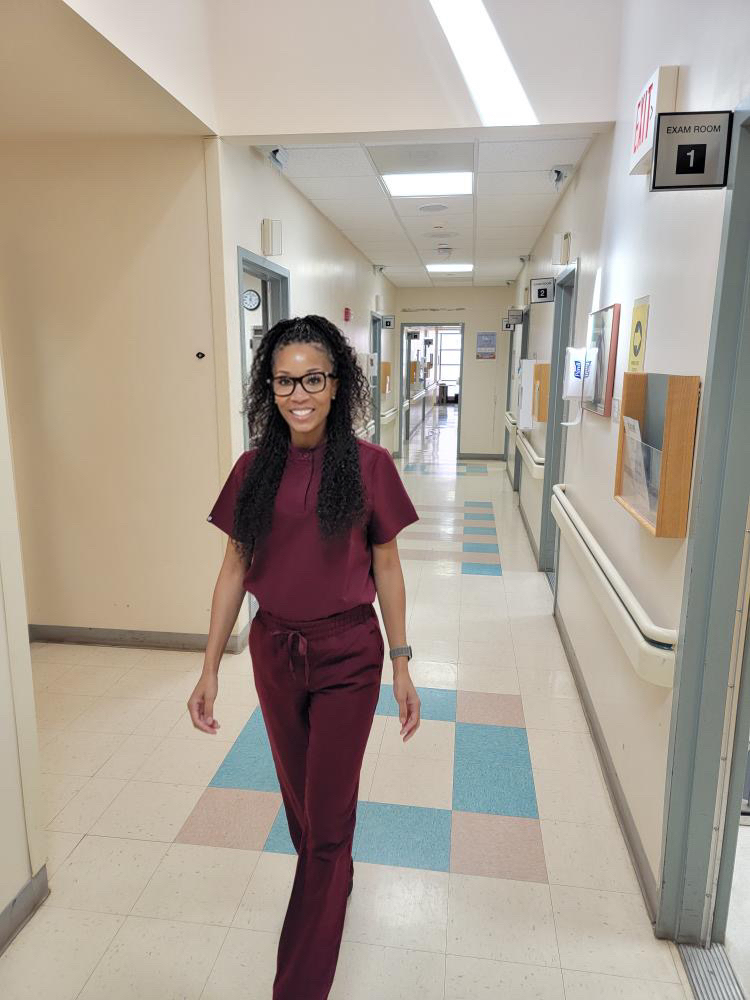
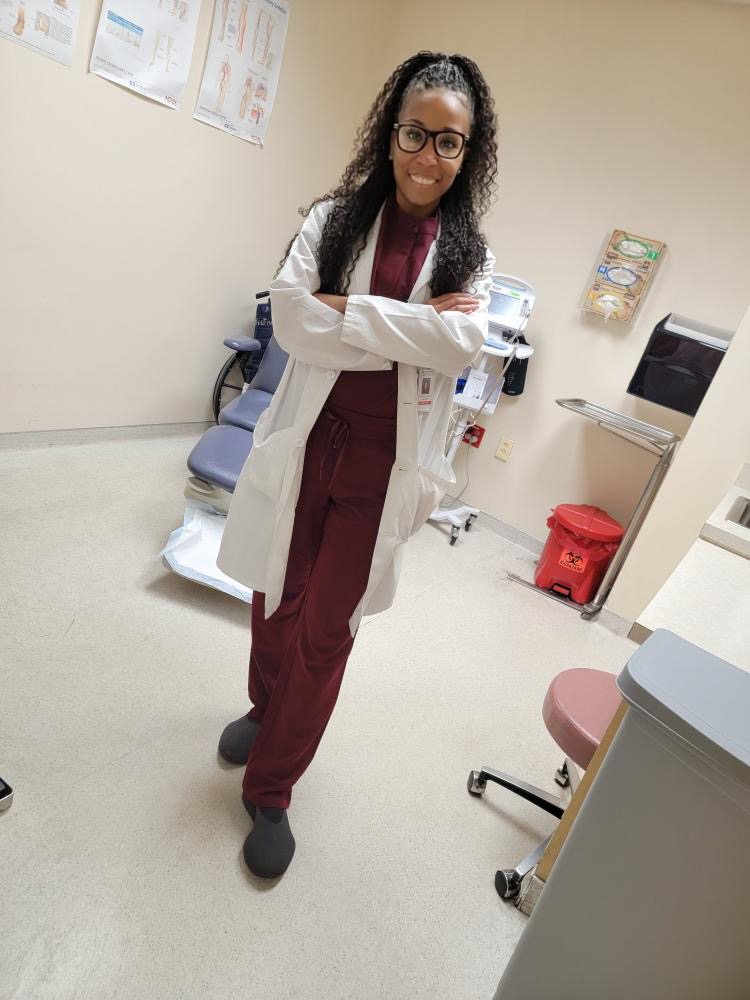
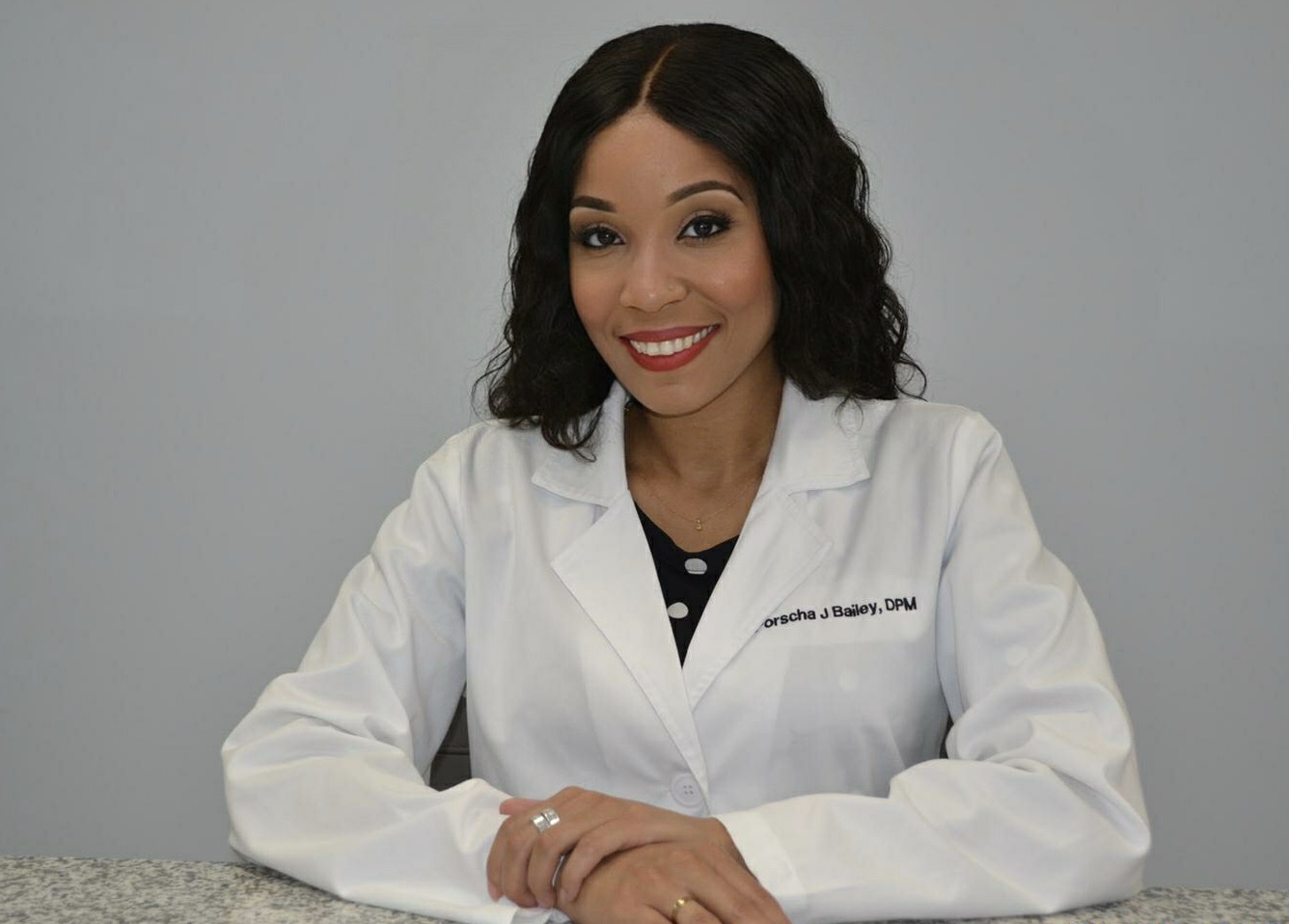
Image Credits
Melissa McCants