


Alright – so today we’ve got the honor of introducing you to Pierre Blasiak. We think you’ll enjoy our conversation, we’ve shared it below.
Pierre, thanks for taking the time to share your stories with us today We’d love to hear the backstory of how you established your own practice.
Starting my own practice was anything but simple—especially as someone coming from France. One of the first and biggest challenges I faced was obtaining the equivalency for my physical therapy degree in the U.S. That process alone took time, energy, and a lot of determination.
Once I cleared that hurdle, I had to find a suitable location for the clinic—somewhere with good visibility and accessibility, which isn’t always easy when you’re new to a country and a market. While looking for the right space, I started building my reputation by offering in-home sessions. I focused on delivering care that felt different from the standard U.S. approach—more holistic, more hands-on, and more personalized. That helped me stand out early on.
Another major challenge was adapting to the digital demands of the profession. Today, a strong digital presence is essential in almost every field—including healthcare, which traditionally relied more on word-of-mouth. From building a website and managing social media to handling scheduling and communication online, I had to learn to embrace and integrate technology into my daily operations.
I also made the decision from day one to be out of network with insurance companies. It was a bold move, and definitely a challenge, but one I don’t regret. It allows me to provide care on my own terms—without compromise. Similarly, being self-employed gives me the freedom to shape my practice the way I want, though it also comes with constant self-evaluation and the pressure of wearing many hats.
If I had to do it all over again, I might have tried to build a stronger network of mentors earlier in the process—people who had already walked this path. But overall, every step, even the hard ones, taught me something important.
Pierre, before we move on to more of these sorts of questions, can you take some time to bring our readers up to speed on you and what you do?
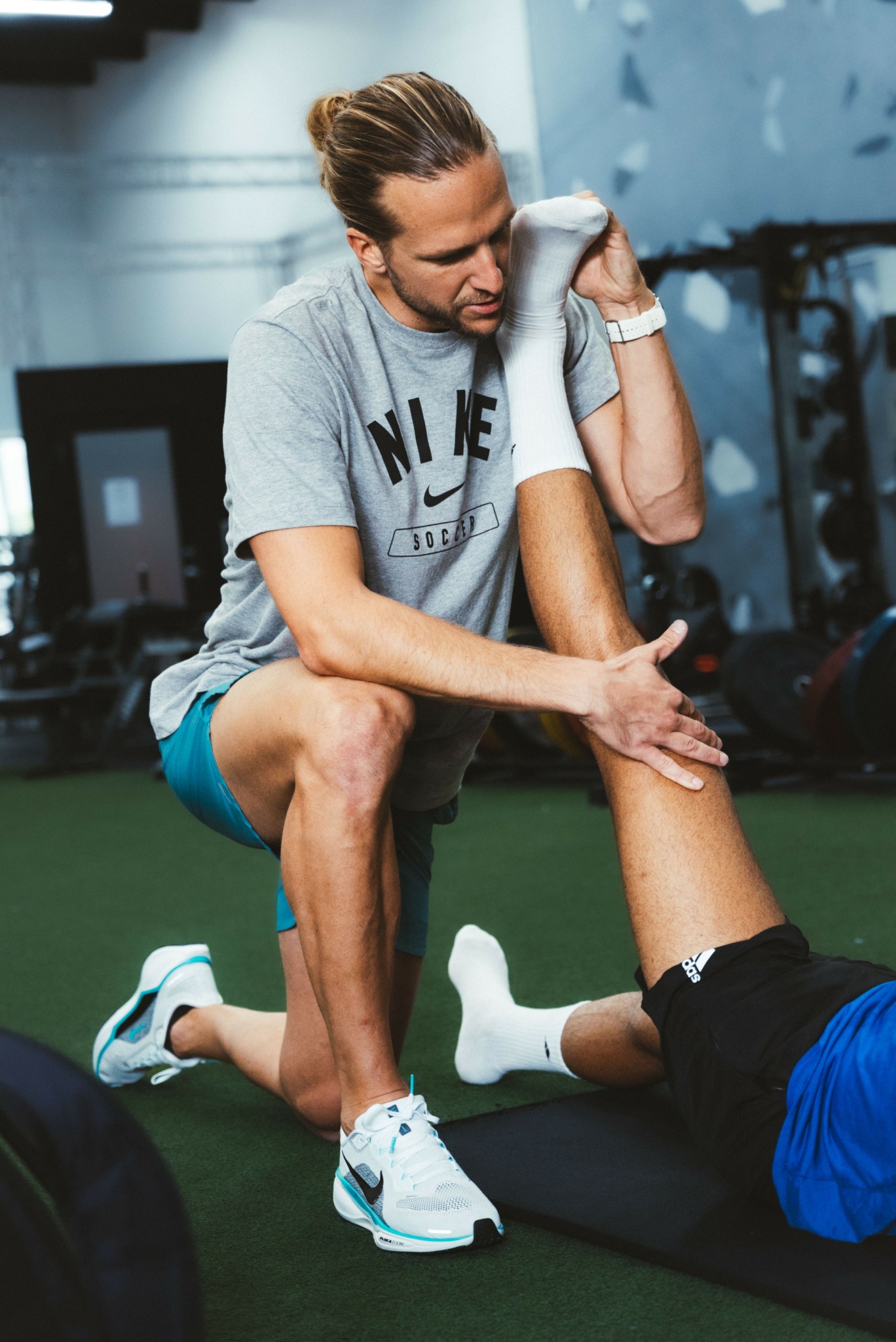
I’m a Sports Physical Therapist and Strength & Conditioning Coach with over 10 years of experience, primarily working with elite athletes. My career began in Europe, where I had the opportunity to work within professional soccer clubs and later as a private practitioner with professional soccer players and ATP-level tennis athletes.
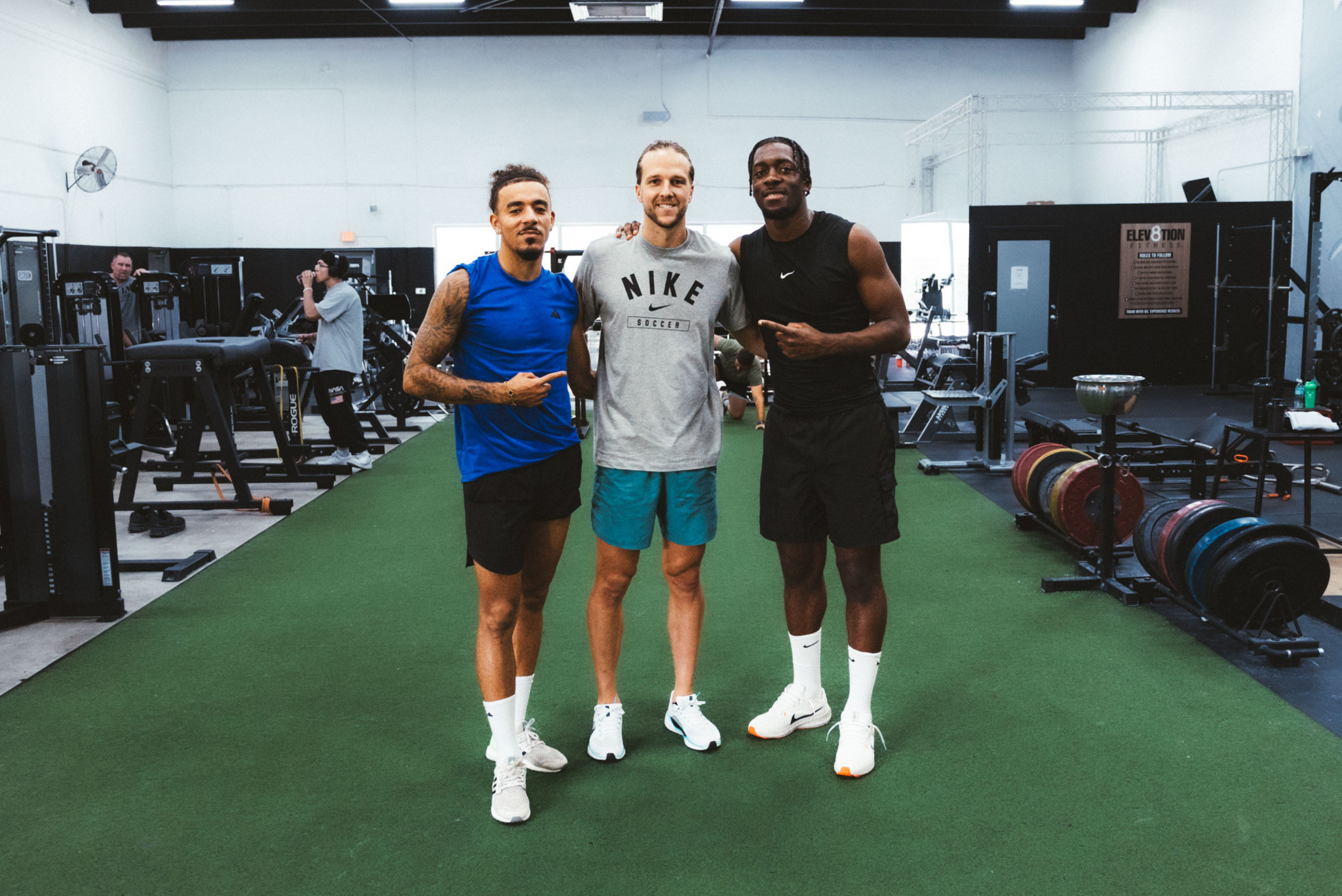
Two years ago, I made the decision to move to Miami. Starting over in a new country wasn’t easy—I had to go through the process of obtaining my PT equivalency and establishing my own practice from the ground up. Today, I’m proud to run my clinic in Downtown Miami, where I work with a wide range of clients, from high-level athletes to active individuals looking to recover from injury or improve performance.
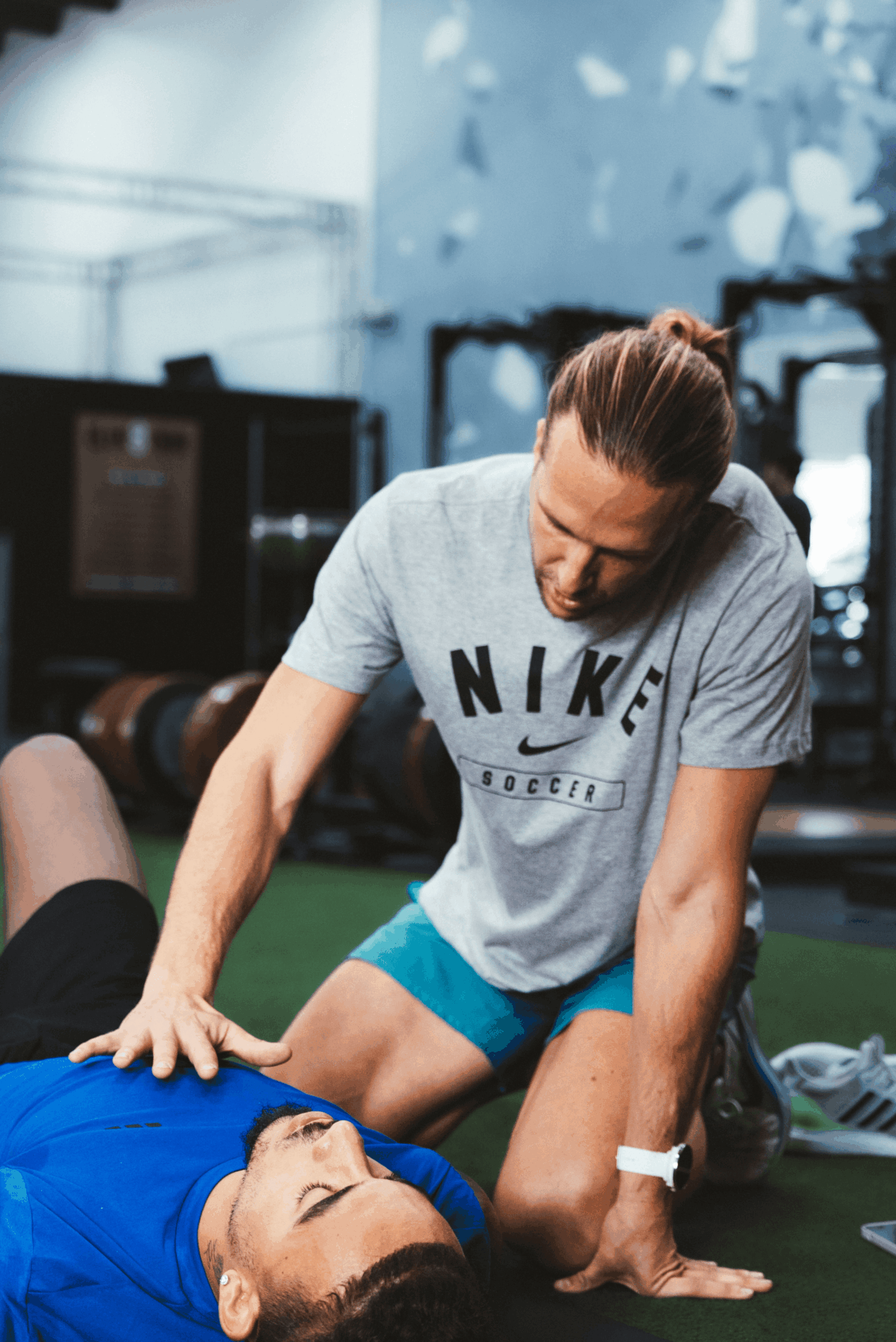
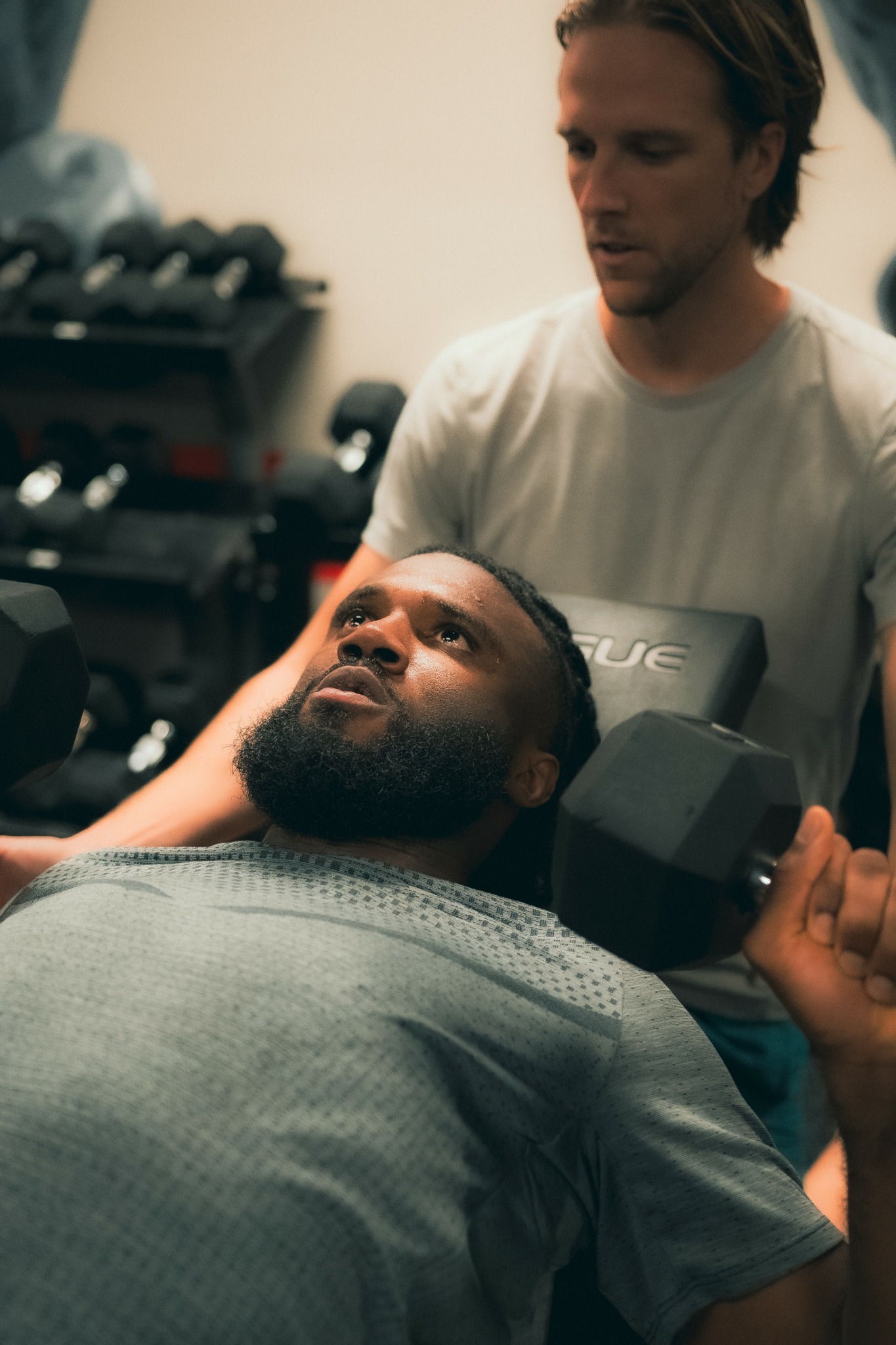
What sets my approach apart is its multifactorial and highly personalized nature. I don’t believe in a one-size-fits-all protocol. My treatments integrate manual therapy and rehabilitation exercises, because I strongly believe one doesn’t work without the other. My job is to understand each person’s story, goals, and physical needs in order to create the most effective and adaptable plan possible.
This profession is more than just a job—it’s a true passion. I love helping people get back to what they love, whether it’s competing at the highest level or simply living pain-free. Seeing someone return stronger after injury or achieve something they didn’t think possible is the most rewarding part of my work.
If there’s one thing I want people to know about me and my practice, it’s that you won’t find cookie-cutter programs here. You’ll find someone deeply invested in your progress, who listens, challenges, supports, and tailors everything to help you reach your full potential—on and off the field.
What do you think helped you build your reputation within your market?
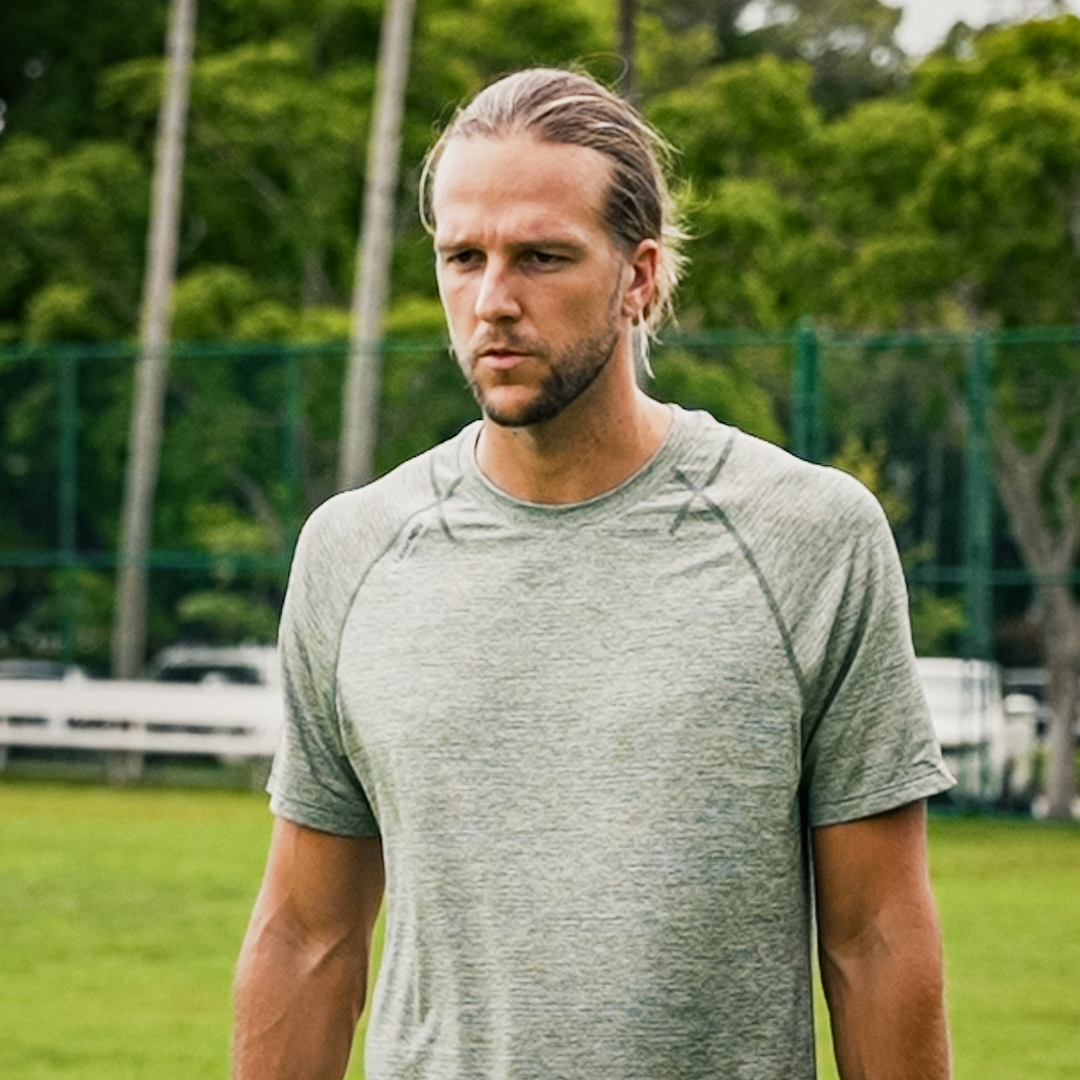
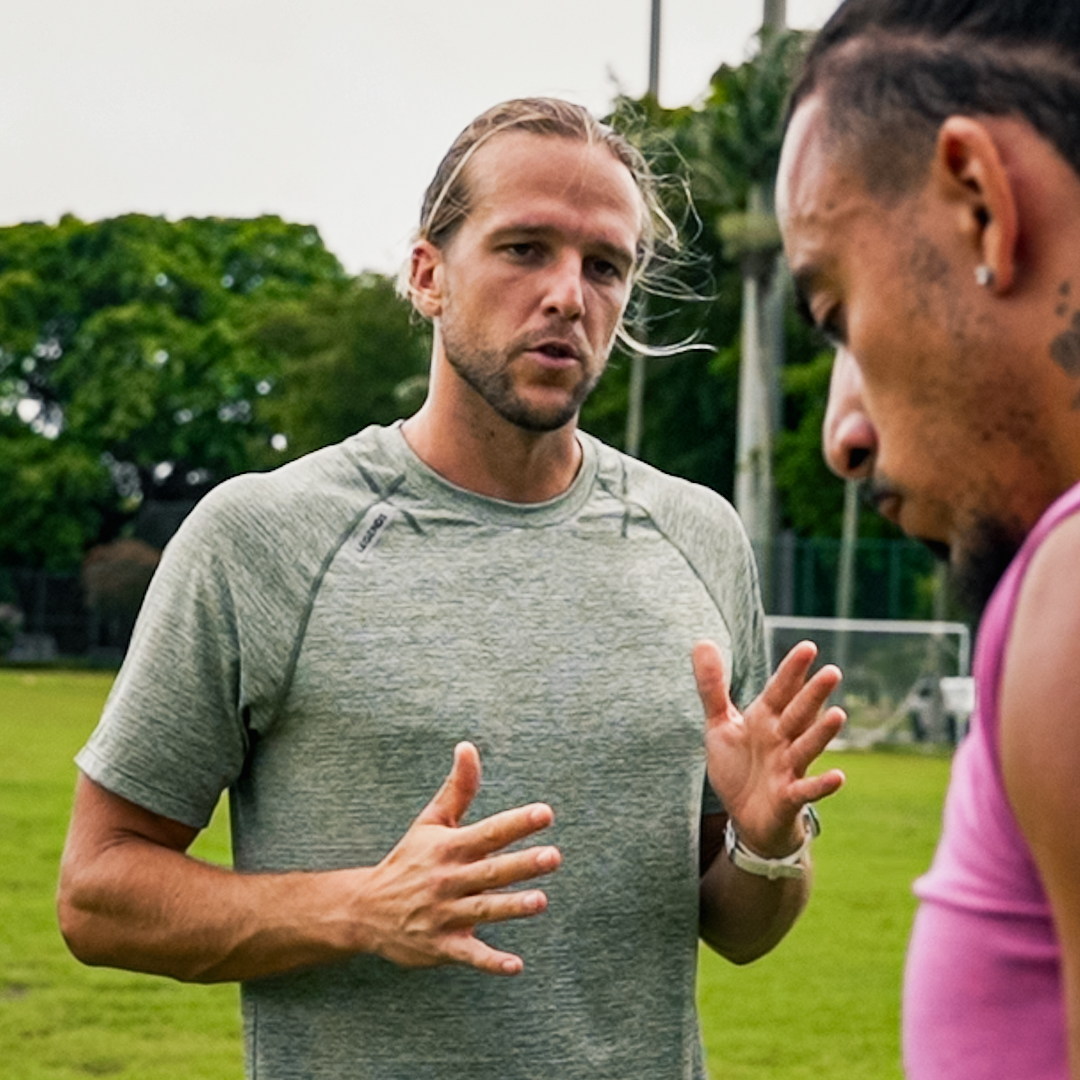
I believe my reputation has been built first and foremost on the fact that I truly take the time to listen to people. We live in a world—especially in healthcare—where everything has become highly standardized and, frankly, very business-driven. Too often, patients are rushed through appointments, placed into boxes based solely on their diagnosis, and treated with generic protocols.
What I try to offer is something different. I take time to understand the individual, not just the injury. I believe that healing and performance come from personalized care and meaningful connection.
If I had to sum it up in two words, it would be passion and honesty. I think people can feel when someone is genuinely passionate about their work. It creates trust. And I’m not afraid to say “I don’t know” when necessary or to refer a patient to a colleague—whether it’s a physician or another specialist—if I believe it’s in their best interest. That kind of transparency is, in my opinion, critical and unfortunately still too rare among healthcare professionals.
Ultimately, people come to someone they trust—and trust is earned through care, integrity, and authenticity.
Training and knowledge matter of course, but beyond that what do you think matters most in terms of succeeding in your field?
Other than training and knowledge, I believe the most important skill for succeeding in this field is communication.
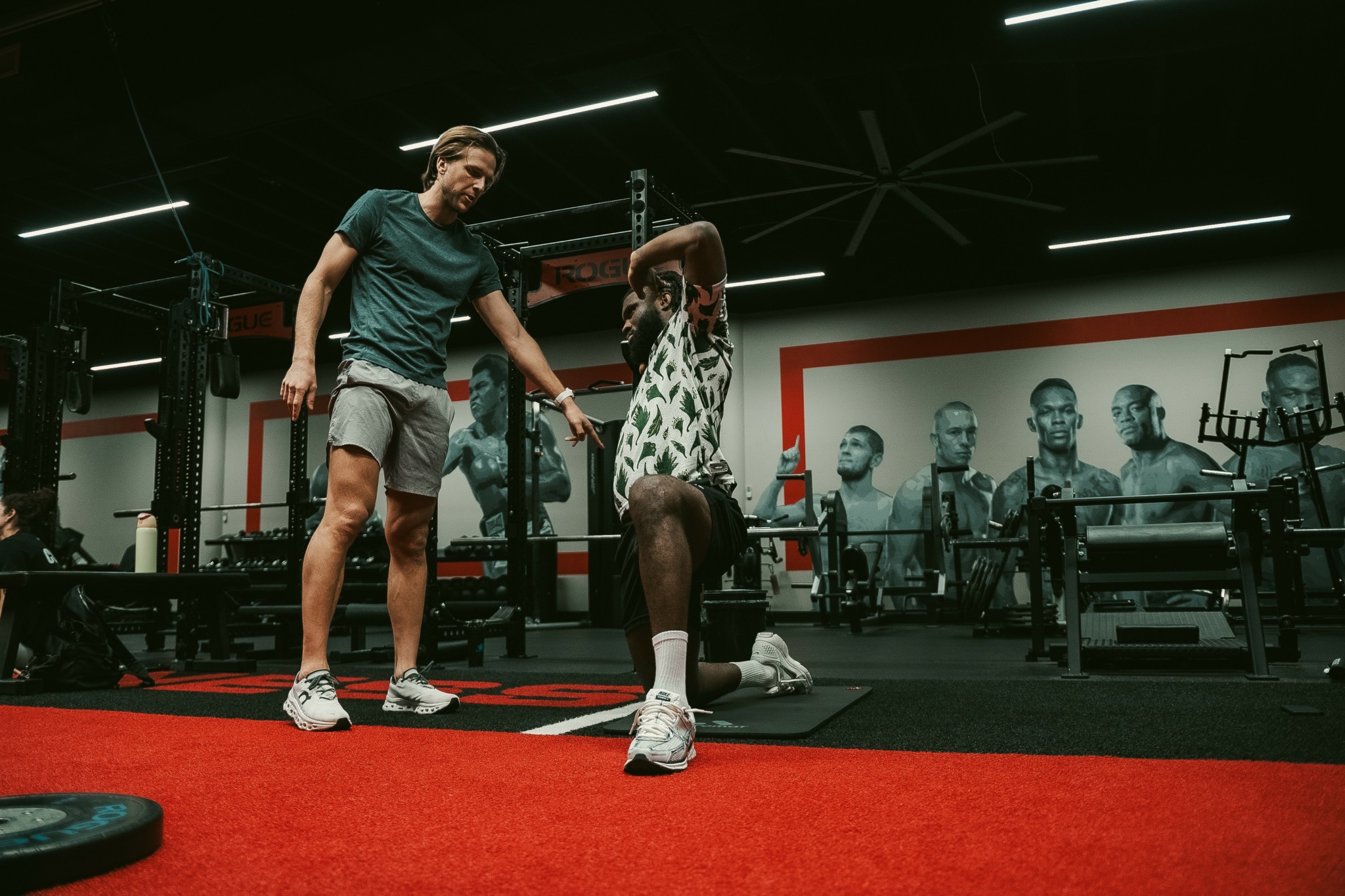
You can be the most knowledgeable person in the room, top of your class, with years of experience—but if you don’t know how to communicate with your patients, it won’t matter. The words you use, the way you explain what’s happening in their body, how you educate and empower them—it all plays a critical role in their recovery.
Communication builds trust. It reduces fear. It improves compliance and outcomes. Being able to adapt your message to each person—whether they’re an elite athlete or someone completely new to rehab—is an art in itself. You have to be empathetic, clear, and encouraging, while avoiding technical jargon or anything that might create confusion or anxiety.
At the end of the day, patients may not remember every detail of your treatment plan—but they will remember how you made them feel. And that often starts with how well you communicate.
Contact Info:
- Website: https://www.pierreperformancephysio.com
- Instagram: https://www.instagram.com/pierre.performancephysio/
- Linkedin: https://www.linkedin.com/feed/?trk=guest_homepage-basic_nav-header-signin
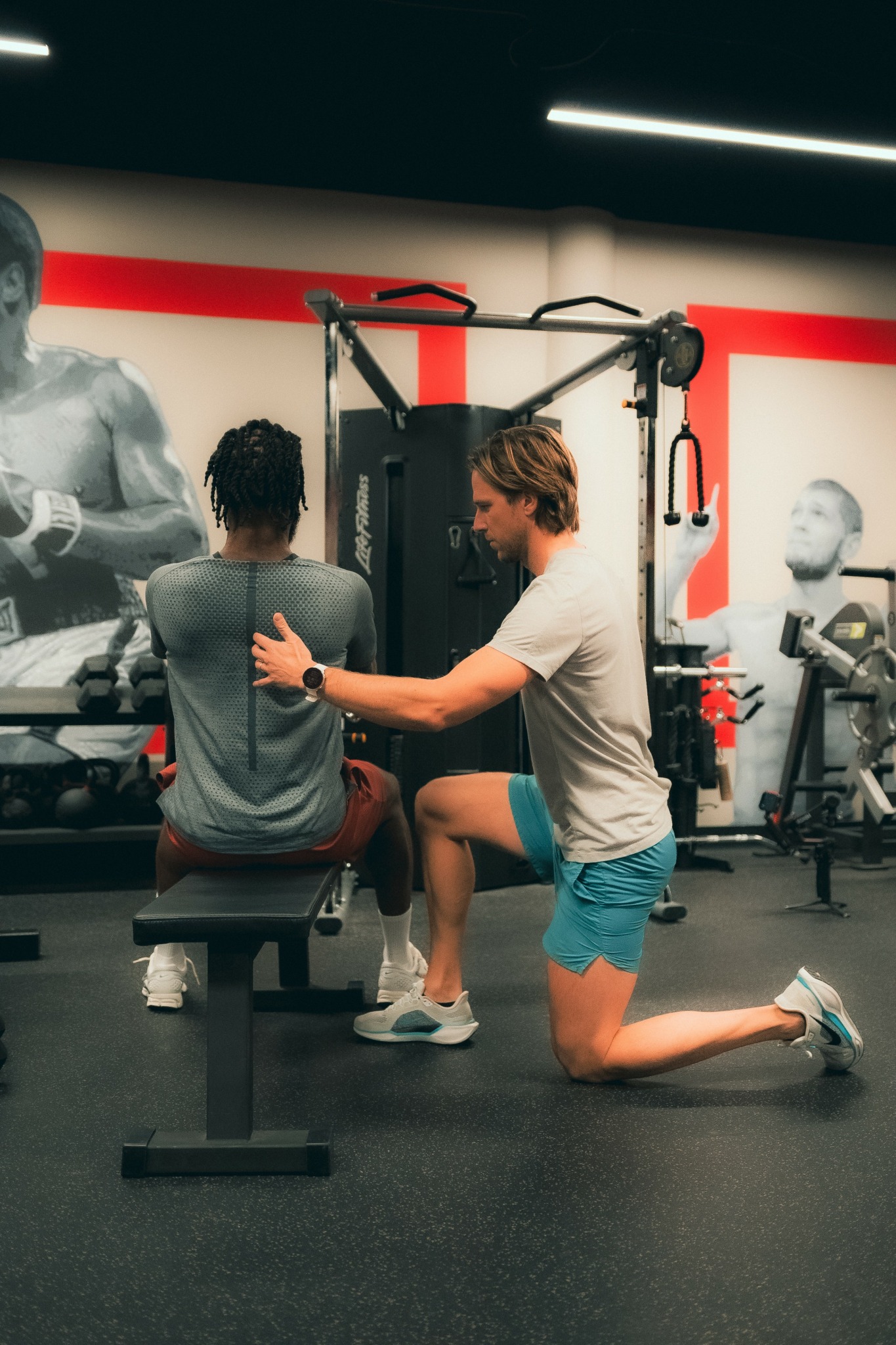
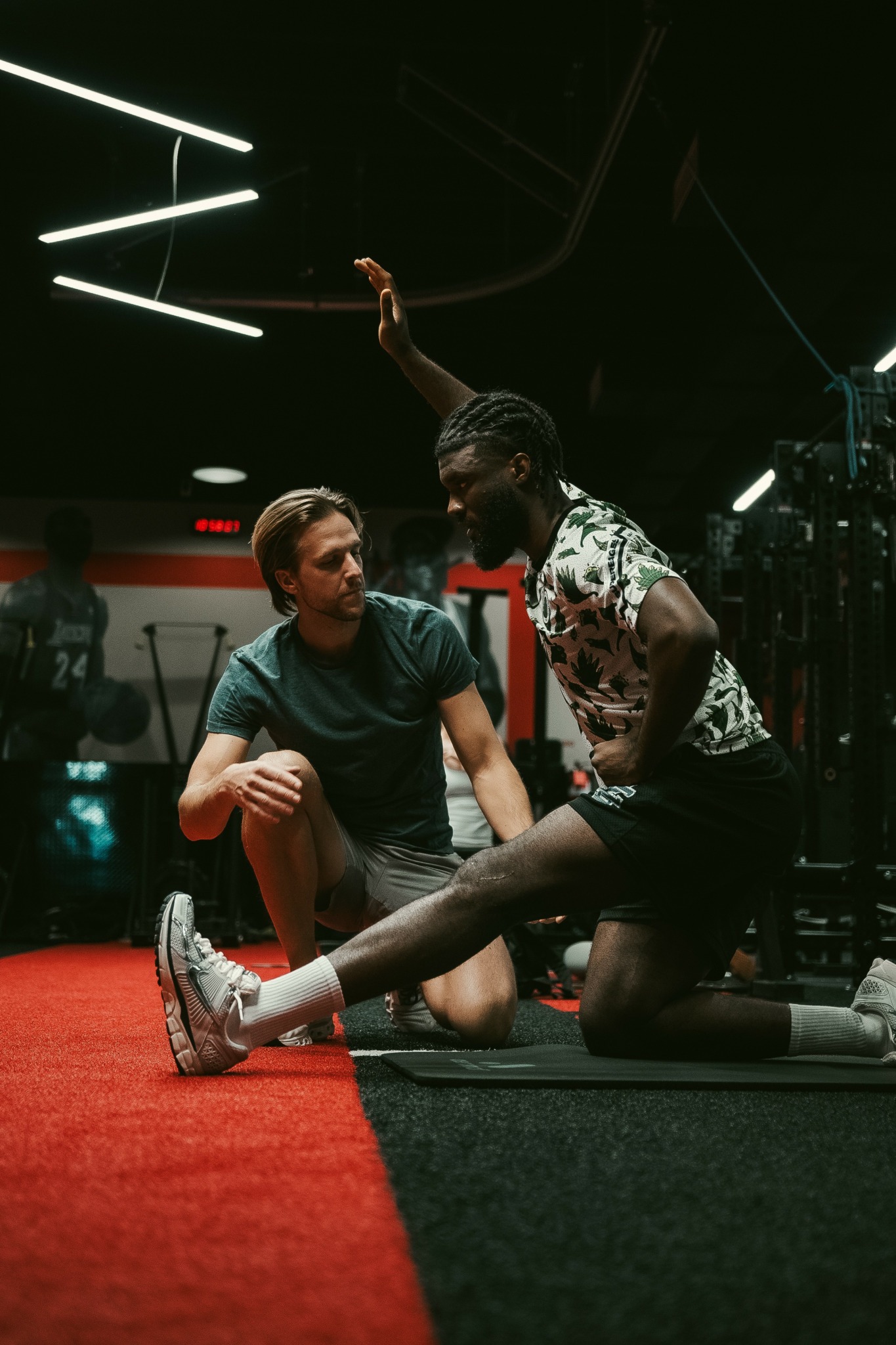
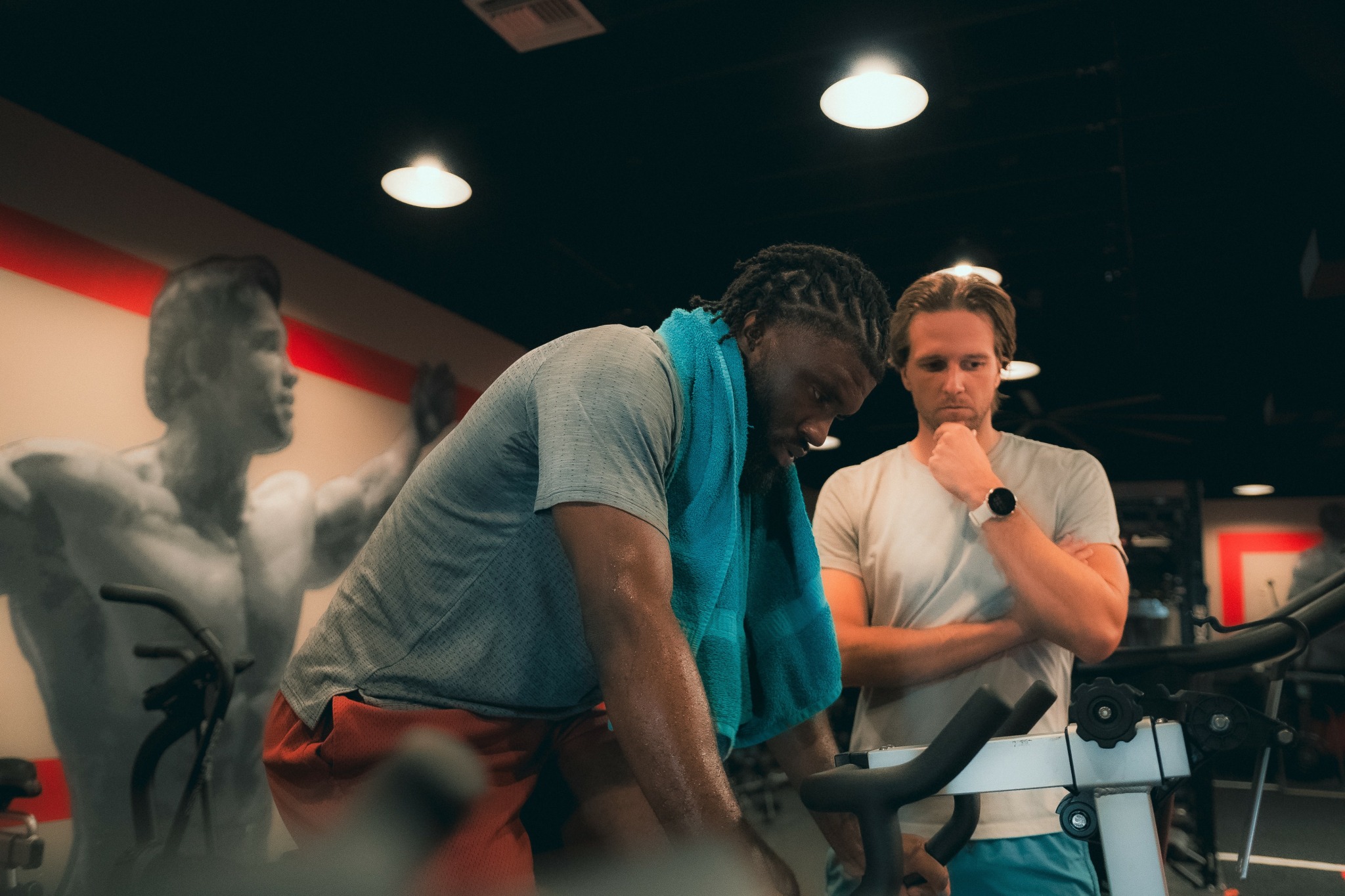
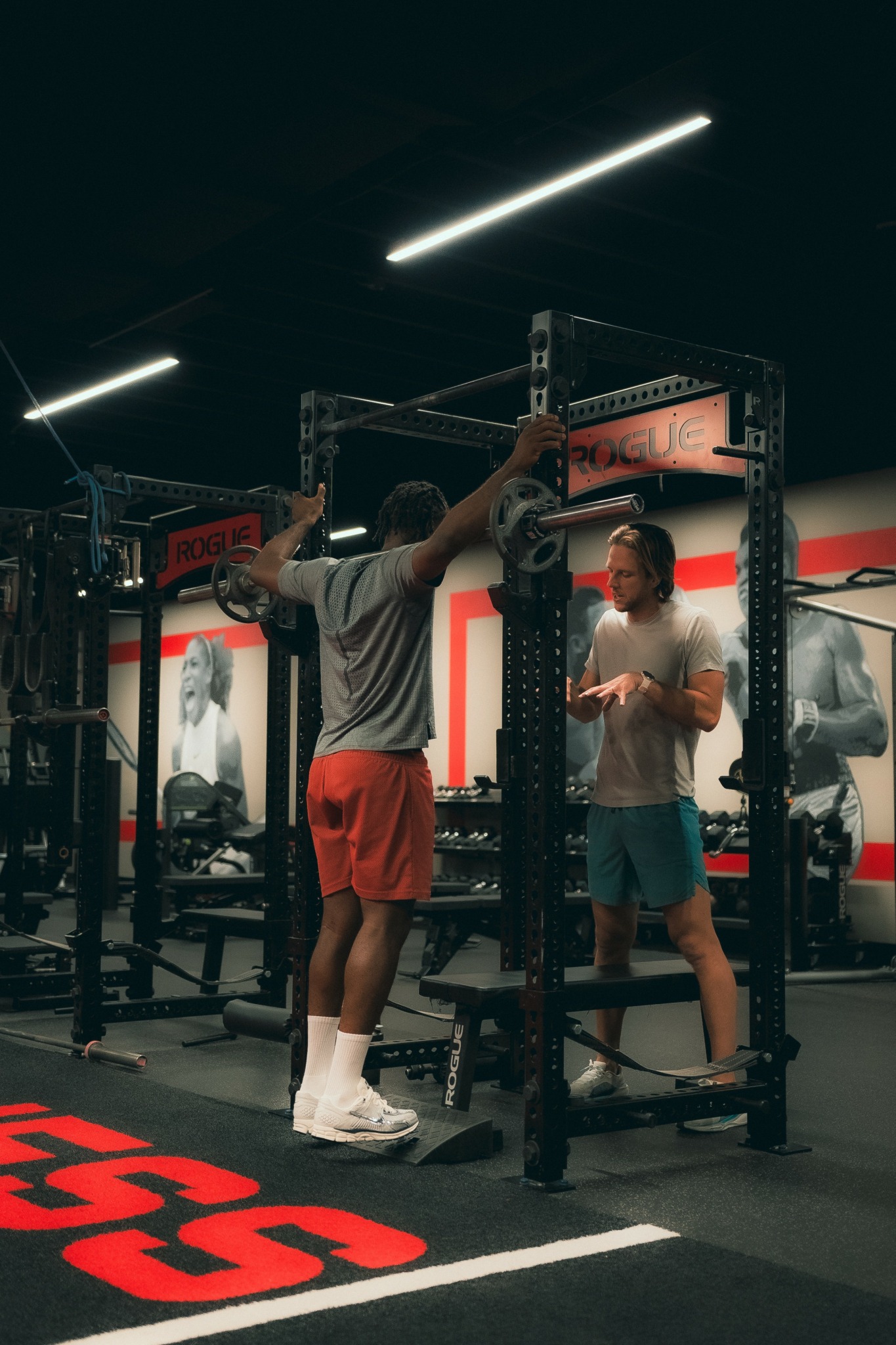
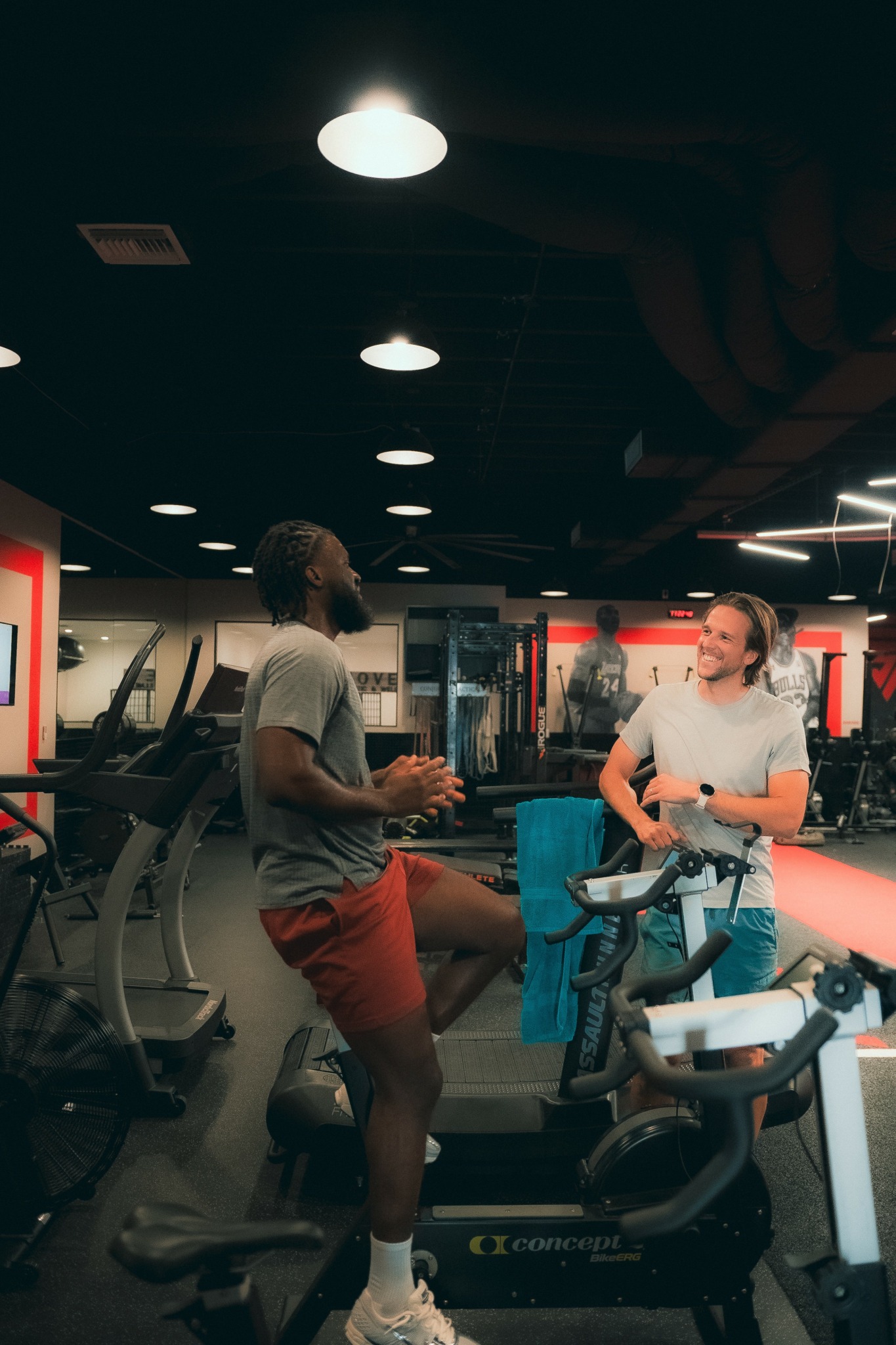
Image Credits
Pierre Blasiak