



We recently connected with Phoebe Potter and have shared our conversation below.
Phoebe, appreciate you joining us today. How did you learn to do what you do? Knowing what you know now, what could you have done to speed up your learning process? What skills do you think were most essential? What obstacles stood in the way of learning more?
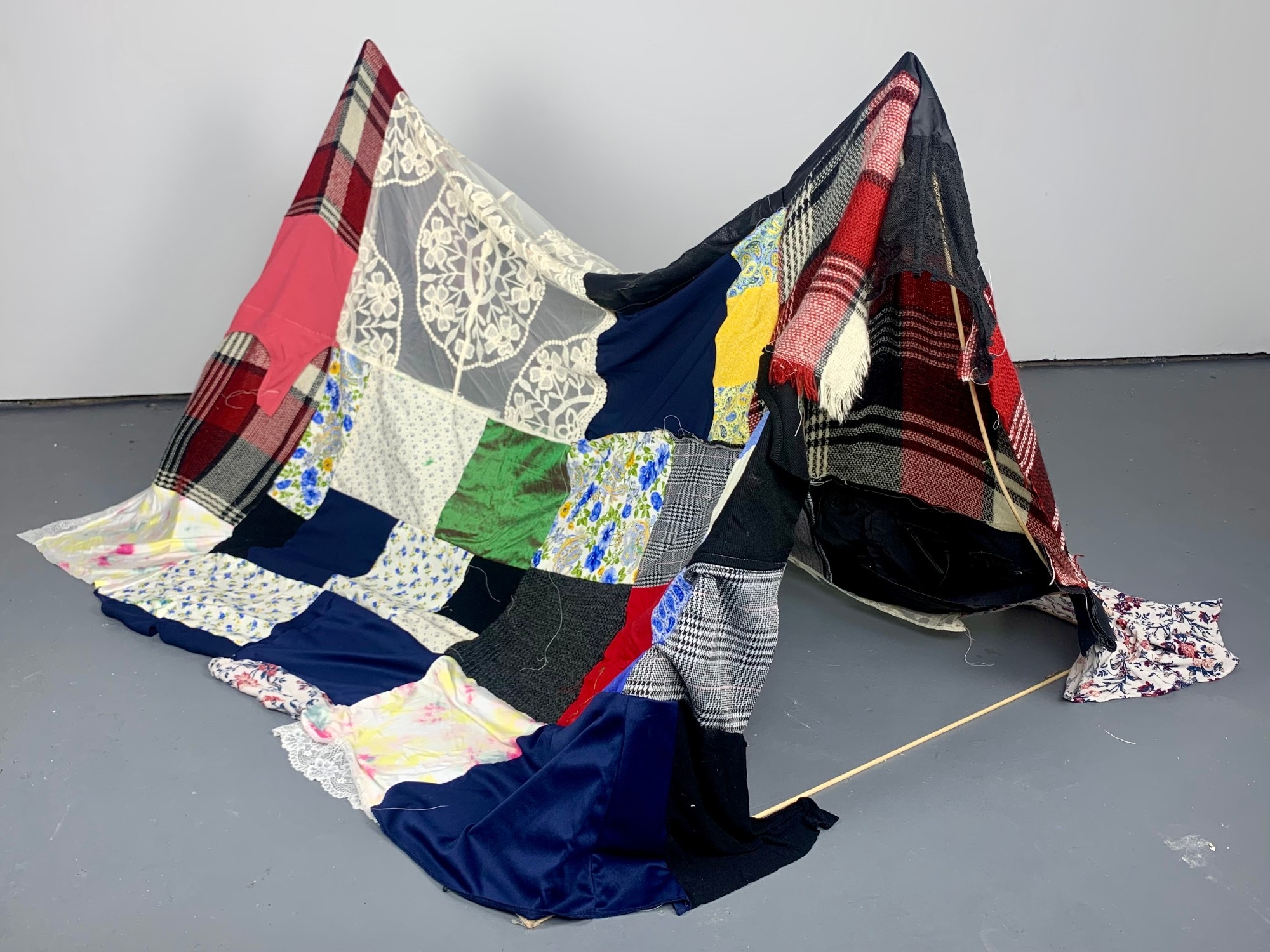
I have been creative for as long as I can remember. When I was young, I would turn anything into a dress and parade around the house. I took advantage of every creative outlet possible, whether it was art or music classes in grade school, or just tinkering around with everyday objects at home. I didn’t think it would become a serious professional pursuit until only a few years ago, when I felt lost, so I started taking foundations courses at Broward College in Davie, FL. I had been in and out of school in the years prior to starting there, and I was finally focusing on following my passions. I took great care to learn the foundational skills as best as possible. Once I finished my foundations, it was time to transfer to Florida Atlantic University, where I am finishing my BFA in Visual Art with a concentration in sculpture. By then, I felt confident enough in knowing the foundations for making good work that I could really start to express the things I was afraid to say out loud or didn’t know the exact words. I started using my work as a physical diary of sorts, and from there, I noticed a lot of my work related to social issues in conversation with feminism. So I took on a minor in Women, Gender, and Sexuality Studies to academically enhance the concepts I was making artwork about. The best way I have learned during my time at both institutions is to let the world slow down for a second. Yes, we have deadlines, and I am working towards a destination in the form of a degree, but the work won’t end when I graduate. You learn more through your failures than your successes, and when I felt like I was failing over and over again, I reminded myself that this is the best part of learning because when you’re in the thick of it, you have to figure it out. That is when risks are taken and the best ideas and works come out as a result. We also tend to be our own worst critics. We get too close to the picture that we need to walk away from the work we make and see it with fresh eyes to realize good enough is good enough, or if something isn’t working when you look at it with other perspectives, you can find incredible solutions that can make the work even more meaningful and layered.
Great, appreciate you sharing that with us. Before we ask you to share more of your insights, can you take a moment to introduce yourself and how you got to where you are today to our readers.
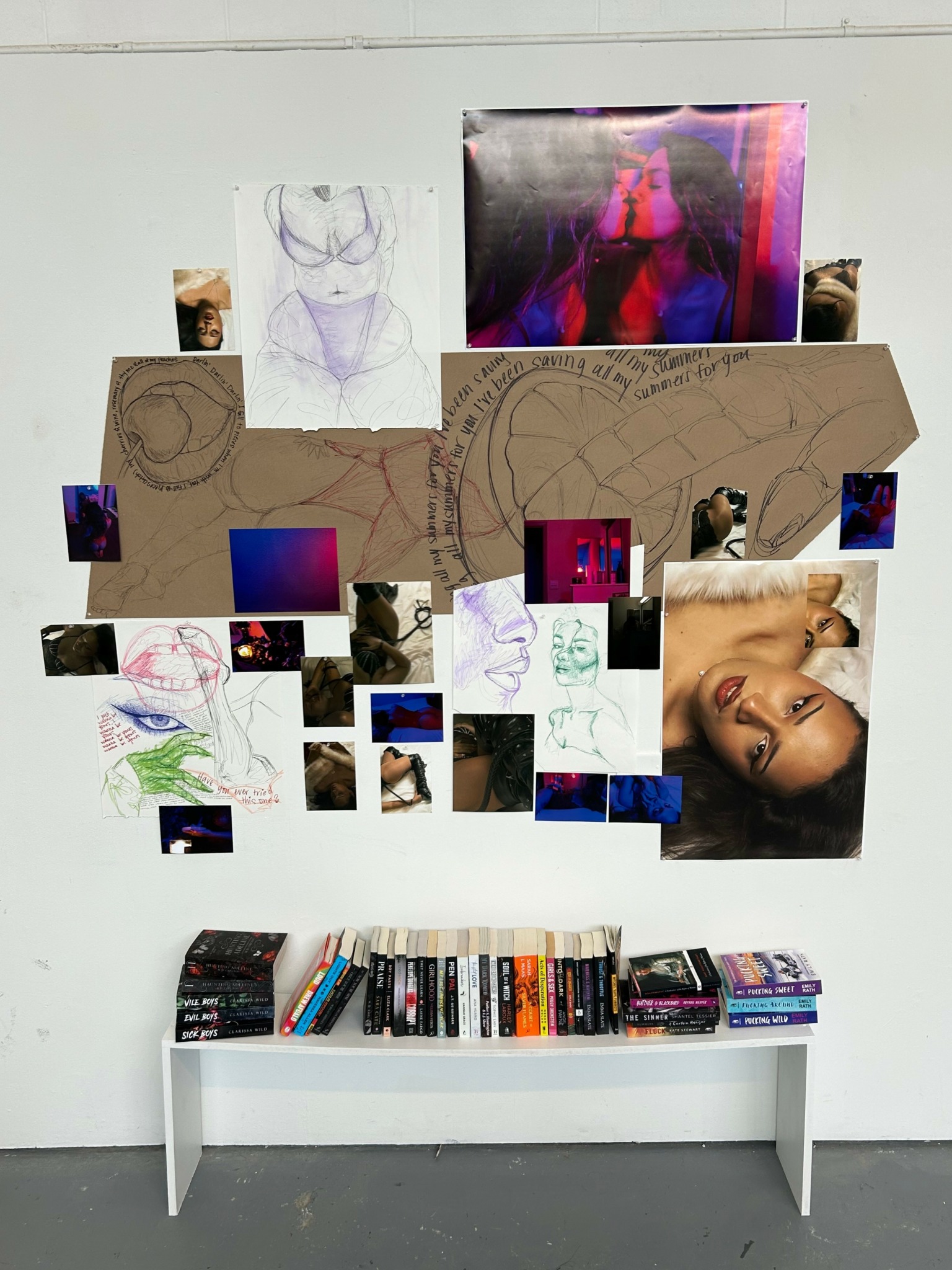
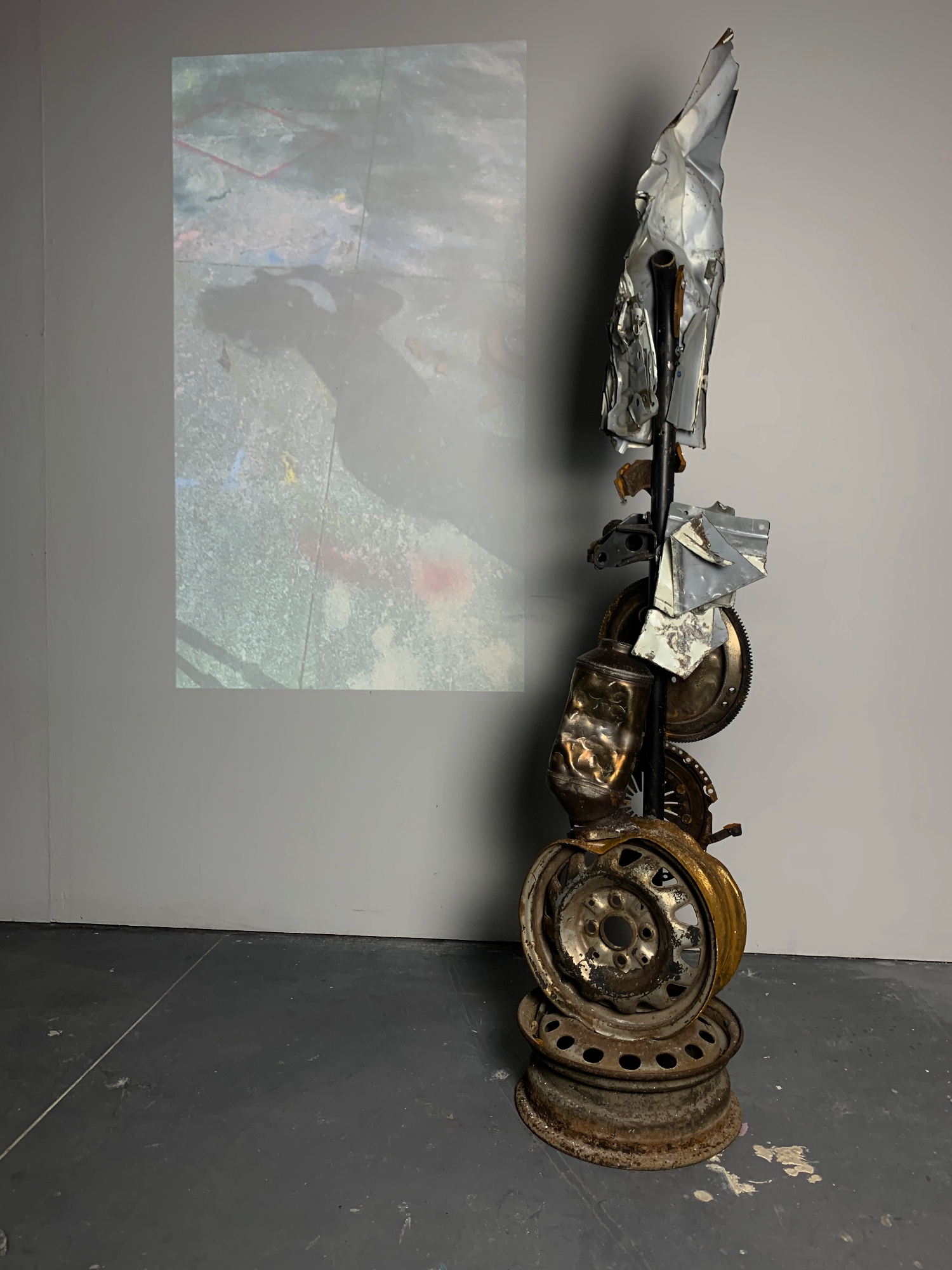
My work stems from emotional outlets that I personally respond to, whether they be extremely personal and autobiographical or reactions to local, national, or global current events. Previously, my work has addressed traumas from various forms of gender-based violence, as well as questioning social roles designated to gender, primarily in forms of emotional expressions or the delegation of gender to everyday objects, and the double standards of expressions or agency of sexuality. Currently, my practice has navigated into the social practice and performance realm in reacting to social and political events and using research based in Wiccan and Witchcraft rituals to promote healing and protection for participants, viewers, and those directly involved in the events. My work largely questions how we think about gender and sexuality through objects, installations, and/or performances rooted in the mundane things we don’t normally consider to be ‘fine art.’
Learning and unlearning are both critical parts of growth – can you share a story of a time when you had to unlearn a lesson?
Once my artwork is made, it no longer belongs to just me. An artwork needs to live its own life, however that may look. It needs to be experienced. It needs to be talked about and not always in the exact manner that the artist intends; a little deviation from the path is always necessary. Now, if people are completely off track and headed in an opposite direction, something might need to be reconsidered, or you run with it because of the conversations it creates. As artists, we want to control audiences to think of certain ideas or guide them down one path, but at the end of the day, the best artwork can truly speak for itself and can live a life without me as the artist. I learned this from multiple critiques and I tried really hard in the beginning to put so much energy into trying to control my audience that the conversation got lost and the artwork wasn’t able to speak for itself. I kept intervening in conversations to prove my methodology instead of allowing for people to maybe not walk down the path I had specifically made but recognize the one that they were walking was as least in the same direction and not very far from mine.
Is there a particular goal or mission driving your creative journey?
My goal or purpose in creating has always been one form or another of healing. I didn’t always recognize it, but as my work has progressed, I have noticed it as the common thread throughout it all. Sometimes, I am the one who needs healing, and at other times, I am the one providing healing for others. When I am sad, I create something. When I am anxious, I create something. When I am mad, I create something. When I feel the weight of other people’s emotions, I create something. Sometimes it’s petty or silly, but even those expressions lead to other deeper works that have created really great conversations that may not have otherwise happened, had I not been petty or silly for one moment.
Contact Info:
- Website: https://www.phoebepotter.com
- Instagram: @phoebs.pdf
- Linkedin: https://www.linkedin.com/in/phoebe-potter-44011a321
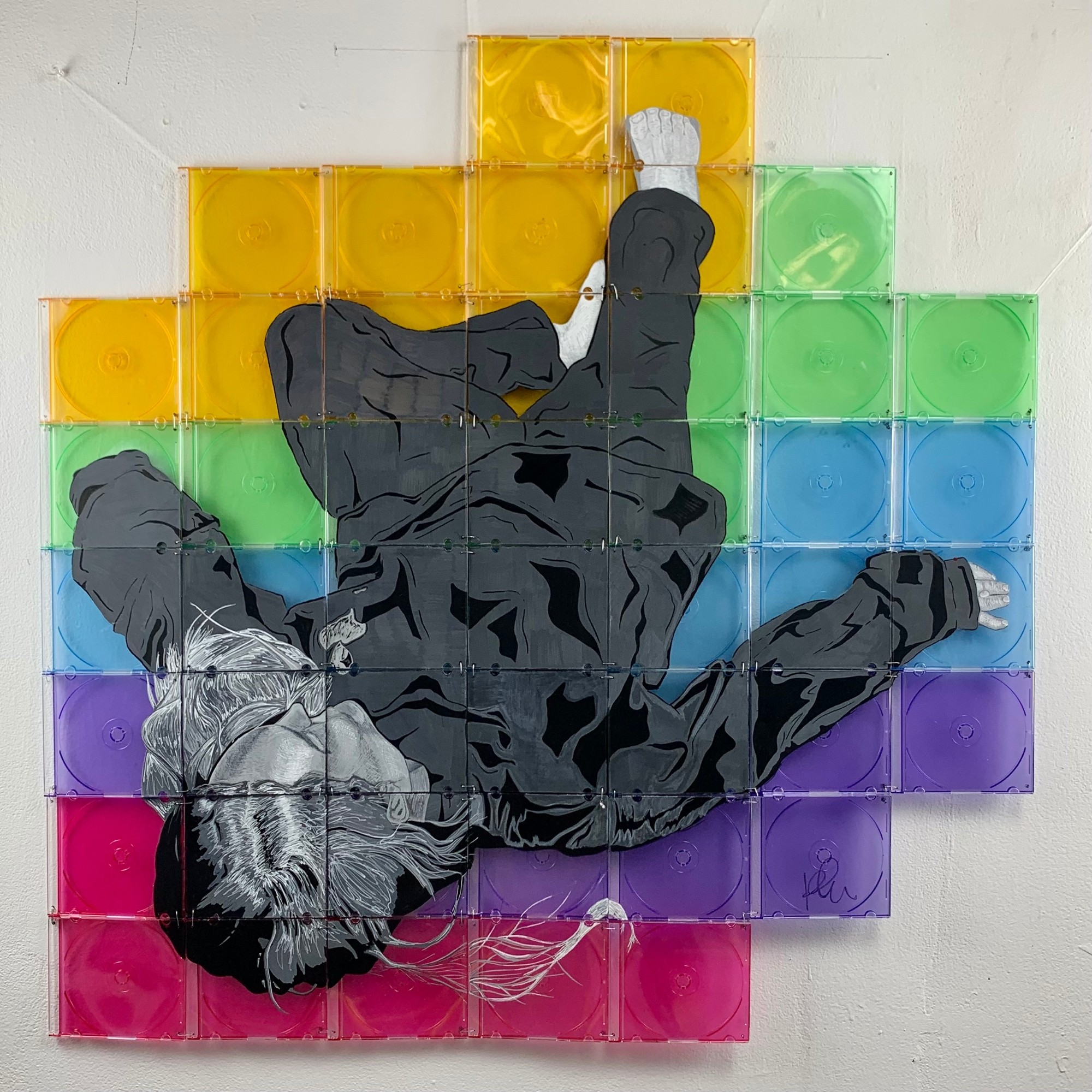
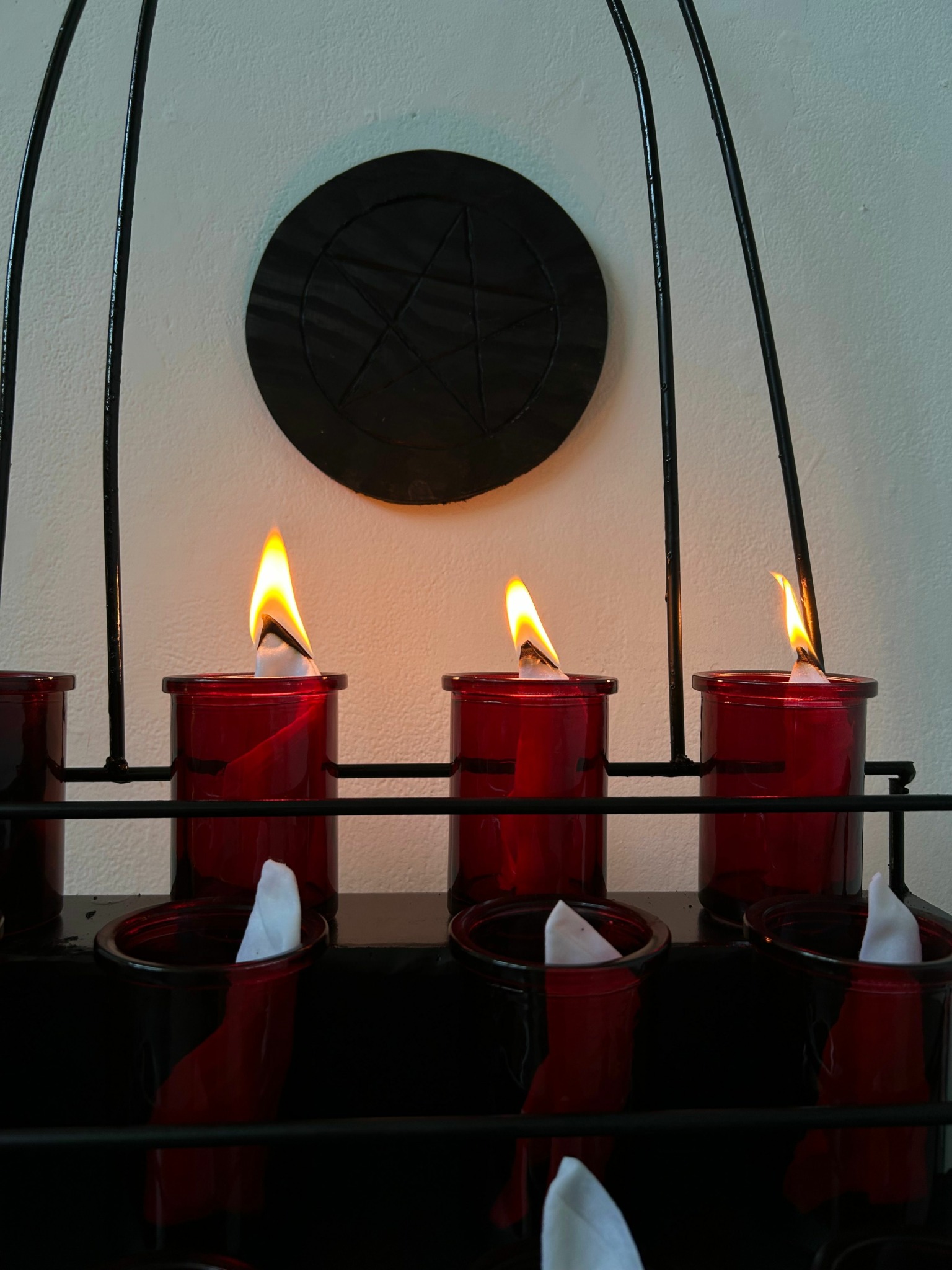
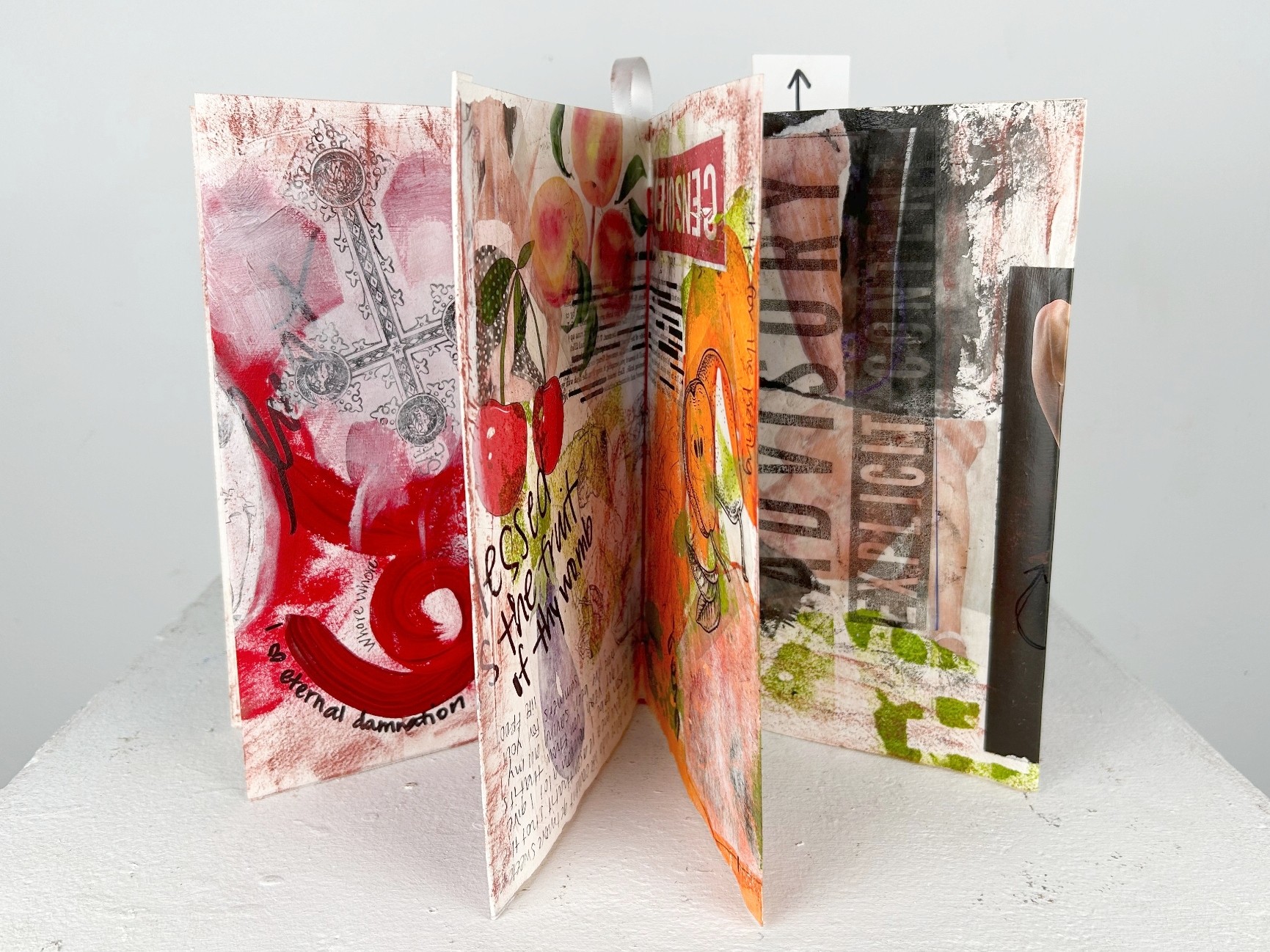
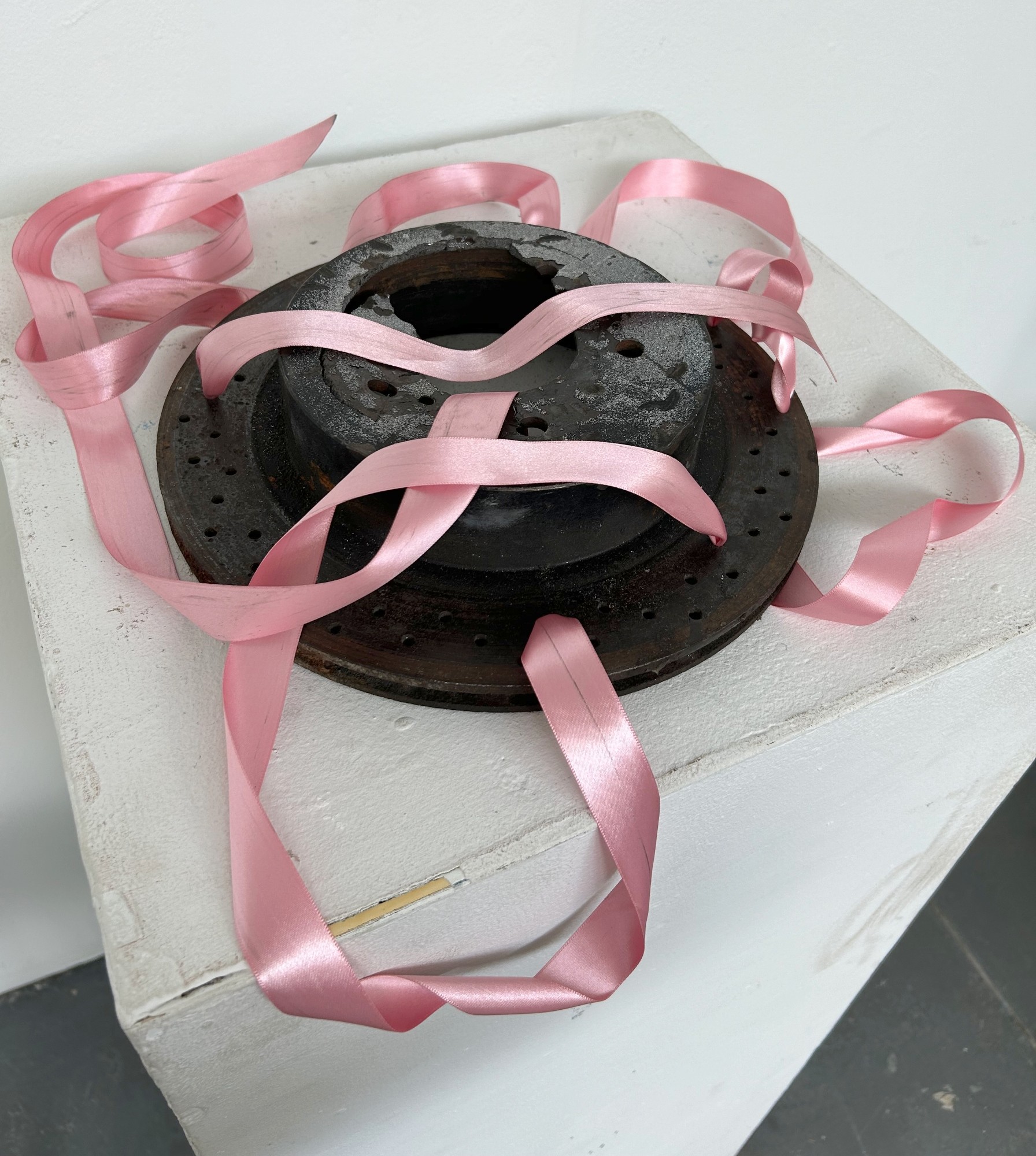
Image Credits
Photos courtesy of artist Phoebe Marie Potter.