



Alright – so today we’ve got the honor of introducing you to Phaan Howng. We think you’ll enjoy our conversation, we’ve shared it below.
Alright, Phaan thanks for taking the time to share your stories and insights with us today. We’d love to hear the backstory behind a risk you’ve taken – whether big or small, walk us through what it was like and how it ultimately turned out.
Probably like every college graduate who decided to choose Painting as their major, after I graduated from Boston University and moved back in with my parents in South Florida, in hopes of taking some time off to work on a portfolio to apply to grad school. I thought I could work jobs that could provide me with a creative outlet and/or provide me some time to be able to paint. Instead, I got trapped there in jobs and dumb relationships that rarely allowed me to paint. I think back a lot on this one moment in time where I did have the opportunity to focus on painting without distractions, and that happened to be after a hurricane. I was home alone at my parents’ house. No one could bother me, I didn’t have to work and even think about work because I knew everyone else was busy thinking about how they’re going to live without showering and power. I, on the other hand, was happily painting. No matter how hard I tried, it was so hard to get back that one moment. My jobs and relationships were too demanding. So one day, while sitting in an ‘Office Space’-like depressing cubicle and work environment, I had a come to Jesus moment. It was supposed to be the day when the Mayan Apocalypse was to happen. I was like, “OMG… if the Mayan Apocalypse happens or any apocalypse, I did not want to die in that cubicle and have my ghost be trapped here forever.” So that’s when I made the hard decision to risk pursuing art full time…no matter how poor I would end up being. Fastforward, I went to grad school, worked my ass off, and made sure that everyday was like that post-hurricane day. After graduate school, I did whatever I could to take on only part-time jobs in creative fields so I could pursue my art career full time,. Luckily, Baltimore allowed me to do all this. And about six years after graduating from graduate school, I no longer have a part-time job outside of my studio and have been working full-time, making a living from my own art.
Phaan, before we move on to more of these sorts of questions, can you take some time to bring our readers up to speed on you and what you do?
I consider myself a landscape painter who ended up with a very multidisciplinary practice. I LOVE painting. But I knew painting on a stretched canvas has its limits with accessibility to different audiences, etc. I knew that for the type of stories and subject matter that I wanted to talk about, traditional forms of painting wasn’t going to work. I also hated the idea that painting (depending on what type of painter you are I guess) had to be restricted to traditional 2-D substrates, and I didn’t like that. I wanted to break away from the canvas (although I have gone back to it now) and find new ways of going beyond the canvas which got me into doing large painted immersive installations and environments that still keep the same language of a traditional Western painting. (They’re not murals. I don’t do murals. Murals are a different animal.) I wanted my audience to literally be encapsulated by my paintings as if you were at an IMAX movie. Because of these experiences of creating large scale works, it allowed my art practice to fluidly move into different ways of making–sculpture, performance, graphic novel–and also be created to accommodate different kinds of spaces (galleries, office spaces, outdoors), surfaces, and even plants!
Is there a particular goal or mission driving your creative journey?
The main drive behind my work is wanting to deconstruct human-plant relationships, wanting to understand human aspirations to manipulate, control, and contain plants versus just living with them. I believe that our past actions have created our superficial relationships with plants today, and have led to our current ecological crises and inability to thwart climate change. I believe that unpacking these histories could provide us the autonomy to be ecological stewards who can make positive changes needed to help our environment. Hence, I do deep research dives like an anthropologist to answer specific questions–such as how did we even come to have houseplants in the first place? Or why is it that we desire one plant over another?– by looking into horticultural histories, gardening, literature, etc that may have been overlooked, and linking them to our actions in the present time. For instance, lately I’ve been hyper-focused on the Victorian era since it was the first house plant boom and looking into what caused it and discovering other interesting facts around it that I may want to dive into deeper.
The output results in me creating satirical paintings and installations of plants as seen in a post-human era in which nature militantly defends itself from future colonizers, what I call an “optimistic post-apocalypse.” My paintings depict landscapes of chaotic dense vegetal matter with toxic-colored patterns, “choking out” the picture plane and obscuring what may lurk behind it. These viewscapes in my paintings and installations are based upon former research fascination with how plants can create the facade of a healthy environment, camouflaging colonialist legacies and the slow violence of human environmental disruptions. My subjects’ colors result from absorbing buried noxious waste, and using their colors as a form of aposematism to signal warning and danger. I want my plants to look familiar yet ominously alien, to captivate the viewer just as certain plants seduce pollinators–and even us.
But what’s also very important to my work is having the element of satire. I enjoy mashing together pop cultural references with plant histories to make my subject matter accessible. We usually see so many depressing headlines about climate change that I feel like it makes many of us unable to feel like we have any power or ability to take control and create action. So for me it helps with navigating in a more positive way, around the depressing topics that we come across to help keep me doing the research and not giving up on life–and I feel for the general audience, it acts as a hook to get a general audience interested and lead them into these topics in a fun way. We all know what’s going on. And sometimes, we just need comic relief to inspire awareness and action and then we can welcome in what I call the Plant Renaissance!
What do you find most rewarding about being a creative?
The most rewarding aspect of being an artist is the ability to connect groups of people that may have never connected and worked together before in the first place. It’s wild to see how researchers in different areas of study that are around plants don’t converse with each other. My goal with future exhibitions is to get social and hard sciences in conversation together, for instance, having an art historian who may focus on landscape paintings to be in conversation with a research scientist who may be looking at the decline of native trees over long periods of time. The art historian can be another source of information that the scientist may not be able to get from missing data. For instance- a tree specialist who may want an idea of how many ancient trees were destroyed could look at landscape paintings by specific artists who may have been obsessed with documenting trees, to get an idea as how many of those trees may have been destroyed. Artists surprisingly keep a lot of notes and data that the scientist may not have known about. So things like that!
Contact Info:
- Website: phaan.com
- Instagram: @phaanlove
- Other: Substack
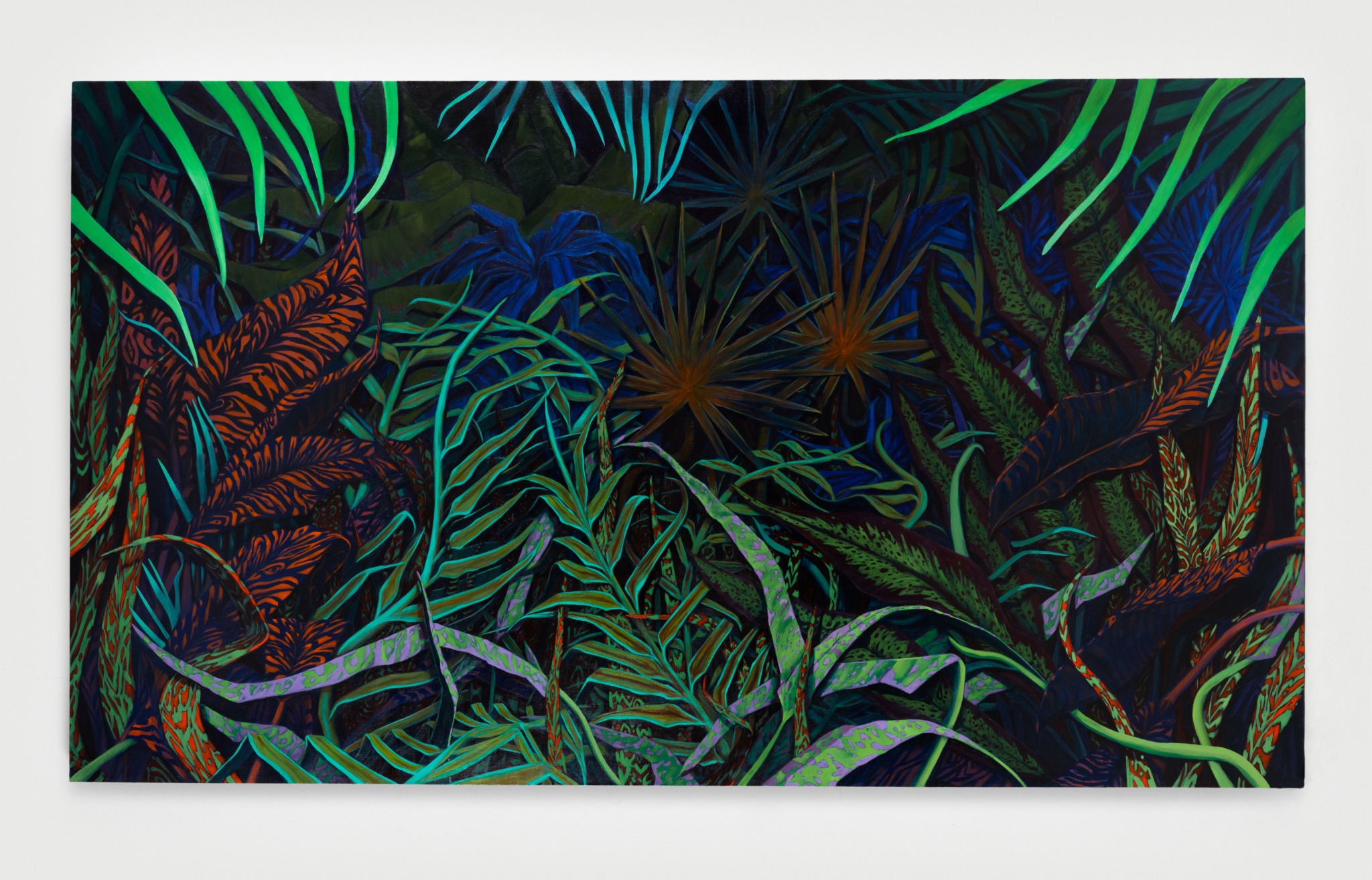
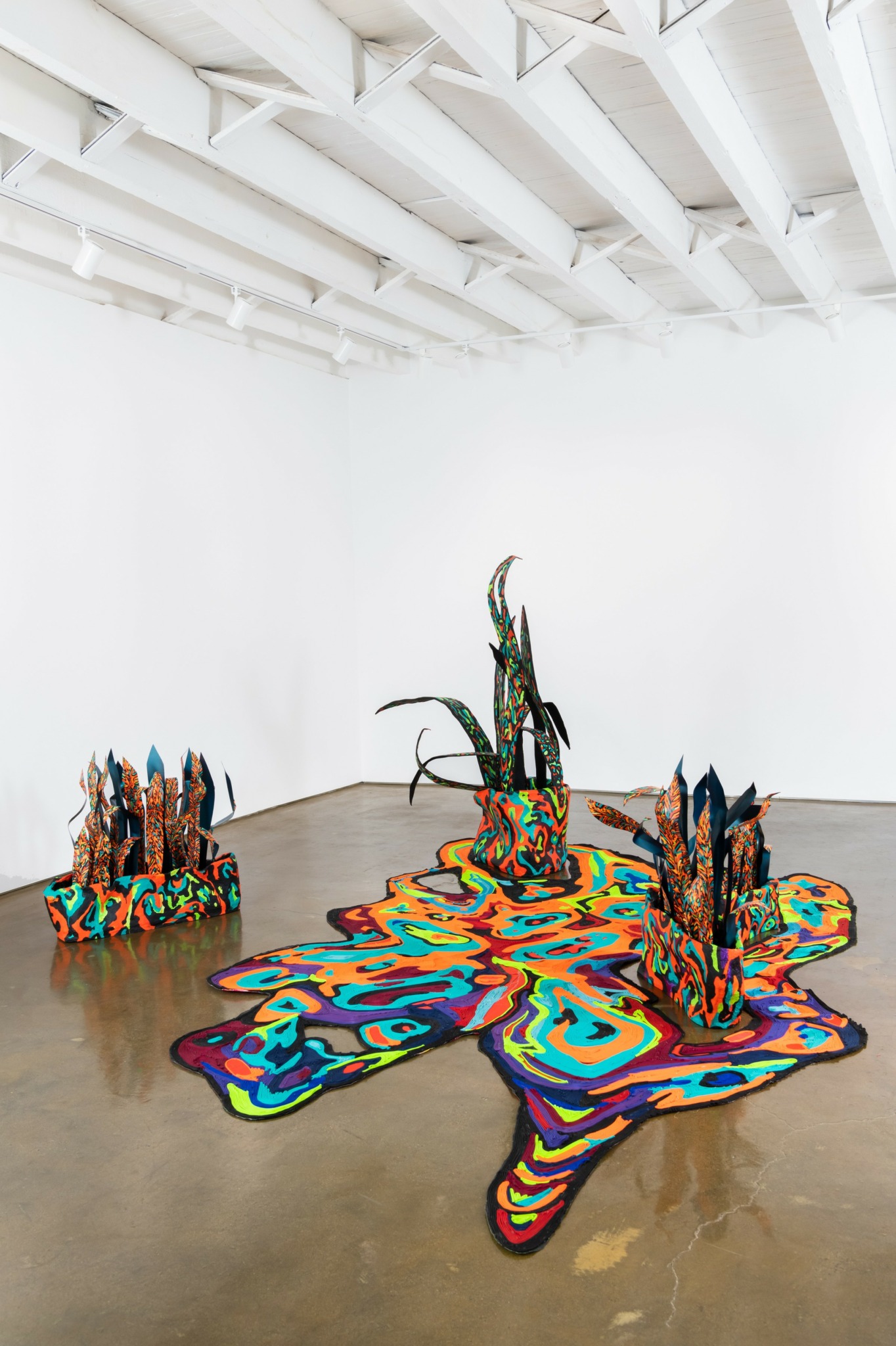
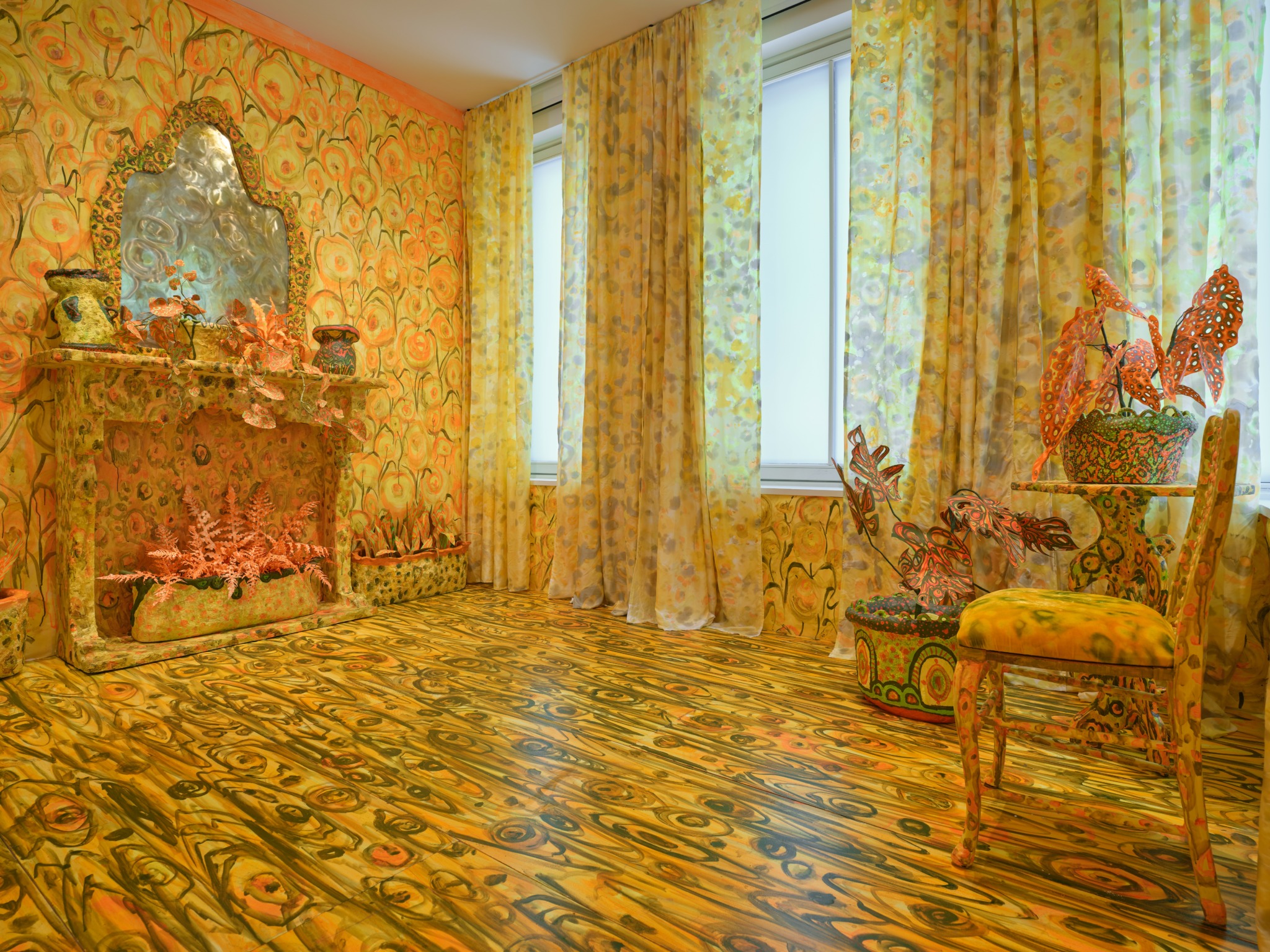

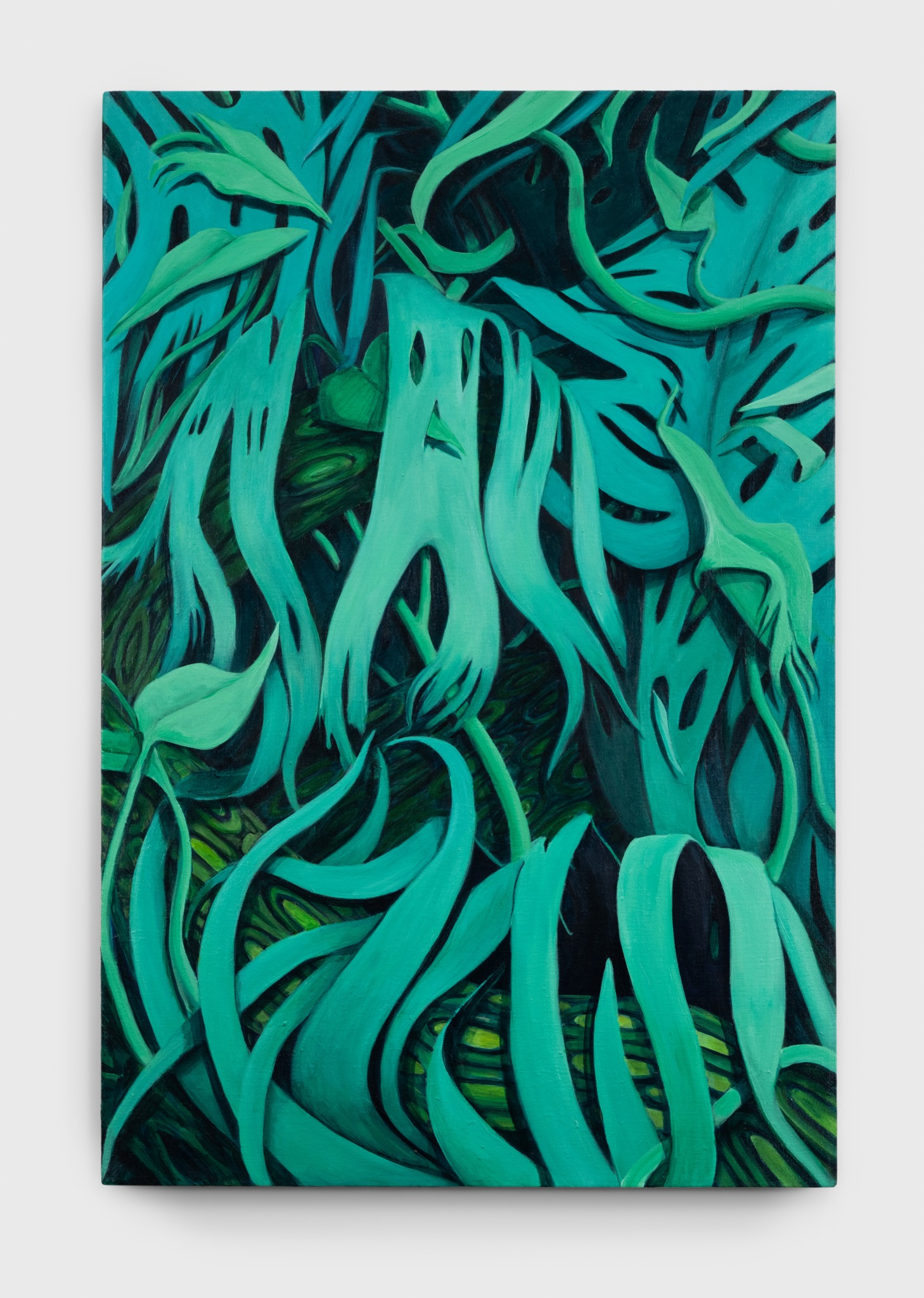
Image Credits
Courtesy of the artist or Vivian Doering