

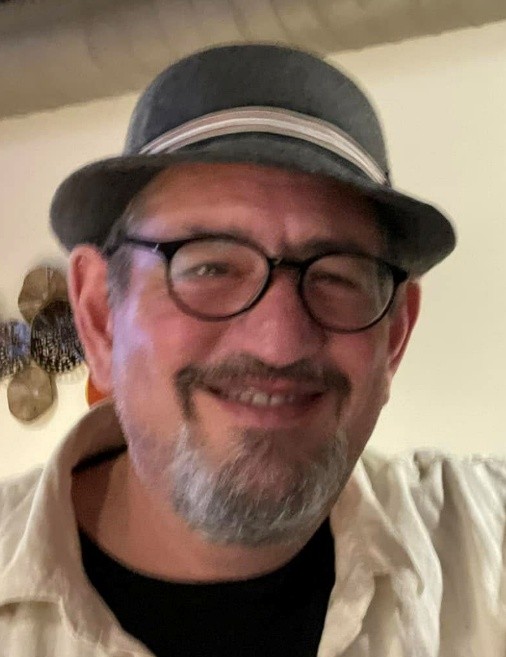

Alright – so today we’ve got the honor of introducing you to Peter Temes. We think you’ll enjoy our conversation, we’ve shared it below.
Peter, thanks for taking the time to share your stories with us today Earning a full time living from one’s creative career can be incredibly difficult. Have you been able to do so and if so, can you share some of the key parts of your journey and any important advice or lessons that might help creatives who haven’t been able to yet?
Yes and no. I worked to be a writer in my 20s and had some success, making some money, but not enough to feed my family – not even close. I did, though, make a very modest living as a teacher of writing for a good number of years. And, beyond thinking of writing as my art, I certainly felt that teaching was my art.
Alas, though, I was far more focused on my actions as a teacher than I was on the community in the class. I think I was within the norm of listening and caring and following prompts from my students, but I had too much of an eye on myself, rather than making myself smaller to make my students larger. When I teach these days, I hope I do more of that.
Now that I’m 59 and thinking about winding won my money-making life, I am keenly aware that as the leader of a theater group that issues commissions and pays its actors and stage managers (very, very modestly), the money I make through my business life is a driver of the theater work I do and the folks I work with at Baker do. I’m drawn to do more theater, but if I gave up the money-making life, there’d be a huge hole. . .
Peter, love having you share your insights with us. Before we ask you more questions, maybe you can take a moment to introduce yourself to our readers who might have missed our earlier conversations?
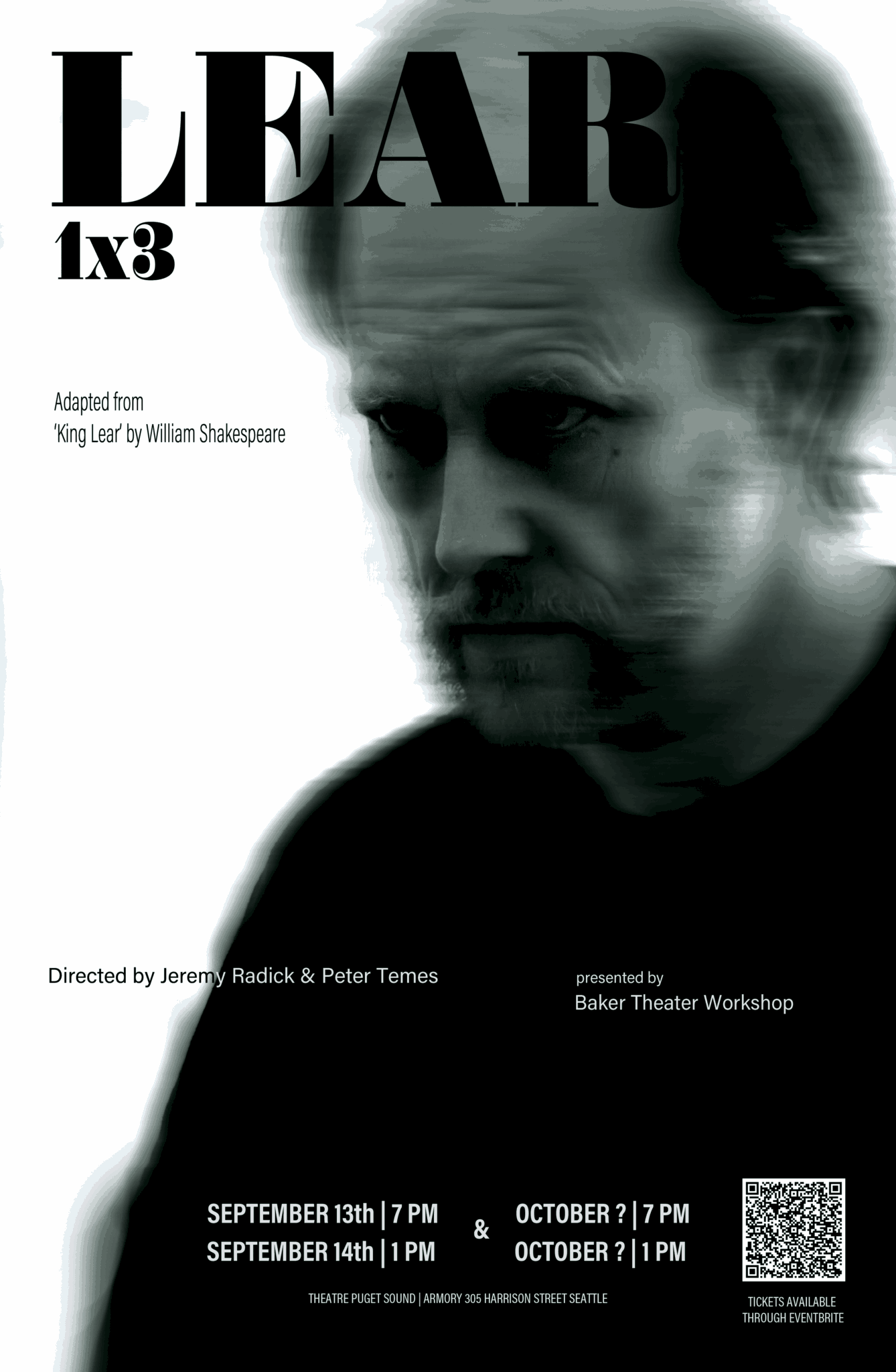
I launched the Baker Theater Workshop about three years ago, after a year of studying acting at Freehold in Seattle. I loved what I found at Freehold – a wonderful community of people serious about theater as an art and craft.
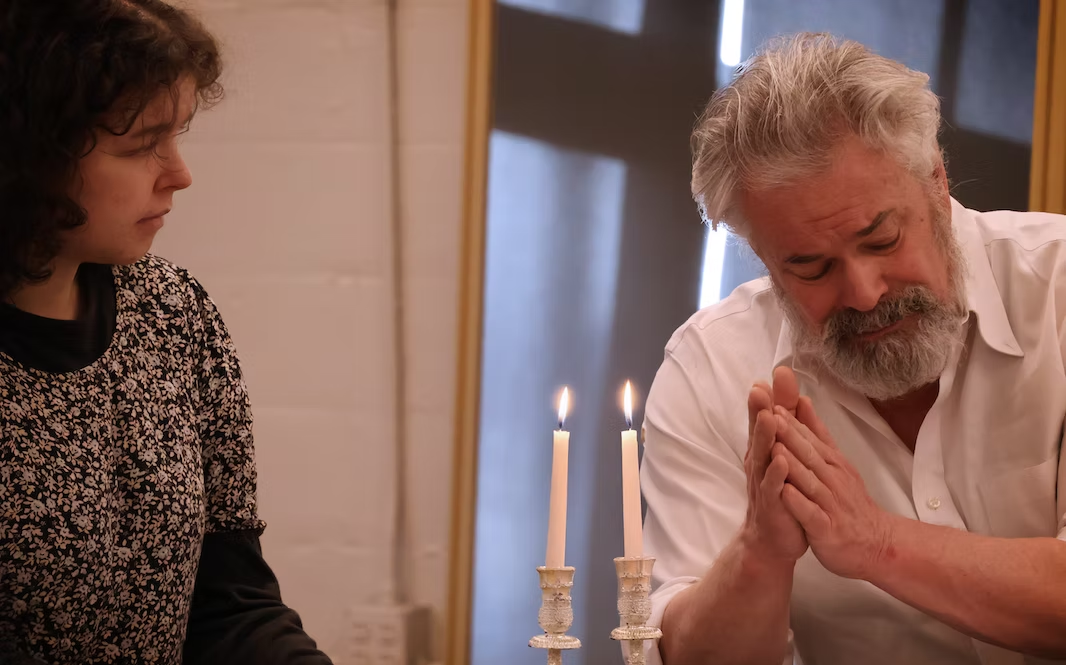
I’d spent many years studying, teaching and working as a writer, and still have a good bit of ego about that. I’ve also had some periods of being serious as a painter, though with less ego about that. Yet both are fundamentally solitary activities. Theater is entirely the opposite – social at its core. That’s certainly a large reason I was drawn to it at a fairly late stage in my life, having done theater in high school, and worked a bit with students on theater projects in the summers at a couple of universities. But the serious study and committment came only recently. As well, I still don’t have much of a sense of how good I am as an actor. I know that at times, I am lucky to connect to a role that picks up and aspect of my own character and certainly I do a better job with that than other roles. But I know I’m good and starting and organizing new ventures – hence the launch of Baker. We give two commissions for new short plays a year, and perform them in a workshop mode with serious actors and a good run of rehearsals. Last year, we began a more extended project around King Lear, and are just about to showcase the performance of a full-length new play called The Lost Object, written by a 70-year-old trans woman and telling her story of transition from a Christian boy in Texas to a married Orthodox Jewish woman in New York.
For you, what’s the most rewarding aspect of being a creative?
The most rewarding part of what I get to do in the theater is the belonging to a community of people from all ages and backgrounds who share a dedication to performing together. The works fosters an intimacy that is perhaps too brief at times, but pretty much always genuine and deep.
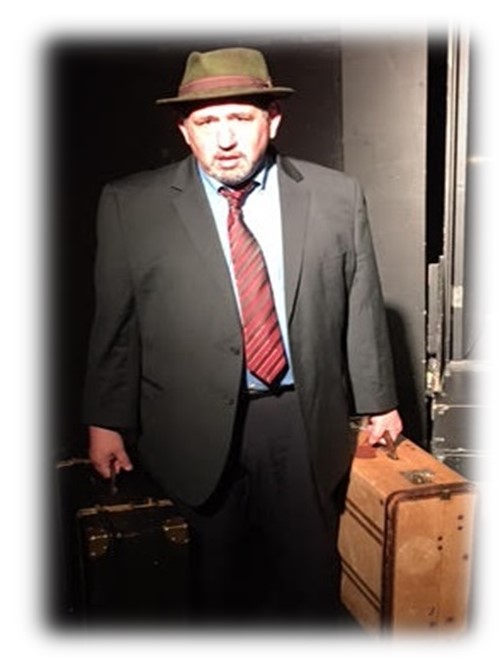
Theater also shows human depth to written works that is often impossible to see – or perhaps better to say to feel – no matter how well you “know” a text in a traditional form. I was a university literature teacher for years, officially specializing in American Literature, So I felt I knew Death of a Salesman pretty well, Then I was assigned to perform in a couple of scenes at Freehold. Reading and memorizing the lines showed me an endless depth to the play that I’d never felt at all. And that happens again and again as you learn a role and stand with fellow performers and work to make it real.
What’s a lesson you had to unlearn and what’s the backstory?
Lessons, habits, even desires that I’ve had to unlearn are many.
Much of it crystalizes in a moment in my first acting class at Freehold. As an aside, the teacher mentioned a principle that likely comes from Meisner – you always have to be thinking about what everyone on stage needs from you in a every moment, and give it to them as best you can.
As soon as I hear that I felt that not only was it true and fundamental to being a decent actor, but it’s also fundamental to being a decent person, and that I’ve never done it enough. As a parent with three grown children, as husband, as a teacher, as a writer, as a neighbor – I was not in the habit of asking that question, and I’ll be a much better person and much more useful to others if I change that.
Contact Info:
- Website: https://www.bakertheaterworkshop.com
- Facebook: https://www.facebook.com/profile.php?id=61565048314492
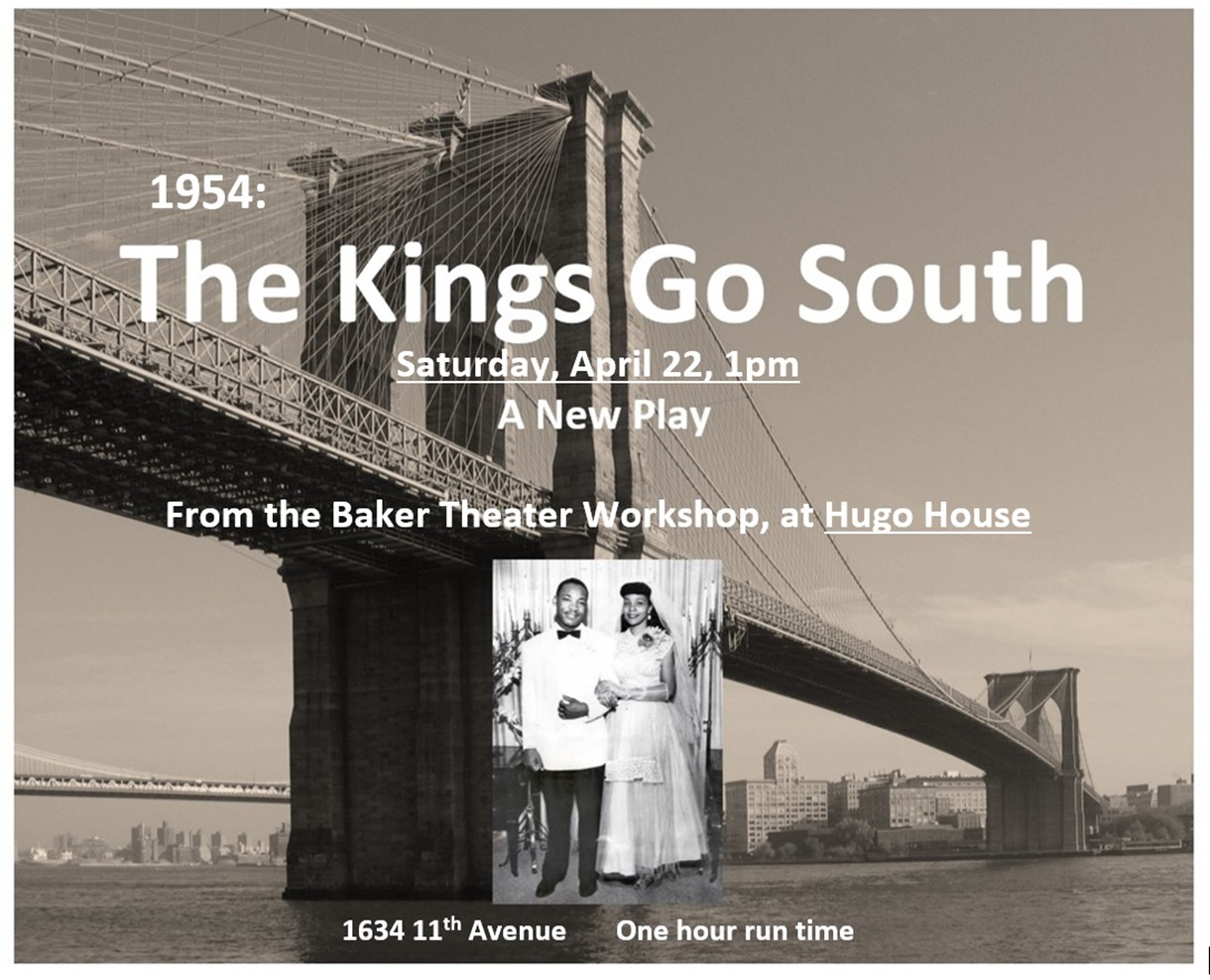
Image Credits
none