

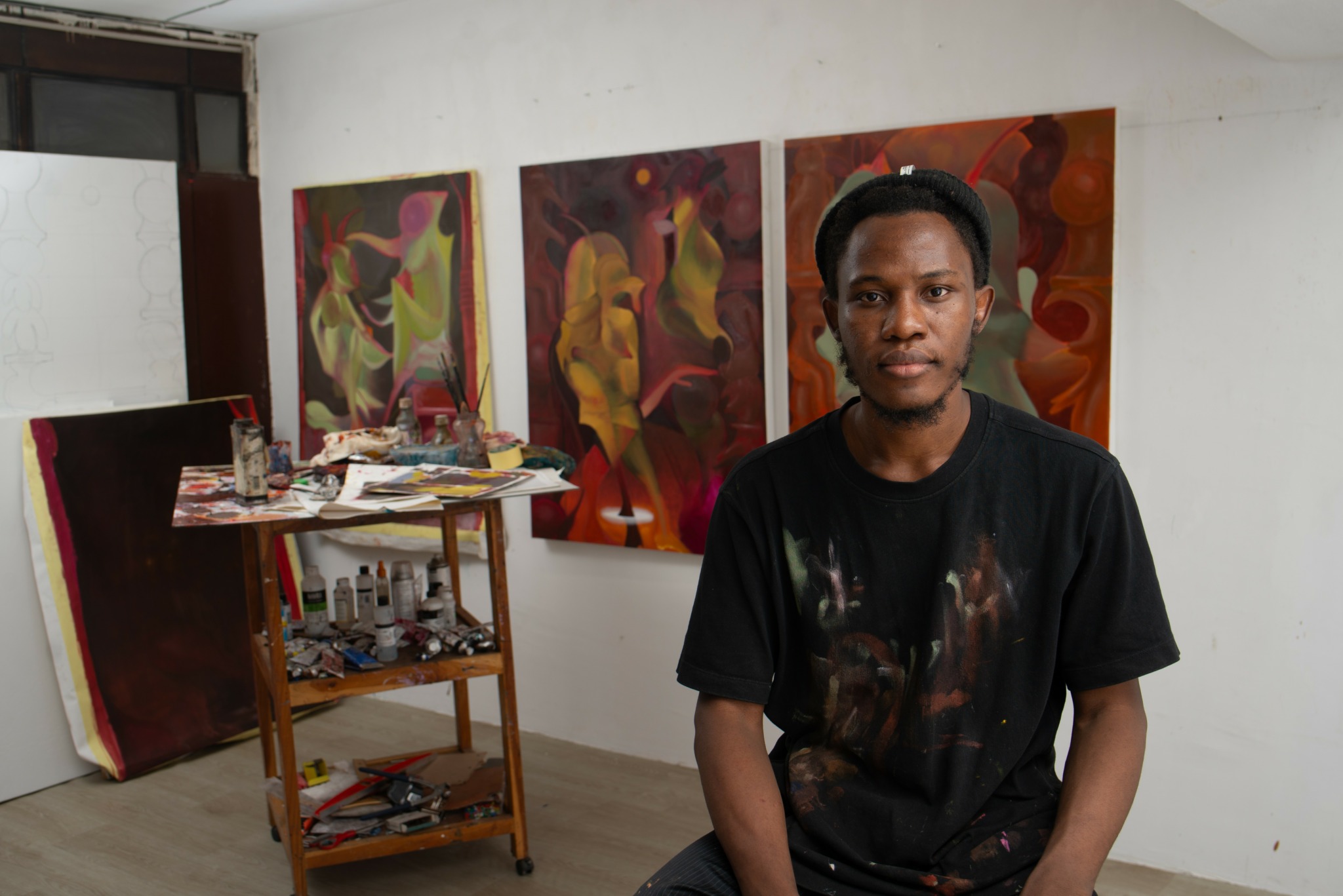

We were lucky to catch up with Peter Ojingiri recently and have shared our conversation below.
Peter, thanks for taking the time to share your stories with us today We’d love to hear about when you first realized that you wanted to pursue a creative path professionally.
I don’t think there was ever a specific moment when I decided I wanted to pursue a creative or artistic path. It was more like I eventually realized I had already been living in it. I grew up in a family where everyone is creative in their own way. For instance, my mom is a seamstress, and she used to sketch her customers’ ideas before the popularization of Ovation magazine in Ilorin.
My siblings were the same. I remember imitating my brothers’ Mortal Kombat sketches before I even understood what drawing was. I think I looked up to all of them until I became “the art kid” among my friends. That eventually led me to consciously question what this path meant for me. In that process, I realized that I have always been pursuing a creative and artistic path. I just grew into it.
Peter, love having you share your insights with us. Before we ask you more questions, maybe you can take a moment to introduce yourself to our readers who might have missed our earlier conversations?
My name is Ojingiri Peter. I was born and raised in Kwara, Nigeria. I often describe myself as a perpetual seeker, someone who is always searching. I believe that we do not truly make art; we discover it, just as we discover the laws of the universe. The principles of design have always existed, and as artists we uncover them rather than invent them.
This belief shapes how I paint. I am always curious about what I will discover next. Just as a starting chord influences the direction of a musical piece, the first mark on a canvas guides the entire painting. No mark can ever be repeated in exactly the same way, which means each starting mark opens a new path. That sense of endless discovery is what drives me.
As I explore this unknown but exciting process, I am also aware of the responsibilities that exist within creation. My responsibilities as a painter, as a Nigerian, and as myself all intersect in my work. A painting can never be completely neutral. Every piece contributes to a larger visual language in art history, and when certain visual languages are overrepresented, it can create the illusion that they are superior. Yet these languages are simply different ways of communicating, nothing more.
A few years ago, after learning about postcolonial theory, I felt compelled to reflect that awareness in my work. Over time I realized that this impulse, while important, could also become a limitation. I want to be free. I learned that I can hold that awareness without letting it dictate my creative direction. This realization led me to what excites me most in my practice today, which is the pursuit of balance. I cannot ignore the theories I have learned, but they should not control my art. I can choose a visual language that feels true to who I am and where I come from, and use it to communicate whatever I choose. That balance between freedom and awareness now defines my work.
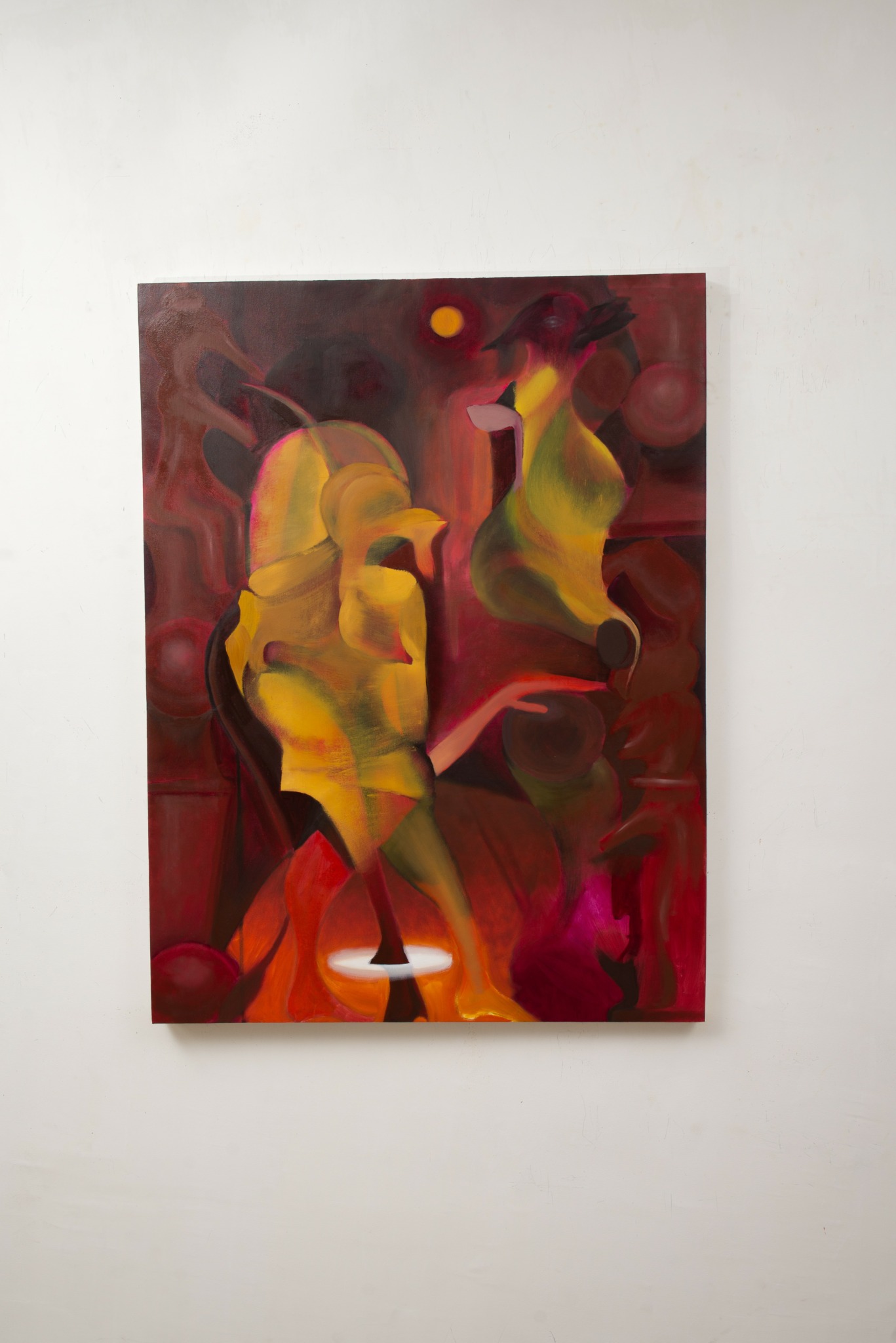
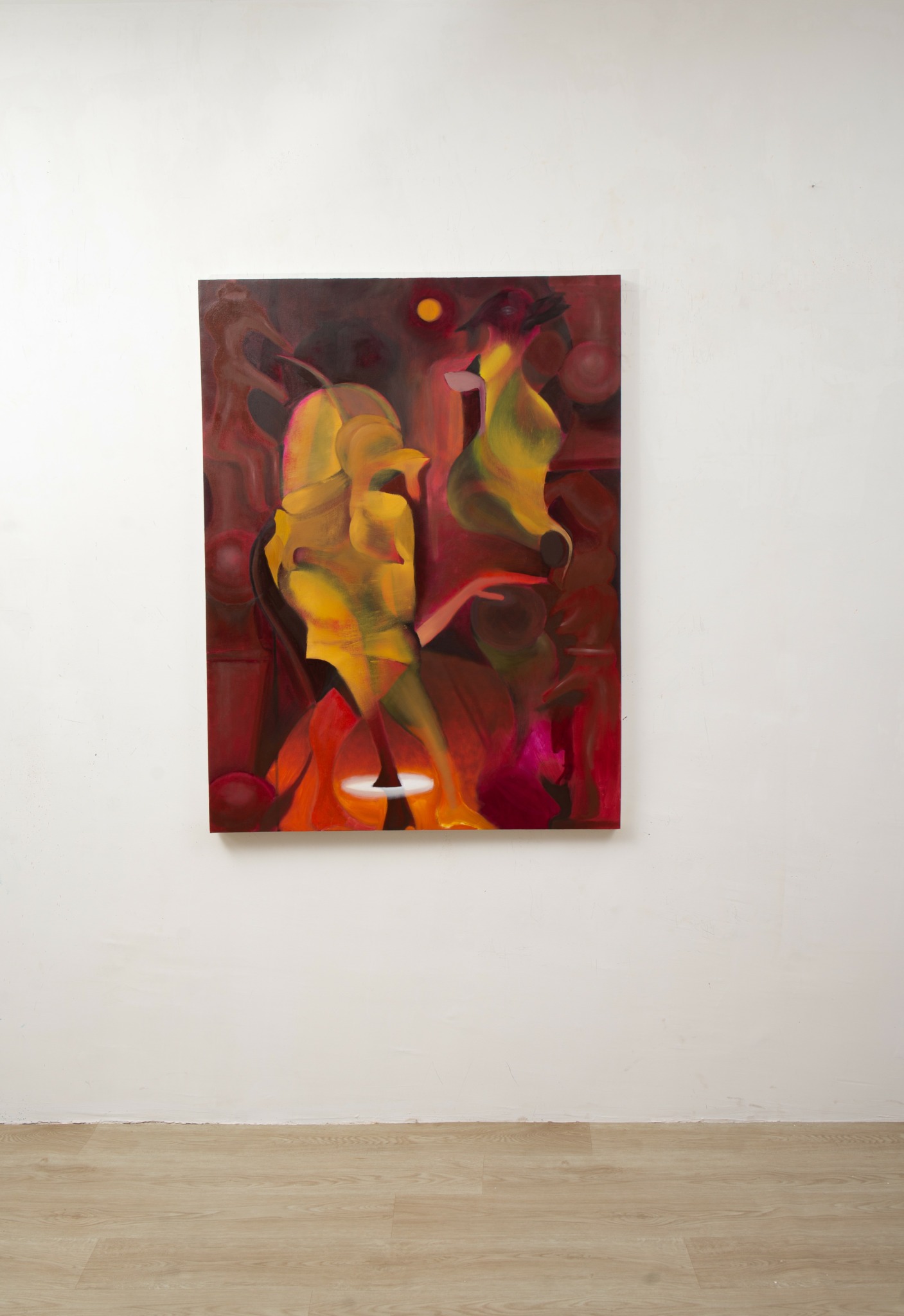
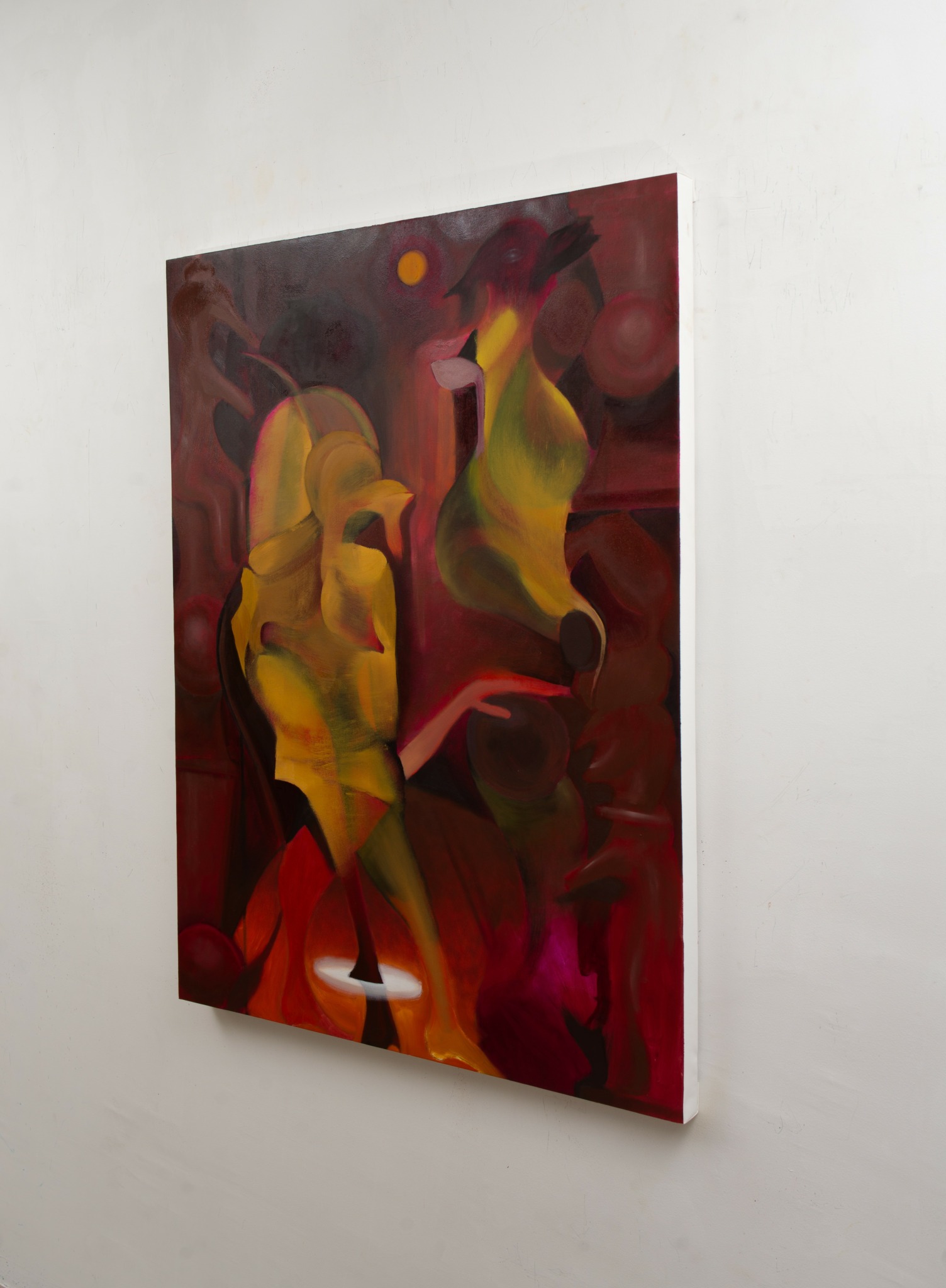
In terms of what I offer, my practice centers on paintings that explore the tension between structure and freedom. My paintings invite reflection and questioning, and they often reveal new meanings over time.
I cannot really say what sets me apart, because I see painting and making art as a collective endeavour. But in my own work, I allow the process to evolve while remaining conscious of the cultural implications of my choices. I am proud of the honesty in my process and the clarity I have gained through years of searching. I am also proud that my work resonates differently with each viewer, making every encounter unique.
What I want potential clients, followers, and supporters to know is that my art is an ongoing journey. It is shaped by curiosity, responsibility, and the desire to remain free while still being aware. Each painting is a record of that balance, and anyone who engages with my work becomes part of that discovery.
Is there mission driving your creative journey?
The goal and mission is to simply be an artist while contributing to the history of art as an artist from Nigeria. Seeing creation through the lens of contribution can reduce repetition and, in my opinion, support the development of more progressive art. There are countless ways to contribute while still being an artist, and these possibilities are part of what drives my creative journey.
For you, what’s the most rewarding aspect of being a creative?
That is the reward, Being an artist is the reward for me
Contact Info:
- Instagram: https://www.instagram.com/ojingiripeter
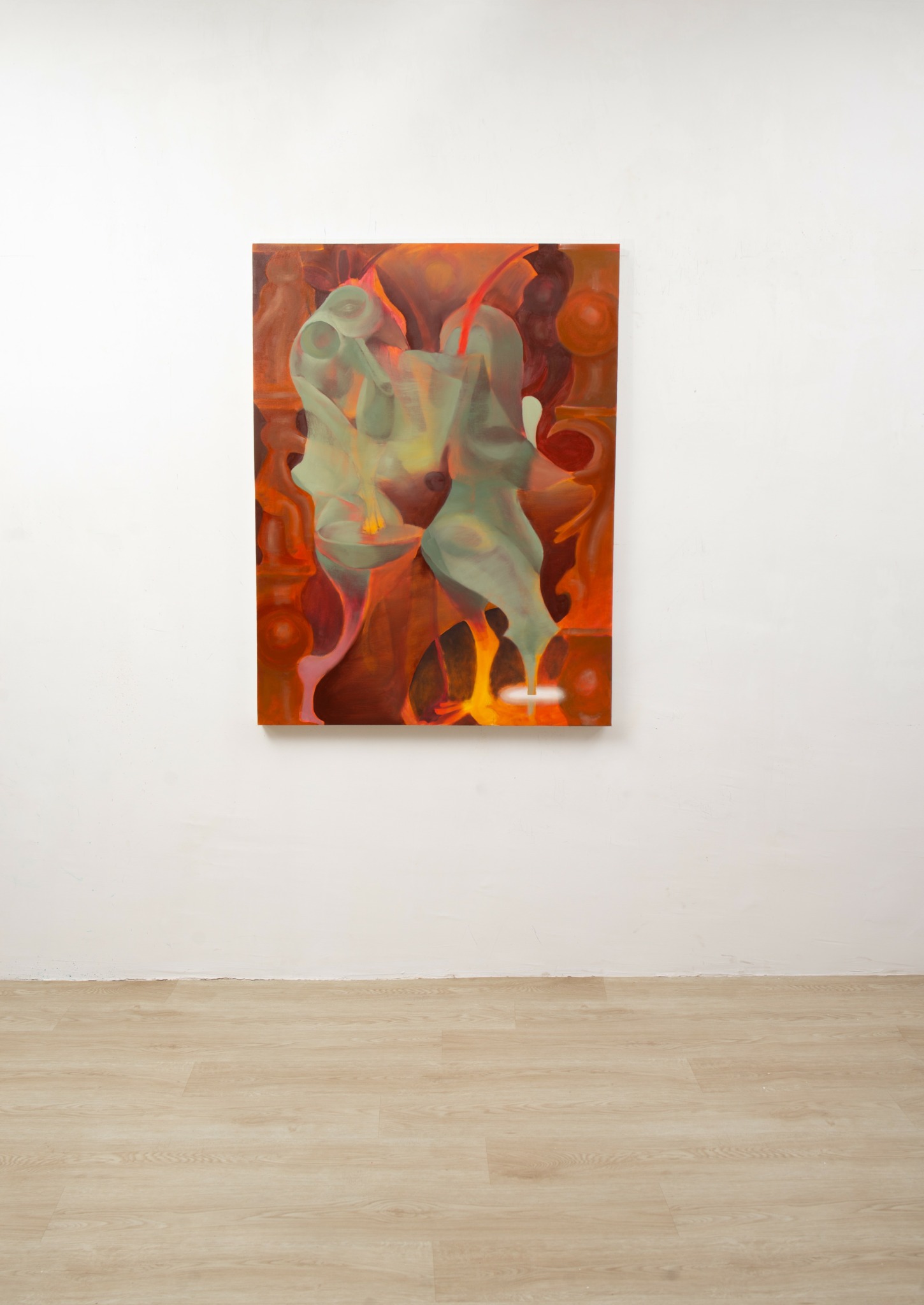
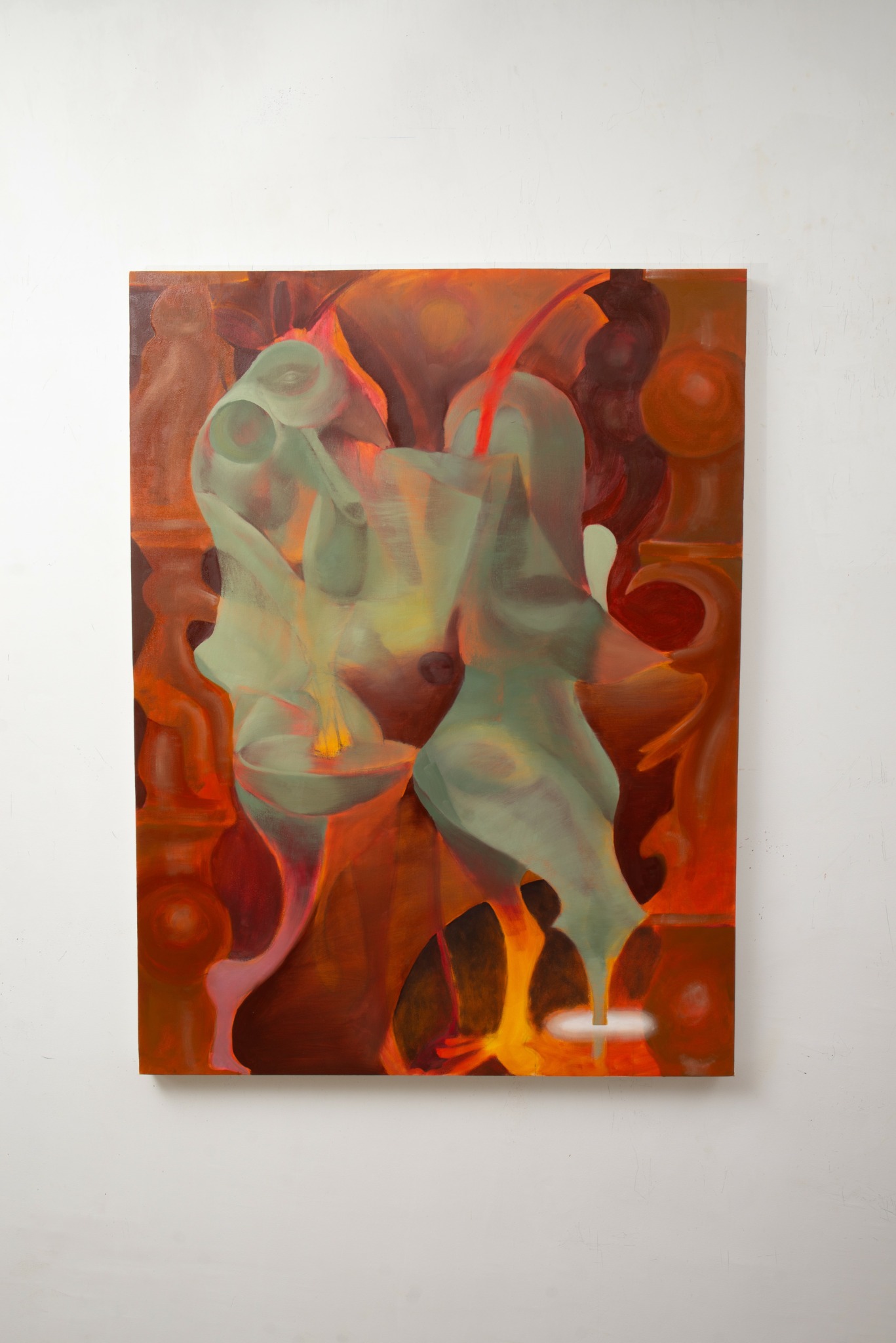
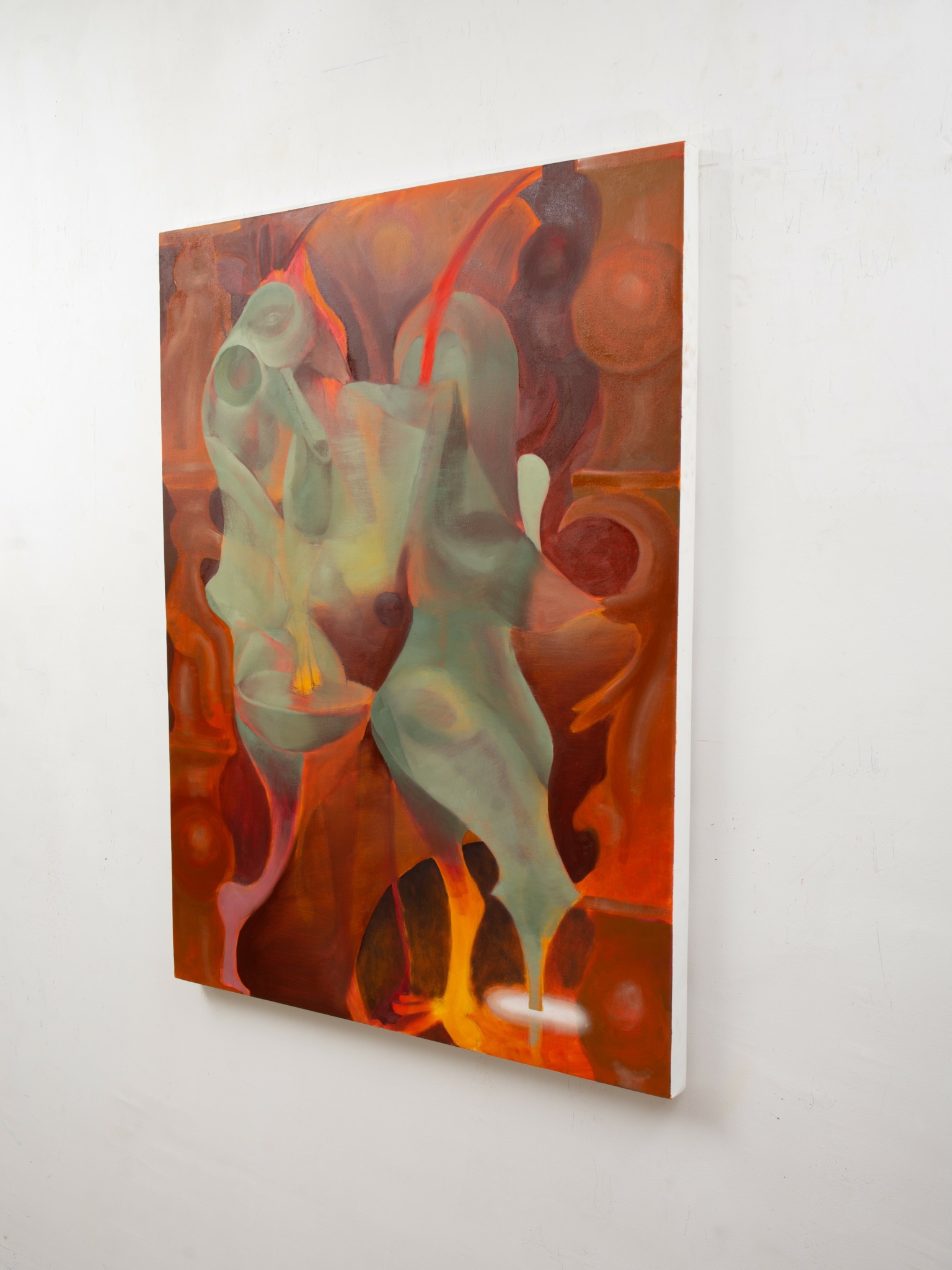
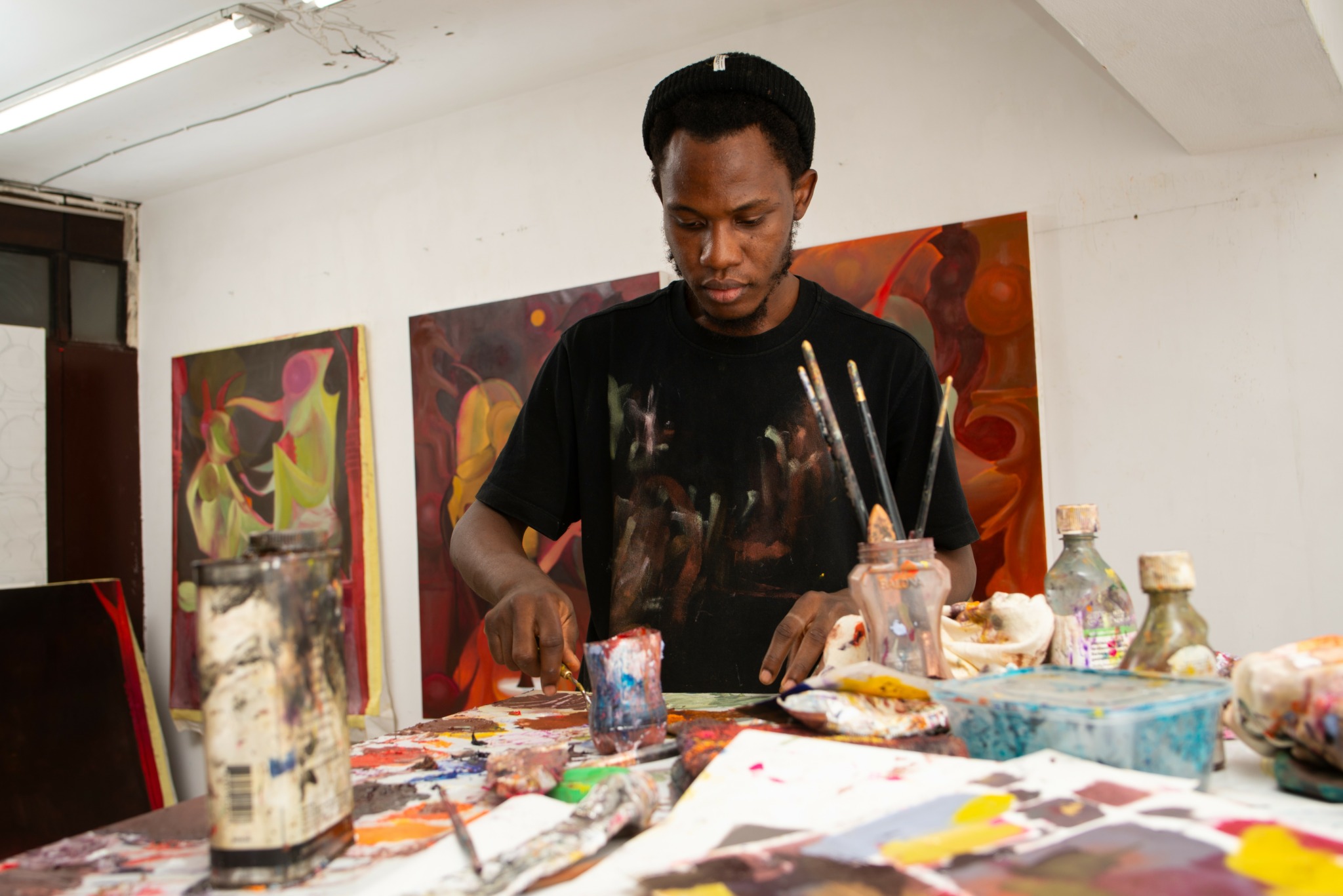
Image Credits
aiconphotography (Ajayi Olayinka)