
We recently connected with Peter Lee and have shared our conversation below.
Peter, looking forward to hearing all of your stories today. Can you talk to us about a risk you’ve taken – walk us through the story?
Our Story
Right before the pandemic began, my wife and I finally signed a lease for a restaurant. We had spent years looking for the perfect space, and when we found it, we both knew it was the one. We quit our chef jobs and were just about to meet with a contractor to begin the build-out.
Then COVID hit.
Like many others, we were forced to put everything on hold—and we had no idea how long it would last. Thankfully, our landlord gave us a choice: either move forward with him or back out and get our escrow money returned. We decided to walk away. The relief of seeing our savings back in our bank account was huge—but only for a couple of weeks. Once I ran the numbers, I realized we would slowly burn through our savings while waiting for things to “blow over.” We needed a new plan.
So we got proactive.
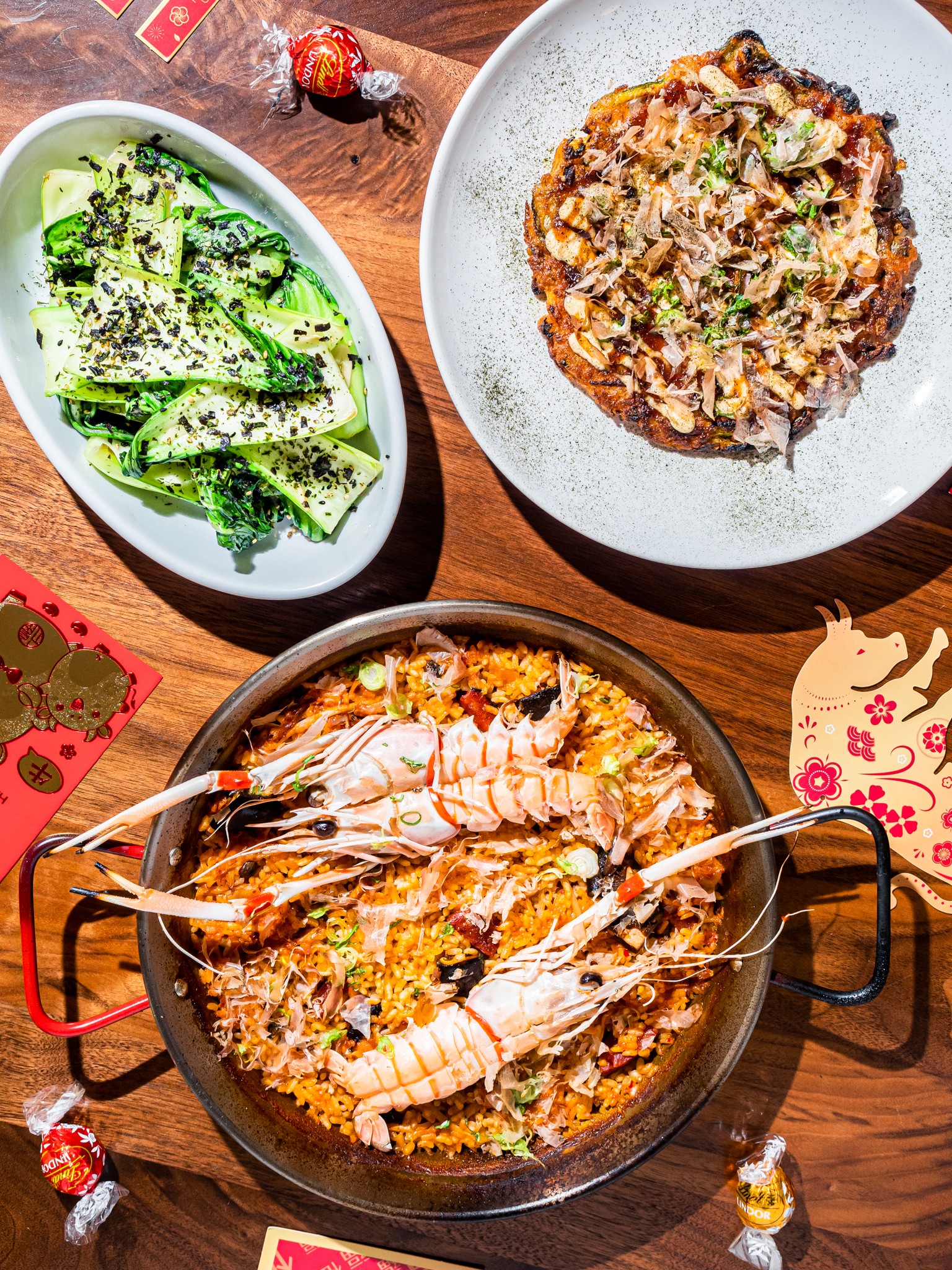
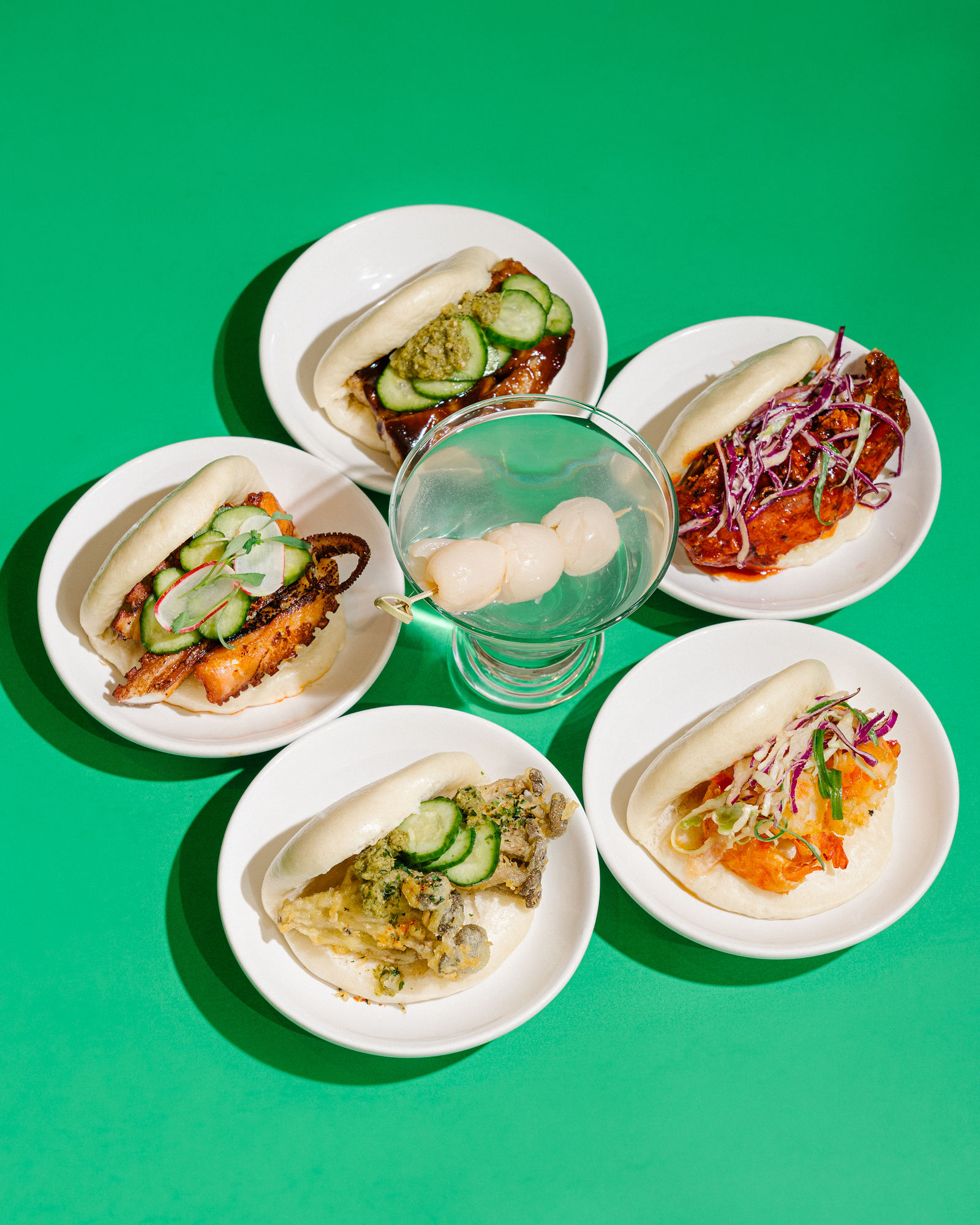
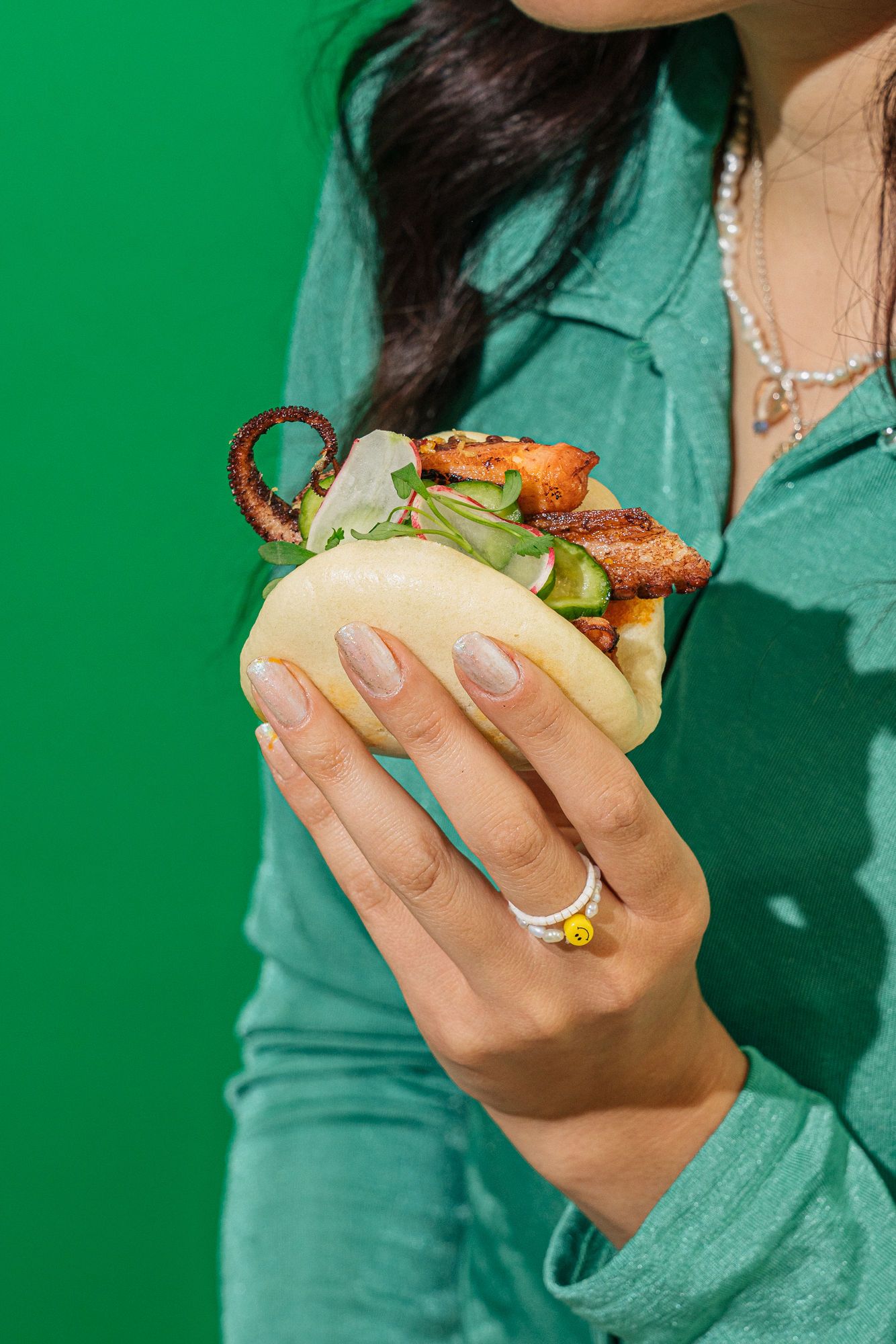
Just a few weeks into the pandemic, we started a pop-up out of our 500-square-foot apartment called Secret Bao. Our original restaurant concept was going to be a new American tasting menu, but we knew people—like us—were being very price conscious, so we brainstormed alternatives. There weren’t many great Asian food options in our area, so we decided to start there.
The plan was to change concepts every week—Asian, Spanish, Italian, French, Jamaican, Mexican, Cuban—to see what resonated most with people. But that never happened. Word quickly spread about our Asian pop-up. Customers would side-park along a busy street at assigned pickup times. I cooked upstairs while my wife geared up in full PPE and ran food down to each car. It was scrappy, but it worked.
After a couple of months, we had reached the limit of what we could do in our tiny apartment. We approached Aaron and Kim, the owners of Handlebar Coffee Roasters, and asked if we could do a pop-up at their De La Vina location. They were hesitant at first, but after a few conversations they agreed to let us do just one pop-up—as a trial. If it didn’t go well, we’d pack up and leave quietly.
Luckily, it was a success right away. Lines were one to two hours long. We had to hire help, and we were fortunate that friends and former colleagues jumped in to support us. The menu evolved weekly, the lines kept getting longer, and even though COVID was still impacting the world, we kept pushing forward.
After seven months at Handlebar, we felt it was finally time to find a permanent home. We signed the lease at 1201 Anacapa Street, the former Cafe Ana location. It was a big decision—especially since restaurants were constantly being told to open, then partially open, then close again. We almost walked away.
But my father gave me advice that stuck:
“If you wait for things to get better, you’ll be competing with everyone else who’s also waiting. Take the chance now. If it works, you’ll have a great space at a great price—and you’ll already be ahead when things turn around.”
So we signed.
It’s now been nearly five years in our brick-and-mortar space. The beginning was wild—every week brought something unpredictable—but every challenge forced us to learn, adapt, and grow. I’ve learned that every business owner has an idea of what they want—but once you’re actually in it, things change. The faster you can adapt, the better your chance at success.
Great, appreciate you sharing that with us. Before we ask you to share more of your insights, can you take a moment to introduce yourself and how you got to where you are today to our readers.
I dropped out of college after my 2nd year and while trying to figure out what to do saw a commercial for Le Cordon Bleu culinary school in Pasadena. Cooking had always fascinated me so I figured I’d sign up for it and figure out what I really want to do during or after the 1 year stint. That 1 year stint turned into 2, then it was 5 and in the blink of an eye it’s now been just about 20 years. I’ve worked in fast food to Michelin star restaurants and in my opinion you can learn something at every level that will benefit you in the long run, especially if you’re wanting to own your own restaurant. The more styles of restaurants you work in the more you’re exposed to and you can truly see what works and what doesn’t work. I think that’s one of my superpowers, to be able to learn from anybody and anywhere.
Can you tell us the story behind how you met your business partner?
My wife, Felicia, is my co-chef/owner in the business and we met in 2009 while cooking together. Afterwards we moved from city to city, restaurant to restaurant always pushing each other to get that better job/position at nicer and nicer restaurants until we were both working at Michelin star restaurants. Without Felicia by my side our restaurant would not be as popular as it is.
Where do you think you get most of your clients from?
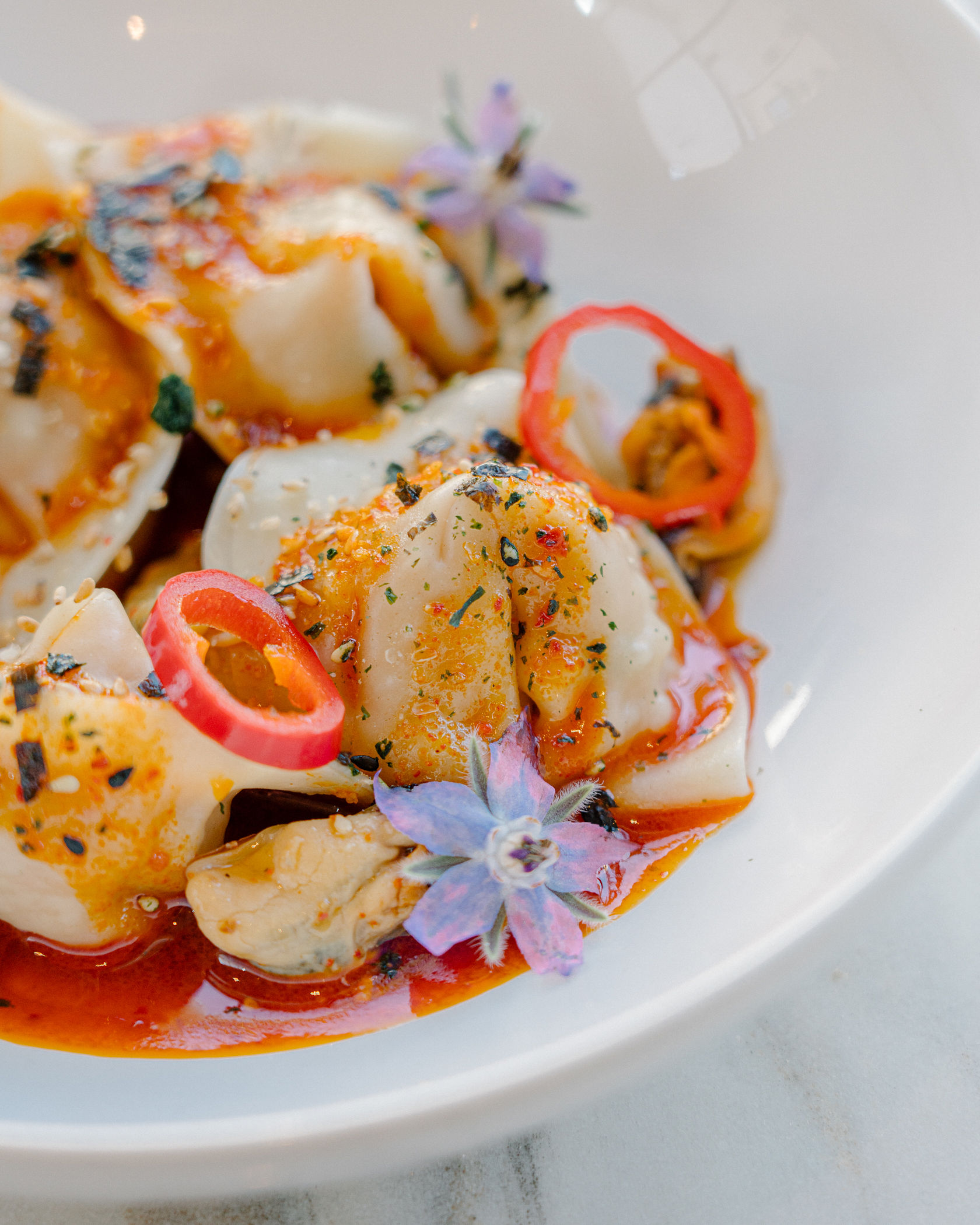
Word of mouth. We have the best local support and have tons of regulars. When our regulars have a special occasion or friends from out of town we’re always the spot they seem to want to bring their friends to. We try not to be too fancy and just cook good food that is different from other places in town. Continually changing and improving the food and experience to set the bar higher allows us to retain and keep bringing new clients in.
Contact Info:
- Website: https://www.secretbaosb.com/
- Instagram: https://www.instagram.com/secretbao/
- Yelp: https://www.yelp.com/biz/secret-bao-santa-barbara