
We caught up with the brilliant and insightful Peter Davies a few weeks ago and have shared our conversation below.
Hi Peter, thanks for joining us today. What was it like going from idea to execution? Can you share some of the backstory and some of the major steps or milestones?
My partner Aaron Ellis and I didn’t plan on starting a business. We planned on just…surviving Baltimore.
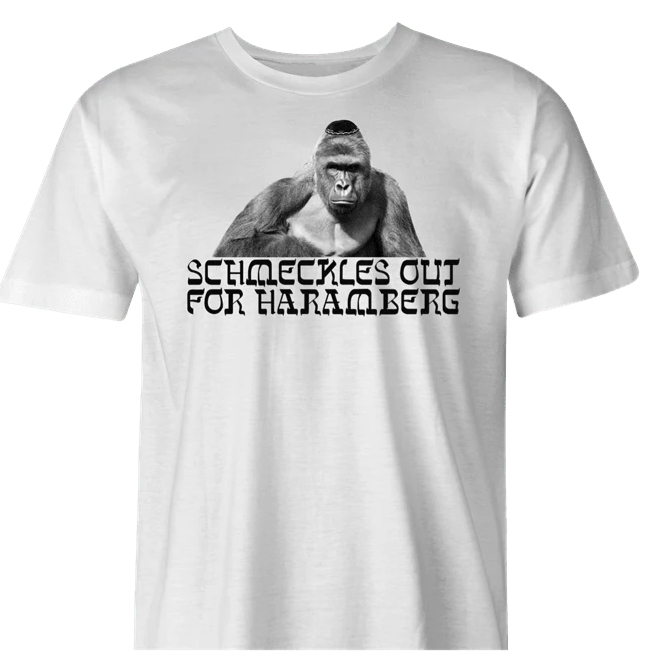
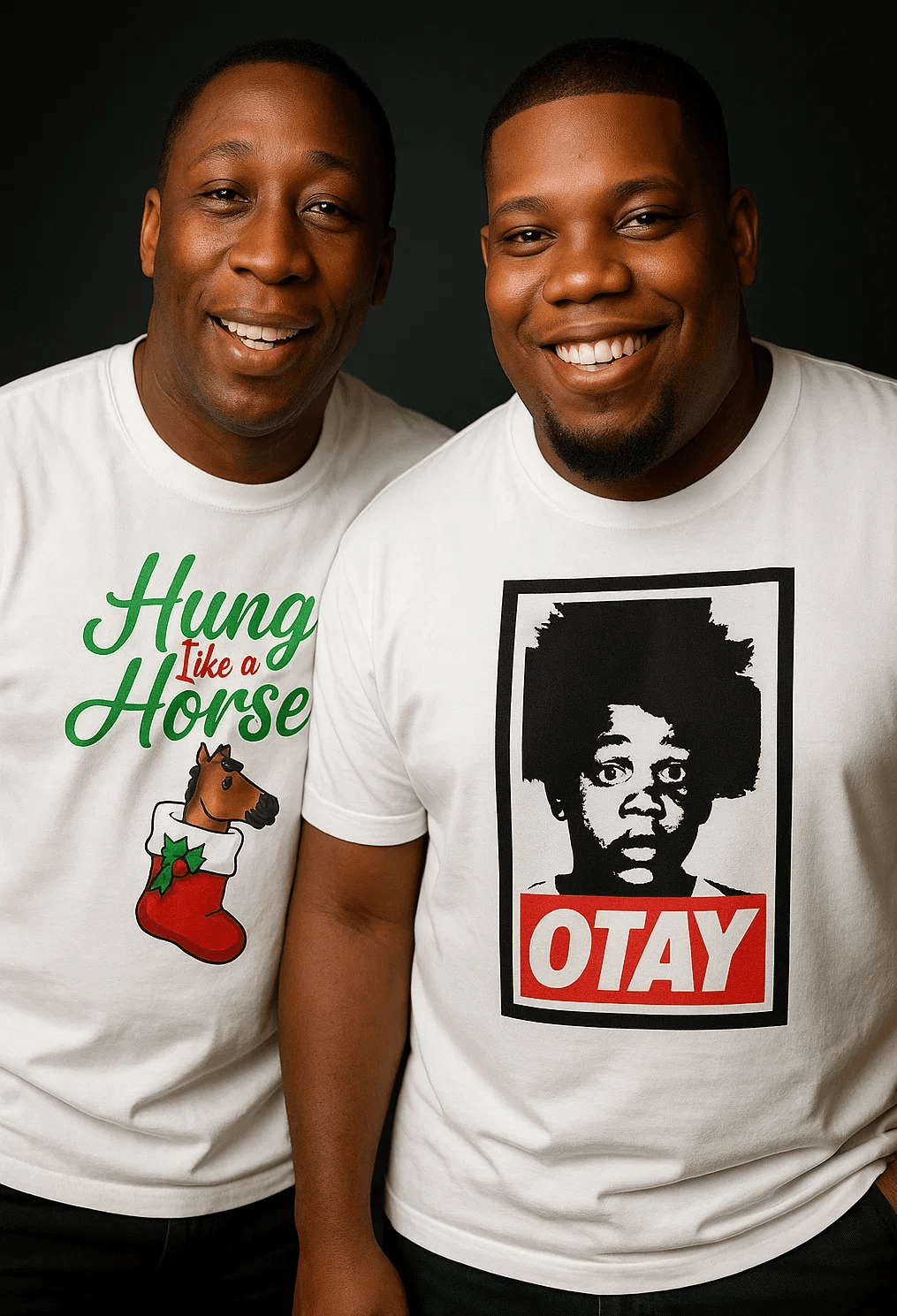
We both grew up hustling in the west side low rises – legally, mostly – juggling side gigs and dodging dead-end jobs. One night, while screen-printing custom tees in Aaron’s Marcy Projects garage for a cousin’s birthday, I slapped a design on the table: a cartoon of a man in a trench coat with the words “You Come at the King…” beneath it. Aaron grinned. “That’s hard,” I clearly remember him saying. We printed five more and sold them out in two hours.
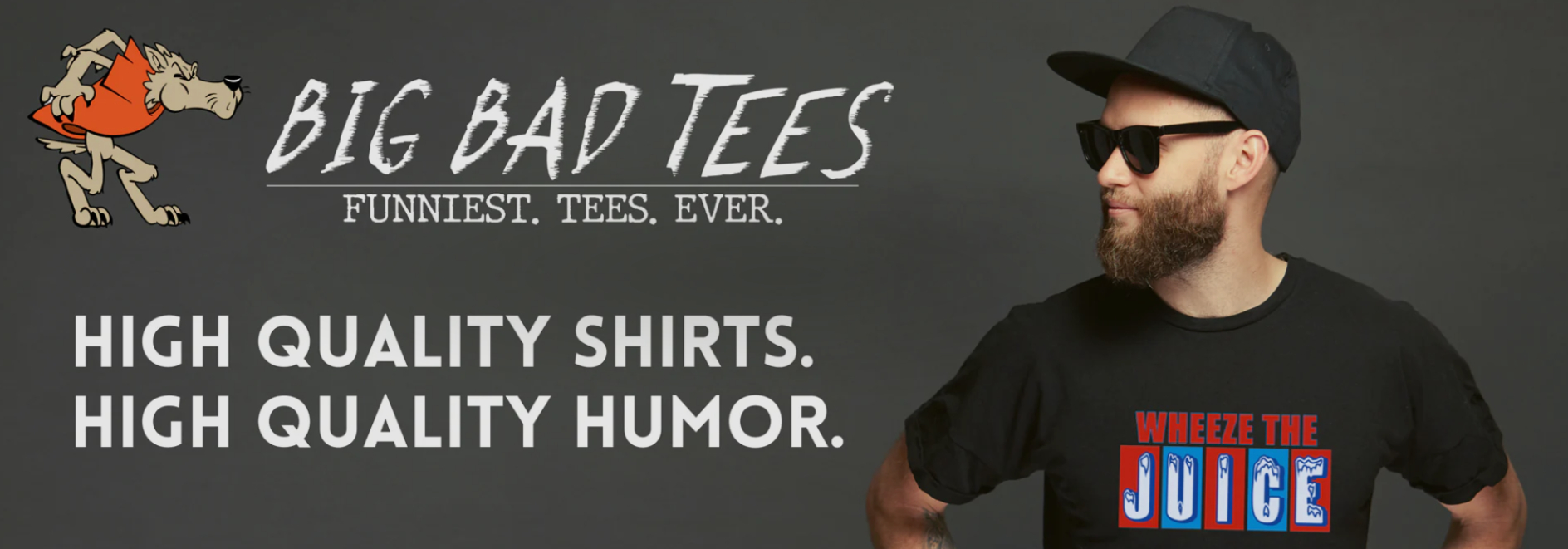
A week later, we were sketching out shirt concepts after work and testing designs using borrowed t-shirt screens from our friend who was already in the printing business, Melvin Wagstaff (everyone -including us- called him “Cheese”). We originally called the company “Big Bad Cheese” because Cheese was always taking a little off the top from us. But that name quickly morphed into what it is today: BIG BAD TEES! Our friend Anton Artis from D.C. had a moving company called BIG BROS. MOVING CO., so our name sounded legit (at least to us, it did!).
I had an eye for design creation while Aaron built the online store and handled fulfillment out of a makeshift setup behind our friend Butchie’s bar in the east end. We hired two close friends on a part-time basis – Chris Partlow and Clarence Royce (who to this this day, still help us a bit) and the business was officially born!
By year’s end, we’d moved into a shared warehouse with the help of an old classmate named Bodie Brodis (who I mentioned in our last Voyage Baltimore feature). Bodie and his partner Poot offered bulk shipping out of his cousin’s logistics setup. Now we had the delivery element of our business secured. Poot was instrumental in that. We couldn’t have scaled up without Poot.
And just like that, what started in a garage became a full-time grind. Big Bad Tees wasn’t just a t-shirt brand—it was West Baltimore on cotton!
Awesome – so before we get into the rest of our questions, can you briefly introduce yourself to our readers.
As I touched on in our last Voyage Baltimore feature, Aaron and I spent years working under the tutelage of Union Steward Frank Sobotka at the Port of Baltimore—loading freight, chasing overtime, and cracking jokes to survive the grind. One day, for no particular reason, Aaron doodled a cartoon of our favorite co-worker Beadie Russell with the caption: “Smells Like Overtime.” I laughed, turned the design into a t-shirt for Aaron’s birthday, and by the next shift, ten guys wanted one.
That simple little joke sparked the creation of Big Bad Tees—a t-shirt brand built from busted backs and inside jokes. As I mentioned, we printed designs out of Aaron’s garage: “Forklift Certified & Emotionally Dead,” “Union Made, Emotionally Unavailable.” What started as Baltimore dock humor spread fast—warehouse workers, HVAC techs, even nurses wanted in.
With the screen printer that we borrowed from our pal Cheese, a basic website, Poot’s logistical know-how, and pure overall hustle, orders grew. New designs led to online drops. Within a year, we left the port behind and ran a full-time business.
Now it’s cotton instead of cargo—but the grit’s still the same.
Learning and unlearning are both critical parts of growth – can you share a story of a time when you had to unlearn a lesson?
One lesson Aaron and I had to UNLEARN was this: Hard work alone is enough!
On the docks, breaking your back earned respect. Sweat equaled value. But once we started Big Bad Tees, we realized hustle wasn’t enough—you had to work smart. At first, we tried doing everything manually: printing, packing, even answering every DM. It burned us out. Leveraging the knowledge and know-how of Cheese, Poot, and Anton Artis was instrumental.
We had to unlearn the belief that grinding harder always meant getting further. The truth was: delegating, automating, and thinking strategically was more valuable than just working more hours. Once we shifted from a laborer mentality to that of an entrepreneur, the business finally took off.
We’d love to hear about how you keep in touch with clients.
Even after Big Bad Tees blew up, Aaron and I stayed hands-on. Aaron replied to every email with a joke, while I handwrote thank-you notes on packing slips.
We built “The Breakroom,” a private Facebook group where fans shared work memes, t-shirt ideas, and other funny stories. It felt more like a union hall than a brand page.
We launched a monthly contest where fans submitted work stories—winners got their quote turned into a shirt. One favorite: “Hot Water, Cold Heart” was from a disgruntled plumber in Ohio.
We started showing back up to our old union halls, sent free shirts to laid-off workers, and treated customers like coworkers.
To us, this wasn’t just a hustle—our customers are our crew!
Contact Info:
- Website: https://bigbadtees.com/
- Instagram: https://www.instagram.com/bigbadtees