



We were lucky to catch up with Paul Morris recently and have shared our conversation below.
Alright, Paul thanks for taking the time to share your stories and insights with us today. How did you learn to do what you do? Knowing what you know now, what could you have done to speed up your learning process? What skills do you think were most essential? What obstacles stood in the way of learning more?
I was lucky enough to have teachers at school notice at a very early age that I had a higher developed musicality than the kids around me. They convinced my mother that I take extra music classes, and I was also lucky to have a teacher that was very invested into getting me to sing. So my first tip would be to make sure you’re learning from someone with more experience so they can give you corrections and feedback.
Further, it’s a lot of hours you need to put in yourself. The practical thing about singing is that you do not need any external objects to be able to practice. It’s not an instrument you have to pick up and tune before. Of course, warming up is important, but in theory you can sing anywhere at anytime.
Looking back, I think I would have tried to get into a conservatory at a much earlier age.
I would have loved to be able to speak the language of musicians and be able to name chords instantly. Also, I would have made sure I stayed in piano classes. Being able to accompany yourself as a singer is such an added value.
But in general I’m very happy with my learning curve.
I was never too shy to make volume, which I believe is one of the reasons I have such a strong voice nowadays, so I think some tips of mine would be:
– Learn to be comfortable making sound and making (many) mistakes when singing your favorite songs (how to get comfortable: repeat, repeat, repeat)
– Get comfortable with the sound of your own voice in recordings (repeat, repeat, repeat)
– Find singers who’s sound resonates with you and who you’d like to sound like
– Get into music theory classes
– Find teachers who make you feel comfortable with trying out new things and making mistakes as you learn the craft
– Sing while moving (running, biking) to work on your breath
– Sing for friends, family and strangers to get comfortable singing for an audience
– Try different styles out to see what elements you would like to add to your own sound
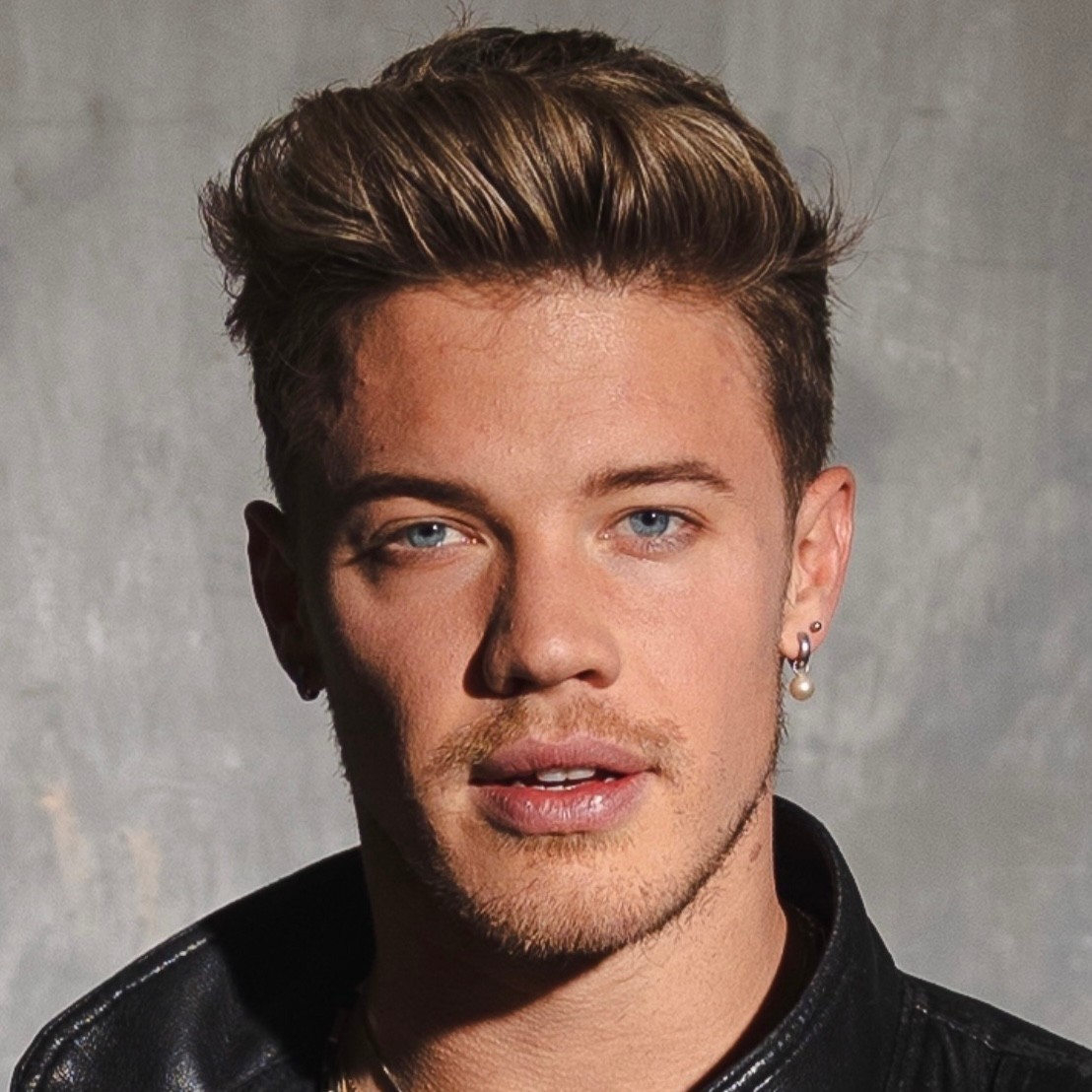
As always, we appreciate you sharing your insights and we’ve got a few more questions for you, but before we get to all of that can you take a minute to introduce yourself and give our readers some of your back background and context?
As I mentioned in the previous question, my kindergarten teachers heard I had a further developed musicality and convinced my mother to put me into extra music and singing lessons. I sang throughout elementary, middle and high school with Maria Fernanda Pereda and Marian Pernia in the school choir, school performances, school holiday specials, different events, accompanied by musicians, learning to accompany myself, etc.
At the age of 18, in 2012, I moved to the Netherlands to apply for the conservatory, and I ended up studying Musical Theater.
Here I came into contact with classical singing, jazz, swing, but also pop, folk, disco, latin and musical theater repertoire.
After graduating I did 1,5 years of musical theater productions (Fame, Grease and Jesus Christ Superstar), a nationally televised talent program called DanceSing and since then I decided I wanted to focus on my solo career as a pop artist.
For 3 years I wrote and performed latin pop and reggaeton.
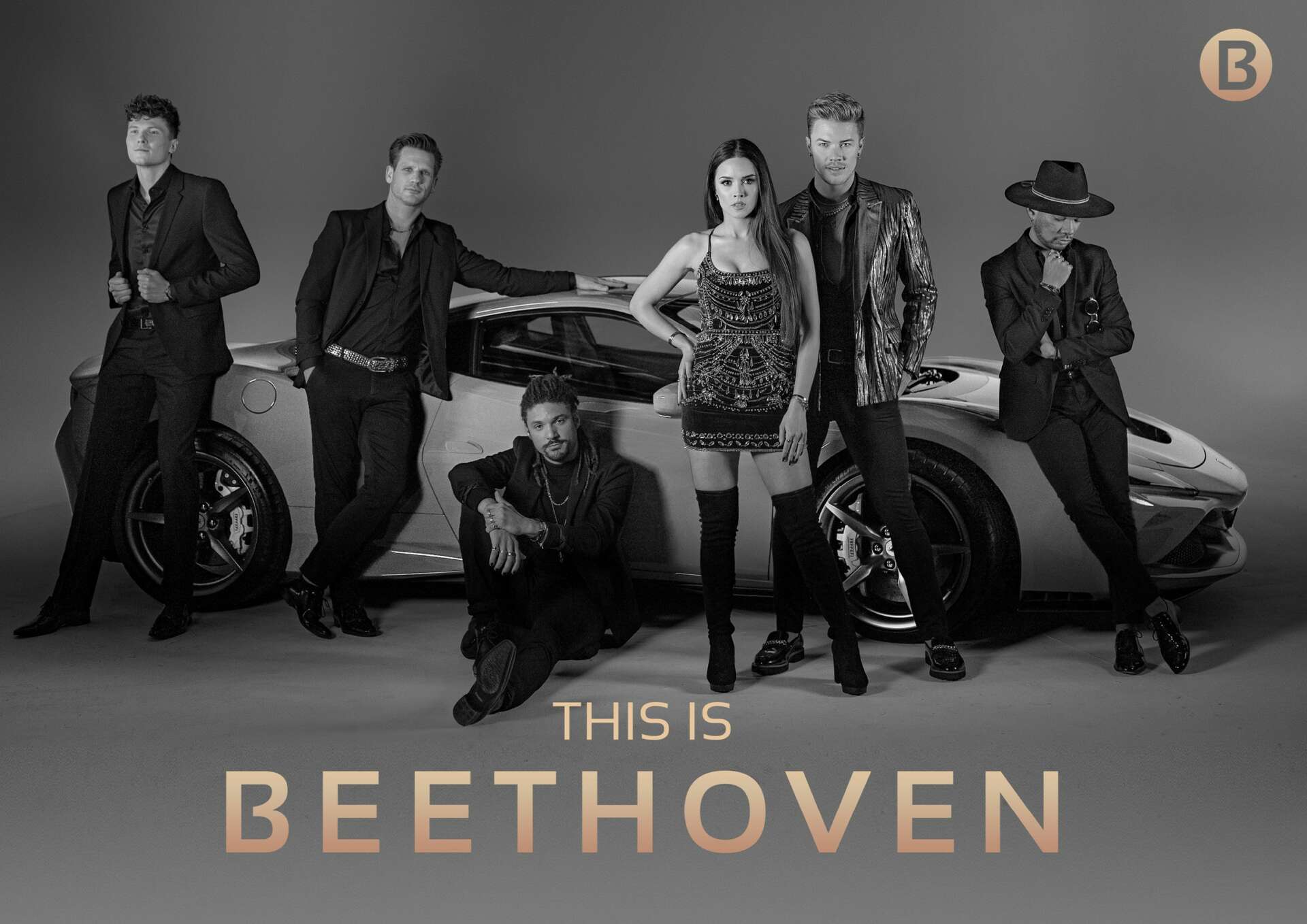
During COVID I worked as a singer at a dinner-show called Lío in Mykonos, Greece. Here I was reminded of my love for different genres and when I got back to the Netherlands I started to work as a lead singer for 2 coverbands: This Is Beethoven (Corporates and Festivals in The Netherlands) and Inspiration (Weddings and Corporates in Europe and Worldwide).
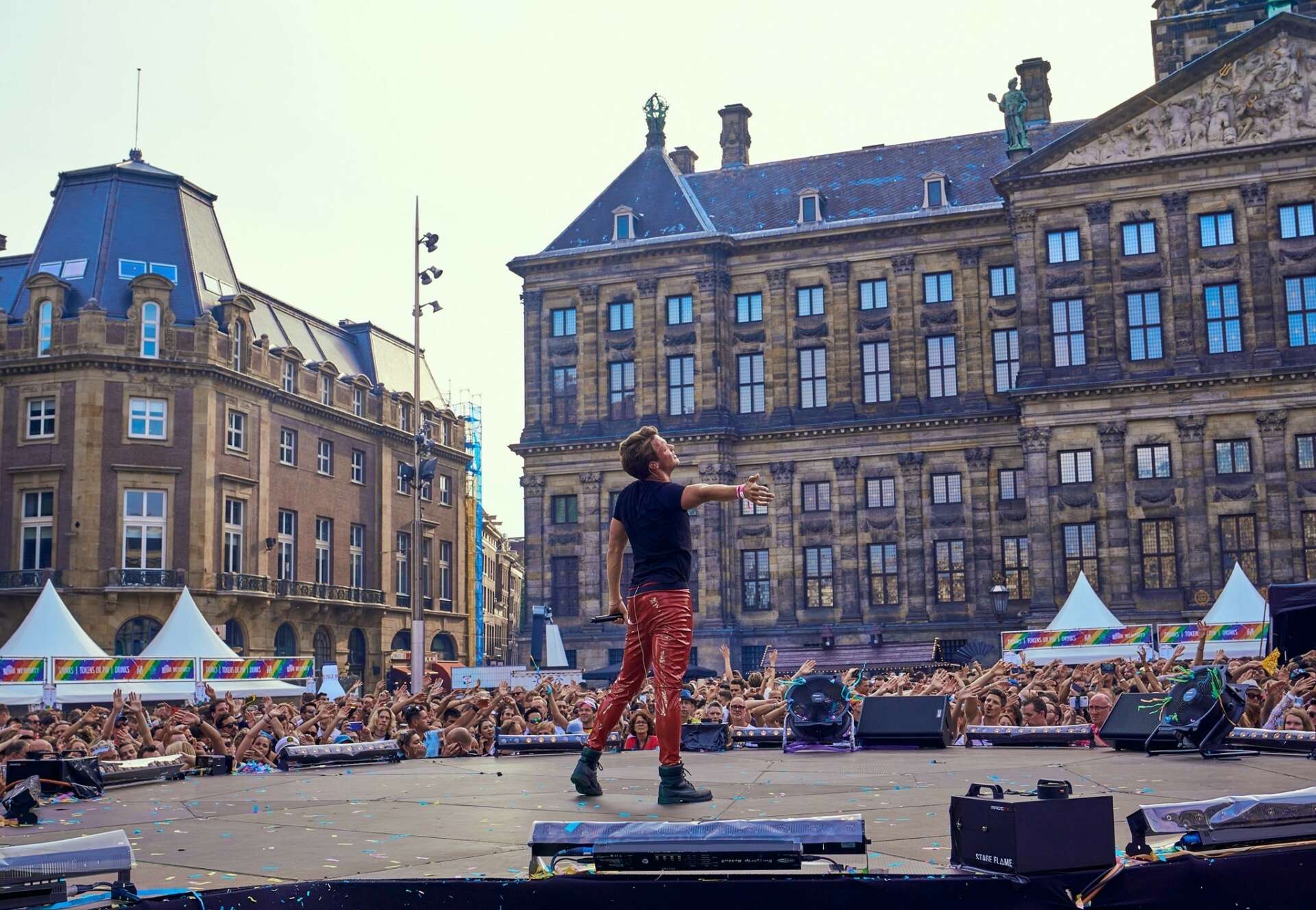
In the meantime I have been working on my own music and this year, 2022, my song Hide My Love was chosen to be the anthem of Pride Amsterdam.
This is one of my biggest, most important works up till now which I am the most proud of.
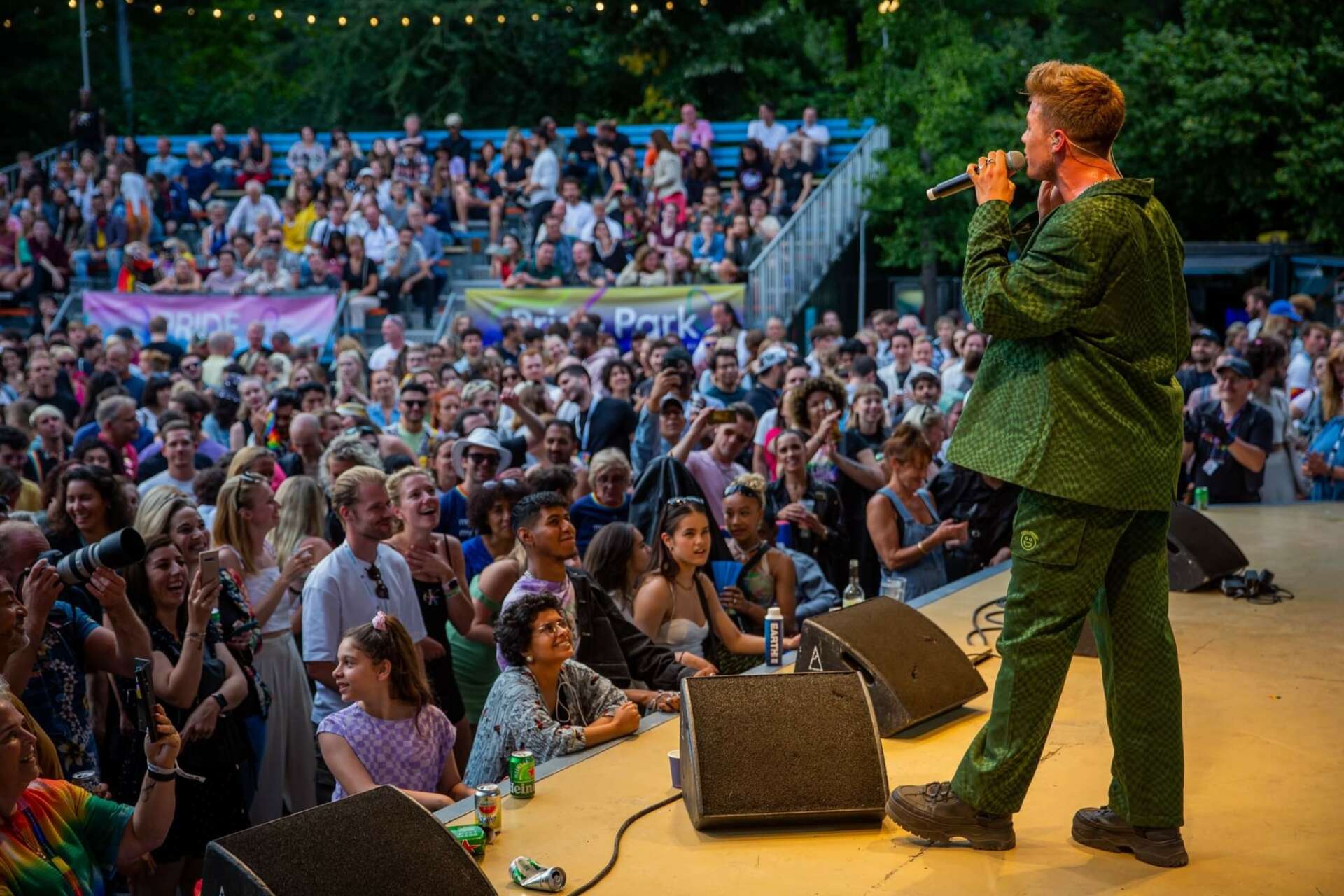
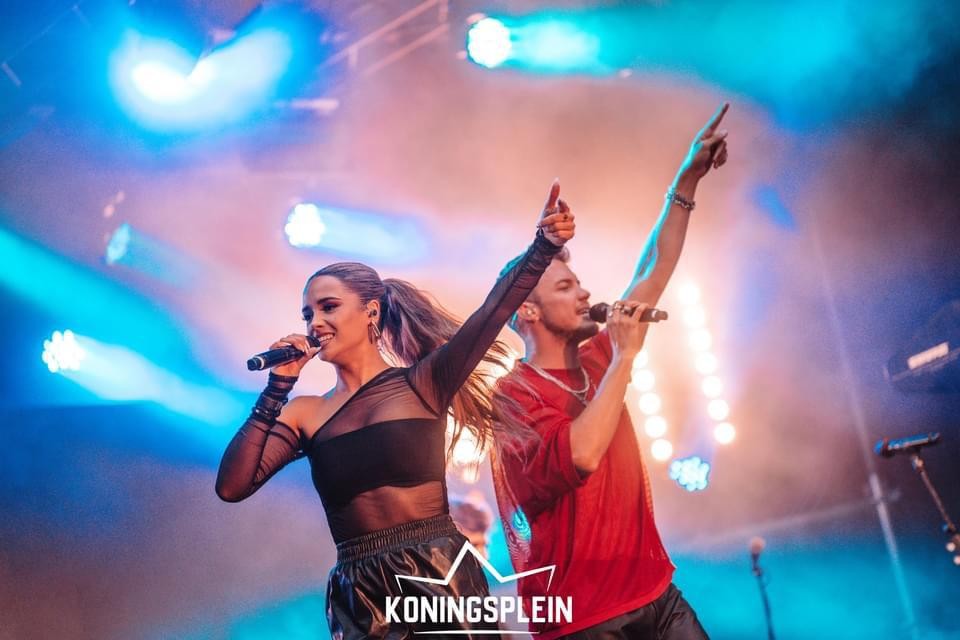
I think what sets me apart from other singers is my versatility in genres, my meticulousness when singing in other languages, my high energy on stage and the way I always look for connection with the audience.
My goal with my project Paul Morris is to be able to perform my own music at venues all around the world.


Have you ever had to pivot?
I was planning to move to London after having played in 3 musicals in Germany because I wanted to live somewhere where it was more challenging. I auditioned for The Book Of Mormon and had the highest hopes that I was going to get it.
In the end I didn’t, and I had no Plan B.
So I decided I was going to focus on my own career, my own platform as a freelance singer.
Before that I had convinced myself during university that I was going to be a musical star, and I’m actually very happy I didn’t get The Book Of Mormon because I’m not sure if I would have focused on my own music if I had.

Any resources you can share with us that might be helpful to other creatives?
I wish I had known there were also schools in the Netherlands that were more specialized in becoming your own artist. I was very fixated on having the skills of a musical theater performer because I wanted to be able to perform like a pop star, but I hadn’t really invested much time in the songwriting/concept-forming part of it. I am trying to “catch-up” on that now, but I wish I had done that before.
Contact Info:
- Website: www.itspaulmorris.com
- Instagram: www.instagram.com/itspaulmorris
- Facebook: facebook.com/itspaulmorris
- Twitter: https://twitter.com/paulmorriswienk
- Youtube: https://www.youtube.com/c/PaulMorris