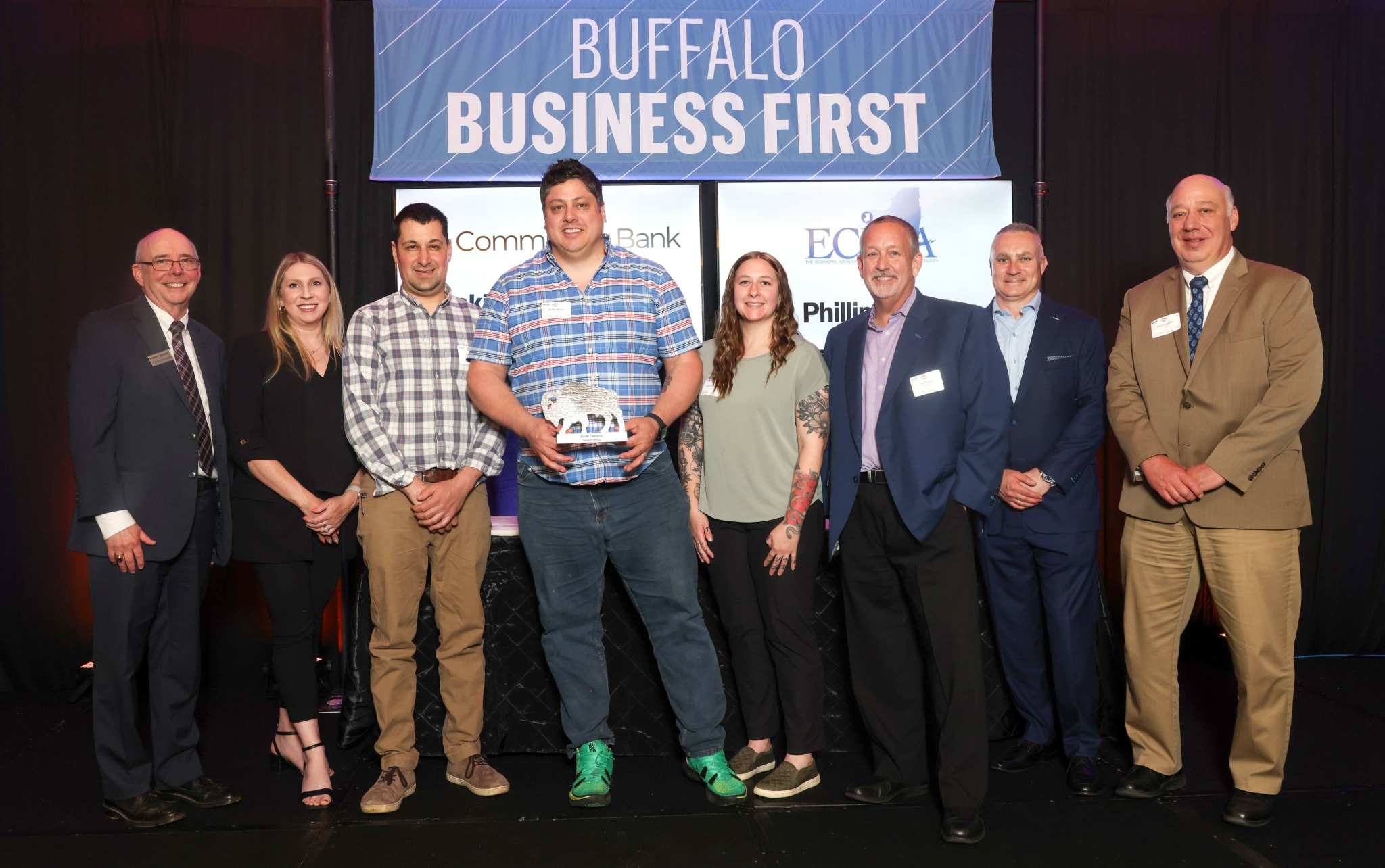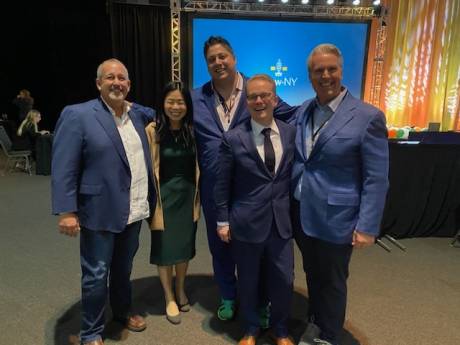

We were lucky to catch up with Paul Guglielmo recently and have shared our conversation below.
Alright, Paul thanks for taking the time to share your stories and insights with us today. Often outsiders look at a successful business and think it became a success overnight. Even media and especially movies love to gloss over nitty, gritty details that went into that middle phase of your business – after you started but before you got to where you are today. In our experience, overnight success is usually the result of years of hard work laying the foundation for success, but unfortunately, it’s exactly this part of the story that most of the media ignores. Can you talk to us about your scaling up story – what are some of the nitty, gritty details folks should know about?
We were amateurs, hand bottling every jar of sauce, and doing so slowly and inefficiently in a way that would probably never be profitable.. something needed to change.
There were 3 things that needed to happen to scale up:
1) A period of muscling the business: We didn’t have any fancy equipment in the early days. And thus, we would need to work harder to produce more. The existing crew and I needed to have the type of relationship where we would run through a wall for each other. They needed to work their tails off, and I needed to be right alongside them, doing every single thing I was asking them to do myself. As were started to see success, they deserved transparency into that success, and to know that a) they were being paid as much as I could possibly afford to pay them and b) any profit made was going to be invested back into the business to make their lives easier through automation..
2) Automation: As soon as we could afford it, we invested in a bottling line that would automate the pouring of jars so that it was no longer the employees’ main responsibility. The line would need to be able to do what the existing people were doing, but to do it better and faster. The existing people would then be dispersed to other parts of the production process to allow us to make more sauce (cooking, prepping, etc). Making more sauce, and filling the bottles faster, was a significant growth step for us. One problem, we were a rag tag group of sauce makers used to pouring into the jars by hand. We didn’t know how to run an automated bottling line, so we needed expertise
3) Expertise: We went out and made a big hire. We hired someone with 20+ years of experience in sauce manufacturing with one of the nation’s industry leading sauce making plants. Someone who would look at this bright new shiny bottling line we had just purchased and see it as child’s play (we, meanwhile, thought it was the most complex piece of machinery ever invented.. it wasn’t). When he joined us, our efficiency went through the roof, and we exploded.
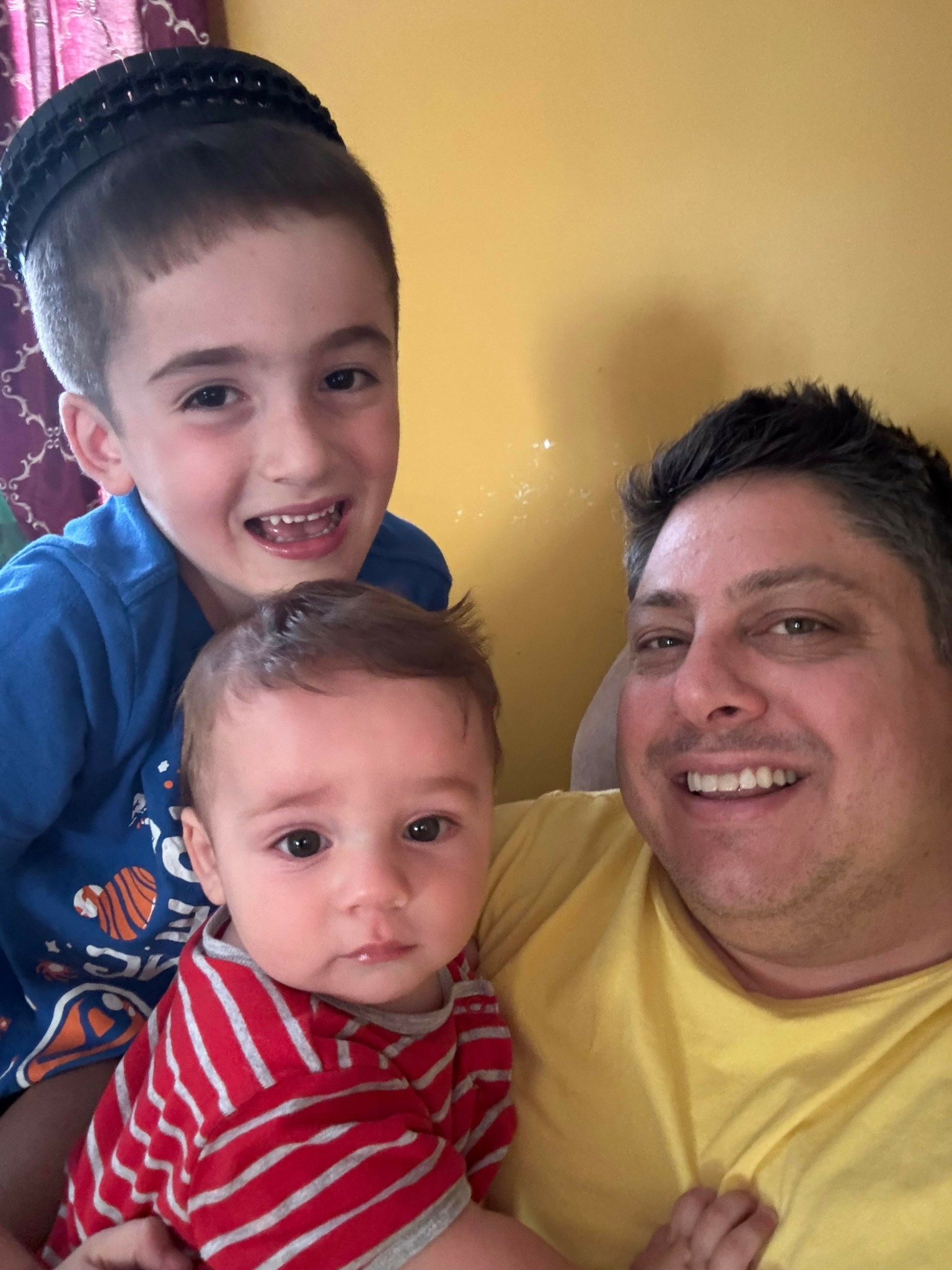
As always, we appreciate you sharing your insights and we’ve got a few more questions for you, but before we get to all of that can you take a minute to introduce yourself and give our readers some of your back background and context?
My name is Pauly Guglielmo and I have been trying to start businesses my entire life. I started a basketball league fresh out of high school.. a wedding DJ business in my early 20s.. and eventually founded a pasta sauce brand (and later manufacturing facility to make the sauce).
As much as entrepreneurship has always been in my blood, I didn’t actually think that it wasn’t a realistic option for me, So, I found something I loved doing.. radio.
I worked for Clear Channel Radio / iHeartMedia for 15 years working my way through many different on-air roles, producer roles, and even some music / assistant program director roles. My favorite and most significant role was a 10 year stint as Executive Producer, and later EP/Co-Host, of the famed Brother Wease Show, an iconic morning show in Rochester, NY. I spent 10 years laughing, learning, and crying with the audience and I’ll never forget that special time.
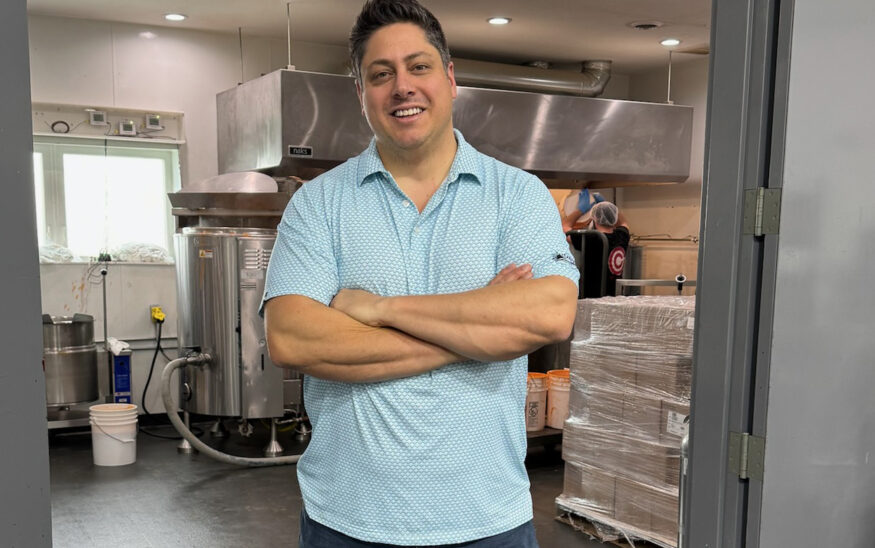
While there, I started a side hustle, which quickly became a small business, bottling my grandfather’s pasta sauce. This started as farmer’s markets & arts festivals on the weekends and has slowly transitioned into running a full time production facility with almost 20 employees and making sauce daily.
We fill a niche in manufacturing. There are many very good industrial sized contract manufacturers making sauces across the country. However, they have a hindering barrier of entry that makes start-ups and local businesses unable to use their services. We dramatically lowered the barrier of entry with a “No Minimum Order Quantity” business model that has led us where we are today.
Let’s talk about resilience next – do you have a story you can share with us?
Just over 30 days into pivoting our business into manufacturing, I found myself sitting in my car, sobbing, as I looked at the bank account balance. We weren’t going to make it..
I had come into manufacturing after successfully running a very small micro business and having very little cash flow issues. Now, manufacturing, the bills were bigger and they were more frequent.
Naively, I accepted vendors’ terms at Net 15, Net 10, Net 5, or even worse.. COD.
Even more naively, I allowed my customers to have Net 30 terms. And found it very difficult and uncomfortable to bother them when there were late.
This was a recipe for a cash flow disaster.
So after sobbing, I called my customers and offered them all 2% discounts to pay faster, letting the know that “they” were also going to be requiring Net 15 terms going forward (there was no “they”, I was just pretending I had some corporate overlord forcing this on me as I didn’t have backbone yet).
Then, I called my suppliers and once again referenced “they” as having told me that I needed to call all suppliers and let them know that our company policy was to pay Net 30.
Not every customer and vendor obliged, but enough did that I got out of that cash flow nightmare situation and was able to turn a corner.
What’s a lesson you had to unlearn and what’s the backstory?
When you first start a business, like on day one, you do everything. It’s called “muscling the business” and it’s totally necessary.
But, if it works, and you grow, there’s a problem.
You have arrived at a time in the business when you need to hire, and thus, you need to become a leader, and that is a skillset that you were not required to have up until this point. So, can you do it?
Leading is the hardest professional thing I have ever had to do. It is a work in progress, and I’m still not, nor will I ever, going to claim that I have it all figured out.
But, there is one thing I thought I was doing right that I was most certainly doing wrong..
I wanted to be an “easy” and “cool” boss. So I gave my employees a ton of autonomy. I expected them to be self starters, and I most certainly didn’t give them Standard Operating Procedures to go by as I just assumed they’d rather figure it out for themselves.
What I learned was 2 things:
1) For about 95% of the folks I hired, that was the wrong way to manage them. They did not want to “guess” what I was expecting, they just wanted to be told what to do. They begged me for clarity and feedback.
2) The 5% of folks who are truly self starters and thrive in that environment are very special employees and need to be rewarded and protected at all costs
Contact Info:
- Website: https://www.craftcannery.com/
- Instagram: https://www.instagram.com/googs0105/?hl=en
- Facebook: https://www.facebook.com/paul.guglielmo.7/
- Linkedin: https://www.linkedin.com/in/paul-guglielmo-3504531a9
- Twitter: https://x.com/CraftCannery
- Youtube: https://www.youtube.com/watch?v=MYuGojndzd8
- Other: Podcast –> https://podcasts.apple.com/us/podcast/pauly-guglielmo-show/id1511352858