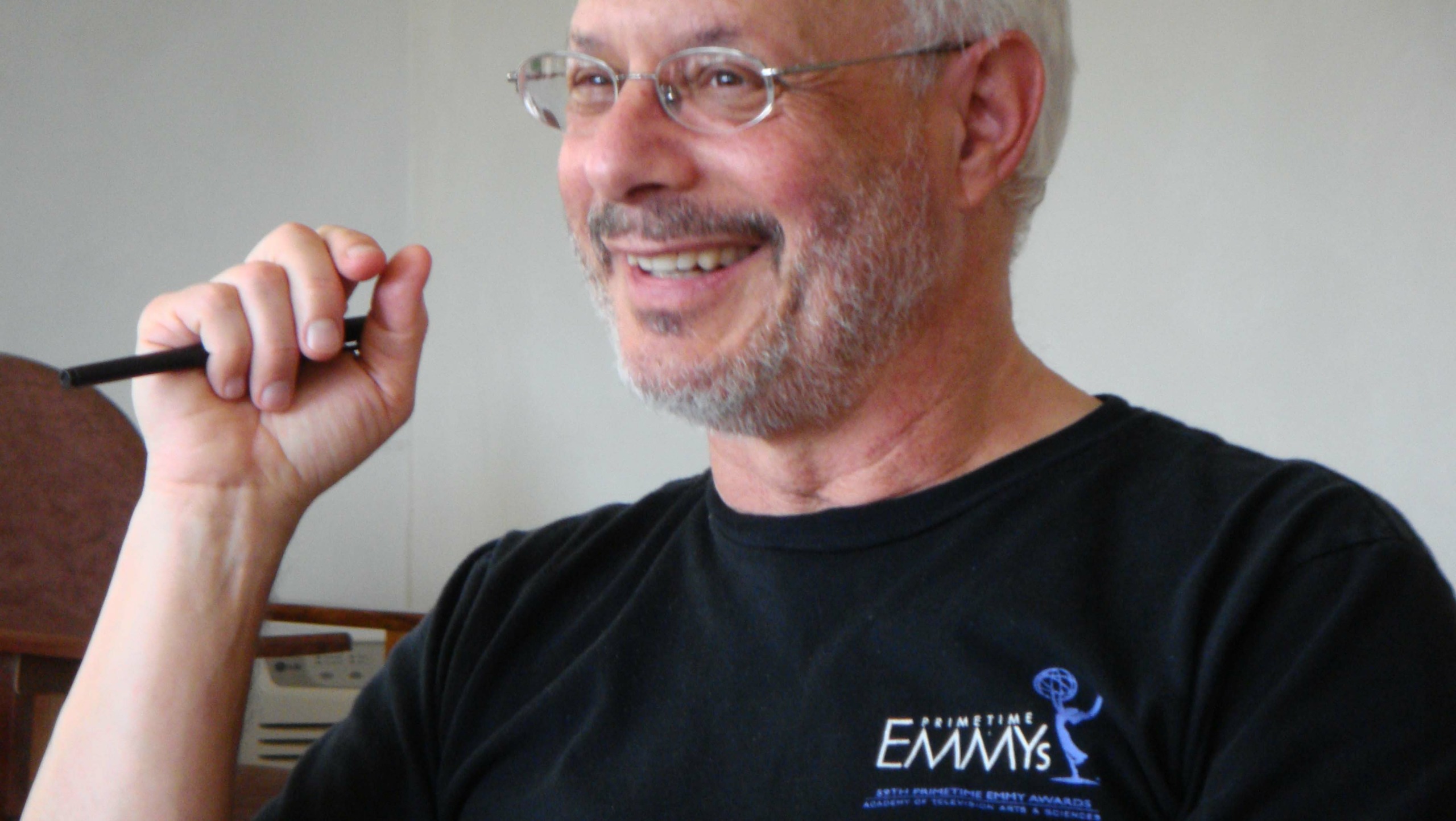

We caught up with the brilliant and insightful Paul Chitlik a few weeks ago and have shared our conversation below.
Paul, thanks for taking the time to share your stories with us today What do you think matters most in terms of achieving success?
In the past I’ve said that one of the most important qualities a writer must have to succeed is persistence. I still believe that. Talent might get you noticed, luck will help you, but you won’t have a career without persistently striving, especially when you get rejected, and as a writer, you will get rejected often. But the other necessary trait is adaptability. You have to be willing, in writing for film and television, to write in another writer’s style or in a genre that you’re not used to. I worked as a story editor on The Twilight Zone in the 1980s. It was a great experience. Lots of creative opportunities. Met lots of people. When that job ended (having filled their syndication quota), I worked in comedy again. But the studio executive from MGM who had worked with me on The Twilight Zone called me up one day and asked me to work on Real Stories of the Highway Patrol. Verrry different kind of work. But I took it and worked on 265 episodes! Sometimes you have to go with the flow.
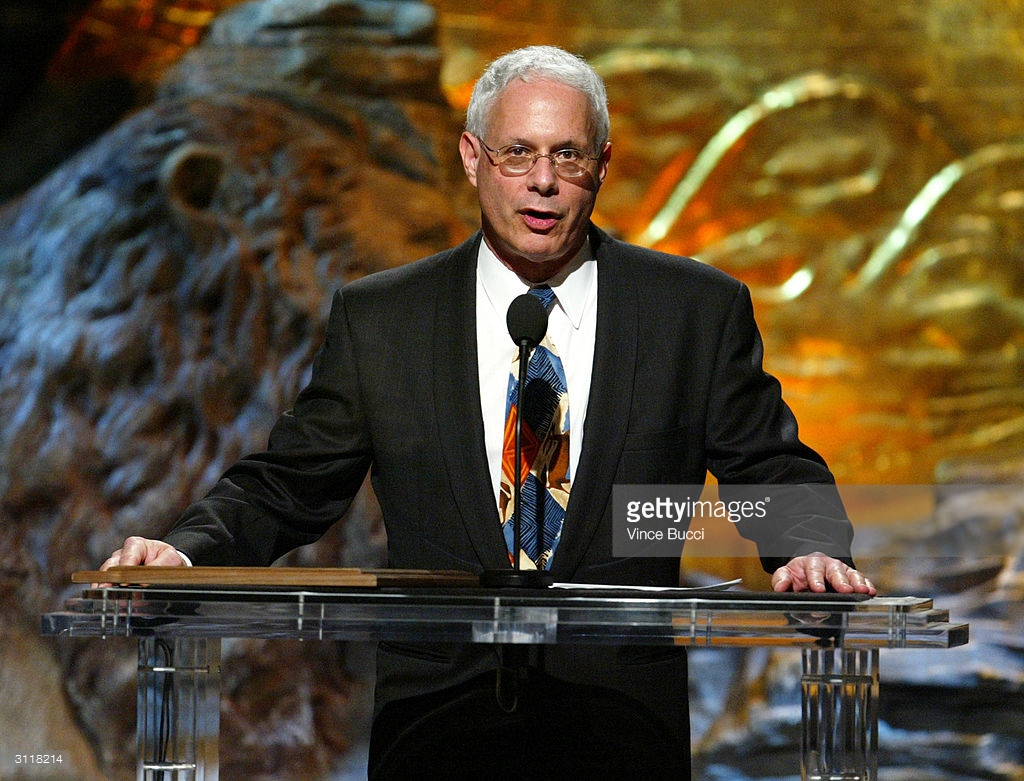
Paul, love having you share your insights with us. Before we ask you more questions, maybe you can take a moment to introduce yourself to our readers who might have missed our earlier conversations?
I’d wanted to write novels from the time I graduated from college, but I had to take a ton of odd jobs while learning my craft – everything from cleaning houses to working as a baker to translating novels (I had learned Spanish while studying in Madrid). I lived in Europe for five years ending up working for a news agency as a reporter. When I decided to return to the US, I had to work as a translator until I got a job teaching English as a second language. In that capacity at a community college, I eventually became an administrator overseeing the curriculum in the Indo-Chinese Refugee Assistance Program. One day, substituting for one of my instructors, a little voice in my head said, “This is not the plan.” I decided to get back into writing, worked until the end of the semester, then started writing spec scripts for television (a spec script is a sample you write of a current show to demonstrate your talent). I also wrote a one act play called “Casanova Goldberg,” which featured an older man who falls in love with a much younger woman, but ends up not pursuing her so as not to jeopardize her career. It really hit home with the agent I sent it to as he was in his seventies dating a woman fifty years younger! Luck. He got me my first paying job in television. Staying in television is just as hard as getting into television, and it takes making contacts, writing, and working with your agent constantly. Sometimes, you just have to do it all yourself. My writing partner and I had written an episode of The Twilight Zone for CBS. When the show was going into syndication, I read about it in the LA Times. I decided to call up the executive producer myself – never done. He was receptive, had seen our episode, liked it, and practically hire us on the spot. Perseverance meets luck meets skill (he had liked our writing).
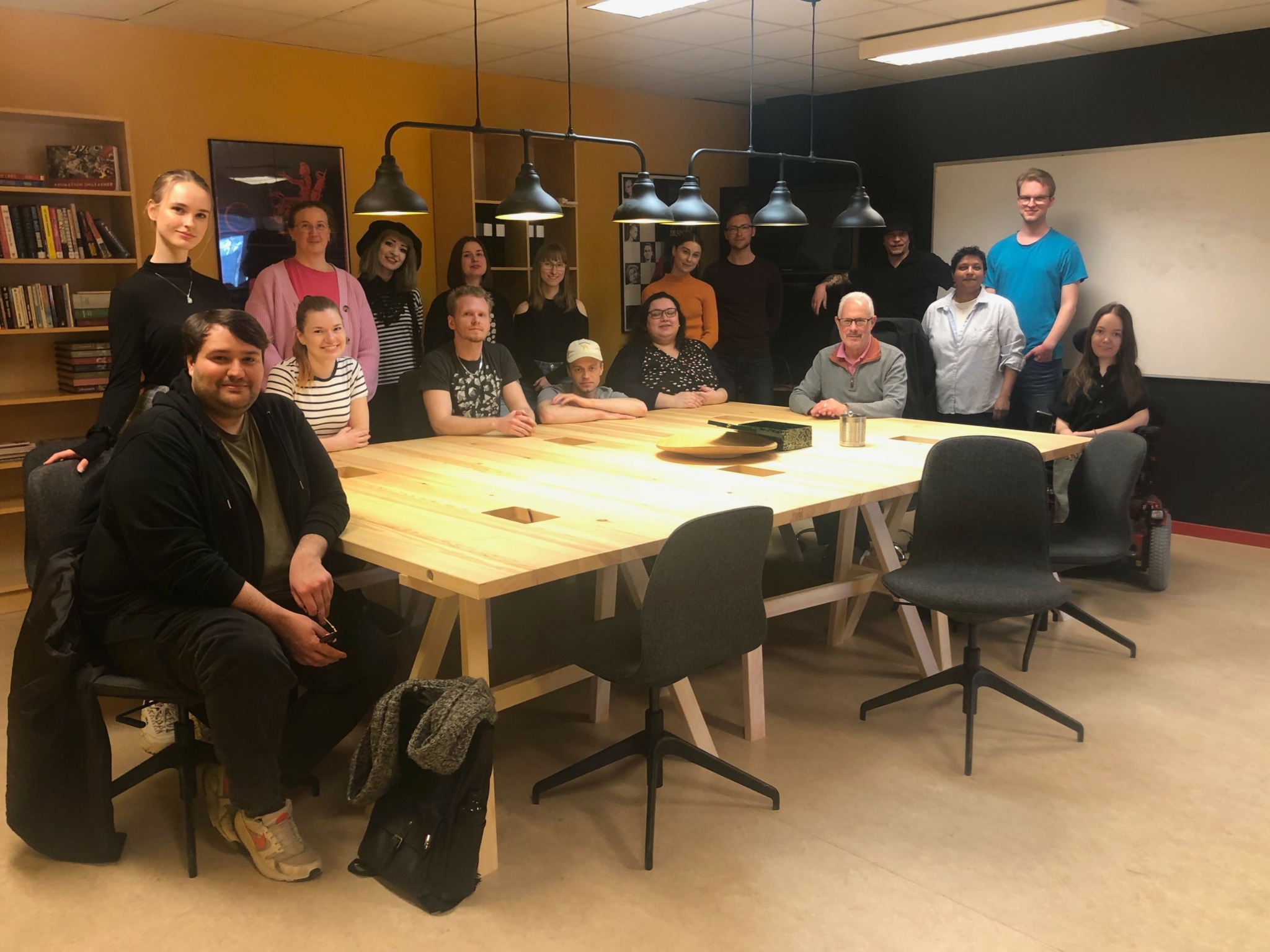
What do you think is the goal or mission that drives your creative journey?
Writers have one of three forces driving them – money, desire to entertain, and desire to change the world. I have all three. My latest book, “Lies, All Lies,” deals with a man who has forgotten who he is/was and has to decide if he still wants to be that person or a go in a new direction. He decides to go in a new direction, to reinvent himself, and to help others to reinvent themselves if they want to. I hope that readers will enjoy the book, that they will share it, and that they will examine their own lives and decide that they can make changes if they want to and then do it. Yes, I want to make the world a better place. Don’t you?

Have you ever had to pivot?
I have had several career pivots in my life. Sometimes you have to put your dreams aside and just make a living. And a writer’s life is typically up and down. During one of my down points, a friend asked me if I could take over teaching a course he was teaching at UCLA’s Professional Program in Screenwriting. I said yes. Before long I was also teaching in UCLA’s Extension Program in Screenwriting, and in UCLA’S MFA Program in Screenwriting. I found that I enjoyed the process of helping students (most mid-career in something else) develop their writing skills. Eventually I got a better offer from Loyola Marymount University where I became a clinical associate professor. I wrote two books on screenwriting and became known enough to consult and teach in Australia, Chile, Venezuela, Cuba, Mexico, Spain (Spanish did help), Italy, Sweden, and France. My third book on screenwriting, “The Screenwriting Sensei – A Guide to Writing Your First Script” comes out in September 2025. I retired from teaching three years ago, but since then I have written two books and begun a third. My daughter says I don’t know how to do retirement, and she’s right. When you work at something you are passionate about (writing), there’s no point in retiring.
Contact Info:
- Website: https://paulchitlik.com
- Instagram: @paulchitlik
- Facebook: Paul Chitlik, The Wedding Dress, MWP
- Linkedin: Paul Chitlik
- Twitter: @paulchitlik