

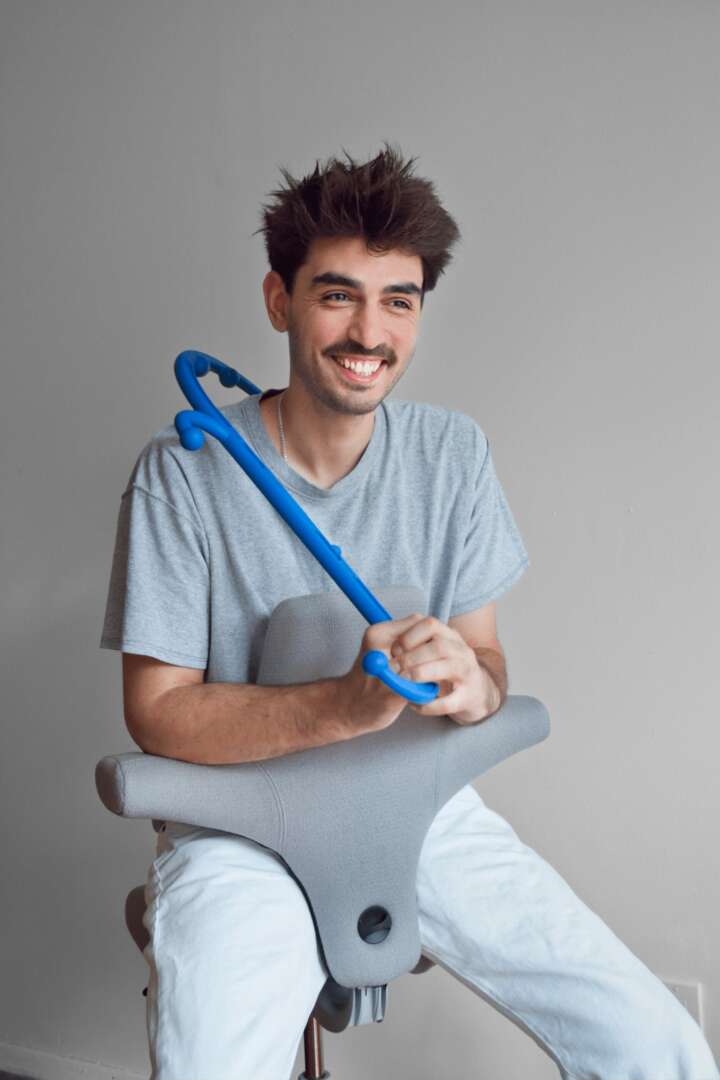

We were lucky to catch up with Paul Bille recently and have shared our conversation below.
Alright, Paul thanks for taking the time to share your stories and insights with us today. Let’s jump right into how you came up with the idea?
Growing up in a family of graphic designers, I was immersed in the world of visual communication from an early age. It wasn’t so much a question of whether I wanted to pursue this path, but rather if I didn’t want to. Design was always a natural part of my life, shaping my perspective and interests.
As I grew older, I found myself increasingly drawn to digital and computer culture, fascinated by its history and how it intertwines with art and design. I became particularly interested in exploring this intersection from both a user perspective and a technological standpoint. This dual interest led me to focus on working with artists who are at the forefront of shaping culture from the user’s viewpoint, as well as engaging with tech companies that influence culture from an infrastructural angle.
My journey took me from Germany to the Netherlands for my undergraduate studies, and then to the United States for graduate school. Each of these locations has played a significant role in shaping my approach to design. The Netherlands, in particular, had a profound impact on me. It’s where I encountered many interesting people who became friends and collaborators, and where I started writing about design and technology.
Moving to the U.S., specifically New York, was a deliberate choice to immerse myself in the epicenter of online culture. So much of our digital landscape has been imported from here, and my work often deals with internet culture, tech ideology, and their broader implications. Being in New York allows me to experience these phenomena firsthand, rather than just observing them through a screen.
I knew this was a worthwhile endeavor because I saw a gap between traditional graphic design and the rapidly evolving digital landscape. My background, combined with my interest in both the artistic and technological aspects of digital culture, positioned me uniquely to bridge this gap. I felt I could succeed by offering a perspective that understands both the creative, conceptual side of art and design, and the technical, infrastructural side of digital technology.
Paul, love having you share your insights with us. Before we ask you more questions, maybe you can take a moment to introduce yourself to our readers who might have missed our earlier conversations?
I’m Paul Bille, a multidisciplinary designer based in Brooklyn, New York. I provide a wide range of creative services, including website design, brand identities, printed matter, 3D rendered images, videos, and even furniture design. I also engage in more experimental formats like workshops, performances, and lectures. This diversity allows me to tackle complex, multifaceted projects that span both digital and physical realms.
What sets me apart is my focus on understanding and shaping digital culture. I solve problems for clients who need someone who understands the cultural and technological context of their work. For artists, I help translate their vision into the digital realm while maintaining the integrity of their artistic practice. For cultural institutions, I create digital experiences that resonate with contemporary audiences.
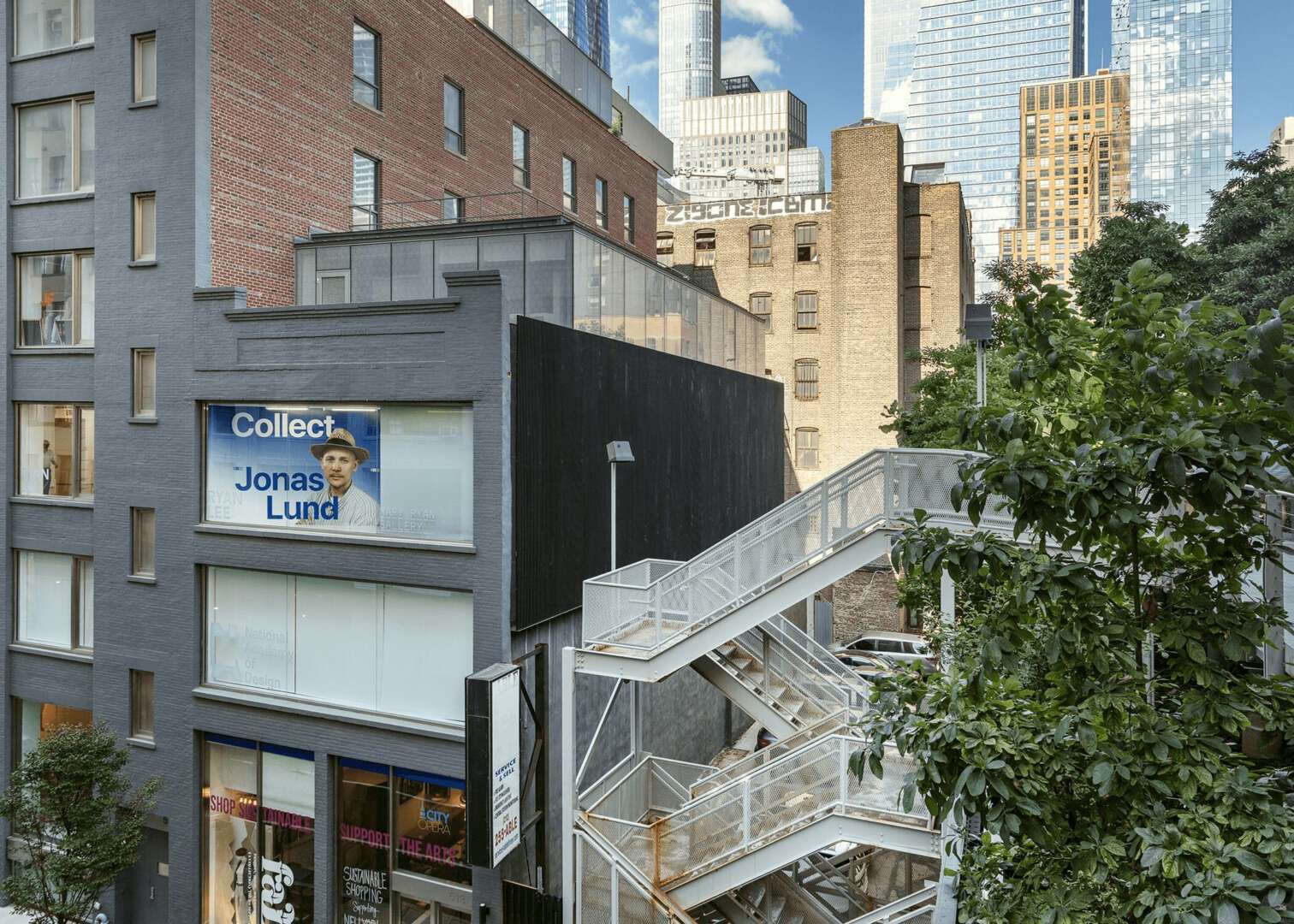
One of my proudest achievements has been my collaboration with Jonas Lund on projects like “Operation Earnest Voice” at The Photographers’ Gallery in London. This project, which simulated an online influencing agency aiming to reverse Brexit, showcases my ability to blend design, performance, and critical engagement with digital culture.
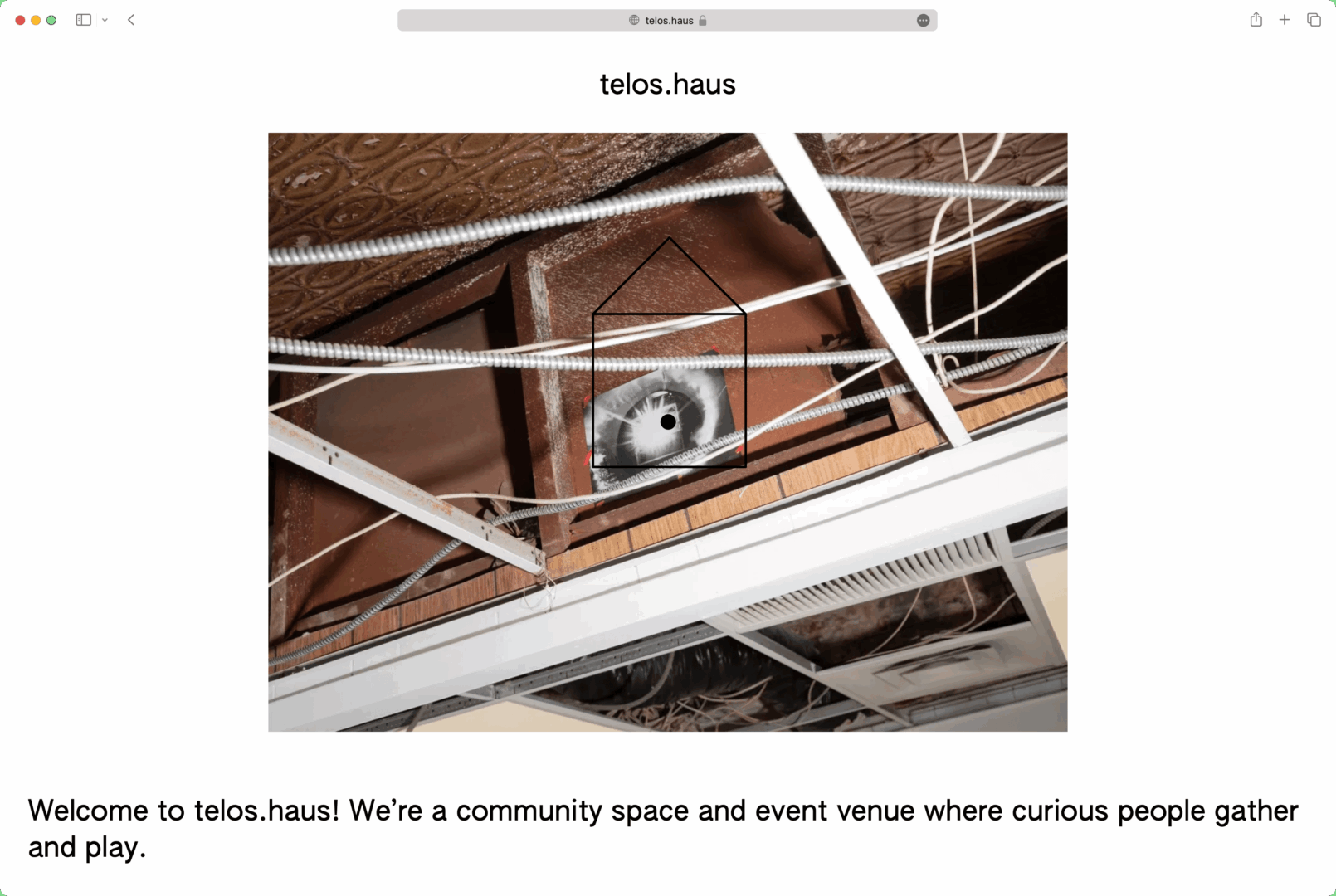
I’m also excited about my current role as Creative Director for telos.haus, a new community, art, and event space in Williamsburg, Brooklyn. This project allows me to apply my design skills to a physical space while fostering community engagement. We’re creating a dynamic environment that will host a variety of events, from cooking classes and music events to screenings and workshops, with a particular focus on the Asian American experience.
I approach each project with a deep understanding of both its creative and technical aspects. I’m not just creating visually appealing designs, but conceptually rich and technologically innovative work that pushes the boundaries of what design can be in the digital age.
How do you keep in touch with clients and foster brand loyalty?
As a designer working primarily with artists and cultural institutions, I believe that fostering strong relationships is key to maintaining client loyalty. My approach is based on open communication and genuine engagement with my clients’ work and ideas.
I make it a point to stay connected with clients even after a project is completed. This often involves following their work, attending their exhibitions or events when possible, and occasionally reaching out with thoughts or ideas that might be relevant to their practice. This ongoing engagement shows that I’m invested in their success beyond our immediate collaboration.
I also prioritize a collaborative approach in my work process. As I mentioned in my interview, my way of working is quite conversational, especially with artists. I start by thoroughly familiarizing myself with their work, reading their interviews, and understanding their vision. This deep engagement allows me to provide design solutions that truly resonate with their artistic practice, which in turn fosters trust and loyalty.
Additionally, I use digital platforms to maintain visibility and share insights. I occasionally publish writings on the Institute of Network Cultures blog, which helps keep me connected with the broader design and digital culture community. This not only keeps me in touch with existing clients but also attracts new ones who resonate with my approach.
For you, what’s the most rewarding aspect of being a creative?
The most rewarding aspects of being a creative for me are the trust that clients and collaborators place in my work, and the opportunity to work closely with people from so many different backgrounds. I find it deeply fulfilling to build relationships, understand their cultural references, and use that understanding to bring their vision to life through design. This collaborative process not only benefits the work but often leads to connections that go beyond the project itself.
Contact Info:
- Website: https://paulbille.com/
- Instagram: @paulbilledotcom
- Other: https://www.are.na/paul-bille/index
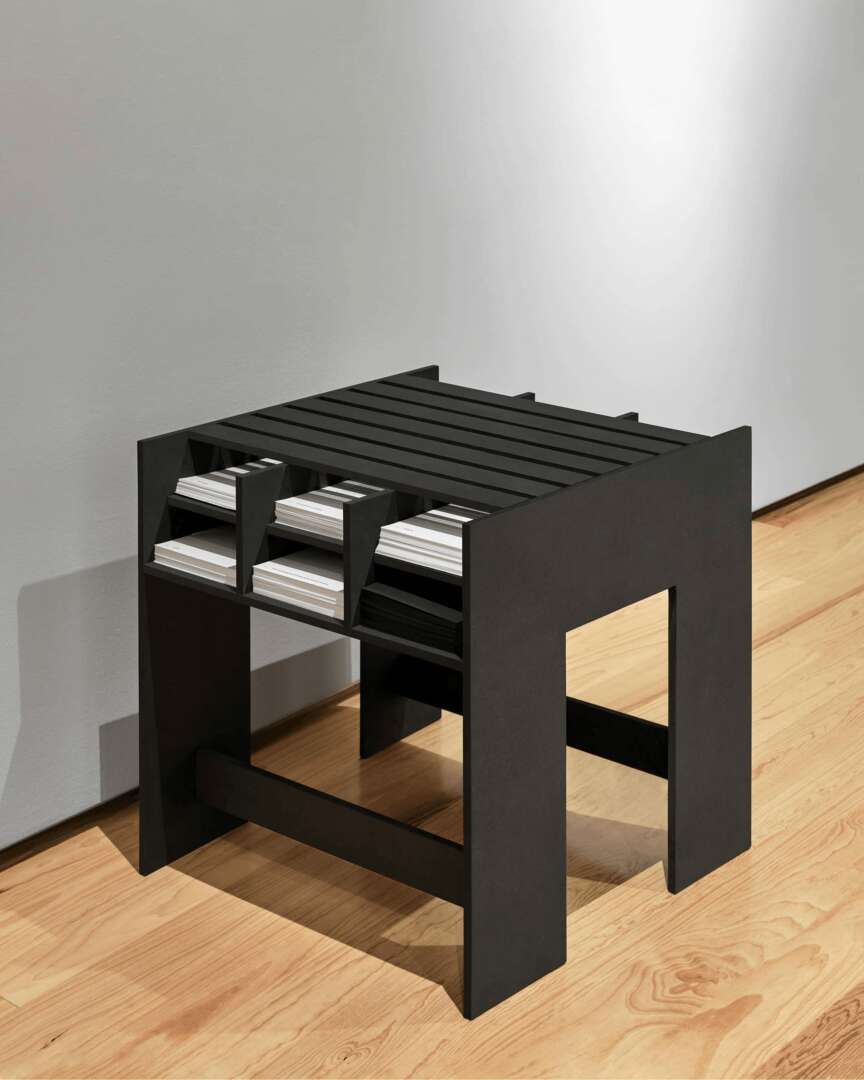
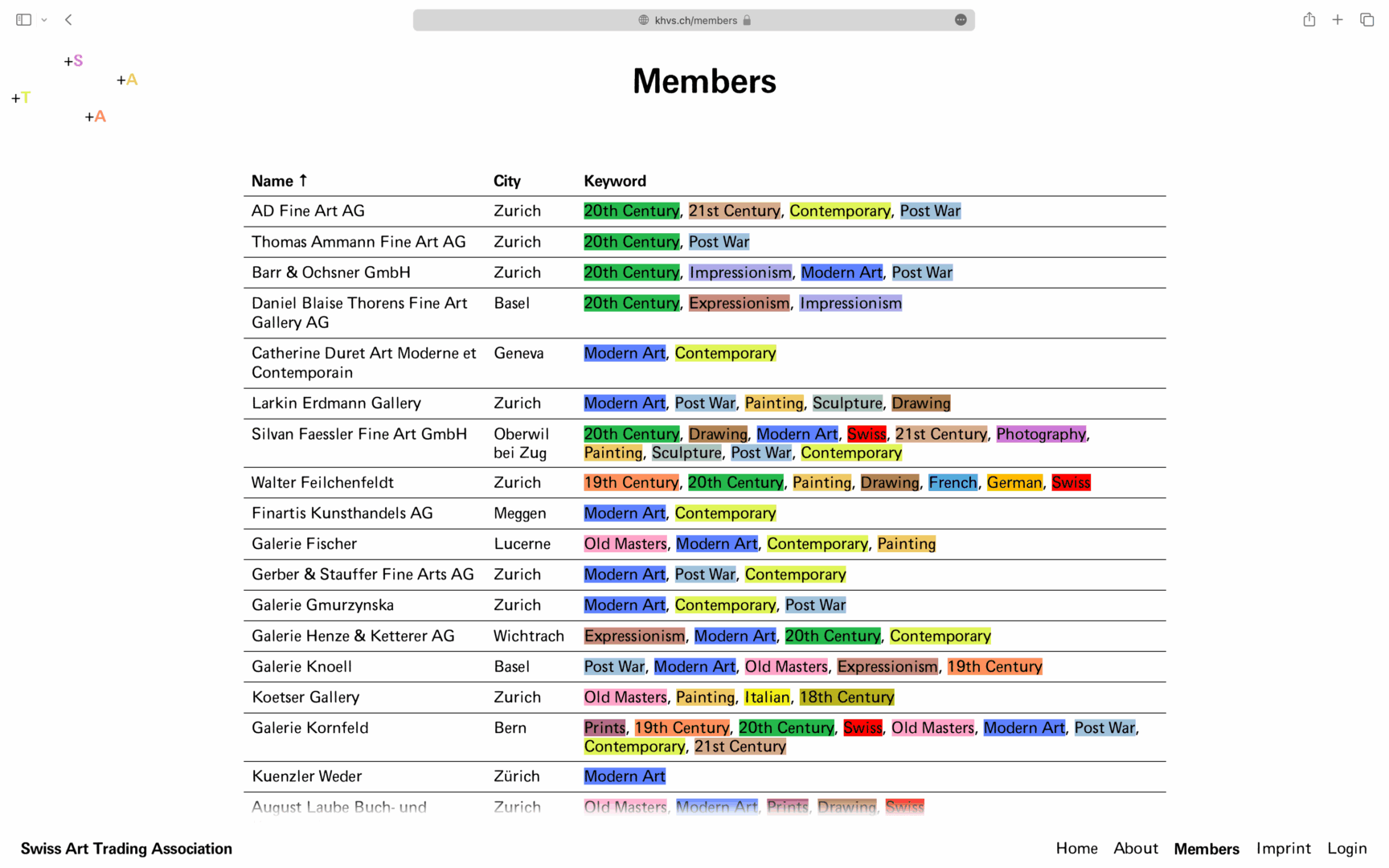
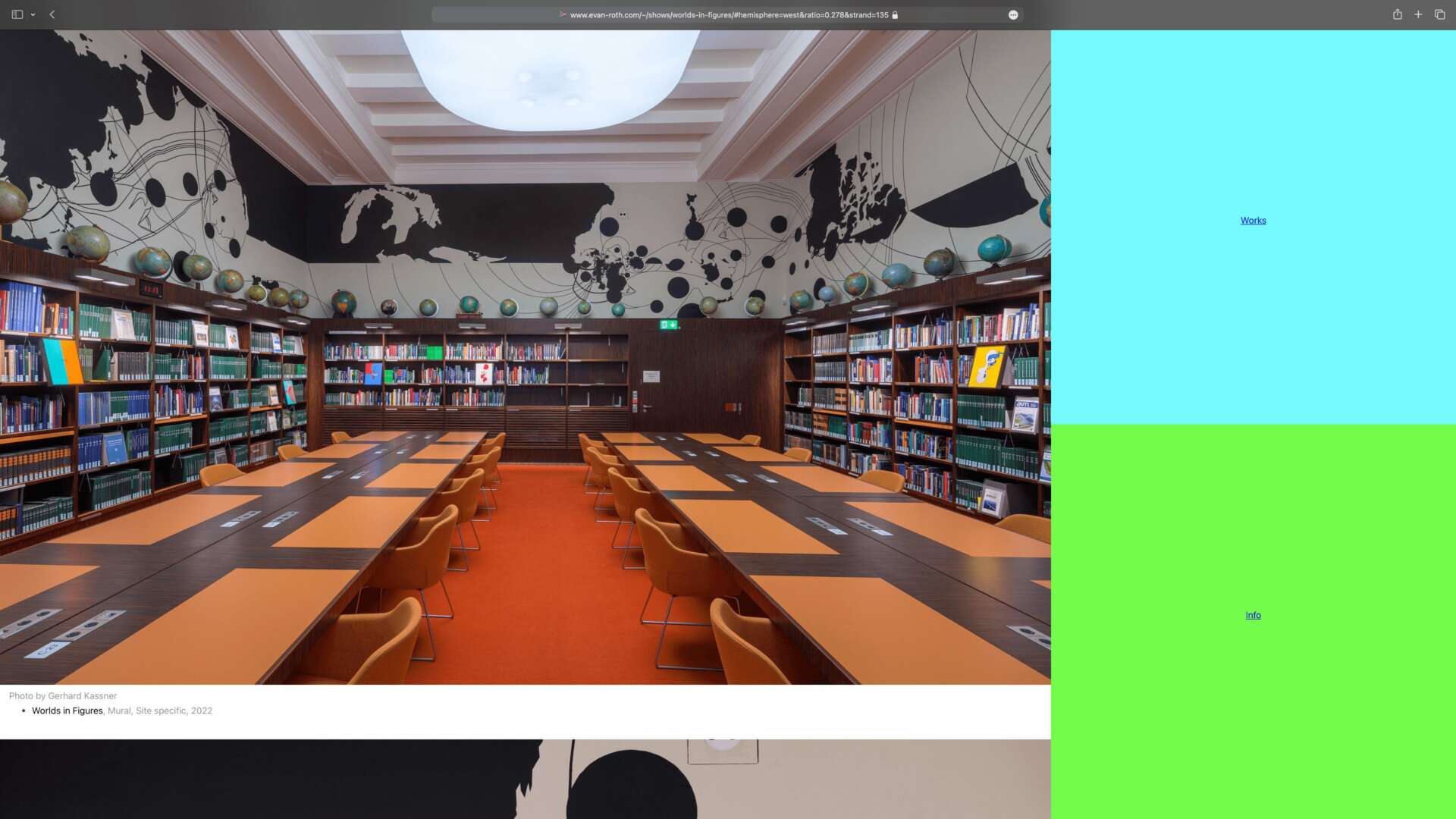
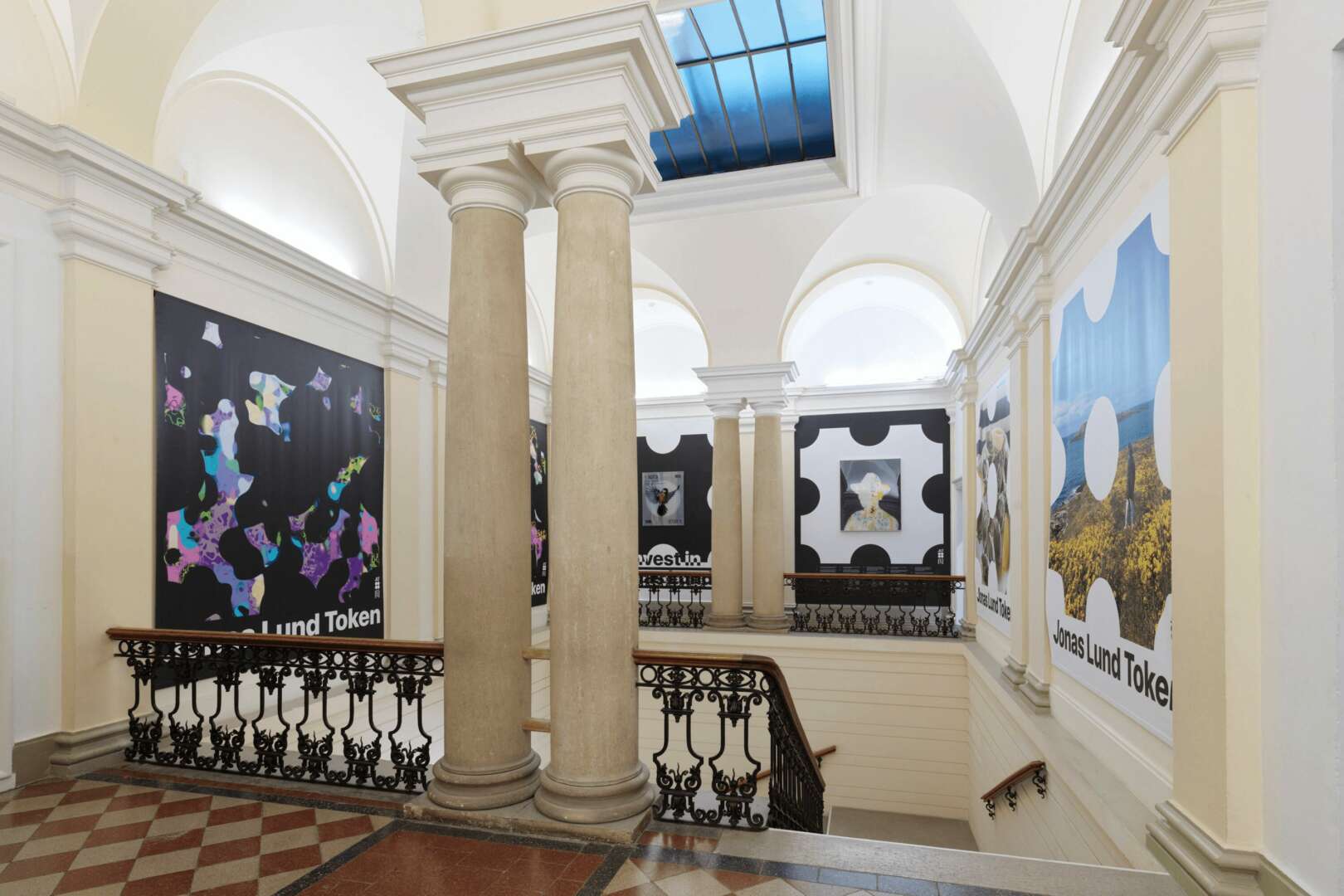
Image Credits
banner for Jonas Lund, My Name is Jonas Lund and I Approve this Message, Ryan Lee Gallery, New York 2023
creative direction for telos.haus
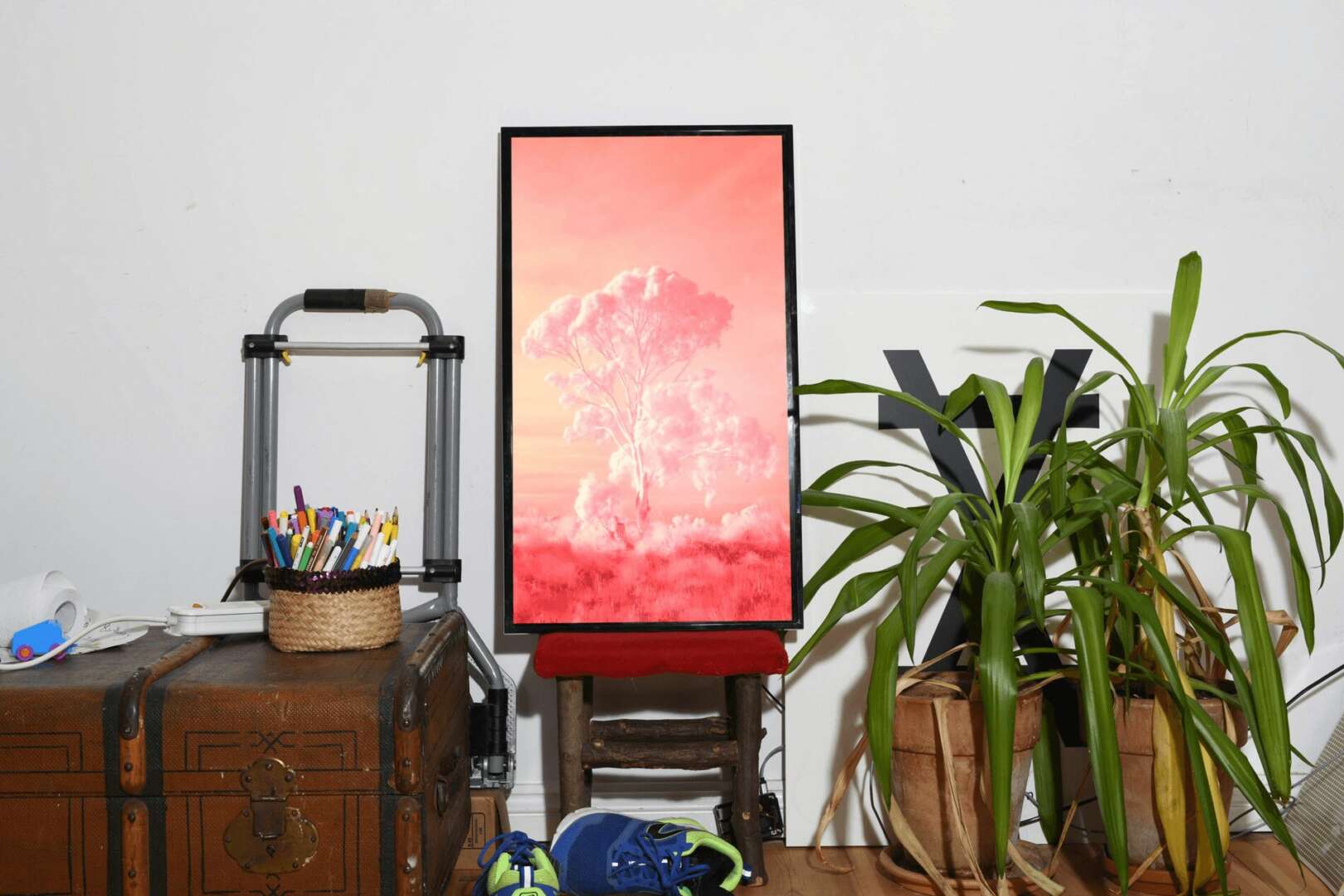
art direction for Evan Roth’s Red Lines project 2019
exhibition design for Kara Walkers retrospective at Schirn Kunsthalle Frankfurt, 2021
website for the swiss art trading association, 2021 with Hannah Tjaden
website for Evan Roth
Wallpaper, for Jonas Lund, Proof of Art, at Francisco Carolinum, Linz, 2021